10 Fast-Growing Vegetables For Quick Harvests In Michigan Gardens
Waiting all season for vegetables can feel slow, especially when you’re excited to enjoy fresh food from your own garden. The good news?
Michigan gardeners can grow plenty of vegetables that mature fast and deliver quick results. Plant today, harvest sooner than you think.
With the right choices, you can enjoy fresh produce in just weeks instead of months. Fast-growing veggies mean faster rewards.
Michigan’s growing season may be short, but smart planting makes every warm day count. From leafy greens to crunchy favorites, these vegetables are perfect for busy gardeners who want quick success.
Short season? No problem.
Whether you’re new to gardening or just want faster harvests, these plants help you stay motivated. Your next homegrown meal could be closer than you expect.
1. Lettuce
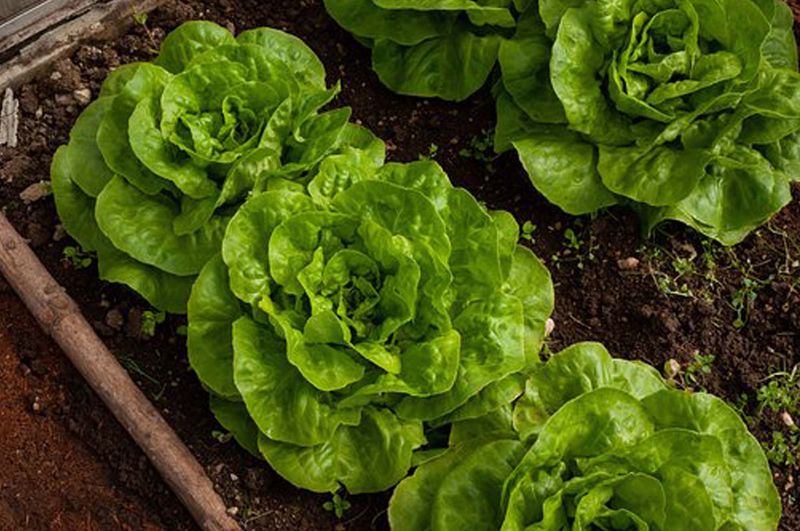
Lettuce stands out as one of the most reliable quick-harvest crops for Michigan gardens, with most varieties ready to pick in 30 to 45 days.
Cool-season loving by nature, lettuce absolutely thrives in Michigan’s spring and fall temperatures, making it a perfect choice for extending your growing season on both ends.
You can start harvesting baby leaves even sooner, sometimes in as little as three weeks, by using the cut-and-come-again method.
Plant lettuce seeds directly in the garden about a quarter-inch deep starting in early April in southern Michigan or mid-April in northern regions.
Loose-leaf varieties like Red Sails, Oak Leaf, and Buttercrunch are especially forgiving for beginners and produce tender leaves that regrow after cutting.
For continuous harvests, sow new seeds every two weeks until temperatures consistently reach the mid-70s.
Michigan gardeners should provide lettuce with partial shade during warmer days, as excessive heat causes bolting, where the plant sends up a flower stalk and the leaves turn bitter.
Mulching around plants helps keep roots cool and maintains the consistent moisture lettuce needs for tender, flavorful leaves.
Come late summer, around mid-August, you can plant another round of lettuce for fall harvests that often taste even sweeter than spring crops.
The cooler nights and mild days of Michigan autumns create ideal conditions for crisp, delicious lettuce right up until the first hard frost, giving you months of fresh salad greens from your garden.
2. Radishes
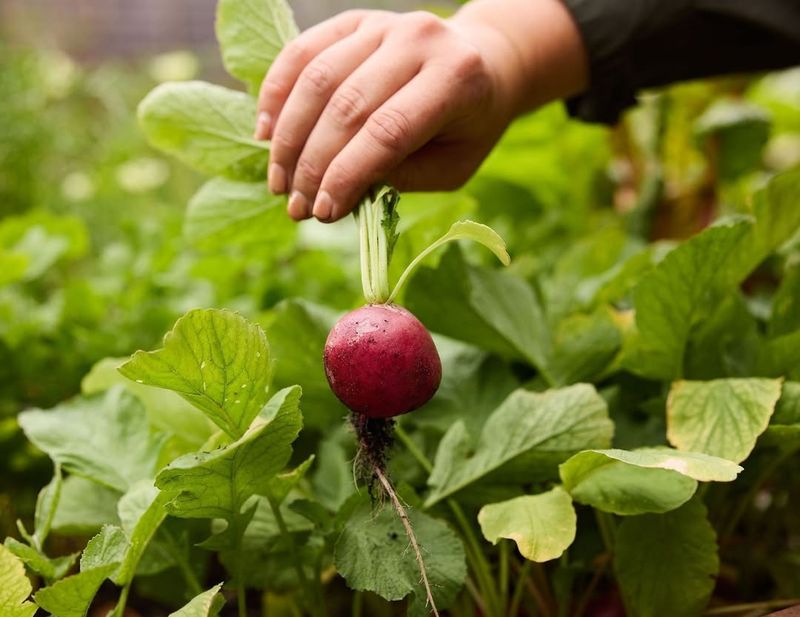
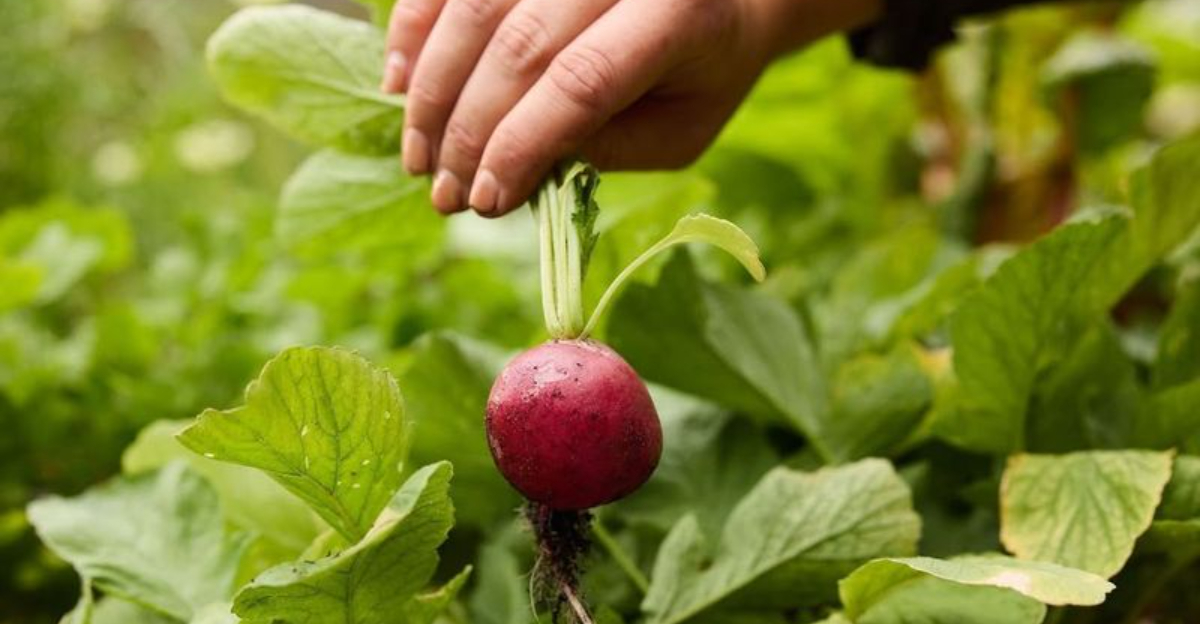
Radishes are champions when it comes to speed, often ready to harvest in just 20 to 30 days after planting. These crisp, peppery vegetables are perfect for Michigan gardeners who want to see quick results and keep their motivation high.
Radishes grow best in cool weather, making them ideal for early spring planting as soon as the soil can be worked, typically in late March or early April across most of Michigan.
You can direct-sow radish seeds about half an inch deep in well-drained soil with plenty of sunlight. Space them about an inch apart, and thin seedlings to two inches once they sprout.
Radishes don’t need much fussing over, but they do appreciate consistent moisture to prevent them from becoming woody or overly spicy.
One of the best things about radishes is their versatility in the garden. You can plant them between slower-growing vegetables like tomatoes or peppers to maximize your space, and they’ll be harvested long before those plants need the room.
Your Michigan Garden Changes Every Week. Your Plan Should Too.
Gardening in Michigan changes quickly throughout the season. Every Friday you’ll receive a simple weekly plan showing exactly what to plant, prune, fertilize, harvest, and protect so you never miss the right timing.
Michigan’s cool spring temperatures are perfect for producing tender, crisp radishes with just the right amount of bite.
Try succession planting every week or two throughout spring and again in late summer for continuous harvests.
Popular varieties like Cherry Belle, French Breakfast, and Easter Egg mix add color and crunch to salads and snacks, making radishes a must-have for any Michigan garden focused on quick rewards.
3. Spinach
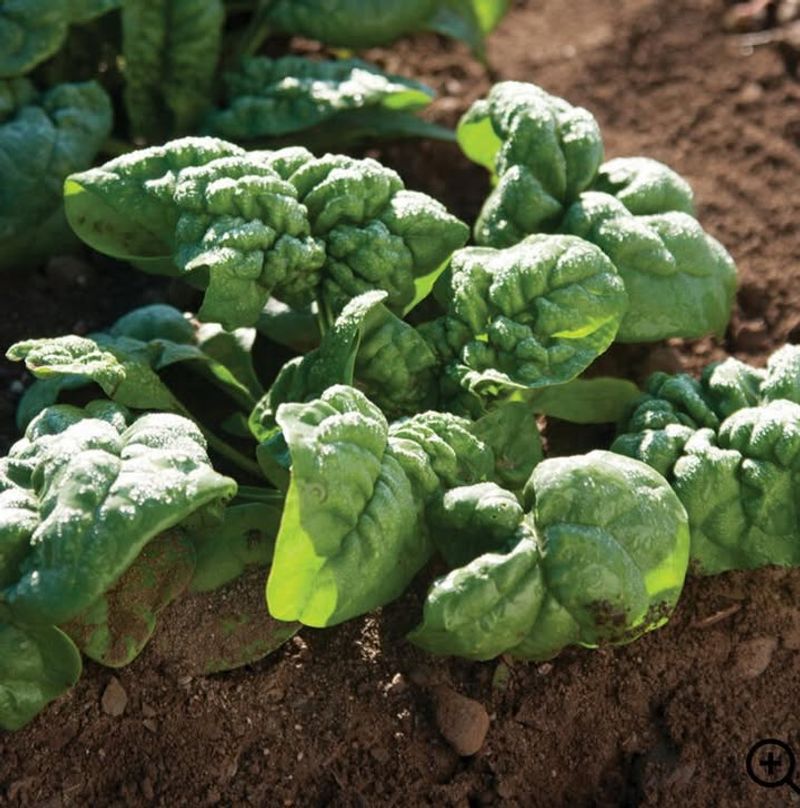
Few vegetables match spinach for nutritional punch combined with lightning-fast growth, making it a superstar in Michigan gardens.
Ready to harvest in 35 to 45 days, spinach loves the cool temperatures that Michigan offers in spring and fall, actually preferring conditions that would slow down many other vegetables.
This hardy green can even tolerate light frosts, allowing you to plant earlier and harvest later than most crops.
Sow spinach seeds directly into your Michigan garden beds in early spring, as soon as you can work the soil without it clumping. Plant seeds about half an inch deep and one inch apart in rows spaced 12 inches apart.
Spinach germinates best in cooler soil, so don’t wait for warm weather to get started.
The key to tender, sweet spinach is keeping the soil consistently moist and providing some afternoon shade as temperatures rise.
Michigan’s unpredictable spring weather actually works in your favor here, as cloudy days and occasional cool snaps keep spinach happy and productive.
Harvest outer leaves when they reach a usable size, allowing the center to continue producing, or cut the entire plant about an inch above the soil line.
Popular varieties like Bloomsdale, Space, and Tyee perform exceptionally well in Michigan conditions.
Plant again in late August for a fall crop that often outlasts the first few frosts, giving you fresh spinach well into October or even November in milder years across southern Michigan.
4. Arugula
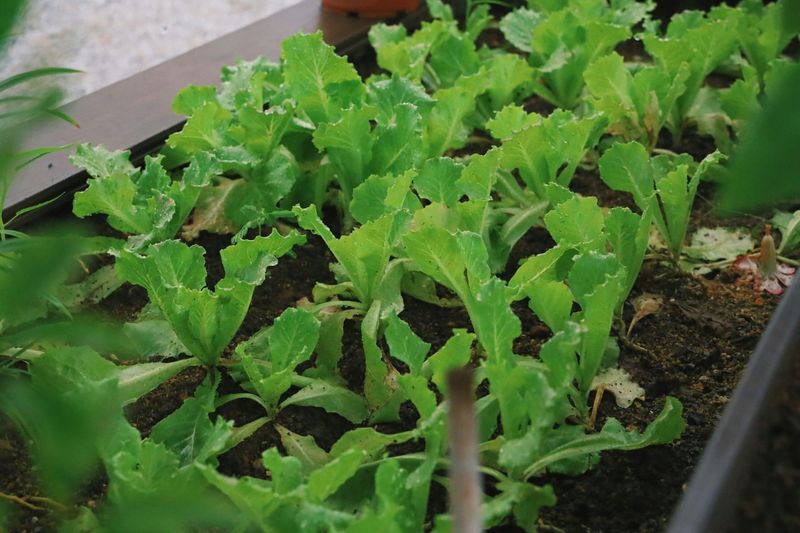
Arugula brings a peppery kick to salads and sandwiches while racing from seed to table in just 30 to 40 days. This spicy green has become increasingly popular among Michigan gardeners who appreciate its bold flavor and incredibly easy growing habits.
Unlike some finicky vegetables, arugula practically grows itself, tolerating a wide range of conditions while still producing abundantly.
Direct-sow arugula seeds in early spring throughout Michigan, scattering them thinly over prepared soil and covering with just a quarter-inch of soil. Seeds germinate quickly, often within a week, and you’ll see tiny leaves emerging that already carry that distinctive peppery taste.
Arugula grows best in full sun during cool weather but appreciates some shade as temperatures warm up.
Michigan gardeners will find that arugula actually tastes better when grown in cooler conditions, as heat intensifies its spiciness and can make leaves too strong for some palates.
Harvest leaves when they’re young and tender, typically three to four inches long, for the mildest flavor. Regular harvesting encourages more leaf production and delays flowering.
One fantastic benefit of arugula in Michigan gardens is its ability to self-sow, meaning plants that go to seed will often sprout volunteers the following season.
Plant successions every two to three weeks in spring, take a break during summer heat, then resume planting in late August for fall harvests.
Varieties like Astro and Rocket provide reliable performance in Michigan’s climate, delivering fresh, flavorful greens throughout the cooler months.
5. Green Onions
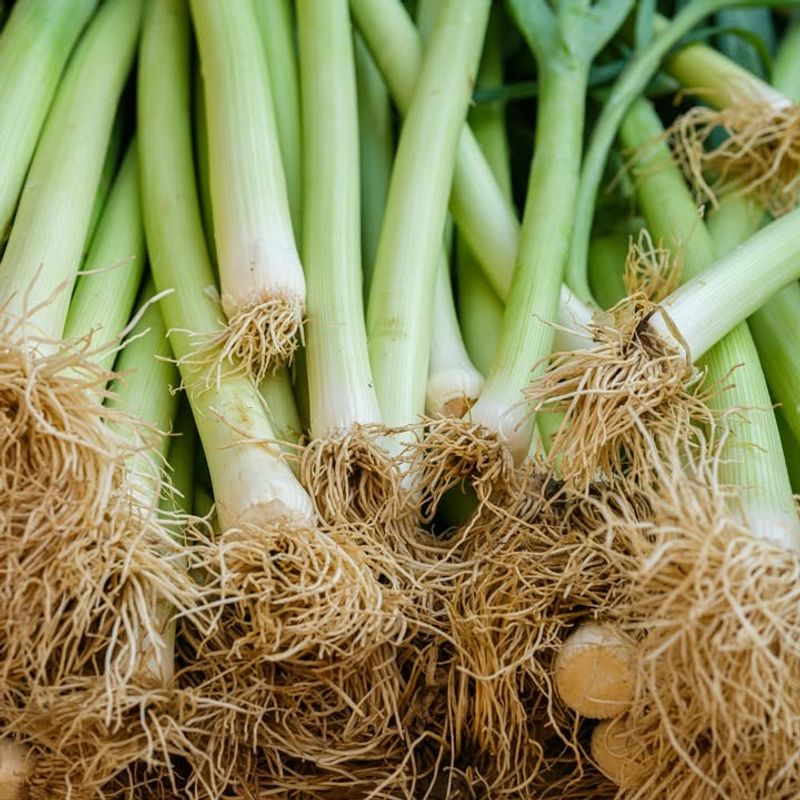
Green onions, also called scallions, offer Michigan gardeners a fantastic fast-growing option that delivers usable harvests in as little as 20 to 30 days when grown from sets, or 60 days from seed.
These versatile vegetables add fresh flavor to countless dishes and require minimal space, making them perfect for small gardens or container growing.
Their upright growth habit means you can tuck them into corners or edges of beds where other vegetables might not fit.
Plant green onion sets or seeds in early spring across Michigan, pushing sets about an inch deep into loose, well-drained soil. Seeds should be sown about a quarter-inch deep in rows or scattered in wide bands.
Green onions aren’t picky about growing conditions but produce the best flavor when given consistent moisture and full sun.
Michigan’s cool spring temperatures are ideal for green onions, which can tolerate light frosts and even prefer cooler weather over summer heat.
Harvest by gently pulling entire plants when the green tops reach six to eight inches tall, or snip off tops with scissors and let the plants regrow for multiple harvests from the same planting.
Succession planting every two weeks keeps your Michigan kitchen stocked with fresh green onions throughout the growing season.
Varieties like Evergreen Hardy White and Tokyo Long White perform reliably in Michigan gardens, providing mild, crisp onions perfect for salads, stir-fries, and garnishes.
You can even plant green onions in fall for early spring harvests, as they’re remarkably cold-hardy and will overwinter in many parts of Michigan.
6. Bush Beans
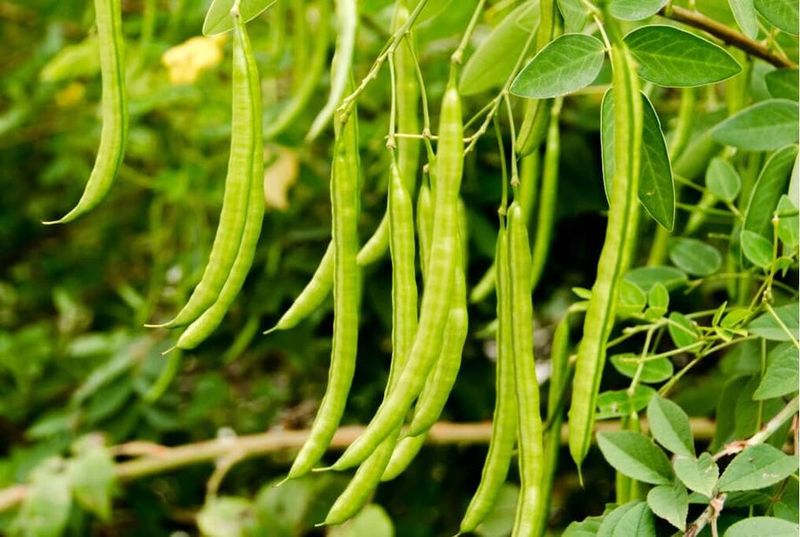
Bush beans bring warm-season productivity to Michigan gardens with surprisingly quick results, typically ready to harvest in 50 to 60 days after planting.
Unlike pole beans that need trellising and more space, bush varieties grow compact and self-supporting, making them perfect for gardeners with limited room or those who want easy maintenance.
Once Michigan’s soil warms to at least 60 degrees Fahrenheit, usually in late May or early June, bush beans take off and produce abundantly.
Plant bush bean seeds directly in the garden after all danger of frost has passed, which varies across Michigan from mid-May in southern counties to early June in the Upper Peninsula. Sow seeds about an inch deep and three inches apart in rows spaced 18 to 24 inches apart.
Beans fix their own nitrogen, so they don’t need heavy fertilization and actually improve your soil for next year’s crops.
Michigan’s warm summer days and cool nights create excellent conditions for bush beans, which produce tender, flavorful pods without the toughness that extreme heat can cause.
Keep soil consistently moist, especially during flowering and pod development, but avoid overhead watering which can promote disease. Harvest pods when they’re firm and crisp but before seeds bulge noticeably inside.
Popular varieties like Provider, Contender, and Blue Lake Bush perform exceptionally well in Michigan gardens.
For extended harvests, plant a second crop in early July, which will mature in cooler late-summer conditions and often produce right up until frost, giving Michigan gardeners fresh beans for months.
7. Turnips
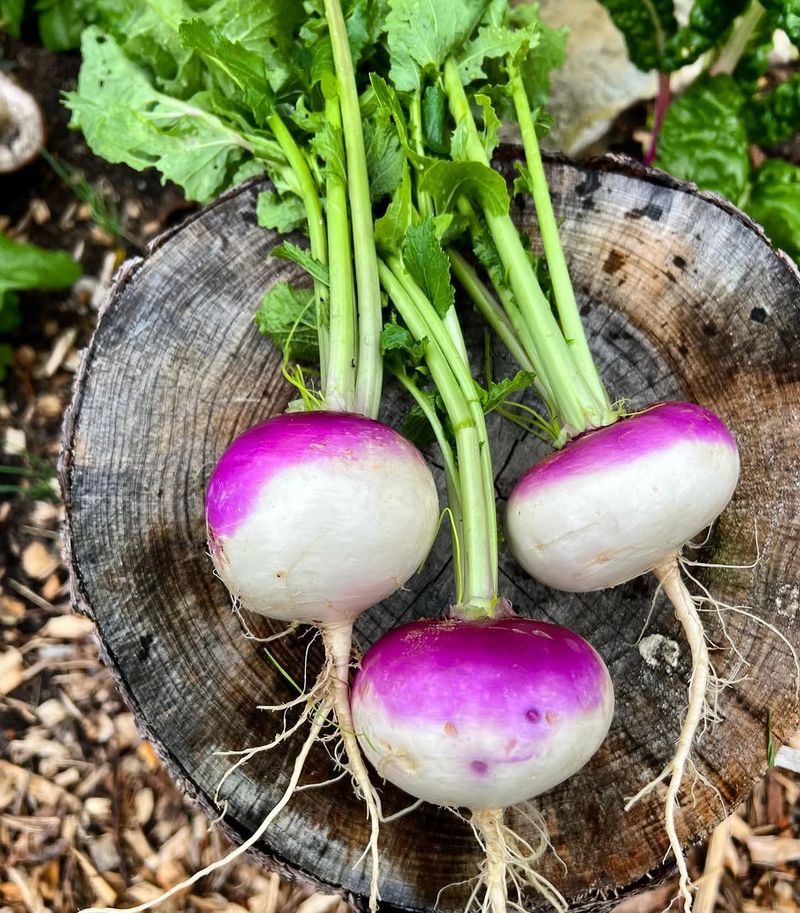
Turnips surprise many Michigan gardeners with their dual-purpose harvest and quick maturity, ready to pull in just 35 to 60 days depending on whether you want baby turnips or full-sized roots. Both the roots and the greens are edible, giving you two vegetables in one planting.
Cool-season champions, turnips actually develop their best flavor when grown in the crisp temperatures of Michigan’s spring and fall, with fall crops often tasting sweeter thanks to light frost exposure.
Sow turnip seeds directly in the garden in early spring or late summer, planting them about half an inch deep and spacing seeds two inches apart. Michigan gardeners can start spring plantings as early as late March in southern regions, while fall plantings work best when started in August.
Turnips prefer full sun and loose, well-drained soil that allows roots to expand easily without becoming misshapen.
Harvest turnip greens anytime after they reach four to six inches tall, taking outer leaves and allowing the center to continue growing. For roots, pull them when they’re two to three inches in diameter for the most tender, mild flavor.
Larger turnips can become woody and overly strong-tasting, especially if grown in hot weather.
Michigan’s climate is particularly well-suited to fall turnip crops, which can stay in the ground well past the first frost and actually improve in sweetness.
Varieties like Purple Top White Globe and Hakurei provide reliable performance, with Hakurei offering exceptionally sweet, mild roots perfect for eating raw or lightly cooked in Michigan kitchens.
8. Peas
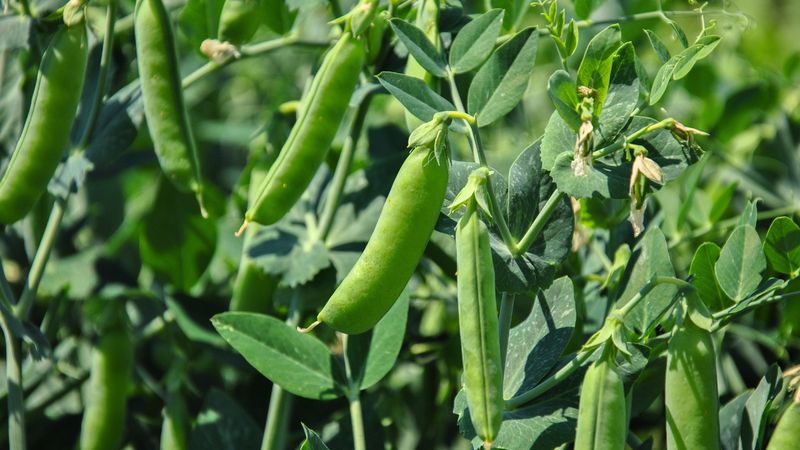
Peas rank among the earliest crops Michigan gardeners can plant, with some varieties ready to harvest in as little as 50 to 60 days.
These cool-season favorites actually prefer the chilly temperatures of early spring, making them perfect for getting your Michigan garden off to a productive start while other vegetables are still waiting for warmer soil.
Sugar snap and snow peas offer edible pods that make harvesting even more rewarding, while shelling peas provide sweet kernels worth the extra effort.
Plant pea seeds directly in the garden as soon as the soil can be worked, typically late March to mid-April across most of Michigan. Sow seeds about an inch deep and two inches apart, providing support like trellises or pea fencing for climbing varieties.
Bush types need less support but still benefit from something to lean against as pods develop and plants become top-heavy.
Michigan’s cool, moist spring conditions are absolutely ideal for peas, which struggle once temperatures consistently exceed 70 degrees. Morning sun with afternoon shade helps extend the harvest season, and consistent moisture produces the sweetest, most tender pods.
Harvest snap and snow peas when pods are plump but before they become overly mature, and pick shelling peas when pods are full and rounded.
Varieties like Sugar Ann, Oregon Sugar Pod, and Little Marvel thrive in Michigan gardens, producing abundantly before summer heat arrives.
While fall pea crops are possible in Michigan, spring plantings generally perform better due to our warming fall soil temperatures and shorter day lengths that can limit production.
9. Kale
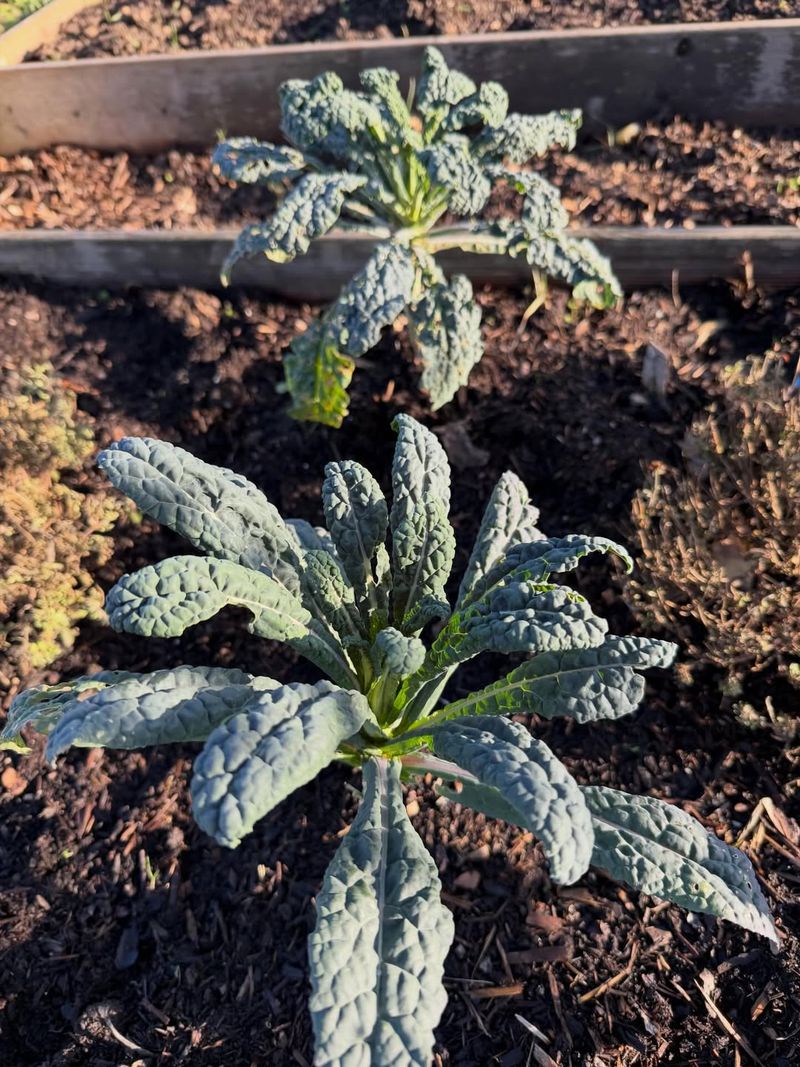
Kale has earned superfood status for good reason, and Michigan gardeners can enjoy this nutritious green in as little as 50 to 65 days from planting.
Incredibly cold-hardy, kale actually improves in flavor after exposure to frost, making it one of the few vegetables that gets better as Michigan’s weather turns chilly.
You can harvest baby leaves even sooner for tender salad greens, or wait for full-sized leaves perfect for cooking and adding to smoothies.
Start kale seeds indoors six weeks before your last frost date, or direct-sow in the garden in mid-spring once soil temperatures reach 45 degrees. Michigan gardeners can plant kale in early April in most regions, and again in late July or early August for fall and winter harvests.
Space plants 12 to 18 inches apart in full sun, though kale tolerates partial shade better than many vegetables.
Michigan’s climate is nearly perfect for kale, which thrives in the cool temperatures and adequate moisture our region provides. Harvest lower leaves first, allowing the plant to continue producing from the center crown throughout the season.
Regular harvesting encourages tender new growth and prevents leaves from becoming tough or overly bitter.
Fall-planted kale in Michigan gardens often produces right through November and sometimes into December, especially with simple row cover protection.
Varieties like Winterbor, Lacinato, and Red Russian handle Michigan winters remarkably well, with some gardeners successfully overwintering plants under snow cover for extra-early spring harvests.
This makes kale one of the longest-producing quick-start vegetables you can grow in Michigan.
10. Bok Choy
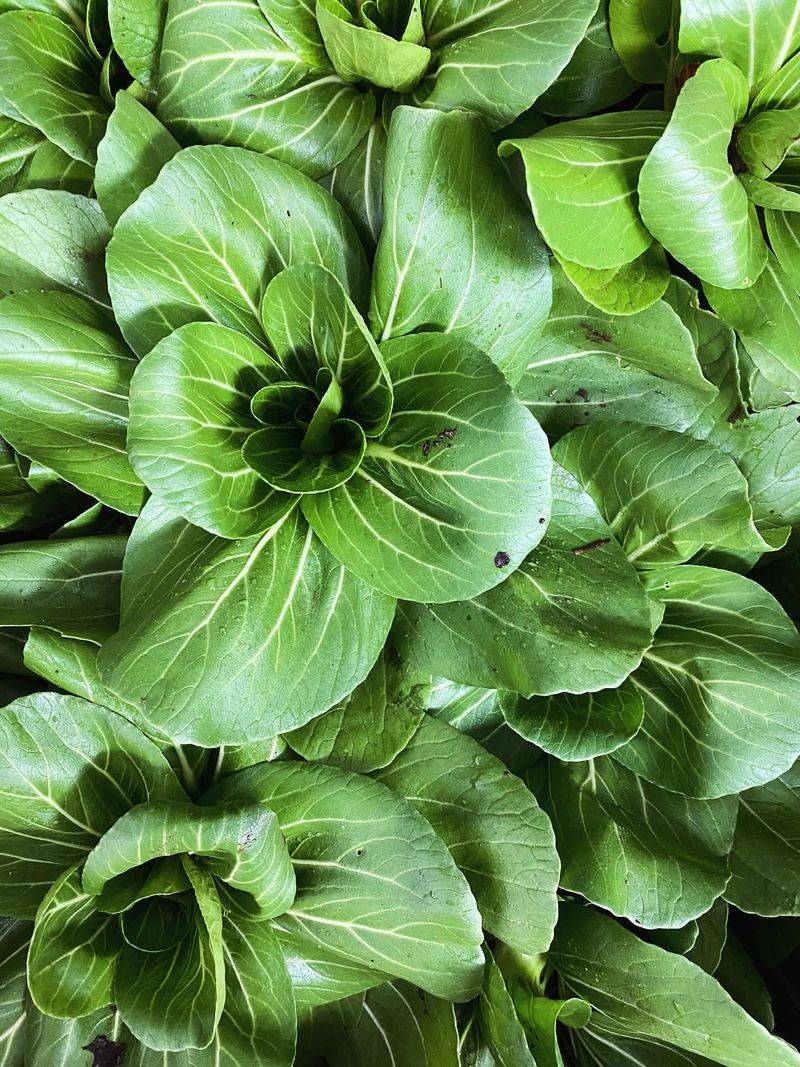
Bok choy brings Asian flair to Michigan gardens with impressively fast growth, ready to harvest in just 45 to 60 days. This mild, crisp vegetable thrives in cool weather, making it an excellent choice for Michigan’s spring and fall growing seasons.
With both tender leaves and crunchy stems that add texture to stir-fries and salads, bok choy delivers versatility along with its speedy maturation, appealing to gardeners looking to expand beyond traditional vegetables.
Direct-sow bok choy seeds in early spring or late summer, planting them about a quarter-inch deep and eventually thinning seedlings to six inches apart. Michigan gardeners should aim for early April plantings in spring, or late July through August for fall crops.
Bok choy appreciates consistent moisture and full sun during cooler months, though some afternoon shade helps prevent bolting as temperatures rise.
Michigan’s cool spring mornings and moderate days create ideal conditions for producing tender, mild bok choy without the bitterness that heat can cause. Harvest baby bok choy when plants reach six to eight inches tall, or wait for full-sized heads around 10 to 12 inches.
Cut the entire plant at soil level, or harvest outer leaves and allow the center to continue producing.
Fall plantings often outperform spring crops in Michigan, as lengthening nights and cooling temperatures discourage bolting and produce sweeter, more tender plants. Varieties like Joi Choi and Toy Choy handle Michigan’s variable weather well, providing reliable harvests.
Bok choy’s quick growth makes it perfect for succession planting, ensuring fresh harvests throughout Michigan’s extended cool seasons.