These Are The Best Soil Types For Better Vegetable Growth In Illinois
Great vegetables don’t start with seeds – they start with soil. If you’re gardening in Illinois, the type of soil you use can make the difference between weak plants and overflowing harvests.
Healthy soil equals healthy vegetables. From heavy clay to rich loam, Illinois gardens come with different soil challenges and opportunities.
The right dirt can double your results. When your soil holds moisture, drains well, and feeds your plants properly, everything grows stronger and faster.
Better soil means bigger harvests. Whether you’re growing in raised beds or backyard plots, small soil improvements can lead to huge rewards.
Your garden’s success begins underground. Let’s explore the best soil types that help vegetables grow better and produce more in Illinois gardens.
1. Loamy Soil
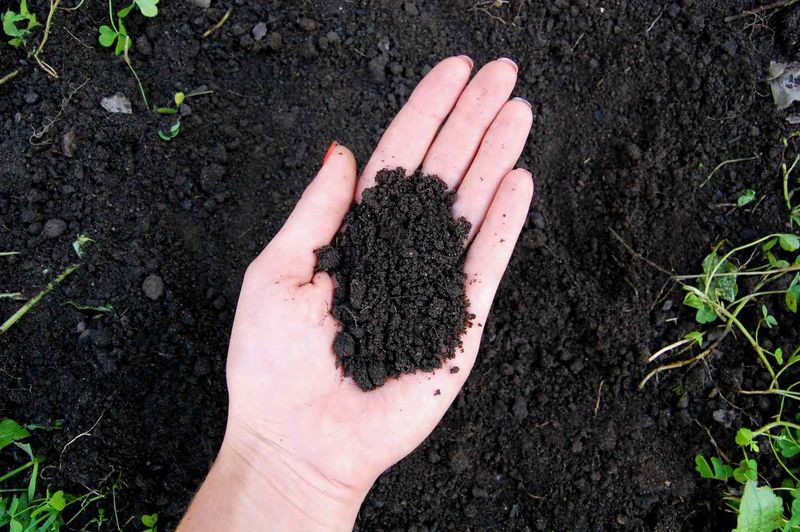
Gardeners across Illinois consider loamy soil the gold standard for vegetable cultivation, and for good reason.
This balanced mixture combines sand, silt, and clay in nearly equal proportions, creating an ideal growing environment that drains well while retaining enough moisture to keep plants hydrated.
The texture feels slightly gritty yet smooth when you rub it between your fingers, and it holds together when squeezed but crumbles easily when poked.
Vegetables absolutely thrive in loamy soil because it provides excellent aeration for root systems while maintaining consistent moisture levels. The structure allows roots to penetrate deeply and spread widely, accessing nutrients throughout the soil profile.
Illinois vegetable gardeners who work with loamy soil often report larger yields and healthier plants compared to other soil types.
The nutrient-holding capacity of loam is exceptional, meaning fertilizers and organic matter stay available to plants longer. This soil type warms up quickly in spring, giving Illinois gardeners an early start to the growing season.
Whether you’re planting tomatoes in Chicago or peppers in Peoria, loamy soil adapts beautifully to various vegetable needs.
If your garden doesn’t naturally have loamy soil, you can create it by amending existing soil with compost and organic materials. Adding well-rotted manure, leaf mold, and finished compost gradually transforms clay-heavy or sandy soils into loam.
Most Illinois gardeners find that consistent amendments over two to three seasons produce noticeable improvements in soil texture and vegetable performance, making the effort worthwhile for long-term garden success.
2. Sandy Loam
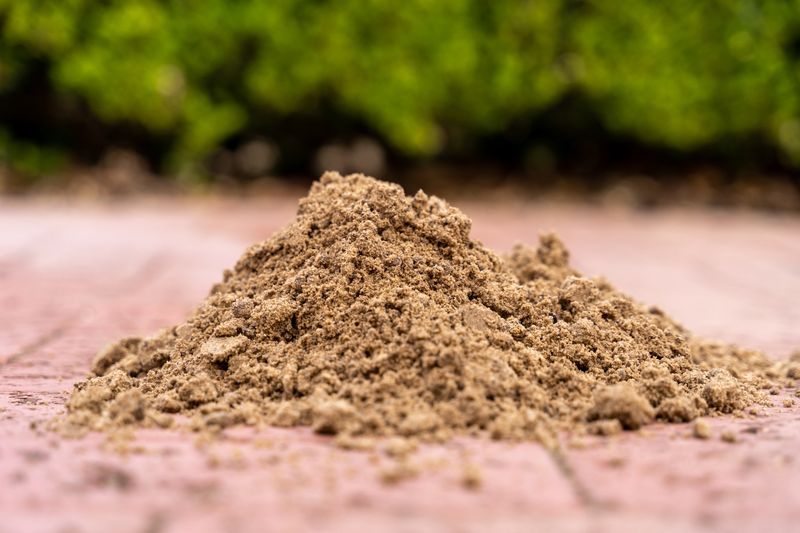
When spring arrives early in southern Illinois, sandy loam becomes a vegetable gardener’s best friend. This soil type contains more sand particles than regular loam, which means it warms up faster as temperatures rise and drains exceptionally well after heavy rains.
The quick-draining nature prevents waterlogged roots, a common problem that stunts growth and reduces harvests in poorly drained soils.
Root vegetables like carrots, radishes, and parsnips perform beautifully in sandy loam because the loose structure allows them to grow straight and long without encountering hard barriers. The soil doesn’t compact easily, so roots can push through with minimal resistance.
Illinois gardeners working with sandy loam often produce picture-perfect carrots with smooth, unblemished skin.
However, sandy loam does have one notable drawback: it doesn’t hold nutrients as effectively as heavier soils. Water drains through quickly, sometimes carrying dissolved nutrients beyond root reach.
Your Illinois Garden Changes Every Week. Your Plan Should Too.
Gardening in Illinois changes quickly throughout the season. Every Friday you’ll receive a simple weekly plan showing exactly what to plant, prune, fertilize, harvest, and protect so you never miss the right timing.
To compensate, gardeners in Illinois should apply compost and organic fertilizers more frequently throughout the growing season. Adding aged manure or compost every few weeks keeps nutrient levels steady.
The workability of sandy loam makes it easy to prepare beds and plant seeds, even shortly after rainfall. You won’t find yourself waiting days for the soil to dry enough to work.
For Illinois gardeners who want to maximize their short growing season, sandy loam offers the advantage of earlier planting dates and easier cultivation, leading to productive vegetable gardens that start strong and finish with abundant harvests.
3. Silty Loam
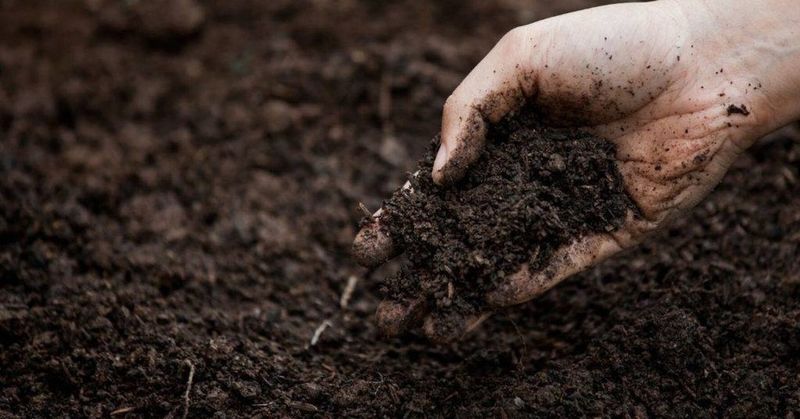
Silky smooth to the touch, silty loam feels almost luxurious when you run it through your hands.
This soil type contains higher proportions of silt particles, which are finer than sand but coarser than clay, creating a texture that retains moisture beautifully while still allowing adequate drainage.
Illinois gardeners blessed with naturally silty loam often enjoy bumper crops without extensive soil amendments.
The moisture-retaining properties of silty loam prove especially valuable during Illinois summers when rainfall can be unpredictable.
Vegetables need consistent moisture to develop properly, and silty loam acts like a natural reservoir, holding water near plant roots without becoming waterlogged. This means less frequent watering and more resilient plants during dry spells.
Leafy greens such as lettuce, spinach, and kale flourish in silty loam because they require steady moisture and rich nutrients. The fine particles in this soil type hold onto organic matter and minerals effectively, creating a nutrient-dense environment.
Illinois gardeners growing salad crops in silty loam notice tender, flavorful leaves with minimal bitterness.
One challenge with silty loam is its tendency to compact when walked on or worked when too wet. Creating permanent pathways between garden beds helps protect the soil structure.
Adding compost annually maintains the ideal texture and prevents compaction issues. Many Illinois vegetable gardeners consider silty loam nearly perfect for intensive growing, especially when combined with no-till practices that preserve the delicate soil structure and support healthy microbial communities essential for nutrient cycling.
4. Amended Clay Soil
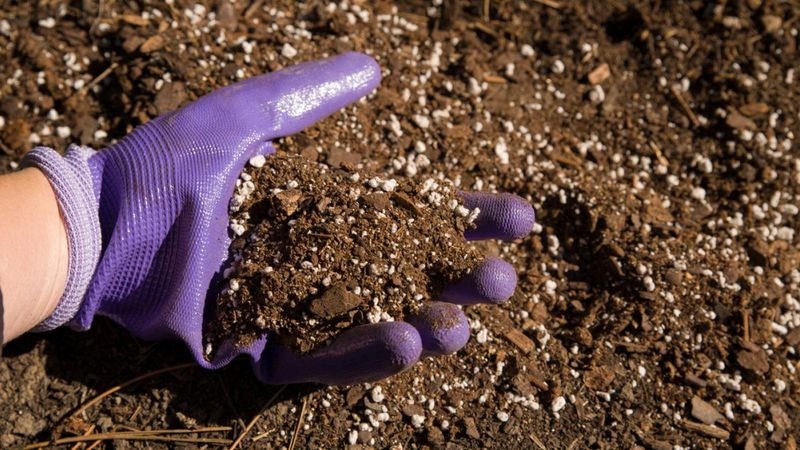
Clay soil dominates many Illinois landscapes, presenting both challenges and opportunities for vegetable gardeners. In its natural state, clay holds water excessively, drains poorly, and becomes rock-hard when dry.
But here’s the exciting part: properly amended clay transforms into incredibly productive growing medium that outperforms many other soil types once you invest the effort to improve it.
The secret lies in adding generous amounts of organic matter over time. Compost, aged manure, shredded leaves, and cover crop residues gradually change clay’s structure, creating spaces between particles where air and water can move freely.
Illinois gardeners should add at least three to four inches of compost annually, working it into the top six to eight inches of soil.
Once amended, clay soil holds nutrients exceptionally well, providing a steady supply of minerals to hungry vegetable plants. The improved structure supports robust root systems while maintaining consistent moisture during hot Illinois summers.
Heavy feeders like tomatoes, peppers, and squash thrive in well-amended clay because nutrients remain available throughout the long growing season.
Patience pays off when transforming clay soil. Most Illinois gardeners see significant improvements after two growing seasons of consistent amendments.
Raised beds offer an alternative approach, allowing you to create ideal soil conditions above problematic clay.
Either way, the nutrient-holding capacity of amended clay eventually rewards your efforts with vegetables that grow larger, taste better, and produce more abundantly than you might have thought possible in your Illinois garden.
5. Composted Soil Mix
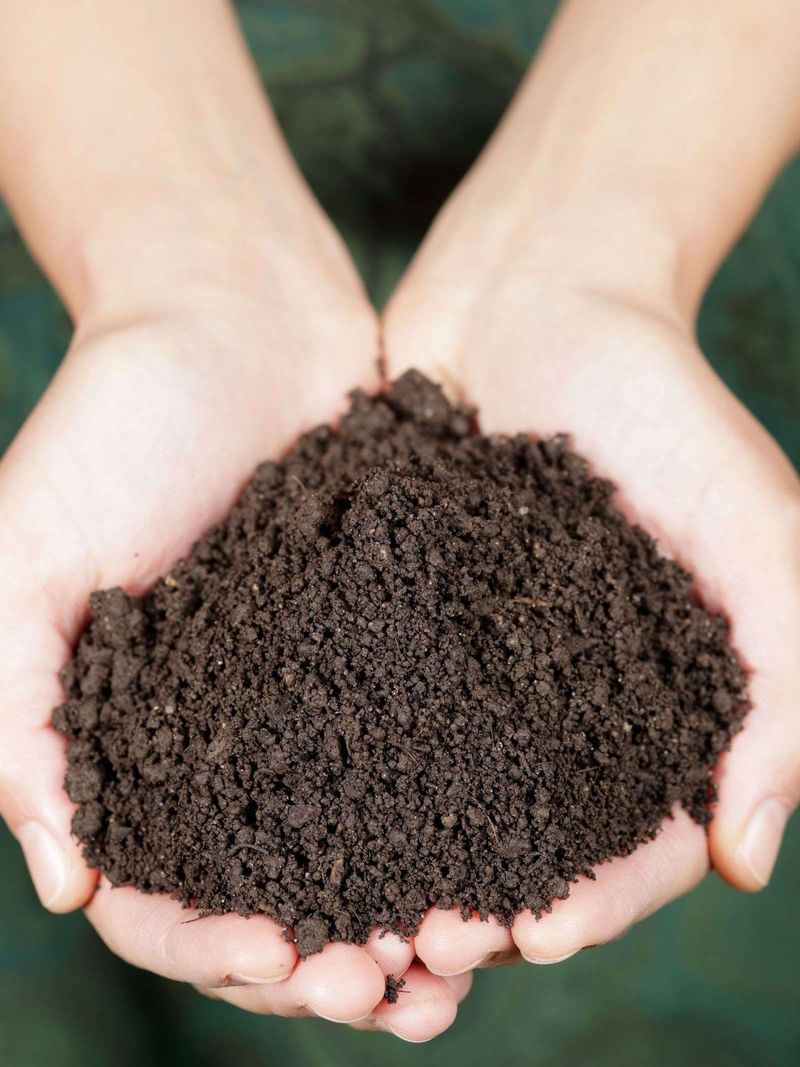
Nothing beats a well-made composted soil mix for starting a new vegetable garden in Illinois. This custom blend combines topsoil with generous amounts of finished compost, creating a nutrient-rich foundation that gives plants everything they need from day one.
Many Illinois gardeners create their own mixes, adjusting ratios based on what vegetables they plan to grow and what their existing soil conditions are like.
A typical composted soil mix might combine equal parts existing garden soil, finished compost, and additional amendments like peat moss or coconut coir.
The compost portion introduces beneficial microorganisms that help break down organic matter and make nutrients available to plant roots.
These tiny soil workers continue their beneficial activities throughout the growing season, constantly improving soil quality.
The beauty of composted soil mixes lies in their versatility. Illinois gardeners can customize blends for specific vegetables: adding more compost for heavy feeders, incorporating extra drainage materials for root crops, or increasing moisture retention for thirsty plants like cucumbers.
This flexibility allows you to optimize growing conditions for whatever you want to harvest.
Starting seeds in composted soil mix gives seedlings a strong beginning with balanced nutrition and ideal texture. The loose, friable structure allows tender roots to establish quickly without struggling through compacted or nutrient-poor soil.
Whether you’re filling raised beds, container gardens, or improving in-ground plots across Illinois, composted soil mixes provide immediate benefits and long-term soil health improvements that translate directly into more productive vegetable gardens and healthier harvests season after season.
6. Peat-Based Potting Mix
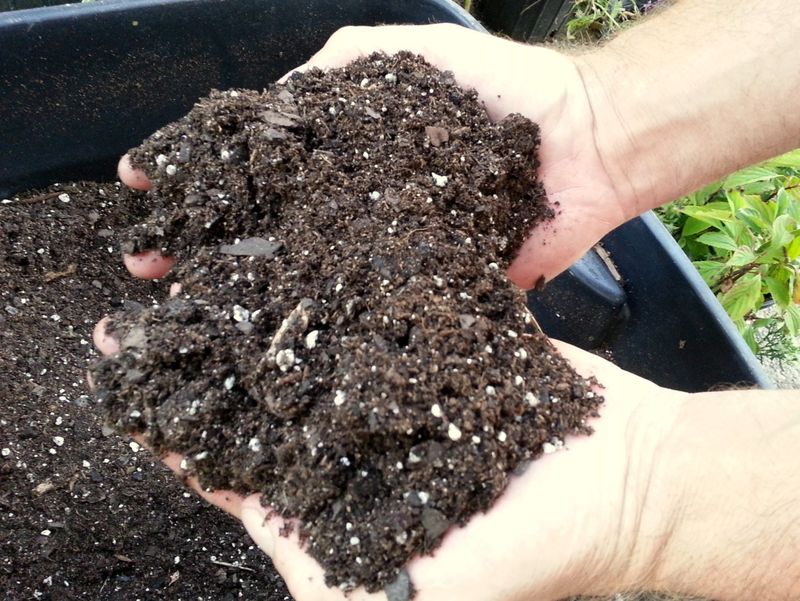
Container vegetable gardening has exploded in popularity across Illinois cities and suburbs, and peat-based potting mix makes it possible. Regular garden soil compacts terribly in containers, suffocating roots and preventing proper drainage.
Peat-based mixes stay light and fluffy, providing the aeration and moisture balance that containerized vegetables absolutely require to thrive in confined spaces.
These specialized mixes typically combine peat moss with perlite or vermiculite, creating a lightweight growing medium that holds moisture while allowing excess water to drain freely. The structure remains stable throughout the growing season, unlike garden soil that settles and compresses.
Illinois gardeners growing tomatoes, peppers, and herbs in pots on balconies or patios rely on peat-based mixes for consistent results.
The sterile nature of peat-based potting mix offers another advantage: it comes free of weed seeds, disease organisms, and pest eggs that might plague garden soil. Starting with clean growing medium reduces problems and gives vegetables a healthy environment from the beginning.
However, peat-based mixes contain minimal nutrients, so regular fertilizing becomes essential for productive container gardens.
Environmental considerations have some Illinois gardeners seeking alternatives to peat, which is harvested from sensitive bog ecosystems. Coconut coir-based mixes offer similar properties with less environmental impact.
Whichever you choose, using proper potting mix rather than garden soil makes the difference between struggling container vegetables and thriving plants that produce abundantly despite limited root space, bringing fresh produce to Illinois gardeners without traditional garden space available for in-ground growing.
7. Raised Bed Soil Blend
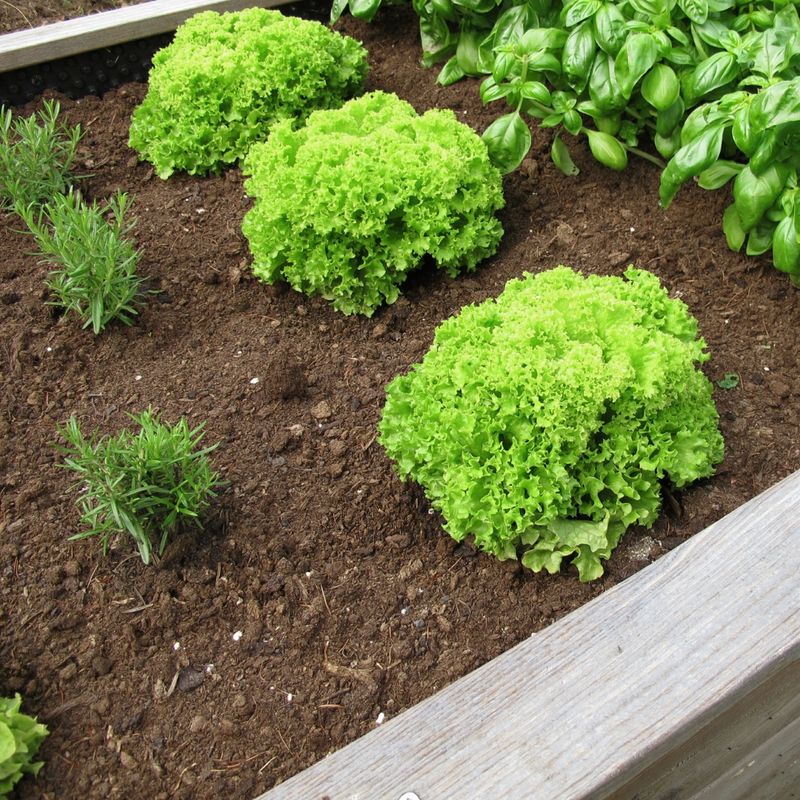
Raised bed gardening has revolutionized vegetable growing for countless Illinois gardeners, and the specialized soil blends developed for these elevated gardens deliver outstanding results.
Unlike in-ground gardening where you work with existing soil, raised beds let you create the perfect growing environment from scratch.
Most successful Illinois raised bed gardeners use a carefully calculated blend that combines multiple components for optimal performance.
The classic raised bed soil recipe follows the square-foot gardening formula: one-third compost, one-third peat moss or coconut coir, and one-third vermiculite or perlite. This combination creates loose, fertile soil that drains well while retaining adequate moisture.
The lightweight nature makes it easy to work with, and roots penetrate effortlessly throughout the entire bed depth.
Illinois gardeners often modify this basic recipe based on local conditions and vegetable preferences. Adding topsoil increases mineral content and provides more substance for long-season crops.
Incorporating aged manure boosts nitrogen levels for leafy greens. The flexibility of raised bed blends means you can adjust components each season based on what worked well and what needs improvement.
The investment in quality raised bed soil pays dividends for years. Unlike garden soil that may have drainage issues, compaction problems, or nutrient deficiencies, raised bed blends start perfect and only improve as you add compost annually.
Illinois vegetable gardeners using raised beds with proper soil blends consistently harvest earlier, grow larger plants, and enjoy higher yields compared to traditional in-ground gardens, making the initial investment worthwhile for serious growers throughout the state.