Watch Out For These Michigan Garden Plants That Can Damage Your Skin
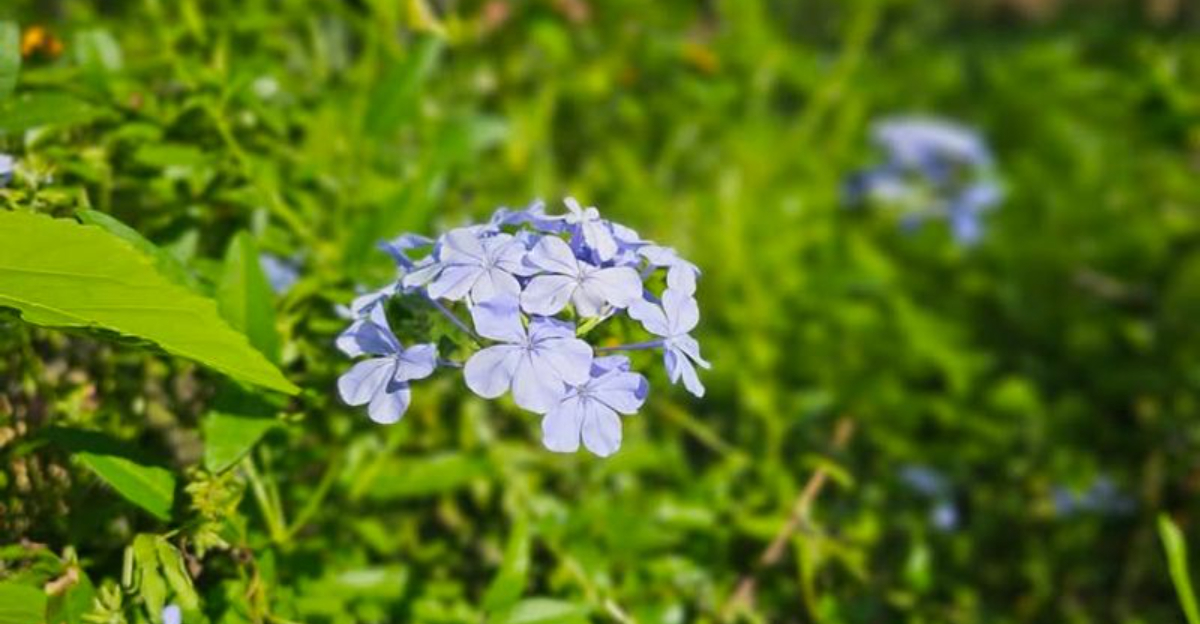
Your Michigan garden may look peaceful and harmless, but some plants can cause painful skin reactions without warning. From itchy rashes to burning sensations, the danger isn’t always easy to spot.
Beautiful plants can still be dangerous. Many common garden favorites release sap or oils that irritate skin when touched.
One quick brush can lead to days of discomfort. Michigan’s climate allows several harmful plants to grow easily, making it important to know what to avoid.
Your yard should be a safe place, not a painful surprise. Whether you garden every day or just enjoy being outside, a little knowledge goes a long way.
Smart gardeners protect themselves before problems start. Let’s take a closer look at the Michigan garden plants you should watch out for to keep your skin safe.
1. Wild Parsnip
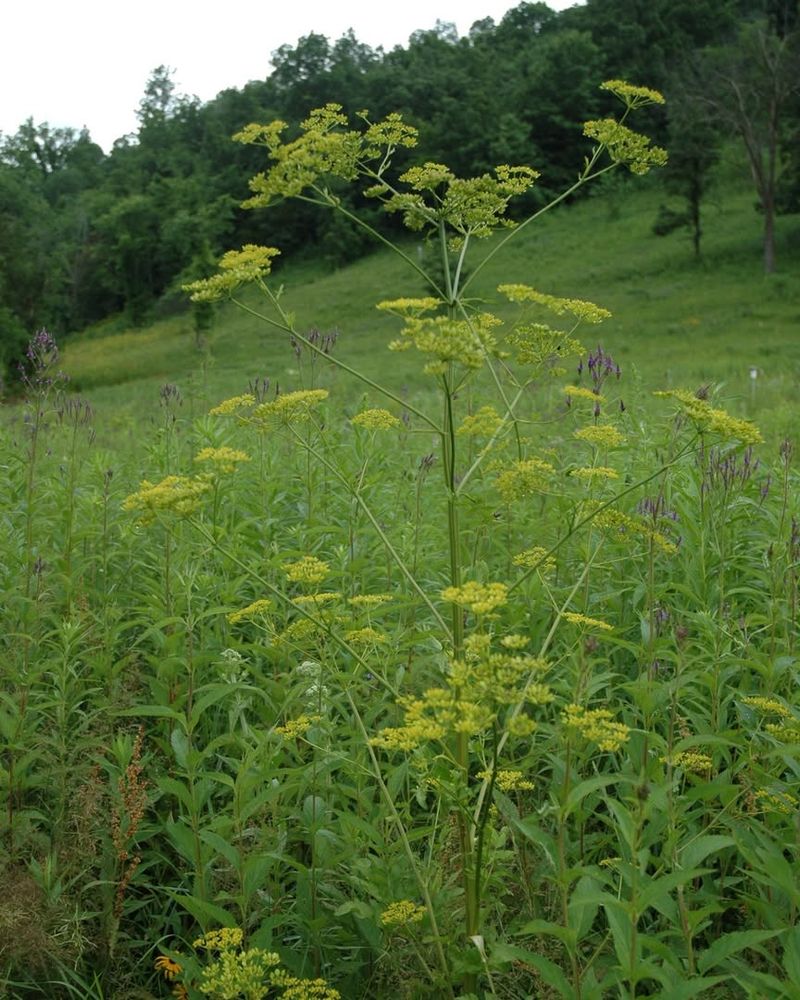
Wild parsnip has become a serious concern for Michigan gardeners and outdoor enthusiasts over the past several years. This invasive plant produces a clear sap that contains chemicals called furanocoumarins, which make your skin extremely sensitive to sunlight.
When the sap gets on your skin and you go out in the sun, it can cause severe burns that look like second-degree injuries, complete with blisters and dark discoloration that can last for months.
You might find wild parsnip growing along roadsides, in ditches, and unfortunately in many Michigan gardens where it spreads quickly. The plant grows three to five feet tall with yellow-green flowers arranged in umbrella-shaped clusters.
Its leaves are compound and toothed, resembling large celery leaves. Many people accidentally brush against wild parsnip while gardening or mowing, not realizing the danger until painful blisters appear a day or two later.
If you discover wild parsnip in your Michigan yard, wear long sleeves, pants, and gloves when removing it. Never use a string trimmer on this plant because it sprays the dangerous sap everywhere, potentially covering your skin and clothing.
The best time to remove wild parsnip is during its first year when it only has leaves and has not yet developed a strong root system.
Should you accidentally get wild parsnip sap on your skin, wash the area immediately with soap and cool water. Keep the affected area covered and away from sunlight for at least 48 hours.
The burns can be quite painful and may require medical attention, especially if blistering is severe or covers a large area of your body.
2. Giant Hogweed
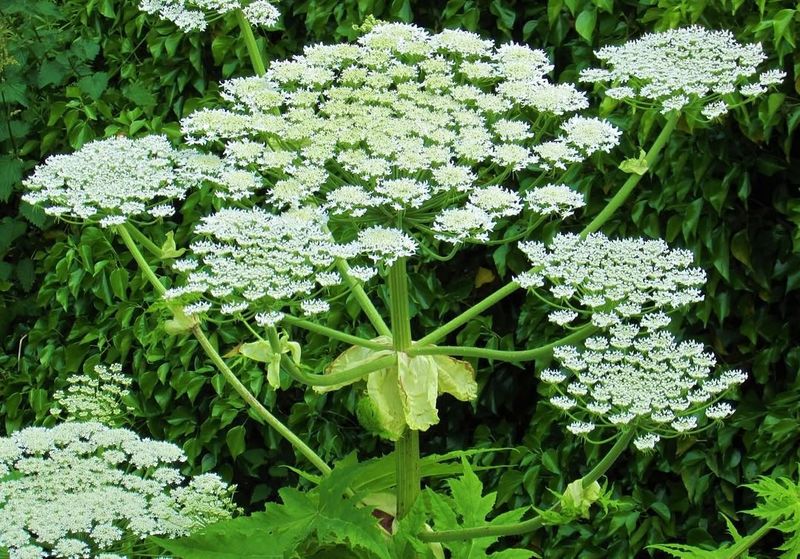
Standing up to 14 feet tall, giant hogweed is an intimidating plant that has earned its dangerous reputation across Michigan.
This invasive species contains the same toxic sap as wild parsnip but in much higher concentrations, making it even more hazardous to anyone who comes into contact with it.
The plant looks dramatic with enormous leaves that can span five feet across and massive white flower clusters that resemble giant Queen Anne’s lace.
Giant hogweed sap causes a condition called phytophotodermatitis, where the chemicals react with sunlight to create painful, burning blisters on your skin.
Even a tiny amount of sap can cause serious reactions that leave permanent scars and dark patches that may take years to fade completely.
Your Michigan Garden Changes Every Week. Your Plan Should Too.
Gardening in Michigan changes quickly throughout the season. Every Friday you’ll receive a simple weekly plan showing exactly what to plant, prune, fertilize, harvest, and protect so you never miss the right timing.
Some people have experienced burns so severe they required hospitalization and treatment similar to that used for serious thermal burns.
Michigan authorities take giant hogweed seriously because of its aggressive spread and the harm it causes. If you spot what you think might be giant hogweed in your garden or neighborhood, do not touch it or try to remove it yourself.
Instead, contact your local Michigan Department of Agriculture and Rural Development office or county extension service. They have trained professionals who can safely identify and remove the plant using proper protective equipment.
Children are especially vulnerable to giant hogweed because they might play near it or use the hollow stems as pretend swords or telescopes. Teach your kids to recognize this dangerous plant and stay far away from it.
If someone does get giant hogweed sap on their skin, wash it off immediately, keep the area away from sunlight, and seek medical attention right away for proper treatment.
3. Poison Ivy
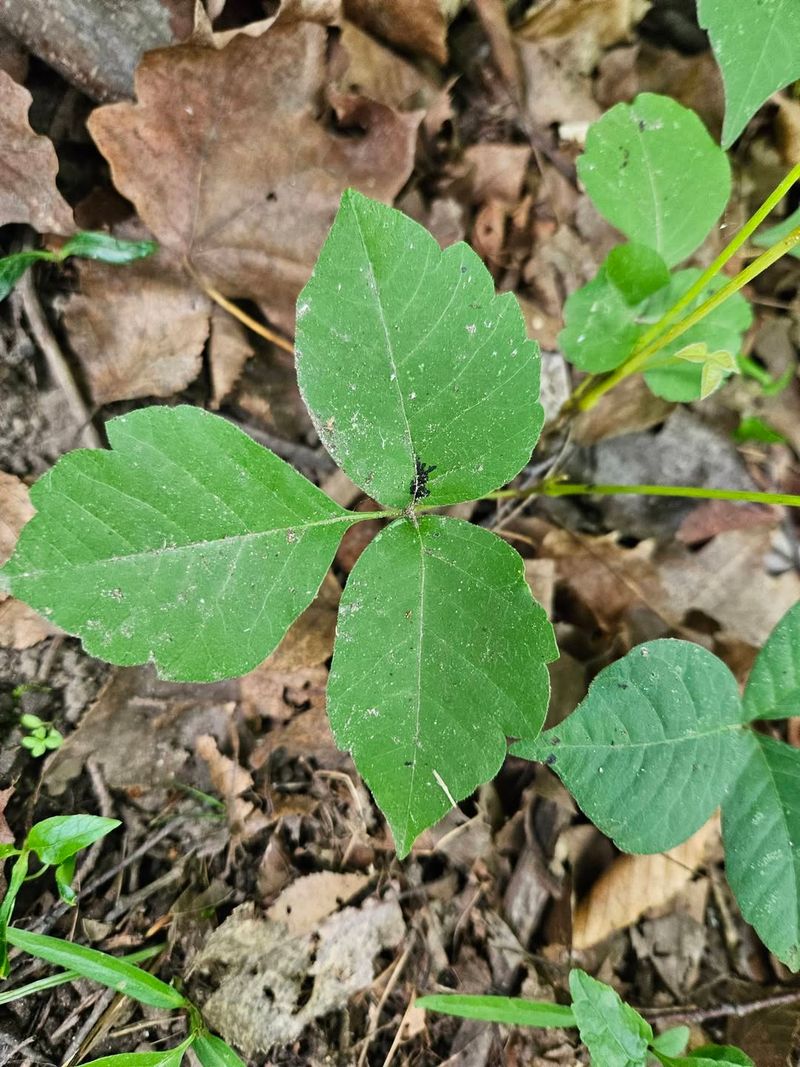
Almost everyone in Michigan has heard warnings about poison ivy, yet this troublesome plant still causes countless cases of itchy, painful rashes every year.
Poison ivy grows abundantly throughout Michigan gardens, woods, and parks, often hiding among other plants or climbing up trees and fences.
The plant contains an oil called urushiol that triggers allergic reactions in about 85 percent of people who come into contact with it.
Learning to identify poison ivy is your best defense against its irritating effects. Remember the saying leaves of three, let it be, which refers to poison ivy’s distinctive pattern of three leaflets per stem.
The leaves can be shiny or dull, and they change color with the seasons, turning reddish in spring and fall. Poison ivy can grow as a ground cover, a shrub, or a climbing vine, making it appear in various forms throughout Michigan landscapes.
The itchy rash from poison ivy typically appears within 12 to 48 hours after contact and can last for several weeks. Small, fluid-filled blisters develop along with redness and intense itching that can make sleeping and daily activities difficult.
The rash itself is not contagious, but the urushiol oil can spread from contaminated clothing, tools, or pet fur to cause new reactions on other parts of your body or on other people.
When working in areas where poison ivy might grow in Michigan, wear protective clothing and wash everything thoroughly afterward, including your tools and gloves.
If you do touch poison ivy, wash your skin with soap and cool water as soon as possible to remove the oil before it fully bonds with your skin.
Over-the-counter creams and oral antihistamines can help manage the itching, but severe cases may need prescription medication from your doctor.
4. Stinging Nettle
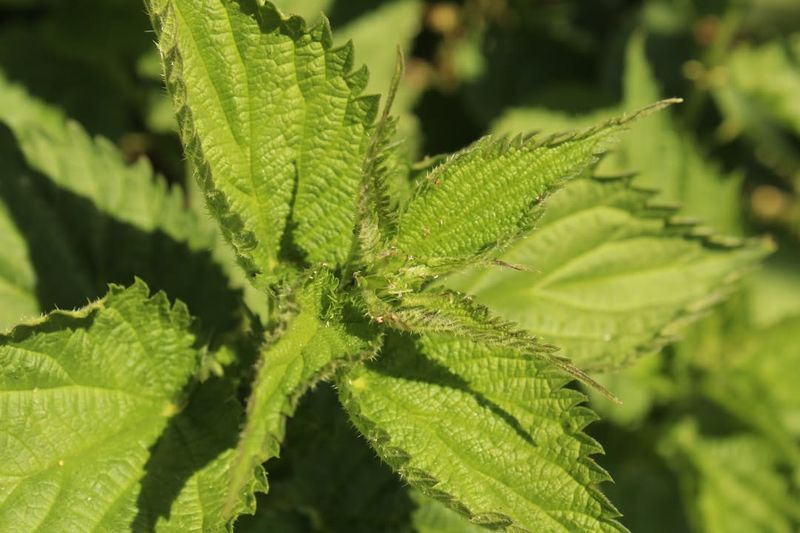
Stinging nettle might look like an ordinary weed, but one accidental brush against this Michigan garden invader will quickly change your mind.
The entire plant is covered with tiny, hollow hairs that work like miniature hypodermic needles, injecting a cocktail of chemicals into your skin upon contact.
These chemicals include histamine, acetylcholine, and formic acid, which together create an immediate burning, stinging sensation that gives the plant its memorable name.
You will find stinging nettle growing in moist, nitrogen-rich soil throughout Michigan, often appearing in gardens, along streams, and in partially shaded areas. The plant grows two to four feet tall with opposite leaves that have toothed edges and a pointed tip.
Small greenish flowers hang in clusters from the leaf joints. Despite its painful sting, many people actually cultivate stinging nettle intentionally because the young leaves are edible and nutritious when cooked, which destroys the stinging compounds.
When stinging nettle gets you, the pain usually starts within seconds and can last from a few minutes to several hours. Your skin will likely develop raised red welts or hives at the contact points, accompanied by tingling, burning, or itching sensations.
Some Michigan residents experience more severe reactions, especially if they have sensitive skin or allergies to the plant’s compounds.
Removing stinging nettle from your garden requires thick gloves and long sleeves to protect yourself from the stinging hairs. Interestingly, the leaves lose their sting once the plant is dried or cooked, which is why some herbalists and foragers in Michigan harvest it for tea and cooking.
If you get stung, avoid rubbing the area, as this can break off more hairs and push them deeper into your skin. Instead, use tape to gently pull out the hairs, then wash with soap and water and apply a soothing cream.
5. Rue
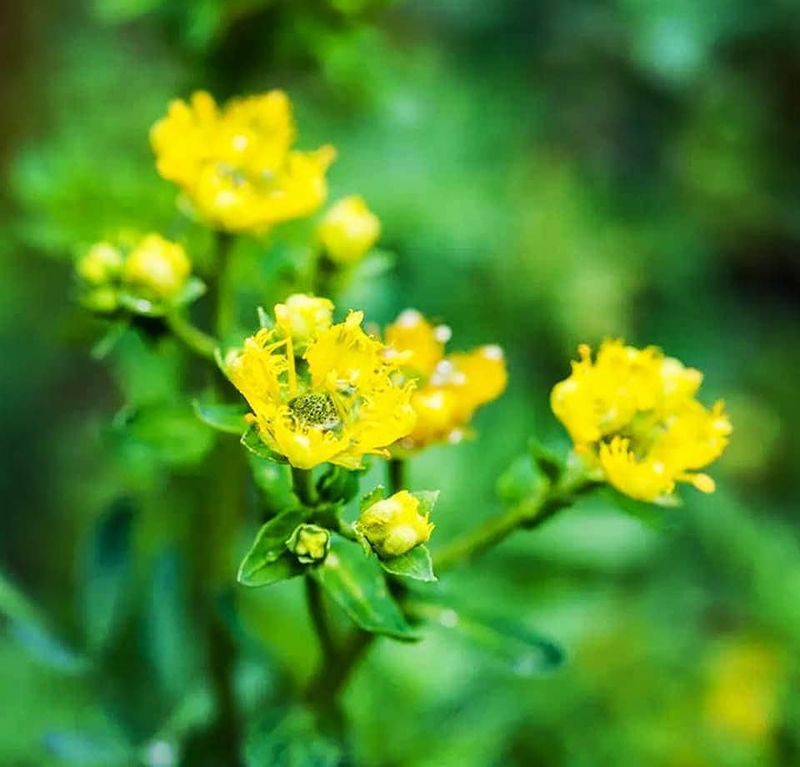
Rue is a pretty herb with blue-green foliage and small yellow flowers that many Michigan gardeners plant for its ornamental value and historical uses in traditional medicine.
What most people do not realize is that rue contains powerful chemicals called furanocoumarins, the same compounds found in wild parsnip and giant hogweed.
When you handle rue and then expose your skin to sunlight, you can develop painful blisters and burns that seem to appear out of nowhere.
Gardeners often plant rue as a decorative border or herb garden addition without understanding the risks it poses. The plant grows about two to three feet tall and has a strong, distinctive smell that some people find pleasant while others consider it unpleasant.
Rue has been used for centuries in cooking and medicine, but modern gardeners primarily grow it for its attractive appearance and its reputation for repelling certain insects.
The reaction from rue typically does not appear immediately, which makes it particularly tricky. You might work with the plant in the morning, washing your hands afterward and thinking everything is fine.
Then, after spending time in the sun, you notice redness, burning, and blistering on your hands and arms. This delayed reaction catches many Michigan gardeners by surprise, as they do not connect their garden work with the painful skin damage that appears hours later.
If you have rue in your Michigan garden, always wear gloves when pruning or handling it, and wash your hands thoroughly afterward. Keep the affected skin covered and away from sunlight for at least a day or two after contact.
Some people are more sensitive to rue than others, so even if you have handled it before without problems, you might suddenly develop a reaction.
Consider whether the ornamental value of rue is worth the risk, especially if you have children or pets who might accidentally come into contact with it.
6. Poison Sumac
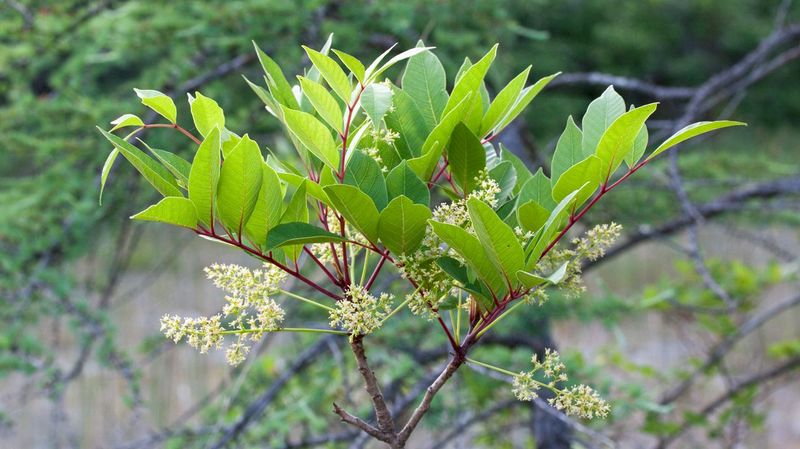
Poison sumac is less common than poison ivy in Michigan, but it packs an even more powerful punch when it comes to causing skin reactions.
This woody shrub or small tree grows in wet, swampy areas throughout the state, and like its relatives poison ivy and poison oak, it contains urushiol oil that triggers severe allergic reactions in most people.
In fact, poison sumac is considered more potent than poison ivy, with the potential to cause more widespread and severe rashes.
Identifying poison sumac correctly is important because it looks quite different from the harmless sumac varieties that many Michigan residents grow for fall color.
Poison sumac has smooth-edged leaves arranged in pairs along a central stem, with one leaf at the tip, giving each branch seven to thirteen leaflets.
The plant produces drooping clusters of white or pale yellow berries, whereas harmless sumac varieties have red, upright berry clusters. Poison sumac also prefers wet, boggy conditions rather than the dry areas where safe sumac species typically grow.
The rash from poison sumac can be extremely uncomfortable and may cover large areas of your body if you brush against the plant while hiking or working near wetlands in Michigan.
Blisters, redness, swelling, and intense itching can last for weeks and may require medical treatment with prescription steroids to manage the symptoms.
Some people develop such severe reactions that they need emergency care, especially if the rash affects their face, eyes, or large portions of their body.
Avoid areas where poison sumac grows, especially wetlands and swampy sections of Michigan parks and natural areas. If you must work in these environments, wear protective clothing and learn to recognize the plant from a distance.
Never burn poison sumac or any plant you suspect might be poison sumac, as the urushiol oil can become airborne in the smoke and cause serious respiratory problems and internal reactions.
7. Leadwort
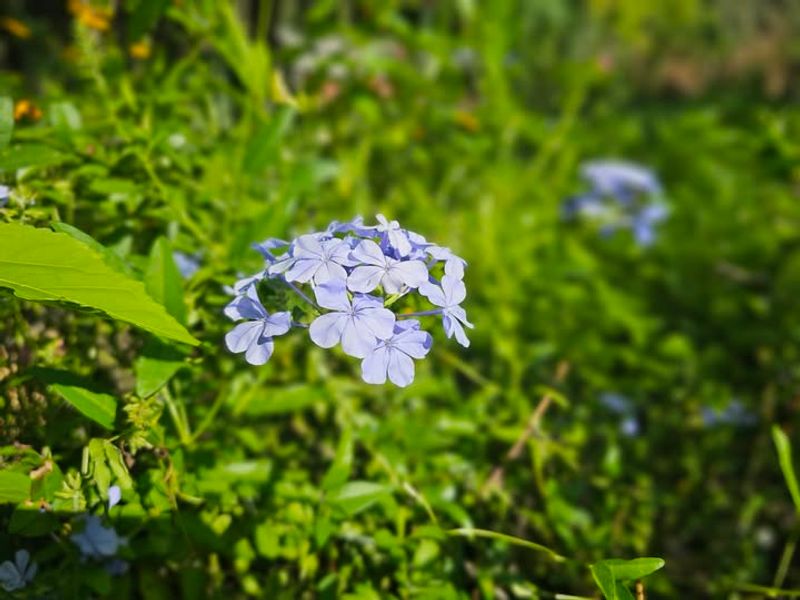
Leadwort, also known as plumbago, is a popular ornamental plant in Michigan gardens, prized for its beautiful blue flowers and ability to thrive in various conditions. However, this attractive plant has a hidden danger that catches many gardeners off guard.
The sap contains chemicals that can cause skin irritation and, in some people, trigger a condition similar to the reactions caused by wild parsnip and rue, where sunlight makes the skin damage much worse.
Many Michigan gardeners grow leadwort as a ground cover or in containers, enjoying its clusters of sky-blue flowers that bloom from summer through fall. The plant is relatively easy to care for and spreads readily, making it a favorite for filling in bare spots in the garden.
Unfortunately, the very tasks that keep leadwort looking its best, such as pruning, dividing, and deadheading, put gardeners in direct contact with the problematic sap.
People who are sensitive to leadwort may develop redness, itching, and blistering after handling the plant, especially if they spend time in the sun afterward. The reaction is not as severe or common as those caused by plants like poison ivy, but it can still be quite uncomfortable.
Some gardeners develop contact dermatitis from repeated exposure to leadwort, even if they did not react to it initially.
When working with leadwort in your Michigan garden, wear gardening gloves and wash your hands thoroughly when you finish. If you notice skin irritation after handling this plant, consider wearing long sleeves and pants during future maintenance sessions.
Pay attention to how your skin reacts, as sensitivity can develop over time with repeated contact.
While leadwort is not as dangerous as some other plants on this list, it is worth treating with respect and caution to avoid uncomfortable skin reactions that can put a damper on your gardening enjoyment.