8 Exotic Fruits You Can Grow In Your Hawaii Garden
Growing exotic fruits in Hawaii feels like living in a tropical dream, and the best part is that many of these plants thrive right in your backyard. With warm temperatures and rich soil, Hawaii offers perfect conditions for sweet, colorful harvests.
Turn your garden into a tropical fruit paradise. From juicy favorites to rare island treats, the right fruit plants can bring flavor and excitement to your home.
Imagine picking fresh tropical fruit steps from your door. You don’t need acres of land or expert skills to get started.
Big flavor can grow in small spaces. Whether you’re planting in the ground or using containers, smart choices can lead to amazing results.
Your backyard can taste like vacation all year long. Let’s explore the exotic fruits you can grow in your Hawaii garden and enjoy fresh island harvests.
1. Dragon Fruit
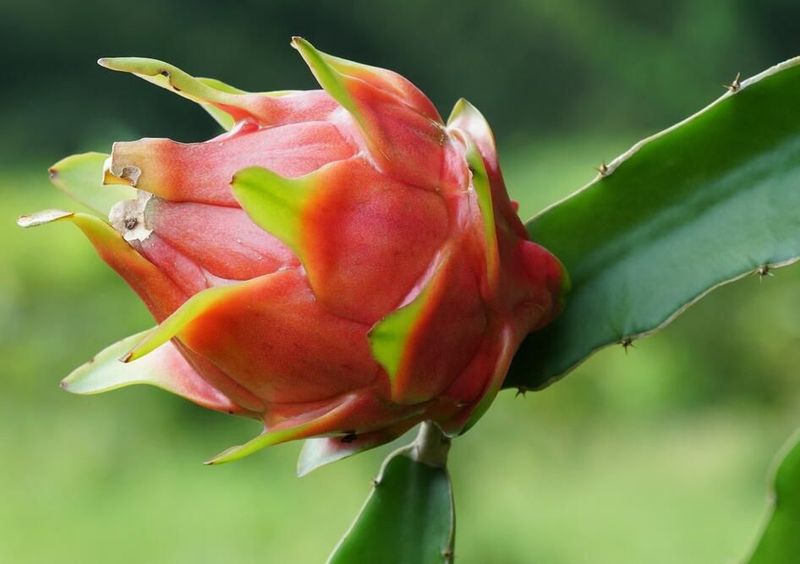
Bright pink skin with green scales makes dragon fruit look like something straight out of a fantasy novel. This stunning cactus fruit thrives in Hawaii’s warm climate and produces sweet, refreshing flesh that’s speckled with tiny black seeds.
Growing dragon fruit is easier than you might think because it’s actually a climbing cactus that needs minimal water once established.
Your Hawaii garden will benefit from this low-maintenance plant that can produce fruit multiple times throughout the year.
The vines need something sturdy to climb on, like a trellis or fence post, and they’ll reward you with beautiful night-blooming flowers before the fruit appears.
These flowers only open for one night, creating a magical experience if you catch them in bloom.
Dragon fruit plants love full sun and well-draining soil, which is perfect for most Hawaii locations. You can start with cuttings from a friend’s plant or purchase young plants from local nurseries.
Within two to three years, your plant will begin producing fruit that you can eat fresh, blend into smoothies, or use to impress guests at your next backyard gathering.
The white or pink flesh inside contains antioxidants and vitamin C, making this exotic fruit both beautiful and nutritious for your family to enjoy.
2. Passion Fruit
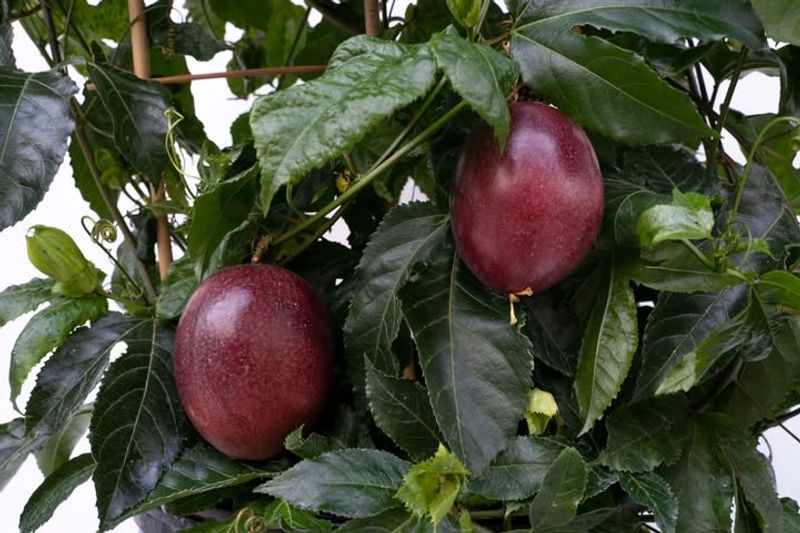
Nothing compares to the tangy-sweet explosion of flavor you get from a fresh passion fruit picked right from your own vine. These vigorous climbing plants grow incredibly fast in Hawaii’s climate, often covering fences and trellises within just a few months of planting.
The purple or yellow fruits dangle like little treasures, waiting for you to discover their aromatic pulp filled with crunchy seeds.
Passion fruit vines are surprisingly tough and can handle various conditions across Hawaii, from sea level to higher elevations. They prefer full sun but can tolerate partial shade, making them versatile for different garden spots.
The vines produce stunning purple and white flowers that look almost alien in their intricate design, attracting bees and other beneficial pollinators to your garden.
Harvesting is simple because the fruit falls to the ground when it’s perfectly ripe, so you just need to collect them regularly. The wrinkled skin might not look appealing, but that’s exactly when the fruit tastes best, with maximum sweetness and intense tropical flavor.
You can scoop out the pulp and eat it fresh, strain it for juice, or use it in desserts and cocktails.
In Hawaii, passion fruit vines can produce year-round with proper care, giving you a constant supply of this delicious tropical treat for your kitchen adventures.
3. Papaya
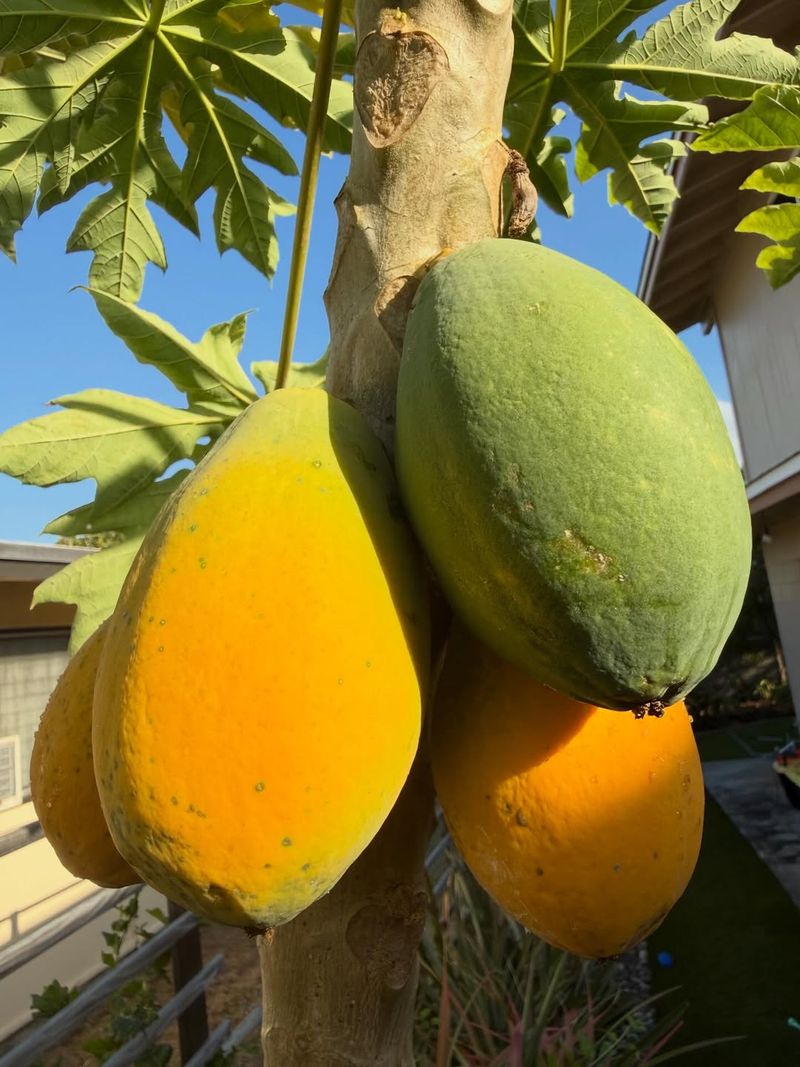
Fast-growing and incredibly productive, papaya trees are a staple in many Hawaii gardens for good reason. These tropical beauties can grow from seed to fruit-bearing tree in less than a year, which is practically instant gratification in the gardening world.
The large, melon-like fruits hang in clusters near the top of the tree, and each one is packed with sweet orange flesh that’s perfect for breakfast.
Hawaii’s year-round warmth suits papayas perfectly, and they’ll happily produce fruit continuously once they start. The trees have a unique appearance with their thick, hollow trunks and large palm-like leaves clustered at the top.
You’ll want to plant several trees because papayas come in male, female, and hermaphrodite varieties, and only female and hermaphrodite trees produce fruit.
These trees prefer well-drained soil and plenty of sunshine, conditions that are easy to find in most Hawaii locations.
Papayas are relatively pest-resistant, though you might need to protect developing fruit from birds who love them as much as you do. The fruit is ready when it starts turning yellow and gives slightly when pressed.
Rich in vitamins A and C, papayas also contain an enzyme called papain that aids digestion, making them both delicious and beneficial for your health in your Hawaii garden.
4. Lychee
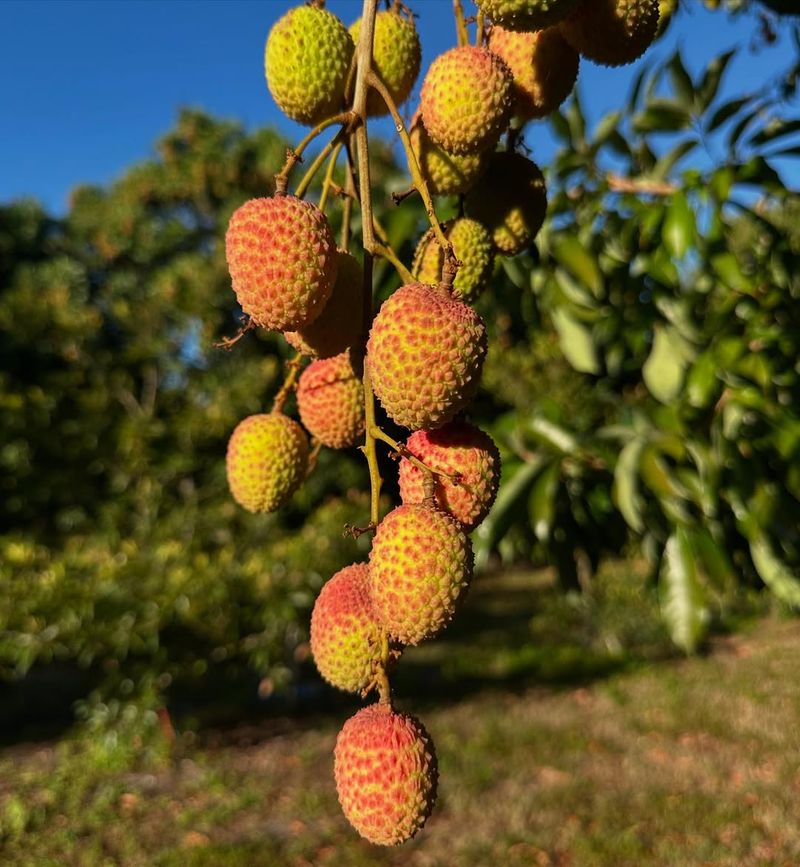
Imagine plucking a bumpy red fruit from your tree and peeling back the rough skin to reveal translucent white flesh that tastes like a cross between a grape and a rose.
Lychee trees bring an Asian tropical elegance to Hawaii gardens, and while they require a bit more patience than some other fruits, the reward is absolutely worth the wait. These evergreen trees can grow quite large, providing both shade and delicious fruit.
In Hawaii, lychee trees do best in areas with slightly cooler winter temperatures, which helps trigger flowering and fruit production. The trees produce hanging clusters of red fruits that ripen in late spring to early summer, creating a spectacular display.
Each fruit contains a single large seed surrounded by sweet, juicy flesh that’s incredibly refreshing on warm Hawaiian days.
Lychee trees prefer rich, well-draining soil and regular watering, especially during dry periods in Hawaii. They can take five to seven years to start producing fruit from seed, but you can buy grafted trees that fruit much sooner.
The trees are beautiful year-round with their glossy green leaves and attractive branching pattern.
Once established in your Hawaii garden, a lychee tree can produce abundant harvests for decades, becoming a cherished family heirloom that future generations will enjoy and remember fondly.
5. Starfruit
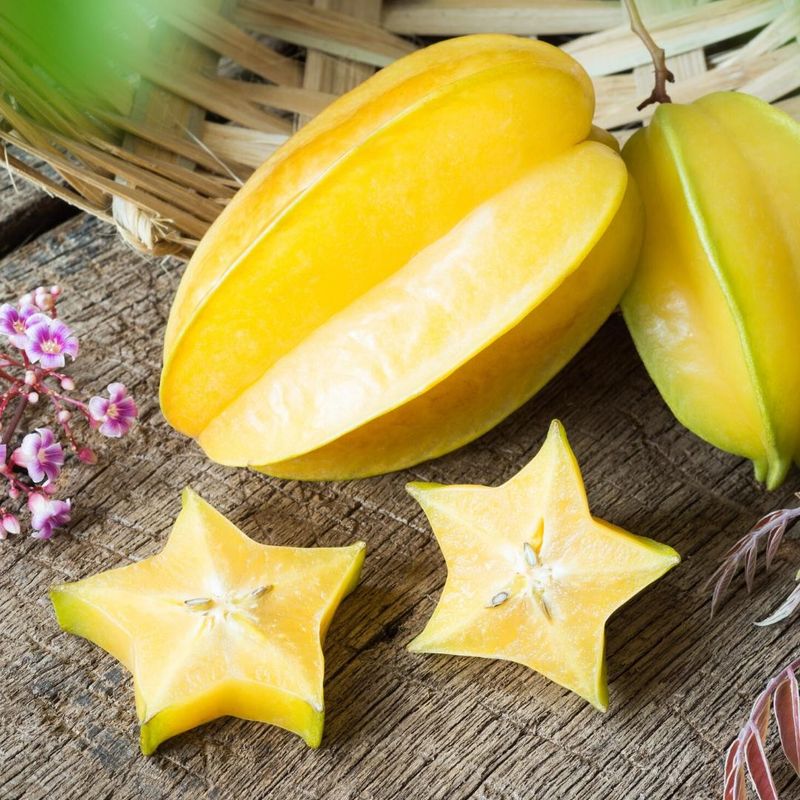
Slice a starfruit crosswise and you’ll understand immediately how it got its name, with each piece forming a perfect five-pointed star. These attractive trees are compact enough for smaller Hawaii gardens but productive enough to keep your fruit bowl filled for months.
The yellow fruits have a crisp, juicy texture similar to apples, with a unique sweet-tart flavor that’s refreshing and mildly tropical.
Starfruit trees are surprisingly easy to grow in Hawaii, tolerating a range of soil types as long as drainage is adequate. The trees produce beautiful pink to purple flowers that develop into the distinctive ribbed fruits.
In Hawaii’s favorable climate, starfruit trees can produce two to three crops per year, giving you almost constant access to fresh fruit.
These trees stay relatively small, usually reaching 20 to 30 feet, making them manageable for home gardens throughout Hawaii. They prefer full sun and regular watering but can handle brief dry periods once established.
The fruits are ready to harvest when they turn bright yellow and the ribs develop a slightly golden-brown edge.
Starfruit is low in calories but high in vitamin C and antioxidants, making it a healthy snack option. You can eat them fresh, add star-shaped slices to salads for visual appeal, or juice them for a refreshing tropical beverage in your Hawaii kitchen.
6. Guava
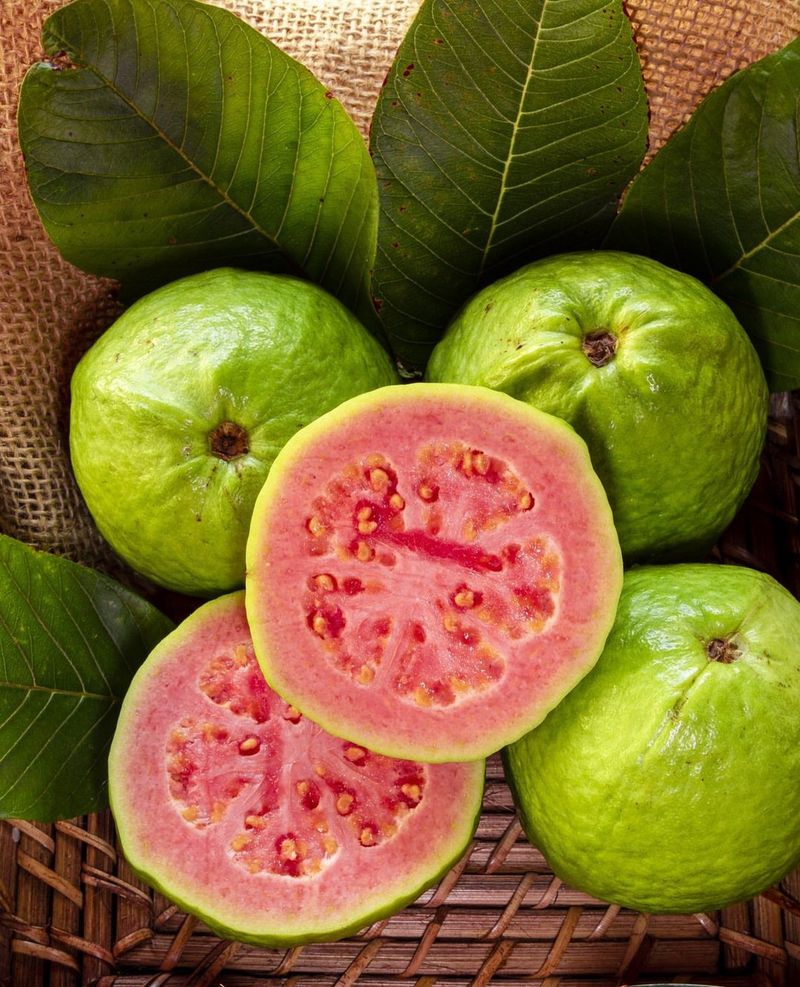
Walk past a guava tree in bloom and the sweet, tropical fragrance will stop you in your tracks. These hardy trees are naturalized throughout Hawaii and produce round or oval fruits with pink, white, or yellow flesh that’s incredibly aromatic.
Guavas are so easy to grow in Hawaii that they sometimes spread on their own, but having a tree in your garden means you’ll always have fresh fruit for eating, juicing, or making into jam.
The trees are remarkably adaptable, growing well in various Hawaii locations from coastal areas to higher elevations. They can tolerate poor soil, drought, and even some neglect, making them perfect for busy gardeners.
Guava trees produce beautiful white flowers with numerous stamens that look like little brushes, and these develop into fruits that ripen throughout the year in Hawaii’s climate.
You’ll know guavas are ripe when they soften slightly and release their distinctive sweet aroma.
The entire fruit is edible, including the skin and the small seeds inside, though some people prefer to scoop out just the flesh. Guavas are incredibly high in vitamin C, containing even more than oranges.
In your Hawaii garden, a guava tree becomes a reliable producer that requires minimal care while offering maximum rewards in flavor and nutrition for your whole family to enjoy fresh.
7. Rambutan
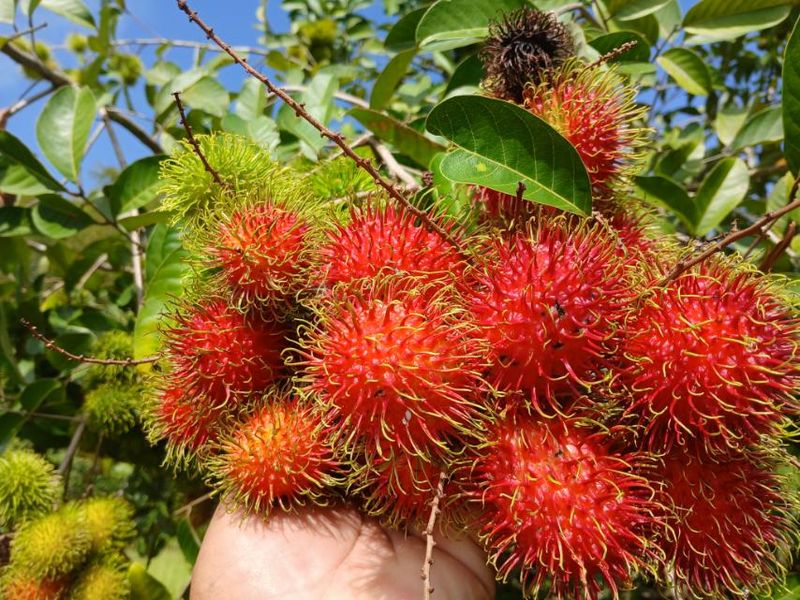
With its wild, hairy red exterior, rambutan looks like something from another planet, but inside you’ll find sweet, translucent flesh similar to lychee. The name comes from the Malay word for hair, and one look at the soft spines covering the fruit explains why.
Growing rambutan in Hawaii connects you to Southeast Asian tropical traditions while adding an incredibly unique element to your garden landscape.
These evergreen trees thrive in Hawaii’s wet, tropical regions where they receive plenty of rainfall and humidity. The trees are quite attractive with dense, dark green foliage that provides excellent shade.
Rambutan trees can grow tall, sometimes reaching 40 to 50 feet, but they can be pruned to maintain a more manageable size for home gardens in Hawaii.
The fruits grow in clusters and ripen to bright red, orange, or yellow depending on the variety. Inside, the sweet white flesh separates easily from the seed, making them fun to eat fresh.
Rambutan trees prefer rich, well-draining soil and regular watering, conditions that match many areas across Hawaii perfectly.
Trees typically start producing fruit within five to six years, and once they begin, they can provide abundant harvests during their main fruiting season.
Having a rambutan tree in your Hawaii garden is like having a conversation piece that also happens to produce delicious, exotic fruit.
8. Longan
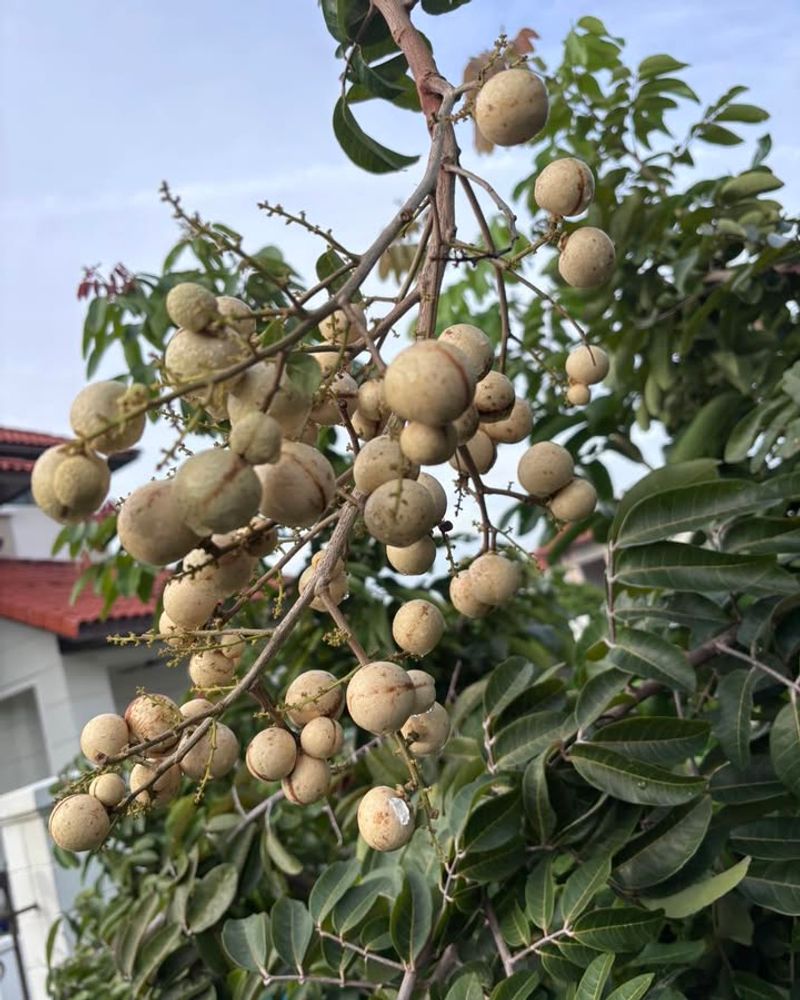
Often called the little brother of lychee, longan fruits are smaller but equally delicious, with translucent flesh that’s sweet and musky. The name means dragon eye in Chinese, referring to the appearance of the peeled fruit with its dark seed showing through the clear flesh.
Longan trees are beautiful additions to Hawaii gardens, with their spreading canopy providing welcome shade while producing clusters of small brown fruits.
These trees adapt well to Hawaii’s tropical climate, especially in areas with distinct wet and dry seasons that help trigger flowering. The trees are evergreen with attractive compound leaves that create a lush, tropical appearance year-round.
Longan fruits grow in large hanging clusters that can contain dozens of individual fruits, creating an impressive display when the harvest is ready.
In Hawaii, longan trees prefer full sun and well-drained soil, though they’re more tolerant of different conditions than lychee trees. The fruits ripen in summer, and you’ll know they’re ready when the shells turn light brown and the fruit feels slightly soft.
The sweet flesh is perfect for eating fresh, and many people enjoy them dried or canned as well.
Longan trees can take several years to begin fruiting, but grafted varieties available in Hawaii nurseries will produce much sooner, bringing this delightful Asian fruit to your tropical garden paradise.