10 Veggie And Herb Seeds You Can Start Outdoors This Winter For An Earlier Harvest In California
California winters may be mild, but savvy gardeners know that starting seeds outdoors now can lead to an earlier and more abundant harvest in spring.
Choosing the right vegetables and herbs makes all the difference in timing, growth, and flavor. Start smart this winter and enjoy fresh produce sooner than you think.
These seeds thrive when planted during the cooler months, including leafy greens, root vegetables, and hardy herbs. Proper soil preparation, spacing, and protection from frost or heavy rain ensure strong seedlings and healthy plants.
With consistent care, these winter-started seeds will be ready to produce well before traditionally planted crops. Winter planting gives your garden a head start and more productive growing season.
California gardeners who take advantage of winter sowing enjoy earlier harvests, better yields, and a longer window to enjoy fresh, homegrown veggies and herbs. Get a jumpstart on spring with these easy winter-start seeds.
1. Spinach
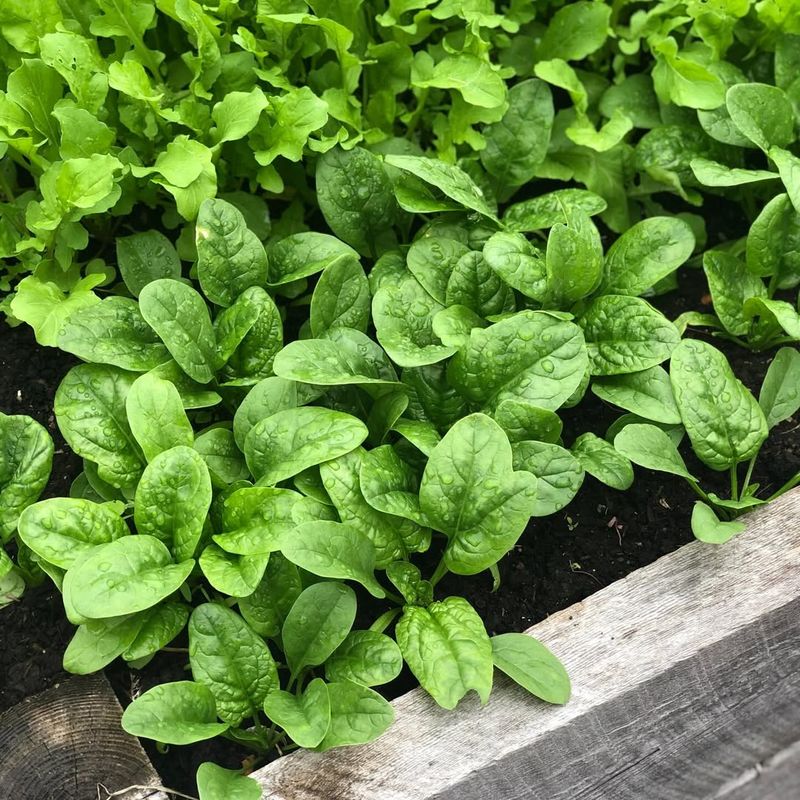
Spinach absolutely loves the cooler months, and California’s mild winter climate provides the perfect backdrop for this nutrient-packed leafy green.
When you plant spinach seeds outdoors during winter, you’re giving them the chance to germinate slowly and develop strong, healthy roots without the stress of summer heat.
The cooler temperatures encourage tender, sweet leaves that taste far better than anything grown in the blazing sun.
Plus, spinach planted now will be ready to harvest in early spring, right when your body craves fresh greens after a long winter. One of the best things about spinach is how forgiving it can be for new gardeners.
The seeds sprout quickly in cool, moist soil, and the plants require minimal fussing once they’re established. You can even harvest the outer leaves while allowing the center to keep producing, giving you a continuous supply of fresh greens for weeks on end.
This method, known as cut-and-come-again harvesting, maximizes your yield and keeps your salad bowl full. Spinach also tolerates light frosts beautifully, which means you don’t have to worry about unexpected cold snaps harming your crop.
In fact, a little chill can actually improve the flavor, making the leaves even sweeter and more delicious.
By starting your spinach seeds outdoors this winter, you’re setting yourself up for a bountiful and early spring harvest that will make your neighbors wonder how you managed to grow such amazing greens so early in the season.
2. Lettuce
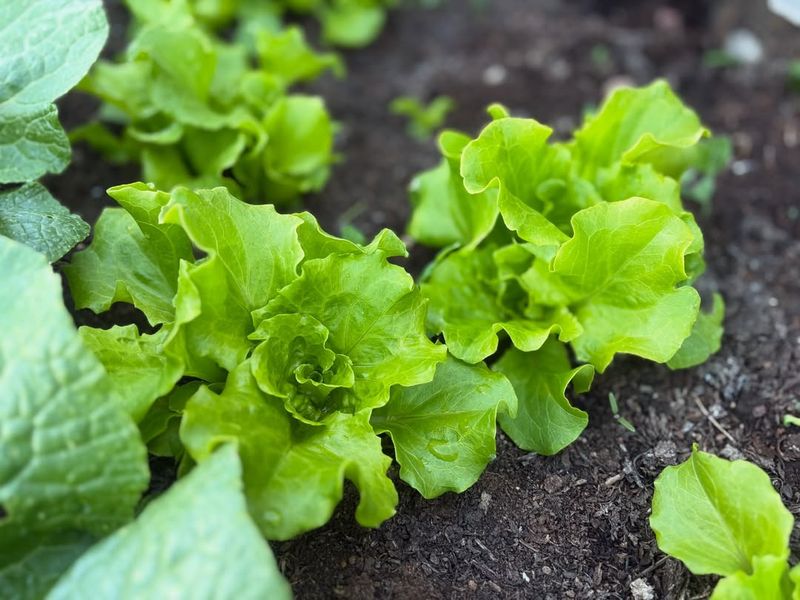
Few crops are as satisfying to grow in winter as lettuce, especially when you consider how quickly it goes from seed to salad bowl.
California’s gentle winter weather creates ideal conditions for lettuce to thrive, with cool temperatures preventing the plants from bolting and turning bitter.
When you sow lettuce seeds outdoors now, you’re taking full advantage of the moist winter soil, which keeps the seeds hydrated and encourages rapid germination. Before you know it, you’ll have rows of tender, crisp greens ready to transform your meals.
Lettuce comes in so many varieties that you can experiment with different colors, textures, and flavors throughout the season. From buttery Bibb to crunchy romaine, each type offers something unique for your plate.
Your California Garden Changes Every Week. Your Plan Should Too.
Gardening in California changes quickly throughout the season. Every Friday you’ll receive a simple weekly plan showing exactly what to plant, prune, fertilize, harvest, and protect so you never miss the right timing.
The beauty of winter sowing is that the plants grow at a steady, manageable pace, giving you time to enjoy the process without feeling rushed. You can stagger your plantings every couple of weeks to ensure a continuous harvest that lasts well into spring.
Another fantastic benefit of growing lettuce in winter is that pests are far less active during the cooler months, which means your plants are less likely to suffer from aphids or slugs. This makes winter lettuce one of the easiest and most rewarding crops you can grow.
By starting your seeds outdoors this winter, you’ll enjoy fresh, homegrown salads weeks before anyone else in your neighborhood, and you’ll wonder why you didn’t start sooner.
3. Kale
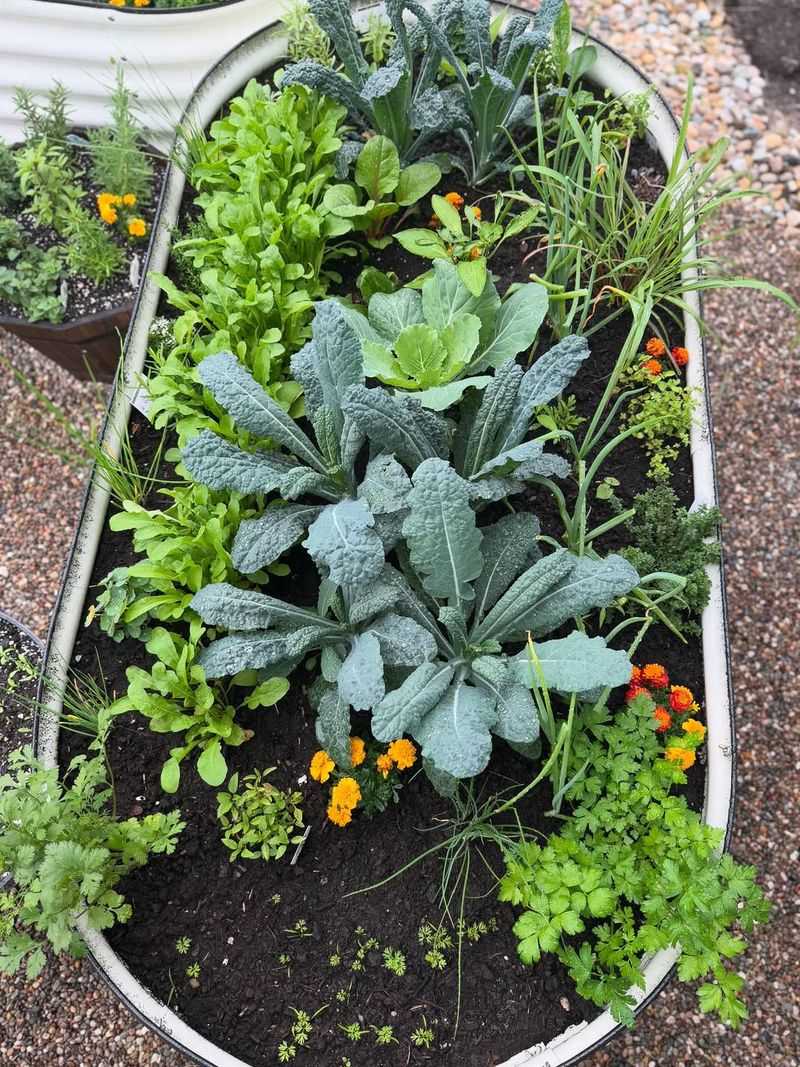
Kale has earned its reputation as a superfood, and growing it in California’s winter climate only enhances its already impressive nutritional profile.
Cool temperatures bring out the best in kale, making the leaves sweeter and less bitter than those grown in warmer months.
When you plant kale seeds outdoors during winter, the plants develop slowly and steadily, building strong stems and deeply flavorful leaves that will carry you through early spring.
The cooler conditions also help prevent the plant from bolting, giving you a longer harvest window.
What makes kale such a fantastic winter crop is its incredible resilience and ability to handle whatever Mother Nature throws at it.
Light frosts don’t faze kale in the slightest; in fact, many gardeners swear that a touch of cold makes the leaves taste even better.
You can harvest kale using the cut-and-come-again method, snipping off the lower leaves while the plant continues to produce new growth from the top. This approach keeps your kitchen stocked with fresh greens for months without needing to replant.
Kale also offers an impressive variety of textures and colors, from the frilly edges of Red Russian kale to the deep green, bumpy leaves of Lacinato. Each variety brings its own personality to your garden and your plate.
By sowing kale seeds outdoors this winter, you’re investing in a crop that will reward you with abundant, nutritious harvests right when you need them most, making it one of the smartest choices for California winter gardeners.
4. Arugula
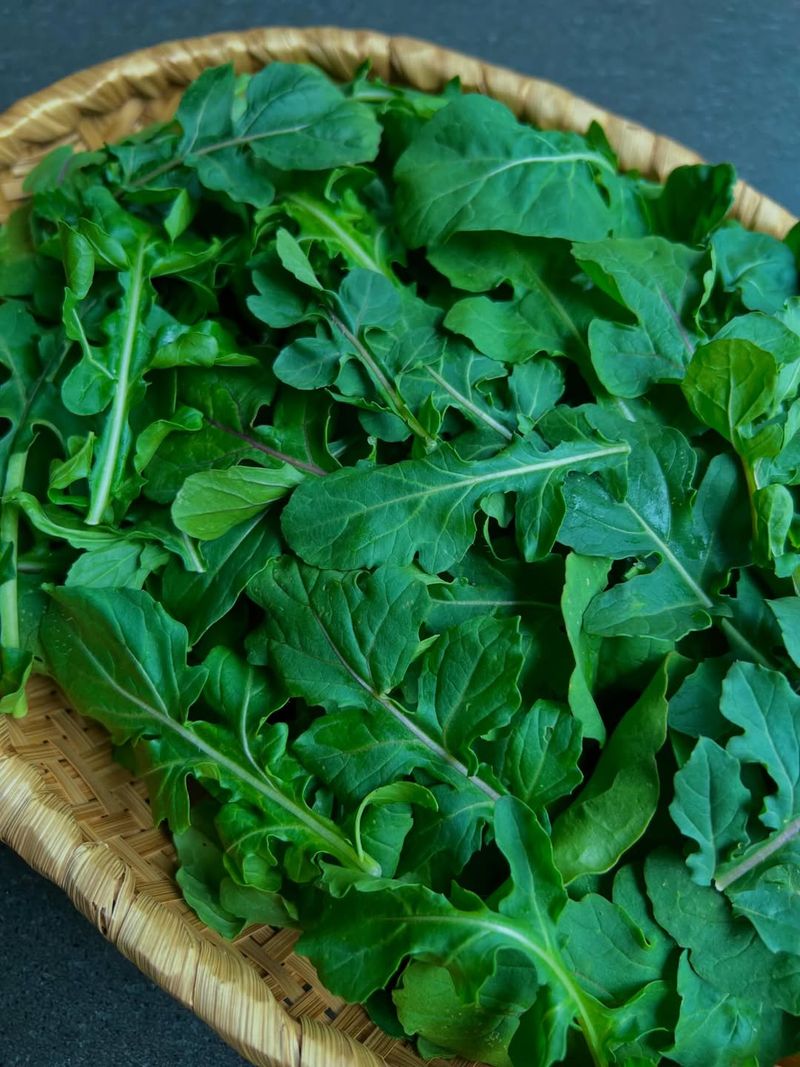
Arugula brings a peppery punch to salads and sandwiches, and winter is absolutely the best time to grow it in California.
This fast-growing green thrives in cooler temperatures, developing a bold, zesty flavor that mellows slightly in the cold. When you sow arugula seeds outdoors during winter, you’ll be amazed at how quickly they sprout and start producing harvestable leaves.
The mild winter conditions prevent the plant from bolting prematurely, which means you can enjoy multiple harvests before the spring heat arrives. One of the most exciting things about arugula is how versatile it is in the kitchen.
You can toss the tender baby leaves into salads for a spicy kick, layer them onto pizzas fresh from the oven, or blend them into pesto for a unique twist on the classic recipe.
The plant grows so rapidly that you can start harvesting just a few weeks after sowing, making it one of the quickest returns on investment for any winter garden. Plus, arugula is incredibly forgiving, tolerating a wide range of soil conditions and requiring minimal care.
Another benefit of winter arugula is that it faces fewer pest pressures compared to summer plantings, so your leaves stay clean and healthy.
You can harvest the entire plant at once or pick individual leaves as needed, allowing the plant to continue producing fresh growth.
By planting arugula seeds outdoors this winter, you’re guaranteeing yourself a steady supply of flavorful greens that will elevate every meal and impress everyone who tastes them.
5. Carrots
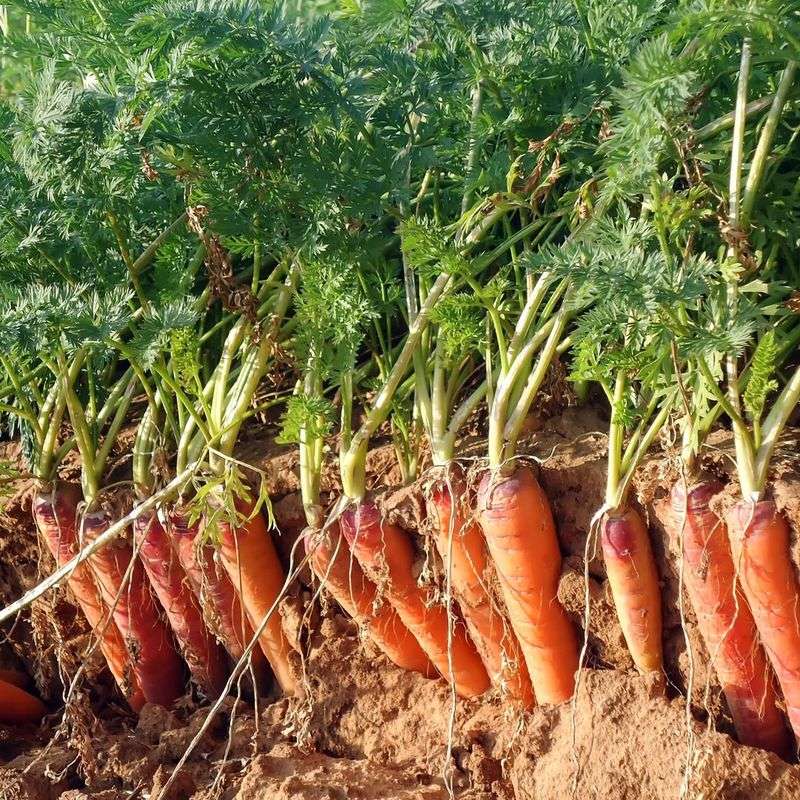
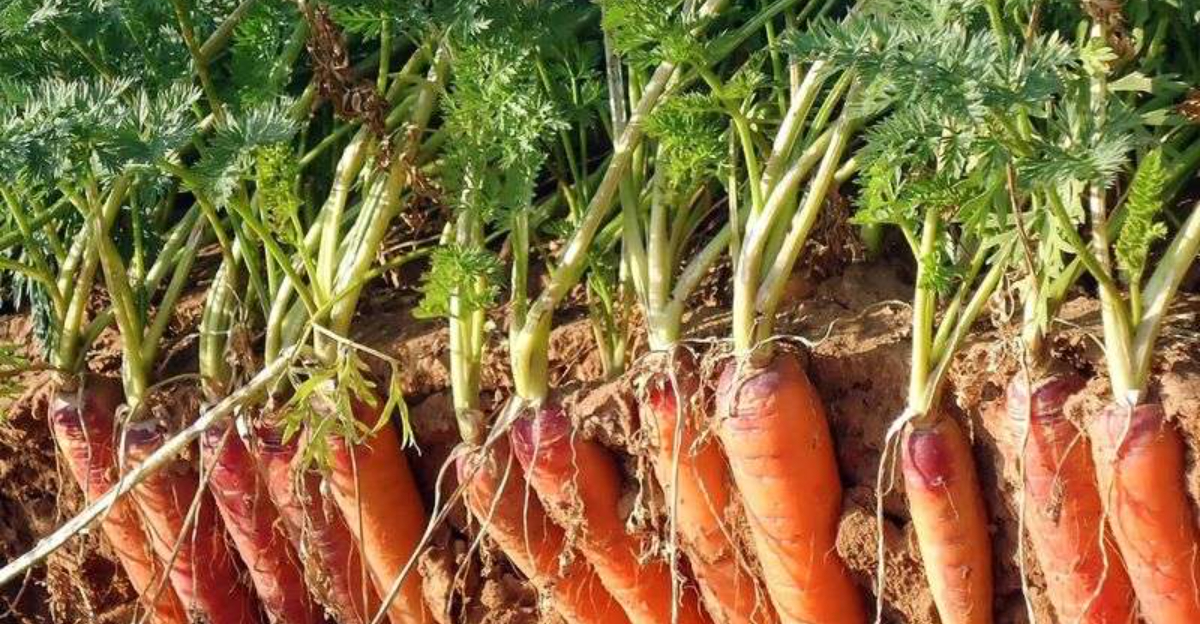
Carrots might take a bit longer to mature than leafy greens, but the wait is absolutely worth it when you pull up your first sweet, crunchy root in early spring.
California’s moist winter soil provides the perfect environment for carrot seeds to germinate and develop strong, healthy roots without the stress of summer heat.
When you plant carrot seeds outdoors now, they’ll have plenty of time to grow slowly and steadily, resulting in sweeter, more flavorful roots than those rushed through a quick summer growing season.
One of the secrets to successful winter carrot growing is ensuring that your soil is loose, well-draining, and free of rocks or clumps that could cause the roots to fork or twist.
Carrots need consistent moisture to germinate, and winter rains often provide just the right amount without requiring much supplemental watering.
The cool temperatures also encourage the carrots to develop their natural sugars, giving you roots that taste incredible whether eaten raw, roasted, or juiced.
Carrots come in a rainbow of colors beyond the classic orange, including purple, yellow, red, and white varieties that add visual interest to your garden and your plate.
You can start harvesting baby carrots early if you’re impatient, or let them mature fully for maximum size and flavor.
By sowing carrot seeds outdoors this winter, you’re setting yourself up for an early spring harvest that will make you appreciate the patience and care you invested during the cooler months.
6. Radishes
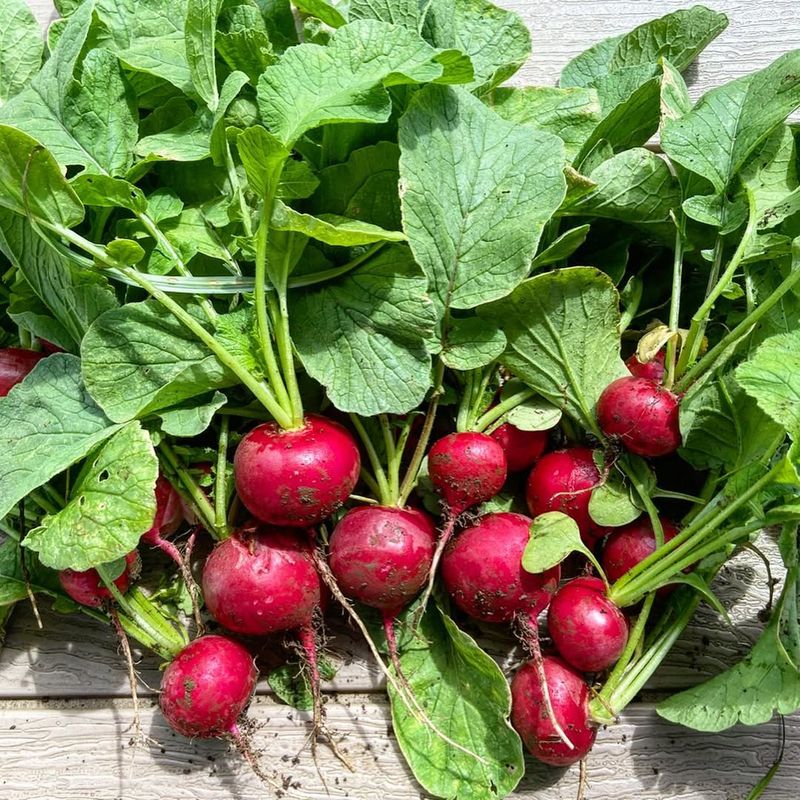
If you’re looking for instant gratification in your winter garden, radishes are the answer to your prayers. These speedy little vegetables germinate incredibly fast in cool soil, often popping up within just a few days of sowing.
California’s mild winter temperatures create the perfect conditions for radishes to develop crisp, crunchy roots without the stress of heat, which can make them woody and overly spicy.
When you plant radish seeds outdoors now, you’ll be harvesting fresh, peppery roots in as little as three to four weeks.
Radishes are also one of the easiest vegetables to grow, making them perfect for beginner gardeners or anyone looking for a quick win.
The seeds are large enough to handle easily, and the plants require minimal care beyond consistent watering and occasional weeding.
You can succession plant radishes every couple of weeks throughout winter to ensure a continuous supply of fresh roots for your salads, tacos, and snack plates.
The variety of radish types available means you can experiment with different shapes, sizes, and colors, from classic round red radishes to long white daikon varieties.
Another wonderful aspect of winter radishes is that they face fewer pest problems than summer crops, so your roots stay clean and beautiful. You can even eat the radish greens, which are surprisingly tasty when sautéed or added to soups.
By sowing radish seeds outdoors this winter, you’re guaranteeing yourself one of the quickest and most satisfying harvests your California garden can offer.
7. Cilantro
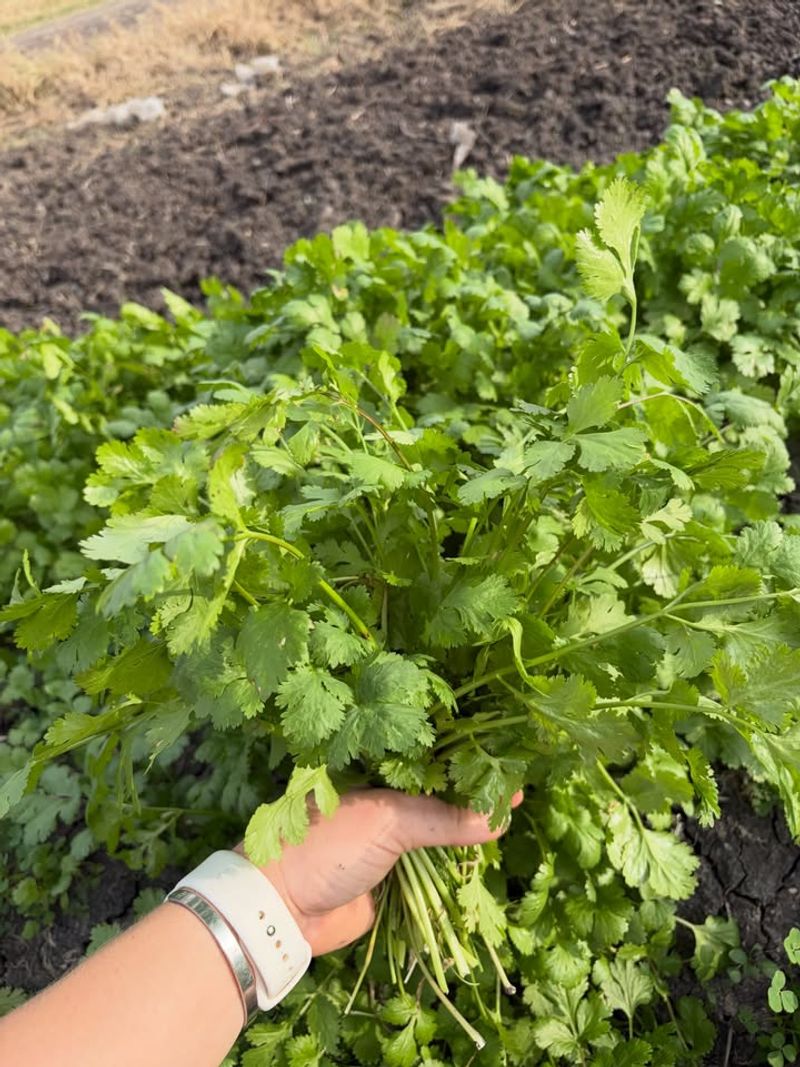
Cilantro is one of those herbs that gardeners either adore or struggle with, but winter planting in California tips the scales heavily in your favor.
This flavorful herb absolutely thrives in mild winter temperatures, developing lush, fragrant foliage without the frustrating tendency to bolt that plagues summer plantings.
When you sow cilantro seeds outdoors during winter, you’re giving the plants the cool conditions they crave, which results in abundant harvests of fresh leaves perfect for salsas, curries, and garnishes.
The beauty of winter cilantro is that it grows at a leisurely pace, allowing the plants to develop fuller, bushier growth than they ever would in the heat.
You can start snipping leaves as soon as the plants are a few inches tall, and they’ll continue producing fresh growth for months as long as temperatures stay cool.
Cilantro also has a unique ability to self-sow if you let a few plants go to seed, which means you might find volunteer cilantro popping up in your garden for seasons to come.
Another fantastic benefit of growing cilantro in winter is that the flavor tends to be more complex and less bitter than summer-grown herbs.
The cooler temperatures allow the essential oils to develop fully, giving you leaves that pack maximum flavor punch in every bite.
By planting cilantro seeds outdoors this winter, you’re ensuring a steady supply of fresh herbs that will transform your cooking and make every dish taste like it came from a restaurant kitchen.
8. Parsley
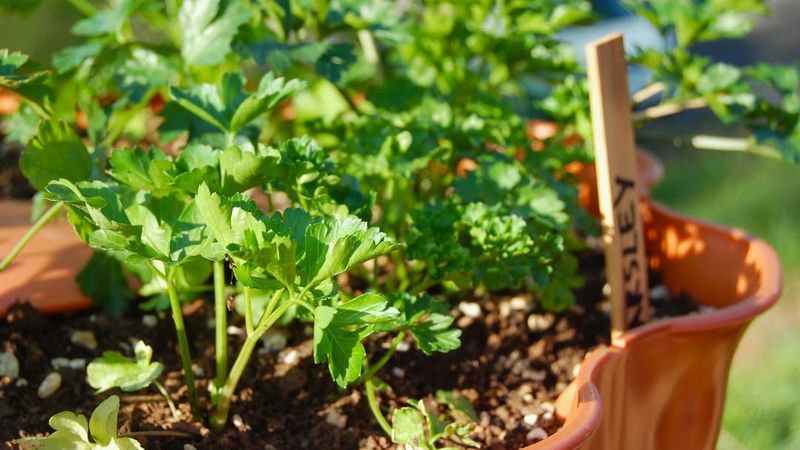
Parsley might test your patience with its notoriously slow germination, but once it gets going, this versatile herb becomes a garden workhorse that produces for months on end.
California’s mild winter climate provides the perfect environment for parsley seeds to sprout and develop into robust, flavorful plants.
When you sow parsley seeds outdoors during winter, you’re giving them the cool, moist conditions they need to germinate successfully, even though it might take a few weeks longer than faster-sprouting herbs.
The wait is absolutely worth it, because parsley planted in winter develops deep roots and strong stems that support abundant leaf production well into spring and beyond.
You can choose between curly parsley, which makes a beautiful garnish, or flat-leaf Italian parsley, which offers a more intense flavor perfect for cooking.
Both varieties tolerate light frosts beautifully and actually seem to grow better when temperatures stay on the cooler side.
Parsley is also incredibly versatile in the kitchen, working equally well in Mediterranean dishes, Middle Eastern cuisine, and simple egg scrambles.
Another wonderful aspect of winter parsley is that once established, it requires very little maintenance beyond occasional watering and harvesting.
You can snip leaves as needed throughout the season, and the plant will continue producing fresh growth from the center.
By planting parsley seeds outdoors this winter, you’re investing in an early-season herb that will serve you faithfully for months, providing fresh flavor whenever you need it most.
9. Chard
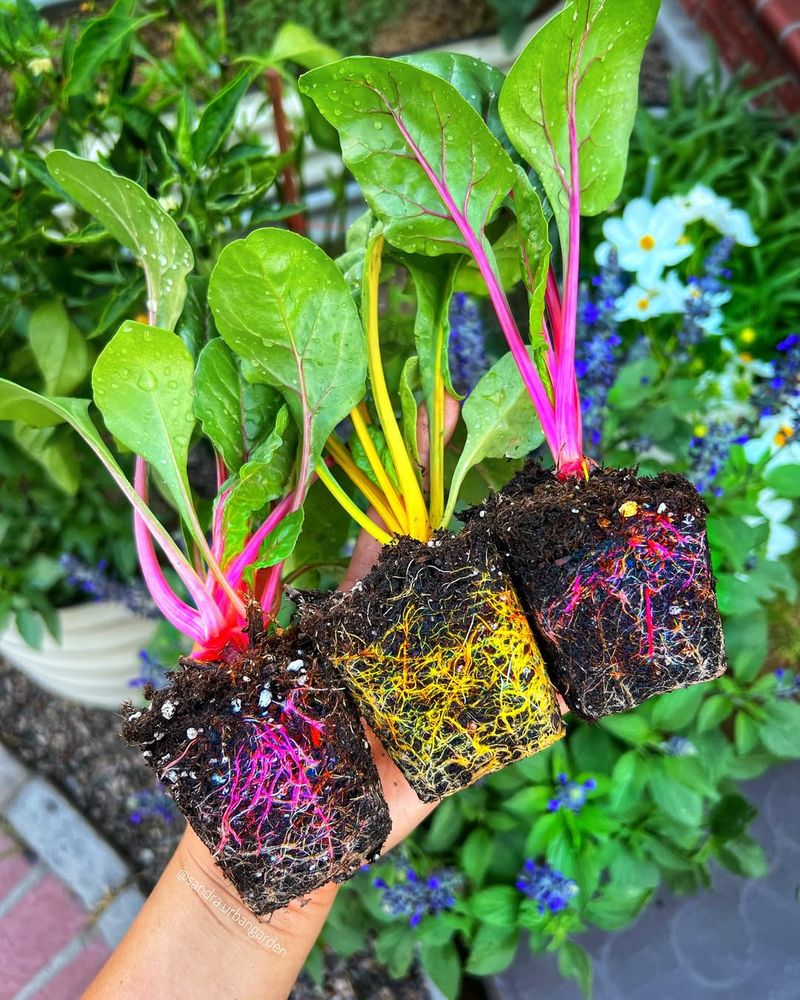
Swiss chard is a showstopper in the winter garden, with vibrant stems in shades of red, yellow, orange, and white that add visual drama to your beds.
This hardy green thrives in California’s winter climate, developing tender, flavorful leaves that taste sweeter and less earthy than those grown in summer heat.
When you plant chard seeds outdoors during winter, you’re giving the plants the cool conditions they need to produce abundant foliage without the stress of bolting or becoming tough and bitter.
What makes chard such a fantastic winter crop is its incredible productivity and versatility. You can harvest the outer leaves while allowing the center to continue producing, giving you a steady supply of fresh greens for months without needing to replant.
Both the leaves and the colorful stems are edible, offering different textures and flavors that work beautifully in everything from sautés to soups to grain bowls.
Chard also tolerates a wide range of growing conditions and requires minimal care, making it perfect for busy gardeners. Another benefit of winter chard is that it faces fewer pest pressures than summer plantings, so your leaves stay clean and beautiful.
The plants also handle light frosts with ease, continuing to produce even when temperatures dip.
By sowing chard seeds outdoors this winter, you’re guaranteeing yourself one of the most productive and visually stunning crops your California garden can offer, with harvests that will carry you well into spring.
10. Peas
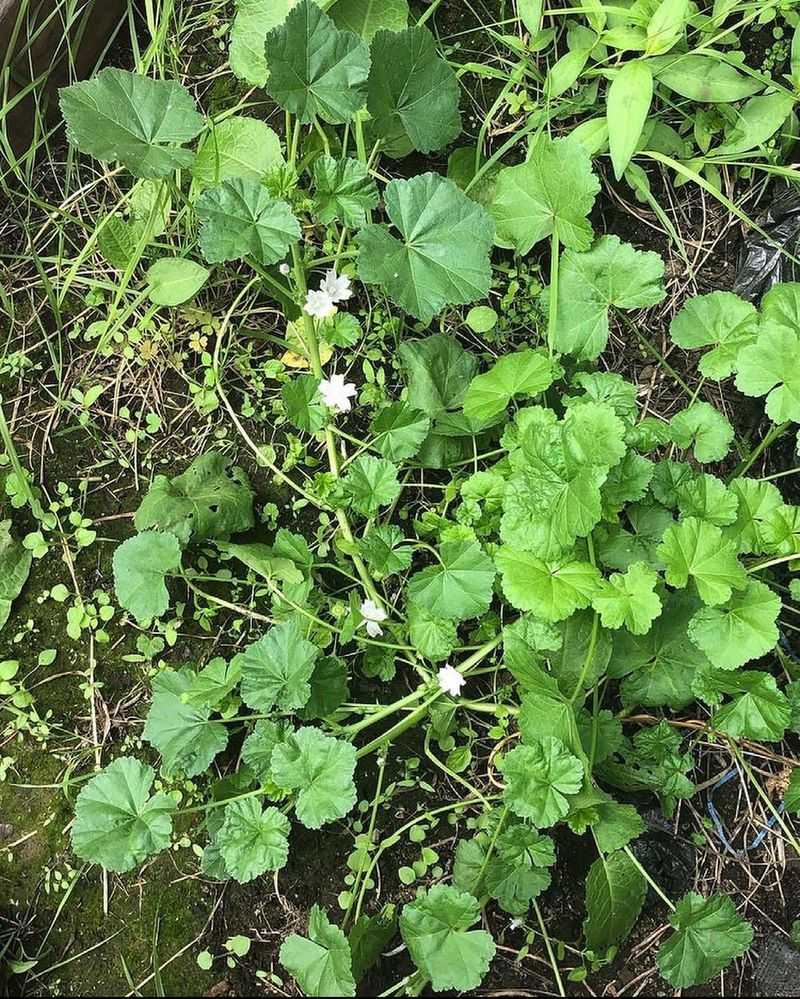
Nothing says spring quite like the sweet crunch of fresh garden peas, and California winter planting gives you a serious head start on this beloved crop.
Peas are one of the few vegetables that actually prefer cooler soil for germination, making winter the ideal time to get them in the ground.
When you sow pea seeds outdoors now, they’ll establish strong root systems during the cool months and then take off rapidly as temperatures warm in early spring, giving you sweet, tender pods weeks before gardeners in other regions.
Peas come in several delicious varieties, including shelling peas, snap peas, and snow peas, each offering something unique for your kitchen.
Snap peas are particularly popular because you can eat the entire pod, making them a convenient and nutritious snack straight from the garden.
Peas also have the amazing ability to fix nitrogen in the soil, which means they actually improve your garden beds while they grow, benefiting whatever you plant next. This makes them not just a tasty crop but also a valuable addition to your crop rotation.
Another wonderful aspect of winter pea planting is that the vines grow vigorously in cool weather, producing abundant flowers and pods before the heat of summer arrives.
You can provide simple supports like stakes or trellises to keep the vines upright and make harvesting easier.
By planting pea seeds outdoors this winter, you’re setting yourself up for an early spring harvest of sweet, crunchy pods that will make you fall in love with gardening all over again.