7 California Plants To Prune In January And 3 You Should Leave Alone
January is the perfect time for California gardeners to prune certain plants, setting the stage for healthy growth and vibrant blooms in spring.
Pruning at the right time improves structure, encourages flowering, and prevents disease, but knowing which plants to cut and which to leave alone is key.
Prune smart now and your garden will flourish when the season changes. These plants benefit from winter pruning, including shrubs and perennials that respond well to shaping and trimming.
At the same time, three species should be left alone until later in the season to avoid damaging buds or reducing blooms. Understanding timing, technique, and plant needs ensures your garden stays healthy and beautiful.
Proper pruning leads to stronger, more productive, and visually appealing plants. California gardeners who follow these guidelines can enjoy vibrant growth, abundant flowers, and low-maintenance landscapes.
Prune the right plants now and let your garden thrive in spring.
1. Roses (Hybrid Tea, Floribunda, Grandiflora)
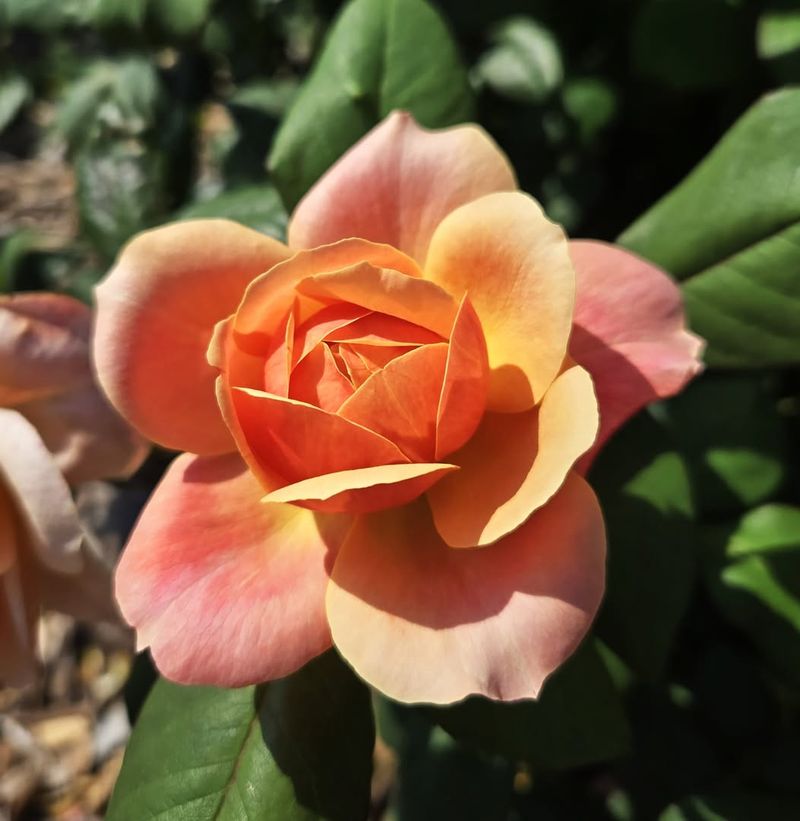
California’s mild winter climate creates an ideal environment for tackling rose pruning during January, especially in zones 8 through 10 where most gardeners reside.
Dormant-season pruning allows you to shape your roses before new growth emerges, giving them the structure they need for spectacular spring blooms.
The cooler temperatures mean less stress on the plants, and you can clearly see the cane structure without foliage getting in your way.
Most hybrid teas, floribundas, and grandifloras benefit from cutting back about one-third to one-half of their height, removing any canes that cross or rub against each other.
Focus on creating an open vase shape that promotes excellent air circulation, which helps prevent fungal issues during California’s foggy mornings. Always cut at a 45-degree angle just above an outward-facing bud to encourage growth away from the center.
Inland valleys and foothill regions need special attention since late frosts can occasionally damage fresh cuts and tender new growth. If your area experiences unpredictable cold snaps, consider waiting until late January or early February when frost risk diminishes.
Remove any diseased or damaged wood completely, cutting back to healthy white pith, and clean your pruners between cuts to prevent spreading problems.
With proper January pruning, your roses will reward you with vigorous growth and abundant flowers throughout the growing season.
2. Grapevines (Wine And Table Grapes)
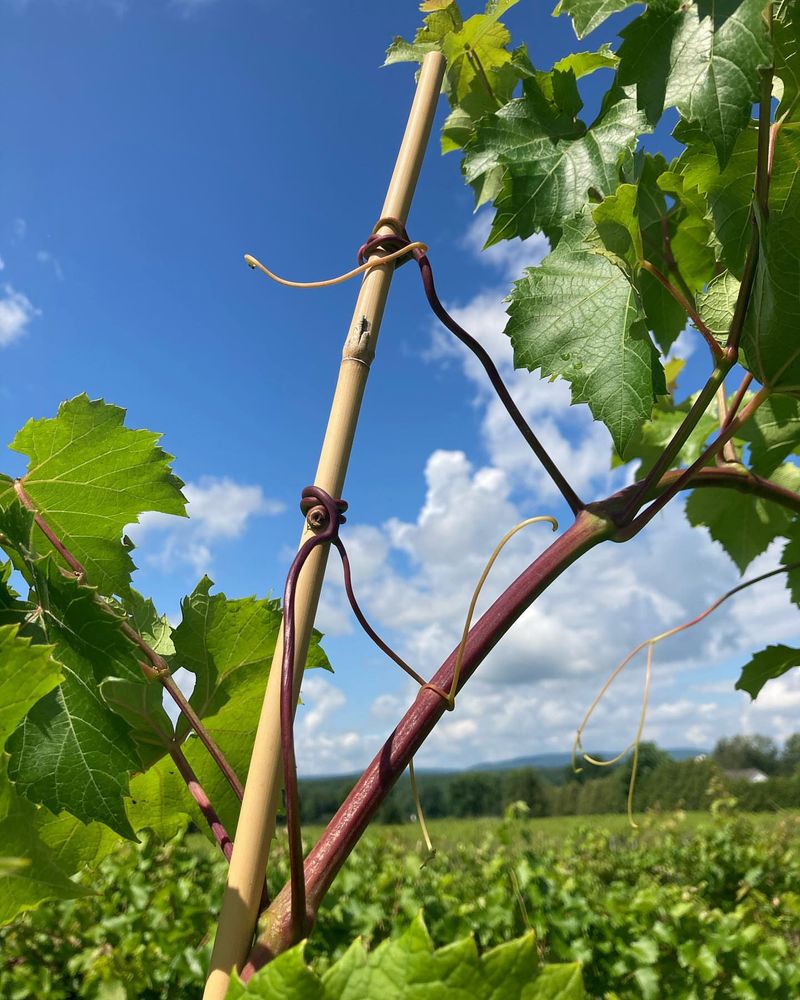
Grapevines transform California landscapes from sprawling vineyards to cozy backyard arbors, and January represents the prime moment for their annual dormant pruning ritual.
Before the buds begin to swell and sap starts flowing vigorously, you have a critical window to shape your vines for the upcoming growing season.
This timing proves especially important for both wine grape varieties and table grapes that grace California gardens from Napa to San Diego.
Understanding the difference between cane pruning and spur pruning helps you make the right choice for your specific grape variety.
Cane pruning involves selecting one or two healthy canes from the previous season and removing everything else, while spur pruning keeps a permanent framework and shortens last year’s growth to just two or three buds.
Your California Garden Changes Every Week. Your Plan Should Too.
Gardening in California changes quickly throughout the season. Every Friday you’ll receive a simple weekly plan showing exactly what to plant, prune, fertilize, harvest, and protect so you never miss the right timing.
Either method significantly influences fruit yield, vine structure, and disease management throughout the year.
Removing excess growth during dormancy improves air circulation and sunlight penetration, both crucial factors in preventing powdery mildew and other fungal challenges common in California’s varied microclimates.
Proper pruning also concentrates the vine’s energy into fewer, higher-quality grape clusters rather than wasting resources on excessive foliage.
Clean cuts heal better in winter’s cooler temperatures, and you can easily see the vine’s architecture without leaves obscuring your view, making January the undisputed champion month for grapevine maintenance.
3. Deciduous Fruit Trees (Apple, Pear, Peach, Plum)
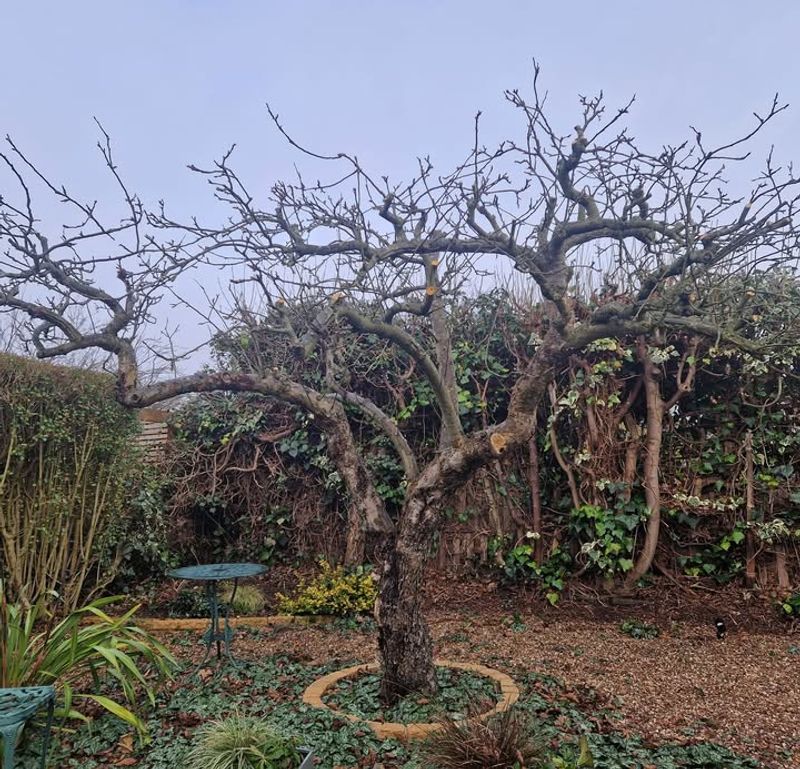
Winter pruning of deciduous fruit trees stands as one of the most rewarding tasks California gardeners can undertake in January, setting the stage for bountiful harvests in the months ahead.
Apples, pears, peaches, and plums all benefit tremendously from structural pruning while they slumber through dormancy. Without leaves blocking your view, you can assess the tree’s framework and make strategic cuts that improve both form and fruit production.
Two primary training systems dominate California orchards and home gardens: the open-center method and the central-leader approach.
Open-center pruning creates a vase-like shape with several main branches radiating outward, ideal for peaches and plums that thrive with maximum sunlight exposure.
Central-leader training maintains one dominant trunk with evenly spaced lateral branches, working beautifully for apples and pears that need strong scaffolding to support heavy fruit loads.
Removing water sprouts, those vigorous vertical shoots that steal energy without producing fruit, should be a priority during your January pruning session.
Diseased wood needs complete removal, cutting back into healthy tissue to prevent problems from spreading when warm weather returns.
Coastal regions can often start pruning earlier in January, while inland areas with occasional frost might benefit from waiting until late January or early February.
Proper winter pruning reduces pest pressure, improves fruit size and quality, and extends the productive lifespan of your cherished fruit trees.
4. Crape Myrtle (Lagerstroemia Indica)
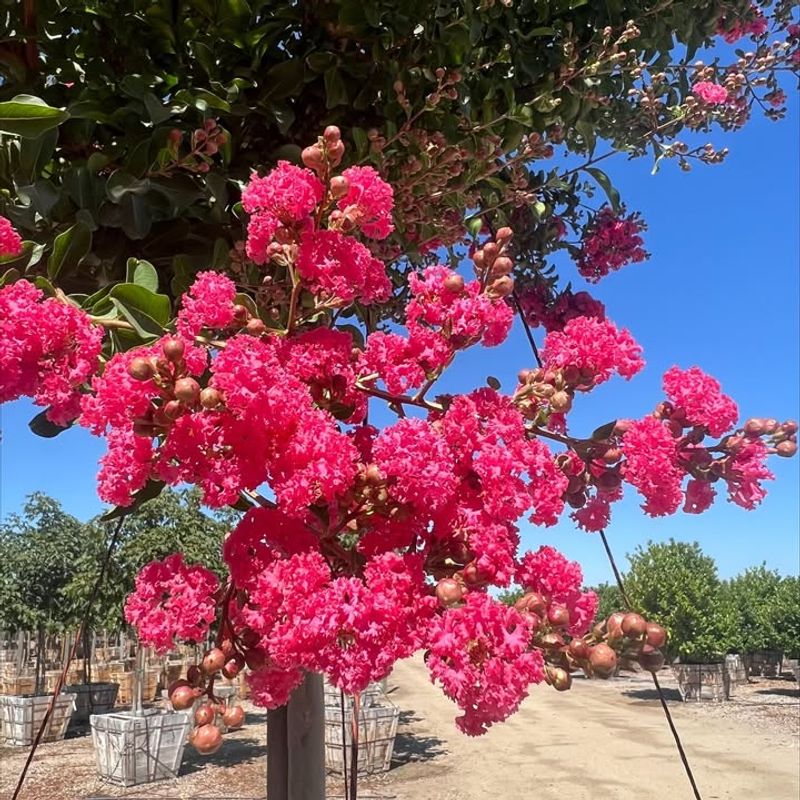
Crape myrtles bring stunning summer color to California landscapes, and January offers the perfect opportunity to shape these beautiful flowering trees without resorting to the unfortunate practice known as crape murder.
Light structural pruning during dormancy enhances the tree’s natural elegance while promoting vigorous blooms when warm weather arrives.
The key lies in respecting the plant’s graceful branching habit rather than hacking it back to unsightly stubs. Focus your pruning efforts on removing crossing branches that rub against each other, creating wounds that invite pests and disease.
Thinning the interior growth allows sunlight and air to penetrate throughout the canopy, reducing humidity and fungal problems during California’s warmer months.
Selective removal of smaller twiggy growth directs energy toward fewer, stronger branches that produce larger flower clusters in summer.
Excessive topping, unfortunately common in many California neighborhoods, creates weak growth that shoots up rapidly in spring, ruining the tree’s natural form and requiring constant maintenance.
Instead, make cuts just above a lateral branch or bud, maintaining the tree’s attractive branching structure and smooth bark that provides winter interest. Young crape myrtles need minimal pruning beyond removing damaged wood and shaping for good structure.
Mature specimens benefit from removing spent seed heads and any branches growing toward the center, keeping the canopy open and balanced for spectacular summer flowering without the eyesore of stubby, knobby branch ends.
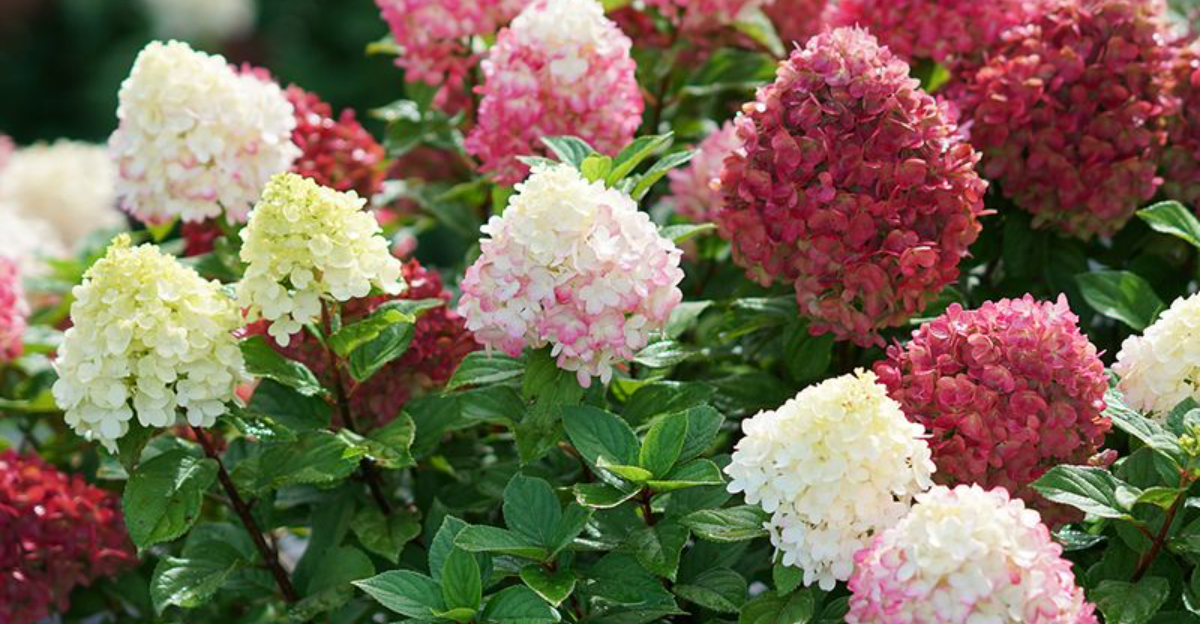
5. Hydrangea (Panicle And Smooth Types Only)
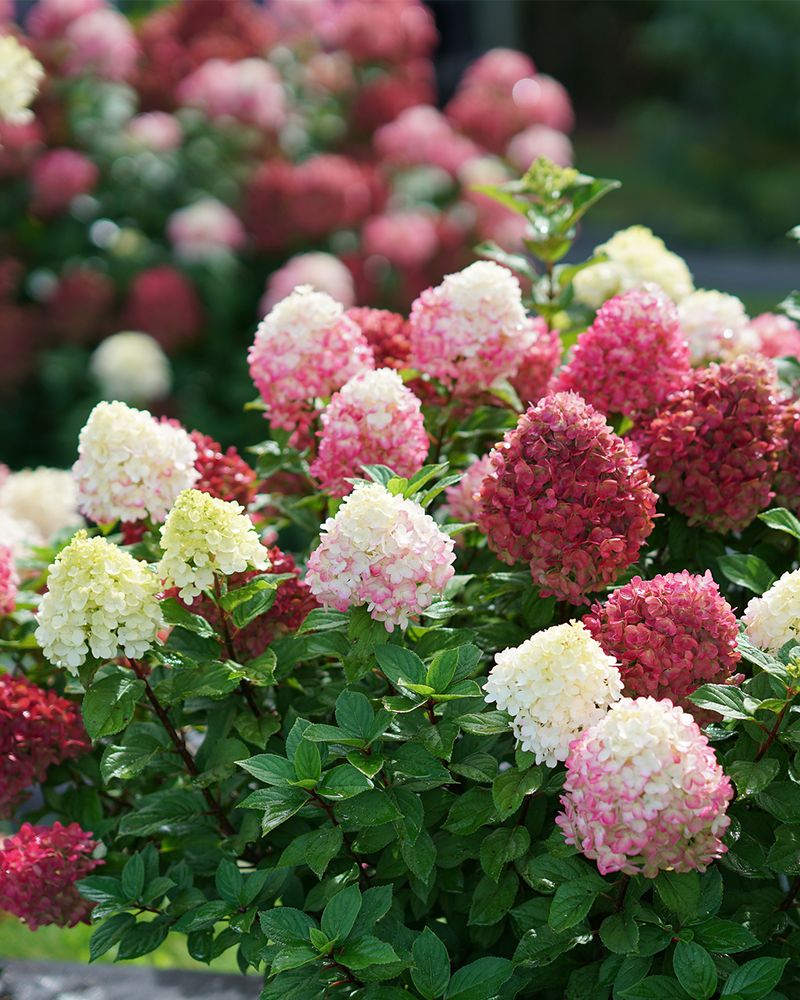
Not all hydrangeas welcome January pruning, but panicle hydrangeas (Hydrangea paniculata) and smooth hydrangeas (Hydrangea arborescens) absolutely thrive with winter cutbacks in California gardens.
These particular varieties bloom on new wood produced during the current growing season, meaning January pruning won’t sacrifice any flowers.
Understanding which hydrangea type you have prevents the heartbreak of removing flower buds and facing a bloomless summer.
Panicle hydrangeas, including popular varieties like ‘Limelight’ and ‘Tardiva,’ can be cut back by one-third to one-half their height in January, encouraging bushier growth and larger flower panicles.
Smooth hydrangeas such as ‘Annabelle’ tolerate even more aggressive pruning, with some gardeners cutting them nearly to the ground for maximum flower size.
Both types respond to winter pruning with vigorous spring growth that produces abundant blooms from summer through fall.
California’s colder inland microclimates require a bit more caution, as late frosts can occasionally damage fresh cuts and emerging growth.
If you garden in foothill areas or inland valleys prone to unpredictable cold snaps, consider waiting until late January or early February when severe frost becomes less likely.
Remove any damaged or crossing stems along with your size-reduction cuts, creating an open framework that promotes air circulation.
The resulting plant will be more compact, easier to manage, and absolutely loaded with magnificent blooms when summer arrives.
6. Wisteria
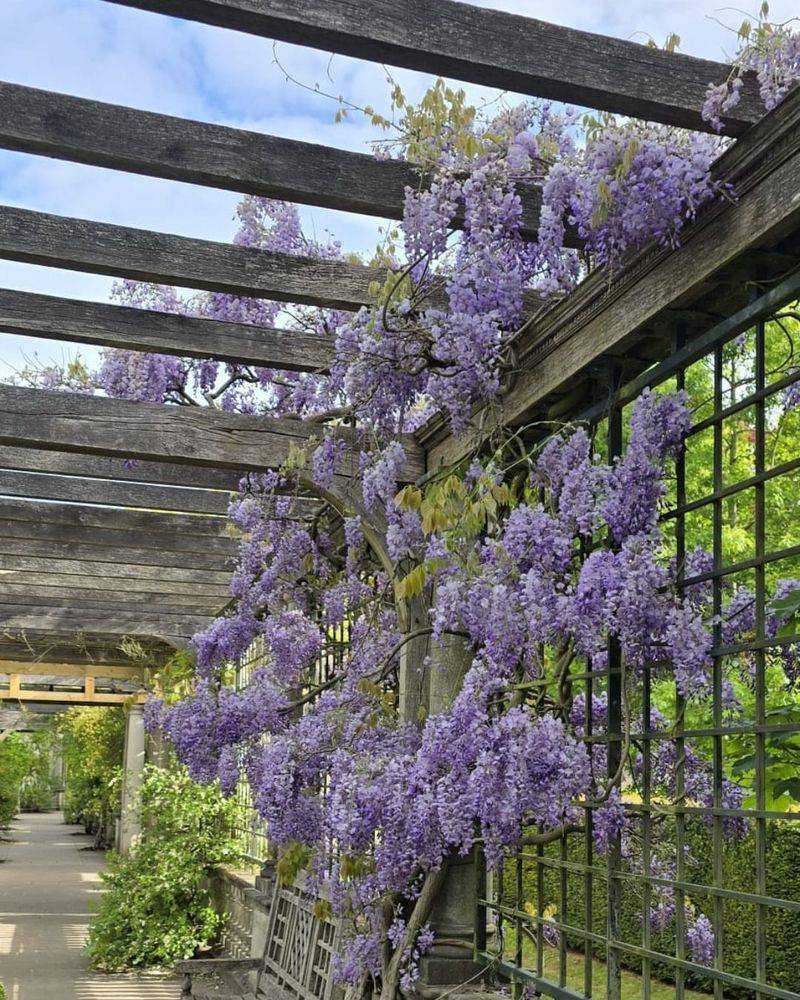
Wisteria’s romantic cascades of fragrant flowers make it a California garden favorite, but without disciplined winter pruning, this vigorous vine can quickly overwhelm arbors, fences, and even nearby structures.
January provides an excellent opportunity to control wisteria’s enthusiastic growth while simultaneously improving the spring flowering display.
California’s mild winters allow the plant to remain dormant enough for stress-free pruning yet avoid the harsh freezes that complicate this task in colder regions.
Focus on cutting back the long whips, those thin shoots that grew throughout the previous summer, to just two or three buds from the main framework branches. These shortened spurs will produce the flower clusters that make wisteria so spectacular in spring.
Shaping the framework branches during January helps maintain the vine within its designated space while creating an attractive structure that looks good even without flowers or foliage.
Winter pruning also reveals the vine’s woody structure clearly, making it easier to identify and remove tangled or crossing growth that reduces flowering potential.
California gardeners benefit from the state’s moderate January temperatures, which allow comfortable outdoor work without the extreme cold that makes pruning miserable elsewhere.
Consistent annual pruning prevents wisteria from becoming an unmanageable monster while maximizing the breathtaking floral display that makes this vine worth growing.
Pair your January structural pruning with summer pruning for optimal flowering and size control throughout the year.
7. Deciduous Shade Trees (Maple, Ash, Elm — Dormant Season Only)
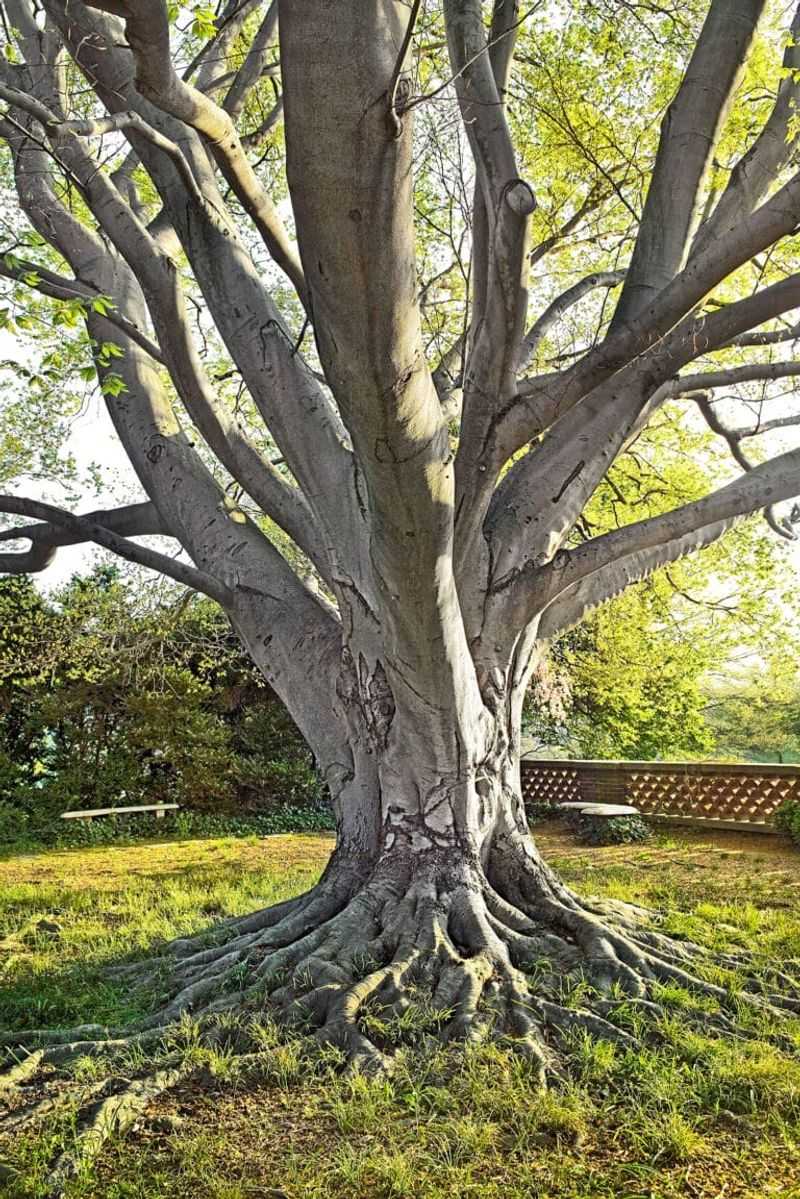
Majestic shade trees like maples, ash, and elms provide cooling canopies throughout California’s hot summers, and January’s dormant period offers the safest time for structural pruning and maintenance.
When sap flow slows during winter dormancy, trees experience less stress from pruning cuts, and wounds seal more effectively before spring’s surge of growth begins.
The absence of leaves allows you to clearly evaluate branch structure, identifying problems that would remain hidden beneath summer foliage.
Removing hazardous limbs during January protects your property and family before winter storms bring heavy winds and rain.
Branches showing signs of weakness, damage, or disease should be your first priority, along with any limbs that interfere with structures, power lines, or pedestrian pathways.
Creating proper clearance now prevents emergency situations later when conditions might be less favorable for tree work.
Winter pruning also reduces pest pressure since many insects remain dormant and won’t be attracted to fresh wounds.
Fungal spores spread less readily in cooler, drier winter air compared to the warm, humid conditions of spring and summer.
Young trees benefit from minimal pruning focused on developing good structure, while mature specimens need careful assessment before removing large limbs that could compromise stability.
Always make clean cuts just outside the branch collar, avoiding flush cuts that damage the tree’s natural healing mechanisms and leaving appropriate stub length for proper wound closure.
8. Citrus Trees (Orange, Lemon, Lime, Grapefruit)
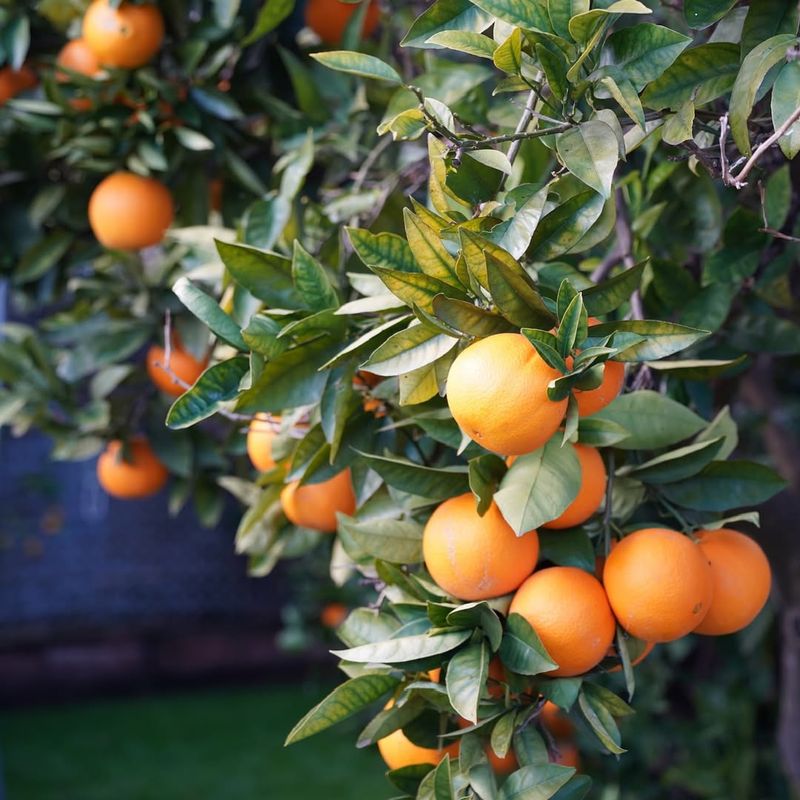
Citrus trees represent one of California’s most iconic garden features, but January pruning ranks among the worst mistakes you can make with these frost-sensitive evergreens.
Unlike deciduous trees that benefit from dormant-season pruning, citrus remains actively growing through winter in most California regions.
Pruning during January exposes tender new growth and interior branches to cold damage, potentially harming your tree’s health and fruit production for years to come.
Fresh pruning cuts remove the protective canopy that shields interior branches from frost, leaving vulnerable tissue exposed during January’s coldest nights.
Even in coastal areas where hard freezes rarely occur, the combination of pruning wounds and cool temperatures stresses citrus trees unnecessarily.
Interior branches accustomed to shade can suffer sunburn when suddenly exposed, creating additional damage beyond the frost risk.
The ideal time for citrus pruning arrives in late winter to early spring, typically March through April in most California locations, after frost danger has passed and before the summer heat arrives.
Waiting until this safer window allows you to remove damaged wood, shape the tree, and thin crowded growth without risking cold injury.
Coastal gardeners might prune slightly earlier than inland growers, but January remains too risky across all California climate zones.
Patience rewards you with healthier trees that maintain their beautiful form and continue producing abundant, delicious fruit without the setbacks caused by untimely winter pruning.
9. Spring-Flowering Shrubs (Lilac, Azalea, Camellia)
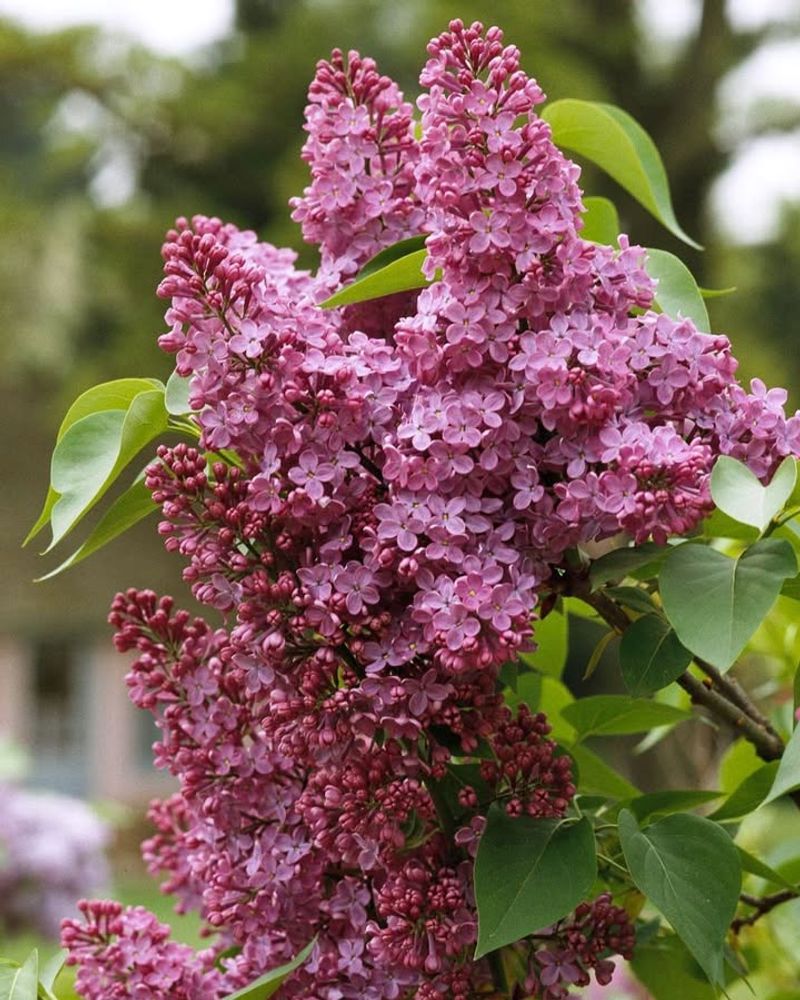
Spring-flowering shrubs like lilacs, azaleas, and camellias spend fall and winter developing the flower buds that will create spectacular displays when warmer weather arrives.
Pruning these beauties in January removes the very blooms you’ve been anticipating, leaving you with a disappointing bloomless spring.
Understanding bloom timing separates successful California gardeners from frustrated ones wondering why their flowering shrubs refuse to perform.
These plants set their flower buds on old wood, meaning the buds form during the previous growing season and wait patiently through winter for their moment to shine. January pruning cuts away months of preparation, sacrificing the floral show for no good reason.
Camellias might already be displaying their gorgeous blooms during California’s mild January weather, making pruning especially counterproductive.
The correct timing for pruning spring-flowering shrubs comes immediately after they finish blooming, typically late spring or early summer depending on your specific California location and the plant variety.
This post-bloom pruning allows you to shape the plant and control size while giving it the entire growing season to develop next year’s flower buds.
Coastal gardens often see earlier bloom times than inland areas, so adjust your pruning schedule accordingly. If you absolutely must prune in January due to damage or extreme overgrowth, accept that you’ll sacrifice this year’s flowers for the plant’s long-term health.
Otherwise, enjoy the anticipation of upcoming blooms and keep your pruners stored away until after the floral display concludes.
10. Avocado Trees
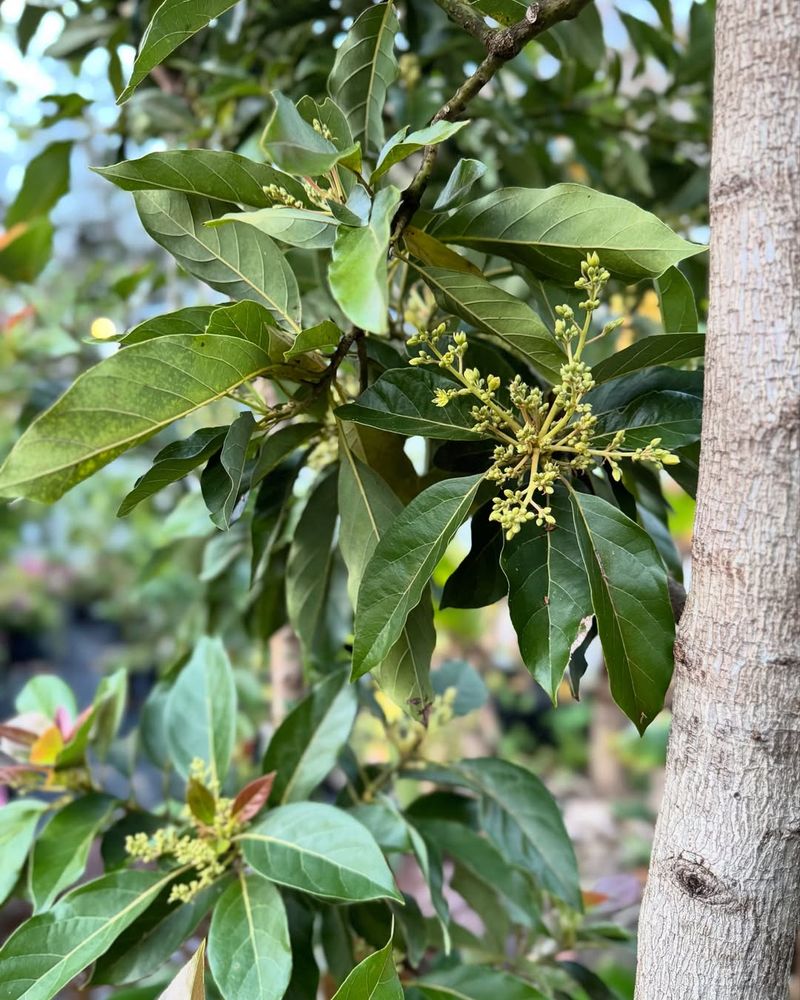
Avocado trees have earned their place as backyard treasures throughout California, but January pruning can seriously compromise these sensitive evergreens.
Cold exposure combined with the stress of pruning creates a dangerous situation for avocados, which lack the dormancy period that protects deciduous trees during winter maintenance.
The exposed interior branches risk both frost damage and sunburn, two problems that can significantly impact tree health and fruit production.
When you remove avocado’s protective canopy through pruning, interior bark that has spent months or years in shade suddenly faces direct sunlight.
California’s intense sun, even during winter, can burn this tender bark, creating wounds that invite pests and disease. The combination of cold nights and bright sunny days proves particularly harmful to freshly pruned avocado trees.
Coastal California gardeners face slightly different conditions than inland growers, but January remains a poor choice for avocado pruning across all regions.
Coastal areas experience milder temperatures but still pose sunburn risks and unnecessary stress during the tree’s slower winter growth period.
Inland zones add frost danger to the equation, making January pruning even more problematic. Wait until spring arrives, typically April or May, when temperatures warm consistently and new growth begins actively emerging.
Spring pruning allows wounds to heal quickly during the tree’s vigorous growth phase, and new foliage develops rapidly to shade exposed branches.
Structural pruning and size control work best during this warmer window when your avocado tree can respond positively rather than struggling against winter’s challenges.