Why Slugs Thrive In Oregon (And Simple Fixes Most People Miss)
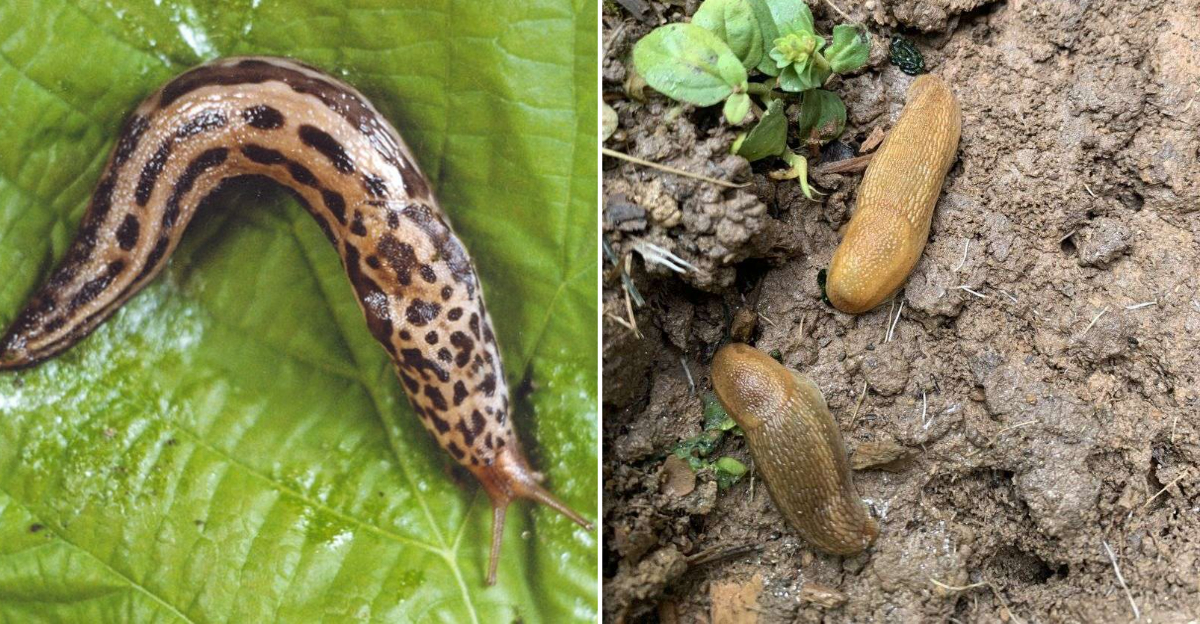
Slugs seem to appear out of nowhere in Oregon gardens, leaving trails of slime and chewed leaves in their wake.
They thrive here because the cool, wet climate creates the perfect conditions for them to survive and reproduce.
Gardeners often notice the damage first and only later realize how many slugs are hiding just out of sight.
These pests are sneaky, hiding under mulch, rocks, and plant debris during the day and feeding at night when it’s moist. Ignoring them or assuming it’s just “part of gardening” can lead to bigger problems as they multiply quickly.
Fortunately, some simple fixes can make a huge difference. Adjusting watering practices, removing hiding spots, and using barriers or traps can help control slug populations without harsh chemicals.
Understanding why slugs thrive in Oregon and taking a few targeted steps protects plants and makes gardens healthier and more enjoyable.
With a little attention, gardeners can reduce slug damage and keep leaves, flowers, and produce intact throughout the season.
Oregon’s Rainy Climate Is Slug Paradise
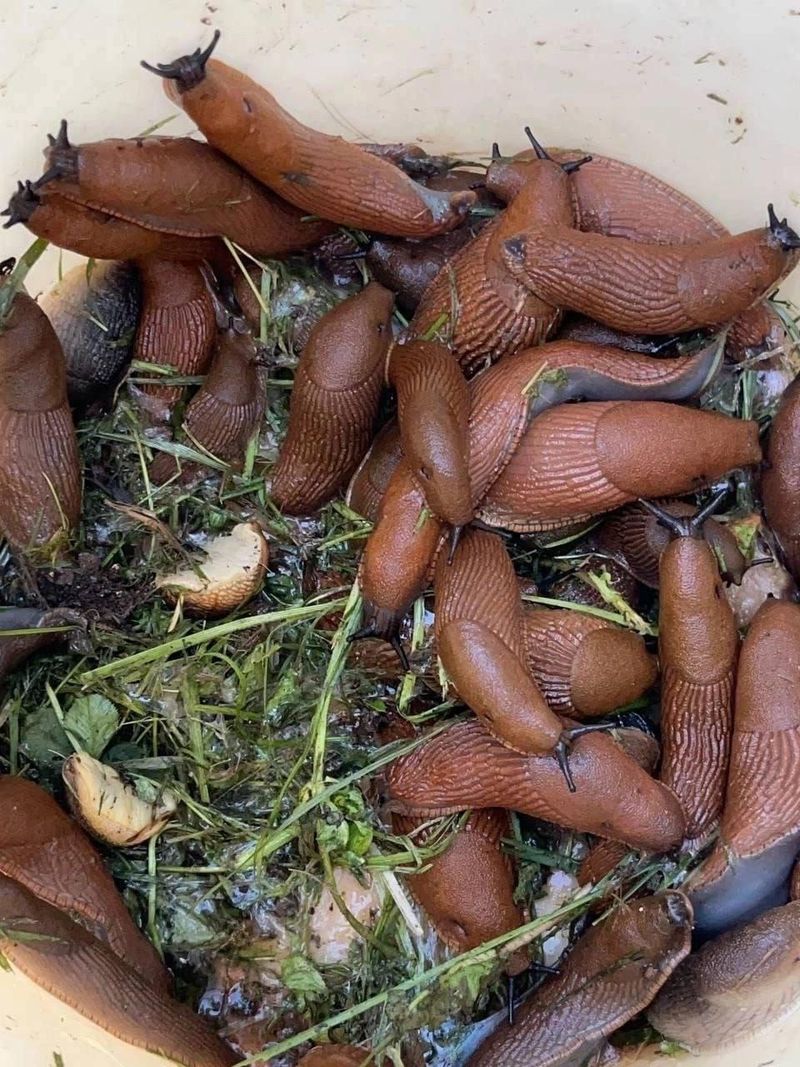
Rain falls here almost daily from October through May, and slugs absolutely thrive in moisture. They breathe through their skin, so they need damp conditions to survive.
When your yard stays wet for months, it becomes a five-star resort for slugs looking to eat, breed, and multiply.
Most homeowners don’t realize that even after the rain stops, shady spots under shrubs and along north-facing walls hold moisture for hours. Slugs hide there during the day and come out at night to feast.
If your garden beds stay soggy, you’re rolling out the welcome mat.
The simple fix is improving drainage in problem areas. Add a thin layer of gravel or coarse sand under mulch to help water move through faster.
Trim back dense shrubs so air can circulate and dry things out a bit. You’re not trying to turn your yard into a desert, just giving it a chance to breathe.
Better airflow means fewer hiding spots and less moisture for slugs to enjoy. Your plants will appreciate the healthier roots, too.
Small drainage tweaks save you from endless slug patrol and keep your garden looking sharp all season long.
Thick Mulch Layers Create Slug Hotels
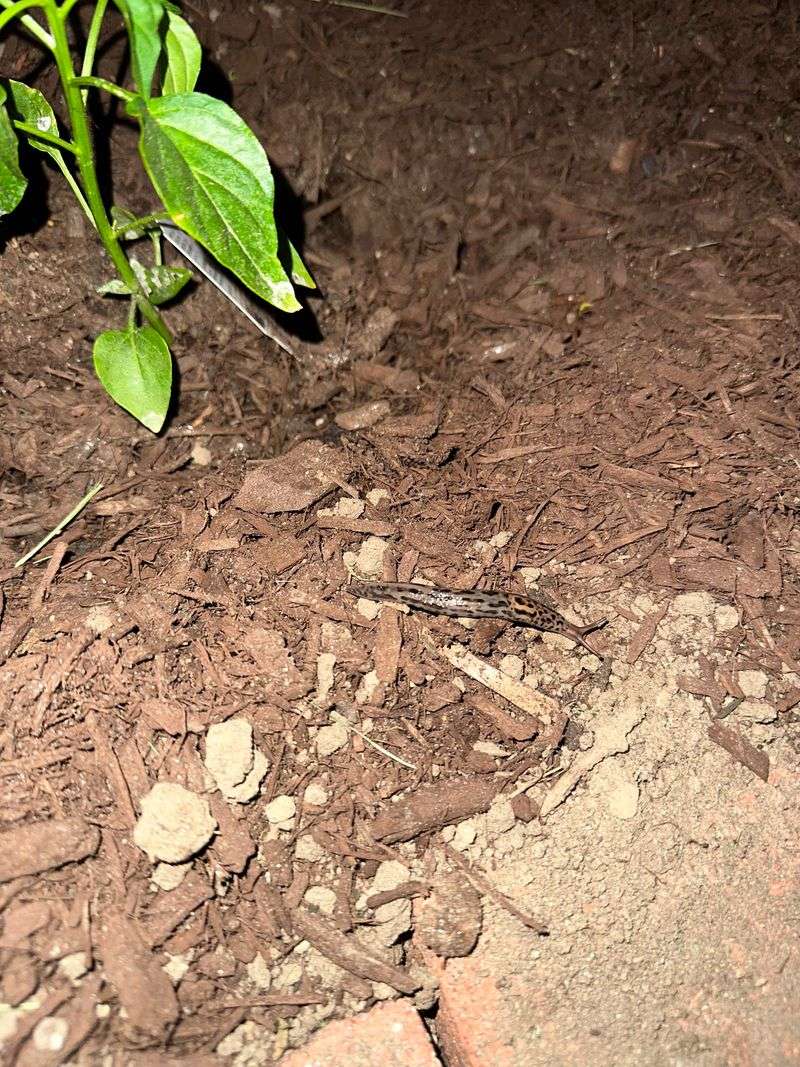
Mulch is great for keeping weeds down and soil moist, but pile it on too thick and you’re building a slug hideout. Slugs love cool, dark, damp places, and a four-inch layer of bark mulch gives them exactly that.
They burrow in during the day and slide out at night to munch on everything nearby.
Walk around your flower beds and check the mulch depth. If you can’t see the soil underneath, it’s probably too thick.
Slugs will camp out right next to your prized hostas and strawberries, making nightly raids easy and convenient.
The fix is simple: pull back your mulch to about two inches deep. Leave a small gap, maybe an inch or two, between the mulch and the base of your plants.
Your Oregon Garden Changes Every Week. Your Plan Should Too.
Gardening in Oregon changes quickly throughout the season. Every Friday you’ll receive a simple weekly plan showing exactly what to plant, prune, fertilize, harvest, and protect so you never miss the right timing.
This creates a drier zone that slugs don’t like crossing. It also helps prevent crown rot and keeps your plants healthier overall.
You’ll still get the weed control and moisture retention you want, but without the slug sanctuary. Rake the mulch lightly every few weeks to break up any damp clumps.
Your garden will look tidier, and you’ll spend way less time picking slugs off your tomatoes at sunrise.
Overwatering Keeps Soil Soggy And Slug-Friendly
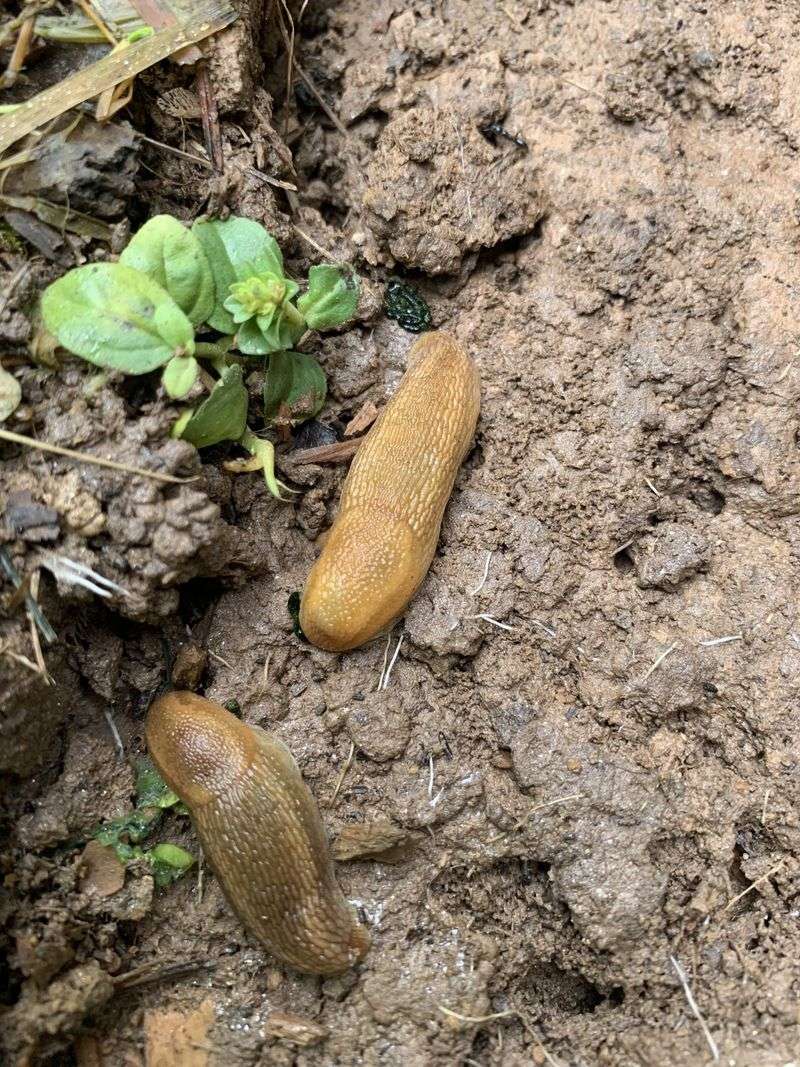
Even in Oregon’s rainy climate, many homeowners still run sprinklers on automatic timers year-round. If your soil is already damp from natural rain, adding more water just makes things worse.
Slugs don’t need much encouragement, and consistently soggy soil gives them everything they need to stick around and reproduce.
Check your watering schedule. If you’re watering every other day during spring or fall, you’re probably overdoing it.
Slugs breed faster in wet conditions, and their eggs hatch more successfully when the ground stays moist. You might be accidentally growing your own slug army.
The fix is adjusting your watering to match the weather. Turn off automatic timers during rainy months and only water when the top two inches of soil feel dry.
Water in the morning so the surface dries out by evening, which is when slugs are most active.
Letting your soil dry slightly between waterings won’t hurt most plants—it actually strengthens their roots. You’ll use less water, lower your bill, and make your yard far less appealing to slugs.
It’s a win all around, and your garden will look healthier without all those chewed leaves and slimy trails.
Yard Clutter Gives Slugs Perfect Hiding Spots
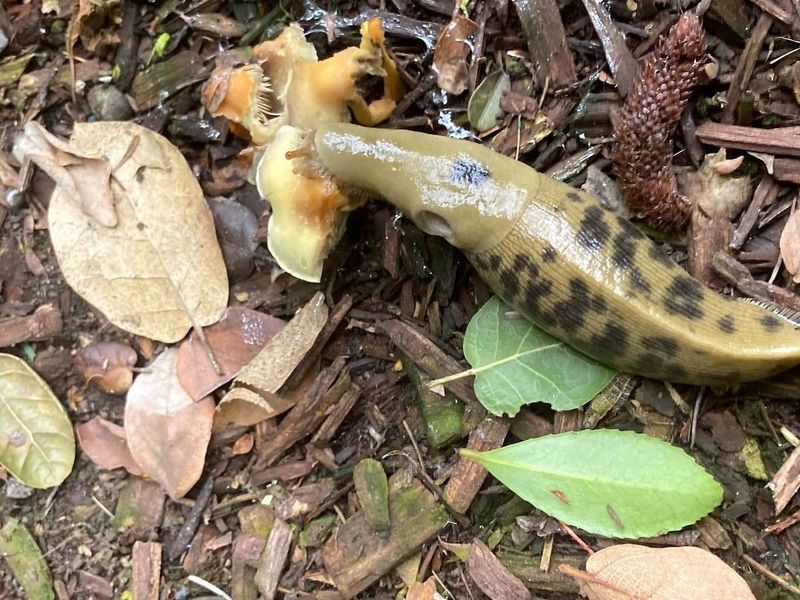
Old flower pots, stacks of boards, piles of leaves, and forgotten garden tools all create cozy slug shelters. Anything sitting directly on damp ground becomes a daytime hideout.
Slugs slip underneath, stay cool and moist, and then venture out at night to raid your vegetables and flowers.
Take a walk around your yard and look for spots where stuff has been sitting for weeks or months. Flip over that empty pot by the shed or move the stack of bricks near the fence.
You’ll probably find slugs clinging to the underside, along with their eggs.
The simple fix is clearing away the clutter. Store pots upside down or hang them on hooks.
Stack lumber off the ground on a rack or pallet. Rake up leaf piles and compost them properly.
The fewer hiding spots you offer, the fewer slugs will call your yard home.
A tidier yard isn’t just about looks—it’s about making your space less slug-friendly. You’ll also reduce other pests like earwigs and pill bugs.
Plus, you’ll find your garden tools faster and enjoy your outdoor space more. Small cleanup efforts pay off big time when slug season hits.
Dense Shade Keeps Ground Moist All Day
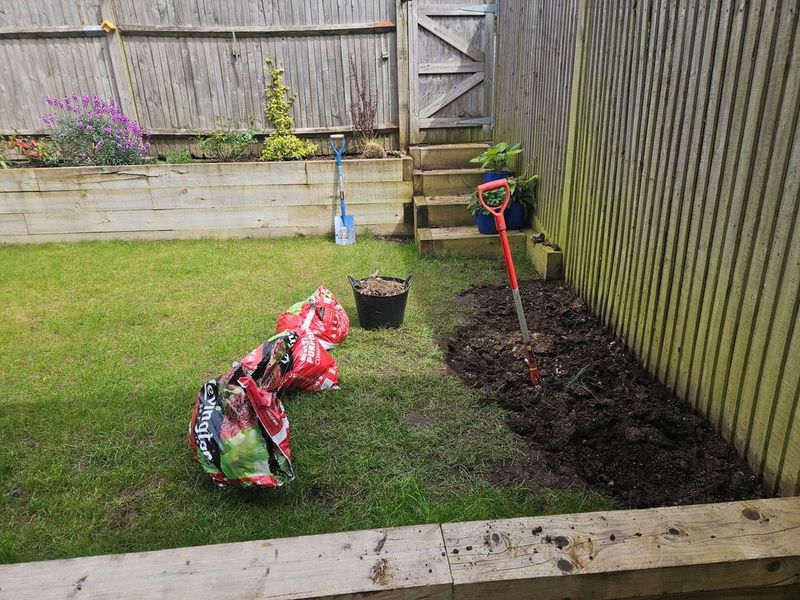
Big trees, overgrown shrubs, and crowded garden beds create deep shade that never fully dries out. Slugs hate direct sun and dry conditions, so they flock to shady areas where moisture lingers.
If your garden feels like a rainforest floor, slugs will treat it like one.
Look at the areas where you see the most slug damage. Chances are, they’re under trees, along the north side of your house, or tucked behind thick hedges.
These spots stay damp even on sunny days, and slugs know it. They’ll hang out there all season long if you let them.
The fix is letting in more light and air. Prune lower branches on trees to raise the canopy.
Thin out dense shrubs so sunlight can reach the ground. Space your plants a little farther apart so air circulates between them.
You don’t need to clear-cut, just open things up a bit.
More light means faster drying, which slugs hate. Your plants will grow stronger with better airflow, and you’ll have fewer disease problems too.
A little pruning work in early spring can save you months of slug frustration later. Your yard will look more intentional, and you’ll actually enjoy walking through it again.
Garden Layout Mistakes That Invite Slugs In
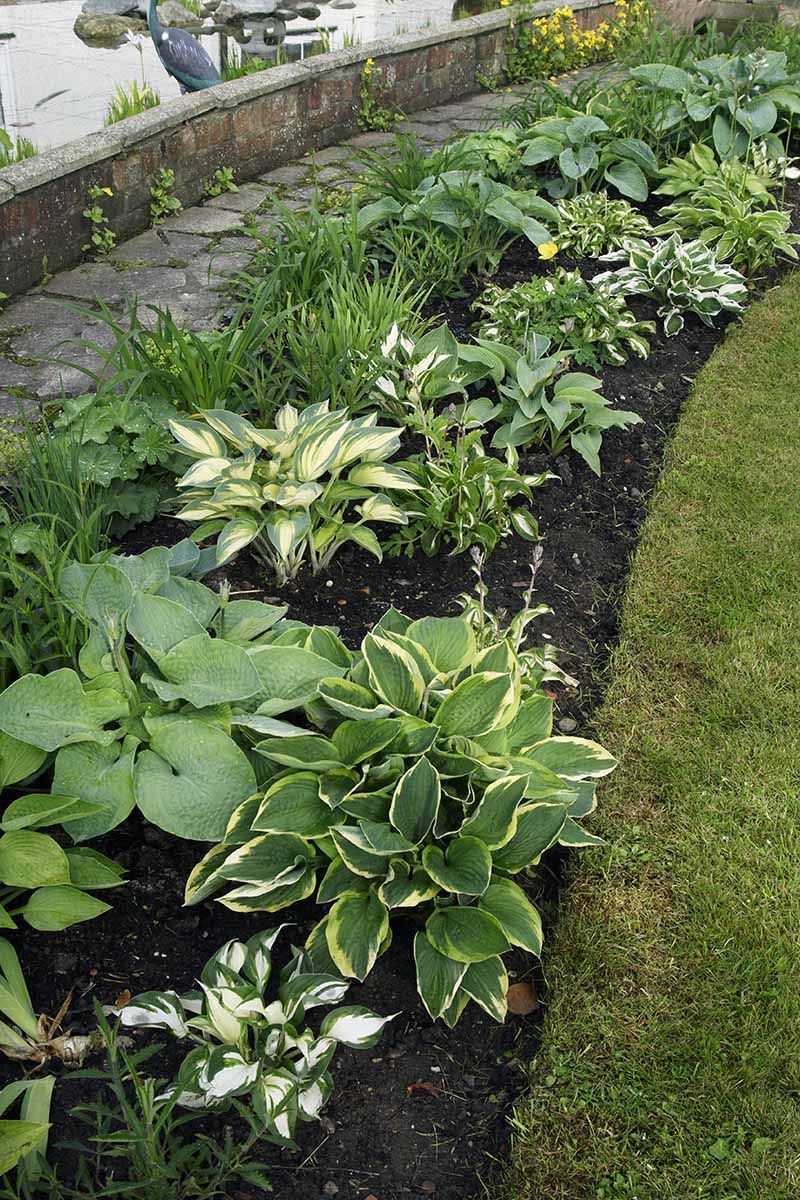
Planting slug favorites like hostas, lettuce, and strawberries right next to shady, damp borders is like putting out a buffet sign. Slugs don’t have to travel far to find food, shelter, and moisture all in one spot.
If your garden design makes their life easy, they’ll move in and multiply fast.
Most homeowners plant without thinking about slug behavior. They tuck tender greens into the shadiest corner or line the north fence with hostas.
Slugs notice these setups immediately and settle in for the long haul. You end up replanting the same vegetables every year because slugs destroy them before harvest.
The fix is rearranging your garden layout. Move slug-prone plants into sunnier, drier spots where slugs are less comfortable.
Plant tougher, less appetizing plants like lavender, rosemary, or ornamental grasses in the shady, damp zones. Create physical barriers like copper tape around raised beds to keep slugs out.
Raised beds with gravel paths around them work especially well because slugs don’t like crossing dry, rough surfaces. You’ll still grow the vegetables and flowers you love, but in spots where slugs can’t dominate.
Your garden will produce more, look better, and need way less maintenance. Smart layout beats endless slug-picking every time.
Small Habit Changes That Stop Slugs Long-Term
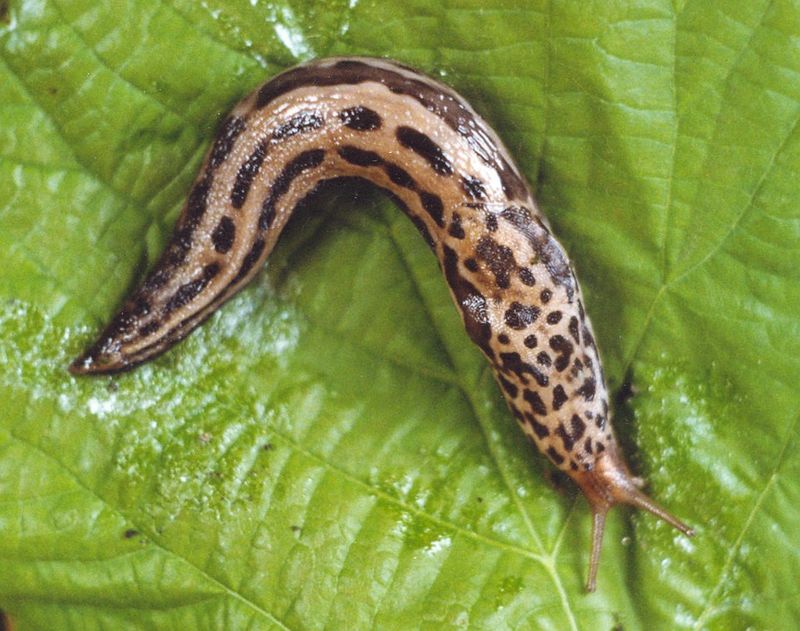
Slug control isn’t about one big fix-it’s about small, consistent habits that make your yard less inviting over time. Most people try slug bait once, see mixed results, and give up.
But if you keep making tiny adjustments, slugs lose interest and move on to easier targets. Your yard becomes naturally slug-resistant without constant effort.
Start by checking your yard every week or two. Move anything sitting on damp ground, rake mulch lightly, and pull back overgrown plants.
Water only when needed and always in the morning. These little habits take just a few minutes but add up to a huge difference.
Slugs can’t establish themselves if conditions keep changing.
Another overlooked habit is cleaning up plant debris quickly. Dead leaves, spent flowers, and fallen fruit all attract slugs looking for easy meals.
Toss them in your compost bin instead of leaving them on the ground. Keep your compost pile hot and turned regularly so slug eggs don’t survive.
Over time, your yard becomes a place slugs avoid instead of a place they love. You’ll spend less time fighting pests and more time enjoying your garden.
Small habit changes save you money on treatments and replanting. Your neighbors will wonder how your yard looks so good with so little drama.