Western Vs Eastern Oregon: Choosing The Right Mulch For Your Garden
Mulch might seem simple, but choosing the right type can make a big difference for Oregon gardens, and the best choice depends a lot on where you live.
Western Oregon’s rainy, mild climate and Eastern Oregon’s dry, sunny conditions create very different challenges for keeping soil healthy, retaining moisture, and suppressing weeds.
The right mulch helps conserve water, protects plant roots, and adds nutrients back into the soil as it breaks down.
In wetter areas, mulches that drain well prevent soggy soil and root rot, while in drier regions, thicker, moisture-retaining mulches keep plants happy through hot summer days.
Organic options like bark, straw, or compost have benefits that vary depending on your region, while inorganic choices like gravel or rubber may suit certain landscapes better.
The differences between Western and Eastern Oregon climates, and how they affect soil and plants, make it easier to choose the right mulch for your garden. Using the proper material keeps gardens healthy, productive, and low-maintenance throughout the season.
1. Understanding Oregon’s Two Climates And What They Mean For Your Mulch
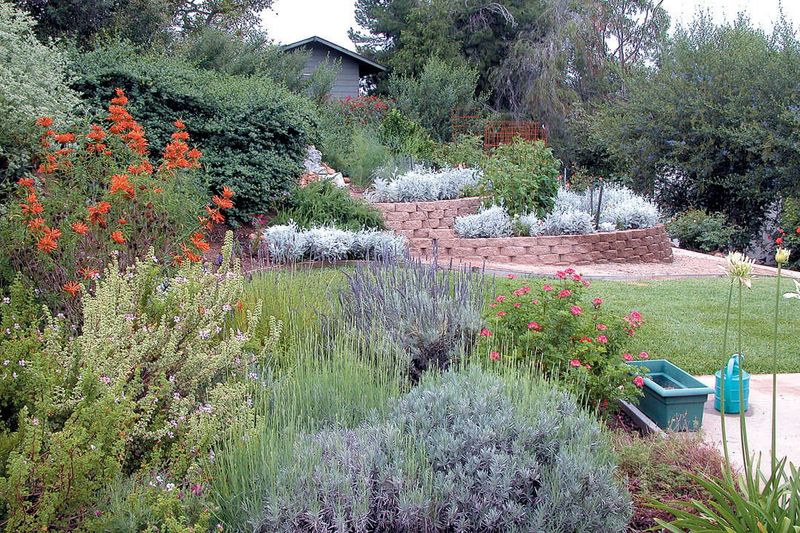
Your mulch needs depend entirely on which side of the Cascades you call home. Western Oregon homeowners deal with 40 to 80 inches of rain each year, mostly falling between October and May.
Your soil stays damp for months, which means mulch that holds too much moisture can actually harm plants by encouraging root rot and fungal diseases.
Eastern Oregon presents the opposite challenge. You might only see 10 to 15 inches of rain annually, with blazing summers that crack the ground and winters that freeze solid.
Mulch over there needs to lock in every drop of moisture while protecting roots from temperature swings that can destroy plants overnight.
Many homeowners make the mistake of copying what looks good at the garden center without thinking about their local weather. A beautiful bark mulch display photographed in Portland won’t necessarily work in Bend.
The key is matching mulch type to your rainfall, temperature range, and how much maintenance time you actually have.
When you understand your climate first, choosing mulch becomes simple. You’ll stop fighting against nature and start working with it, which means less replanting, less watering, and fewer weekend hours spent fixing problems that the right mulch would have prevented from the start.
2. How Rainfall Changes Everything About Mulch Performance
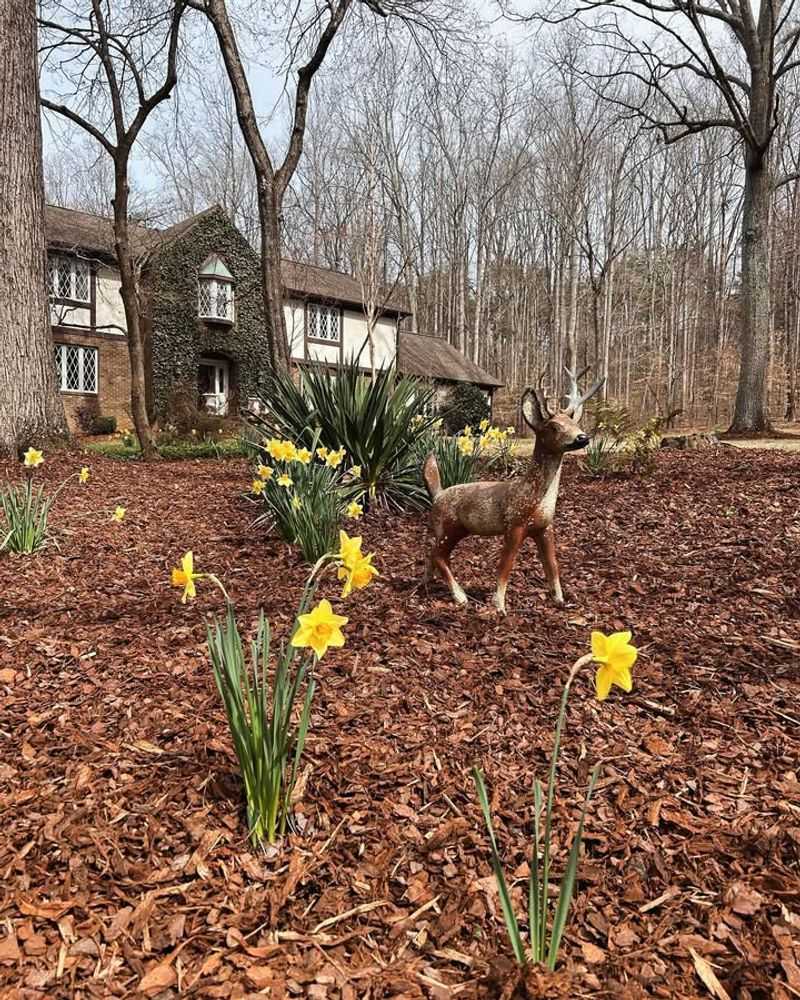
Rainfall doesn’t just water your plants, it completely transforms how mulch behaves in your yard. In the Willamette Valley and coastal areas, constant winter rains can turn finely shredded mulch into a soggy, compacted mat that suffocates plant roots instead of protecting them.
You’ve probably seen this happen: beautiful fresh mulch in October that looks like muddy cardboard by February.
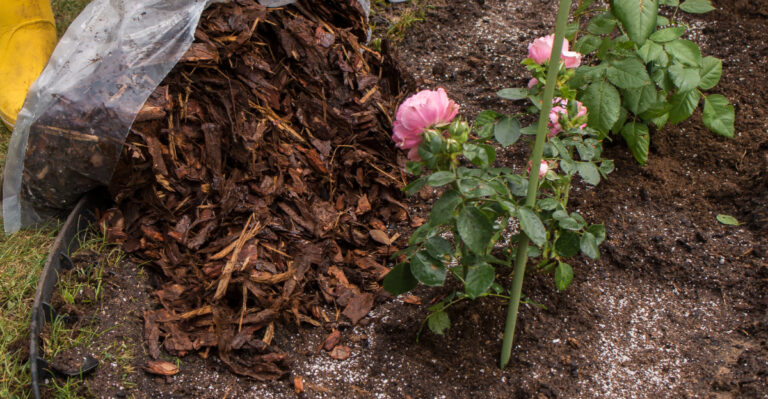
Chunky bark mulch works better west of the Cascades because larger pieces allow water to drain through while still suppressing weeds. Douglas fir bark and hemlock bark chunks resist compacting even after months of rain.
They break down slowly, so you’re not replacing them every spring.
Your Oregon Garden Changes Every Week. Your Plan Should Too.
Gardening in Oregon changes quickly throughout the season. Every Friday you’ll receive a simple weekly plan showing exactly what to plant, prune, fertilize, harvest, and protect so you never miss the right timing.
East of the mountains, rainfall scarcity means your mulch needs to act like a moisture vault. Shredded bark or wood chips work beautifully because their smaller particles create a dense layer that reduces evaporation.
Every rain event or watering session gets trapped under that protective blanket instead of evaporating within hours under the intense high-desert sun.
The wrong mulch in the wrong rainfall zone creates constant headaches. Too much moisture retention in rainy areas breeds slugs, mold, and disease.
Too little moisture retention in dry areas means you’re watering twice as often and watching plants struggle despite your best efforts.
3. Soil Moisture Retention: The Hidden Reason Plants Thrive Or Flop
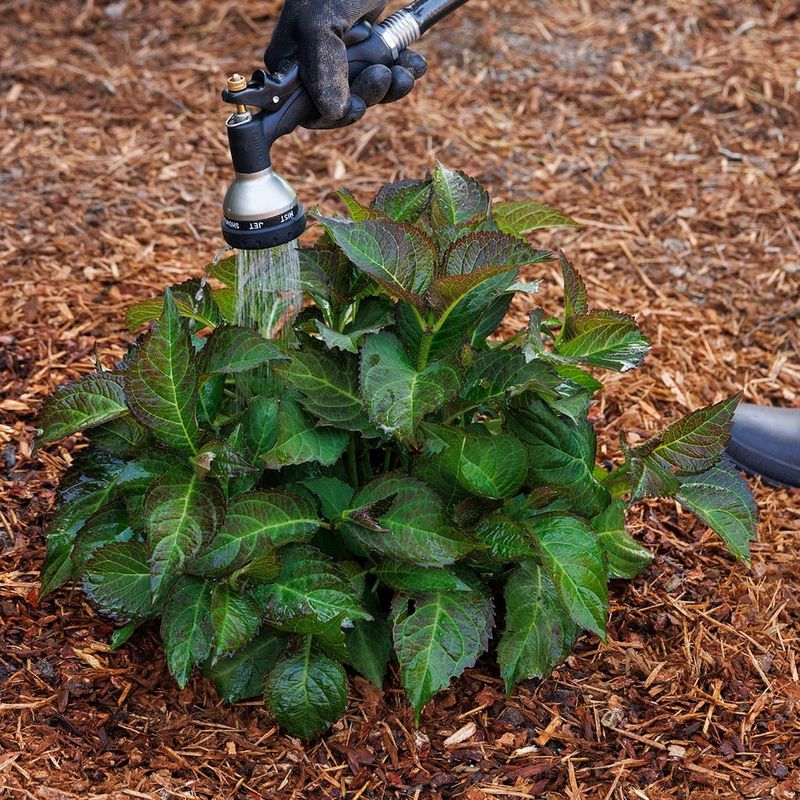
Soil moisture balance matters more than most homeowners realize, and mulch controls it. Western Oregon gardeners often over-mulch without meaning to, piling on thick layers that keep soil waterlogged long after the rain stops.
Your rhododendrons and azaleas love acidic soil but hate sitting in water, which is why you see yellowing leaves even when you’re doing everything else right.
A two to three-inch layer of coarse bark mulch gives western gardens exactly what they need: weed suppression and temperature moderation without trapping excess moisture against plant crowns. Pull mulch back a few inches from stems and trunks to let air circulate.
This simple adjustment prevents crown rot and keeps beneficial soil organisms happy.
Eastern Oregon yards face the opposite problem, soil dries out so fast that plants stress between waterings. A three to four-inch layer of shredded wood mulch or arborist chips dramatically reduces evaporation.
Your vegetables, perennials, and shrubs stay healthier because their roots maintain consistent moisture instead of cycling between bone-dry and soaked.
Check your soil moisture by sticking your finger three inches down into the ground under the mulch. Western Oregon soil should feel damp but not soggy.
Eastern Oregon soil should feel cool and slightly moist even on hot afternoons. Adjust your mulch depth and type until you hit that sweet spot consistently.
4. Temperature Extremes And How Mulch Protects Your Investment
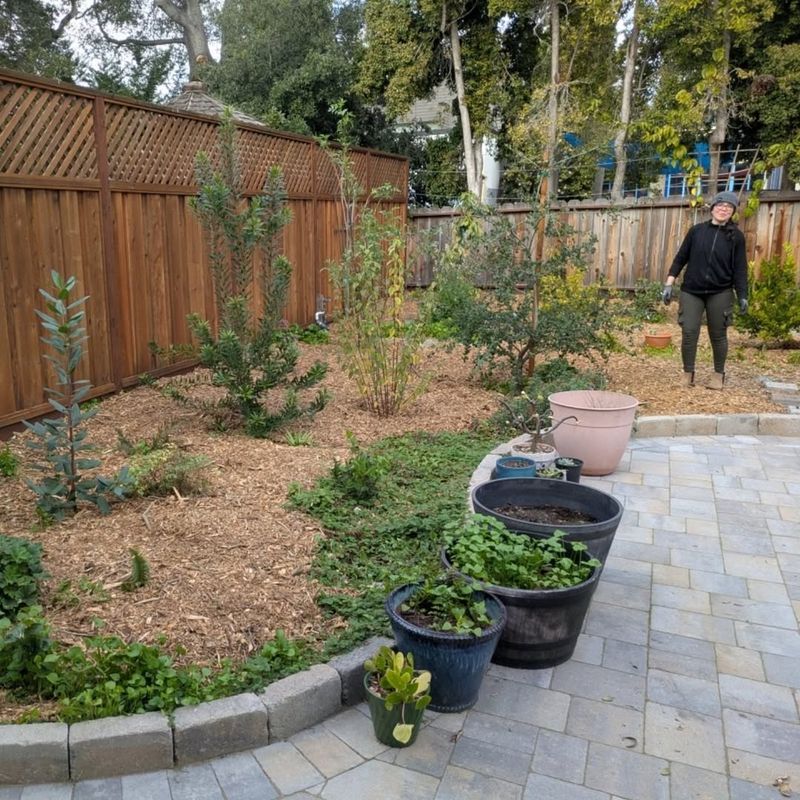
Temperature swings destroy more plants than homeowners realize, and the right mulch acts like insulation for your garden beds. Western Oregon enjoys mild winters, rarely dipping below 20 degrees, but those occasional hard freezes surprise unprepared gardens.
Mulch buffers temperature changes, keeping soil warmer on cold nights and cooler during surprise warm spells that trick plants into budding too early.
Organic mulches like bark and compost work best for temperature regulation in western gardens. They trap air pockets that insulate roots while breaking down slowly to feed soil biology.
Your perennials emerge healthier in spring because their roots never experienced the shocking temperature roller coaster that frozen, bare soil creates.
Eastern Oregon winters are brutal, with temperatures dropping well below zero in many areas. Summer heat then bakes the ground to dust.
Without mulch, your soil temperature can swing 40 degrees between day and night, stressing plants constantly. A thick layer of wood chips or straw moderates these extremes beautifully, keeping roots in a stable environment even when the air temperature goes crazy.
Rock mulch is popular east of the Cascades for xeriscaping, but use it carefully. Rocks absorb and radiate heat, which can cook shallow-rooted plants in summer.
Combine rock mulch with deeper-rooted, heat-tolerant plants, or stick with organic mulches around vegetables and tender perennials.
5. Common Homeowner Mulch Mistakes That Waste Time And Money
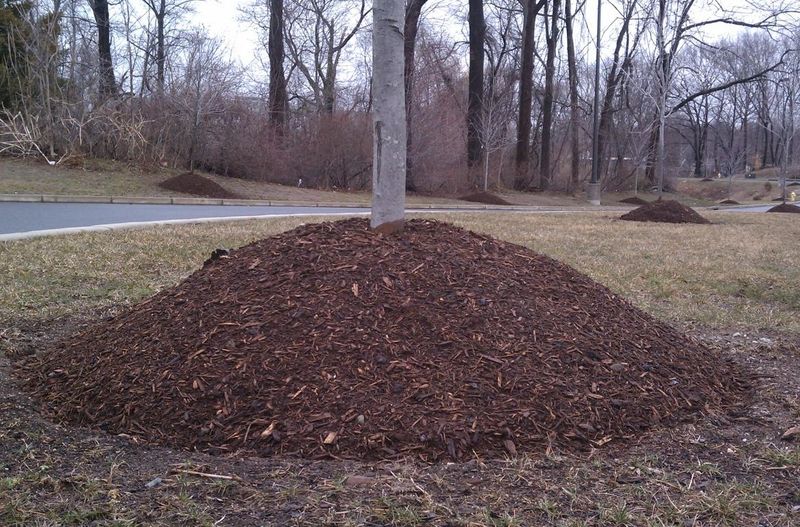
Mulch volcanoes around trees are everywhere, and they’re slowly destroying those trees. Piling mulch high against tree trunks traps moisture, encourages bark rot, and invites rodents to nest right against the trunk where they gnaw through bark during winter.
This happens in both western and eastern Oregon because homeowners think more mulch equals more protection.
The correct technique is creating a donut, not a volcano. Spread mulch in a wide circle around the tree but pull it back six inches from the trunk itself.
This gives you all the benefits, weed suppression, moisture retention, temperature moderation, without the problems that come from burying the trunk base.
Another common mistake is using dyed mulch without understanding what you’re buying. Those bright red and black mulches are often made from recycled wood that may contain chemicals or treated lumber.
They look sharp initially but break down into questionable material that you probably don’t want feeding your vegetable garden or touching your kids’ play areas.
Western Oregon homeowners also tend to mulch too early in spring, trapping cold, wet soil that delays warming and slows plant growth. Wait until soil temperatures rise and excess moisture drains before applying fresh mulch.
Eastern Oregon gardeners should mulch earlier to capture spring moisture before the hot, dry season begins. Timing matters just as much as mulch type.
6. Organic Versus Inorganic Mulch: Choosing What Works For Your Region
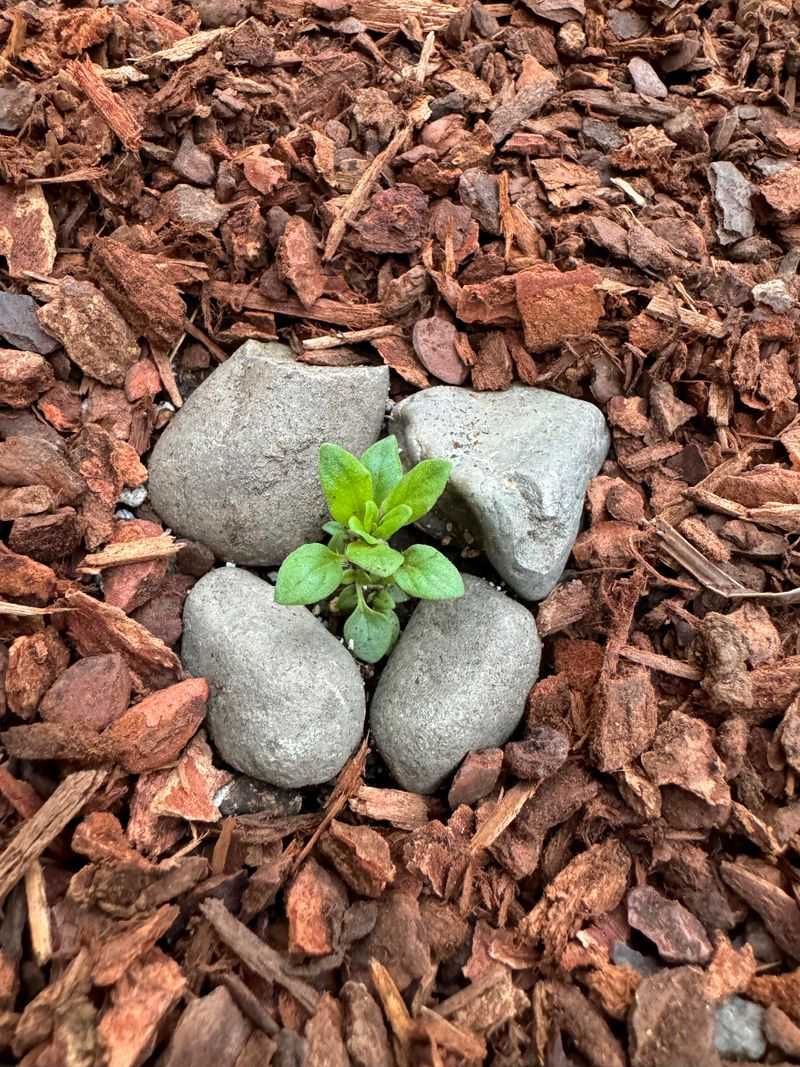
Organic mulches, bark, wood chips, compost, straw, break down over time and feed your soil. This is fantastic for building healthy, living soil that supports strong plants.
Western Oregon’s mild, wet climate speeds up decomposition, which means you’ll need to top off organic mulch every year or two. The payoff is richer soil that needs less fertilizer and grows healthier plants naturally.
Bark mulch and arborist wood chips are perfect for western gardens. They suppress weeds, moderate moisture, and gradually improve soil structure as they decompose.
Contact local tree services for free or cheap arborist chips, you’ll get truckloads of fresh mulch that works beautifully and costs almost nothing.
Eastern Oregon gardeners also benefit from organic mulches, especially around vegetables and annual beds where soil improvement matters most. Straw mulch works wonderfully in eastern vegetable gardens because it reflects heat, conserves moisture, and breaks down into soil-building material by season’s end.
Just make sure you’re buying straw, not hay, which contains weed seeds that will haunt you all summer.
Inorganic mulches like rock, gravel, and landscape fabric don’t feed your soil but last much longer. They’re popular in eastern Oregon xeriscaping and low-maintenance areas.
Rock mulch works great around succulents, native grasses, and established shrubs that don’t need soil improvement. Avoid using landscape fabric under organic mulch, it prevents beneficial decomposition and eventually becomes a tangled nightmare to remove.
7. Seasonal Mulch Maintenance Habits That Keep Your Yard Looking Great
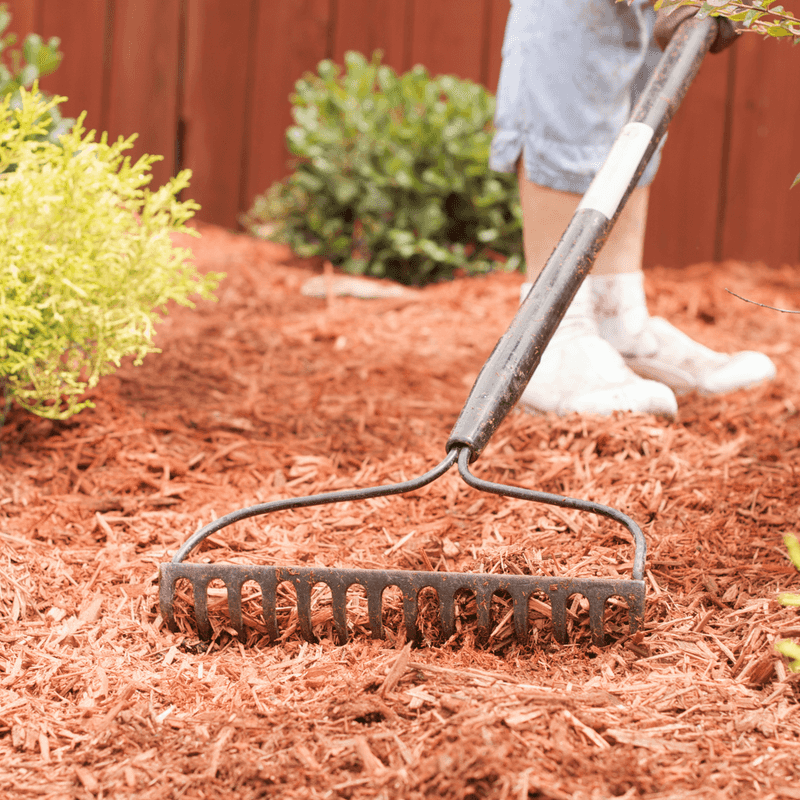
Mulch isn’t a one-and-done task, it needs seasonal attention to keep performing well. Western Oregon homeowners should check mulch depth every fall before the rainy season starts.
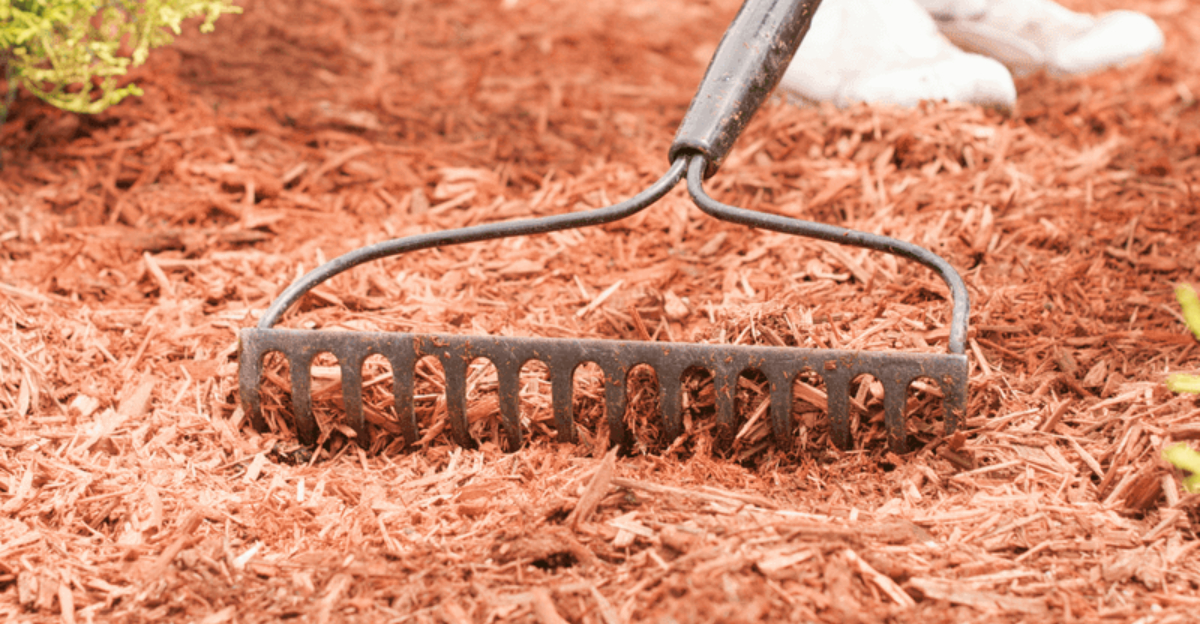
Rake it lightly to break up any compacted areas and add fresh mulch where it’s worn thin. This prevents weeds from establishing over winter and keeps your beds looking tidy when everything else goes dormant.
Spring is when you’ll see the most mulch breakdown in western gardens. Top off beds with one to two inches of fresh bark or chips, but wait until soil warms and drains.
Mulching too early traps cold, wet conditions that slow plant growth and encourage disease.
Eastern Oregon gardens need different timing. Apply or refresh mulch in early spring to capture snowmelt and spring rain before the dry season hits.
A thick mulch layer going into summer is your best defense against drought stress. Check mulch depth again in fall and add more if needed to protect roots through the freezing winter ahead.
Both regions benefit from pulling mulch back slightly from plant crowns each season. This prevents moisture buildup and rot while still giving you all the benefits of mulched beds.
Take ten minutes each season to walk your yard, fluff compacted mulch, and top off thin spots. This simple habit prevents bigger problems and keeps your landscape looking professionally maintained year-round.