Don’t Get Fined! Common Garden Lighting Mistakes Oregon Homeowners Make
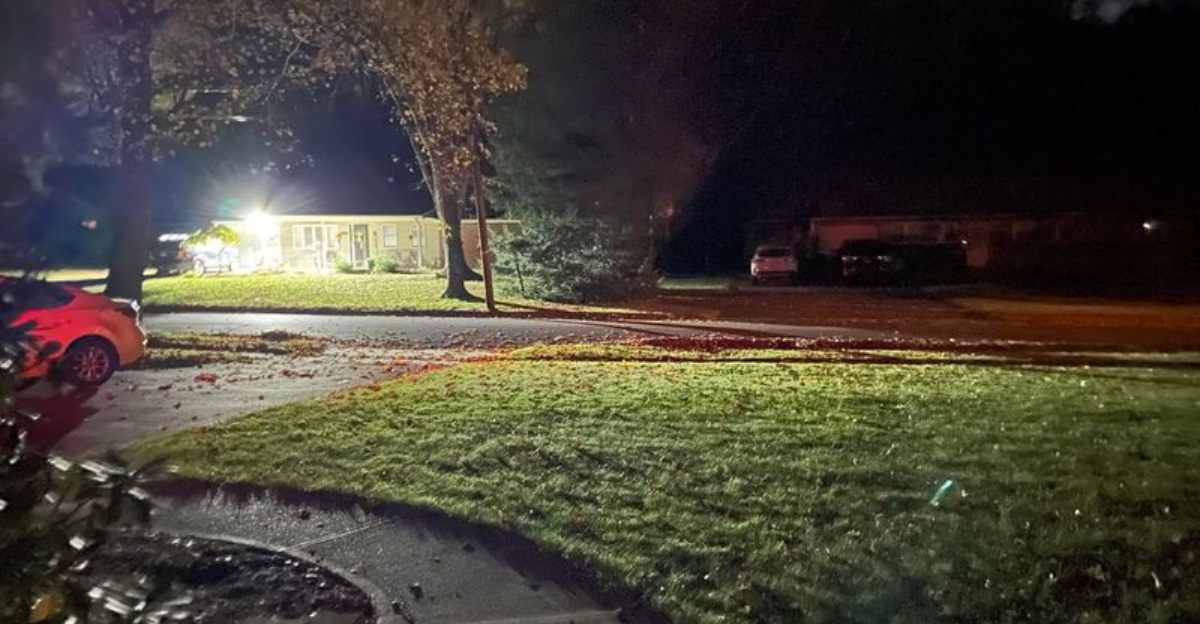
Garden lighting can completely transform an Oregon yard after dark, creating ambiance and highlighting plants, paths, and outdoor spaces.
But a few common mistakes can cause problems, like overly bright spotlights, poorly aimed fixtures, or lights that spill onto neighboring yards, leading to complaints or frustration.
It’s important to note that there is no statewide law in Oregon regulating garden lighting. Rules vary depending on your city, county, or homeowners’ association, so what’s allowed in one neighborhood might not work in another.
Local ordinances often cover things like fixture height, brightness, and timing, so it’s a good idea to check before installing or adjusting your lights.
Small adjustments, like picking the right bulbs, angling lights carefully, and using timers, can prevent issues while still making your garden shine.
With a little planning and attention to local guidelines, it’s possible to enjoy beautiful, safe, and complaint-free outdoor lighting all year long.
1. Installing Unshielded Or Upward-Facing Lights
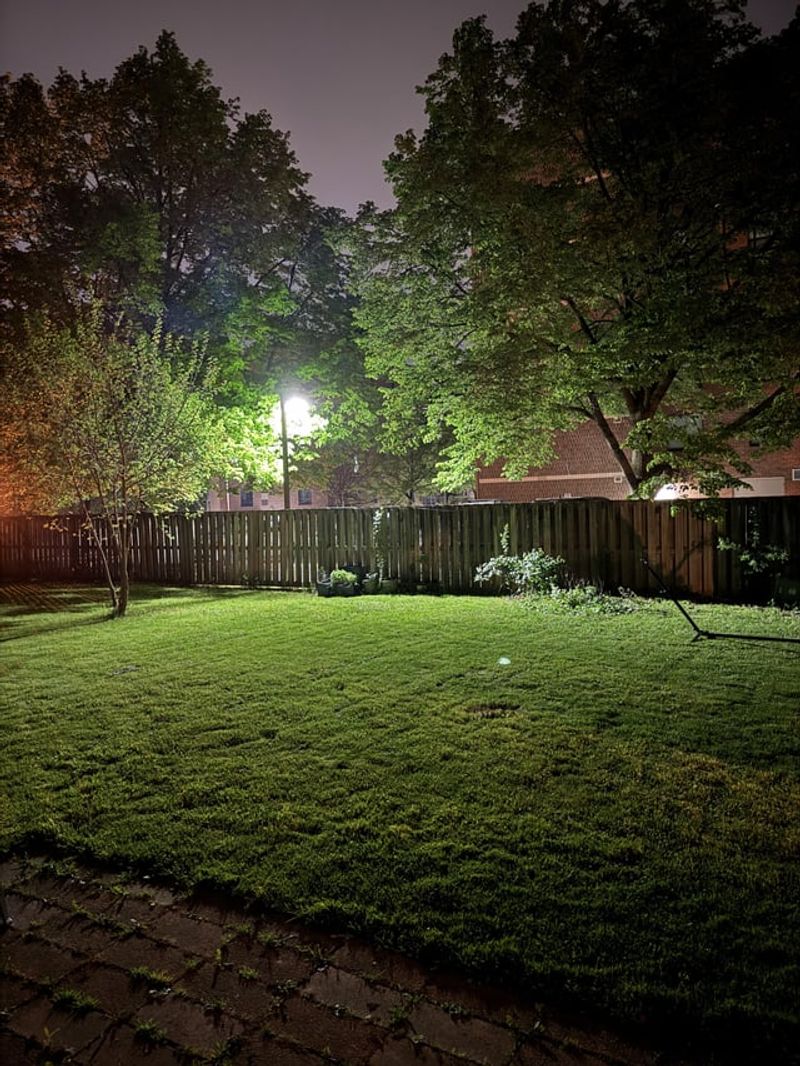
Walking through neighborhoods in Eugene or Bend at night, you’ll often spot decorative fixtures that shoot light straight up into trees or across the sky. They look dramatic and architectural, but they’re one of the fastest ways to trigger a lighting complaint.
Many Oregon cities require outdoor fixtures to be shielded or fully downcast, meaning the bulb shouldn’t be visible from the side or above.
Upward-facing lights waste energy, create sky glow, and can bother neighbors whose bedroom windows face your yard.
If someone files a complaint, your city’s code enforcement officer may visit and ask you to replace or modify the fixture.
Some municipalities even have specific language requiring shields or hoods on all outdoor lighting.
The fix is straightforward: choose fixtures with built-in shields or hoods that direct light downward. You can find stylish, code-compliant path lights and accent lights at most home improvement stores.
Shielded fixtures still highlight your garden beautifully, they just do it without scattering light where it doesn’t belong.
Switching to downcast lighting also improves safety and curb appeal. Your walkways stay well-lit, and your home looks polished and intentional rather than over-bright and glaring.
Plus, you’ll sleep better knowing you’re respecting both your neighbors and local regulations.
2. Creating Light Trespass Onto Neighboring Properties
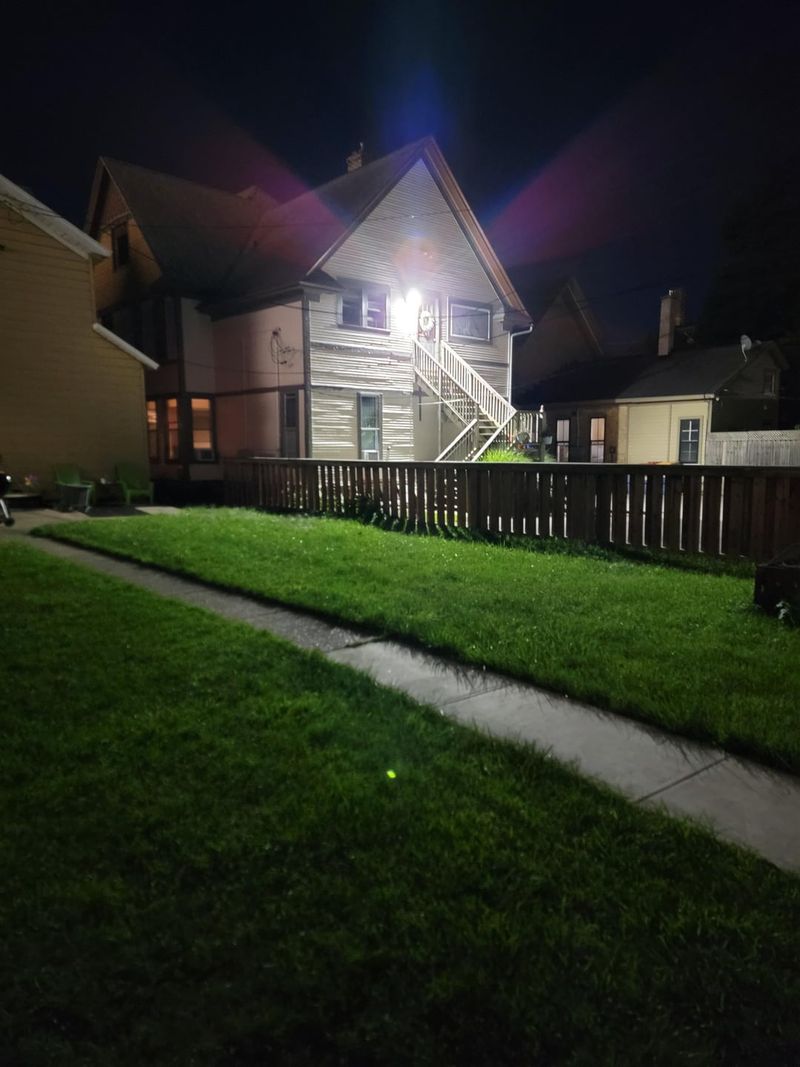
Picture this: you install a bright floodlight to showcase your rose garden, but it also floods your neighbor’s living room window every evening. That’s called light trespass, and it’s one of the most common reasons for lighting complaints in Oregon cities.
Local codes often include language about preventing light from spilling excessively onto adjacent properties.
Light trespass isn’t just annoying, it can disrupt sleep, interfere with wildlife, and create genuine tension between neighbors. If the issue persists, your neighbor can file a formal complaint with the city.
Code enforcement may require you to reposition, dim, or shield the offending fixture. In some cases, you might even face a fine if you don’t correct the problem promptly.
The easiest solution is to aim your fixtures carefully before locking them in place. Use lower-wattage bulbs for decorative lighting, and consider adding shields or baffles to control the direction of the beam.
Your Oregon Garden Changes Every Week. Your Plan Should Too.
Gardening in Oregon changes quickly throughout the season. Every Friday you’ll receive a simple weekly plan showing exactly what to plant, prune, fertilize, harvest, and protect so you never miss the right timing.
Walk around your property at night from your neighbor’s perspective to see where light might be spilling over fences or hedges.
Good lighting design respects boundaries. When your lights stay on your side of the property line, everyone enjoys a peaceful evening.
You’ll also avoid awkward conversations and potential legal headaches, all while keeping your garden looking its best.
3. Installing Fixtures Or Poles Above Local Height Limits
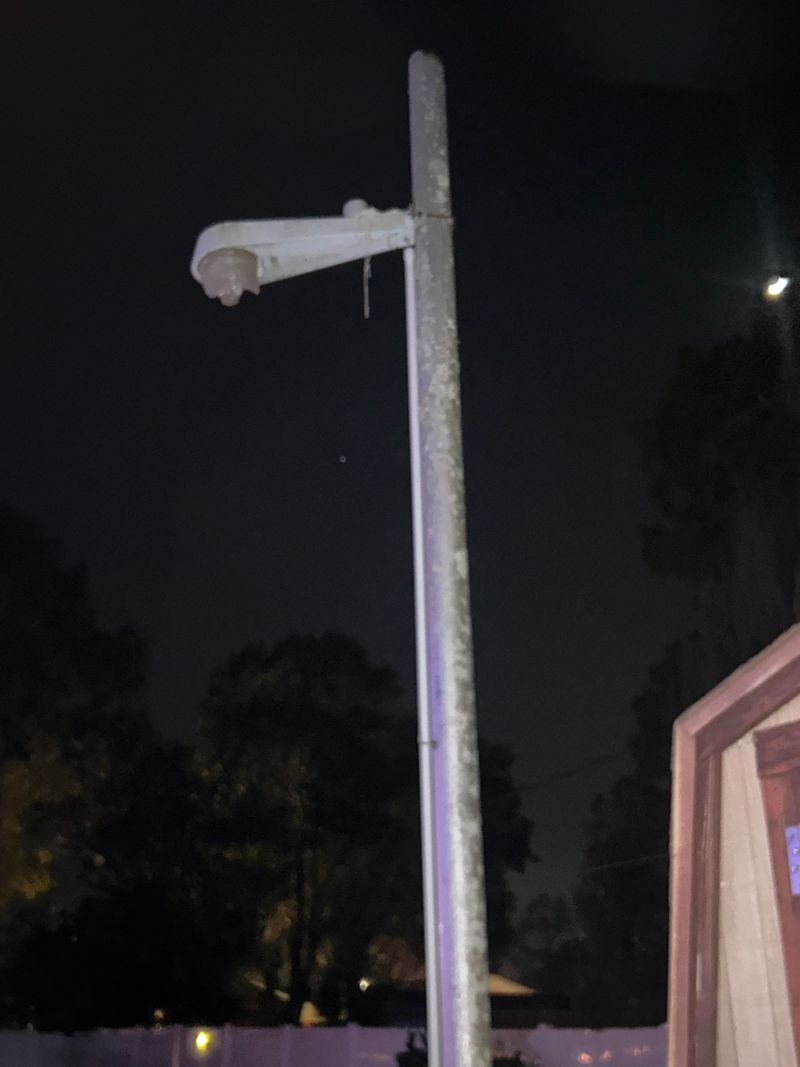
Tall lamp posts look elegant lining a driveway, but some Oregon cities have strict height limits for residential outdoor lighting fixtures. For example, Myrtle Point limits fixture heights to around 20 feet, and other municipalities have similar rules.
If your decorative pole exceeds the local maximum, you could be asked to remove or shorten it.
Height limits exist to prevent light from spreading too far and to maintain neighborhood character. A 25-foot pole might work fine on a commercial lot, but in a residential zone, it can create glare, sky glow, and complaints from neighbors blocks away.
Code enforcement officers can spot tall fixtures easily, especially if someone reports them.
Before you buy or install a tall fixture, check your city or county’s municipal code online or call the planning department. Most local governments list lighting regulations in their zoning or nuisance codes.
If you’re unsure, a quick phone call can save you hundreds of dollars and a lot of frustration.
If you already have a tall fixture, consider replacing it with a shorter, code-compliant model. Modern bollard lights and post lights come in various heights and styles, so you won’t sacrifice curb appeal.
Staying within height limits keeps your home looking polished and your relationship with the city smooth and stress-free.
4. Skipping Permits Or Violating Electrical Code
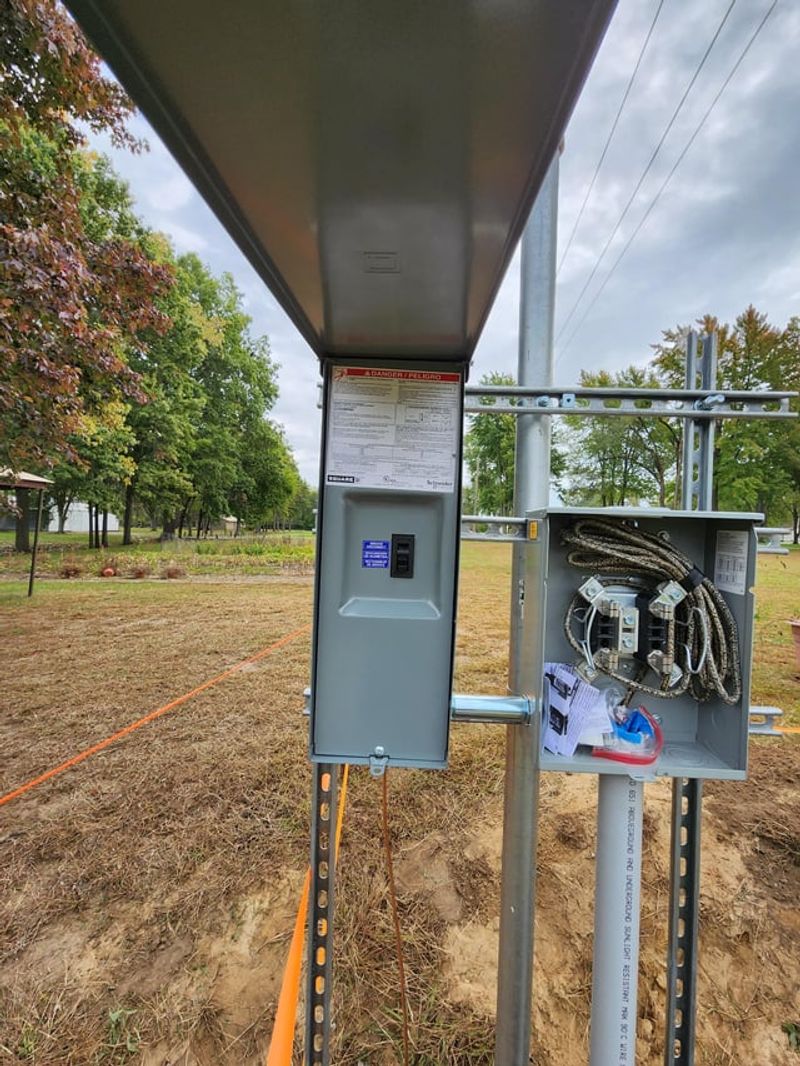
Many Oregon homeowners assume that adding a few garden lights is a simple DIY project that doesn’t require paperwork. But if you’re hardwiring fixtures into your home’s electrical system, most cities require a permit and an inspection.
Skipping this step can lead to fines, failed home inspections during a sale, and even voided homeowner’s insurance if something goes wrong.
Electrical codes exist to protect you and your family from fire hazards and shock risks. Outdoor wiring must be rated for wet locations, properly grounded, and installed at the correct depth if buried.
If a code enforcement officer or home inspector discovers unpermitted electrical work, you may be required to hire a licensed electrician to bring everything up to code, at your expense.
The good news is that permits are usually inexpensive and straightforward to obtain. Visit your city or county’s building department website, fill out a simple application, and schedule an inspection once the work is complete.
If you’re not comfortable with electrical work, hiring a licensed electrician ensures the job is done safely and legally from the start.
Taking the time to pull a permit protects your investment and gives you peace of mind. Your lighting will be safe, compliant, and ready to shine for years without any surprise issues popping up during a home sale or refinance.
5. Replacing Grandfathered Lights Without Bringing Them Into Compliance
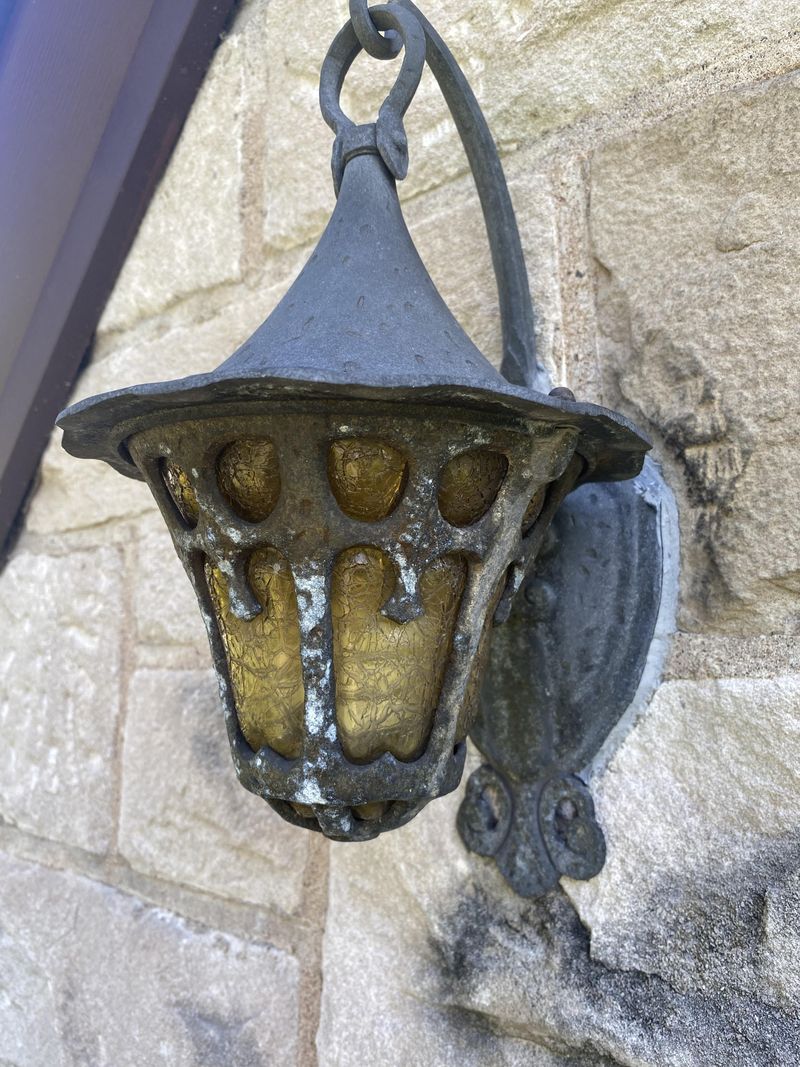
Some older Oregon homes have outdoor lighting that was installed decades ago, before current codes took effect. These fixtures are often “grandfathered,” meaning they’re allowed to stay as long as they remain unchanged.
But the moment you replace or significantly modify one, you may be required to bring the entire system into compliance with modern standards.
Homeowners sometimes discover this rule the hard way. You swap out an old porch light for a new one, and suddenly a building inspector tells you the fixture needs to be shielded, the wiring needs updating, and you need a permit.
It feels frustrating, but the rule exists to gradually improve safety and reduce light pollution as homes are updated over time.
Before replacing any outdoor fixture, check with your local planning or building department to see if compliance upgrades are required. In many cases, you can still choose a stylish new fixture, you just need to make sure it meets current shielding, height, and electrical code requirements.
Sometimes a simple shield or bulb change is all it takes.
Planning ahead saves you from costly surprises. You’ll enjoy updated lighting that looks great, works safely, and meets all local standards.
Plus, you’ll avoid the hassle of having to redo work or pay fines for non-compliance after the fact.
6. Overusing High-Intensity Lighting For Non-Safety Purposes
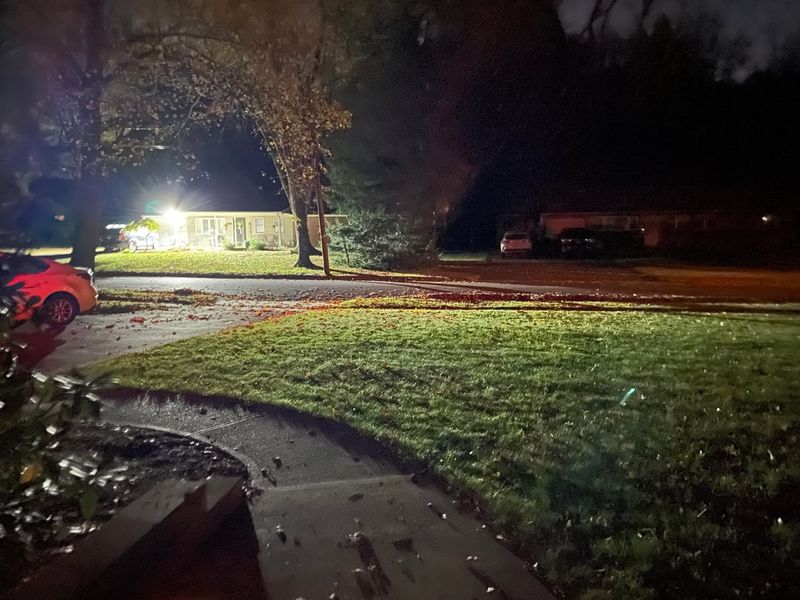
Bright, high-intensity lights have their place, think security lighting near garage doors or back gates. But some homeowners install powerful floodlights or LED strips purely for decoration, turning their front yard into a miniature stadium.
While it might look impressive to you, it can create glare, annoy neighbors, and violate local lighting ordinances that restrict high-intensity fixtures to safety applications only.
Many Oregon cities limit the use of high-wattage or high-lumen lights in residential zones. These rules are designed to prevent light pollution, reduce energy waste, and maintain the peaceful character of neighborhoods.
If your decorative lighting is excessively bright, you could receive a complaint and be asked to dim or remove it.
The fix is simple: reserve high-intensity lighting for areas where safety truly matters, like driveways, walkways, and entry points. For decorative accents, choose lower-wattage bulbs or fixtures designed for ambiance rather than security.
Warm-toned LEDs work beautifully for highlighting garden beds, trees, and architectural features without overwhelming the senses.
Thoughtful lighting design creates a welcoming atmosphere without crossing into “too much” territory. Your home will look elegant and inviting, your neighbors will appreciate the restraint, and you’ll stay on the right side of local regulations.
It’s a win all around.
7. Poor Fixture Aiming That Causes Glare Onto Streets Or Sidewalks
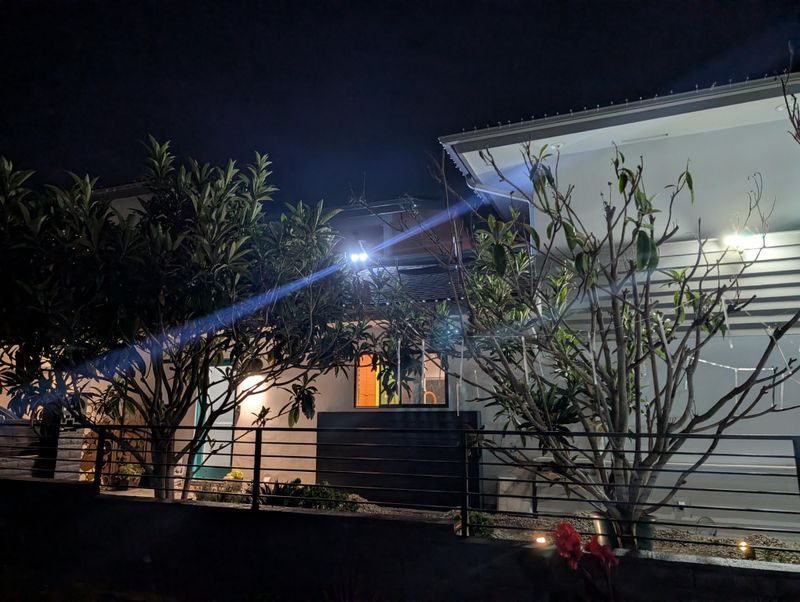
Even well-intentioned lighting can become a problem if fixtures are aimed carelessly. A spotlight meant to highlight your mailbox might blind drivers passing by, or a path light angled too high could glare into the eyes of evening joggers.
These issues create safety hazards and can lead to complaints from neighbors or even citations from local code enforcement.
Oregon cities often have rules about preventing glare onto public rights-of-way, including streets, sidewalks, and bike paths. If your lighting creates a hazard or nuisance, you may be required to reposition or shield the fixtures.
In some cases, repeated violations can result in fines or mandatory removal of the offending lights.
The solution is to test your lighting from multiple angles before finalizing the installation. Walk or drive past your home at night and check for glare.
Adjust fixture angles so light stays low and directed toward your property, not out toward the street. Many fixtures come with adjustable heads or built-in shields that make this easy.
Properly aimed lighting improves safety for everyone. Drivers can see clearly, pedestrians aren’t blinded, and your home still looks beautifully illuminated.
Taking a few extra minutes to fine-tune your fixtures ensures you stay compliant and considerate, all while enjoying a stunning outdoor space.