14 Signs Your Plants In Washington Homes Need More Light
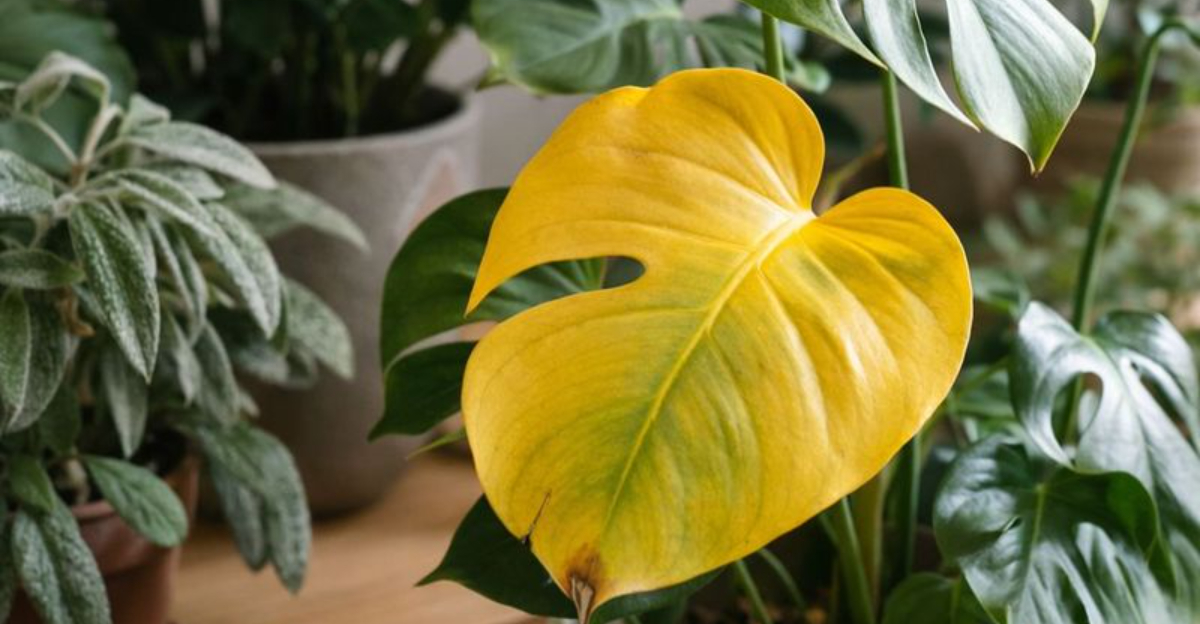
Indoor plants in Washington homes often struggle during the darker months, and many gardeners don’t realize low light is the culprit.
Without enough light, plants can become weak, leggy, or stop producing flowers, affecting both their health and appearance. Spot the signs early and your plants will thrive instead of struggling.
These fourteen signs include pale or yellowing leaves, stretched or elongated stems, slow growth, dropped leaves, and reduced flowering.
Recognizing these symptoms allows gardeners to adjust placement, supplement with grow lights, or rotate plants for better light exposure. Proper care ensures stronger stems, vibrant foliage, and improved overall plant vitality.
Light is essential for photosynthesis and healthy growth, even indoors. Washington homeowners who act on these cues can rescue struggling plants and maintain lush, vibrant indoor greenery year-round.
Give your plants the light they need and watch them flourish.
1. Leggy, Stretched Growth (Etiolation)
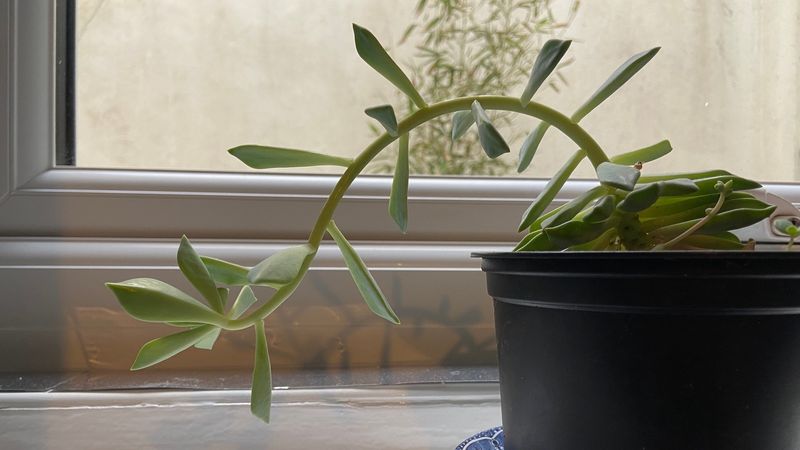
When your pothos starts looking more like a sparse vine than a lush beauty, you might be witnessing etiolation in action.
Plants naturally reach for light sources, and when brightness is scarce during Washington’s cloudy fall and winter months, they stretch themselves thin trying to find it.
This desperate growth pattern creates long gaps between leaves, called internodes, that make your plant look lanky and weak.
Succulents are particularly dramatic when they need more light, transforming from compact rosettes into tall, ungainly towers. The stems become thinner and the plant loses its characteristic full appearance.
Washington’s Pacific Northwest climate means many months of gray skies, which compounds this problem for indoor gardeners. Your plants are essentially gambling with their energy, investing in height rather than healthy foliage development.
The stretched stems won’t reverse themselves even if you move the plant to brighter conditions later. Instead, new growth will appear more compact, creating an awkward two-toned appearance that clearly shows when the light situation improved.
Moving affected plants closer to south or west-facing windows can help prevent further stretching.
Supplementing with grow lights during darker months gives your plants the consistent brightness they crave, helping them maintain their natural, attractive form throughout the year.
2. Small Or Underdeveloped Leaves
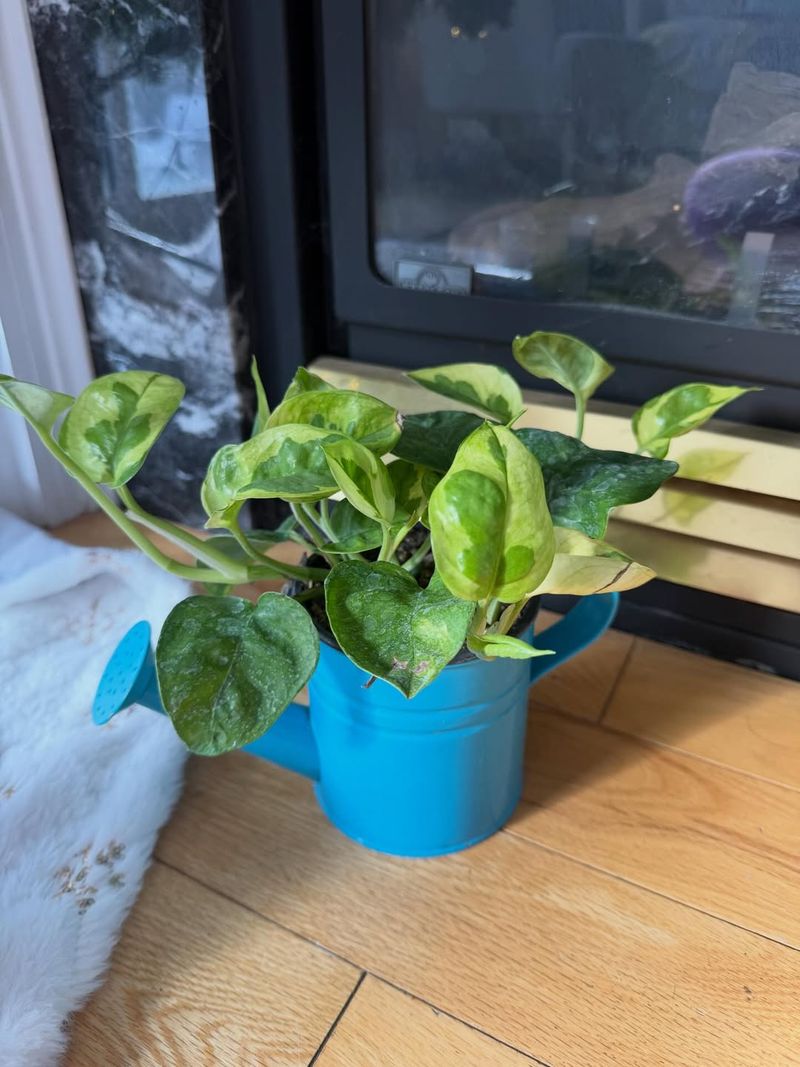
Picture a monstera that produces leaves the size of your palm instead of dinner plates, and you’ll understand how light starvation affects foliage development.
Photosynthesis requires adequate brightness to function properly, and when plants don’t receive enough light, they simply can’t manufacture the energy needed to produce full-sized leaves.
Washington homeowners often notice this gradual shrinkage over time, especially with statement plants like fiddle leaf figs and monsteras.
Spider plants are another common victim, producing narrow, stunted leaves instead of their characteristic arching, generous foliage. The plant is essentially operating in survival mode, conserving resources by minimizing leaf surface area.
This creates a disappointing cycle where smaller leaves mean less photosynthesis, which means even less energy for future growth. The reduction in leaf size directly impacts the plant’s overall vigor and health.
Smaller leaves can’t capture as much light or exchange as much carbon dioxide, limiting the plant’s ability to thrive.
Your Washington Garden Changes Every Week. Your Plan Should Too.
Gardening in Washington changes quickly throughout the season. Every Friday you’ll receive a simple weekly plan showing exactly what to plant, prune, fertilize, harvest, and protect so you never miss the right timing.
You might also notice that new leaves emerge lighter in color and thinner in texture than older growth from when the plant had better light conditions. Relocating these struggling plants to brighter spots in your home can help restore normal leaf development.
Future leaves should gradually return to their proper size, though previously stunted foliage will remain small permanently.
3. Pale Or Yellowing Foliage (Not Caused By Overwatering)
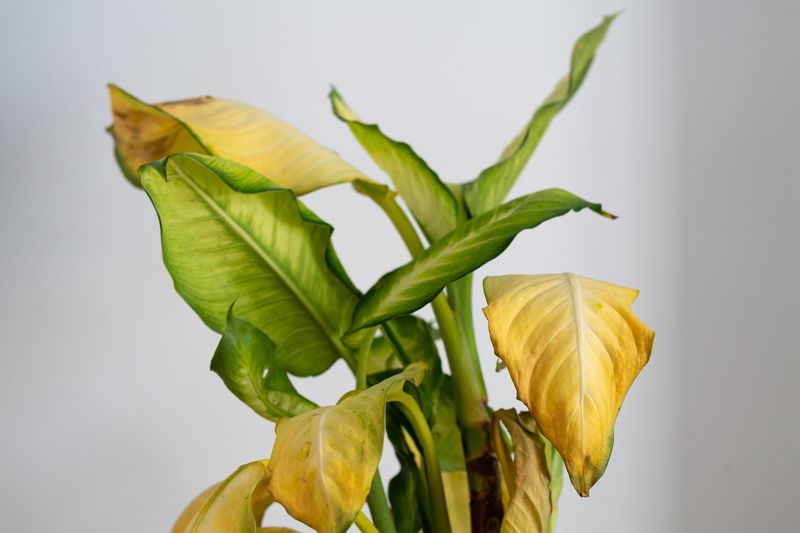
Yellowing leaves can send any plant parent into a panic, but before you adjust your watering schedule, consider whether light might be the real culprit.
Chlorophyll, the pigment that makes leaves green and enables photosynthesis, requires adequate light to form and maintain itself.
During Pacific Northwest winters, when Washington experiences months of persistent cloud cover, indoor plants often develop a pale, washed-out appearance that signals chlorophyll breakdown.
Unlike watering-related yellowing, which typically starts at leaf tips or affects lower leaves first, light-related chlorosis appears more uniformly across the plant.
The foliage takes on a sickly, faded look rather than the bright yellow associated with overwatering. Your plant essentially can’t maintain its vibrant color without sufficient energy from light.
This condition becomes particularly noticeable in plants that normally display deep, rich green tones. The contrast between healthy older growth and new pale leaves provides clear evidence that something has changed in the plant’s environment.
Washington’s winter conditions, with their short days and frequent overcast skies, create perfect circumstances for this type of light-deficiency yellowing.
Testing the difference is straightforward: if the soil isn’t waterlogged and drainage is adequate, but yellowing persists, insufficient light is likely responsible.
Moving the plant to a brighter location should result in newer leaves developing richer, healthier coloration within a few weeks.
4. Leaning Or Tilting Toward Windows
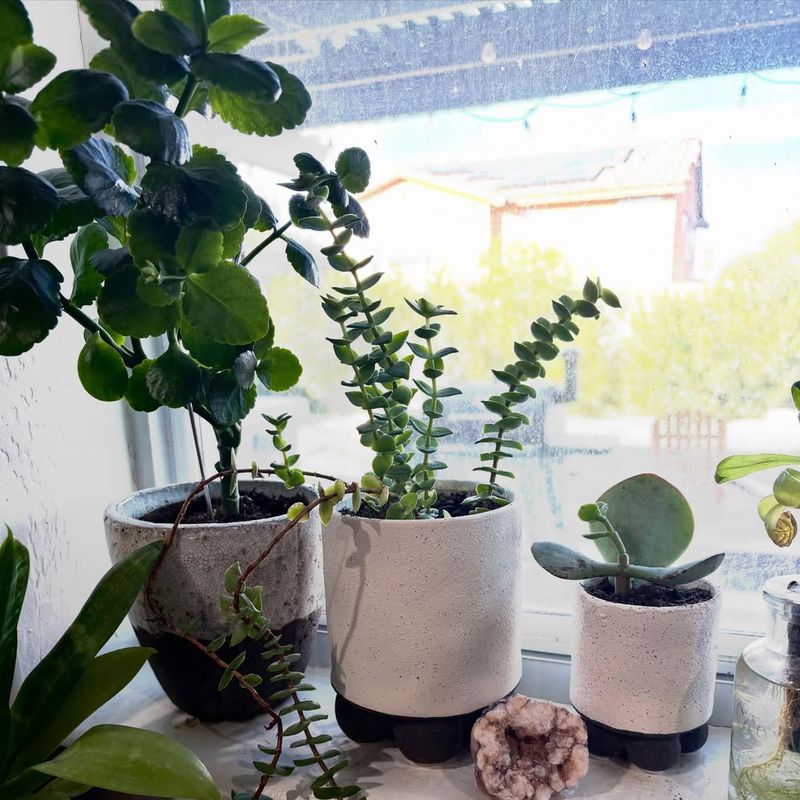
Walk into any north-facing Seattle apartment and you’ll likely spot plants dramatically tilting toward whatever light source they can find. This phenomenon, called phototropism, is your plant’s survival instinct on full display.
Plants produce growth hormones called auxins that concentrate on the shadier side of stems, causing cells there to elongate faster and creating the characteristic lean toward brightness.
The tilt becomes more pronounced over time if you don’t intervene, eventually creating a lopsided plant that might even topple over.
Washington cities are filled with apartments and homes where certain rooms receive limited direct sunlight, making this directional growth pattern extremely common.
Your plant isn’t being dramatic; it’s literally reaching for the life-giving light it desperately needs. Rotating your plants a quarter turn each week helps promote even growth on all sides.
This simple habit prevents the extreme leaning that develops when one side consistently faces the window while the other remains in shadow.
Many plant enthusiasts set weekly phone reminders to rotate their collection, treating it as regular maintenance alongside watering.
If your plant has already developed a significant lean, moving it to a brighter location with more even light distribution can help.
New growth will orient itself more vertically, though existing bent stems will retain their curved shape as permanent evidence of their light-seeking journey.
5. Slow Or Stalled Growth During Spring And Summer
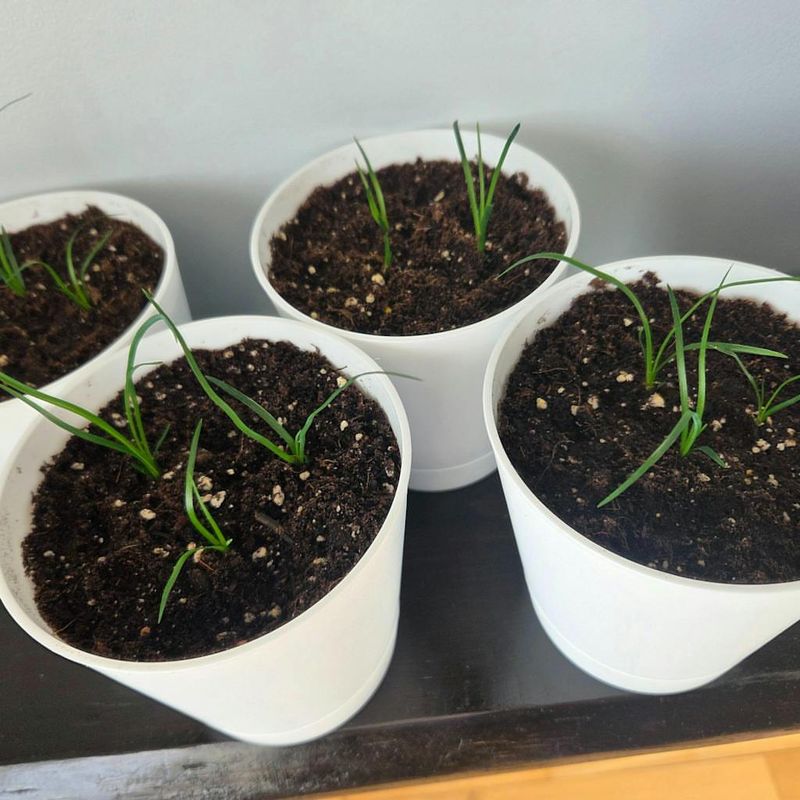
Washington’s summers bring wonderfully long daylight hours, with the sun setting after nine o’clock during peak season.
When your plants remain stagnant despite these extended bright days, their placement indoors is almost certainly the issue.
Plants that should be producing new leaves, unfurling fresh growth, and expanding their presence instead sit unchanged, as if frozen in time.
Many people assume that summer automatically means adequate light for all indoor plants, but window orientation and obstructions matter tremendously.
A plant sitting in a room with eastern exposure might receive lovely morning light but spend the powerful afternoon hours in relative darkness.
Trees outside your windows, awnings, or neighboring buildings can block significant amounts of sunlight even during the brightest months.
The contrast becomes particularly obvious when you compare your plant’s growth rate to what other enthusiasts report online or what you see at plant shops.
Your monstera should be producing new leaves every few weeks during summer, not sitting dormant for months. This stagnation indicates that despite the season’s potential, your plant’s specific location isn’t providing the brightness it needs.
Experimenting with different window placements during summer can reveal surprising differences in light availability throughout your home.
South and west-facing windows typically provide the most intense light, while north-facing windows offer gentler, more indirect brightness that might not satisfy light-hungry species.
6. Failure To Flower Or Bloom Indoors
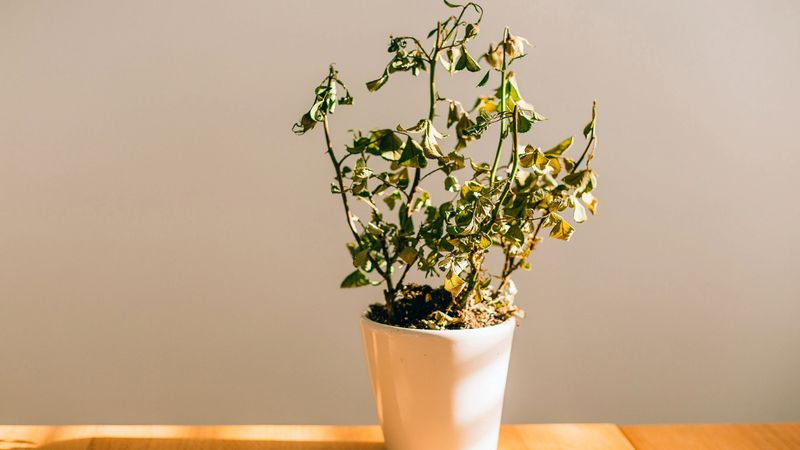
Your orchid has been green and healthy for months, maybe even years, but those gorgeous blooms everyone raves about never appear.
Flowering requires tremendous energy, and plants simply won’t invest in reproduction without sufficient light to support the process.
The relationship between light intensity and flower bud formation is direct and unforgiving: inadequate brightness means no blooms, period.
African violets, peace lilies, and orchids are popular Washington houseplants that frequently disappoint their owners by refusing to flower.
These plants need specific light thresholds to trigger their blooming cycles, and the diffused light coming through cloudy Pacific Northwest skies often falls short.
Your plant might look perfectly healthy otherwise, maintaining its foliage and even growing new leaves, but blooms remain frustratingly absent. Light quality matters as much as quantity for flowering plants.
Many blooming species require several hours of bright, indirect light daily to initiate flower bud development.
Without this consistent brightness, they redirect their energy toward vegetative growth instead, producing leaves rather than the spectacular flowers they’re capable of creating.
Moving flowering plants to your brightest windows or supplementing with grow lights designed for blooming plants can trigger the flowering response you’re hoping for.
Many growers report success by providing twelve to fourteen hours of quality light daily, mimicking the conditions these plants would experience in their native habitats where blooming occurs naturally and abundantly.
7. Leaf Drop Without Obvious Pest Damage
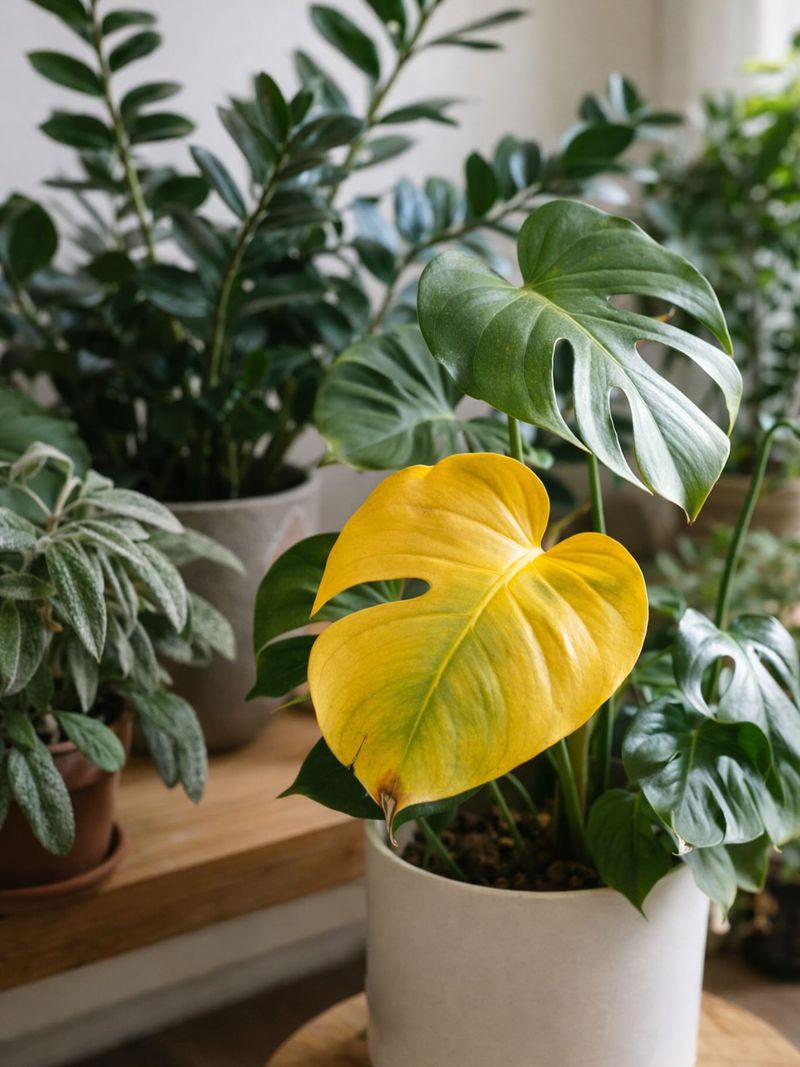
Ficus trees are notorious for their dramatic response to inadequate light, dropping leaves like they’re shedding a winter coat.
When plants can’t generate enough energy through photosynthesis, they make strategic decisions about which parts to maintain.
Older, lower leaves become expendable as the plant prioritizes newer growth and essential functions, leading to gradual but steady leaf loss that leaves bare stems behind.
Rubber plants commonly grown in Washington homes exhibit similar behavior when light levels drop too low for too long. You might find perfectly intact leaves scattered around the pot, with no signs of pests, discoloration, or damage.
The plant is simply conserving its limited energy resources by reducing the number of leaves it needs to support.
This leaf drop differs from pest-related or disease-related shedding because the fallen leaves typically look healthy aside from perhaps slight yellowing at the attachment point. There are no holes, spots, webbing, or other telltale signs of infestation.
Instead, the plant is making calculated sacrifices to survive in suboptimal conditions. Catching this process early and relocating the plant to brighter conditions can halt the leaf loss before the plant becomes severely compromised.
However, plants that have already shed significant foliage will need time and adequate light to rebuild their canopy, producing new leaves to replace what was lost during the low-light period.
8. Weak Or Thin Stems
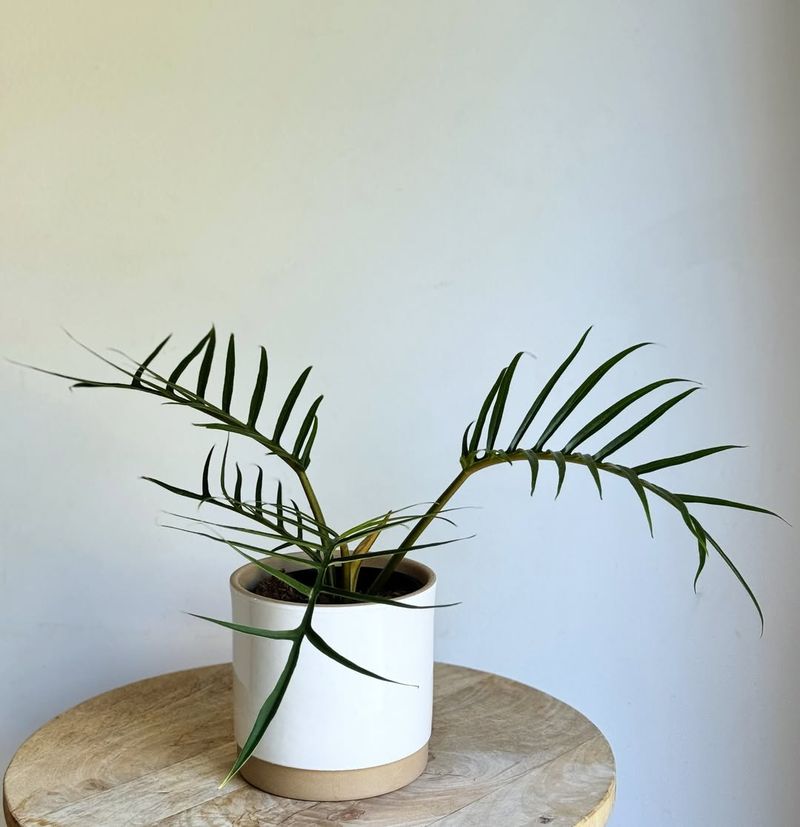
Strong stems are the backbone of healthy plants, providing structural support for leaves and transporting water and nutrients throughout the plant’s system.
Inadequate light produces stems that feel soft, bend easily, and lack the robust quality that characterizes well-lit growth. These weak stems struggle to hold up new leaves, sometimes breaking under the weight of their own foliage.
The problem compounds itself as the plant continues growing in low light conditions. Each new stem segment emerges thinner and weaker than it should be, creating an increasingly unstable structure.
Washington’s extended periods of cloud cover during fall and winter mean plants might spend months developing this compromised growth before brighter spring conditions arrive.
Plants with naturally thick, sturdy stems like philodendrons and pothos become particularly noticeable when light-deprived.
The contrast between healthy, rigid older growth and new, flimsy stems clearly shows when the plant’s light situation deteriorated.
These weak stems can’t support the plant’s natural climbing or trailing habits, leading to a collapsed, messy appearance. Staking can provide temporary support for weak-stemmed plants while you work on improving their light situation.
However, the only real solution is providing adequate brightness so future growth develops the proper structural integrity.
Pruning back the weakest growth and encouraging new development under better conditions often produces the best long-term results for severely affected plants.
9. Dark Green Leaves With Little New Growth
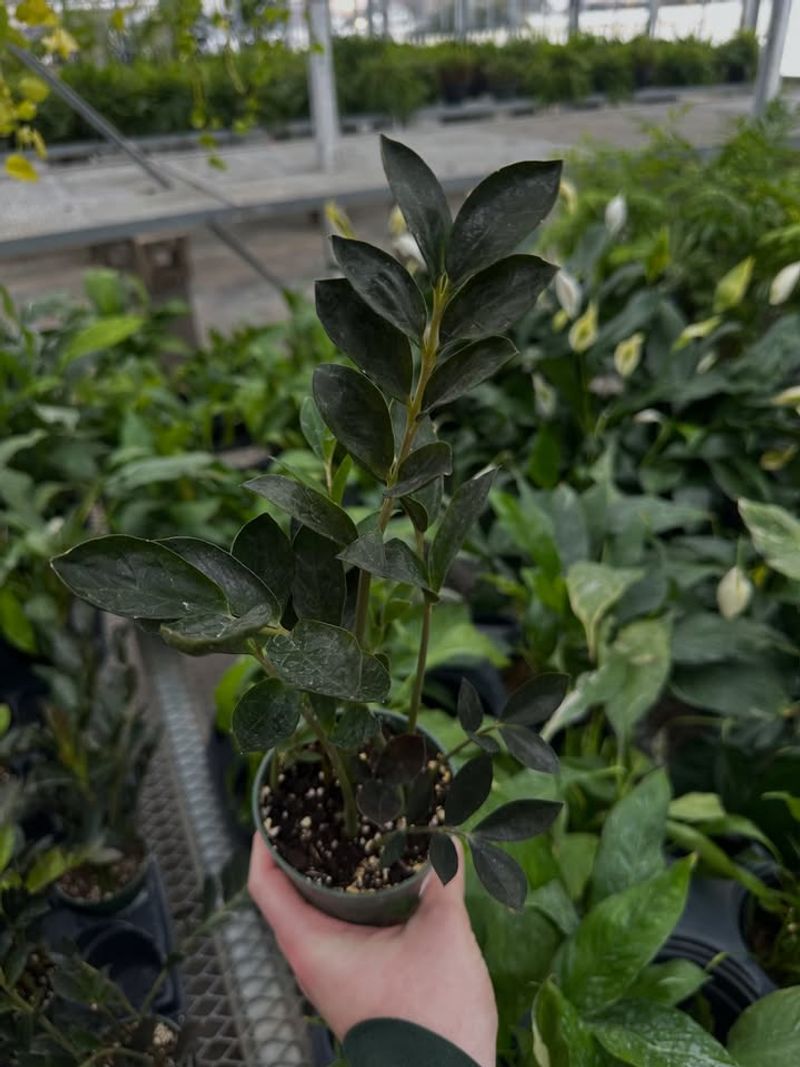
Snake plants and ZZ plants have earned reputations as indestructible low-light champions, but even these tough survivors show subtle signs of light deprivation.
When brightness drops below ideal levels, these plants compensate by producing darker green foliage packed with extra chlorophyll, attempting to capture every possible photon.
The leaves might look healthy and even more vibrant than usual, but the plant’s growth slows to a crawl or stops entirely. This adaptation is actually quite clever from the plant’s perspective.
By concentrating chlorophyll, it maximizes photosynthetic efficiency under challenging conditions.
However, this survival strategy comes at a cost: the plant redirects energy away from growth and development, essentially entering a holding pattern where it maintains existing foliage but produces little that’s new.
Washington homeowners often choose these species specifically for low-light rooms, then wonder why their plants seem frozen in time.
A snake plant might go an entire year without producing a single new leaf, or a ZZ plant might maintain its existing stems without sending up fresh shoots.
The deep, rich color tricks people into thinking everything is fine when the plant is actually just barely getting by. Moving these supposedly low-light plants to brighter conditions often reveals what they’re truly capable of producing.
New growth emerges more frequently, and while the leaves might be slightly lighter in color, the overall vigor and development far exceed what the plant achieved in dimmer locations.
10. Soil Staying Wet Too Long After Watering
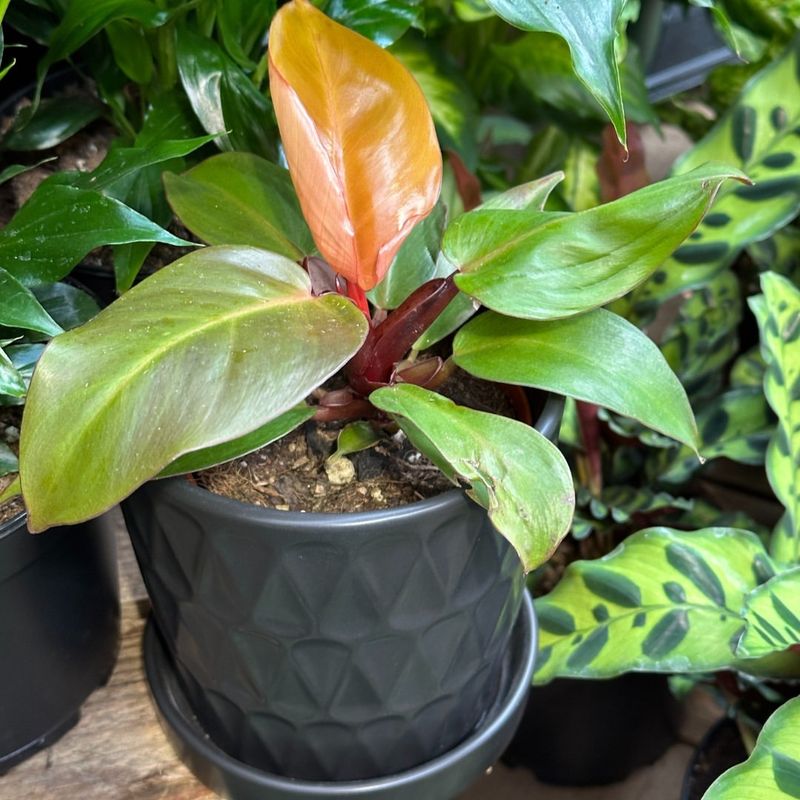
Light and water are intimately connected in plant care, though many people don’t realize this until they encounter problems.
Bright light drives photosynthesis, which powers transpiration, the process by which plants pull water up through their roots and release it through their leaves.
When light levels drop, transpiration slows dramatically, meaning the soil stays wet far longer than it should after watering.
Washington’s already humid indoor environments during rainy seasons compound this issue significantly. Your plant might have needed watering every week during summer, but in winter’s dim conditions, that same schedule leads to constantly soggy soil.
The reduced evaporation rate means moisture lingers in the pot, creating perfect conditions for root rot and fungal problems. You might notice that the top inch of soil, which used to dry out within a few days, now remains damp for a week or more.
This isn’t necessarily a drainage problem or a sign that you’re overwatering; it’s often a direct result of insufficient light slowing the plant’s water uptake. The plant simply isn’t using water at the rate it would under brighter conditions.
Adjusting your watering schedule based on light availability is essential for plant health. During Washington’s darker months, many plants need water half as often as they do during brighter periods.
Improving light conditions helps restore normal transpiration rates, allowing soil to dry at a healthier pace and reducing the risk of moisture-related problems.
11. Algae Growth On Soil Surface
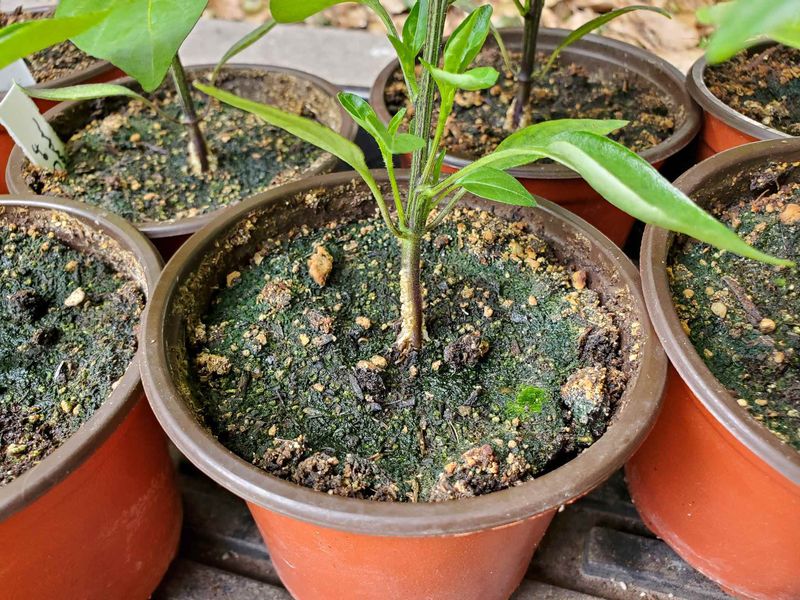
Green, fuzzy growth spreading across the surface of your potting soil looks alarming, but it’s actually a symptom rather than a disease.
Algae and moss thrive in persistently moist, dimly lit conditions with poor air circulation, exactly the environment created when plants don’t receive enough light to dry their soil properly.
Pacific Northwest homes, with their naturally higher humidity levels, are particularly prone to this issue during darker months.
The algae itself won’t harm your plant directly, but its presence indicates that conditions in the pot are far from ideal.
Constantly wet soil combined with low light creates an environment where beneficial oxygen can’t reach the roots effectively. The algae essentially competes with your plant for resources while signaling that the soil is staying too wet for too long.
Many Washington plant owners notice this green film developing during winter when both indoor light and air circulation decrease.
The algae forms a crusty layer that can actually prevent water from penetrating the soil surface properly during watering, causing water to run off the sides of the pot instead of soaking in.
This creates an ironic situation where the soil is simultaneously too wet and unable to absorb new water effectively.
Increasing light exposure helps tremendously by boosting the plant’s water uptake and allowing the soil surface to dry between waterings.
You can also scrape away existing algae, improve air circulation with a small fan, and reduce watering frequency to discourage regrowth while the plant adjusts to better conditions.
12. Leaves Turning Toward Artificial Light Sources
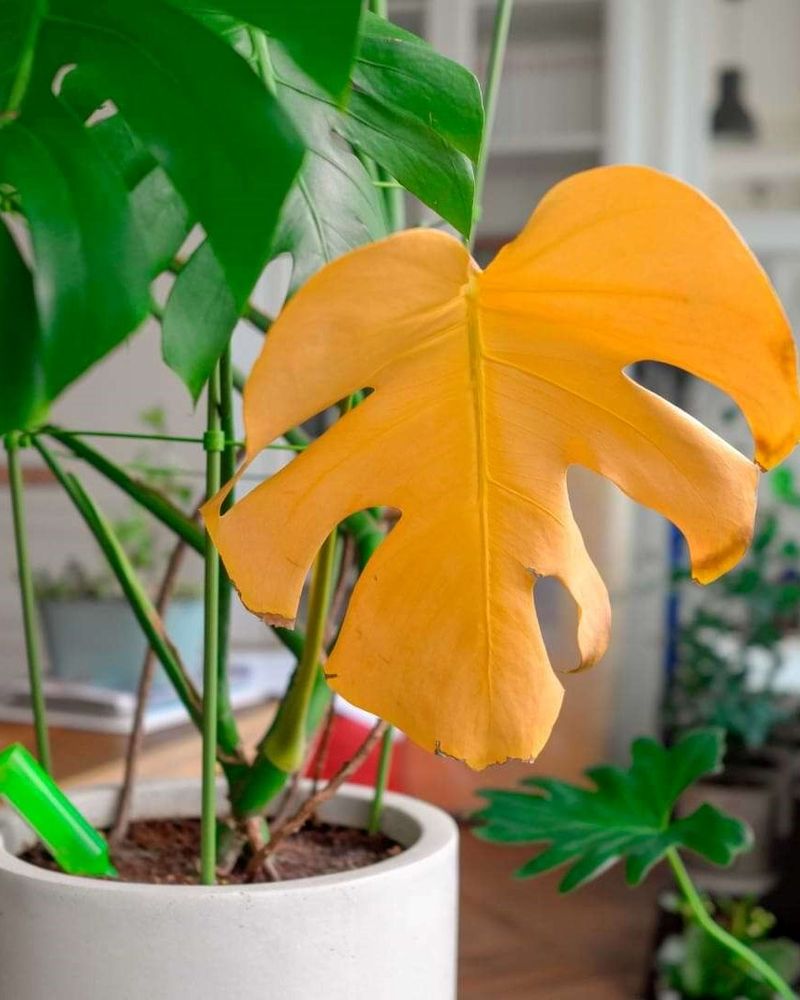
Notice your plant’s leaves all facing your desk lamp instead of the window? Plants don’t discriminate between natural and artificial light sources; they simply orient themselves toward whatever brightness they can detect.
When window light proves insufficient, your plants will happily reorient toward ceiling fixtures, floor lamps, or even your computer monitor if that’s the strongest light source available.
This behavior reveals that your plant is desperately seeking more brightness than its current location provides.
The leaves physically rotate on their stems, and new growth emerges facing the artificial light rather than growing in the plant’s natural pattern.
While it’s somewhat endearing to see your plant reaching toward your reading lamp, it’s also a clear distress signal that shouldn’t be ignored.
Grow lights can actually be an excellent solution for Washington homes where natural light is limited, but they need to be used properly. Plants require specific light spectrums, intensities, and durations to thrive.
A regular household bulb might attract your plant’s attention, but it probably isn’t providing the quality or quantity of light needed for healthy growth.
Investing in proper grow lights designed for plants gives you control over photoperiod and intensity regardless of Seattle’s cloudy weather.
Position them twelve to sixteen inches above your plants and run them for twelve to fourteen hours daily to mimic natural day length.
Your plants will respond by developing more balanced, robust growth instead of contorting themselves toward inadequate light sources.
13. Variegated Plants Losing Their Color Patterns
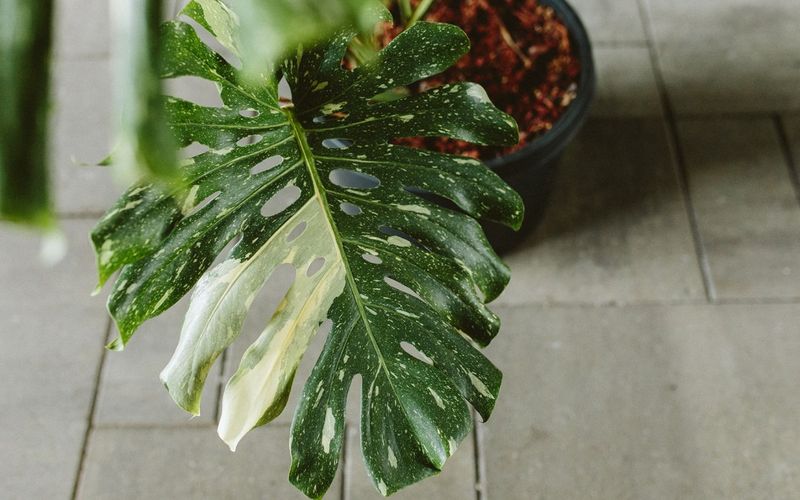
Variegation is one of the most prized characteristics in houseplants, with collectors paying premium prices for stunning white, cream, or pink patterns on leaves.
However, those beautiful markings come with a significant disadvantage: variegated portions contain little to no chlorophyll, meaning they can’t photosynthesize.
When light levels drop too low, plants with variegation literally can’t afford to maintain their decorative patterns and begin reverting to solid green to survive.
Pothos, philodendron, and calathea varieties are particularly prone to this reversion in Washington’s low-light conditions.
You might notice that new leaves emerge with less variegation than older foliage, or that existing patterns fade and green up over time.
The plant is making a calculated survival decision, prioritizing chlorophyll production over aesthetics when brightness becomes limited. This reversion can be permanent if you don’t catch it early.
Once a stem begins producing solid green leaves, it will continue doing so even if light conditions improve later.
Many growers prune back reverted growth to encourage the plant to produce new, properly variegated stems from nodes that still carry the variegation genetics. Maintaining bright, indirect light is absolutely essential for variegated plants.
These specimens need significantly more light than their solid green counterparts because their reduced chlorophyll content means they’re already operating at a photosynthetic disadvantage.
Positioning them in your brightest windows or supplementing with grow lights helps preserve those gorgeous patterns that make them special.
14. Poor Recovery After Pruning Or Repotting
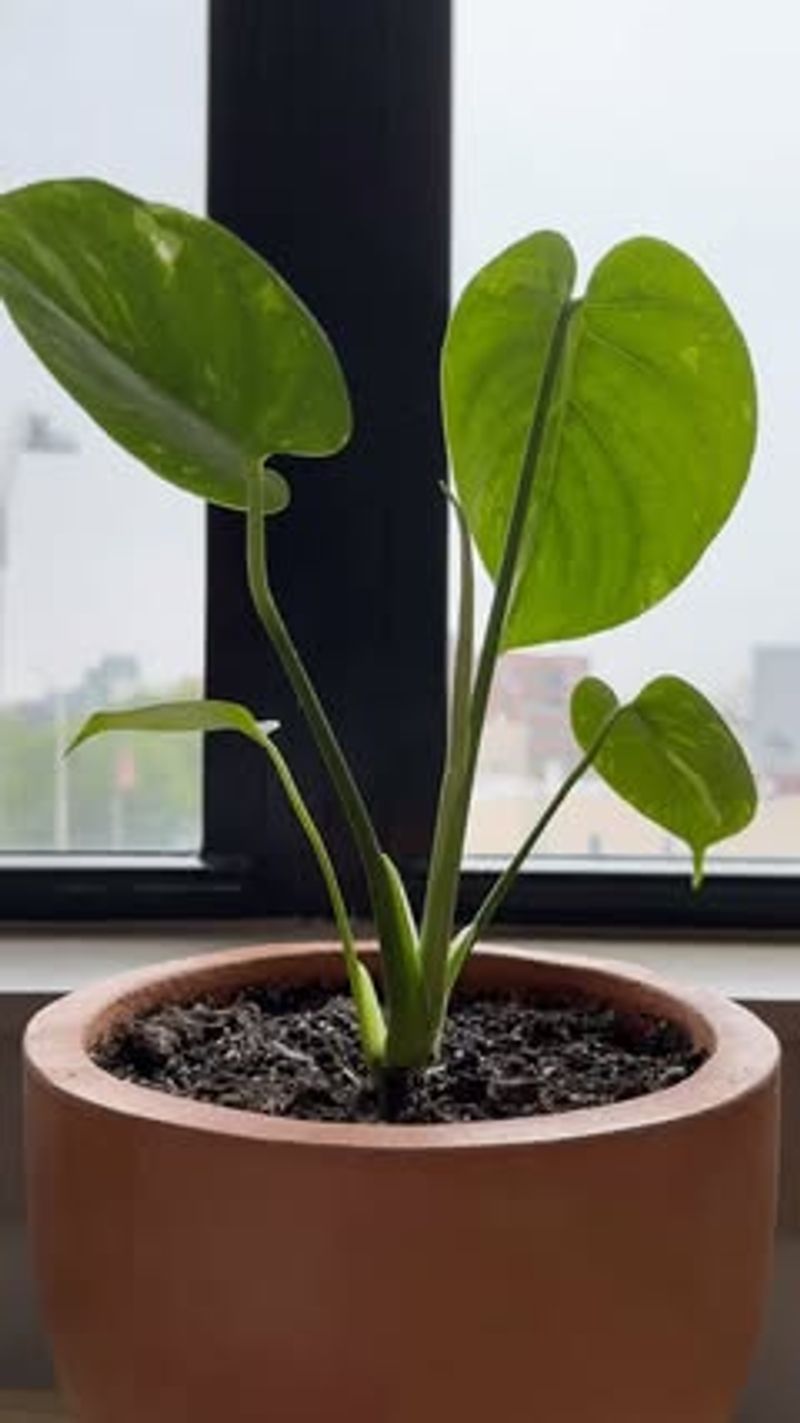
Pruning and repotting are stressful events that require plants to invest significant energy in healing and rebuilding. Roots need to grow into fresh soil, wounds need to seal, and new foliage needs to emerge to replace what was removed.
All of these recovery processes demand adequate light to fuel the intensive growth required, and plants struggling in low-light situations simply can’t bounce back efficiently.
Washington’s winter months are particularly challenging times for plant recovery because the combination of short days and frequent cloud cover provides minimal brightness.
A plant repotted in November might sit seemingly unchanged for months, showing no signs of new root growth or foliage development. Meanwhile, the same plant repotted during June’s long, bright days would likely show vigorous recovery within weeks.
The stress of these maintenance activities, combined with insufficient light, can actually push struggling plants over the edge.
What should be a routine procedure becomes a major setback when the plant lacks the energy resources to respond appropriately. You might even see the plant decline further after repotting, losing leaves or developing other stress symptoms.
Timing these activities to coincide with Washington’s brighter months gives your plants the best chance of successful recovery.
If you must prune or repot during darker periods, consider supplementing with grow lights to provide the extra energy your plant needs.
Moving recently stressed plants to your brightest windows and reducing watering to account for slower growth can also help them rebuild more effectively.