Why February Is The Best Time To Test Garden Soil In Oregon
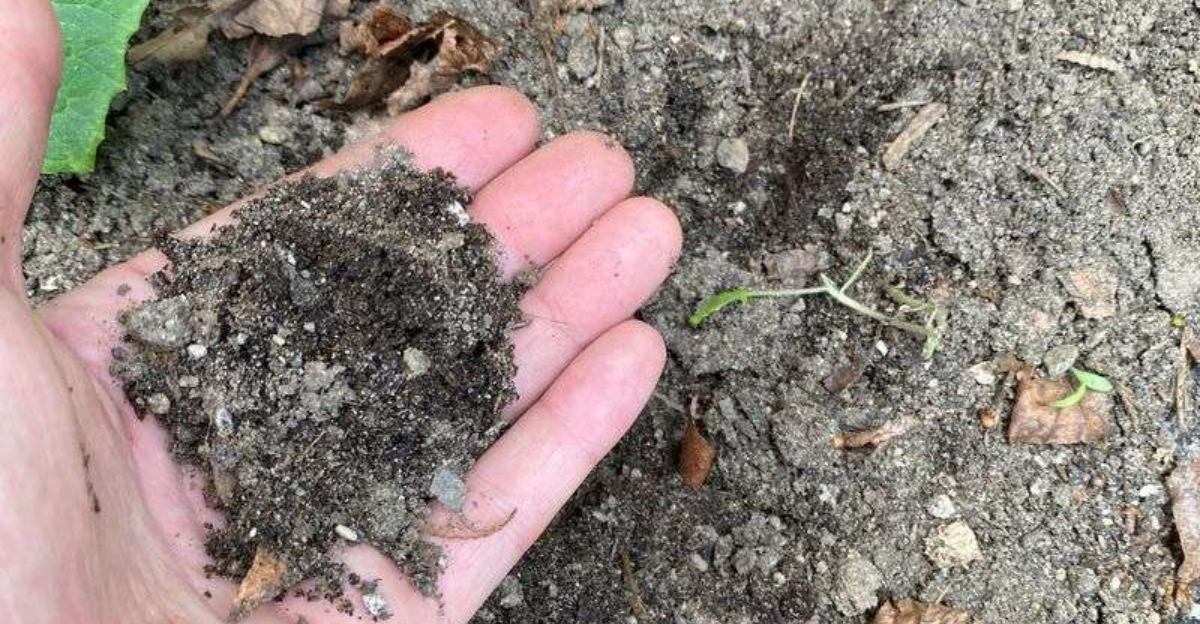
February might feel quiet in the garden, but it’s actually the perfect time to check your soil in Oregon.
Testing soil now gives you a clear picture of nutrients, pH, and texture before spring planting, so plants get the best possible start.
Healthy soil is the foundation of a thriving garden. Without knowing what your soil needs, fertilizers and amendments might miss the mark or even harm your plants.
A simple soil test shows exactly what to add, whether it’s lime to adjust pH, compost for nutrients, or specific minerals for vegetables and flowers.
Taking the time to test in February means you can plan, prepare, and amend soil before the busy planting season.
Your garden beds will be ready when the first seedlings go in, giving vegetables, flowers, and shrubs the boost they need to grow strong and productive all season long.
1. Why February’s Moisture Levels Make Sampling Easier

Oregon’s February soils are moist but not waterlogged like they often are in December or January. This makes digging and collecting samples much easier on your back and your tools.
You’re not fighting through frozen ground or sloshing through mud that clings to everything.
When soil has just the right amount of moisture, it crumbles nicely in your hand and doesn’t compact into a sticky mess. That’s exactly what you want when you’re scooping samples from different spots in your garden.
February’s conditions let you get clean, representative samples without the frustration of dealing with extremes.
Another bonus is that your soil structure is easier to observe. You can see how well it drains, whether it clumps together too much, or if it’s loose and sandy.
These visual clues help you understand what amendments might be needed before you even get your test results back.
Testing now also means you’re capturing your soil in a state that’s closer to what it will be during the growing season. You’re not testing bone-dry summer soil or soaking-wet winter muck.
February gives you the Goldilocks zone for accurate sampling.
2. Understanding Nutrient Levels Before Spring Planting
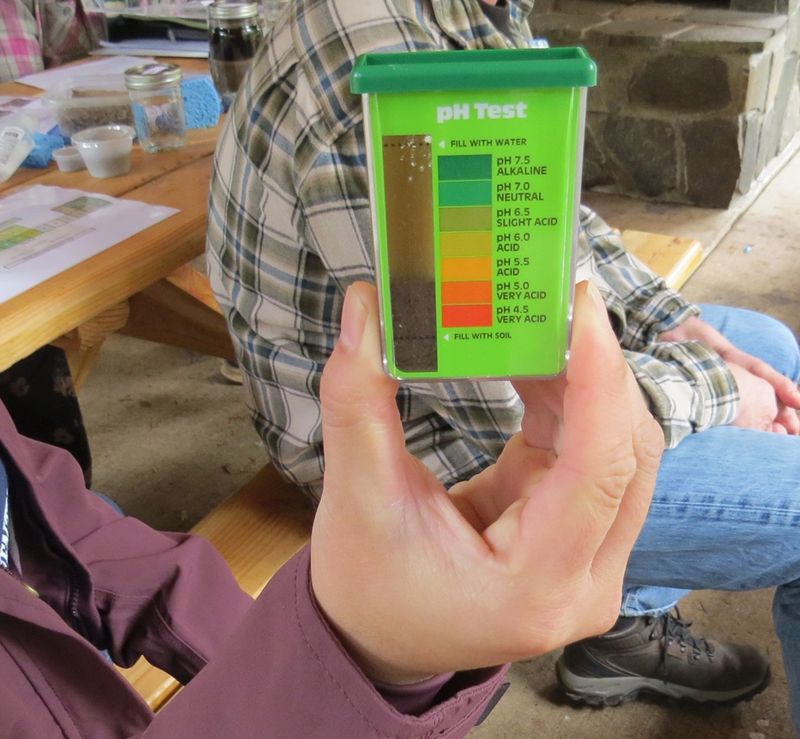
Knowing what nutrients your soil has-or doesn’t have-before you plant anything is like having a roadmap for the season. February testing gives you weeks to understand your nitrogen, phosphorus, and potassium levels, plus micronutrients that often get overlooked.
You’re not guessing or throwing fertilizer at the ground and hoping for the best.
Oregon soils can be surprisingly varied, even within a single neighborhood. Some yards have plenty of organic matter from years of composting, while others are low in key nutrients after heavy rains leach them away.
Testing tells you exactly where you stand, so you can tailor your amendments to what your garden actually needs.
When you test in February, you have time to order specific fertilizers or amendments without the spring rush. Garden centers get picked over fast once March hits, and shipping delays can push your plans back.
Your Oregon Garden Changes Every Week. Your Plan Should Too.
Gardening in Oregon changes quickly throughout the season. Every Friday you’ll receive a simple weekly plan showing exactly what to plant, prune, fertilize, harvest, and protect so you never miss the right timing.
Getting ahead of that curve means you’re ready to go when planting season arrives.
Plus, knowing your nutrient levels helps you avoid over-fertilizing, which can harm plants and waste money. You’re working smarter, not harder, and your plants will thank you with healthier growth and better yields all season long.
3. Spotting Compaction Issues Early
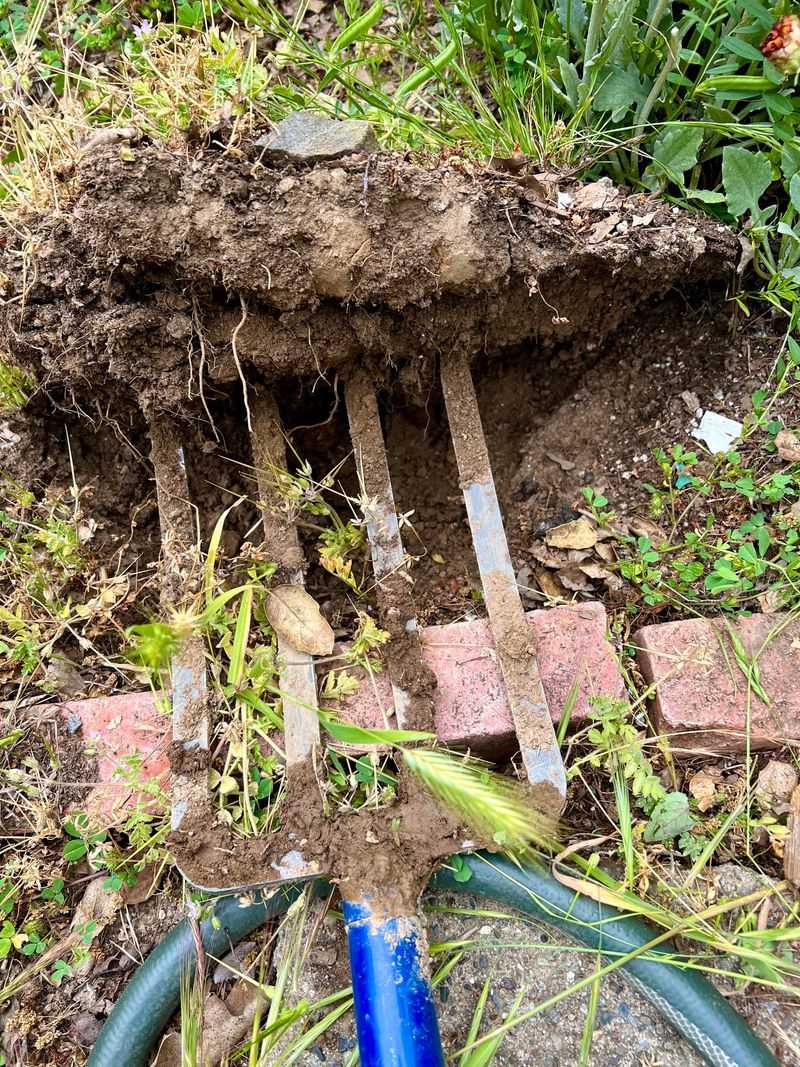
Compacted soil is one of those sneaky problems that can ruin your garden before you even realize what’s happening. Roots can’t spread, water pools on the surface, and plants struggle to thrive no matter how much you water or fertilize.
February is the perfect time to spot compaction because the soil is workable and you can see how it behaves when you dig into it.
Walk around your garden and look for areas where water tends to puddle or where the soil feels rock-hard underfoot. These are red flags that compaction is stealing your garden’s potential.
If your shovel bounces off the ground instead of slicing through, you’ve got work to do.
Testing your soil in February gives you time to address compaction before spring planting. You can add compost, turn the soil gently, or even build raised beds if the problem is severe.
These fixes take time and effort, so starting now means you won’t be scrambling in April when you’re itching to plant tomatoes.
Healthy, loose soil is the foundation of a productive garden. When roots can spread freely and water can drain properly, everything else falls into place.
February is your window to fix compaction and set your garden up for success.
4. Preventing Nitrogen Loss And Other Nutrient Leaching
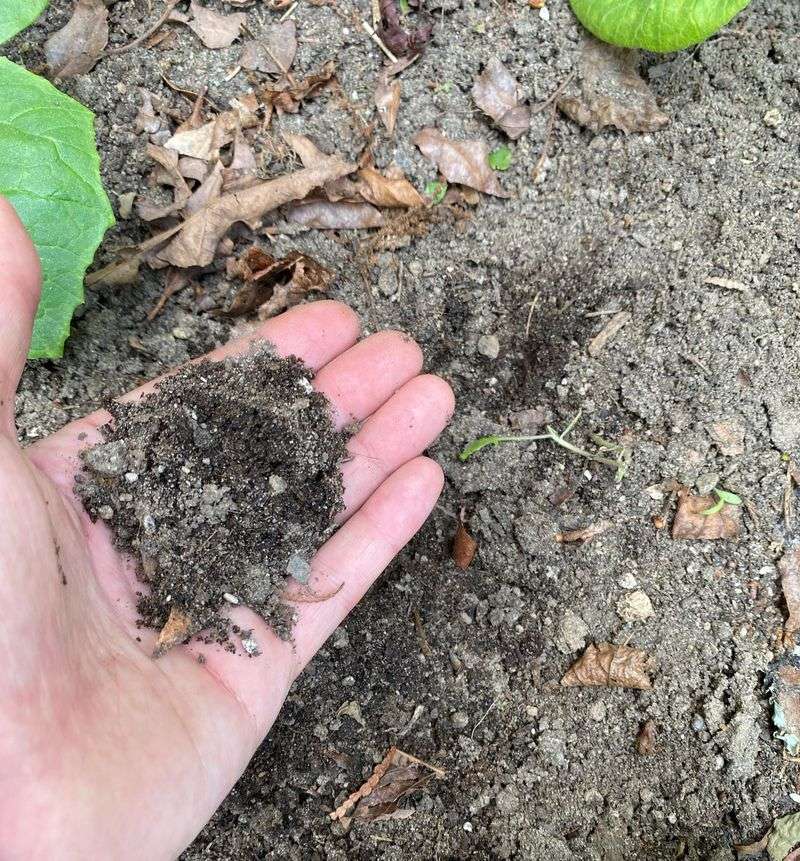
Oregon’s wet winters are notorious for washing nutrients right out of the soil, especially nitrogen. By February, you’ve had months of rain doing its work, and your soil might be depleted in ways you wouldn’t expect.
Testing now shows you exactly what’s been lost, so you can replace it before your plants need it.
Nitrogen is the big one because plants rely on it for leafy growth and overall vigor. If your soil is low after winter rains, your spring crops will struggle from day one.
A soil test gives you the exact numbers, so you can add the right amount of nitrogen-rich compost, blood meal, or other amendments without overdoing it.
Other nutrients like calcium, magnesium, and potassium can also leach away, though they move more slowly than nitrogen. February testing catches these deficiencies early, giving you time to correct them with targeted amendments.
You’re not just guessing, you’re working with real data.
The beauty of testing in February is that you still have time to let amendments settle into the soil before planting. Adding compost or fertilizer now means it’s fully integrated and available to plant roots by the time your seedlings go in the ground.
You’re building a nutrient-rich environment from the ground up.
5. Planning Amendments Without Rushing
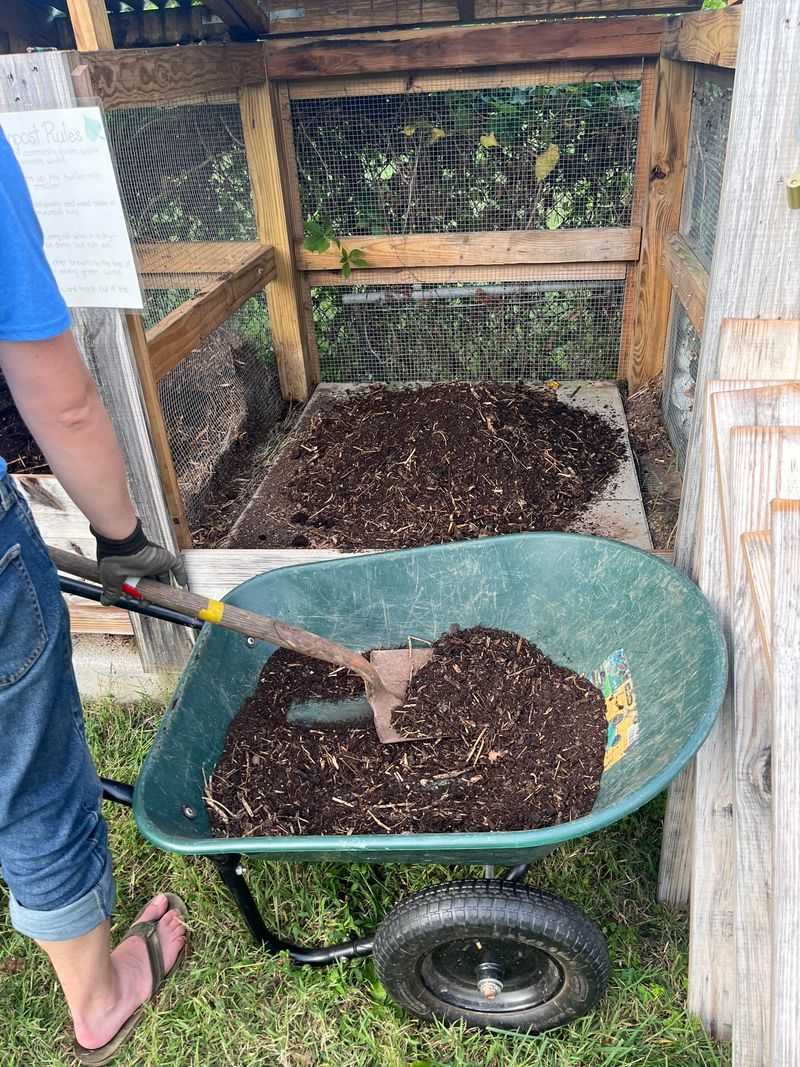
There’s nothing worse than realizing your soil needs help in late April when you’re already behind on planting. February testing gives you the luxury of time to plan, shop, and apply amendments without the stress of a ticking clock.
You can research what your soil needs, compare products, and even order online without paying rush shipping fees.
Once you get your test results back, you’ll know exactly what amendments to buy. Maybe your soil is low in phosphorus and needs bone meal, or perhaps your pH is off and you need lime or sulfur.
Whatever the fix, you have weeks to gather materials and apply them at a leisurely pace.
Amendments work best when they have time to integrate into the soil. Adding compost, lime, or sulfur in February means they’ll be fully broken down and available by planting time.
You’re not dumping fertilizer on top of seedlings and hoping for the best, you’re building a healthy soil ecosystem from the start.
This approach also saves you money because you’re not over-buying or panic-purchasing at full retail prices. You can shop sales, buy in bulk, or even borrow equipment from neighbors.
February testing turns soil care into a calm, thoughtful process instead of a frantic last-minute scramble.
6. Testing For Soil pH In The Wet Season
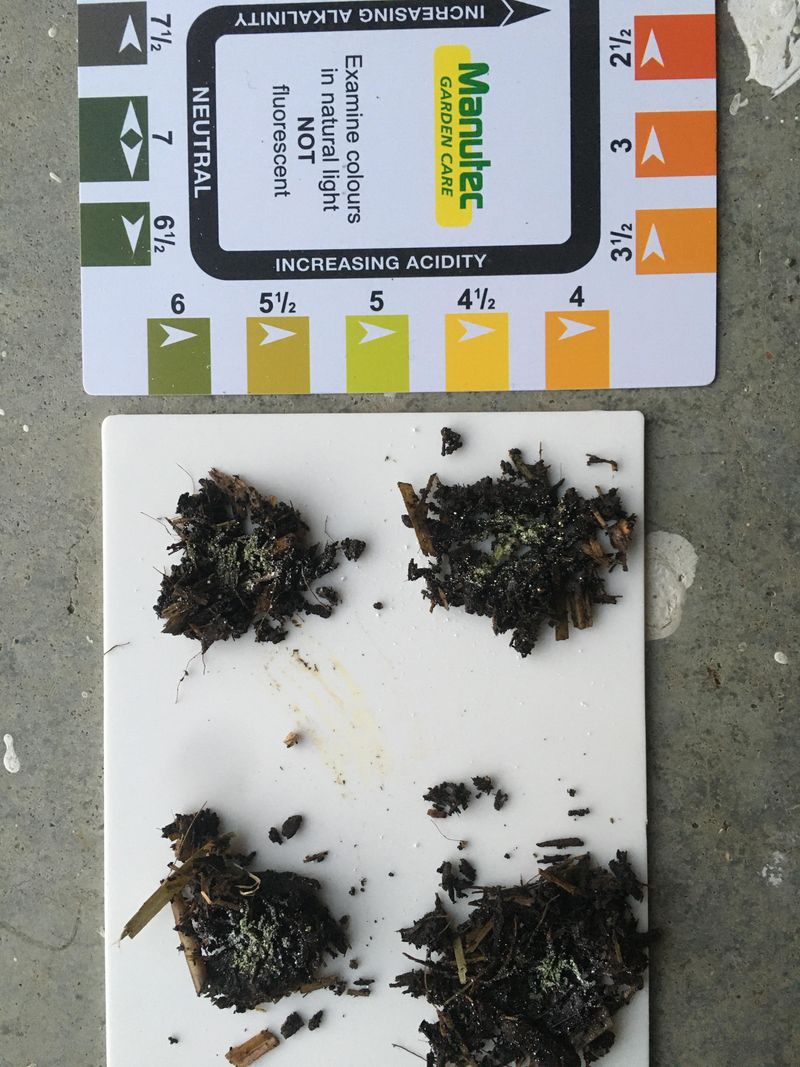
Soil pH can shift during Oregon’s wet season, and February is the ideal time to see where it stands after months of rain. If your pH is too high or too low, your plants won’t be able to absorb nutrients no matter how much fertilizer you add.
Testing now gives you the full picture and time to make corrections before planting.
Most vegetables prefer a slightly acidic to neutral pH, somewhere between 6.0 and 7.0. Oregon soils tend to be naturally acidic, but heavy rains can push them even lower.
If your pH is off, you’ll need to add lime to raise it or sulfur to lower it, and both amendments take weeks to work their way into the soil.
February testing means you’re measuring pH under conditions similar to what your plants will experience during the growing season. You’re not testing dry summer soil that might give you misleading numbers.
You’re getting an accurate snapshot of what your garden will look like when it matters most.
Adjusting pH in February also gives you time to retest if needed. If your first round of amendments doesn’t quite hit the mark, you can make small tweaks before spring arrives.
You’re fine-tuning your soil like a pro, and your plants will reward you with healthy, productive growth.
7. Using Test Results To Set Up A Healthy Garden Year
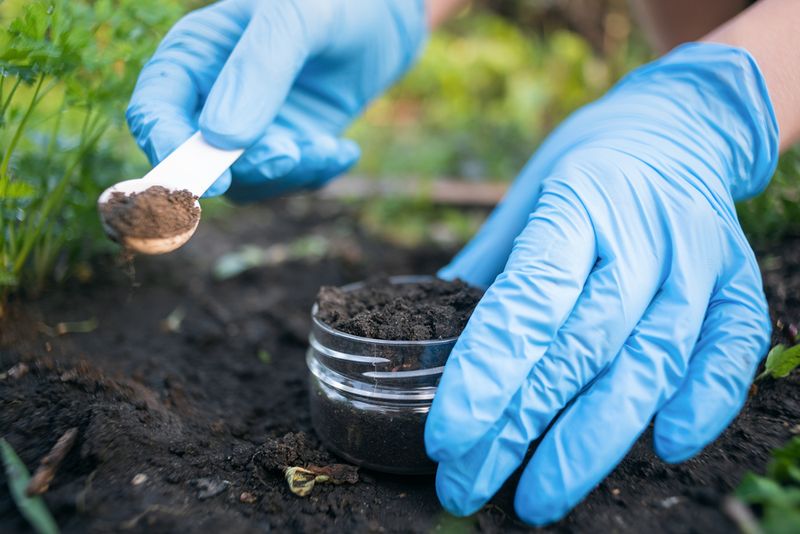
The real payoff of February soil testing is that you’re setting yourself up for a year of gardening success. You’re not reacting to problems as they pop up, you’re preventing them from happening in the first place.
Your test results become a roadmap that guides every decision you make, from choosing which crops to plant to how you’ll fertilize throughout the season.
When you know your soil’s strengths and weaknesses, you can match plants to your conditions instead of fighting an uphill battle. If your soil is naturally high in nitrogen, you can focus on leafy greens and brassicas.
If phosphorus is low, you’ll know to add bone meal before planting root crops. You’re working with your soil, not against it.
February testing also helps you track changes over time. Keep your results from year to year, and you’ll see how your soil improves with compost, cover crops, and smart amendment choices.
Gardening becomes a long-term project where each season builds on the last, and your soil gets healthier and more productive with every passing year.
Starting your garden year with a soil test is like getting a health checkup before training for a marathon. You’re making sure everything is in working order so you can perform at your best when it counts.