The 9 Easiest Vegetables To Grow On The Oregon Coast
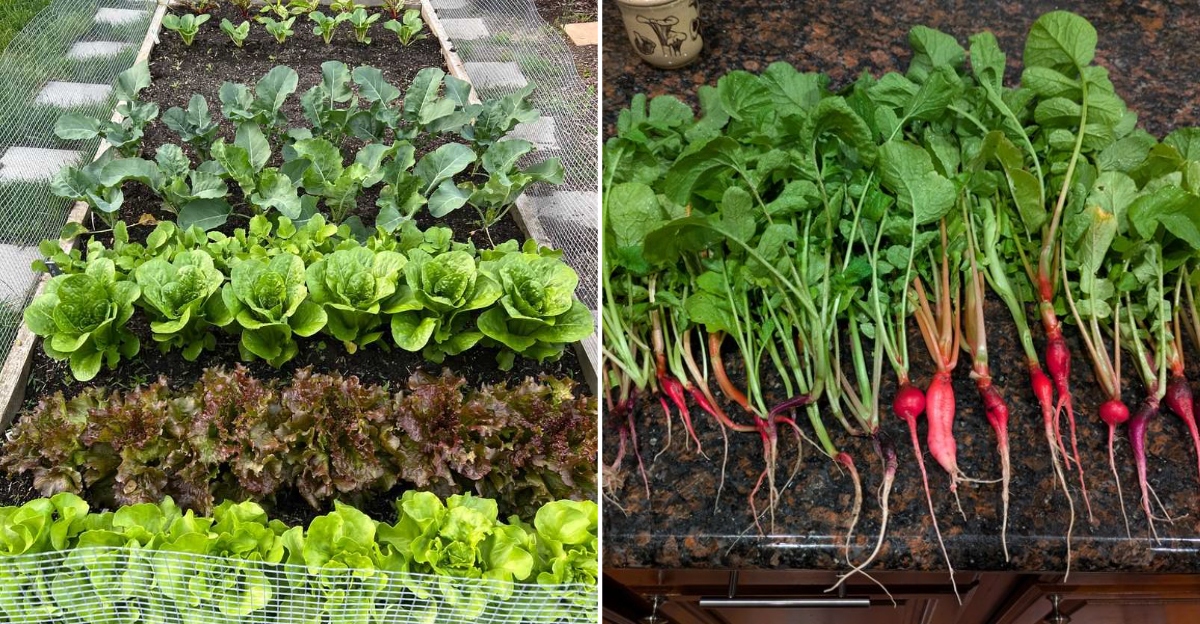
Living near the Oregon coast comes with its own gardening quirks. Cool summers, mild winters, and plenty of fog and rain make it different from other parts of the state, but that doesn’t mean you can’t grow a fantastic vegetable garden.
In fact, some crops actually love this climate and will reward you with fresh, healthy harvests all season long.
There’s something special about stepping outside and picking your own greens or snapping off a crisp radish for dinner. Growing your own food not only saves money, it tastes way better than anything from the store.
And along the coast, those moderate temperatures mean vegetables can thrive without the stress of scorching heat or harsh frost.
This guide covers nine vegetables that shine in coastal gardens. They’re beginner-friendly, forgiving, and perfectly suited to foggy, temperate conditions.
You’ll get tips on why each one works so well, how to care for them, and how to get the best harvest possible. Ready to roll up your sleeves and grow some truly delicious food?
1. Lettuce & Salad Greens
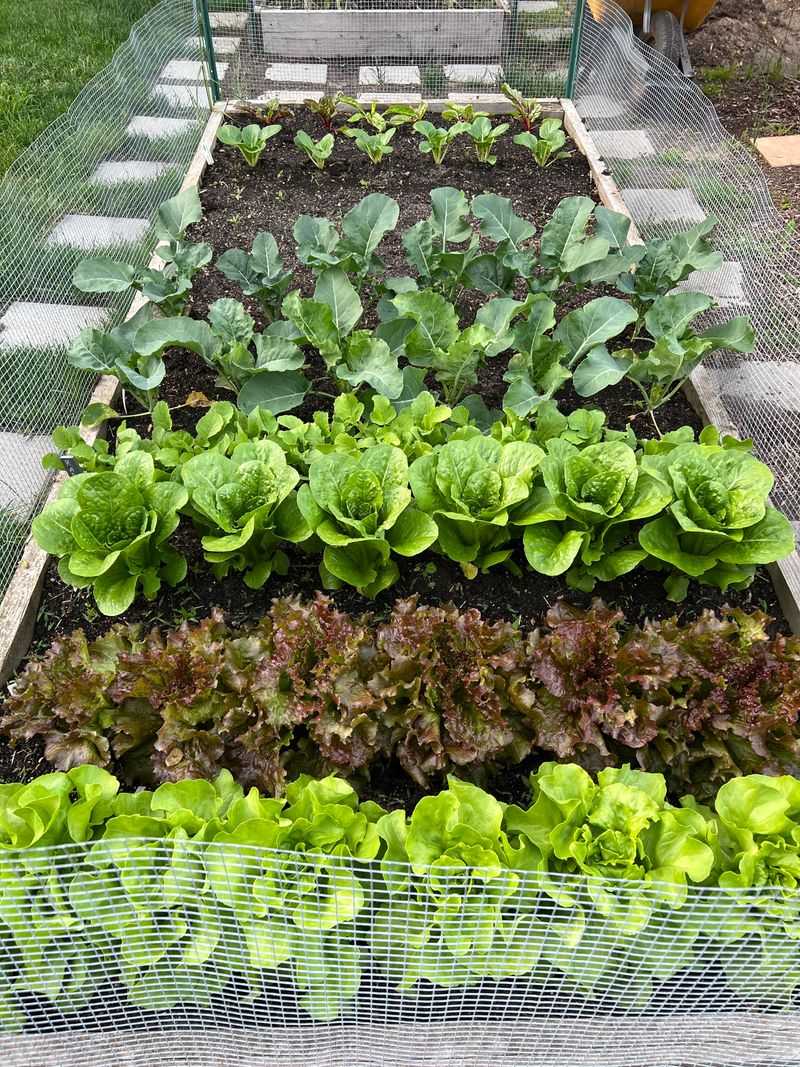
Cool, moist conditions along the Oregon coast make the perfect environment for salad greens.
Mild temperatures allow them to grow almost year-round, and the heat that usually makes lettuce bolt and turn bitter is rarely a problem near the ocean.
Seeds can go directly into the ground or start in containers, and they sprout quickly, giving a fast return on effort.
There’s a huge variety to choose from, Butterhead, romaine, arugula, and mixed mesclun blends all thrive in coastal gardens. Planting a few seeds every couple of weeks, a method called succession planting, ensures a steady supply of fresh leaves throughout the season.
These greens grow fast, often ready to harvest in just four to six weeks. Using cut-and-come-again harvesting, you can snip outer leaves while letting plants continue producing, making them incredibly efficient and ideal for small spaces.
Consistent moisture is key, and coastal fog and rain provide it naturally. Make sure the soil drains well, and mix in a little compost to keep the leaves tender and flavorful.
This approach makes it easy to enjoy fresh, homegrown salad greens with very little effort.
2. Peas
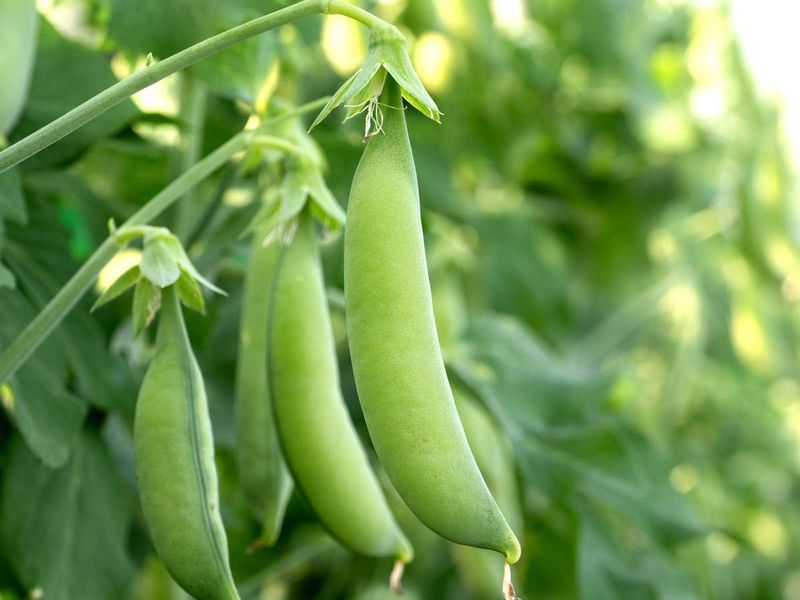
Peas absolutely thrive in the cool, damp conditions of the Oregon coast. They prefer temperatures between 55 and 70 degrees, which describes coastal weather perfectly.
Whether you grow snap peas, snow peas, or shelling peas, you will find them easy and rewarding. They even add nitrogen to the soil, which benefits other plants you grow later.
You can plant peas very early in the season, sometimes as early as February or March along the coast. They handle light frosts without any trouble, so you do not need to wait for warm weather.
In fact, peas struggle in heat, so the cooler coastal climate gives you a big advantage over gardeners in hotter regions.
Peas need something to climb, so provide a trellis, fence, or stakes. This keeps the plants off the ground, improves air circulation, and makes harvesting easier.
Your Oregon Garden Changes Every Week. Your Plan Should Too.
Gardening in Oregon changes quickly throughout the season. Every Friday you’ll receive a simple weekly plan showing exactly what to plant, prune, fertilize, harvest, and protect so you never miss the right timing.
Climbing varieties can grow quite tall, while bush types stay more compact if space is limited.
Keep the soil consistently moist, especially during flowering and pod development. Mulch around the base of the plants to retain moisture and keep roots cool.
Peas are ready to harvest in about 60 to 70 days, and the more you pick, the more they produce. Fresh peas from the garden taste sweet and crisp, nothing like what you buy in stores.
They are a true coastal garden favorite.
3. Swiss Chard
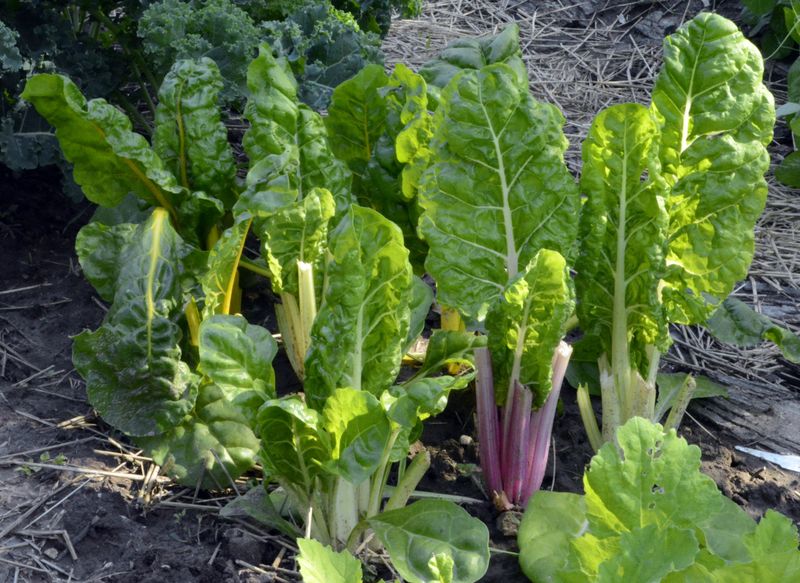
Coastal gardens are the perfect home for hardy leafy greens that handle cool weather and occasional warm spells without complaint. Among them, one standout offers colorful stems in shades of red, yellow, orange, and white, adding a vibrant touch to any garden.
Beyond its beauty, it tastes delicious in salads, stir-fries, and soups.
One of the best features is how long it produces. Once established, you can harvest outer leaves for months while the center keeps growing.
It rarely bolts, even when temperatures fluctuate, making it more forgiving than other quick-growing greens like lettuce or spinach.
This leafy green thrives with the consistent moisture provided by coastal conditions. It grows well in full sun or partial shade, which helps when fog or clouds limit bright sunshine.
The plants also resist pests better than many other greens, reducing the need for constant monitoring.
Seeds can go directly into the garden after the last frost, or start indoors a few weeks earlier.
Space plants about six inches apart and give them regular water, and this hardy green will provide nutritious, reliable harvests from spring through fall, and sometimes even into the mild coastal winter.
4. Onions (Including Green Onions)
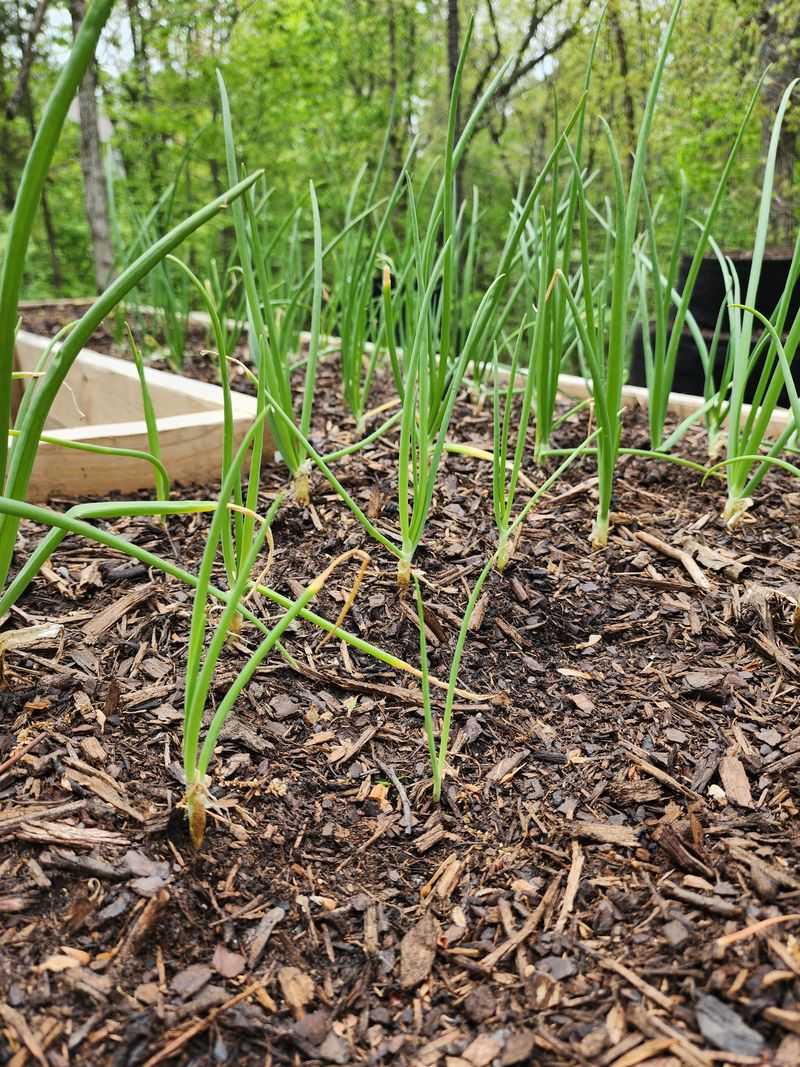
They grow well in the mild, moist conditions and do not require much attention once planted. You can grow bulbing onions for storage or harvest them young as green onions, also called scallions.
Both types are incredibly versatile in the kitchen and easy to fit into any garden space.
Green onions are especially quick and simple. Plant seeds or sets in early spring, and you can start harvesting in as little as three to four weeks.
They regrow after cutting, so you can snip the green tops and leave the roots to produce more. This makes them perfect for continuous harvests throughout the growing season.
Bulbing onions take longer, usually around 100 to 120 days, but they store well and provide food long after the garden season ends. Choose varieties suited to your day length.
The Oregon coast falls into the long-day category, so look for onion varieties labeled for northern climates.
Onions prefer well-drained soil with plenty of organic matter. They do not compete well with weeds, so keep the bed clean and mulched.
Water consistently, especially as the bulbs begin to swell. When the tops start to yellow and fall over, stop watering and allow the bulbs to cure before harvesting.
Onions are low-maintenance, productive, and essential for any coastal gardener.
5. Radishes
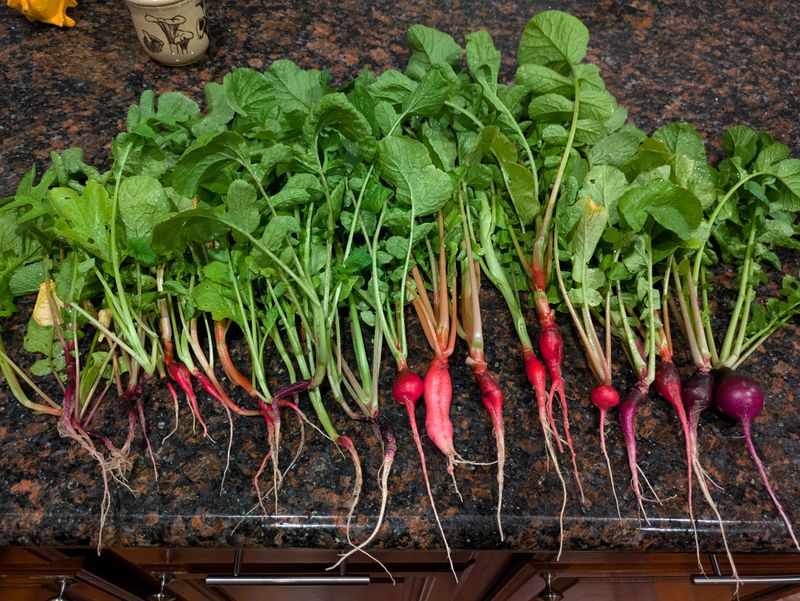
These are one of the fastest and easiest vegetables you can grow. They go from seed to harvest in as little as three to four weeks, making them perfect for impatient gardeners or anyone looking for quick results.
Kids love growing radishes because they can see progress almost immediately, and the bright colors make them fun to pull from the soil.
Cool weather is ideal for radishes, and the Oregon coast provides exactly that. They prefer temperatures between 50 and 65 degrees, so you can plant them in early spring and again in late summer for a fall crop.
Hot weather makes radishes woody and overly spicy, but that is rarely an issue near the ocean.
Radishes are incredibly low-maintenance. Sow seeds directly in the garden about half an inch deep and one inch apart.
Thin them to two inches apart once they sprout. They need consistent moisture to stay crisp and mild, so water regularly, especially during dry spells.
You can grow radishes in garden beds, containers, or even between slower-growing crops like carrots or lettuce. They act as a natural marker, showing you where you planted other seeds.
Harvest radishes as soon as they reach a good size, usually about an inch in diameter. If you leave them in the ground too long, they become tough and pithy.
Fresh radishes add a crisp, peppery crunch to salads and snacks.
6. Spinach
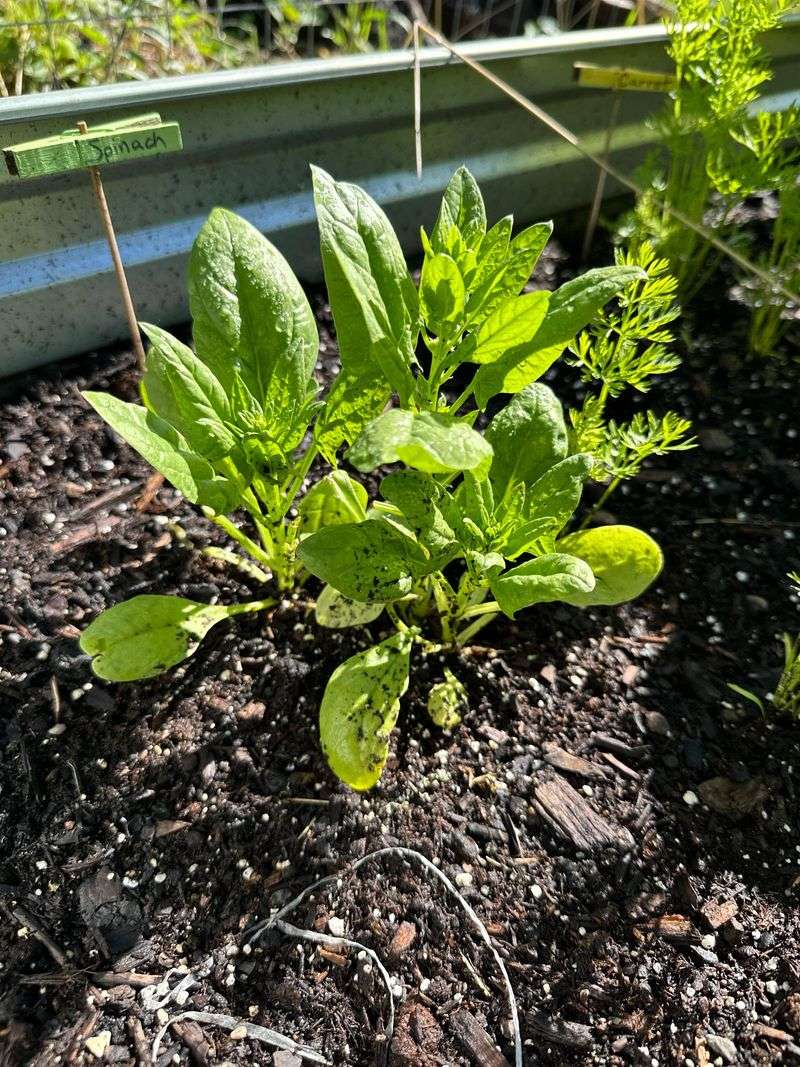
The cool, damp conditions of the Oregon coast create the perfect environment for fast-growing, nutrient-packed greens.
Tender spinach leaves develop quickly, taste great, and provide a serious boost of vitamins and minerals, making them a favorite for salads, sautés, and smoothies alike.
You can enjoy spinach raw in salads, sautéed, or blended into smoothies. It is one of those vegetables that feels fancy but is actually super easy to grow, even for beginners.
Plant spinach in early spring or late summer for the best results. It prefers temperatures between 50 and 60 degrees, which makes it a perfect fit for coastal weather.
Hot weather causes spinach to bolt, sending up a flower stalk and making the leaves bitter. Fortunately, the cool coastal climate extends the harvest window significantly.
Spinach grows quickly, usually ready to harvest in 40 to 50 days. You can pick individual leaves as needed or cut the entire plant at once.
If you harvest carefully, the plant may produce a second flush of leaves, giving you even more value from each seed.
Keep the soil consistently moist and rich in organic matter. Spinach has shallow roots, so mulching helps retain moisture and keeps the soil cool.
It grows well in full sun or partial shade, which is helpful on cloudy coastal days. Watch for slugs and snails, which love spinach as much as you do.
A bit of organic slug bait or crushed eggshells around the plants can help protect your crop. Spinach is a coastal garden staple that delivers fresh, healthy greens all season long.
7. Kale & Mustard Greens
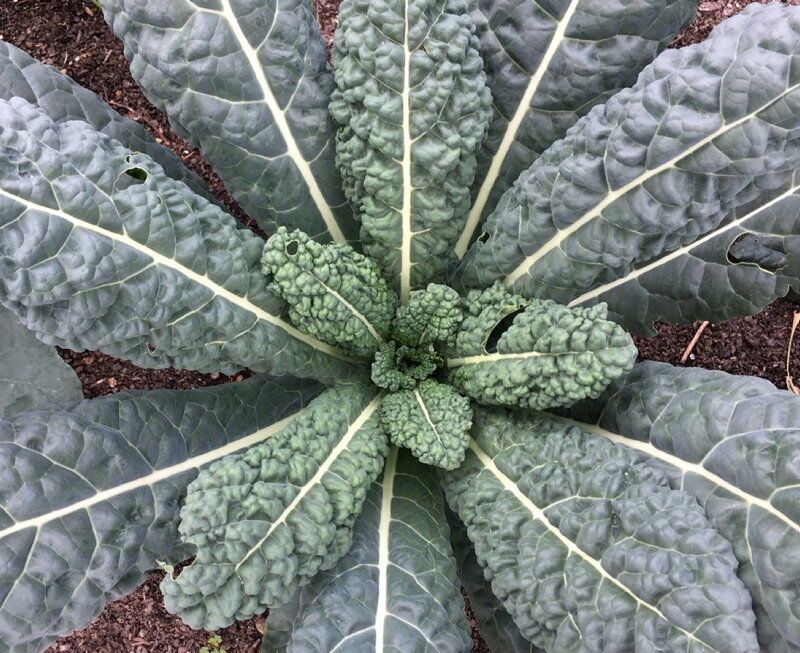
They tolerate cool weather, light frosts, and even a bit of neglect, making them ideal for busy gardeners. Both are packed with vitamins and minerals, and they taste even better after a light frost sweetens the leaves.
Kale comes in many varieties, from curly to flat-leafed, and even colorful types like Lacinato or Red Russian. Mustard greens add a spicy kick to salads and stir-fries, and they grow just as easily.
Both crops thrive in the moist, moderate climate of the coast, and they rarely bolt in cool weather.
You can start seeds indoors or sow them directly in the garden. Plant in early spring for a summer harvest or in late summer for fall and winter crops.
Along the coast, you can often harvest kale and mustard greens well into December or even January if the weather stays mild.
These greens prefer full sun but tolerate partial shade. Keep the soil consistently moist and add compost to provide nutrients.
Harvest outer leaves as needed, allowing the center to continue growing. This cut-and-come-again method extends the harvest for months.
Kale and mustard greens are some of the most productive and reliable vegetables you can grow on the Oregon coast, providing fresh, flavorful greens even when other crops have finished for the season.
8. Broccoli / Cauliflower (Brassicas)
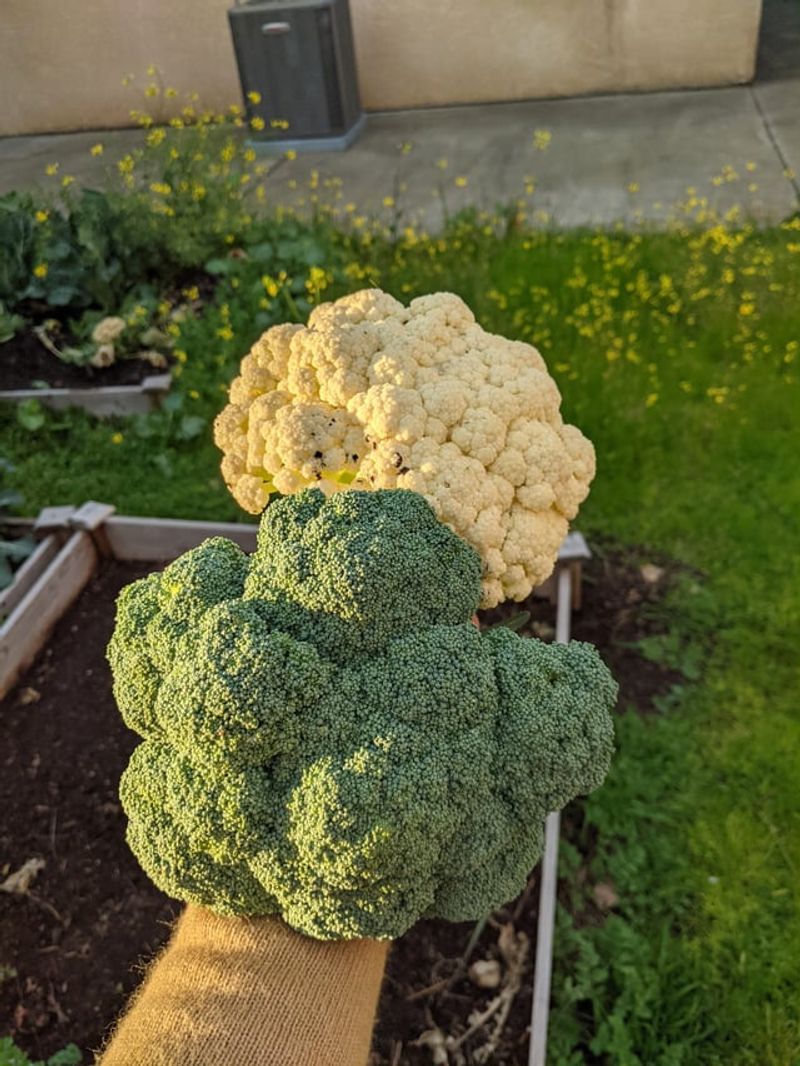
Broccoli and cauliflower are part of the brassica family, and they absolutely love the cool, foggy weather of the Oregon coast. These crops struggle in heat but thrive in moderate temperatures, which makes coastal gardens ideal.
Growing your own broccoli and cauliflower means you get fresh, flavorful heads without the high grocery store prices.
Start seeds indoors about six to eight weeks before your last frost date, or buy transplants from a local nursery. Plant them in the garden in early spring or late summer for a fall harvest.
Brassicas need consistent moisture and rich soil, so add plenty of compost before planting.
Broccoli is usually easier for beginners because it produces side shoots after you harvest the main head, giving you multiple harvests from one plant.
Cauliflower requires a bit more attention, especially when it comes to blanching the heads by tying the outer leaves over the developing curds to keep them white and tender.
Watch for common pests like cabbage worms and aphids. Row covers can protect young plants, and hand-picking pests works well for small gardens.
Brassicas also benefit from crop rotation to prevent soil-borne diseases. Harvest broccoli when the heads are tight and green, before the flowers open.
Cauliflower is ready when the heads are firm and white. Both vegetables are nutritious, versatile, and incredibly satisfying to grow on the Oregon coast.
9. Zucchini & Summer Squash
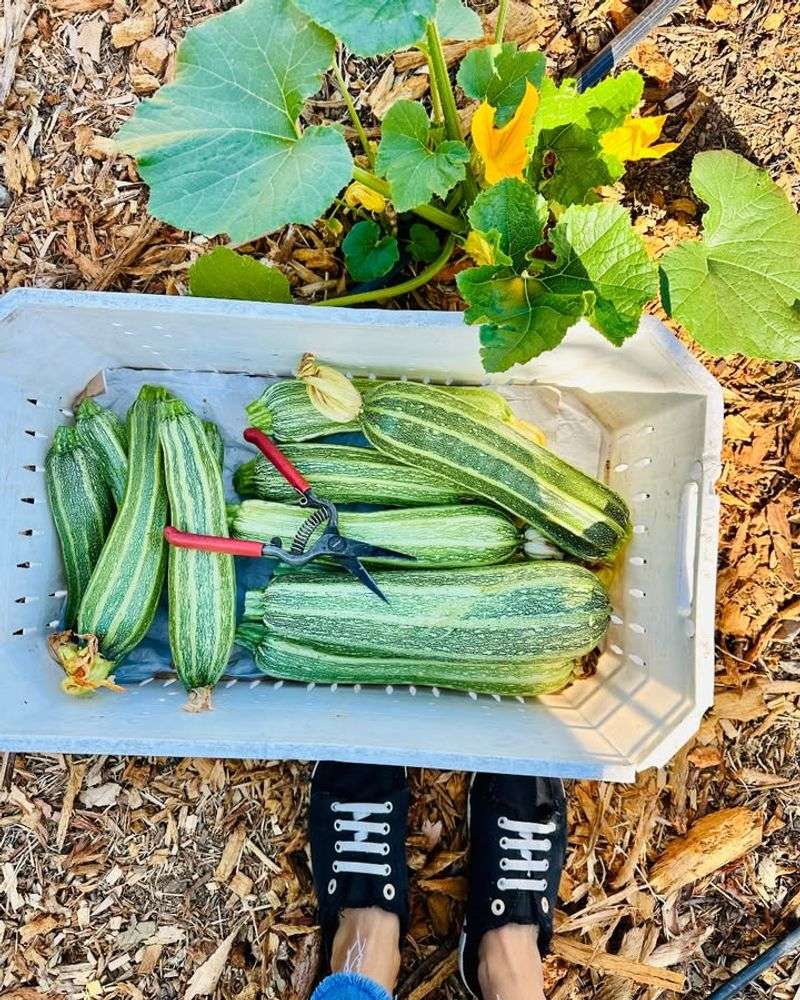
While they prefer warmer weather than other vegetables on this list, the mild coastal summers provide just enough heat to produce a good harvest, especially if you choose fast-maturing varieties.
Zucchini and summer squash might seem like surprising choices for the cool Oregon coast, but they grow surprisingly well if you give them the right conditions.
Plant zucchini and summer squash after the last frost, when the soil has warmed up. They need full sun, so choose the sunniest spot in your garden.
Using black plastic mulch or row covers early in the season can help warm the soil and give plants a head start. Raised beds also help because they drain well and warm up faster than ground-level beds.
These plants are prolific producers. Once they start fruiting, you will have more zucchini than you know what to do with.
Harvest the fruits when they are small and tender, about six to eight inches long, for the best flavor and texture. Overgrown zucchini become tough and seedy.
Keep the soil consistently moist, especially during flowering and fruiting. Mulch around the base of the plants to retain moisture and suppress weeds.
Watch for powdery mildew, which can be common in the damp coastal climate. Good air circulation and avoiding overhead watering help prevent this issue.
Zucchini and summer squash add variety to your coastal garden and reward you with fresh, delicious vegetables all summer long.