7 Types Of Lilies Every Oregon Gardener Should Know
Lilies are some of the most stunning and versatile flowers you can grow in Oregon gardens. With their vibrant colors, elegant shapes, and delightful fragrances, they can instantly elevate any yard or flower bed.
Want a garden that turns heads every season? Knowing the right types of lilies to plant can make all the difference in bloom timing, care, and overall beauty.
From bold colors to delicate scents, lilies bring charm and elegance effortlessly. Oregon’s climate is perfect for a variety of lilies, whether you want early blooms in spring or vibrant summer flowers.
Your garden can shine with color and fragrance all season long. Whether you’re a seasoned gardener or just starting out, these types of lilies are must-knows for anyone looking to create a show-stopping garden in Oregon.
1. Asiatic Lilies
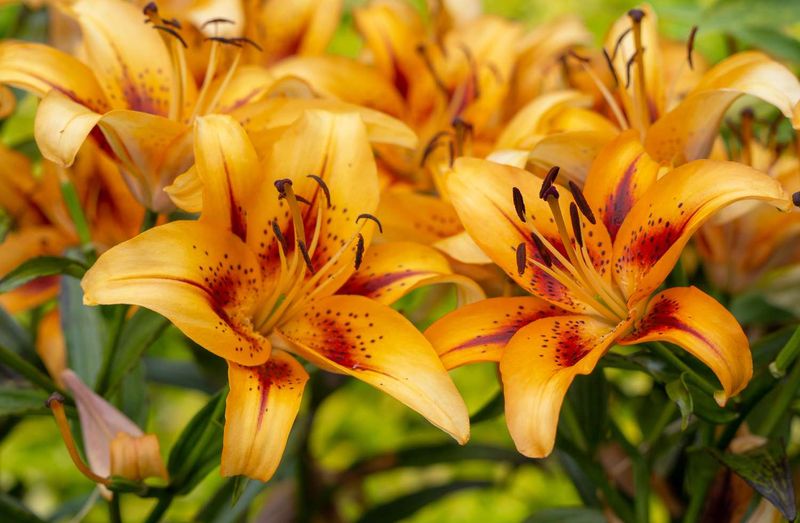
Bright, cheerful blooms arrive early in the season when you plant Asiatic lilies in your Oregon garden. These hardy performers open their flowers in June, often before other lily types have even formed buds.
Their upward-facing blossoms come in nearly every color except true blue, making them incredibly versatile for garden design schemes.
Gardeners throughout Oregon appreciate how tough these plants are once established. They handle our wet spring weather without rotting and don’t mind if summer irrigation isn’t perfect.
Most varieties grow between two and four feet tall, fitting nicely into mixed borders without overwhelming smaller companion plants.
Unlike some lily cousins, Asiatic types don’t produce fragrance, which actually works as an advantage near patios and walkways where strong scents might be overwhelming. Their lack of scent also means they won’t attract as many bees if that’s a concern for your family.
Each stem produces multiple flowers that open over several weeks, extending your display time.
Plant bulbs in fall throughout the Willamette Valley and coastal regions for best results. These lilies prefer full sun but tolerate partial shade, especially in hotter inland areas.
They multiply readily, forming larger clumps each year that you can divide and share with fellow gardening friends. Their reliability and low maintenance requirements make them perfect for both beginning and experienced Oregon gardeners.
2. Oriental Lilies
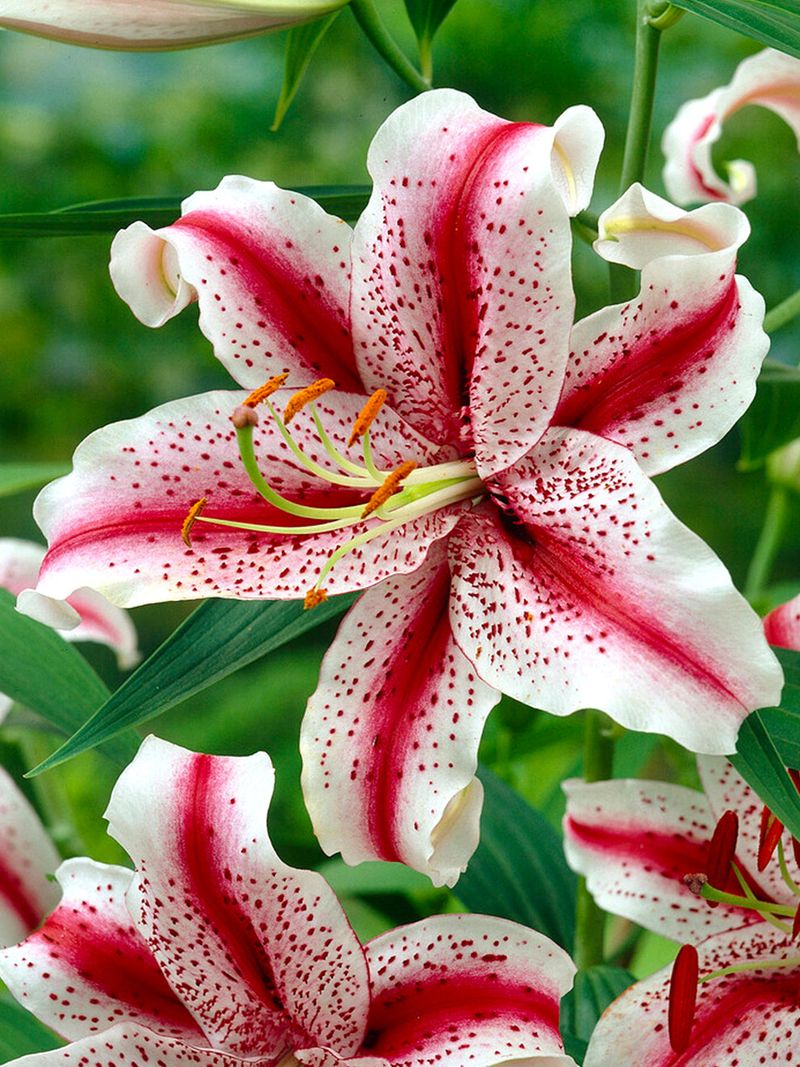
Walking past an Oriental lily in full bloom stops you in your tracks with its intoxicating perfume. These glamorous flowers bloom later than most other types, typically opening in late July or August when your Oregon garden needs a fresh burst of color.
Their massive flowers, sometimes reaching eight inches across, feature rich colors and often display striking patterns with speckles or stripes.
The fragrance from just a few stems can perfume an entire patio area, making them popular choices near outdoor living spaces. Their petals curve backward gracefully, creating an elegant star shape that photographs beautifully.
White, pink, and deep burgundy varieties dominate the color range, often with contrasting throat colors that add visual interest.
Oregon’s climate suits Oriental lilies well, though they appreciate some afternoon shade in hotter regions east of the Cascades. Plant them where their late-season blooms can take center stage after spring bulbs have finished.
Your Oregon Garden Changes Every Week. Your Plan Should Too.
Gardening in Oregon changes quickly throughout the season. Every Friday you’ll receive a simple weekly plan showing exactly what to plant, prune, fertilize, harvest, and protect so you never miss the right timing.
These beauties grow quite tall, often reaching four to six feet, so position them toward the back of borders or use them as dramatic focal points.
Give them rich, well-draining soil amended with compost for best performance. They’re slightly more particular about drainage than Asiatic types, so avoid planting in areas where water pools during our rainy season.
Mulch around the base helps keep roots cool during summer heat while protecting bulbs through winter cold.
3. Trumpet Lilies
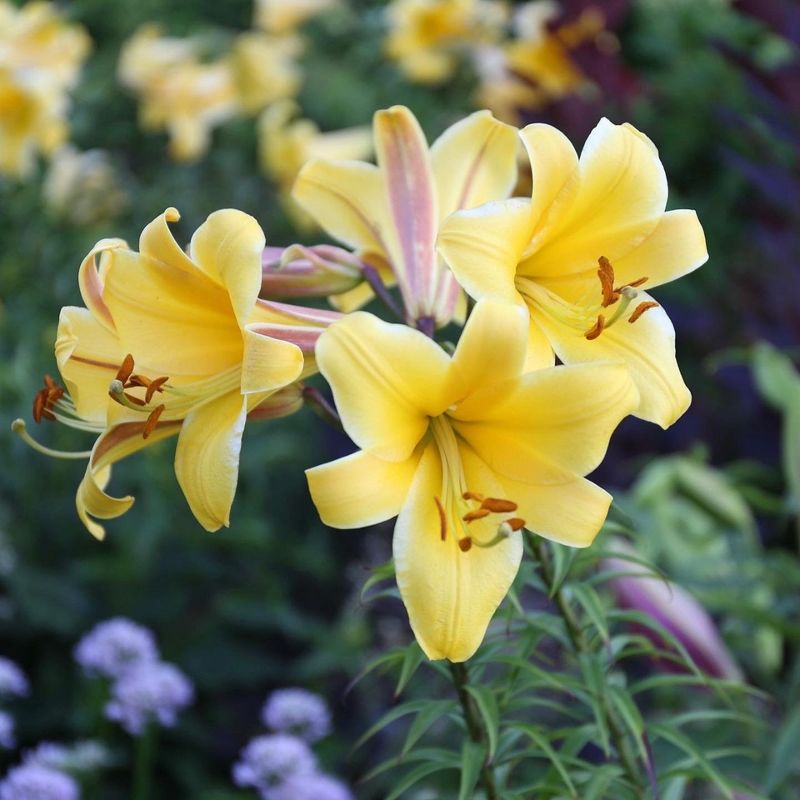
Imagine flowers shaped like old-fashioned trumpets or horns pointing outward from tall, sturdy stems. Trumpet lilies create dramatic vertical accents in Oregon gardens, with some varieties stretching up to six feet tall when grown in ideal conditions.
Their unique flower shape sets them apart from other lily types, and their powerful fragrance rivals that of Oriental varieties.
Blooming time falls between early Asiatic types and late Oriental ones, typically appearing in mid-July. This timing helps fill the gap in your lily display, ensuring continuous color throughout summer.
Each stem carries multiple trumpet-shaped flowers that open sequentially, prolonging the show for several weeks.
Colors range from pure white and soft yellow to peachy pink and deep gold, with many varieties displaying color gradients that shift from one hue to another.
Some gardeners in Oregon find these particularly rewarding because they’re quite vigorous once established. They naturalize well, returning stronger each year without much fuss or special care.
Their height makes them perfect for creating backdrop plantings or hiding unsightly fences and utility areas. Plant them where their evening fragrance can be enjoyed from windows or outdoor seating areas.
They tolerate Oregon’s variable spring weather well and don’t seem bothered by late cold snaps that sometimes occur in May. Staking taller varieties helps prevent wind damage during summer storms, especially in exposed coastal gardens.
4. Tiger Lilies
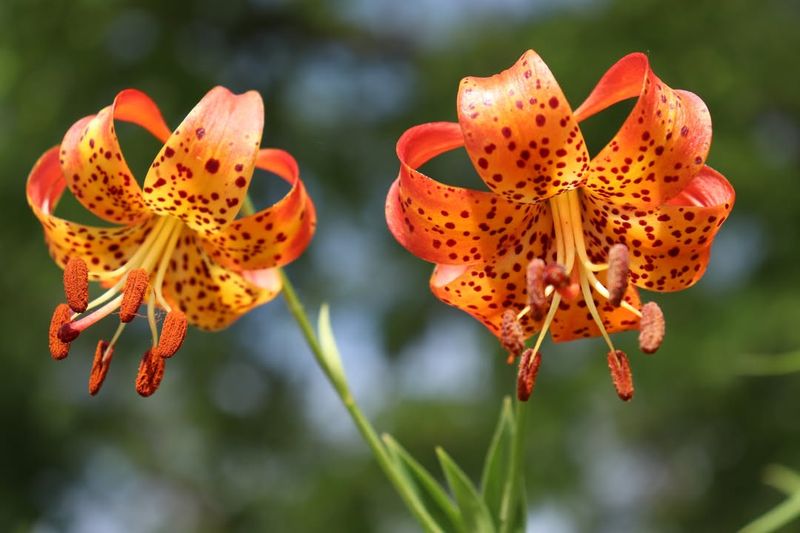
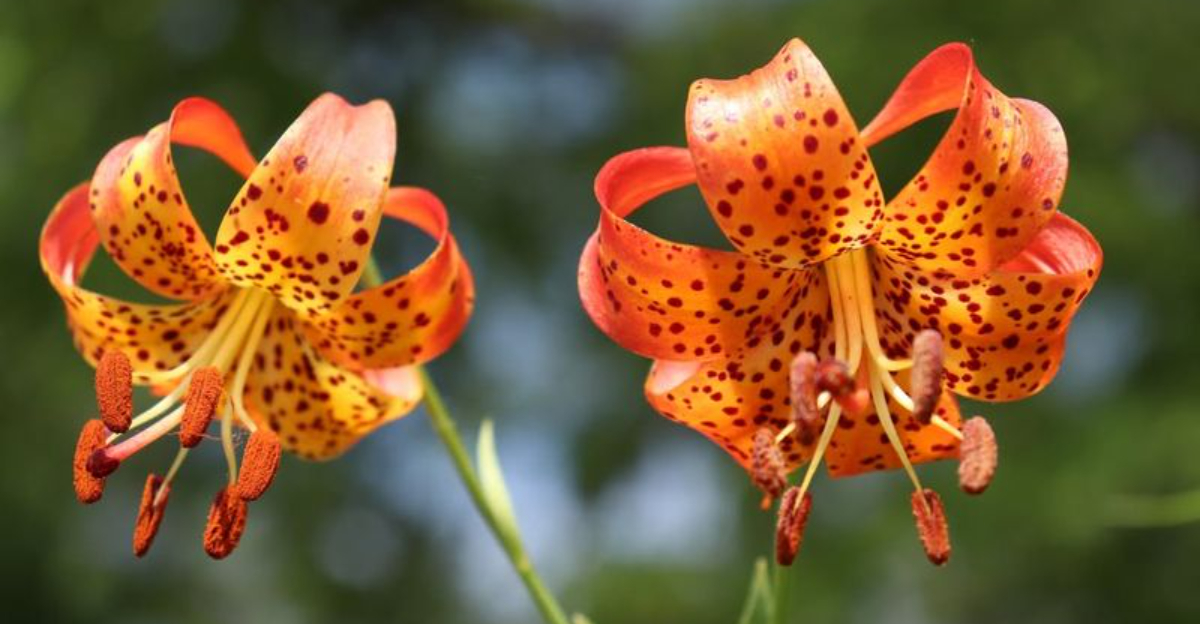
Spotted orange flowers dangling from arching stems bring a wildflower charm to cultivated Oregon gardens. Tiger lilies feature distinctive downward-facing blooms covered in dark speckles that give them their fierce name.
These tough customers grow wild in many parts of North America and adapt readily to garden conditions throughout the Pacific Northwest.
What makes them special for Oregon gardeners is their incredible resilience. They shrug off diseases that trouble other lily types and handle less-than-perfect soil conditions without complaint.
Their vigorous growth means they spread readily, sometimes even becoming a bit too enthusiastic in ideal conditions. Each stem produces numerous flowers, creating a spectacular display when plants mature.
The classic orange color with black spots is most common, but you’ll also find yellow and red varieties available from specialty nurseries. Their recurved petals curl backward dramatically, exposing prominent stamens dusted with orange pollen.
Butterflies and hummingbirds visit these flowers regularly, adding movement and life to your garden.
Plant them in areas where their spreading habit won’t crowd out more delicate plants. They work beautifully in cottage garden designs or naturalized areas where a relaxed, informal look is desired.
Throughout Oregon, from Portland gardens to rural properties in the Cascades foothills, these reliable bloomers perform without demanding special attention.
Their midsummer flowering coincides with peak butterfly activity, creating wonderful wildlife-watching opportunities.
5. Martagon Lilies
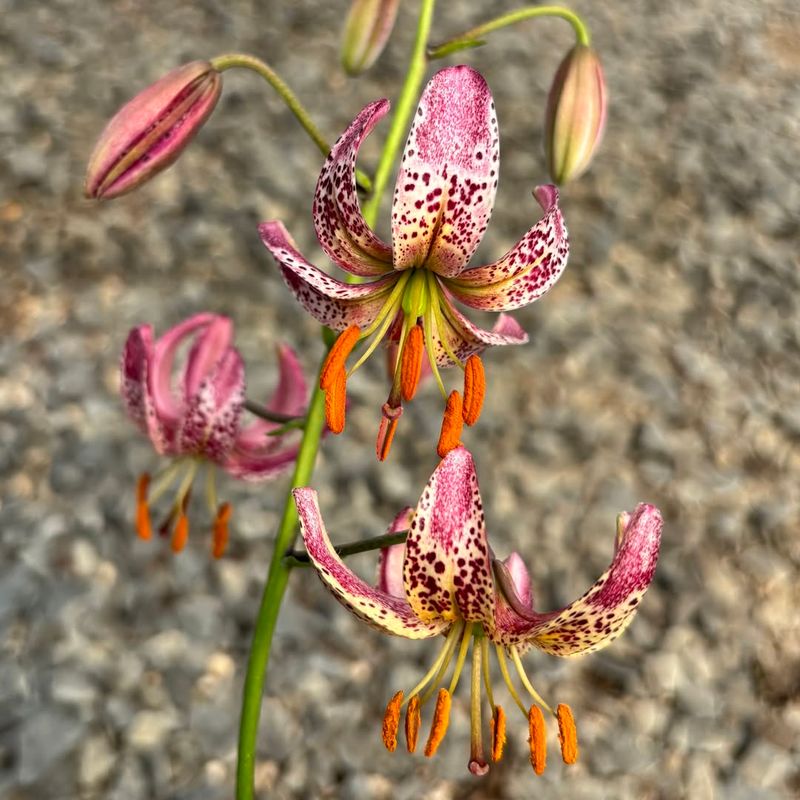
Delicate, downward-hanging flowers arranged in tiers along graceful stems give Martagon lilies an almost fairy-tale appearance. These woodland natives prefer shadier conditions than most lily types, making them perfect for Oregon gardens with mature trees or north-facing beds.
Their small, recurved flowers appear in clusters, with each stem producing twenty or more blooms in a spectacular chandelier-like arrangement.
Colors tend toward softer, more muted tones including dusty pink, lavender, maroon, and white, often with subtle spotting. While individual flowers are smaller than showy Oriental types, the overall effect of numerous blooms clustered together creates impressive visual impact.
They bloom relatively early, often starting in late May or early June in milder Oregon regions.
Patience pays off with Martagon lilies because they take a year or two to establish before blooming heavily. Once settled in, though, they’re remarkably long-lived and low-maintenance.
They actually prefer the organic-rich, slightly acidic soil common in Oregon’s forested areas, making them natural choices for woodland garden designs.
These shade-tolerant beauties work wonderfully under deciduous trees where spring sun reaches them before leaves fully emerge. They pair beautifully with hostas, ferns, and other shade-loving perennials throughout the Portland metro area and coastal regions.
Their refined appearance suits formal garden designs while still feeling at home in naturalistic plantings. Give them consistent moisture during the growing season, which isn’t usually difficult in Oregon’s climate.
6. Orienpet Lilies
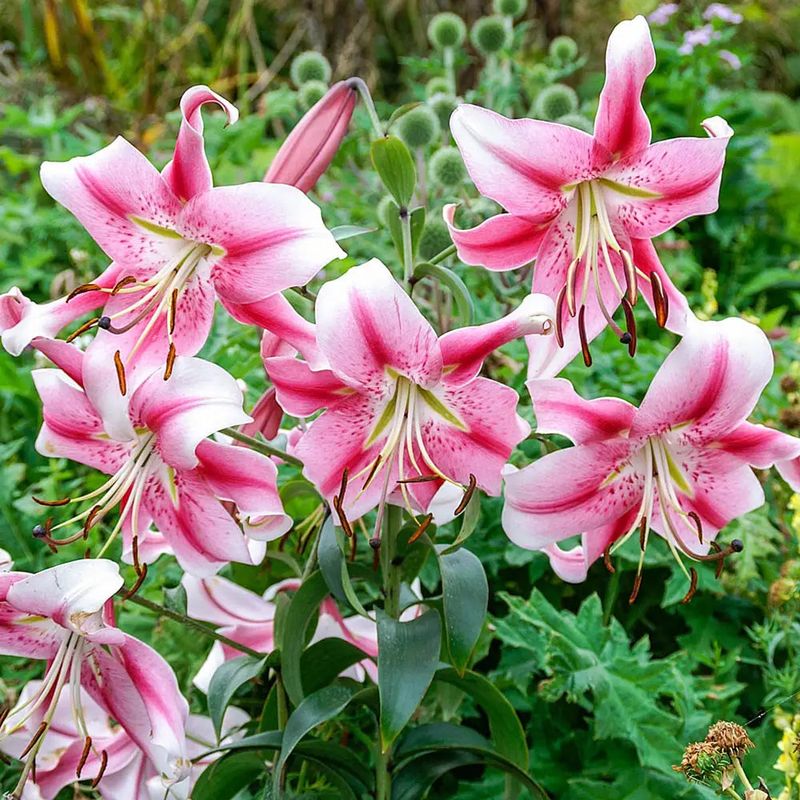
Hybridizers created something spectacular when they crossed Oriental and Trumpet lilies, resulting in Orienpet varieties that combine the best traits of both parents.
These magnificent plants produce enormous flowers up to ten inches across on stems that can reach eight feet tall in Oregon’s fertile growing conditions. Their size alone makes them standout features in any garden setting.
Fragrance from Orienpets is powerful and sweet, inherited from both parent types. Flower shapes vary from wide-open stars to slightly trumpeted forms, depending on which parent’s genes dominate.
Colors span an impressive range including vibrant yellows, rich burgundies, soft pinks, and pristine whites, often with contrasting throats or edges.
Oregon gardeners find these hybrids particularly rewarding because they’re more vigorous and disease-resistant than pure Oriental types while offering similar beauty. They bloom in mid to late summer, bridging the gap between earlier and later varieties.
Their substantial stems rarely need staking despite their impressive height, though exposed coastal gardens might benefit from support during storms.
Plant these showstoppers where they can serve as focal points or anchor plantings. Their size and presence command attention, so position them thoughtfully in your design.
They appreciate full sun but tolerate light afternoon shade, especially in hotter inland valleys. Rich soil and regular summer watering help them achieve their full spectacular potential.
Consider planting them against fences or structures that showcase their height and provide visual support for their dramatic presence.
7. LA Hybrid Lilies
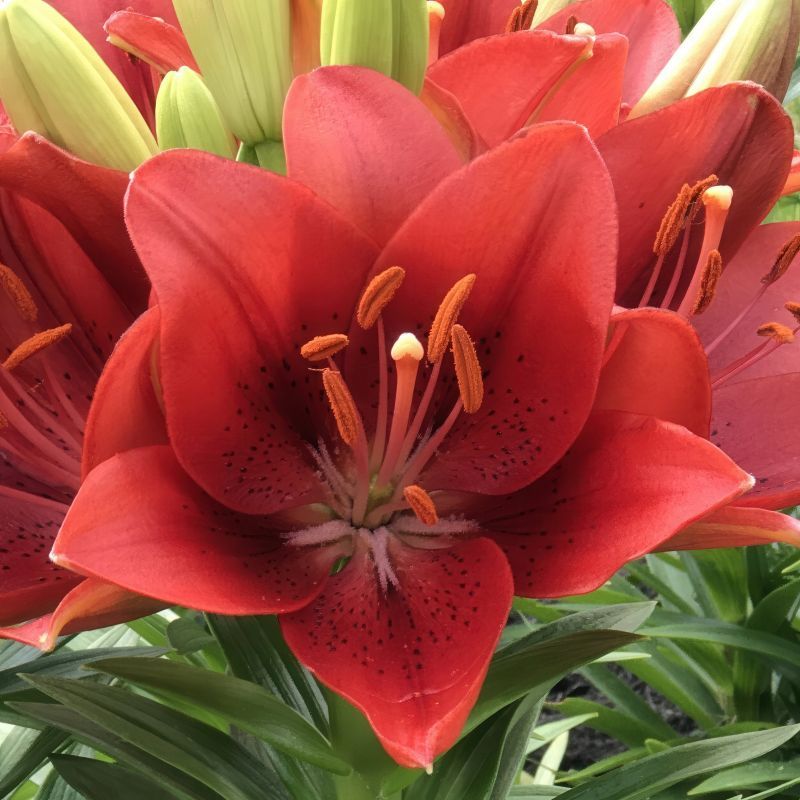
Combining Longiflorum and Asiatic lily genetics produced LA hybrids that offer larger flowers than pure Asiatics with better heat tolerance and vigor.
These relatively recent introductions have quickly become favorites among Oregon gardeners who want impressive blooms without fussy care requirements.
Their upward-facing flowers reach five to seven inches across, nearly double the size of typical Asiatic varieties.
Bloom time occurs in early to midsummer, filling your garden with color when spring bulbs have finished but before late-season perennials peak. Colors are vibrant and clear, including brilliant whites, sunny yellows, hot pinks, and deep reds.
Most varieties lack fragrance, making them ideal near doorways and windows where scent might be overwhelming.
What sets LA hybrids apart in Oregon gardens is their robust constitution. They resist viruses and fungal diseases better than many other lily types, an important consideration in our damp spring climate.
Their strong stems rarely need staking, and they multiply reliably, increasing your flower display year after year. Plants typically reach three to four feet tall, fitting well into mixed borders.
They perform beautifully throughout the Willamette Valley and in gardens west of the Coast Range where maritime influences moderate temperatures. Full sun exposure brings out their best performance, though they tolerate light shade.
Plant bulbs in well-drained soil enriched with compost, spacing them about twelve inches apart to allow for growth. Their reliability and stunning flowers make them excellent choices for cut flower gardens.