Learn How To Water Succulent Plants Properly In Your Colorado Home
Watering succulents might seem simple, but in Colorado’s dry climate, it’s easy to overdo it or underwater your plants. These hardy little plants store water in their leaves, so they don’t need constant attention, but they do need the right care.
One wrong watering habit can harm them quickly. Knowing how to water succulents properly ensures they stay plump, vibrant, and healthy year-round.
Less guesswork, more thriving plants. Whether your succulents live on a sunny windowsill or in a decorative container, timing and technique make all the difference.
Your desert-inspired plants can flourish indoors. With a few simple tips, you can master watering, prevent root rot, and keep your succulents looking their best. Healthy, happy succulents are easier than you think.
1. Use The Soak And Dry Method For Best Results
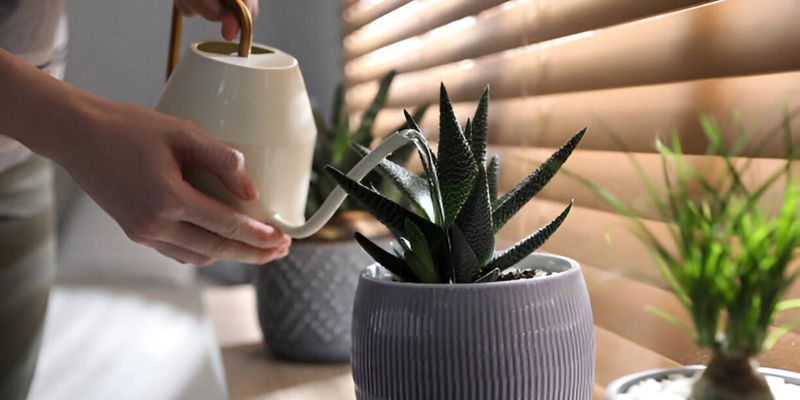
Succulents store water in their leaves and stems, which means they prefer a good drink followed by a complete drying period rather than frequent small waterings.
This approach mimics the natural rainfall patterns in desert environments where these plants originally come from.
When you water your Colorado succulents, give them enough water so it runs out through the drainage holes at the bottom of the pot, ensuring the entire root system gets moistened thoroughly.
After this thorough soaking, wait until the soil is completely dry before watering again. In Colorado’s dry climate, this might take anywhere from one to three weeks depending on the season and your home’s humidity levels.
You can test soil dryness by sticking your finger about two inches into the soil or using a moisture meter for more accuracy.
During winter months in Colorado, your heating system removes moisture from the air, but succulents grow more slowly and need less water. You might find yourself watering only once every three to four weeks during this dormant period.
Summer brings more active growth, especially with Colorado’s intense sunshine streaming through windows, so you may need to water more frequently.
The soak and dry method prevents the most common problem succulent owners face: overwatering. When soil stays constantly damp, roots cannot breathe properly and begin to rot.
This technique ensures roots get oxygen between waterings while still receiving adequate moisture.
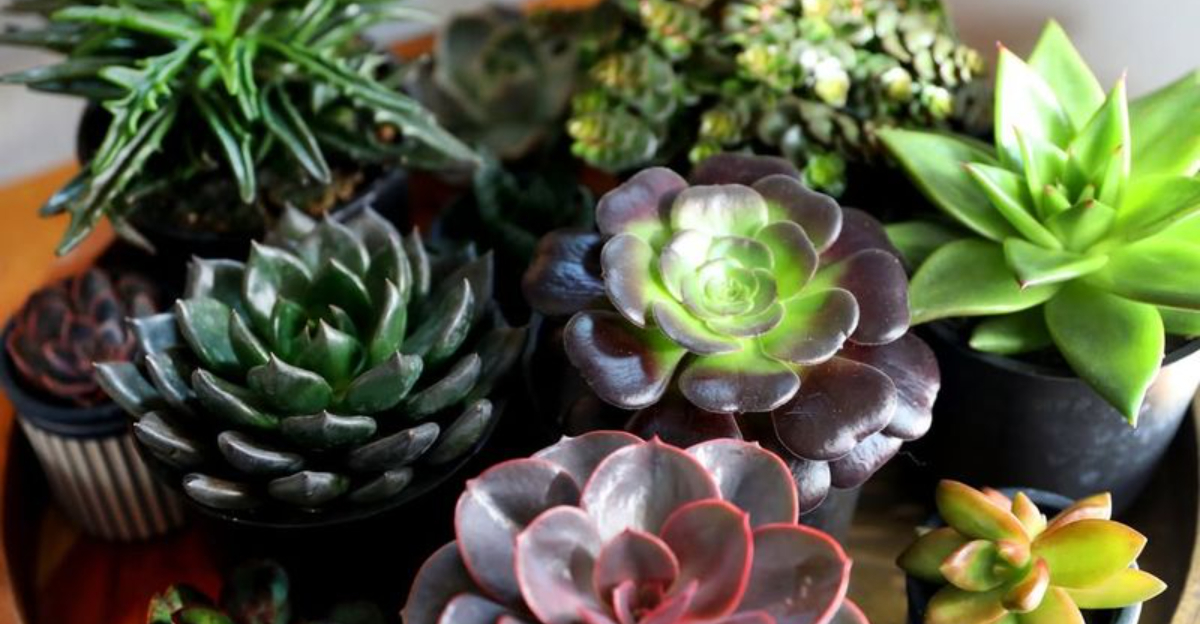
Pay attention to your specific succulent varieties, as some prefer drier conditions than others. Cacti generally need less frequent watering than softer succulents like Echeveria or Sedum.
Keep notes on your watering schedule to track what works best for each plant in your Colorado home’s unique environment.
2. Water According To Colorado’s Seasonal Changes
Colorado experiences dramatic seasonal shifts that directly impact how often your succulents need watering. Spring and summer bring longer days with intense high-altitude sunshine that speeds up water evaporation from soil.
Your succulents actively grow during these warmer months, using more water to support new leaf development and root expansion. You’ll likely find yourself watering every seven to ten days during peak growing season.
Fall arrives with cooler temperatures and shorter days, signaling your plants to slow their growth. As Colorado transitions into autumn, gradually reduce your watering frequency to match your succulents’ decreasing water needs.
Your Colorado Garden Changes Every Week. Your Plan Should Too.
Gardening in Colorado changes quickly throughout the season. Every Friday you’ll receive a simple weekly plan showing exactly what to plant, prune, fertilize, harvest, and protect so you never miss the right timing.
Watch for signs that your plants are entering dormancy, such as slower growth and less vibrant colors.
Winter in Colorado means cold outdoor temperatures and dry indoor air from heating systems running constantly. While your home’s air feels dry to you, your succulents actually need much less water during this dormant period.
Most succulents rest during winter months, conserving energy rather than producing new growth. Watering once every three to four weeks is usually sufficient, and some hardy varieties might need even less.
Early spring marks the beginning of the growing season again, so gradually increase watering as days lengthen and temperatures warm. Watch for new growth appearing at the center of your succulents as a sign they’re ready for more frequent watering.
Colorado’s unpredictable spring weather means you’ll need to stay flexible with your schedule.
Keep a simple calendar or phone reminder to track seasonal watering changes. This helps you remember to adjust your routine as Colorado’s seasons shift.
Your succulents will reward your attention with healthy growth and beautiful colors throughout the year.
3. Choose The Right Water Temperature And Quality
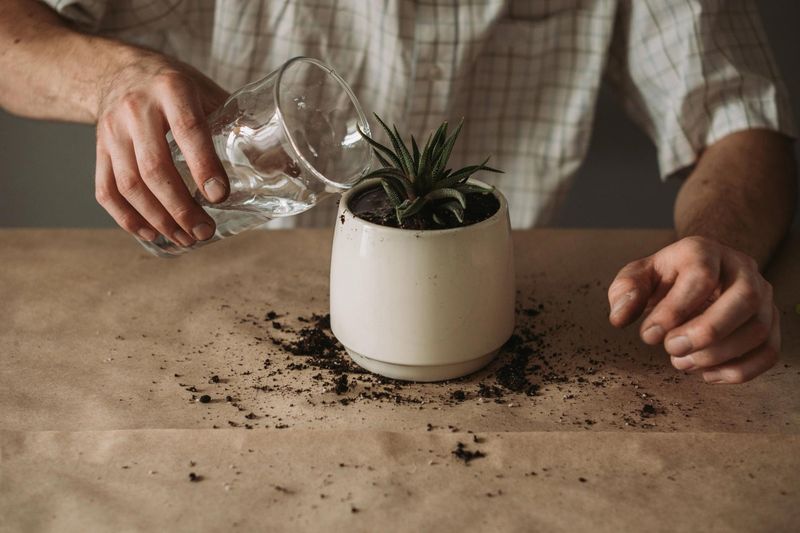
Room temperature water works best for succulents because it doesn’t shock their root systems the way cold or hot water might. Fill your watering can and let it sit for several hours before using it, which brings the water to room temperature and allows chlorine to evaporate.
Colorado’s municipal water often contains chlorine and other chemicals that dissipate when water sits out overnight.
Tap water in many Colorado areas is quite hard, meaning it contains high levels of dissolved minerals like calcium and magnesium.
While these minerals won’t immediately harm your succulents, they can build up in soil over time, creating a crusty white layer on the soil surface or pot edges.
If you notice mineral buildup, consider using filtered water or collecting rainwater during Colorado’s occasional storms.
Cold water straight from the tap can slow down root function and stress your plants, especially during winter when soil temperatures are already cooler. Warm or hot water can damage delicate root hairs and encourage bacterial growth in the soil.
Always aim for water that feels neutral to the touch, similar to the temperature of your home.
Some Colorado residents use softened water in their homes, but this isn’t ideal for succulents. Water softeners replace calcium and magnesium with sodium, which can accumulate in soil and harm plant roots over time.
If your home has a water softener, try to access unsoftened water from an outdoor spigot or use bottled water for your plants.
Rainwater is perfect for succulents when you can collect it, as it’s naturally soft and free from chemicals.
Set out a clean container during Colorado’s spring and summer thunderstorms to gather this free resource. Your succulents will appreciate the pure water, and you’ll save a bit on your water bill too.
4. Master Bottom Watering Techniques For Healthier Roots
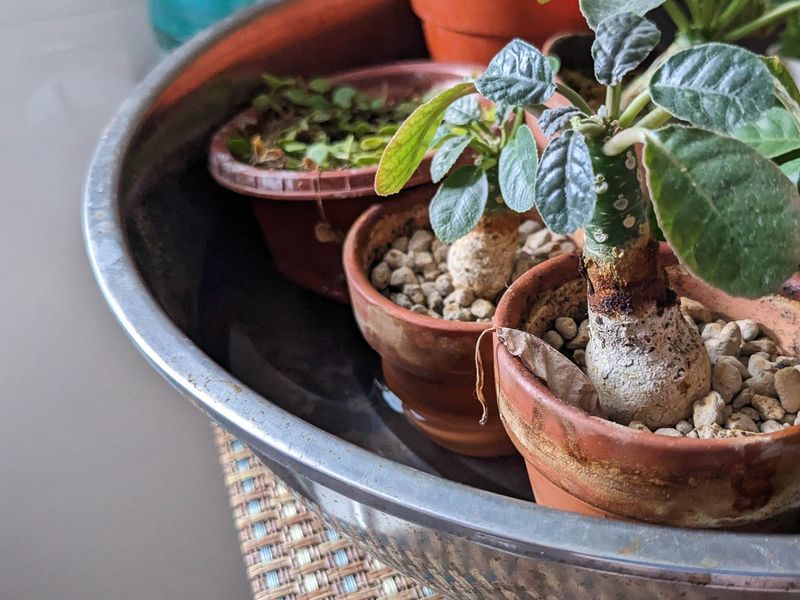
Bottom watering delivers moisture directly to the roots while keeping leaves and stems dry, which helps prevent rot and fungal issues.
Place your potted succulent in a shallow tray or bowl filled with about an inch of water, making sure the water level reaches the bottom of the pot but doesn’t come up over the sides.
The soil will gradually absorb water through the drainage holes, pulling moisture upward through capillary action.
Let your succulent sit in the water for about 10 to 15 minutes, checking the soil surface to see when moisture reaches the top layer. Once you see dampness at the surface or feel moisture when you touch the soil, remove the pot from the water tray.
This method ensures water reaches deep roots without oversaturating the soil or leaving water sitting on the surface.
Bottom watering works especially well in Colorado homes where low humidity causes top soil to dry quickly and crust over. When soil develops a hard surface layer, water poured from above might run off the sides without penetrating properly.
Bottom watering solves this problem by forcing water to move through the entire soil column from below.
This technique also reduces the risk of getting water on succulent leaves, which can cause spotting or rot, especially with fuzzy varieties that trap moisture.
Colorado’s intense sunshine can magnify water droplets on leaves like tiny lenses, potentially causing burn spots. Keeping foliage dry protects your plants from these issues.
Use bottom watering once every few weeks as part of your regular routine, alternating with top watering if you prefer. Some succulent enthusiasts in Colorado use this method exclusively with great results.
Experiment to find what works best for your plants and schedule, paying attention to how your succulents respond to different watering approaches.
5. Watch For Plant Signals That Indicate Watering Needs
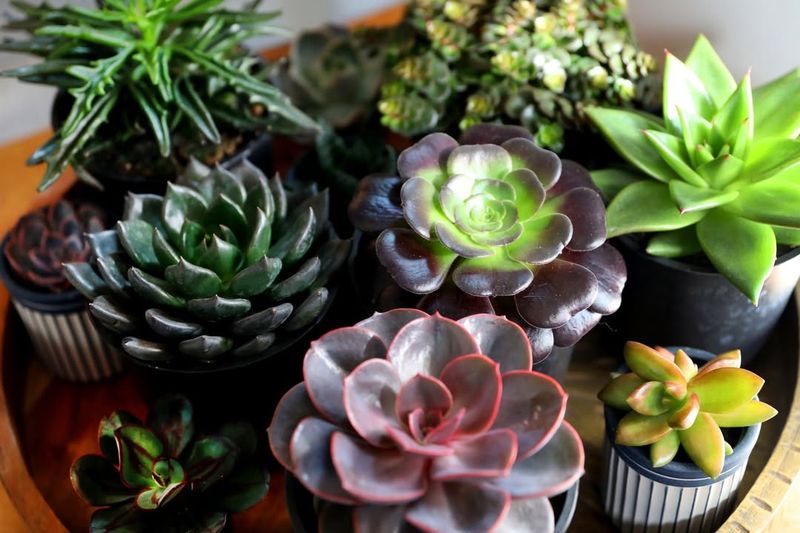
Your succulents communicate their water needs through visible changes in appearance and texture. Wrinkled or puckered leaves often signal that your plant needs water, as the stored moisture in the leaves has been used up.
Gently squeeze a lower leaf between your fingers; if it feels soft and flexible rather than firm and plump, it’s time to water. This hands-on approach helps you develop an intuitive sense of your plants’ needs.
Leaves that look thin or deflated have lost their normal water content and need replenishing. In Colorado’s dry air, you might notice these signs appearing more quickly than in humid climates.
However, don’t confuse natural leaf reabsorption with dehydration. Succulents often absorb lower leaves to conserve resources, which is completely normal and doesn’t require extra watering.
Drooping or limp leaves can indicate either too much or too little water, so check the soil before deciding what to do. If the soil is bone dry and leaves are droopy, your plant needs water.
If the soil is wet and leaves are mushy or translucent, you’ve been watering too much and should let the soil dry completely before watering again.
Healthy succulents in Colorado homes display firm, plump leaves with vibrant colors and upright growth.
Some varieties develop stress colors like pink, red, or purple tips when they’re getting ideal amounts of light and water. These colors are desirable and show your plant is thriving, not struggling.
Changes in growth patterns also provide clues about watering. Stretched, elongated growth usually indicates insufficient light rather than water issues, while stunted growth might mean you’re watering too frequently.
Learn to read your specific plants by observing them regularly and noting how they respond to your watering schedule adjustments throughout different Colorado seasons.
6. Adjust Watering Based On Pot Size And Material
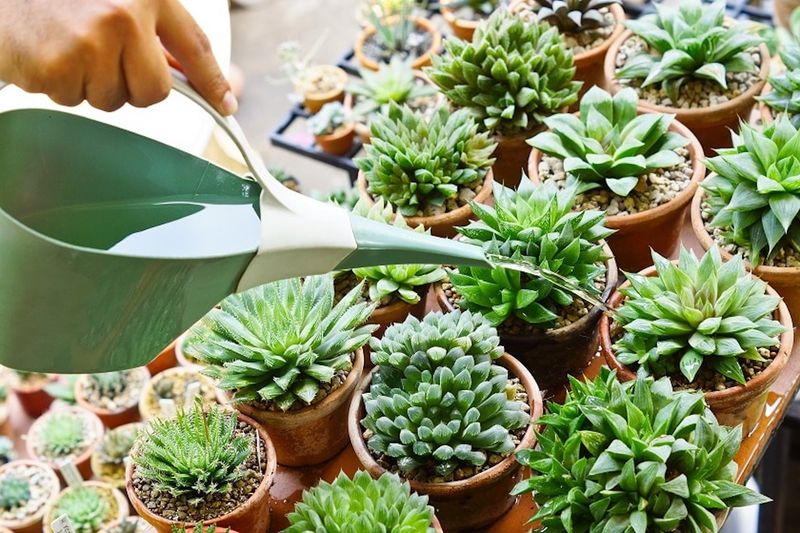
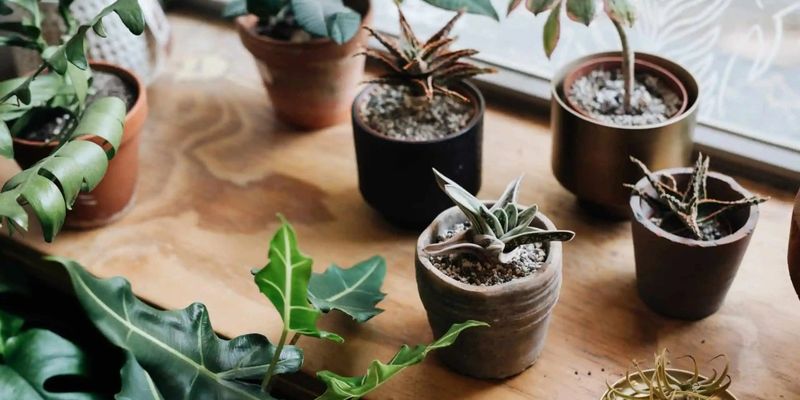
The container you choose for your succulents dramatically affects how often you need to water in Colorado’s dry climate. Terracotta pots are porous and allow moisture to evaporate through the sides, which means soil dries faster than in plastic or glazed ceramic containers.
If you use terracotta in your Colorado home, expect to water more frequently, perhaps every five to seven days during active growing season.
Plastic pots retain moisture much longer because they’re not porous, so water only escapes through evaporation at the soil surface and through drainage holes. Succulents in plastic containers might need watering only once every two weeks or longer.
Glazed ceramic pots fall somewhere between terracotta and plastic in terms of moisture retention, depending on how thick the glaze is and whether it covers the entire pot.
Pot size matters just as much as material when determining watering frequency. Small pots dry out quickly because they hold less soil, which means less water storage capacity.
Large pots hold more soil that stays moist longer, sometimes too long for succulents that prefer drier conditions. Choose pot sizes that match your plant’s root system, leaving just an inch or two of space around the roots.
Always ensure your pots have drainage holes regardless of material or size. Without drainage, excess water has nowhere to go and will sit around roots, creating problems.
If you love a decorative pot without holes, use it as an outer cover and keep your succulent in a smaller pot with drainage inside.
Colorado’s low humidity means even moisture-retaining pots will dry faster than in other climates. Monitor your specific pots and plants to determine the best schedule.
Keep notes about which containers dry fastest in your home so you can develop a customized watering routine that keeps all your succulents happy and healthy throughout the year.