8 Wildflowers You Can Plant From Seed This January In Arizona
January might feel quiet in your Arizona garden, but it’s actually the perfect month to get a jump start on wildflowers. Planting seeds now gives them time to establish roots before spring, resulting in vibrant blooms that brighten your yard.
Start early, enjoy color sooner! Arizona’s sunny climate makes it ideal for hardy wildflowers that thrive with minimal fuss.
Fast-growing beauty is just a seed away. From bold, colorful blooms to delicate, swaying petals, these wildflowers can transform any garden into a lively, natural oasis.
Small seeds, big impact! Whether you’re a seasoned gardener or just getting started, planting in January sets you up for success. Your garden can burst with color before the season even heats up.
1. Desert Marigold
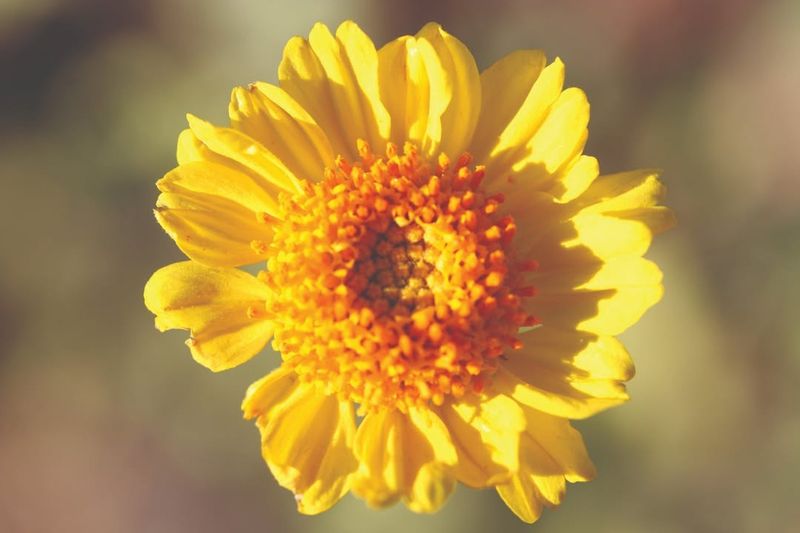
Golden yellow blooms make Desert Marigold one of the most cheerful wildflowers you can grow in Arizona. This hardy native thrives in the desert climate and produces bright, daisy-like flowers that last for months.
Planting seeds in January allows them to germinate during the cooler weather, giving young plants a head start before spring arrives. Desert Marigold is incredibly forgiving and adapts well to poor soils, making it perfect for beginner gardeners.
Once established, this wildflower requires very little water and can handle Arizona’s intense summer sun with ease. The plants grow low to the ground, reaching about 12 to 18 inches tall, and spread nicely to create a carpet of color.
They bloom from spring through fall, attracting butterflies and native bees to your garden. Desert Marigold also reseeds itself readily, so you may enjoy new plants year after year without extra effort.
To plant Desert Marigold seeds, scatter them directly onto prepared soil and lightly press them down. They need sunlight to germinate, so avoid covering them with too much soil.
Water gently to keep the soil moist until seedlings emerge, usually within two to three weeks. This wildflower is a true Arizona champion, offering long-lasting beauty and minimal maintenance for gardeners throughout the state.
2. Mexican Gold Poppy
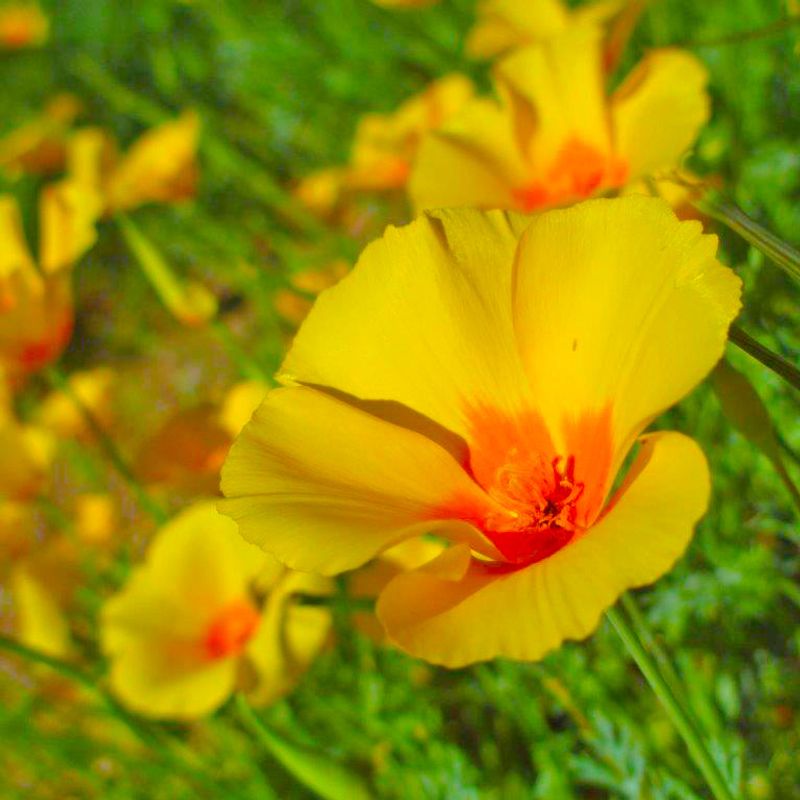
Few wildflowers can match the stunning orange brilliance of Mexican Gold Poppy when it blankets Arizona hillsides each spring. These delicate, four-petaled flowers create breathtaking displays that draw admirers from across the region.
January is the perfect month to sow these seeds in Arizona, as they need cool weather to germinate properly. The plants prefer full sun and well-drained soil, making them ideal for desert gardens and natural landscapes alike.
Mexican Gold Poppy grows quickly once temperatures warm up, reaching heights of 12 to 16 inches. The flowers open during sunny days and close at night or during cloudy weather, creating an ever-changing display.
This wildflower is drought-tolerant once established but benefits from occasional watering during the growing season. It attracts various pollinators and adds a vibrant splash of color that contrasts beautifully with Arizona’s earthy desert tones.
Sowing Mexican Gold Poppy seeds is simple and straightforward. Scatter them over loosened soil and rake lightly to ensure good seed-to-soil contact.
These seeds don’t need to be buried deeply. Keep the soil lightly moist until germination occurs, which typically happens within 10 to 14 days.
Your Arizona Garden Changes Every Week. Your Plan Should Too.
Gardening in Arizona changes quickly throughout the season. Every Friday you’ll receive a simple weekly plan showing exactly what to plant, prune, fertilize, harvest, and protect so you never miss the right timing.
This wildflower completes its lifecycle quickly, blooming in early spring and setting seed before the hottest months arrive, making it perfectly adapted to Arizona’s climate patterns.
3. Lupine
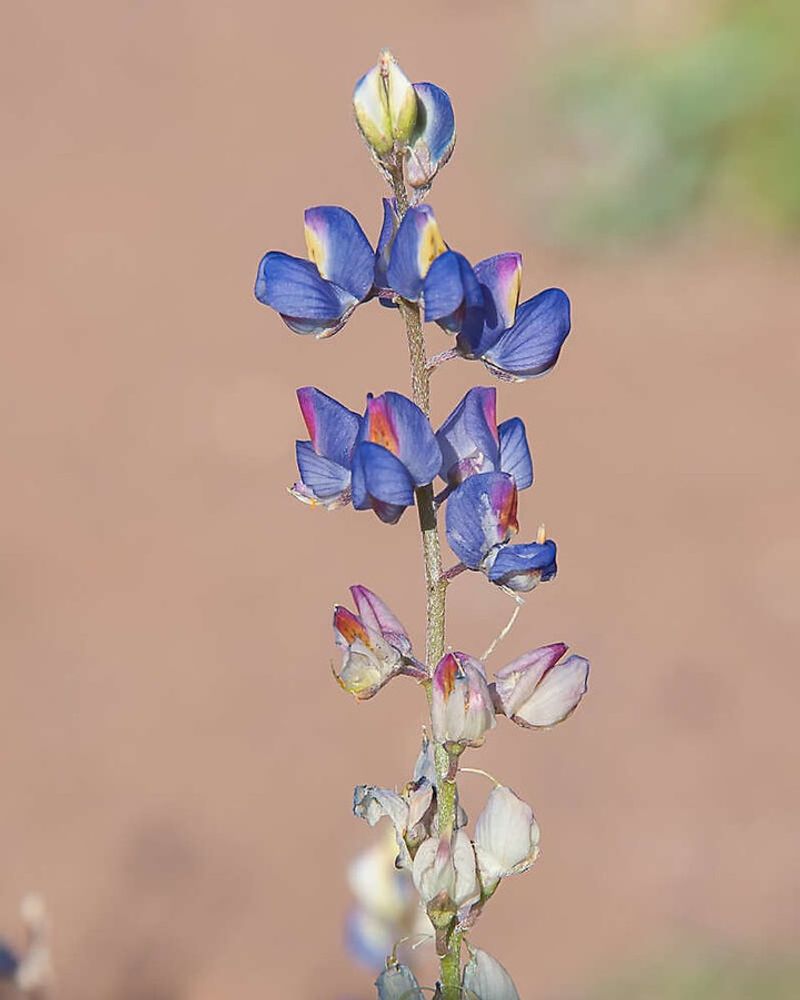
Tall spikes of purple, blue, pink, or white flowers make Lupine a showstopper in any Arizona wildflower garden. This stunning plant produces dense clusters of pea-like blooms that stand proudly above attractive palmate leaves.
Starting Lupine seeds in January gives them the cool stratification period they often need to germinate successfully. Arizona gardeners can enjoy several native and adapted Lupine species that thrive in the state’s diverse climates, from low deserts to mountain regions.
Lupines are nitrogen-fixing plants, meaning they actually improve soil quality as they grow by adding beneficial nutrients. They typically reach 1 to 3 feet tall depending on the variety and bloom from late winter through spring.
These wildflowers prefer full sun to partial shade and need well-drained soil to prevent root problems. Lupines attract bumblebees and other important pollinators, making them valuable additions to wildlife-friendly gardens across Arizona.
Before planting Lupine seeds, scarify them by gently rubbing them with sandpaper or soaking them overnight to improve germination rates. Plant seeds about half an inch deep in prepared soil and water regularly until seedlings establish.
Lupines develop deep taproots, so they don’t transplant well once established. Direct seeding in January allows plants to develop strong root systems before flowering begins, ensuring healthy, vigorous growth throughout the season in Arizona gardens.
4. Desert Bluebells
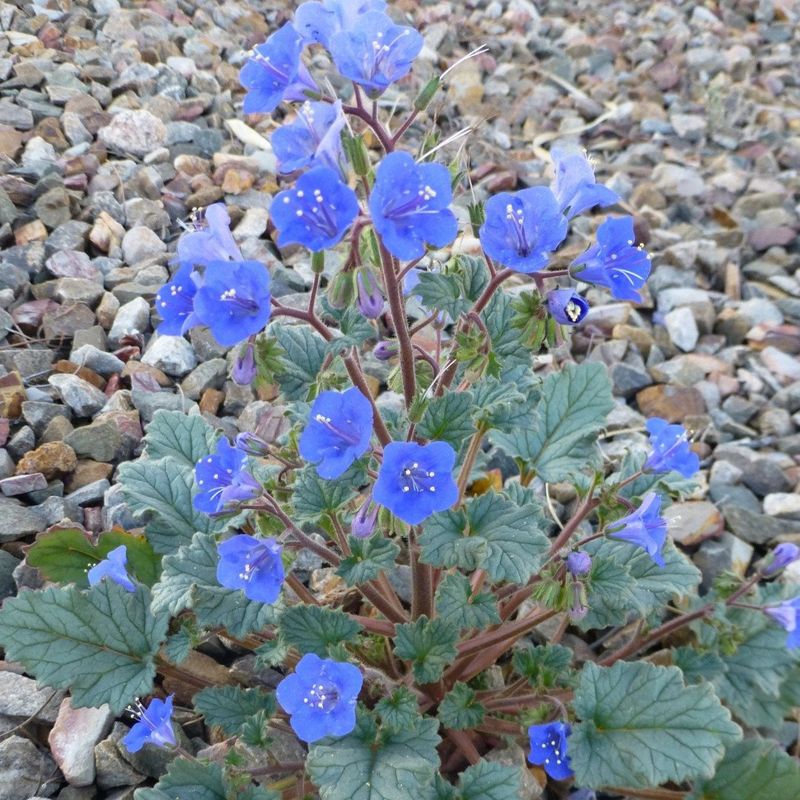
Delicate tubular flowers in shades of blue and purple make Desert Bluebells a favorite among Arizona wildflower enthusiasts. This charming native plant produces clusters of bell-shaped blooms that dangle gracefully from slender stems.
January planting allows seeds to take advantage of winter moisture and cooler temperatures, which are essential for proper germination. Desert Bluebells typically grow 1 to 2 feet tall and create lovely displays when planted in groups or drifts.
What makes Desert Bluebells particularly interesting is their color-changing blooms. Flowers often start as pink or purple buds, then open to reveal brilliant blue petals that fade to lighter shades as they age.
This creates a multicolored effect that adds visual interest to your garden. The plants bloom from February through May across Arizona, depending on elevation and local weather conditions.
They’re especially attractive to hummingbirds and long-tongued bees that can reach the nectar inside the tubular flowers.
Plant Desert Bluebell seeds by scattering them on the soil surface and pressing them gently into contact with the earth. These seeds need light to germinate, so don’t bury them too deeply.
Keep the planting area consistently moist until seedlings appear, usually within two to three weeks.
Once established, Desert Bluebells are relatively drought-tolerant but appreciate occasional watering during dry spells. They perform best in full sun to light shade throughout Arizona.
5. Arizona Poppy
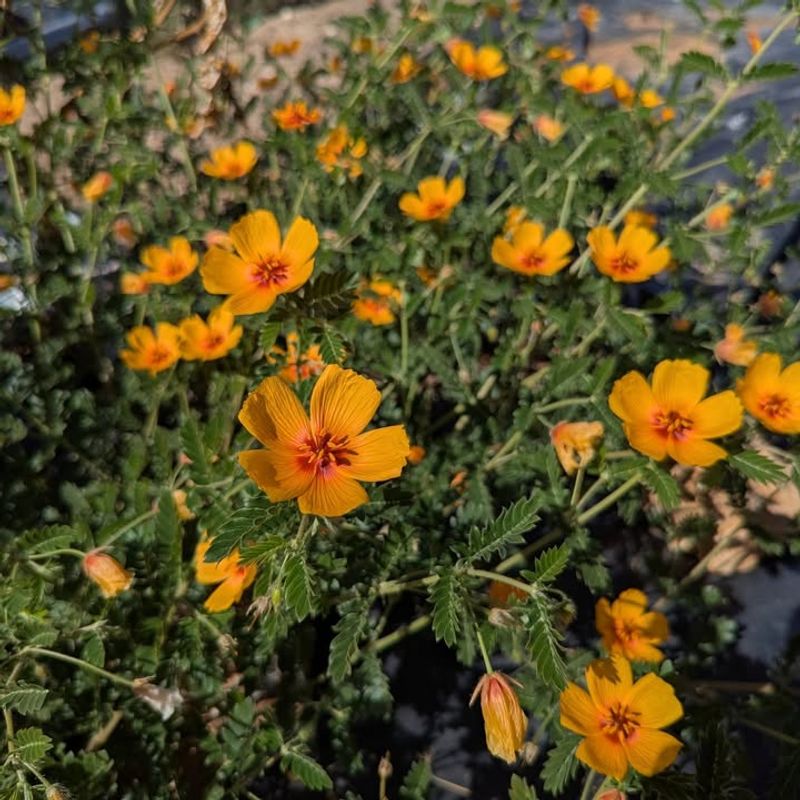
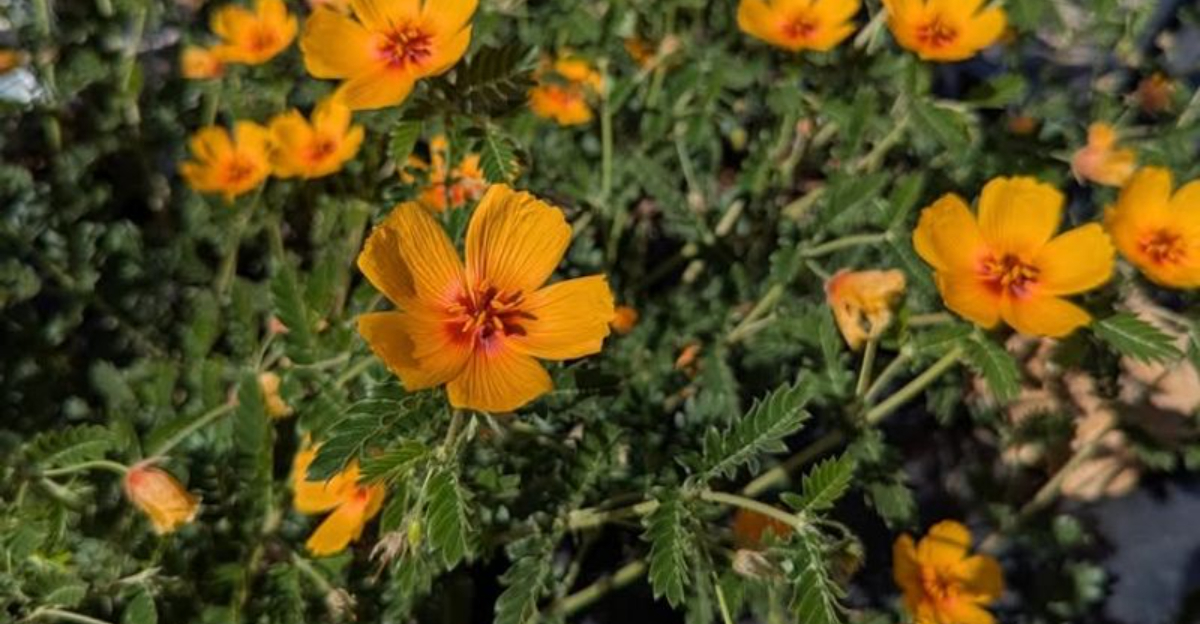
Bright yellow petals with distinctive orange centers distinguish Arizona Poppy from other wildflowers in the region. This native beauty produces cheerful, cup-shaped blooms that seem to glow in the Arizona sunshine.
Unlike its cousin the Mexican Gold Poppy, Arizona Poppy features contrasting colors that create striking visual appeal.
Planting seeds in January ensures they experience the cool temperatures needed for germination while giving plants time to establish before warmer weather arrives.
Arizona Poppy plants grow low and spreading, typically reaching 8 to 12 inches in height. They bloom prolifically from March through May, creating carpets of golden yellow across the landscape.
This wildflower is perfectly adapted to Arizona’s desert conditions and requires minimal water once established. The flowers attract various pollinators and provide important nectar sources during the spring blooming season.
Arizona Poppy works wonderfully in rock gardens, along pathways, or mixed with other native wildflowers.
Sowing Arizona Poppy seeds is straightforward and requires little effort. Scatter seeds over prepared, well-drained soil and lightly rake them in.
These seeds shouldn’t be buried deeply, as they need some light exposure to germinate properly. Water gently to settle the seeds and keep the soil surface lightly moist until sprouts appear, typically within 7 to 14 days.
This wildflower completes its lifecycle quickly, setting seed before summer heat becomes intense, making it ideally suited for Arizona’s climate throughout the state.
6. Globemallow
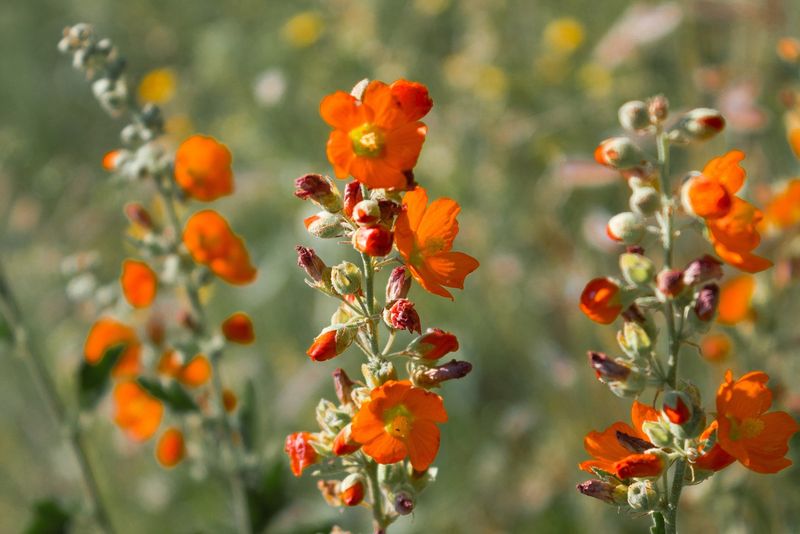
Vibrant coral-orange flowers clustered along tall stems make Globemallow an eye-catching addition to Arizona gardens. This tough native wildflower produces hibiscus-like blooms that attract hummingbirds, butterflies, and native bees throughout the growing season.
January is an excellent time to plant Globemallow seeds in Arizona, as the cooler weather helps with germination and establishment. Several species grow throughout the state, adapted to different elevations and conditions, making Globemallow versatile for various garden situations.
Globemallow plants are incredibly drought-tolerant once established and can handle Arizona’s hottest summers without complaint. They typically grow 2 to 4 feet tall and bloom from spring through fall if given occasional water.
The gray-green foliage provides interesting texture even when plants aren’t flowering. Globemallow spreads slowly through underground rhizomes, eventually forming attractive clumps.
It’s one of the most reliable perennial wildflowers for Arizona gardens, returning year after year with minimal care or attention.
To plant Globemallow seeds, scatter them on loosened soil and lightly cover with no more than a quarter inch of soil. These seeds benefit from good soil contact but still need some light to germinate.
Water regularly to keep soil moist until seedlings emerge, which usually takes two to four weeks. Once established, reduce watering and let plants adapt to natural rainfall patterns.
Globemallow thrives in full sun and well-drained soil throughout Arizona, from low deserts to higher elevations.
7. Desert Zinnia
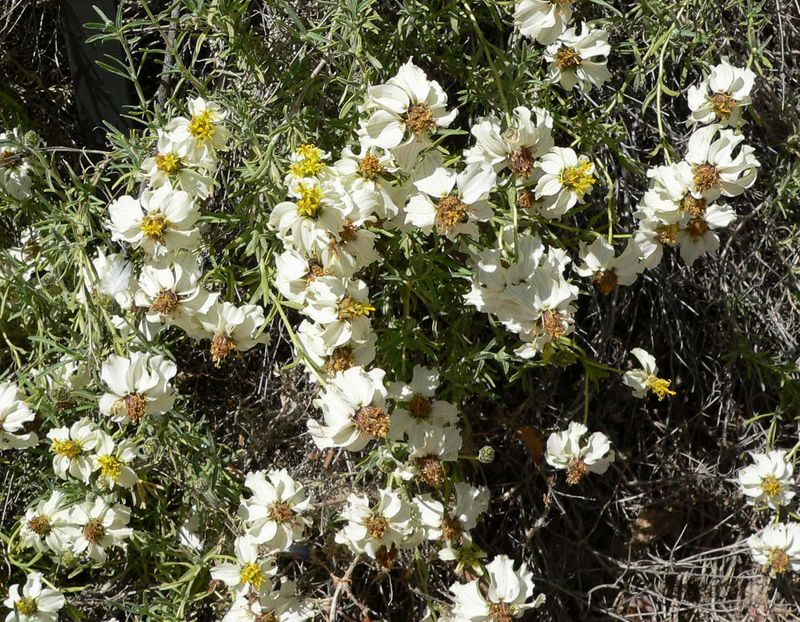
Cheerful white or pale yellow flowers with papery petals characterize Desert Zinnia, a resilient Arizona native. This low-growing wildflower creates dense mounds covered with small blooms that brighten desert landscapes from spring through fall.
Planting seeds in January allows Desert Zinnia to establish strong root systems before the growing season begins in earnest. The plants typically reach 4 to 10 inches tall and spread wider than they are tall, creating attractive ground cover.
Desert Zinnia is one of the toughest wildflowers you can grow in Arizona, tolerating extreme heat, drought, and poor soils with remarkable resilience. The flowers may look delicate, but the plants are incredibly hardy.
They require virtually no supplemental water once established and bloom most prolifically during Arizona’s hottest months when many other plants struggle.
Desert Zinnia attracts small butterflies and native bees, adding life and movement to your garden while supporting local pollinator populations.
Sowing Desert Zinnia seeds is easy and forgiving. Scatter them over prepared soil and press them lightly into the surface without covering them completely.
These seeds need light to germinate successfully. Keep the planting area lightly moist until seedlings appear, usually within one to two weeks.
Once plants are established, they need almost no care and will often reseed themselves for future seasons. Desert Zinnia works beautifully in rock gardens, along borders, or anywhere you want low-maintenance color throughout Arizona.
8. Firewheel
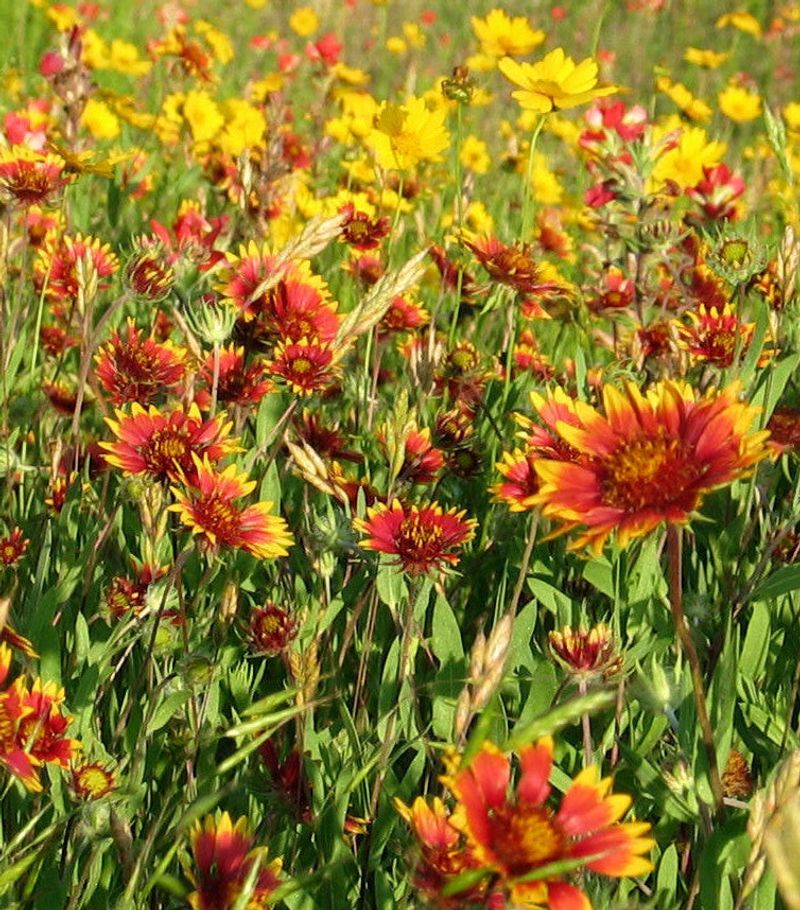
Bold red petals tipped with yellow create the distinctive pinwheel pattern that gives Firewheel its common name. This showy wildflower, also known as Indian Blanket, produces large, daisy-like blooms that stand out dramatically in any Arizona garden.
January planting gives Firewheel seeds the cool period they need for germination while allowing plants to develop before spring flowering begins. The plants grow 1 to 2 feet tall with multiple branching stems that produce numerous flowers throughout the season.
Firewheel is native to much of the southwestern United States and thrives in Arizona’s climate. The flowers attract butterflies, bees, and other beneficial insects, making them valuable for pollinator gardens.
Plants bloom from late spring through summer and are remarkably heat-tolerant once established. Firewheel also makes excellent cut flowers, bringing their vibrant colors indoors.
The blooms are long-lasting both on the plant and in arrangements, providing weeks of enjoyment across Arizona gardens.
Plant Firewheel seeds by scattering them on loosened, well-drained soil and lightly raking them in. Cover seeds with no more than a quarter inch of soil, as they need some light exposure to germinate.
Water regularly to keep soil moist until seedlings emerge, typically within 10 to 21 days. Once established, Firewheel is drought-tolerant but blooms more abundantly with occasional watering during dry periods.
This wildflower prefers full sun and adapts well to various soil types throughout Arizona, making it an easy choice for gardeners statewide.