7 Toxic Plants In Oregon Gardens You Should Avoid Touching
Gardens are full of beautiful plants, but not everything growing in your yard is friendly to bare hands. In Oregon, several common plants can cause skin irritation, rashes, or mild reactions if handled carelessly.
Knowing which plants deserve a little extra caution helps protect you, your family, and your pets while still letting you enjoy gardening.
Some plants look completely harmless with colorful flowers or soft leaves, which makes accidental contact easy. Others may only cause mild irritation, while a few can cause stronger reactions if sap gets on your skin or if parts are eaten.
Learning to recognize these plants lets you garden with confidence instead of worry.
From shrubs to perennials and popular ornamentals, awareness goes a long way. Here are seven plants that are best handled carefully so you can keep your Oregon garden beautiful, safe, and stress-free.
1. Poison Oak
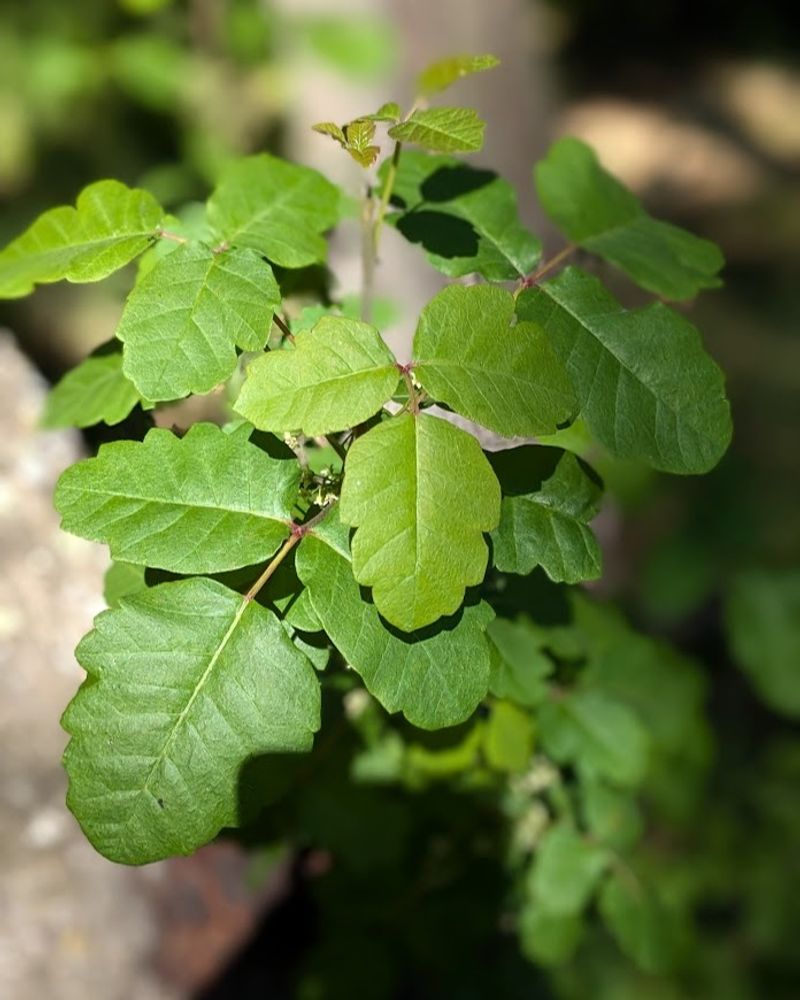
If you live or garden anywhere near natural areas in Oregon, poison oak is something you’re very likely to encounter. It commonly grows along forest edges, trails, fence lines, and open fields, and it often sneaks into yards that border wooded spaces.
Sometimes it grows as a low shrub, while other times it climbs fences or trees, making it harder to spot at first glance.
The leaves usually grow in groups of three and can appear glossy or slightly waxy. During fall, they turn bright shades of red and orange, which many people mistake for harmless fall color.
What makes poison oak problematic is the oily substance called urushiol found in all parts of the plant. This oil easily transfers to skin, clothing, tools, shoes, and even pet fur.
Once on the skin, it can trigger an allergic reaction in many people.
Several hours or even days later, an itchy rash with bumps or blisters may develop. The rash may appear to spread over time, but this usually happens because oil remained on clothing or different areas were exposed at different times.
Wearing long sleeves, gloves, and pants helps reduce risk when gardening near wild areas. If contact is suspected, washing exposed skin quickly with cool water and soap can help remove the oil.
Pets should also be kept away since they can carry the oil back to you on their fur. If symptoms become severe, medical advice should be sought.
2. Giant Hogweed
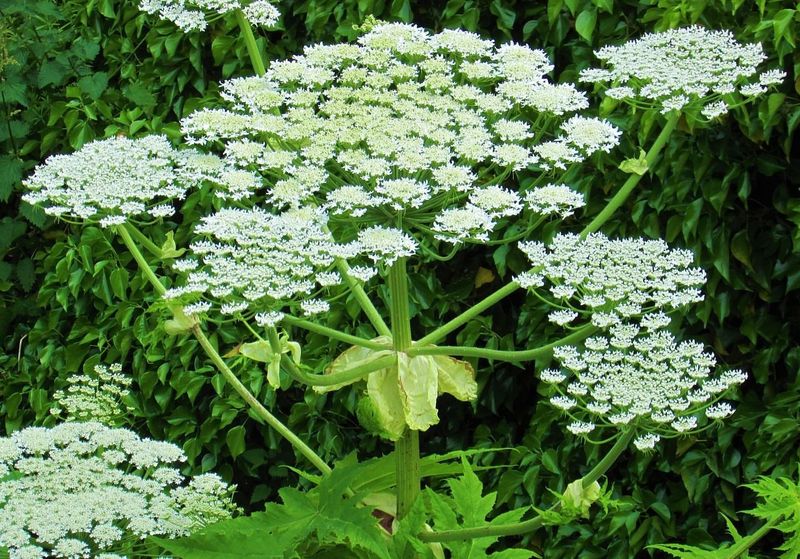
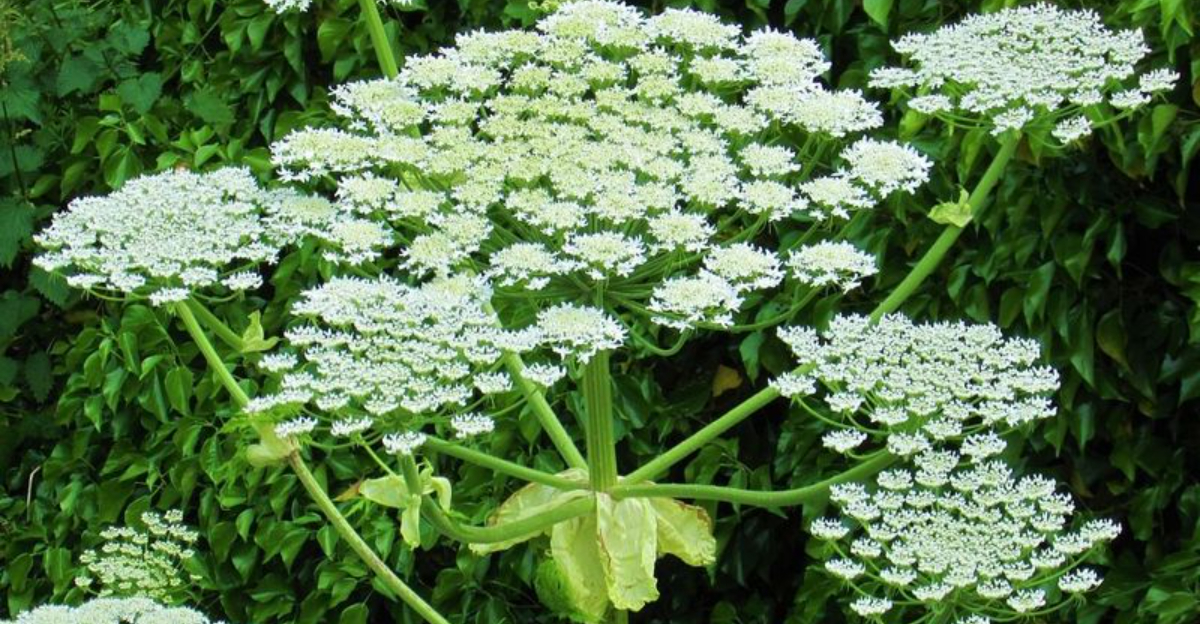
One of the most eye-catching and potentially harmful plants that occasionally appears in Oregon is giant hogweed. This invasive species can grow well over 10 feet tall and produces massive umbrella-shaped clusters of white flowers that are impossible to miss.
Its thick hollow stems and oversized leaves make it look impressive, but it’s a plant that should never be handled casually.
Giant hogweed is most often found along roadsides, stream banks, ditches, and moist open areas. While it’s not common in most home gardens, it sometimes spreads onto rural properties or is mistaken for similar-looking native plants.
The real danger comes from the clear sap inside the stems and leaves. When this sap touches skin and is then exposed to sunlight, it can cause a reaction known as phytophotodermatitis.
Your Oregon Garden Changes Every Week. Your Plan Should Too.
Gardening in Oregon changes quickly throughout the season. Every Friday you’ll receive a simple weekly plan showing exactly what to plant, prune, fertilize, harvest, and protect so you never miss the right timing.
This leads to painful redness, blistering, and burns that can resemble severe sunburn or second-degree burns.
Symptoms may appear within hours or days and can leave long-lasting dark marks or scarring. Because of this risk, homeowners should never attempt to remove giant hogweed without professional help.
If sap contacts skin, washing immediately with soap and water and covering the area to block sunlight is important. In Oregon, suspected sightings should be reported through official invasive species reporting channels so trained crews can handle removal safely.
3. Foxglove
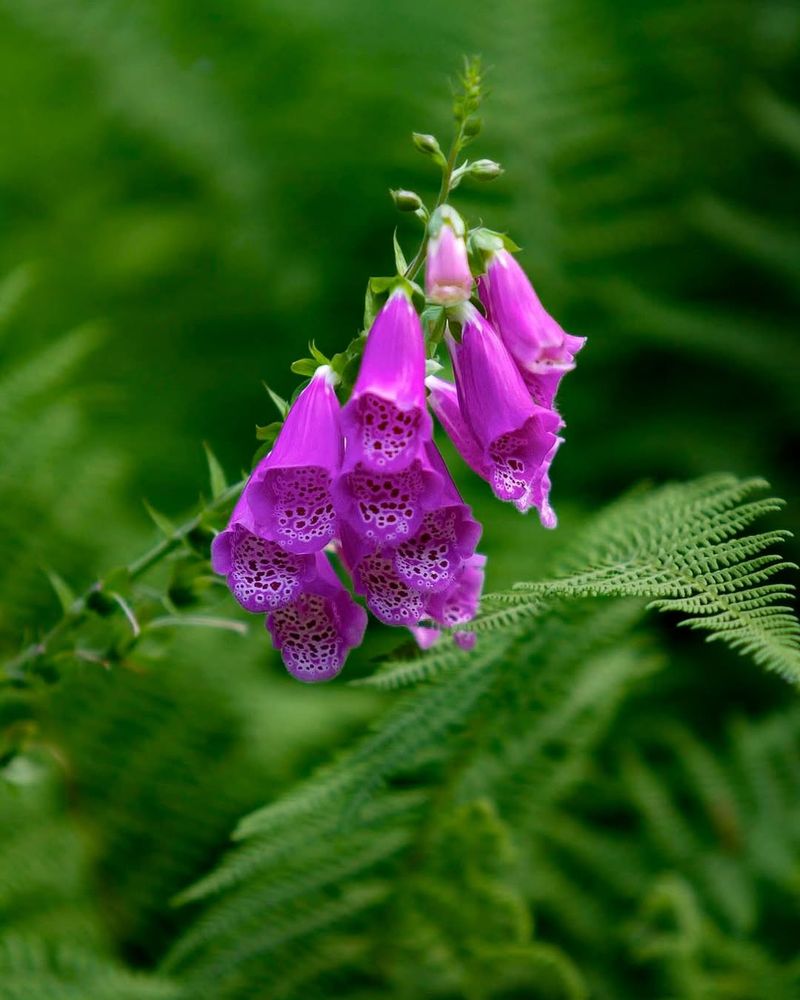
Tall spikes covered in bell-shaped flowers are a familiar sight in many Oregon gardens, and they often belong to foxglove.
This popular ornamental plant thrives in cottage gardens, shaded borders, and woodland-style landscapes where it reseeds easily and creates dramatic color displays.
With its soft fuzzy leaves and bright blooms in shades of purple, pink, white, and yellow, foxglove looks harmless and inviting. However, every part of this plant contains natural toxins that can affect the heart if swallowed.
While ingestion is the main concern, handling foxglove can also cause mild skin irritation in some people. Sap contact or repeated exposure may lead to redness, itching, or contact dermatitis, especially for those with sensitive skin or small cuts on their hands.
Because foxglove toxicity is more dangerous for children and pets, it’s important to be mindful of where it’s planted. Curious toddlers and animals are more likely to put plant material in their mouths.
Wearing gloves when pruning, transplanting, or removing foxglove is a simple precaution. Washing hands thoroughly after gardening is also a good habit.
If foxglove is part of your landscape, placing it in areas that are less accessible to kids and pets can help reduce risk. Any suspected ingestion should be treated as urgent and reported to Poison Control right away.
4. Oleander
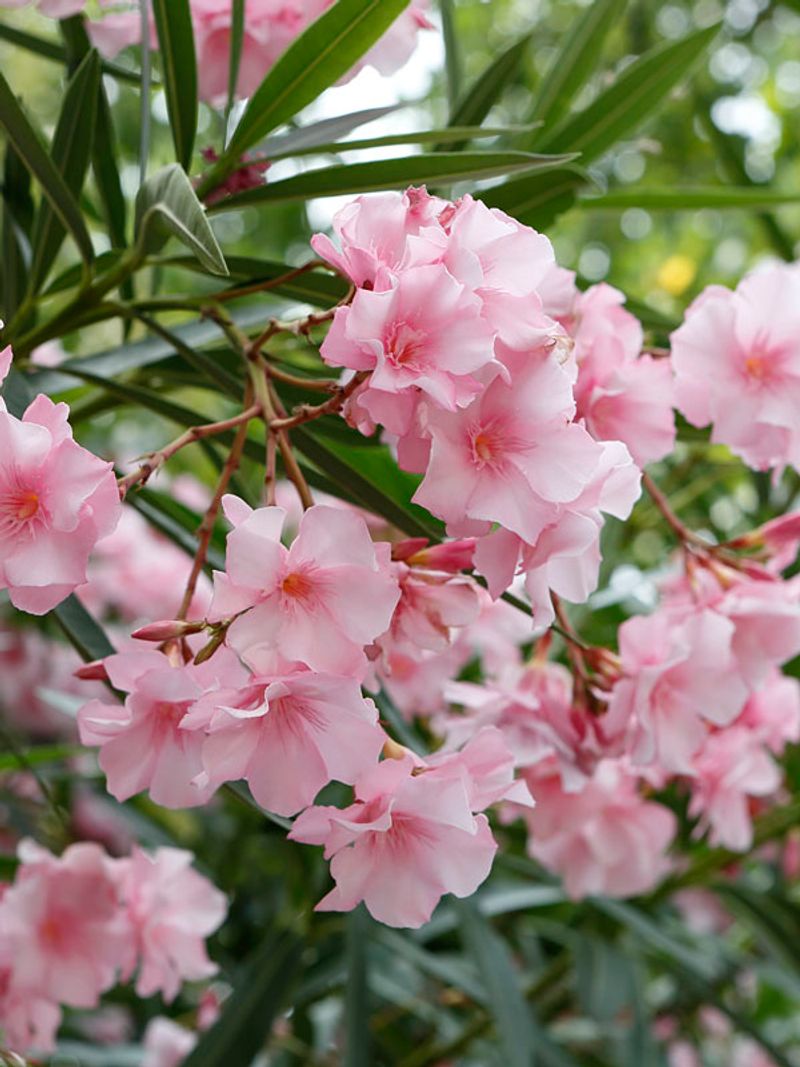
In protected and warmer microclimates around Oregon, thick evergreen shrubs with clusters of colorful summer flowers often turn out to be oleander.
These plants are commonly used as hedges, privacy screens, or decorative accents around patios and walkways because they stay green year-round and bloom heavily during the growing season.
Oleander flowers can appear in shades of pink, white, red, or yellow, making them very attractive to homeowners. Despite their beauty, all parts of the plant contain powerful toxins that can be dangerous if eaten.
While ingestion is the primary risk, the milky sap released when branches are cut or broken can also irritate skin and eyes. Some people develop rashes or mild allergic reactions after pruning without protection.
Even water that cut oleander branches have been soaking in may contain plant toxins. For this reason, it’s important to handle clippings carefully and avoid unnecessary contact.
Wearing gloves and long sleeves during trimming can help prevent skin exposure. Oleander clippings should never be burned, and children and pets should be kept far away from the plant.
If sap contacts skin, washing thoroughly with soap and water is recommended. Any signs of illness or suspected ingestion should be treated as a medical emergency.
5. Castor Bean Plant
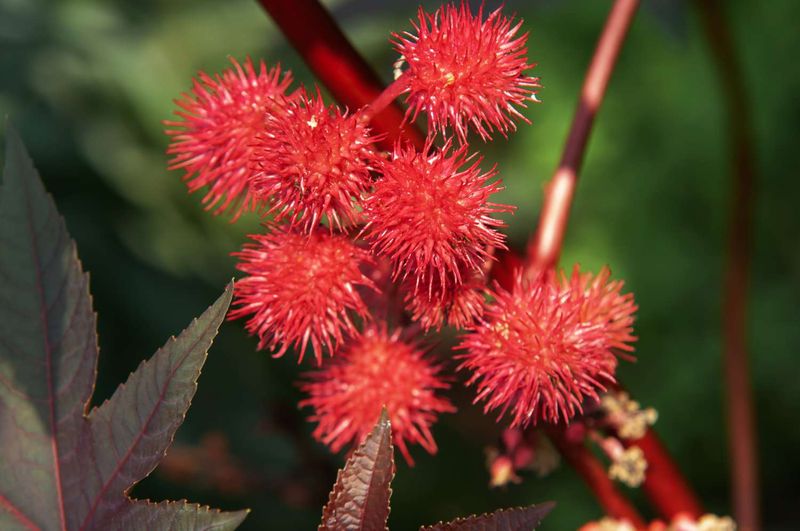
Gardeners who enjoy bold foliage and fast-growing plants sometimes choose castor bean for its dramatic tropical appearance.
These large annual plants can grow several feet tall in a single season and are often used as natural screens or statement plants in landscape beds.
The oversized palmate leaves come in shades of green, bronze, and deep purple, giving the plant a striking presence. However, the biggest concern comes from the spiky seed pods that form later in the season.
Inside the seeds is ricin, a highly toxic substance if swallowed. Even small amounts can be dangerous, especially for children and pets.
While ingestion is the main risk, handling the seed pods may also cause skin irritation or allergic reactions in some people.
The sharp spines on the pods can also cause small cuts or scratches during handling.
Wearing gloves when working with castor bean plants is strongly recommended. Removing seed pods before they fully mature can help reduce risk in family gardens.
Seeds and plant material should be disposed of in sealed bags rather than composted. If ingestion is suspected or significant irritation develops, Poison Control should be contacted immediately.
6. Monkshood (Aconite)
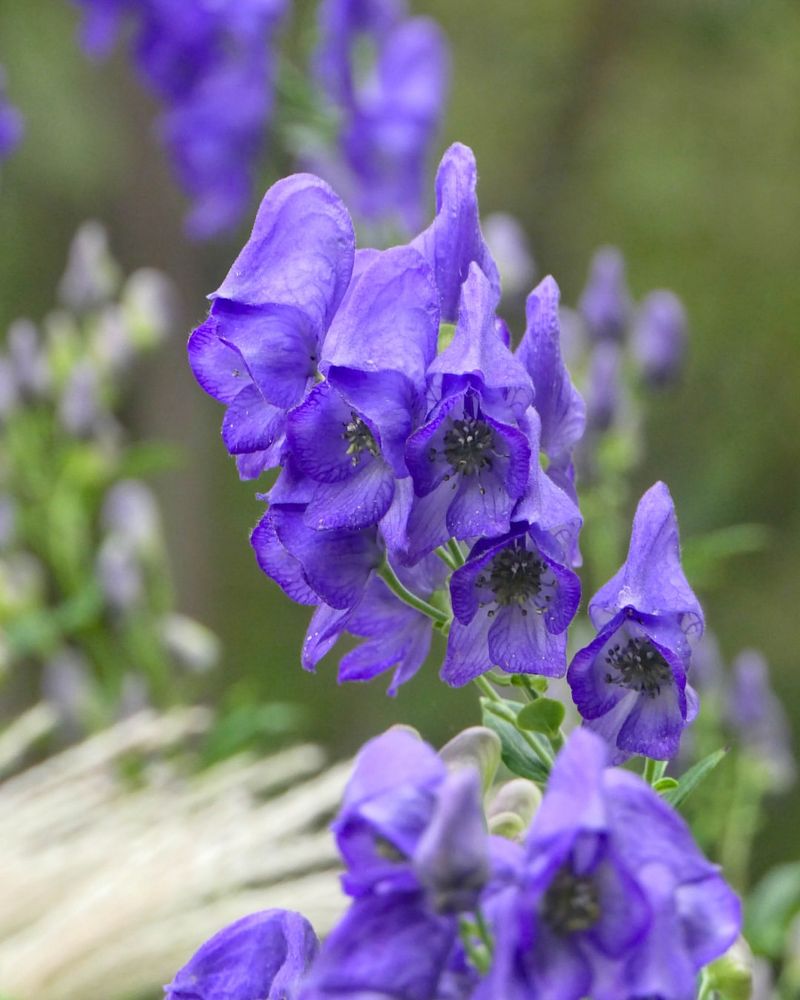
Late summer gardens sometimes feature tall spikes of deep blue or purple hood-shaped flowers, which often belong to monkshood. This elegant perennial is commonly planted in shaded borders, woodland gardens, and moist garden areas throughout Oregon.
Its dramatic appearance makes it popular among gardeners looking for late-season color, but monkshood is also one of the more toxic ornamental plants grown in home landscapes.
All parts of the plant contain strong natural compounds that can affect the nervous system and heart if ingested. Sap contact can also cause tingling, numbness, or burning sensations on the skin, especially when handling roots or freshly cut stems.
While serious reactions from skin contact are rare, they are possible with heavy exposure or broken skin.
Wearing gloves is essential when planting, dividing, or trimming monkshood. Avoid touching your face while working nearby and wash hands and tools afterward.
Placing monkshood away from play areas and pet paths adds another layer of safety. If unusual symptoms develop after contact, the affected area should be washed and medical advice should be sought promptly.
7. Spurges (Euphorbia Species)
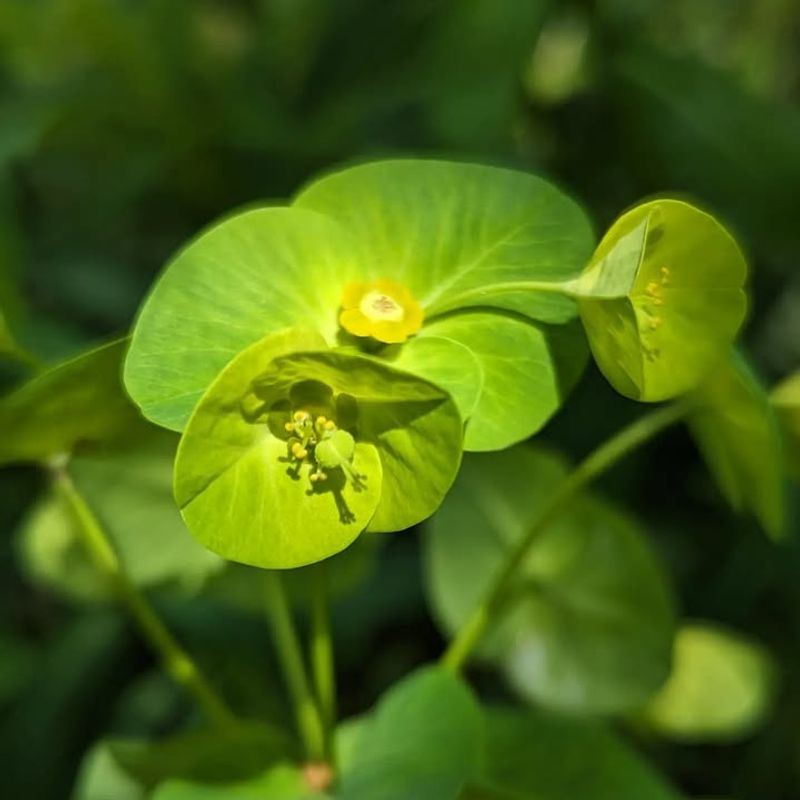
Many drought-tolerant landscape plants commonly used in Oregon fall under the spurge family.
These include low-growing ground covers as well as taller statement plants such as Mediterranean spurge and gopher plant, which are valued for their texture and bright seasonal color.
Despite their variety in shape and size, spurges all share one important feature, a thick white sap that flows when stems or leaves are damaged.
This sap can irritate skin and cause redness, burning, or blistering in sensitive individuals. Some people develop stronger reactions after repeated exposure over time.
Eye contact is especially concerning and can lead to severe pain and temporary vision problems.
Because sap is released easily during pruning or breakage, spurges require a little extra care when handled.
Wearing gloves and eye protection helps reduce risk. Hands and tools should be washed after working with these plants.
If sap gets on skin, rinsing immediately with soap and cool water is recommended. If it enters the eyes, flushing thoroughly and seeking medical care if irritation continues is important.
Spurges are valuable garden plants, they just need smart, careful handling.