Plant These Vegetables In California Before January Ends And Enjoy An Early Harvest
January may feel too early to start your California garden, but it’s actually the perfect time to get a jump on your vegetable harvest. Planting now gives your crops a head start, so you can enjoy fresh, homegrown produce weeks ahead of the season.
Plant early, harvest sooner – it really works. From crisp greens to fast-growing root vegetables, the right choices thrive in California’s mild winter climate. Short season? No problem.
Even if you’re a beginner, a little early planting can lead to bigger, healthier crops and a longer growing season. Your backyard can deliver fresh vegetables before everyone else’s garden even blooms.
Whether you’re using raised beds, containers, or traditional garden plots, timing is everything. A few smart seeds now means delicious meals sooner.
Let’s explore the vegetables you should plant before January ends for an early California harvest.
1. Lettuce
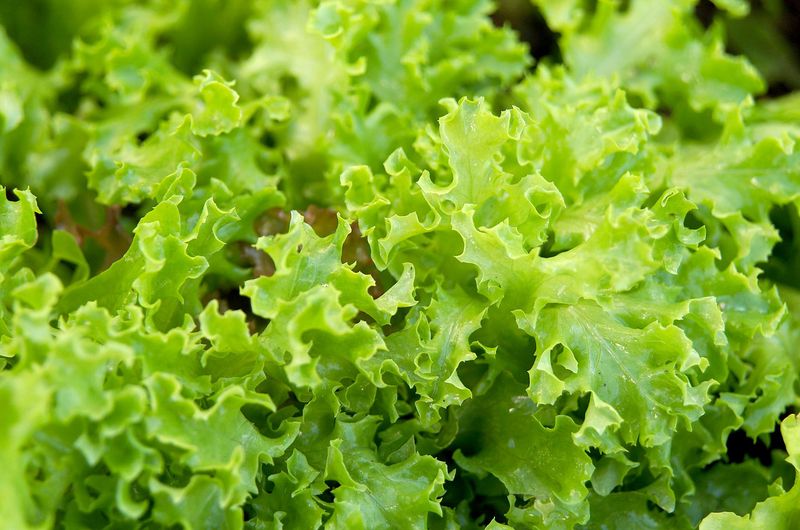
Few vegetables are as satisfying to grow as lettuce, especially when you can harvest fresh leaves just weeks after planting. California’s cool January weather creates perfect conditions for this fast-growing green.
Lettuce loves temperatures between 45 and 65 degrees, which means it thrives during late winter across most of the state. From the foggy coast to inland valleys, lettuce grows quickly and reliably when planted now.
Choose from dozens of varieties, including butterhead, romaine, loose-leaf, and crisphead types. Loose-leaf varieties like Red Sails and Oak Leaf are especially forgiving for beginners.
They mature in as little as 30 days and you can harvest outer leaves while letting the plant continue growing. Romaine types take a bit longer but offer that classic crunch perfect for Caesar salads.
Plant seeds directly in the garden or start them in small containers and transplant when they have a few true leaves.
Space your lettuce plants about six to eight inches apart in rows or scatter them throughout your garden beds. They do not need full sun in California, especially in warmer inland areas.
A spot with morning sun and afternoon shade works beautifully. Keep the soil consistently moist but not waterlogged. Lettuce has shallow roots, so regular watering is essential.
Watch for slugs and snails, which love tender lettuce leaves. Use organic bait or hand-pick them in the early morning.
By planting lettuce in late January, you will be enjoying crisp, homegrown salads by early March. There is nothing quite like the taste of lettuce picked fresh from your own California garden.
2. Peas
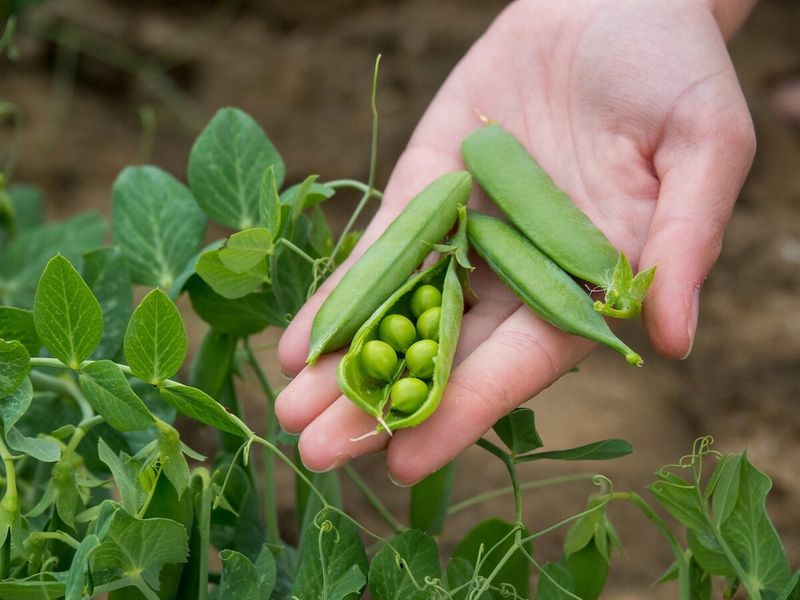
Peas are a gardener’s delight, offering sweet, crunchy pods and tender shoots that taste like spring itself. Planting them in California before January ends gives them the cool weather they crave.
Peas actually prefer chilly temperatures and will struggle once summer heat arrives. Late January planting ensures they mature during the mild days of early spring, producing abundant harvests before the weather turns warm.
You can choose from shelling peas, snap peas, or snow peas, depending on your taste. Snap peas are especially popular because you eat the whole pod, making them perfect for snacking straight from the vine.
Your California Garden Changes Every Week. Your Plan Should Too.
Gardening in California changes quickly throughout the season. Every Friday you’ll receive a simple weekly plan showing exactly what to plant, prune, fertilize, harvest, and protect so you never miss the right timing.
Snow peas have flat, tender pods that are delicious in stir-fries. Shelling peas require a bit more work since you remove the peas from the pod, but their sweetness is unmatched. All types grow well throughout California, from San Francisco to Los Angeles.
Peas need support to climb, so set up a trellis, fence, or bamboo stakes before planting. Sow seeds about one inch deep and two inches apart along the base of your support structure.
They will quickly send out tendrils that grab onto anything nearby. Peas fix nitrogen in the soil, which means they actually improve your garden for future crops.
Water regularly but avoid soaking the soil, as peas do not like soggy roots. They are relatively pest-free, though aphids can sometimes appear on tender shoots.
A strong spray of water usually takes care of them. Harvest peas frequently to encourage more production.
By planting now, you will be picking fresh peas by April, enjoying one of the sweetest rewards California gardening has to offer.
3. Radishes
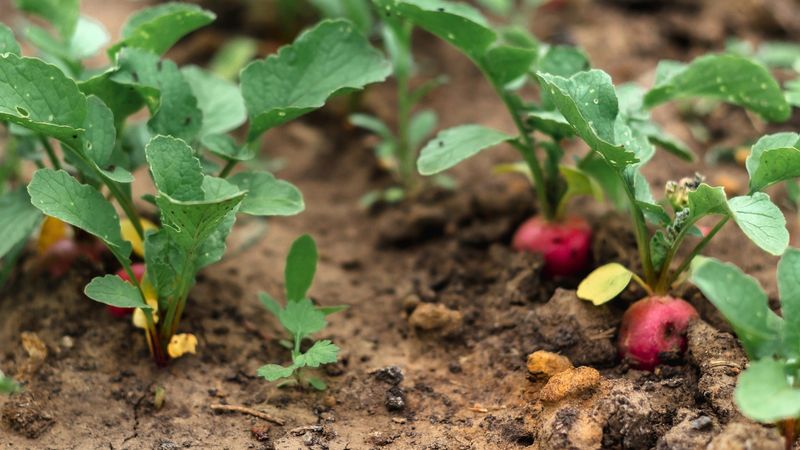
Radishes are the ultimate beginner vegetable, sprouting quickly and maturing in less than a month. If you want fast results and instant gratification, radishes are your answer.
California’s cool January soil is ideal for these crisp root vegetables. They grow best when temperatures stay between 50 and 65 degrees, which is exactly what late winter offers across the state.
Radishes do not tolerate heat well, so planting them now ensures a perfect harvest before spring warms up.
There are many radish varieties to explore, from classic round red types like Cherry Belle to elongated French Breakfast radishes. Daikon radishes are larger and milder, perfect for pickling or adding to salads.
Watermelon radishes have a stunning pink interior that makes them a showstopper on any plate. All types grow quickly and easily in California gardens.
Sow radish seeds directly into loose, well-draining soil about half an inch deep. Space them one inch apart in rows or scatter them among other crops.
Radishes grow so fast that they make excellent companion plants, marking rows of slower-growing vegetables like carrots. They also help break up compacted soil with their taproots.
Keep the soil evenly moist to prevent radishes from becoming woody or overly spicy. Inconsistent watering can also cause them to crack.
Radishes are generally pest-free, though flea beetles may nibble tiny holes in the leaves. The roots remain unaffected and perfectly edible.
Harvest radishes as soon as they reach a usable size, usually within three to four weeks. Leaving them in the ground too long makes them tough and bitter.
Planting radishes in California this month means you will have crunchy, peppery roots ready to enjoy by late February.
4. Carrots
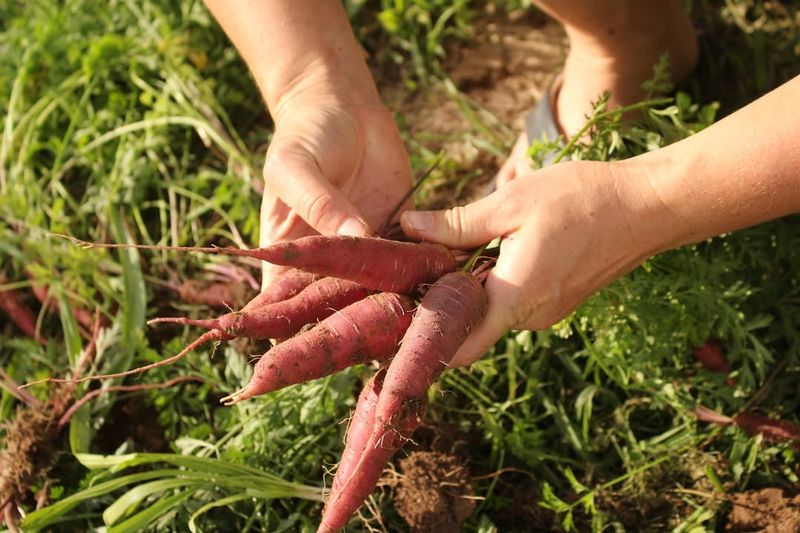
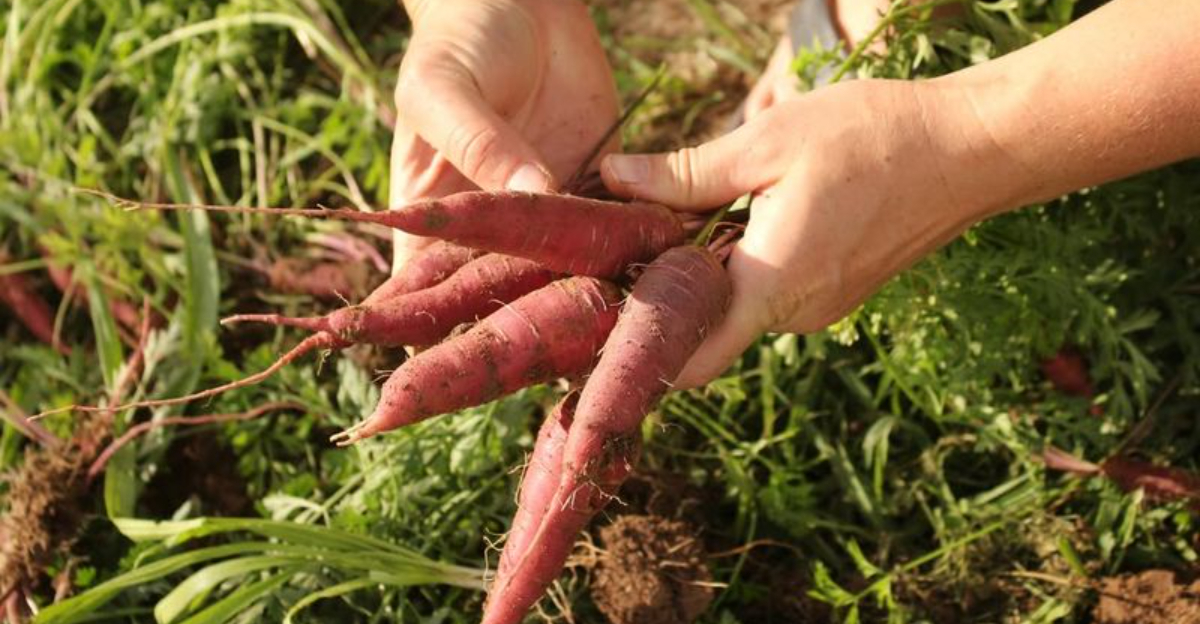
Growing your own carrots is one of the most rewarding experiences a gardener can have. There is something magical about pulling a bright orange root from the soil, knowing you nurtured it from a tiny seed.
California’s mild winter climate is perfect for carrots, which grow best in cool weather. Planting them in late January gives them time to develop sweet, tender roots before the heat of summer arrives.
Carrots actually taste sweeter when they mature in cooler temperatures, making winter planting ideal.
Carrots come in many shapes and sizes, from short and stubby Chantenay types to long, slender Imperator varieties. If your soil is heavy or rocky, choose shorter varieties like Danvers or Thumbelina, which are more forgiving.
For loose, sandy soil, try longer types that can stretch deep into the ground. Rainbow carrots with purple, yellow, and white roots add fun and color to your harvest. All types thrive in California’s diverse growing regions.
Sow carrot seeds directly into well-prepared soil, as they do not transplant well. Loosen the soil at least eight inches deep and remove any rocks or clumps that could cause twisted roots.
Sprinkle seeds thinly in rows and cover with a light layer of soil. Carrot seeds are tiny and can take up to two weeks to germinate, so be patient. Keep the soil surface moist during this period.
Once seedlings emerge, thin them to about two inches apart. Crowded carrots will compete for space and produce small, misshapen roots.
Mulch around the plants to retain moisture and keep weeds down. Carrots need consistent watering but can tolerate some dryness once established.
Harvest them when they reach your desired size, usually 60 to 80 days after planting. By starting carrots in California this month, you will enjoy sweet, crunchy roots by early spring.
5. Spinach
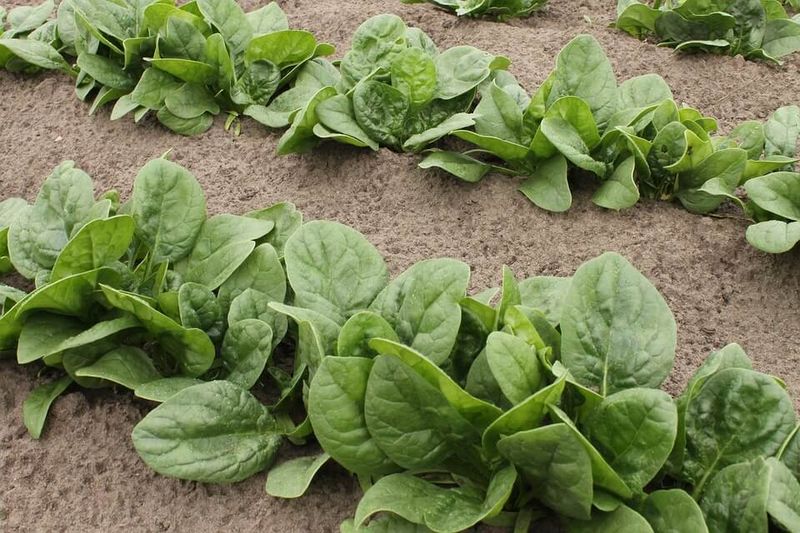
Spinach is a powerhouse vegetable, packed with nutrients and incredibly easy to grow in California’s winter weather. Late January is the perfect time to plant this leafy green, as it thrives in temperatures between 40 and 70 degrees.
Spinach actually tastes better when grown in cooler weather, developing a sweet, mild flavor that is perfect for salads, smoothies, and cooking. Once temperatures rise above 75 degrees, spinach tends to bolt and turn bitter, so planting now ensures a long harvest season.
Choose from smooth-leaf varieties like Space or crinkled Savoy types like Bloomsdale. Smooth-leaf spinach is easier to clean and works well in salads, while Savoy types have a heartier texture that holds up better when cooked.
Semi-savoy varieties offer a nice middle ground. All types grow quickly and reliably throughout California, from coastal areas to inland valleys.
Plant spinach seeds directly in the garden about half an inch deep and two inches apart. You can also broadcast seeds over a prepared bed and lightly rake them in.
Spinach germinates quickly, usually within a week. Thin seedlings to four inches apart once they have a few true leaves.
Spinach grows well in partial shade, making it a great choice for spots that do not get full sun all day.
Keep the soil consistently moist, as spinach has shallow roots and does not tolerate drying out. Mulching helps retain moisture and keeps the leaves clean.
Watch for aphids, which sometimes cluster on tender leaves. A strong spray of water usually dislodges them.
Harvest spinach by cutting outer leaves and letting the center continue growing, or cut the entire plant at the base. By planting spinach in California this month, you will have fresh greens ready to pick in as little as 40 days.
6. Broccoli
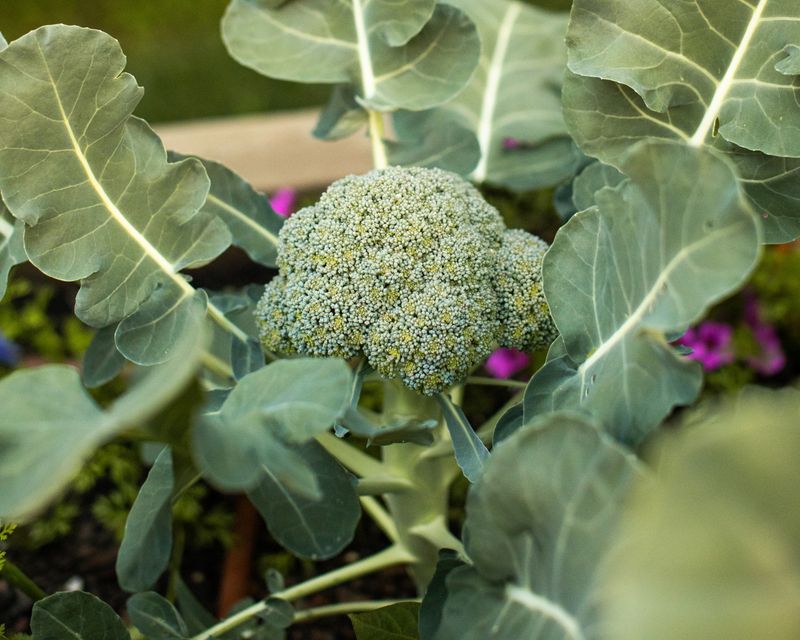
Broccoli is a cool-season superstar that produces generous harvests when planted at the right time. California gardeners who plant broccoli in late January will be rewarded with large, tender heads by spring.
Broccoli needs a long, cool growing season to develop properly, and it does not tolerate heat well. Once temperatures consistently reach the 80s, broccoli stops producing and may bolt.
Planting now gives your broccoli plants the time they need to mature before warmer weather arrives.
You can start broccoli from seeds indoors about six weeks before your last frost date, or purchase transplants from a local nursery. Transplants are convenient and give you a head start, especially if you are new to gardening.
Choose varieties like Calabrese, Waltham, or De Cicco, which are well-suited to California’s climate. Space plants about 18 inches apart in rows, as they need room to spread out and develop large heads.
Broccoli prefers full sun and rich, well-draining soil. Amend your garden bed with compost before planting to provide plenty of nutrients.
These plants are heavy feeders, so side-dress with compost or a balanced fertilizer halfway through the growing season. Keep the soil consistently moist, especially as the heads begin to form. Inconsistent watering can cause the heads to become loose and uneven.
Watch for cabbage worms, which love to munch on broccoli leaves. Cover plants with row covers or hand-pick the worms regularly.
Harvest the main head when it is tight and firm, cutting it with a sharp knife about five inches down the stem. Leave the plant in the ground, as it will produce smaller side shoots for several more weeks.
By planting broccoli in California this month, you will enjoy fresh, homegrown florets by April or May.
7. Beets
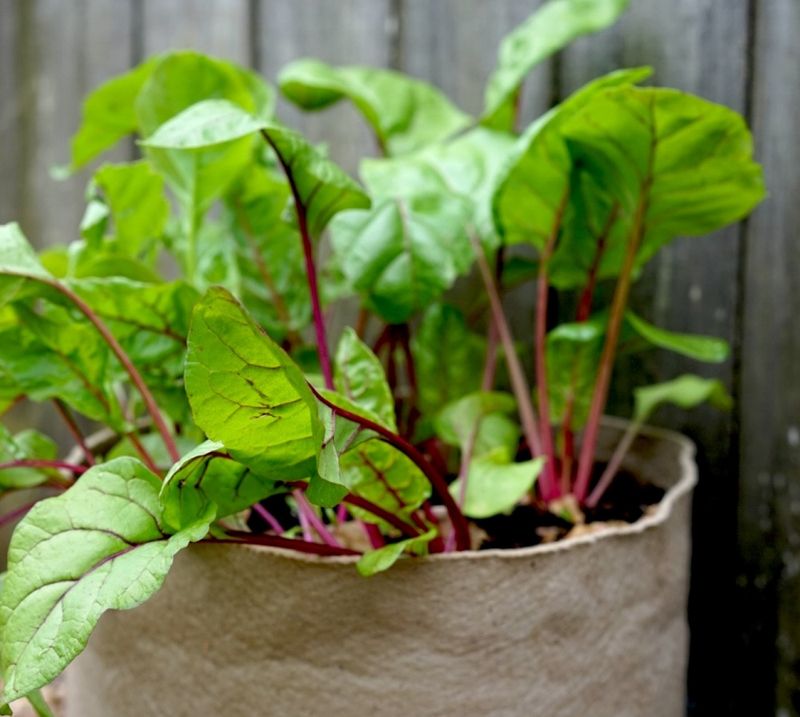
Beets are an underrated gem in the winter garden, offering both nutritious roots and delicious greens. California’s cool January weather is perfect for growing beets, which prefer temperatures between 50 and 70 degrees.
Beets are remarkably forgiving and adaptable, growing well in a variety of soil types and conditions. They tolerate light frosts and actually develop sweeter flavor when grown in cooler weather. Planting them now ensures a bountiful harvest before the heat of summer arrives.
Beets come in several colors, including classic red varieties like Detroit Dark Red, golden beets with a milder flavor, and striped Chioggia beets that look like candy inside. All types are equally easy to grow and offer similar nutritional benefits.
Beet greens are edible and delicious, tasting similar to Swiss chard. You can harvest the greens while the roots are still developing, giving you two crops from one plant.
Sow beet seeds directly into the garden about half an inch deep and two inches apart. Beet seeds are actually clusters of seeds, so you will likely get multiple seedlings from each one.
Thin them to four inches apart once they sprout, and use the thinned seedlings in salads. Beets grow well in full sun or partial shade, making them versatile for different garden spots throughout California.
Keep the soil evenly moist, especially during germination and early growth. Once established, beets tolerate some dryness.
Mulching helps retain moisture and keeps weeds down. Beets are relatively pest-free, though leaf miners occasionally tunnel through the leaves.
The roots remain unaffected and perfectly edible. Harvest beets when they reach the size you prefer, usually about two to three inches in diameter.
By planting beets in California this month, you will be enjoying sweet, earthy roots and tender greens by early spring.