6 Common Things You Should Never Do To A Fishbone Cactus
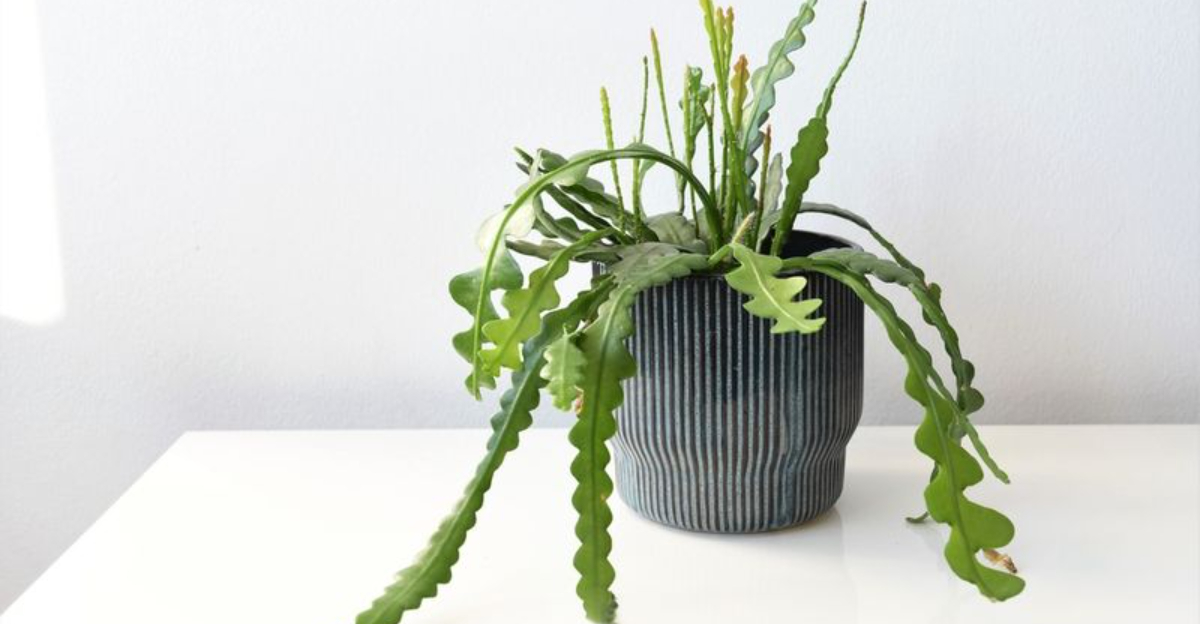
I’ve learned the hard way that fishbone cacti are delicate little divas. One wrong move, and they sulk, droop, or even lose their charm entirely.
Never overwater, and for heaven’s sake, don’t plop them in harsh sun! I’ve seen friends treat them like any other succulent, only to watch them shrivel.
A gentle touch goes a long way. If you treat them right, these quirky, zigzagged beauties thrive and steal the spotlight in any room.
I’ve made my mistakes, but now I know the ropes. Let me share the common things you should never do to a fishbone cactus, so yours stays happy, healthy, and looking fabulous.
1. Overwatering Your Fishbone Cactus
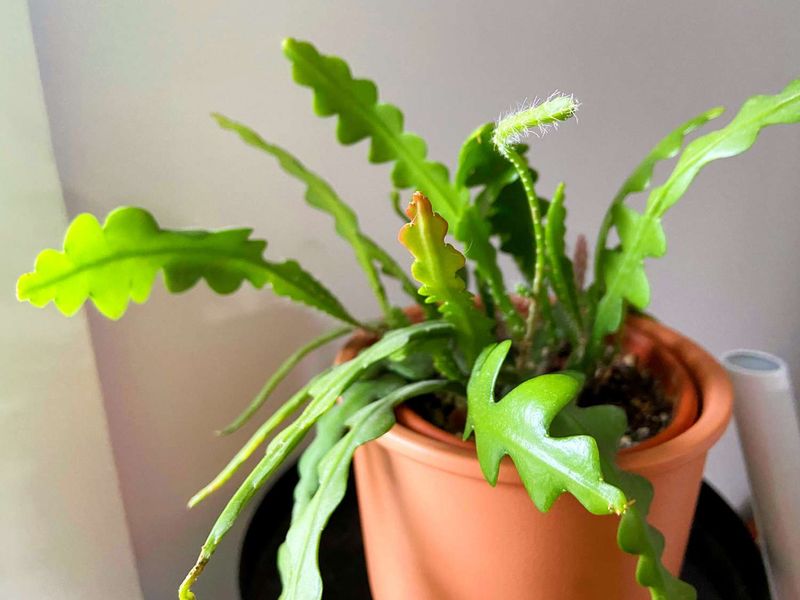
Too much water is probably the fastest way to harm your fishbone cactus. These plants are epiphytic, meaning they naturally grow on trees in rainforests rather than in soil.
Their roots are designed to dry out between waterings, so sitting in soggy soil can cause root rot almost overnight.
When you water too frequently, the roots cannot breathe properly. They start to break down, turning mushy and brown.
You might notice the stems becoming soft or developing dark, wet spots.
The plant may also start to droop or look wilted even though the soil is damp. This confuses many plant parents who think the solution is more water, but that only makes things worse.
Instead of watering on a strict schedule, check the soil first. Stick your finger about an inch down into the potting mix. If it feels dry, then you can water.
If it still feels moist, wait a few more days. Fishbone cacti prefer to be slightly underwatered rather than overwatered.
During the winter months, they need even less water because their growth slows down. Room temperature also plays a role. Cooler rooms mean the soil stays wet longer. Always make sure your pot has drainage holes so excess water can escape.
If you accidentally overwater, stop watering immediately and let the soil dry out completely. You can also gently remove the plant from its pot to check the roots.
Trim away any that look rotten and repot in fresh, well-draining soil to give your cactus a fighting chance.
2. Placing It In Direct Sunlight
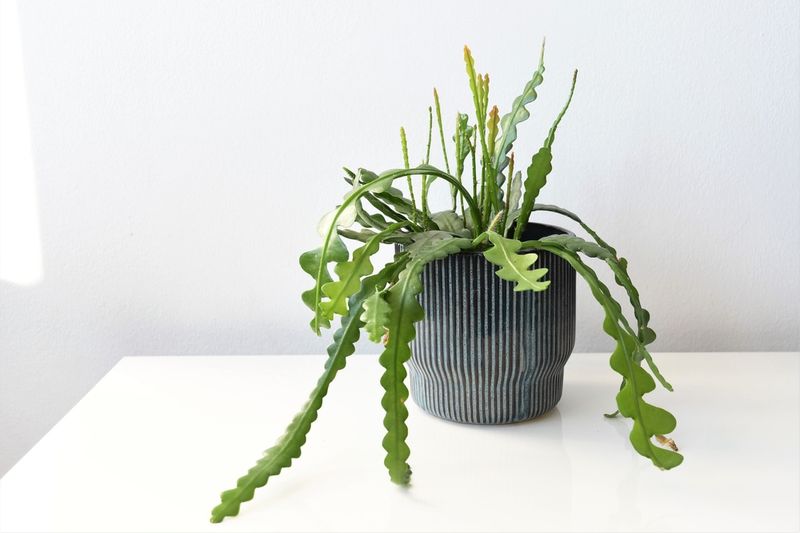
Fishbone cacti might have the word cactus in their name, but they behave nothing like desert cacti when it comes to light. Putting yours in a sunny windowsill with direct, harsh sunlight can actually scorch the leaves.
The zigzag stems will start to turn yellow, then develop brown, crispy patches that look like sunburn.
In their natural habitat, these plants grow under the canopy of larger trees. They receive filtered, dappled light rather than intense rays. Mimicking that environment indoors is key to keeping your plant healthy and vibrant.
Direct afternoon sun is especially harsh and can cause permanent damage. Once the stems are burned, those sections will not recover. You will have to trim them off, which can leave your plant looking uneven or sparse.
Bright, indirect light is what your fishbone cactus really craves. A spot near an east-facing window works wonderfully because it gets gentle morning sun. North-facing windows are also great since the light is softer throughout the day.
If you only have south or west-facing windows, try placing the plant a few feet back from the glass. You can also use sheer curtains to diffuse the light and protect the delicate stems.
Pay attention to how your plant responds. If the stems start to look pale or the growth becomes leggy, it might need a bit more light. On the other hand, yellowing or browning means it is getting too much.
Adjusting the placement by even a foot or two can make a big difference in how your fishbone cactus looks and grows over time.
3. Using Heavy, Dense Potting Soil
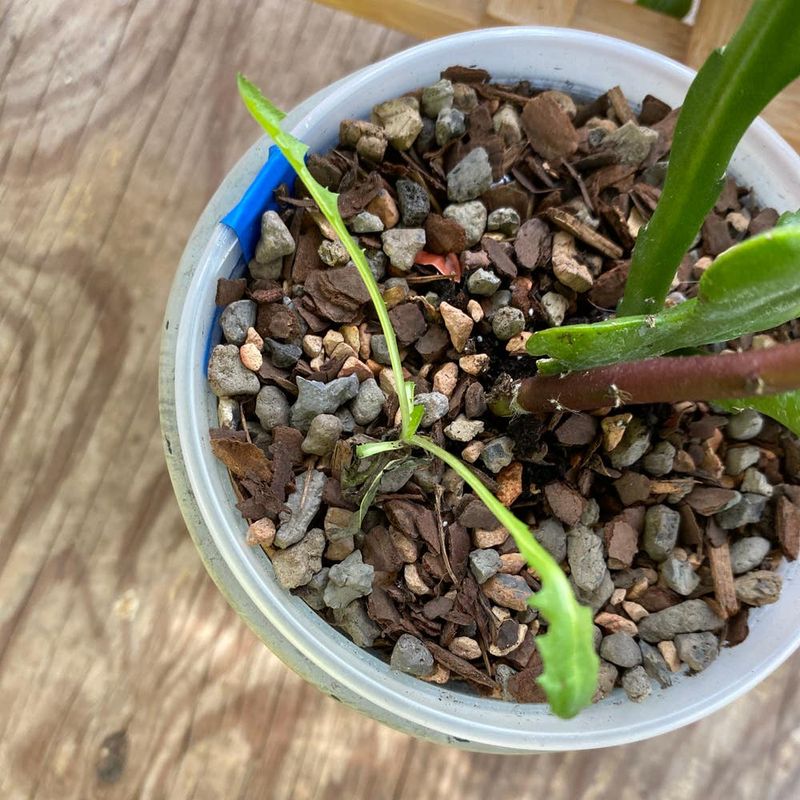
Regular potting soil might seem like a safe choice, but it can actually suffocate your fishbone cactus. These plants need a loose, airy mix that allows water to drain quickly and air to reach the roots.
Dense soil holds onto moisture for too long, creating the perfect conditions for root problems.
When the roots cannot breathe, they start to deteriorate. The plant may stop growing, and the stems can become limp or discolored.
You might also notice a musty smell coming from the pot, which is a sign that the soil is staying too wet.
Fishbone cacti are epiphytes, so they are used to growing in tree bark and organic debris. Their roots are adapted to environments where water moves through quickly. Replicating that with the right soil mix is essential for long-term health.
A good potting mix for fishbone cacti should include ingredients like orchid bark, perlite, and coco coir.
You can also add a bit of regular potting soil to the mix, but it should not be the main component. The goal is to create a blend that drains fast but still holds a little moisture.
Some gardeners use a cactus and succulent mix as a base, then add extra perlite or pumice to increase drainage. Others prefer to make their own custom blend from scratch. Either way works as long as the final mix is light and chunky.
When repotting, choose a pot with drainage holes and avoid packing the soil too tightly. Give the roots room to spread out and breathe.
If you notice your plant struggling even with proper watering, the soil might be the issue, and switching to a better mix can turn things around quickly.
4. Ignoring Humidity Levels
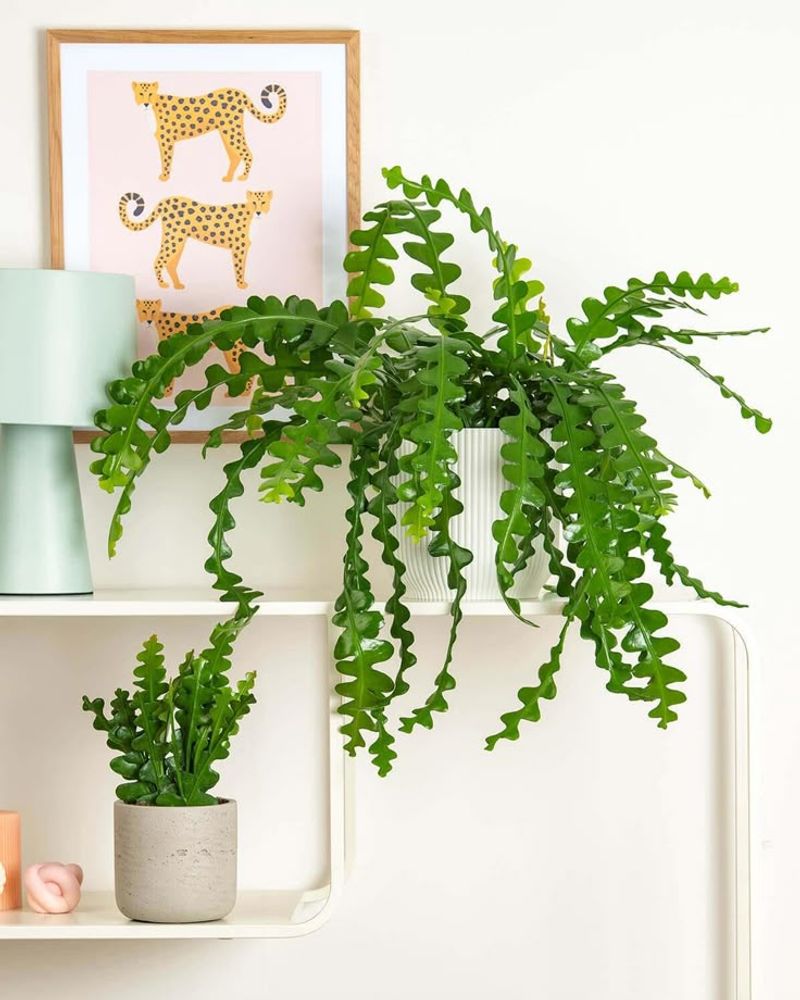
Fishbone cacti come from tropical rainforests where the air is naturally humid. When you grow them indoors, especially during winter when heating systems dry out the air, low humidity can stress the plant.
The stems may start to shrivel, and the overall appearance can become dull and lifeless. Dry air affects the plant slowly, so you might not notice the problem right away.
Over time, the zigzag edges can become thin and brittle. Growth may slow down, and the plant might stop producing new stems altogether.
While fishbone cacti are more forgiving than some tropical plants, they still appreciate a bit of extra moisture in the air. You do not need to turn your home into a jungle, but a little boost in humidity goes a long way.
One easy method is to place a small humidifier near your plant. This works especially well if you have several houseplants grouped together.
Another option is to set the pot on a tray filled with pebbles and water.
As the water evaporates, it creates a humid microclimate around the plant. Just make sure the pot sits on the pebbles and not directly in the water.
Misting the plant occasionally can also help, but it is not a long-term solution since the moisture evaporates quickly.
Bathrooms and kitchens tend to have higher humidity naturally, so these rooms can be great spots for your fishbone cactus. Just make sure there is still enough light.
Avoid placing the plant near heating vents or air conditioners, as these can dry out the air even more.
Monitoring the humidity with a simple hygrometer can help you understand what your plant is experiencing. Aim for humidity levels around fifty to sixty percent for best results.
5. Fertilizing Too Often Or With The Wrong Product
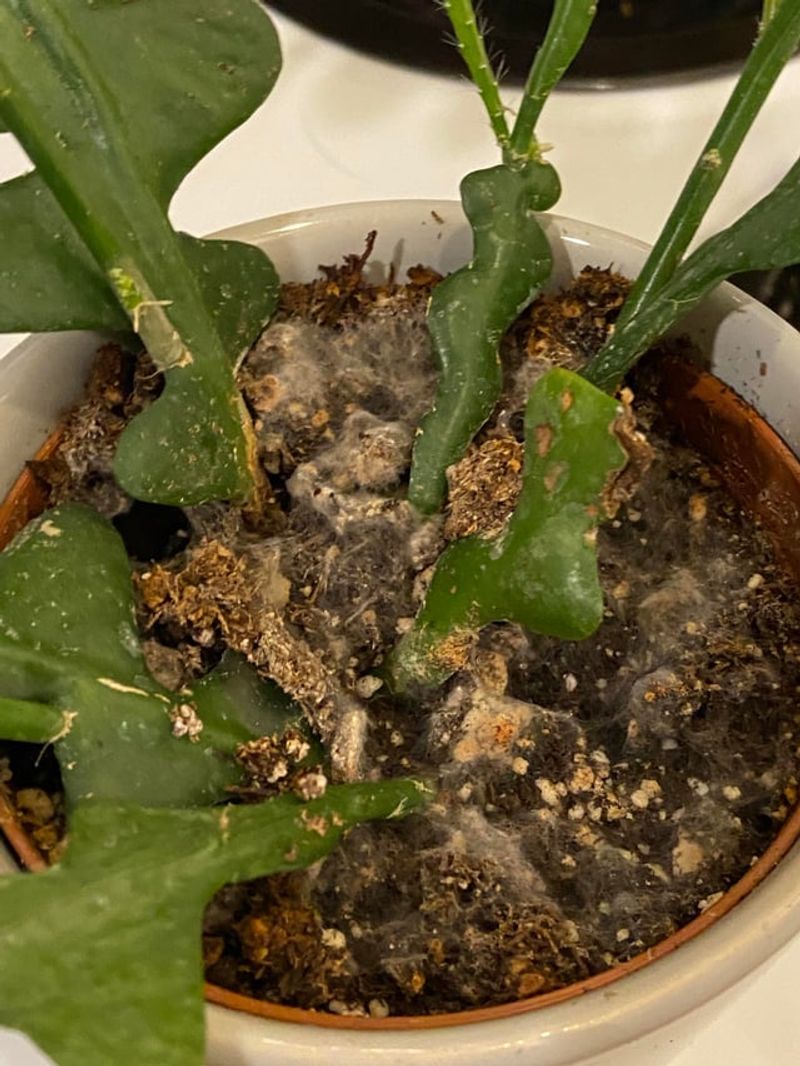
Fishbone cacti are not heavy feeders, so bombarding them with fertilizer can do more harm than good. Overfertilizing leads to salt buildup in the soil, which can burn the roots and cause the stems to turn brown or yellow.
You might also notice white, crusty deposits on the soil surface or around the drainage holes.
Many plant owners think that more fertilizer equals faster growth, but that is not how it works with these cacti.
They grow slowly by nature, and pushing them too hard with nutrients can weaken the plant. The stems may become soft and prone to damage.
Using the wrong type of fertilizer is another common mistake. Products designed for heavy-feeding vegetables or flowering annuals are way too strong for a fishbone cactus. Even some houseplant fertilizers can be too concentrated if not diluted properly.
A balanced, water-soluble fertilizer diluted to half strength is usually the best choice. Look for something with equal amounts of nitrogen, phosphorus, and potassium, like a 10-10-10 formula.
You can also use a fertilizer made specifically for cacti and succulents since these are formulated with their needs in mind.
Feed your fishbone cactus only during the growing season, which is typically spring and summer. Once a month is plenty.
During fall and winter, the plant goes into a rest period and does not need any fertilizer at all.
If you suspect overfertilization, flush the soil with water to help wash away excess salts. Let water run through the pot for a few minutes, then allow it to drain completely. You might need to repeat this process a couple of times.
Going forward, stick to a lighter feeding schedule and always follow the instructions on the fertilizer label.
6. Repotting Too Frequently Or Roughly
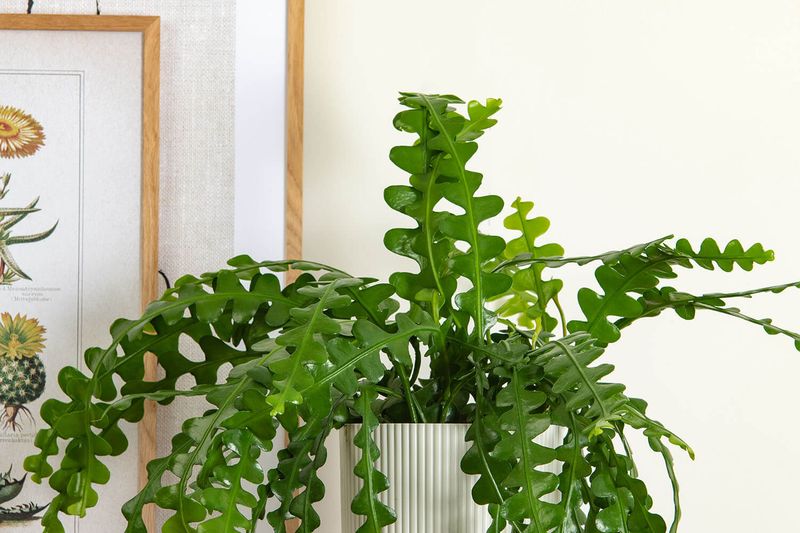
Fishbone cacti actually prefer to be slightly rootbound, so repotting them too often can stress the plant unnecessarily.
Every time you disturb the roots, the plant needs time to recover and adjust to its new environment. Frequent repotting can interrupt growth and leave your cactus looking sad and stunted.
These plants grow slowly, so they do not outgrow their pots as quickly as other houseplants. Repotting every two to three years is usually enough. If you do it more often, you risk damaging the delicate root system.
Handling the plant roughly during repotting is another issue. The stems are more fragile than they look, and the roots can break easily.
Tugging too hard or shaking off all the old soil can cause trauma that takes weeks to recover from.
When it is time to repot, choose a pot that is only one size larger than the current one. A pot that is too big holds more soil, which retains more water and increases the risk of root problems.
Gently loosen the roots and remove some of the old soil, but do not strip everything away. Place the plant in the new pot and fill in around the sides with fresh, well-draining soil. Press lightly to secure the plant, but avoid packing the soil down too firmly.
Water lightly after repotting and keep the plant in a spot with indirect light while it adjusts. Avoid fertilizing for at least a month after repotting. The plant needs time to settle in, and the fresh soil already contains some nutrients.
Watch for signs of stress like drooping or discoloration, and give the plant extra care during this transition period.
With patience and a gentle touch, your fishbone cactus will bounce back and continue to grow beautifully in its new home.