10 Reasons Oregon Gardeners Need To Check Sun Requirements First
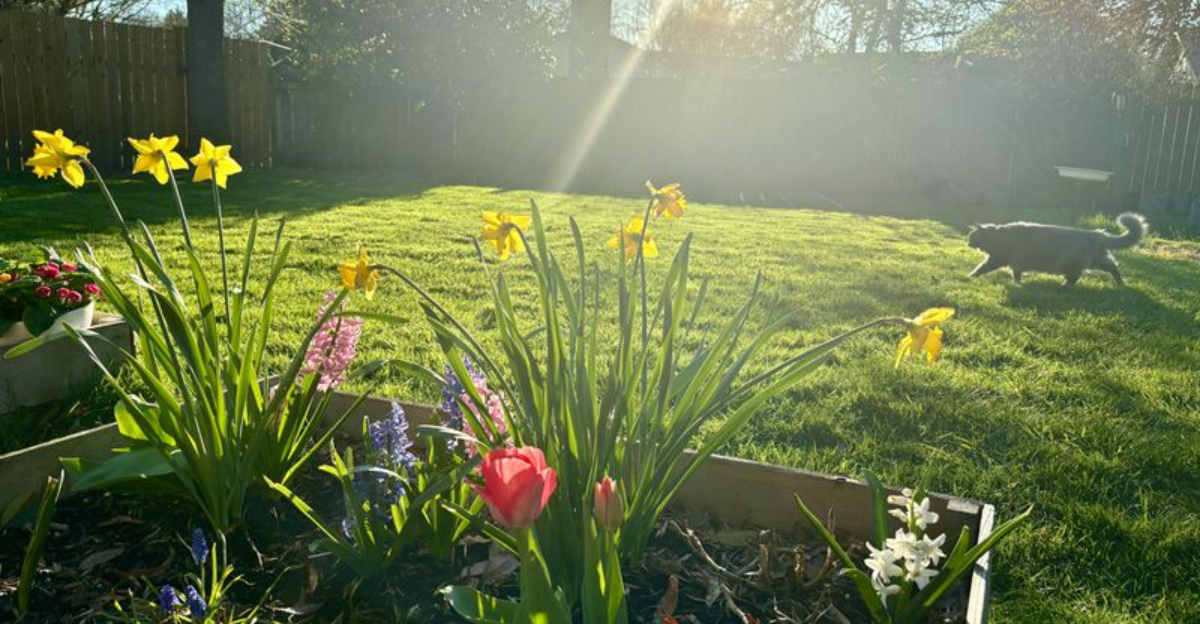
Oregon gardeners face a challenge that’s easy to overlook: sun exposure. With so many climate zones across the state, from the rainy coast to the sunny eastern valleys, knowing how much light your garden gets can make all the difference.
Microclimates exist everywhere, and each plant has its own sunlight needs.
Planting sun-loving species in shady spots or shade-tolerant plants in full sun can lead to frustration, slow growth, or even dead plants.
Add Oregon’s seasonal shifts, cloudy winters and bright summer days and it becomes even more important to match plants to their ideal light conditions.
The best approach? Watch your yard at different times of day and across the seasons before picking plants.
This simple step saves money, prevents disappointment, and ensures a garden that thrives year after year.
Understanding light first lays the foundation for every other gardening decision, from what to plant to where to place it, so your Oregon garden can shine in every season.
1. Oregon’s Microclimates Create Confusing Growing Conditions
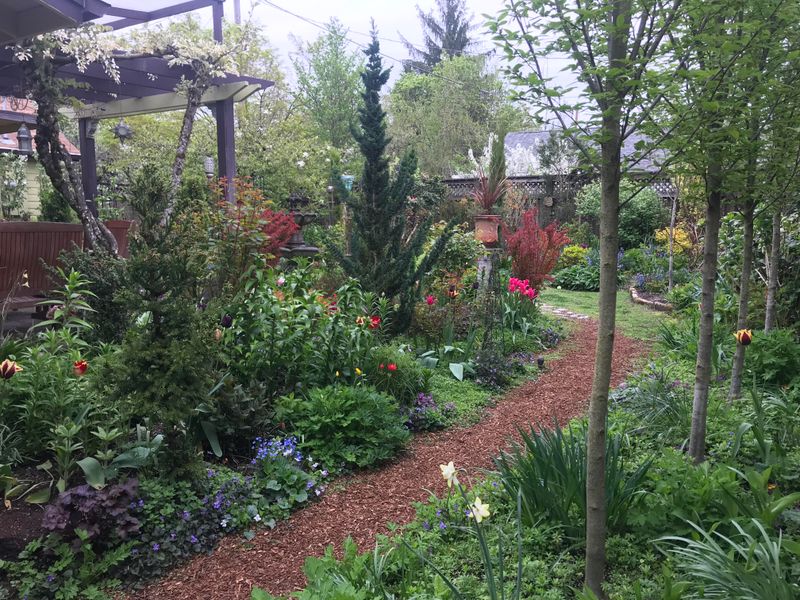
Oregon has more microclimates packed into one state than most gardeners realize. Drive thirty minutes in any direction and you might find yourself in a completely different climate zone with unique sun patterns.
Coastal areas stay foggy and cool while valleys bask in summer heat, and mountain regions experience intense but brief growing seasons.
Your neighbor’s garden three blocks away might receive two more hours of direct sunlight than yours because of a slight elevation change or tree coverage. Buildings, fences, and hills cast shadows that shift throughout the year as the sun’s angle changes.
What looks like a sunny spot in June might spend most of December in complete shade.
Checking sun requirements before planting helps you work with your specific microclimate instead of fighting against it. Track how sunlight moves across your yard during different seasons and times of day.
Take photos at morning, noon, and evening to create a visual record of light patterns.
Plants chosen for your actual conditions will establish faster, grow stronger, and need less maintenance than those forced into unsuitable locations. Understanding your microclimate saves you from repeating the same mistakes every planting season.
2. Willamette Valley Clouds Trick New Gardeners
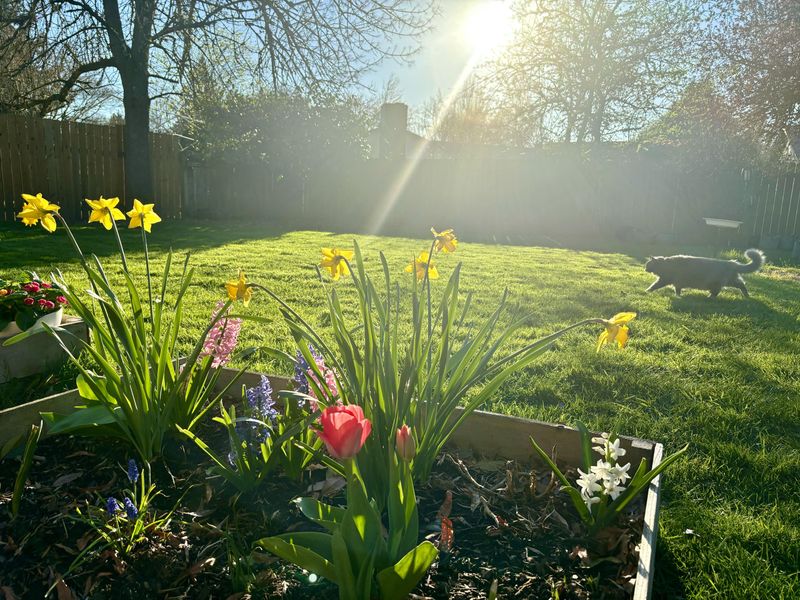
Many people move to Oregon expecting consistent rainfall and cloudy skies year-round, but summer in the Willamette Valley tells a different story. Bright, cloudless days stretch from June through September, delivering more sun than newcomers anticipate.
Plants labeled for partial shade can struggle under this intense summer light if placed incorrectly.
The spring transition period confuses gardeners most because conditions change rapidly. April might bring rain and clouds one week, then sunshine the next.
Young plants set out during cloudy weather suddenly face full sun exposure once summer arrives.
Winter clouds return with force, creating the opposite problem for plants that need consistent light. Vegetables requiring full sun grow slowly during Oregon’s gray winters, even in theoretically sunny spots.
The dramatic seasonal shift in cloud cover affects plant performance more than temperature alone.
Your Oregon Garden Changes Every Week. Your Plan Should Too.
Gardening in Oregon changes quickly throughout the season. Every Friday you’ll receive a simple weekly plan showing exactly what to plant, prune, fertilize, harvest, and protect so you never miss the right timing.
Experienced Oregon gardeners learn to plan for both extremes when checking sun requirements. Choose plants that tolerate the summer-winter light swing, or commit to moving containers seasonally.
Understanding this cloud pattern prevents disappointment when spring plantings either burn in summer or languish in winter shade.
3. Douglas Firs Cast Enormous Shadows Year-Round
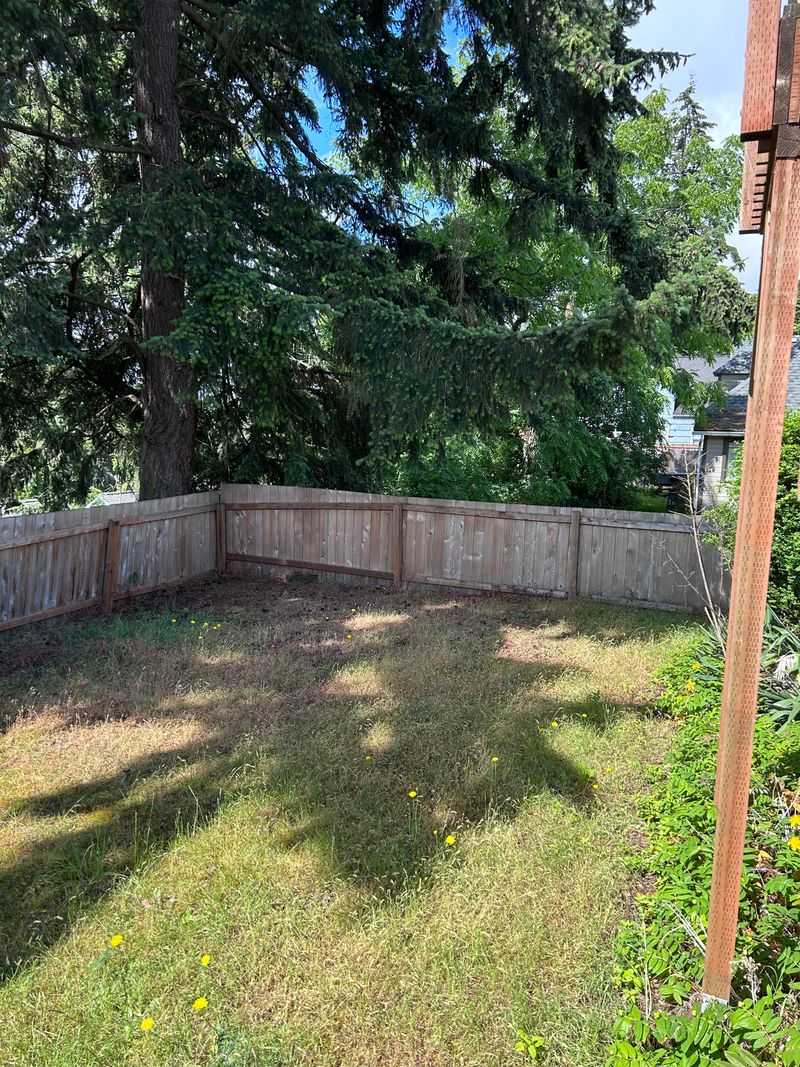
Those majestic Douglas firs that make Oregon landscapes so beautiful also create massive shade zones that affect everything growing beneath them. A single mature tree can cast shadow over a quarter of a typical suburban lot.
Their dense evergreen canopy blocks sunlight twelve months a year, unlike deciduous trees that allow winter light through bare branches.
Gardeners often underestimate how far tree shadows reach, especially during winter when the sun stays low on the horizon. What receives dappled shade in summer might sit in complete darkness from November through February.
Roots from these giants also compete aggressively for water and nutrients, adding stress beyond just shade.
Checking sun requirements becomes critical when gardening near established conifers because very few plants thrive in dry, deep shade. Even shade-tolerant species often need some indirect light to perform well.
The combination of root competition and darkness creates one of Oregon’s toughest planting situations.
Map your conifer shadows carefully before purchasing plants, and choose species specifically bred for deep shade conditions.
Consider removing lower branches to allow more light penetration, or focus your gardening efforts on sunnier areas of your property where plants have better chances for success.
4. East-West Orientation Matters More Than You Think
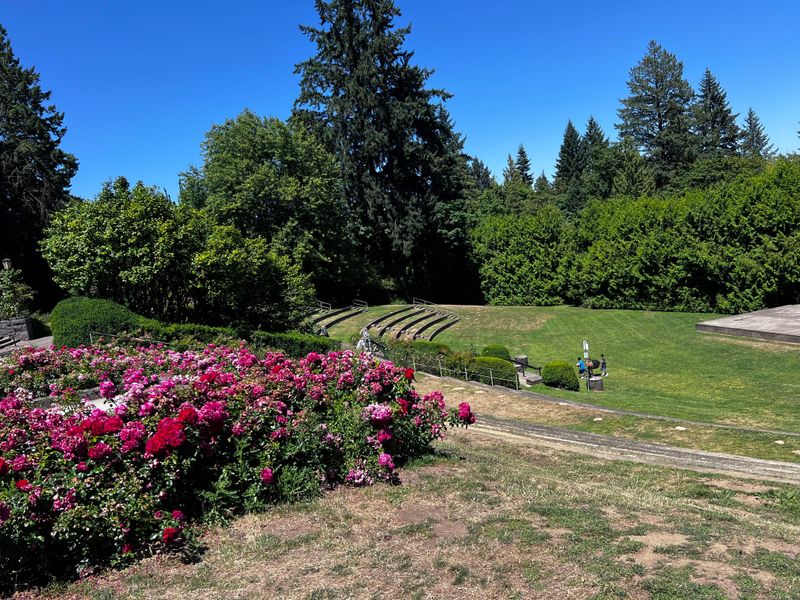
Gardens facing east receive gentle morning sun that rarely burns plants, even sun-lovers. Morning light comes at a lower intensity and cooler temperatures, making it easier for plants to manage.
Eastern exposures work beautifully for vegetables and flowers that need consistent light without afternoon stress.
Western exposures tell a completely different story because afternoon sun hits hard and hot, especially during Oregon summers. Plants in west-facing beds endure the day’s highest temperatures combined with intense light.
Even species labeled for full sun can struggle with the relentless western exposure during July and August heat waves.
Southern exposures receive the most total sunlight throughout the day, making them prime real estate for sun-demanding crops like tomatoes and peppers.
Northern exposures stay coolest and shadiest, perfect for lettuce and other greens that appreciate protection from harsh light.
The difference between these orientations affects soil temperature, moisture retention, and plant stress levels.
Walk your property with a compass and note which direction each potential garden bed faces. Match plant sun requirements to the specific exposure each location offers.
This simple assessment prevents you from placing shade plants in blazing western sun or trying to grow tomatoes on the north side of your house.
5. Full Sun Means Six Hours Minimum, Not All Day
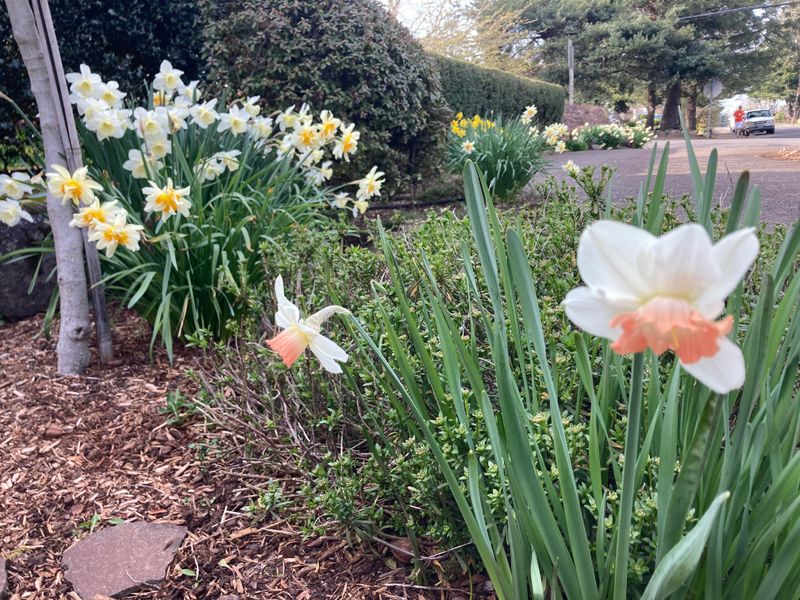
Garden tags saying full sun confuse many people who assume plants need constant sunlight from dawn to dusk. Actually, full sun means six or more hours of direct light, not necessarily twelve.
Understanding this definition helps you identify more planting locations than you might expect.
A spot receiving morning sun from 8am to 2pm qualifies as full sun, even though it sits in shade for the rest of the day. Similarly, afternoon sun from noon to 6pm meets the requirement.
You can successfully grow tomatoes, roses, and other sun-lovers in locations that seem partially shaded.
Partial sun or partial shade typically means three to six hours of direct light. These terms get used interchangeably, though partial sun suggests the plant tolerates more light while partial shade indicates preference for less.
Full shade means fewer than three hours of direct sun, though most shade plants still need bright indirect light to thrive.
Time your sun exposure observations carefully because shadows shift as seasons change and the sun’s path moves. A bed receiving eight hours in June might only get four in December.
Check requirements against your actual measured sunlight rather than guessing, and your plant selections will match your site conditions much more accurately.
6. Rhododendrons Teach Oregon’s Most Important Lesson
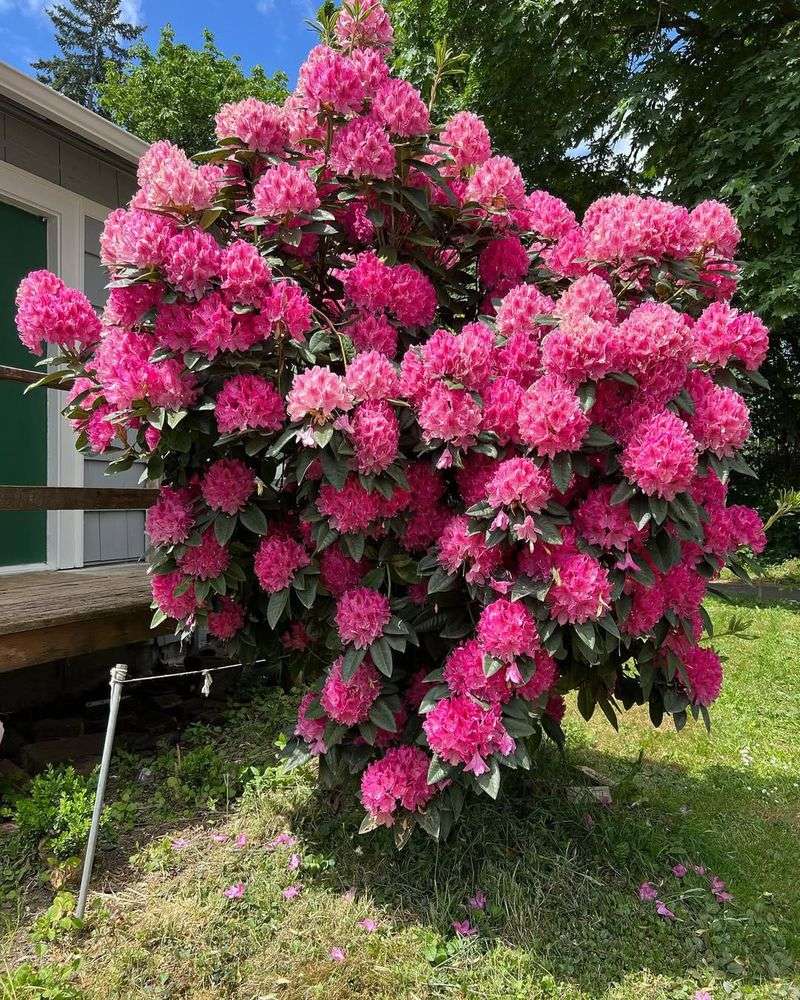
Rhododendrons grow wild throughout Oregon forests, thriving under tall tree canopies where dappled light filters through.
These iconic plants demonstrate perfectly why checking sun requirements matters so much.
Place a rhodie in full blazing sun and watch the leaves scorch yellow and brown within weeks. Too much shade produces leggy growth and few flowers.
The sweet spot for rhododendrons sits somewhere between these extremes, typically on the north or east side of buildings where they receive bright indirect light plus some morning sun.
Oregon’s native environment shows exactly what these plants prefer because they naturally select locations with partial shade and protection from hot afternoon exposure.
Gardeners who ignore this lesson and plant rhododendrons in sunny south-facing beds face constant struggles. The plants survive but never look their best, requiring extra water and showing stress symptoms throughout summer.
Moving them to shadier locations transforms their health almost immediately.
Other popular Oregon plants follow similar patterns, each with specific light preferences developed through evolution. Azaleas, camellias, and hydrangeas all prefer conditions similar to rhododendrons.
Learning from these plants teaches you to match species with appropriate exposure rather than forcing them into unsuitable spots just because you have empty space to fill.
7. Vegetable Gardens Fail Without Proper Sun Assessment
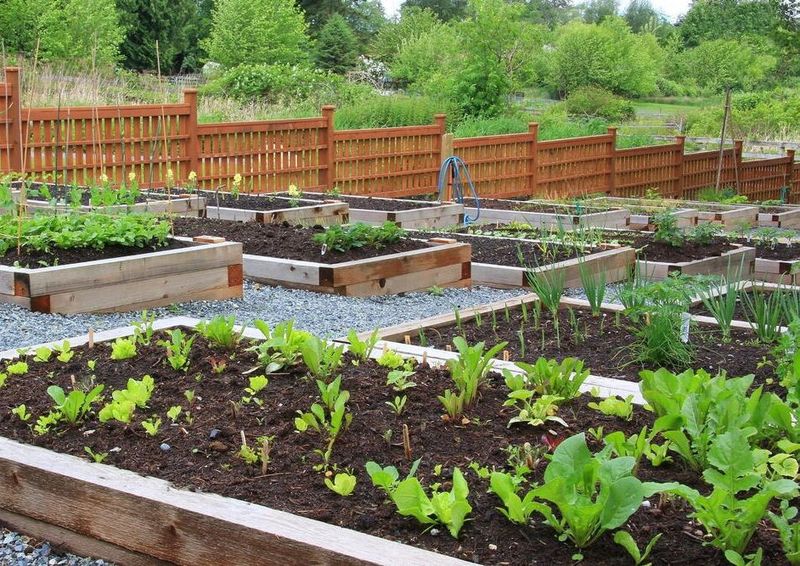
Nothing disappoints quite like a vegetable garden that produces tiny, flavorless harvests despite your hard work. Insufficient sunlight causes this problem more often than any other factor in Oregon gardens.
Tomatoes, peppers, squash, and most fruiting vegetables absolutely need six to eight hours of direct sun to produce well.
Leafy greens and root vegetables offer more flexibility, tolerating partial shade and sometimes preferring it during hot summers.
Lettuce, spinach, and kale actually taste better when grown with some shade protection because they stay cooler and sweeter.
Carrots, beets, and radishes produce decent crops with four to six hours of sun.
Many gardeners place vegetable beds in convenient locations near the house without measuring actual sun exposure first. The bed might sit too close to the garage, fence, or tree line, receiving only three or four hours of direct light.
Plants grow slowly, fruits stay small, and diseases take hold more easily in weak plants.
Before building raised beds or tilling soil, spend a full sunny day tracking light patterns across your proposed vegetable garden site. Mark the hours of direct sun exposure and plan your crops accordingly.
Put sun-lovers in the brightest spots and shade-tolerant greens in areas receiving less light. This planning step makes the difference between abundant harvests and wasted effort.
8. Reflected Light From Buildings Changes Everything
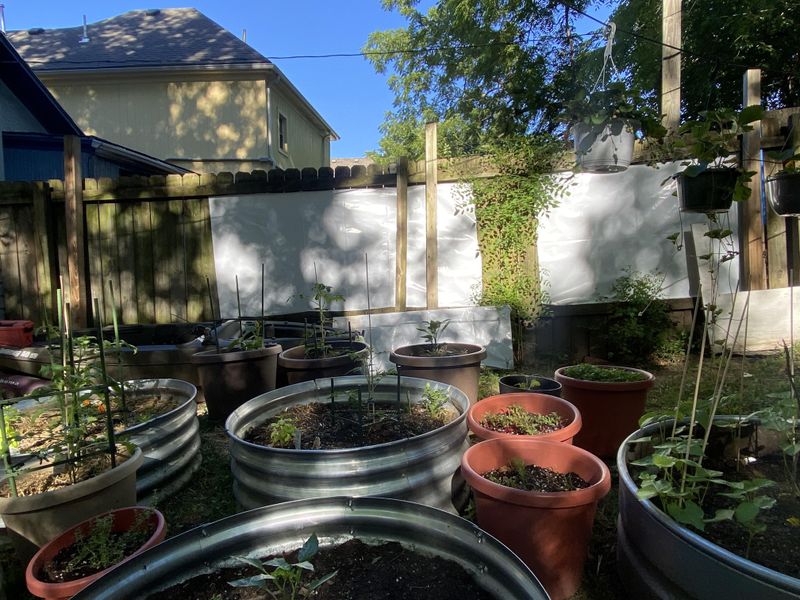
White or light-colored buildings bounce sunlight into adjacent garden beds, effectively increasing light intensity beyond what you might expect.
A bed on the north side of a white house receives more light than the same location next to a dark fence.
This reflected light can turn a partial shade area into a full sun zone.
South-facing walls create especially intense conditions because they absorb heat all day and radiate it back toward nearby plants.
The combination of direct sun plus reflected heat and light can stress plants rated for full sun.
Walls also block cooling breezes, creating hot microclimates that feel like different climate zones.
Windows reflect light at specific angles depending on the sun’s position, creating bright spots that move throughout the day. Metal buildings, cars, and even light-colored gravel or concrete surfaces bounce additional light into your garden.
These reflected sources add up, sometimes providing enough extra light to grow sun-loving plants in unexpected locations.
Survey your property for reflective surfaces when assessing sun requirements and choose plants accordingly. A spot receiving four hours of direct sun plus reflected light from a white wall might support plants needing six hours.
Similarly, avoid placing shade plants near highly reflective surfaces where they will receive more light than they can handle comfortably.
9. Seasonal Sun Angles Create Surprising Changes
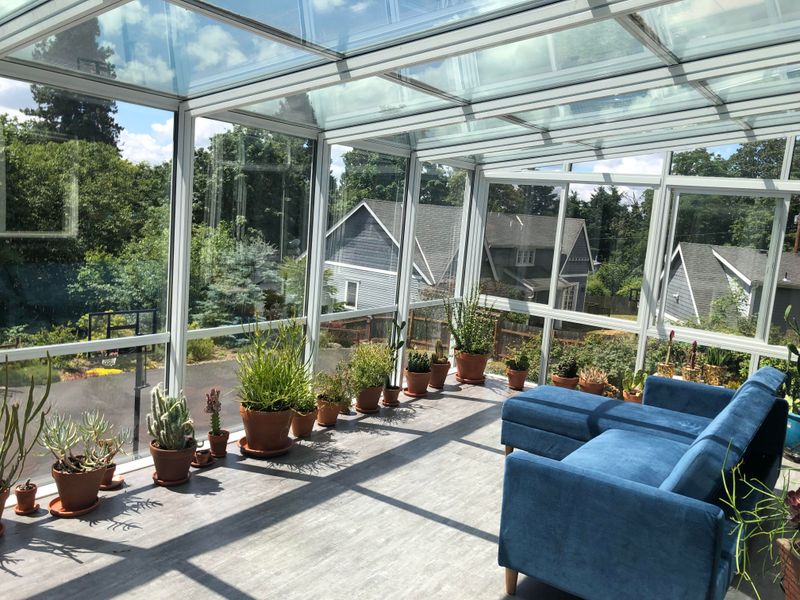
The sun sits high in the sky during summer, passing almost directly overhead and creating short shadows. Winter sun stays low on the horizon, casting long shadows that stretch across your entire yard.
This dramatic angle change means a garden bed might receive completely different light exposure depending on the season.
A south-facing bed blocked by a six-foot fence receives full sun in summer when the sun clears the fence easily. That same bed might sit in complete shade during winter when the low sun never rises above the fence line.
Trees, buildings, and other obstacles block winter sun much more effectively than summer sun.
Oregon gardeners planting in spring sometimes choose species based on current sun conditions without considering how light will change by fall. Summer vegetables perform fine, but fall crops planted in August might struggle as shadows lengthen.
Perennials face the opposite challenge, needing enough winter sun to survive dormancy without spring sun burning new growth.
Track sun exposure during multiple seasons before committing to permanent plantings like trees, shrubs, and perennial beds. Annual vegetables offer flexibility since you replant each year, but mistakes with permanent plants last for years.
Understanding seasonal sun angle changes helps you choose plants that thrive year-round rather than struggling through half the seasons.
10. Container Gardens Offer Sun-Matching Flexibility
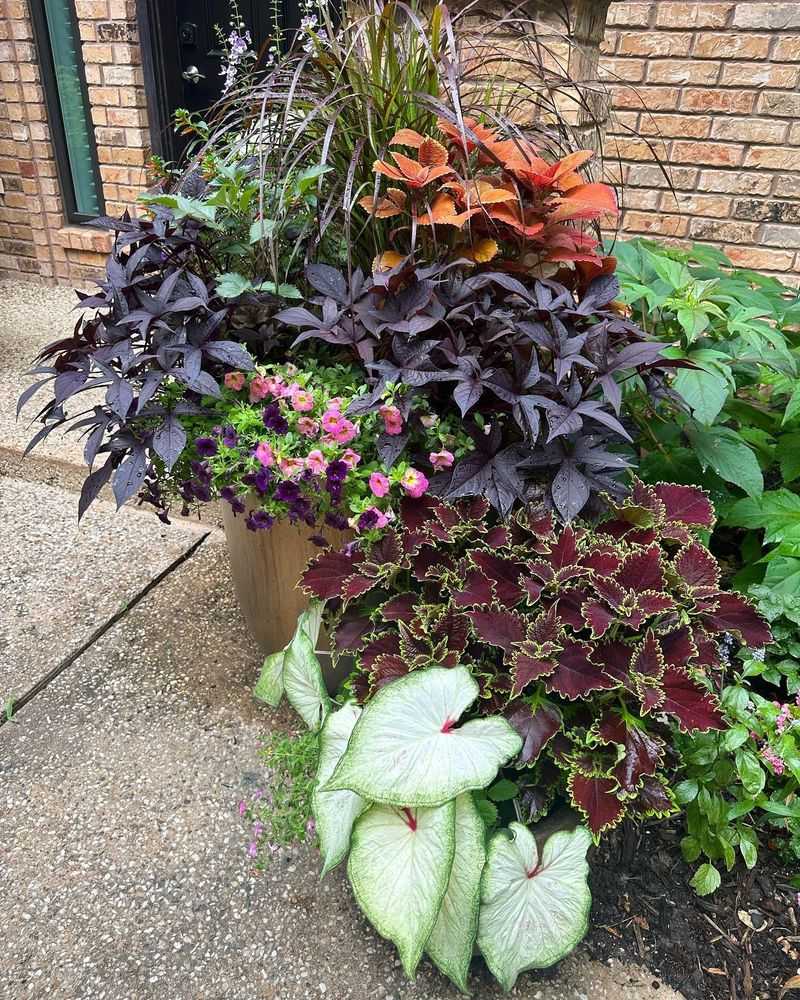
Containers provide the ultimate solution for Oregon gardeners dealing with complicated sun patterns because you can move plants as conditions change.
Start shade-loving fuchsias in a bright spot during cool spring, then relocate them to shadier areas once summer heat arrives.
Move sun-loving herbs from winter storage into the brightest summer locations.
This flexibility lets you maximize every growing area throughout the year instead of committing plants to single locations. Vegetables in containers can follow the sun as it shifts seasonally, always positioned for optimal light exposure.
Tender plants winter indoors, then move outside when conditions improve.
Container gardening also helps you experiment with sun requirements before making permanent planting decisions. Try a new plant species in various locations around your yard to see where it performs best.
Once you identify the ideal spot, you can either keep the container there or transplant into the ground with confidence.
The main challenge with containers involves increased maintenance since they dry out faster than ground plantings and need more frequent watering.
However, this tradeoff often makes sense for Oregon gardeners managing tricky microclimates and seasonal light changes.
Invest in quality containers with drainage holes, use good potting soil, and enjoy the flexibility to match each plant with perfect sun exposure year-round.