The 13 Best White Flowers For A Clean Look In Oregon Gardens
Oregon gardens have a charm all their own. Cool, misty mornings and rich soil create the perfect setting for flowers that bloom with elegance.
White flowers, in particular, bring a sense of calm and freshness, turning any garden into a peaceful retreat.
Picking the right white blooms means considering what thrives in Oregon’s unique climate. Some flowers love the rain, while others do better in a bit of shade under tall trees.
Choosing varieties suited to your local conditions means a gorgeous garden without extra effort.
White flowers also make other colors pop. They act like a clean canvas, highlighting greens, purples, and pinks around them.
They catch the light beautifully, adding charm to long summer evenings.
This guide shares some of the best white flowers for Oregon gardens. From low-maintenance options to show-stopping blooms that last all season, each one brings its own touch of beauty and elegance to your outdoor space.
1. Shasta Daisy
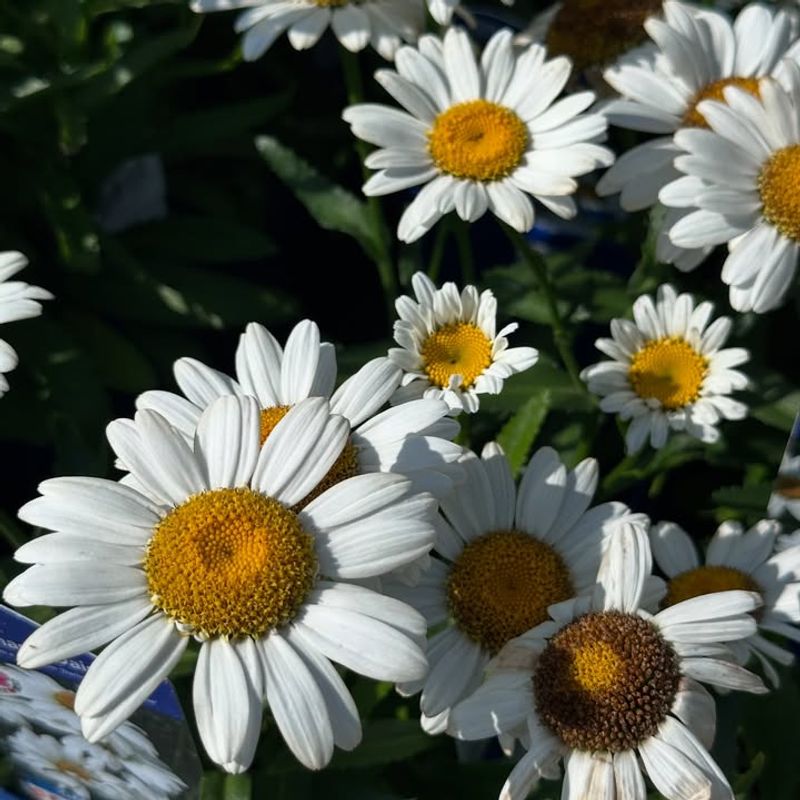
Shasta daisies are one of those flowers that just make you smile when you see them. Their bright white petals surround a cheerful yellow center, creating a classic look that never goes out of style.
Oregon’s climate suits them perfectly since they enjoy full sun but can handle a bit of afternoon shade during our warmer months.
These perennials come back year after year, which means less replanting and more time enjoying your garden. They bloom from early summer through fall, giving you months of continuous color.
The flowers grow on sturdy stems that reach about two to three feet tall, making them great for cutting and bringing indoors.
Plant them in well-draining soil and give them regular water during dry spells. They spread nicely over time, so you can divide them every few years to create more plants or share with neighbors.
Shasta daisies pair beautifully with purple coneflowers and black-eyed Susans if you want to add some color contrast.
One of the best things about these daisies is how low-maintenance they are. A little deadheading encourages more blooms, but even if you forget, they keep producing flowers.
They attract butterflies and bees, adding life and movement to your garden space throughout the growing season.
2. White Hydrangea
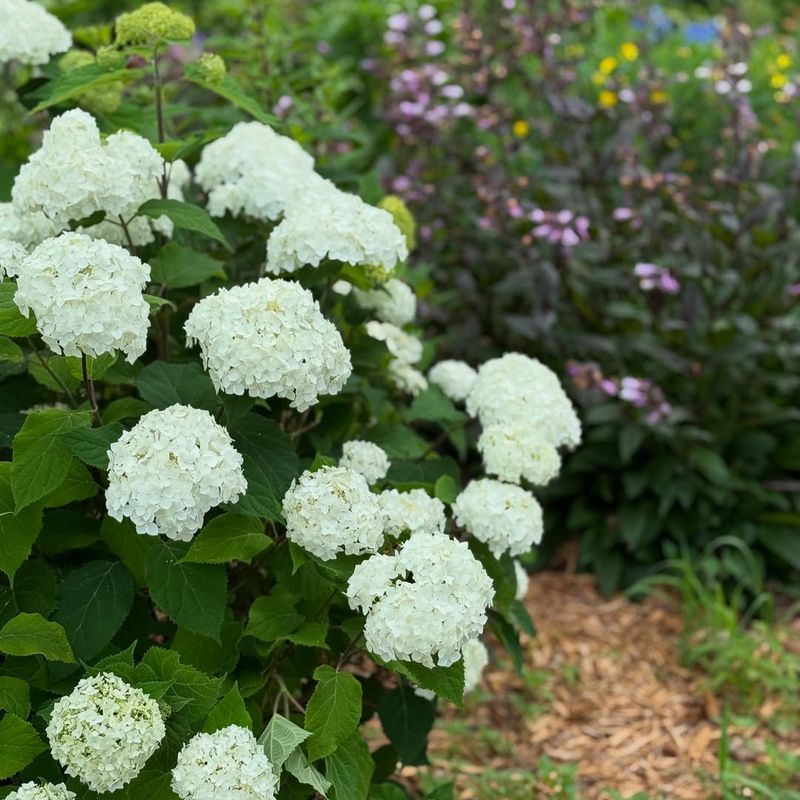
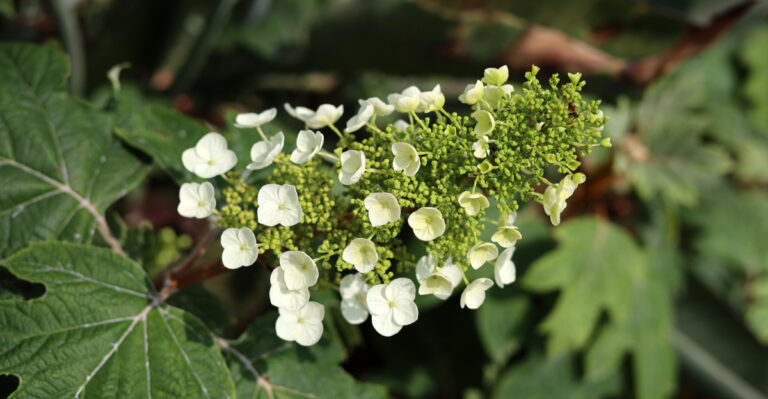
Few flowers make as bold a statement as white hydrangeas. Their massive blooms look like clouds of tiny flowers all clustered together, creating softball-sized flower heads that catch everyone’s attention.
Oregon gardeners love them because they thrive in our climate, especially in spots that get morning sun and afternoon shade.
The flowers start blooming in mid-summer and often last well into fall. As the season progresses, the white blooms sometimes take on hints of pink or green, adding extra interest.
These shrubs can grow quite large, reaching four to six feet in both height and width, so give them plenty of room.
Hydrangeas need consistent moisture, which works well with Oregon’s natural rainfall patterns. During dry summer weeks, make sure to water them deeply a couple times per week.
They prefer slightly acidic soil, which most Oregon gardens naturally have.
Your Oregon Garden Changes Every Week. Your Plan Should Too.
Gardening in Oregon changes quickly throughout the season. Every Friday you’ll receive a simple weekly plan showing exactly what to plant, prune, fertilize, harvest, and protect so you never miss the right timing.
One fun fact about hydrangeas is that you can dry the flower heads for indoor arrangements. Just cut them late in the season when they feel papery, and hang them upside down in a cool, dark place.
White hydrangeas look stunning planted near darker evergreens or used as a focal point in a mixed border.
3. White Rose
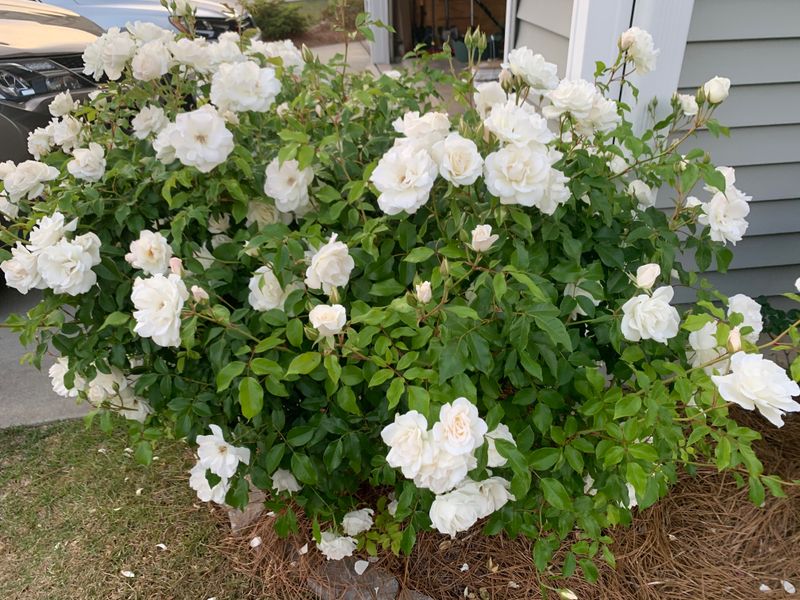
Modern varieties have been bred to resist common diseases, so you don’t need to be a rose expert to enjoy their beauty. White roses bring elegance and a wonderful fragrance that fills the air on warm evenings.
Choose varieties labeled as disease-resistant for the best success. Hybrid teas offer classic single blooms on long stems, while floribunda roses produce clusters of smaller flowers.
Shrub roses create a more casual look and require even less fussing. All of them benefit from Oregon’s mild winters and moderate summers.
Plant your roses in a spot with at least six hours of sunlight and good air circulation. This helps prevent moisture-related issues during our rainy seasons.
Add some compost to the soil at planting time, and your roses will reward you with vigorous growth.
Regular deadheading keeps the blooms coming all summer long. In late winter, prune away any damaged or crossing branches to maintain a healthy shape.
White roses look gorgeous planted with lavender or catmint, creating a romantic cottage garden feel that suits Oregon landscapes perfectly.
4. White Tulip
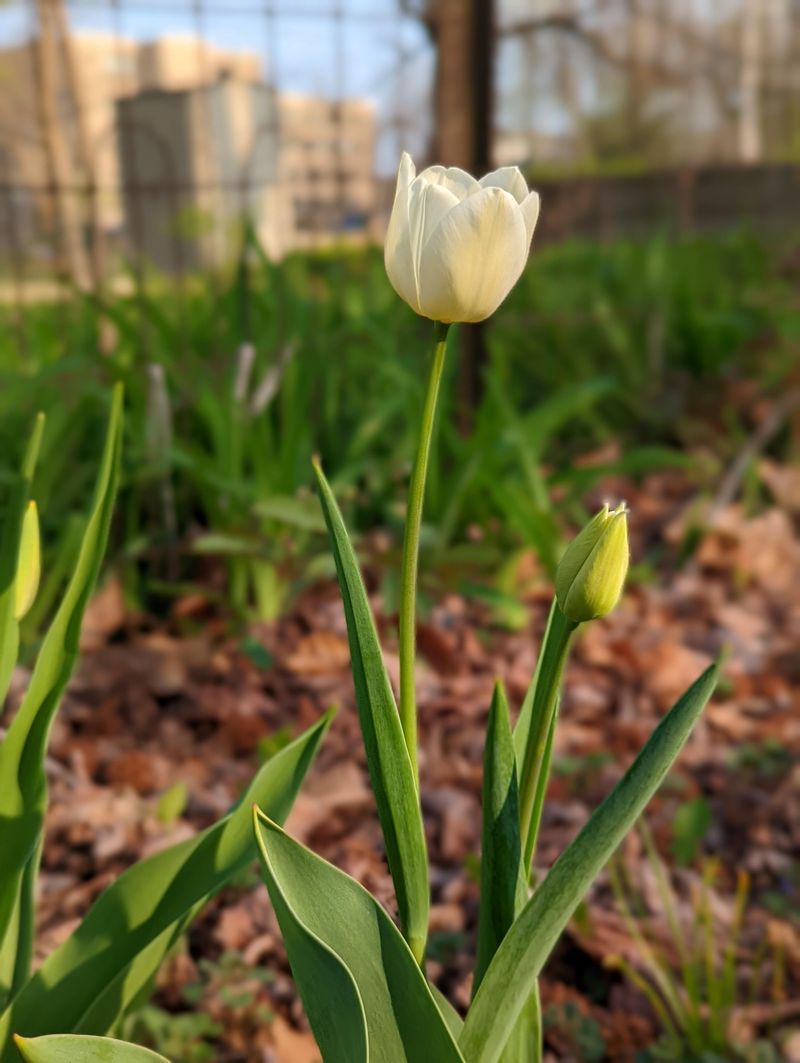
Spring arrives with a burst of color when white tulips open their cup-shaped blooms. These bulbs are a must-have for Oregon gardens because they signal the end of winter and the start of warmer days.
White tulips have a clean, sophisticated appearance that works in both formal and casual garden designs.
Plant tulip bulbs in fall, about six to eight inches deep. Oregon’s cool, moist winters provide exactly what tulip bulbs need to develop strong roots.
Come spring, they push up through the soil and bloom for several weeks, usually in April or May depending on your location.
White tulips come in many varieties, from simple single-petaled types to fancy double blooms that look almost like peonies. Some have pointed petals while others are rounded.
Mixing different varieties creates a longer bloom period since they flower at slightly different times.
After the flowers fade, let the foliage remain until it turns yellow and withers naturally. This allows the bulb to store energy for next year’s blooms.
Plant tulips with daffodils and grape hyacinths for a stunning spring display. Many Oregon gardeners plant new bulbs each fall to ensure a spectacular show every spring.
5. White Peony
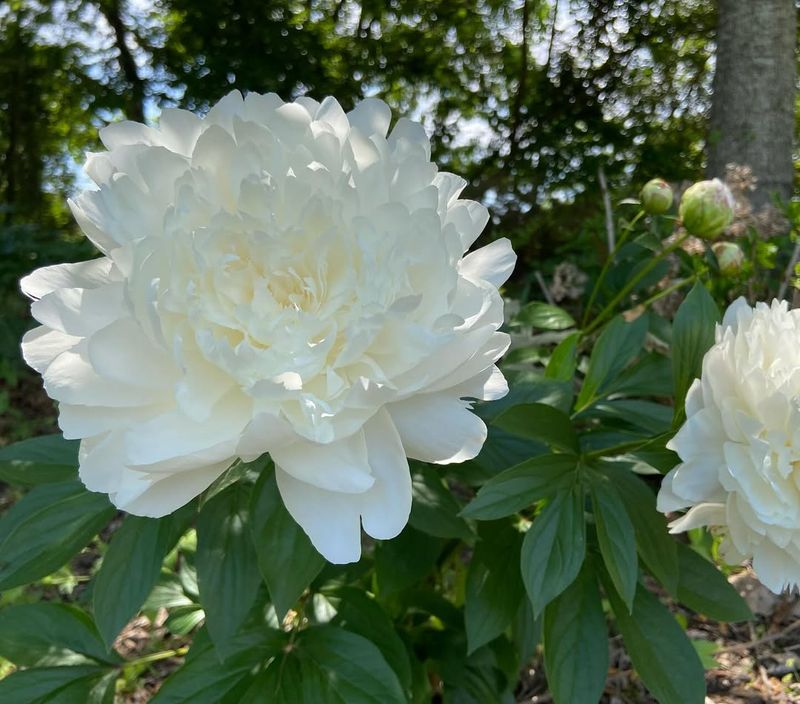
Peonies are the showstoppers of the late spring garden. White peonies produce enormous, fragrant blooms that can measure six inches across or more.
Their petals are soft and ruffled, creating a romantic look that makes them popular for both gardens and wedding bouquets.
These perennials are incredibly long-lived, often thriving in the same spot for decades. Oregon’s climate suits them well since they need a period of winter cold to bloom properly.
Plant them in fall or early spring in a sunny location with rich, well-draining soil.
One important tip is to plant peony roots shallow, with the buds only about two inches below the soil surface. Planting them too deep is the most common reason they fail to bloom.
Once established, they need minimal care beyond occasional watering during dry periods.
The flowers bloom for about two to three weeks, usually in May or early June. Their large blooms sometimes need support, so consider using peony rings or stakes.
After blooming, the foliage remains attractive all summer, providing a nice backdrop for other flowers. White peonies pair wonderfully with blue delphiniums or pink roses for a classic cottage garden combination.
6. White Clematis
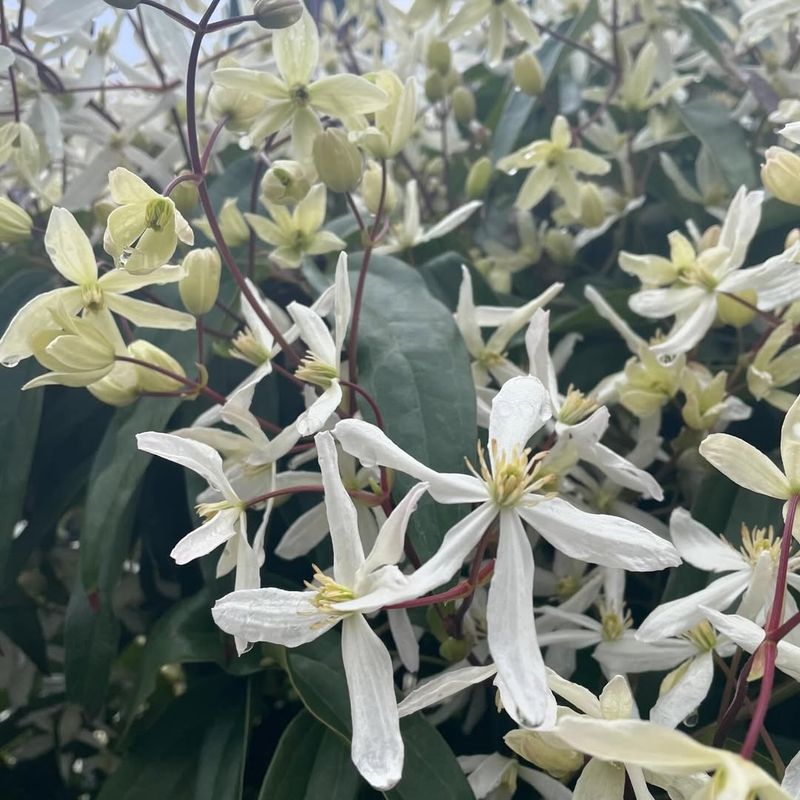
Some varieties produce small, star-shaped blooms while others have large, plate-sized flowers that demand attention. Either way, these climbing plants can transform a fence, trellis, or arbor into a flowering focal point.
Oregon’s moderate climate works perfectly for clematis since they prefer cool roots and warm tops. Plant them where their base gets shade but the vine can climb into sunlight.
Mulch around the roots helps keep them cool during summer months.
Different clematis varieties bloom at different times, so you can select early, mid, or late-season types. Some even bloom twice in one season.
The flowers can be simple with four to six petals or fully double with layers of ruffled petals. All of them add elegance to the garden.
Clematis needs something to climb, so provide a trellis, fence, or even let it scramble through a shrub. The vines attach using leaf stems that twist around supports.
Prune according to your variety’s blooming group since different types have different pruning needs. White clematis looks magical growing through climbing roses or covering a plain wall with cascading blooms.
7. White Azalea
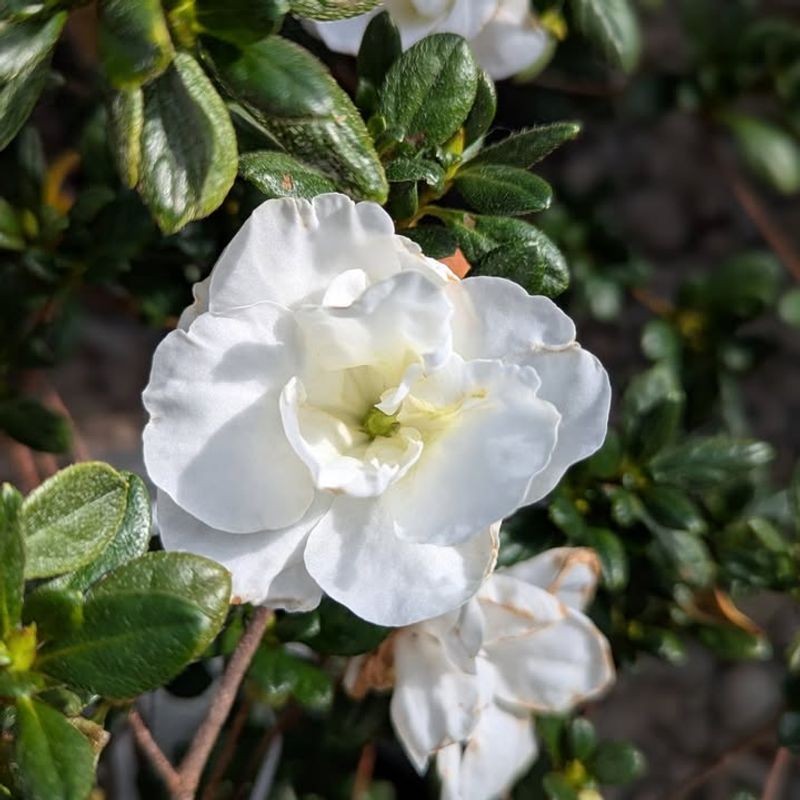
Azaleas create clouds of white flowers in spring that completely cover the shrubs. These evergreen plants are perfect for Oregon gardens since they love our acidic soil and appreciate our natural rainfall.
White azaleas brighten shady spots where many other flowering shrubs struggle.
Plant azaleas in partial shade where they get morning sun but protection from hot afternoon rays. They have shallow root systems, so avoid planting them too deep and keep mulch away from the stems.
Our native Douglas fir needles make excellent mulch for azaleas since they maintain soil acidity.
The flowers appear in April or May, depending on the variety and your garden’s microclimate. Some azaleas have small, delicate blooms while others produce larger, showier flowers.
All of them create an impressive display when in full bloom, often covering the foliage completely.
After flowering, azaleas maintain their evergreen leaves year-round, providing structure to the garden. They need minimal pruning, just shape them lightly right after blooming if needed.
Water them during dry summer periods since their shallow roots dry out quickly. White azaleas look stunning planted with rhododendrons, hostas, and ferns for a lush woodland garden feel.
8. White Dahlia
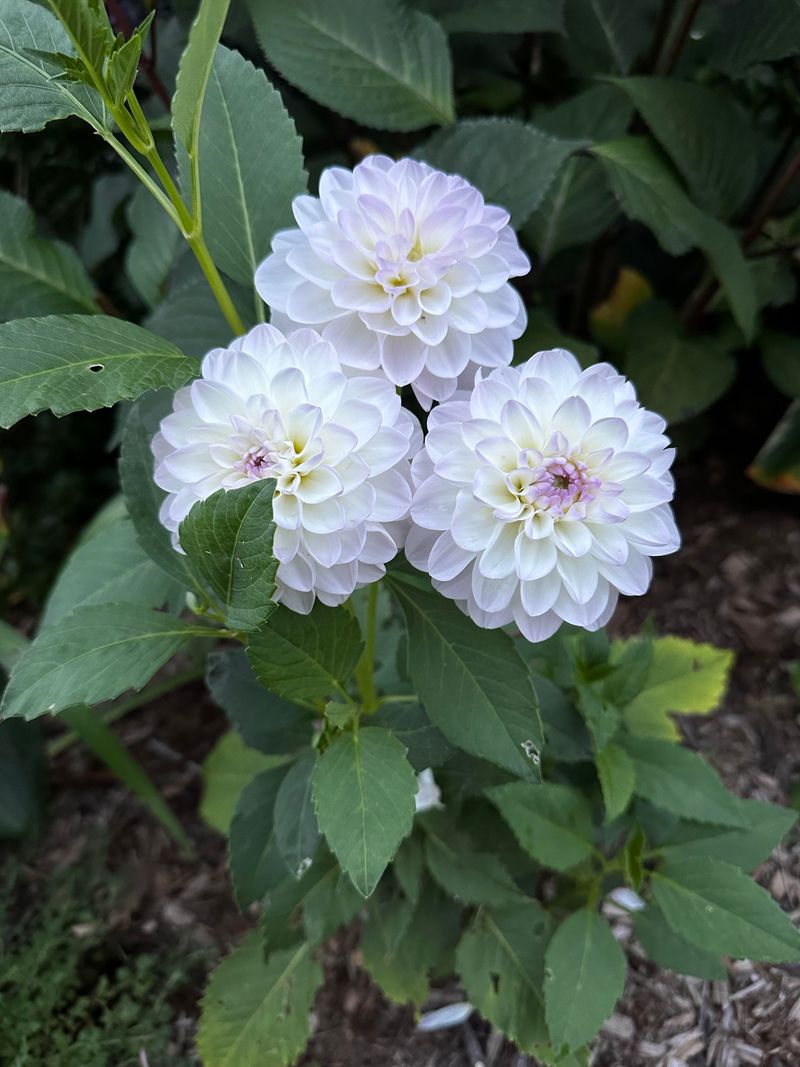
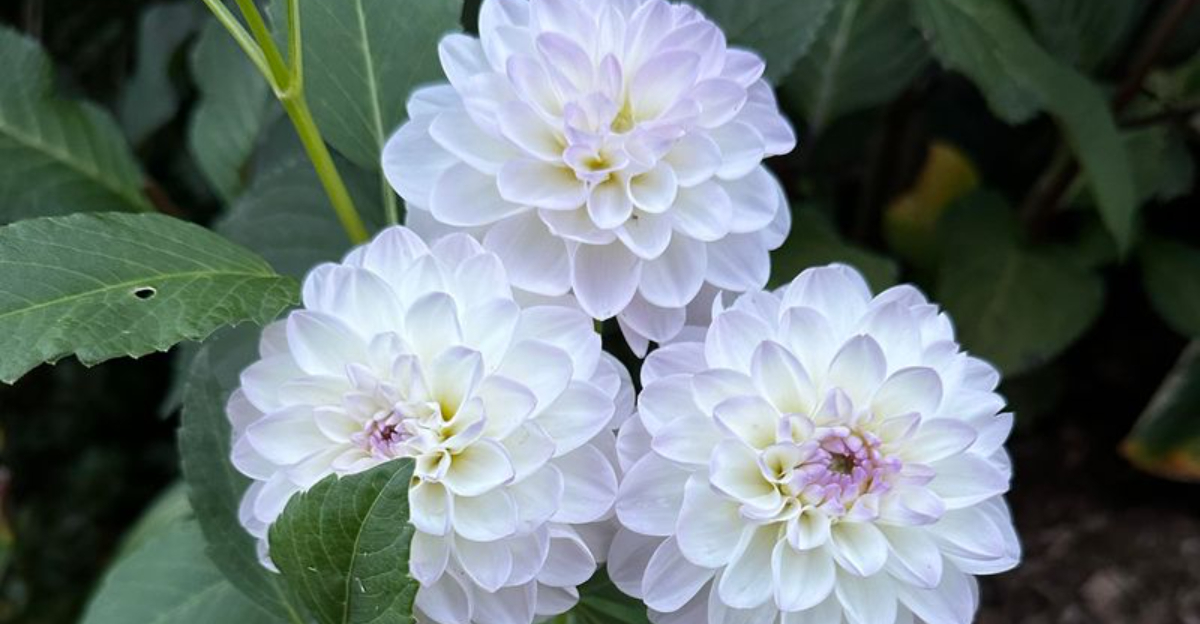
Dahlias bring drama to Oregon gardens with their bold, architectural blooms. White dahlias range from simple single flowers to dinner-plate sized giants with hundreds of petals arranged in perfect geometric patterns.
They bloom from mid-summer through the first frost, providing months of cut flowers.
Plant dahlia tubers after the last frost when soil has warmed up, usually in late April or May in most Oregon locations. They need full sun and rich soil with good drainage.
Space them about two feet apart since they grow into substantial plants.
Taller varieties need staking to support their heavy blooms. Put stakes in at planting time to avoid damaging the tubers later.
Pinch out the growing tip when plants reach about 12 inches tall to encourage bushier growth and more flowers.
Regular deadheading keeps dahlias blooming prolifically. Cut flowers for bouquets early in the morning when they are most hydrated.
In fall, after frost blackens the foliage, dig up the tubers and store them indoors over winter since they are not cold-hardy in most Oregon zones. White dahlias create stunning combinations with ornamental grasses or late-blooming perennials like asters and sedums.
9. White Iris
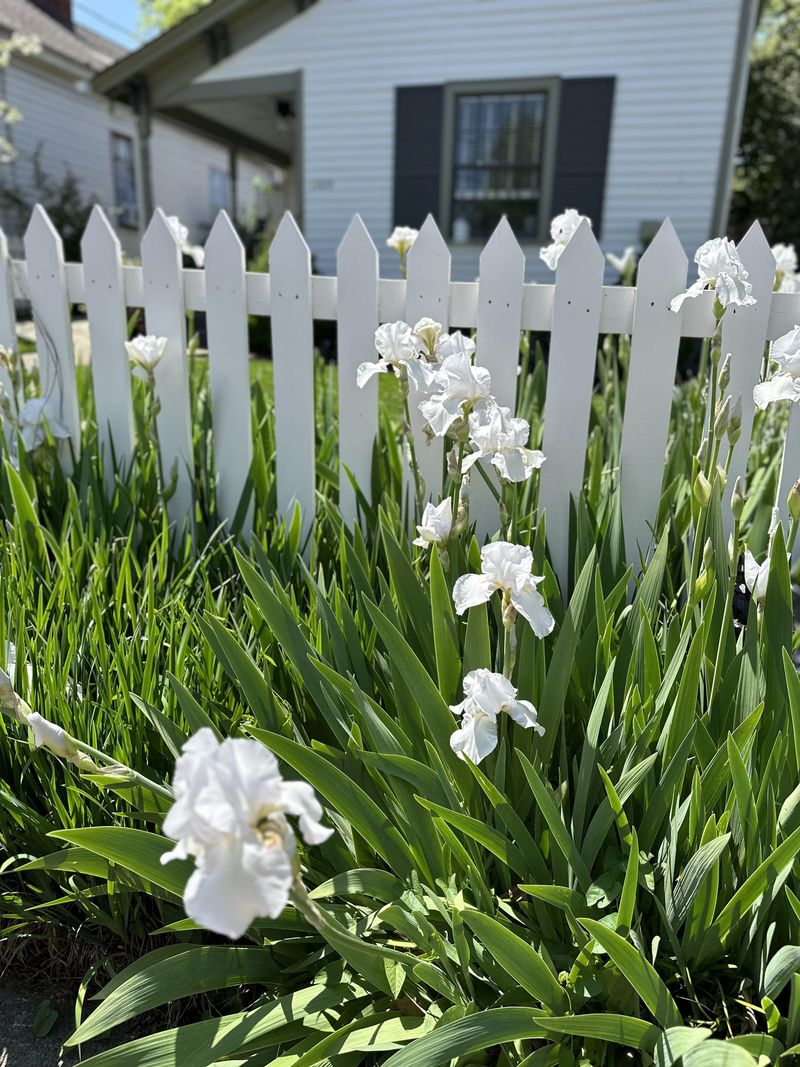
Iris flowers have an exotic appearance with their distinctive form and elegant petals. White iris varieties bring a touch of sophistication to Oregon gardens in late spring.
Their sword-like foliage provides vertical interest even when the plants are not blooming.
Bearded iris are the most common type, with fuzzy beards on the lower petals. They grow from rhizomes that should be planted shallow, with the top exposed to sunlight.
Oregon’s dry summers suit them well since they prefer to bake a bit between waterings.
Plant iris in full sun in well-draining soil. They bloom in May or June, with flowers lasting about two weeks.
Each rhizome produces multiple flower stalks, and established clumps create impressive displays. The flowers have a light, sweet fragrance that adds another sensory layer to the garden.
After blooming, trim off spent flower stalks but leave the foliage to photosynthesize. In late summer, you can divide overcrowded clumps by digging them up, separating the rhizomes, and replanting.
White iris look beautiful planted with purple alliums or coral-colored oriental poppies. Their clean white blooms and structural leaves make them valuable additions to perennial borders.
10. White Camellia
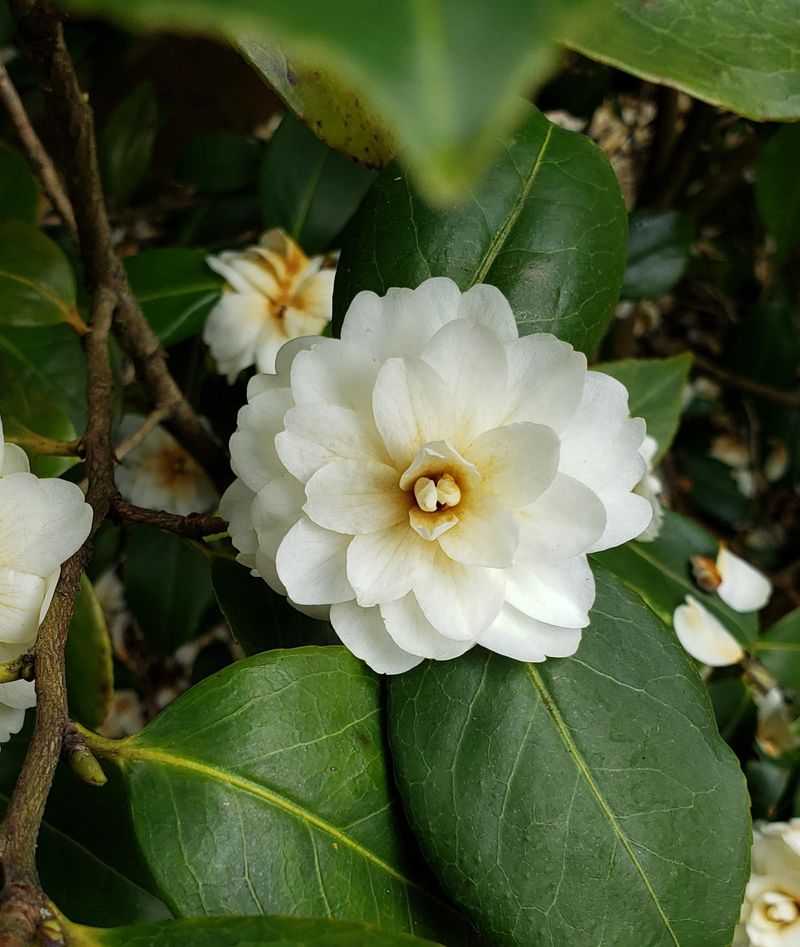
Camellias are treasured in Oregon gardens for their ability to bloom during winter and early spring when little else is flowering. White camellias produce waxy, rose-like blooms that seem impossibly perfect.
These evergreen shrubs provide year-round structure while delivering flowers during the coldest months.
Oregon’s mild winters allow camellias to thrive, especially in areas west of the Cascades. They prefer partial shade and acidic soil, making them ideal companions for azaleas and rhododendrons.
Plant them in a protected spot away from harsh winds and morning sun, which can damage frost-touched blooms.
Camellias are slow-growing but long-lived, eventually reaching six to ten feet tall depending on the variety. Their glossy, dark green leaves create a beautiful backdrop for the white flowers.
Some varieties bloom as early as November, while others wait until March or April.
These shrubs need consistent moisture but good drainage. Mulch around the roots to maintain even soil moisture and temperature.
Camellias rarely need pruning beyond removing damaged branches. Their elegant blooms last for weeks on the plant and also make lovely cut flowers.
White camellias create a sophisticated look in woodland gardens or planted near entryways where their winter blooms can be appreciated up close.
11. White Astilbe
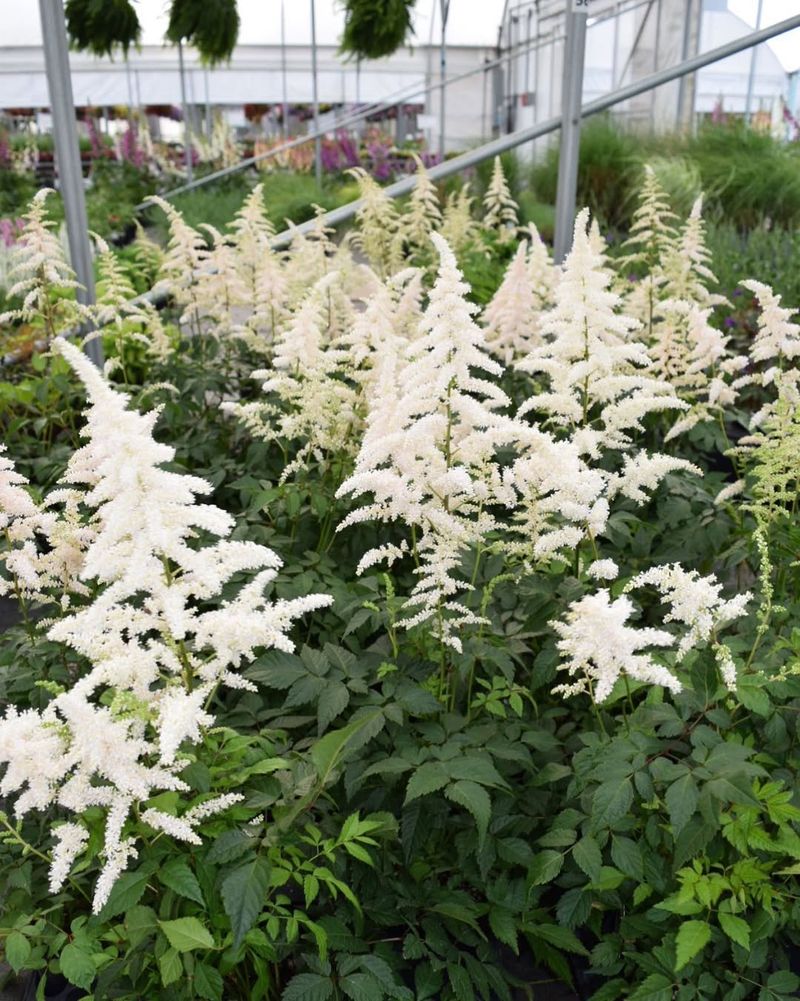
This flower brings fluffy, feathery plumes to shady Oregon gardens where many flowering plants refuse to bloom. White astilbe varieties produce cream to pure white flower spikes that rise above ferny foliage.
These perennials are perfect for damp, shady spots that challenge other gardeners.
Oregon’s naturally moist climate suits astilbe perfectly. They thrive in partial to full shade and appreciate consistent moisture.
Plant them under trees, along shady borders, or near water features where the soil stays damp. They struggle in hot, dry conditions, so avoid sunny, exposed locations.
The flowers appear in early to mid-summer, depending on the variety. Each plant produces multiple flower plumes that can reach two to four feet tall.
After blooming, the dried flower heads remain attractive and add winter interest to the garden if you leave them standing.
Astilbe foliage is attractive even without flowers, with deeply cut leaves that resemble ferns. The plants spread slowly to form nice clumps over time.
Divide them every three to four years to maintain vigor. White astilbe combines beautifully with hostas, ferns, and bleeding hearts for a lush shade garden.
Their vertical flower spikes provide nice contrast to the rounded shapes of other shade-loving plants.
12. White Rhododendron
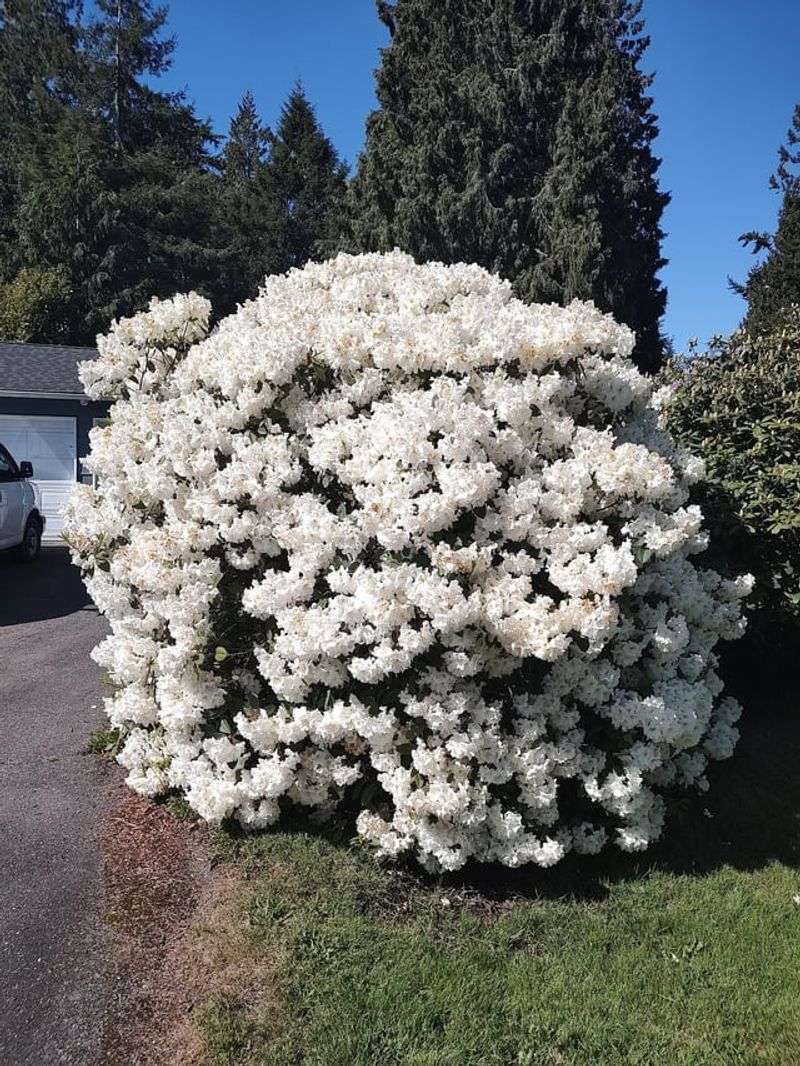
Rhododendrons are iconic in Oregon gardens, and white varieties offer a fresh alternative to the traditional pink and purple types. These evergreen shrubs produce clusters of trumpet-shaped flowers that create spectacular displays in spring.
Oregon’s climate is perfect for rhododendrons since they originated in similar cool, moist mountain regions.
Plant rhododendrons in partial shade with protection from hot afternoon sun. They need acidic, well-draining soil rich in organic matter.
Our native soil often provides ideal conditions, but adding compost at planting time gives them an extra boost. Mulch with bark or pine needles to maintain moisture and soil acidity.
White rhododendron flowers appear in April or May, with each bloom cluster containing multiple individual flowers. The shrubs range from compact varieties suitable for small gardens to large specimens that can reach eight to ten feet tall.
Choose a size appropriate for your space since rhododendrons grow slowly but steadily.
These shrubs need minimal pruning beyond removing spent flower clusters and any damaged branches. Water them during dry summer periods since their shallow roots need consistent moisture.
White rhododendrons look stunning planted with companion shade-lovers like ferns, hostas, and Japanese maples. Their evergreen foliage provides year-round structure while their spring blooms create unforgettable garden moments.
13. White Sweet Alyssum
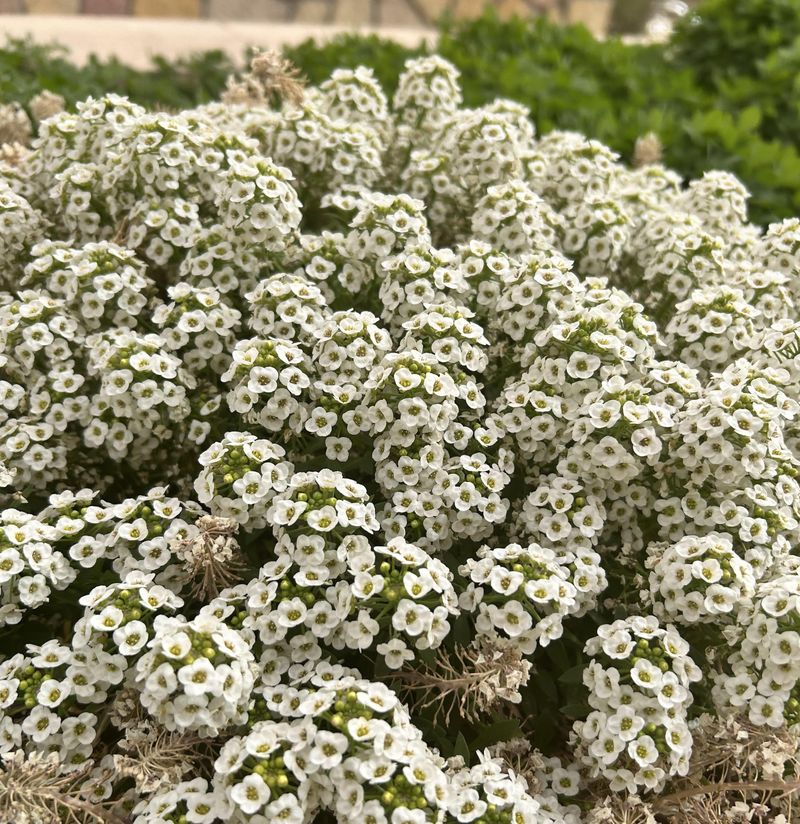
They might be small, but they pack a big punch in Oregon gardens. This low-growing annual produces masses of tiny white flowers that smell like honey.
Alyssum works perfectly as an edging plant, in containers, or tucked between larger plants to fill gaps with blooms.
Oregon gardeners appreciate alyssum because it tolerates our cool spring weather and blooms continuously from late spring through fall. It even handles light frosts, often continuing to flower well into November.
The plants grow only four to six inches tall but spread to about a foot wide.
Plant alyssum in full sun to partial shade in any well-draining soil. It’s one of the easiest flowers to grow from seed, or you can buy small plants at nurseries.
Once established, it self-seeds readily, popping up in unexpected places the following year. Most gardeners consider this a bonus rather than a problem.
The flowers attract beneficial insects like lacewings and hoverflies, which help control garden pests naturally. Alyssum needs minimal care beyond occasional watering during dry spells.
If it gets leggy mid-summer, trim it back lightly to encourage fresh growth and more blooms. White alyssum looks charming spilling over the edges of containers or softening the hard edges of pathways and borders.