These 7 Soil Types Are Best For Growing Vegetables In Iowa Gardens
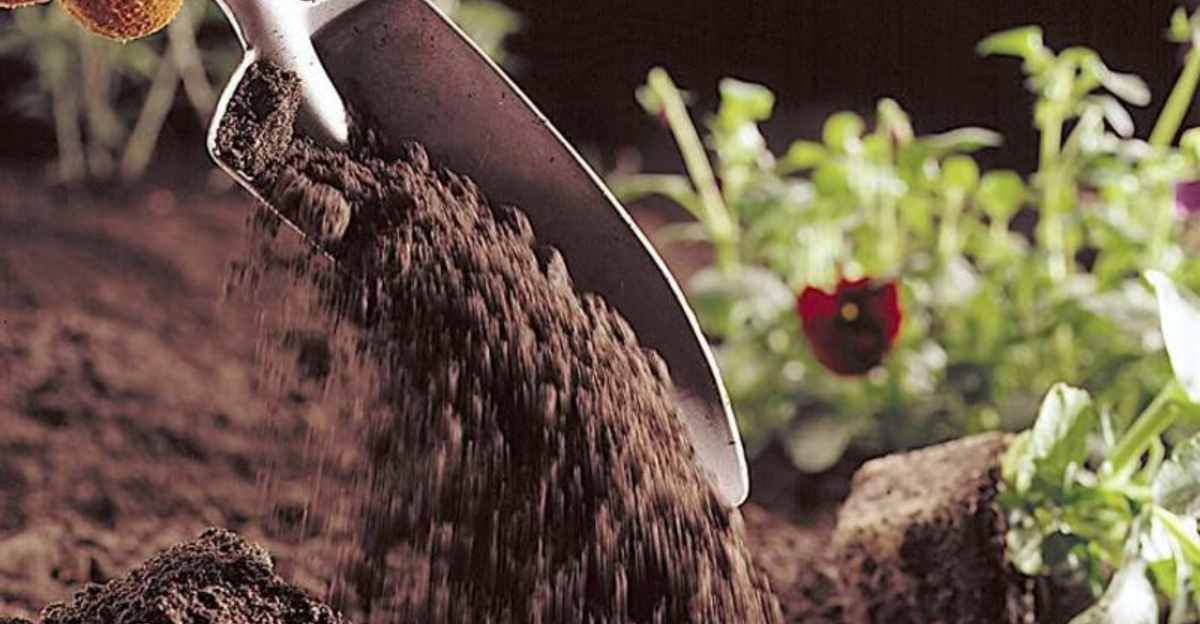
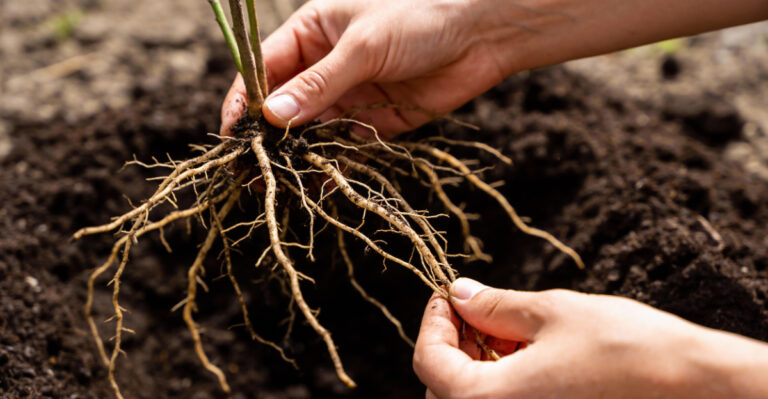
Healthy soil is the foundation of a productive Iowa garden. Choosing the right type of soil ensures vegetables grow strong, produce abundant yields, and resist disease.
Understanding soil composition helps gardeners provide the best environment for roots, nutrients, and water retention. The right soil can make all the difference for your vegetable harvest.
These soil types offer optimal conditions for Iowa gardens, including well-draining loams, fertile silty soils, and nutrient-rich topsoils. Each type supports healthy root development, improves plant growth, and maximizes vegetable production.
Preparing soil with compost, organic matter, and proper amendments enhances these benefits. Good soil is the key to healthy, flavorful, and bountiful vegetables.
Iowa gardeners who work with the right soil types enjoy stronger plants, higher yields, and more successful gardening seasons year after year. Invest in your soil and watch your vegetables thrive.
1. Silt Loam
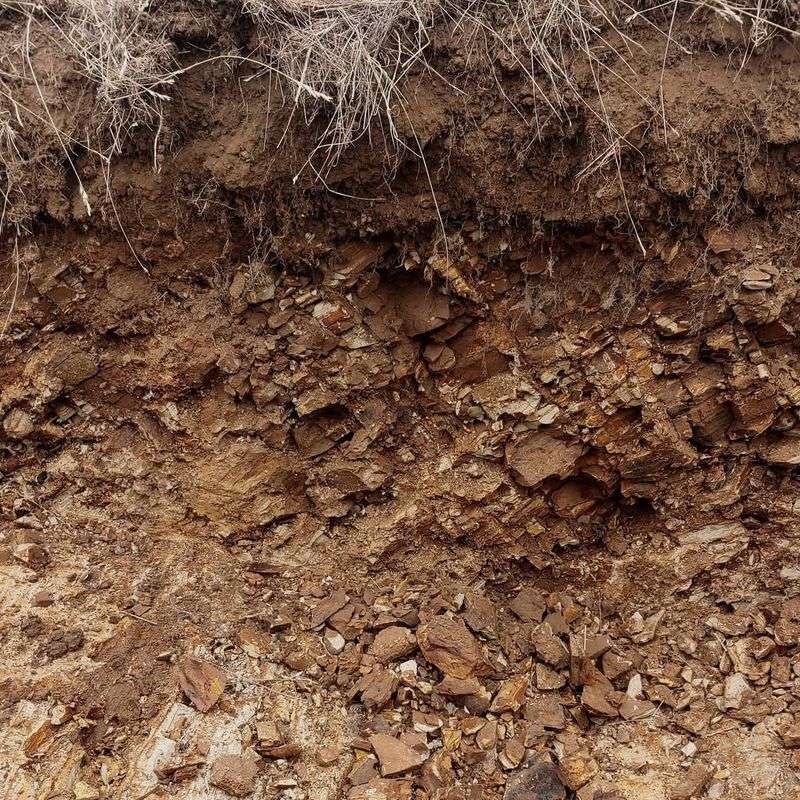
Along Iowa’s river valleys and across its productive farmland, silt loam dominates the landscape with its remarkable fertility.
This soil type feels incredibly smooth when you rub it between your fingers, almost like flour mixed with a touch of moisture.
The fine particles pack together more densely than regular loam, creating a texture that holds water exceptionally well while still allowing adequate drainage.
River systems throughout Iowa have deposited nutrient-rich silt for thousands of years, building up deep layers of this valuable growing medium.
Vegetables planted in silt loam tap into abundant mineral reserves that fuel vigorous growth and impressive yields. The soil’s natural fertility means you’ll need less fertilizer compared to sandier options, saving both money and effort.
However, silt loam does present one challenge that gardeners must address: its tendency toward compaction. When heavy rains fall or you walk repeatedly on garden beds, the fine particles squeeze together, reducing air pockets that roots need for healthy development.
Preventing this requires regular additions of organic matter like compost, aged manure, or shredded leaves. These amendments work wonders by improving soil structure and maintaining the loose, crumbly consistency that vegetables prefer.
With proper management, silt loam becomes an incredibly productive foundation for growing everything from sweet corn to succulent melons.
2. Sandy Loam
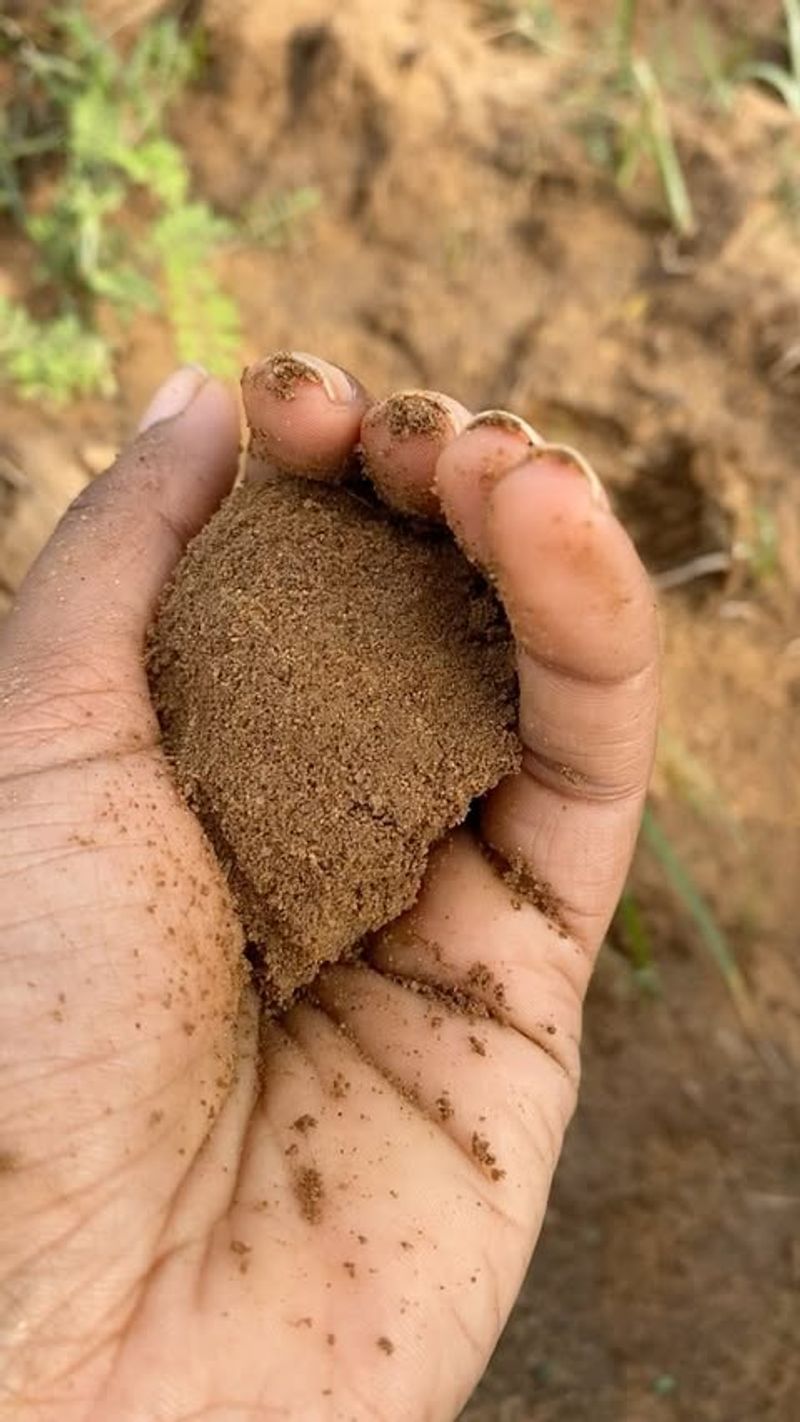
Early spring planting becomes possible weeks sooner when your garden features sandy loam. The higher sand content allows this soil to warm up quickly once winter releases its grip, giving eager gardeners a jump on the growing season.
While pure sand drains too rapidly and loam can stay cold and soggy, sandy loam strikes a perfect middle ground for impatient planters.
Root vegetables absolutely love this soil type because their underground growth encounters minimal resistance. Carrots grow straight and long without encountering hard clumps that cause forking or twisting.
Potatoes develop smooth, uniform tubers that are easy to harvest come autumn. The excellent drainage prevents rot and ensures that even after heavy thunderstorms, your plants won’t sit in waterlogged conditions.
The trade-off with sandy loam involves its reduced ability to hold onto moisture and nutrients compared to heavier soils. During Iowa’s occasional dry spells, you’ll need to water more frequently to keep plants happy and productive.
Your Iowa Garden Changes Every Week. Your Plan Should Too.
Gardening in Iowa changes quickly throughout the season. Every Friday you’ll receive a simple weekly plan showing exactly what to plant, prune, fertilize, harvest, and protect so you never miss the right timing.
Regular applications of compost, well-aged manure, or other organic materials help compensate for this tendency by improving water retention.
Building organic matter into sandy loam creates a win-win situation: you maintain the quick drainage and early warming that makes this soil special while boosting its capacity to support plants through varying weather conditions throughout the growing season.
3. Clay Loam
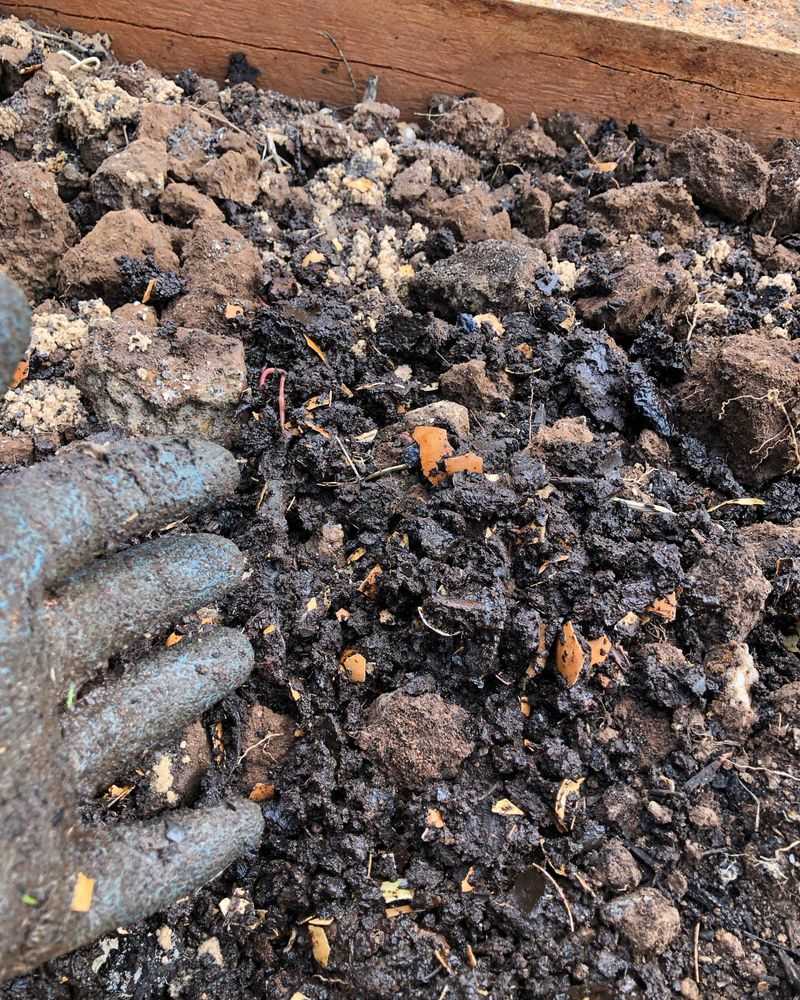
Nutrient storage reaches impressive levels in clay loam, making this soil type a powerhouse for feeding hungry vegetable plants. The tiny clay particles act like microscopic magnets, attracting and holding minerals that plants need for robust growth.
Water retention also excels in clay loam, helping gardens survive dry periods without constant irrigation. Iowa gardeners working with clay loam face distinct challenges that require thoughtful solutions.
The soil’s dense nature means it drains slowly, sometimes staying soggy for days after rainfall. Compaction becomes a serious concern because clay particles pack together tightly when wet, creating an almost concrete-like barrier that roots struggle to penetrate.
Walking on wet clay loam beds compounds this problem significantly. Raised beds offer an excellent solution for managing clay loam’s drawbacks while capitalizing on its strengths.
Elevating your planting area improves drainage immediately, preventing water from pooling around plant roots.
Adding generous amounts of compost transforms clay loam’s structure, creating air pockets that roots need while maintaining the soil’s impressive nutrient-holding capacity.
Many successful Iowa vegetable gardeners mix in coarse sand, aged bark, or perlite along with compost to further improve clay loam’s workability.
These amendments create a more balanced growing medium that combines clay’s fertility with better drainage and easier cultivation. With proper preparation, clay loam supports outstanding vegetable production season after season.
4. Loam Soil
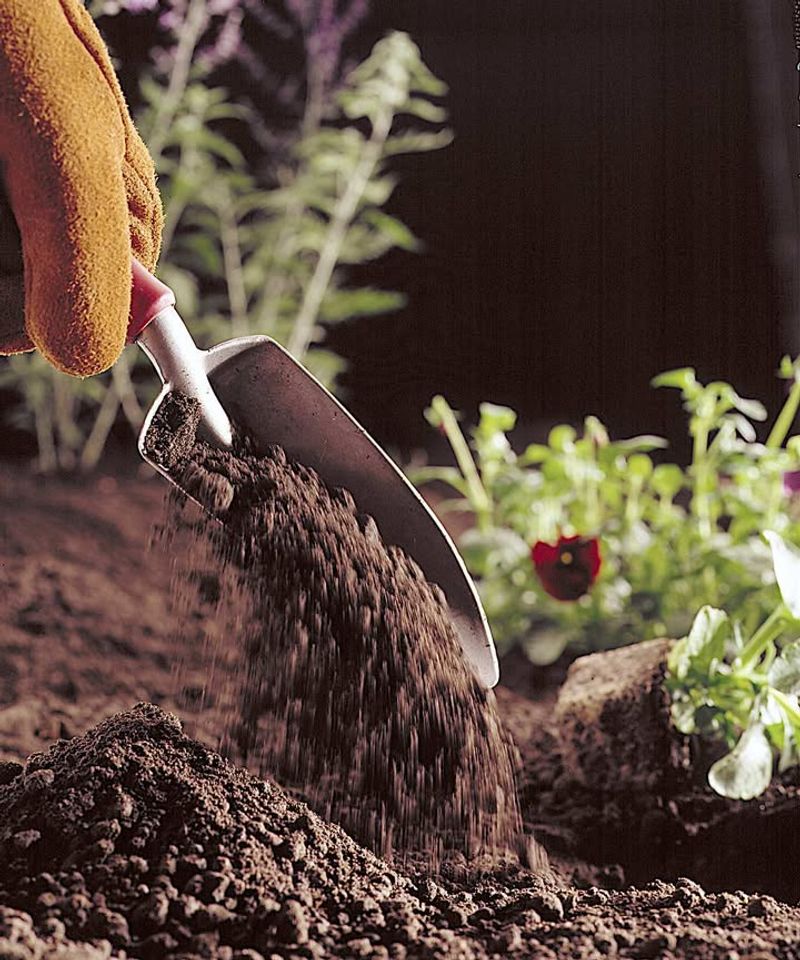
Gardeners across Iowa treasure loam as the gold standard for vegetable cultivation, and for good reason. This perfectly balanced blend combines sand, silt, and clay in proportions that create an almost magical growing medium.
The mixture delivers exactly what plants need: enough drainage to prevent waterlogged roots while retaining sufficient moisture during dry spells.
What makes loam particularly valuable is its ability to hold nutrients without becoming compacted or hard. Water moves through it at just the right pace, neither rushing away too quickly nor pooling on the surface.
Plants develop robust root systems in loam because the soil structure allows easy penetration while providing stable anchorage.
Many of Iowa’s most productive agricultural regions naturally feature loamy soils, a testament to the state’s rich glacial history. These areas have supported farming for generations, producing abundant harvests year after year.
When you work loam between your fingers, it feels neither gritty nor sticky but crumbles pleasantly, forming a loose ball that breaks apart with gentle pressure.
For vegetable gardens, loam provides an excellent foundation for nearly every crop imaginable. Tomatoes, peppers, beans, and leafy greens all flourish in this versatile medium, making it the first choice for Iowa gardeners seeking consistent, reliable results.
5. Alluvial Soil
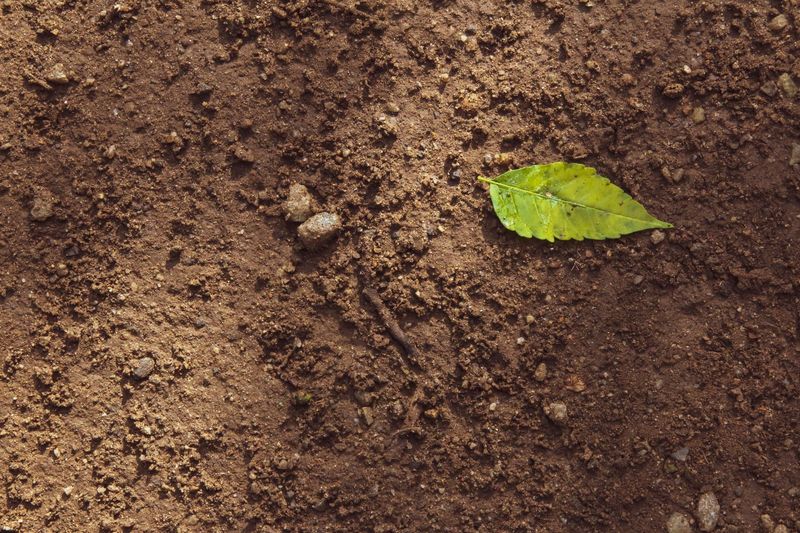
Centuries of flooding along Iowa’s rivers have created something special: alluvial soil deposits that rank among the most naturally fertile growing mediums available.
Each flood event brings a fresh layer of nutrient-rich sediment, building deep soil profiles that vegetable roots can explore extensively. This ongoing natural enrichment process means gardeners working with alluvial soil start with significant advantages.
The depth of alluvial deposits allows root vegetables and deep-rooted crops to stretch downward freely, accessing moisture and nutrients far below the surface.
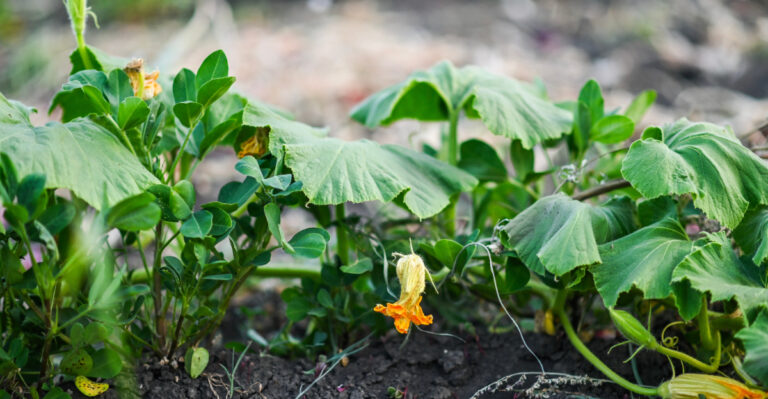
Tomatoes, squash, and corn develop extensive root systems in these deep soils, supporting vigorous top growth and abundant harvests.
The natural layering also improves drainage compared to uniform clay or silt, as different sediment types create varied textures throughout the soil profile. Location near floodplains brings both benefits and considerations that responsible gardeners must address.
While the soil itself excels for vegetable production, understanding local flood patterns becomes essential for protecting your investment in seeds, plants, and garden infrastructure.
Many successful riverside gardeners in Iowa time their plantings carefully and choose elevated spots within the floodplain.
Some install simple flood barriers or create slightly raised planting areas that provide protection during minor flooding events.
These precautions allow you to enjoy alluvial soil’s remarkable fertility while minimizing risks associated with living near dynamic water systems that occasionally overflow their banks.
6. Black Prairie Soil (Mollisols)
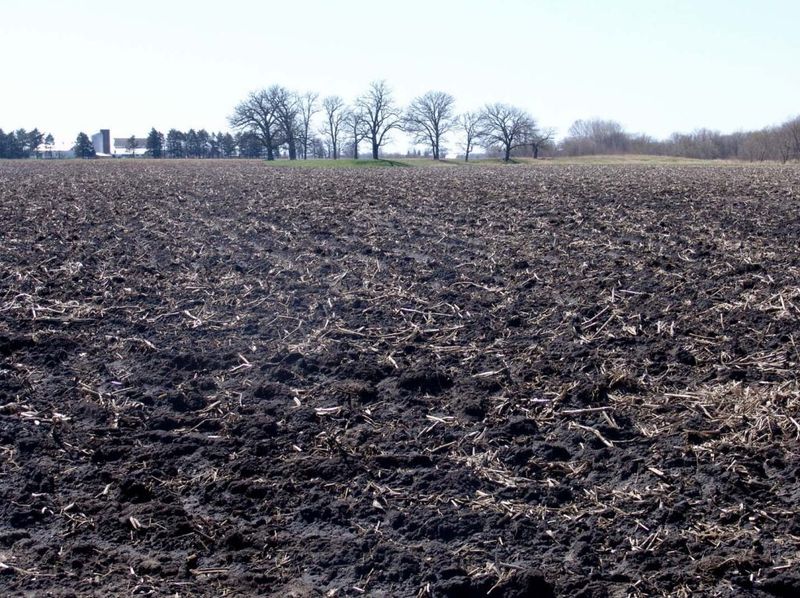
Iowa’s signature black prairie soils represent one of the world’s most valuable agricultural treasures. These Mollisols developed over thousands of years as prairie grasses grew, withered, and decomposed, building incredibly rich layers of organic matter.
When you dig into genuine prairie soil, the dark color tells the story of countless generations of plant growth contributing to an ecosystem perfectly designed for cultivation.
The high organic matter content in these soils provides benefits that synthetic fertilizers simply cannot match.
Soil organisms thrive in this environment, breaking down organic materials and releasing nutrients in forms that plants readily absorb.
Water retention reaches excellent levels without sacrificing drainage, creating ideal moisture conditions throughout the growing season. Heavy-feeding vegetables find everything they need in black prairie soil.
Corn stalks grow tall and produce full ears loaded with sweet kernels. Tomato plants become almost tree-like, supporting heavy clusters of fruit without struggling.
Squash vines spread vigorously, producing abundant harvests of summer and winter varieties that store beautifully.
Gardeners fortunate enough to work with original prairie soil should focus on maintaining its remarkable qualities through regular organic matter additions. Compost, cover crops, and mulching help sustain the biological activity that makes these soils so productive.
Protecting this precious resource ensures that future generations can continue enjoying the bounty that Iowa’s famous black earth provides to those who tend it carefully.
7. Raised Bed Soil Mix (Custom Blended)
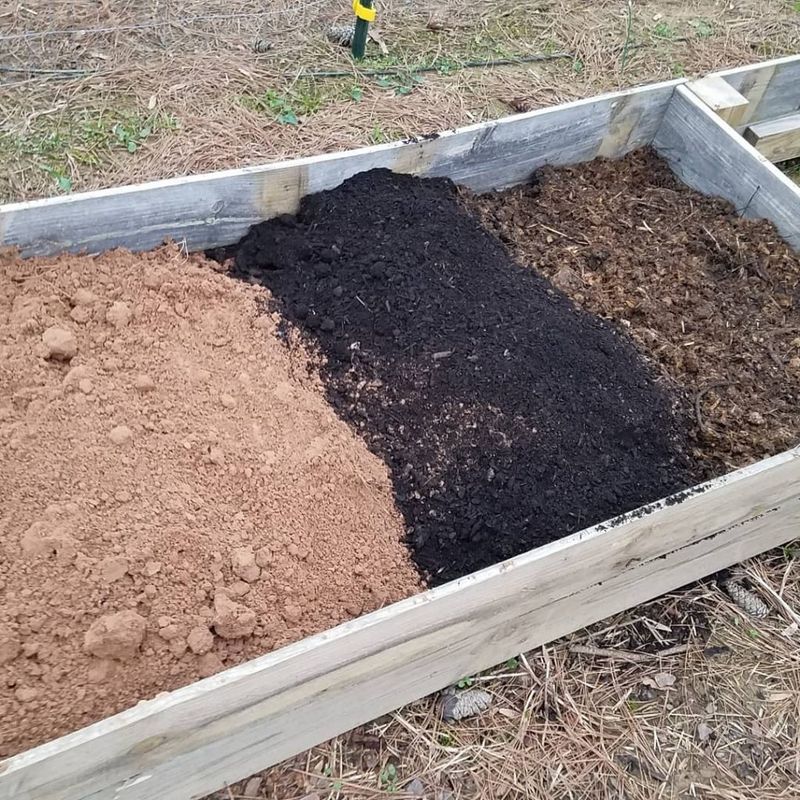
Creating the perfect growing environment becomes entirely possible when you custom blend soil for raised beds. Many Iowa gardeners choose this approach because it eliminates guesswork and allows precise control over every aspect of soil composition.
Starting from scratch means you can build exactly what your vegetables need, regardless of what naturally exists in your yard.
The classic formula combines equal parts topsoil, compost, and coarse material like peat moss or coconut coir, though ratios can adjust based on specific needs.
This blend provides structure from the topsoil, nutrients and organic matter from compost, and improved drainage from the coarse component. Some gardeners add perlite or vermiculite for even better aeration and moisture management.
Raised beds filled with custom mixes offer significant temperature advantages during Iowa’s unpredictable spring weather.
The elevated soil warms faster than ground-level gardens, allowing earlier planting of warm-season crops like tomatoes and peppers. Better drainage prevents the waterlogging that plagues many in-ground gardens after April and May thunderstorms.
Building your own mix does require initial investment in materials, but the long-term benefits justify the expense.
You avoid fighting poor native soil, eliminate concerns about contamination or compaction, and create an optimized environment where vegetables thrive from day one.
Refreshing the mix annually with additional compost maintains fertility and structure, ensuring consistent results year after year in your Iowa garden.