10 Exotic Fruits You Can Easily Grow In California Gardens
California’s warm climate and long growing season make it ideal for cultivating exotic fruits that might struggle elsewhere. With the right care, gardeners can enjoy unique flavors and striking plants right in their own yards.
Bring a taste of the tropics into your California garden. These exotic fruits are surprisingly easy to grow, from dwarf citrus and figs to passionfruit and guava.
Selecting the right varieties, providing proper sunlight, well-draining soil, and consistent watering ensures healthy growth and abundant fruit. Many of these plants also add visual interest with glossy leaves, vibrant flowers, and unusual fruit shapes.
Exotic fruits can thrive at home with simple gardening techniques. California gardeners who plant these varieties enjoy fresh, homegrown fruits that impress both the palate and the eye. Expand your garden with delicious and visually stunning exotic fruits.
1. Dragon Fruit (Pitaya – Hylocereus Species)
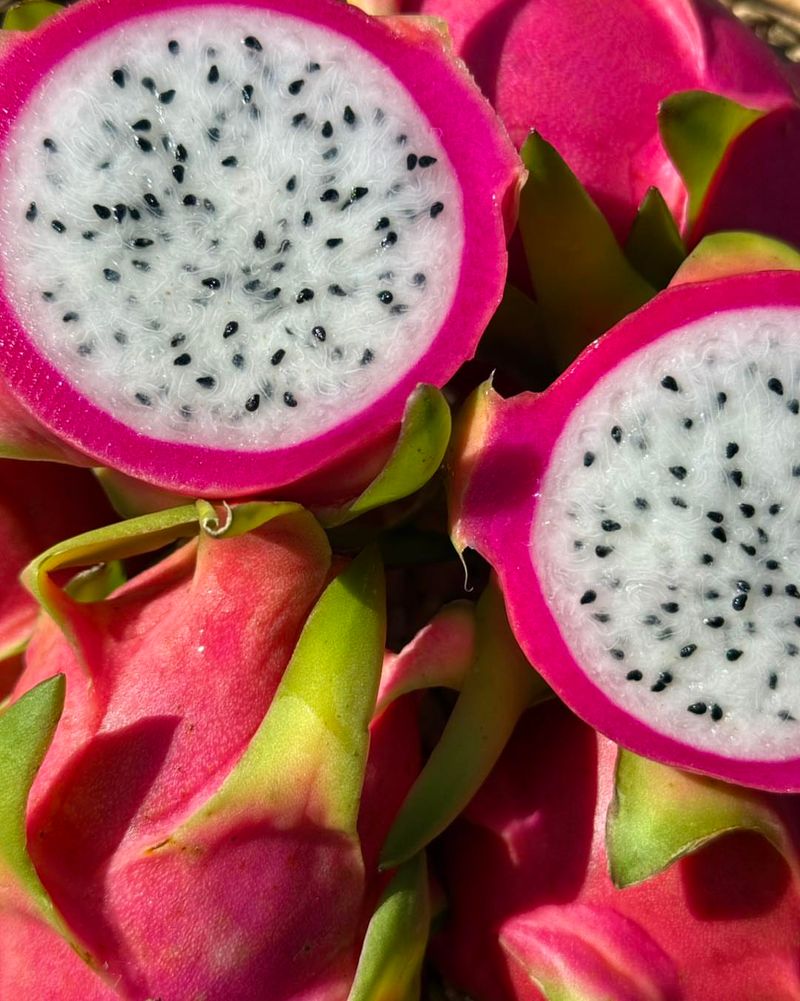
With its spectacular pink skin and white or magenta flesh speckled with tiny black seeds, dragon fruit looks like something from another planet.
This cactus-based fruit absolutely loves Southern California’s warm, dry conditions and thrives in coastal microclimates where temperatures rarely dip below freezing.
Dragon fruit plants are actually climbing cacti that need sturdy trellises or posts to support their sprawling growth, and once established, they require surprisingly little water compared to traditional fruit trees.
One fascinating characteristic of dragon fruit is its nighttime blooming habit, with massive white flowers opening after sunset and staying open until morning.
These blooms are typically pollinated by moths and bats in the wild, but home gardeners can hand-pollinate with a small paintbrush to ensure better fruit set.
The plants handle California’s summer heat exceptionally well, making them ideal for inland valleys and desert-edge gardens.
After the first year of establishment, dragon fruit plants become quite drought-tolerant and can produce multiple harvests throughout the warm season.
The fruit develops about thirty to fifty days after flowering, giving you a relatively quick reward for your efforts.
With minimal care requirements and stunning architectural presence, dragon fruit makes both a productive and ornamental addition to any California garden.
2. Passion Fruit (Passiflora Edulis)
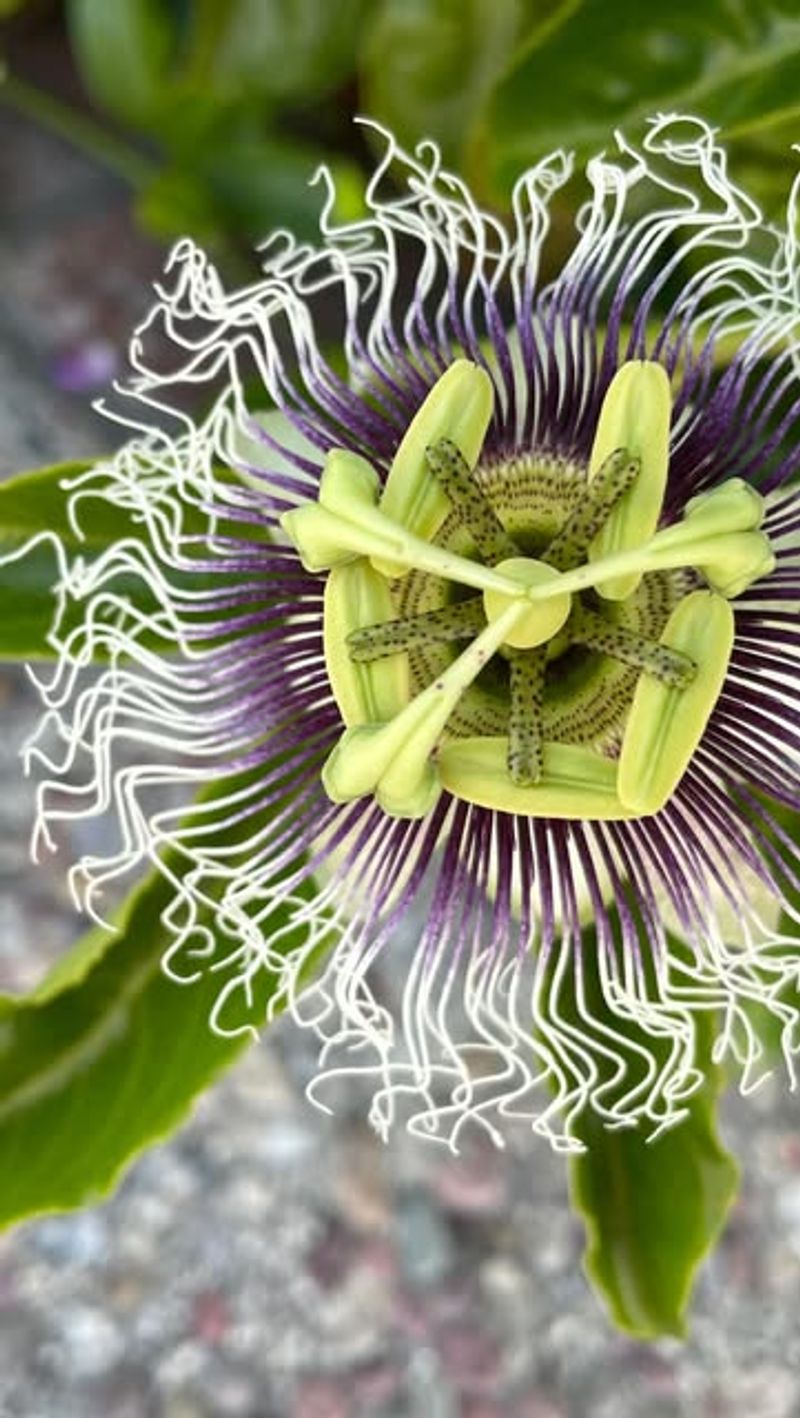
Few vines grow as vigorously or produce as abundantly as passion fruit when given the right conditions in California’s frost-free regions.
This tropical climber can cover fences, arbors, and pergolas in a single growing season, transforming bare structures into lush green canopies adorned with intricate purple and white flowers.
Coastal areas and warm inland valleys provide the perfect environment for passion fruit to flourish, especially when protected from occasional winter cold snaps.
The flowering cycle begins in spring and continues through summer, with each exotic bloom featuring distinctive corona filaments that look almost alien in their complexity.
After pollination, the fruits develop over several months, eventually dropping from the vine when fully ripe and ready to harvest.
The wrinkled, purple-skinned fruits contain aromatic pulp that tastes like a tropical vacation in every spoonful.
Passion fruit vines need strong support systems because their rapid growth and heavy fruit production create substantial weight on whatever structure they climb.
Your California Garden Changes Every Week. Your Plan Should Too.
Gardening in California changes quickly throughout the season. Every Friday you’ll receive a simple weekly plan showing exactly what to plant, prune, fertilize, harvest, and protect so you never miss the right timing.
Regular watering during the growing season encourages abundant flowering and fruiting, though established vines can tolerate some drought.
Home gardeners in Southern California often report harvesting hundreds of fruits from mature vines, making this one of the most productive exotic fruits you can grow in limited space.
3. Guava (Psidium Guajava)
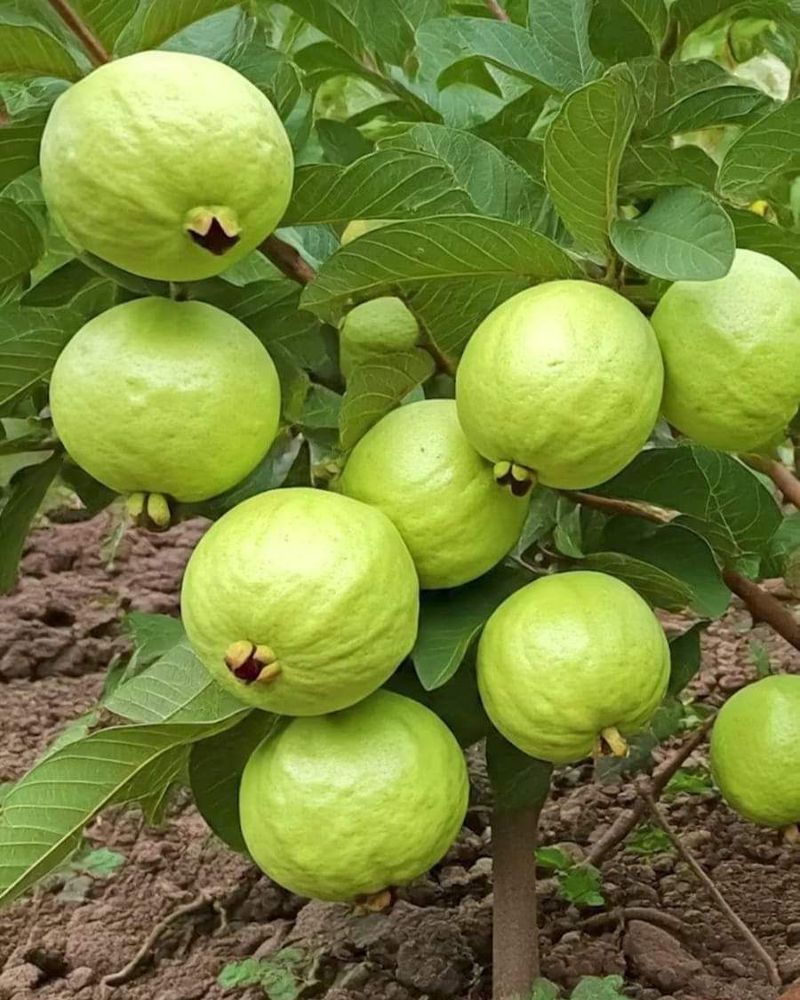
Guava trees bring a taste of the tropics to Southern California and Central Valley gardens with their aromatic fruits and attractive evergreen foliage.
These adaptable trees handle California’s dry summers remarkably well once their root systems establish, requiring far less water than many conventional fruit trees.
The fragrant white flowers appear in spring and early summer, followed by round or oval fruits that ripen to yellow or pink, depending on the variety you choose.
While guava trees tolerate drought conditions beautifully, they are quite sensitive to frost and need protection or warm microclimates in areas where winter temperatures occasionally drop below freezing.
Gardeners in coastal Southern California and protected inland locations have the best success with these tropical beauties.
Pruning helps maintain manageable tree size and encourages better air circulation, which reduces potential disease issues in humid coastal areas.
Most guava trees begin producing fruit within two to four years after planting, with mature trees yielding abundant harvests throughout late summer and fall.
The fruits can be eaten fresh when fully ripe, with creamy flesh that tastes like a blend of strawberry, pear, and tropical sweetness.
Regular feeding during the growing season and consistent moisture during fruit development produce the best quality guavas for your kitchen table or homemade preserves.
4. Pineapple Guava (Feijoa Sellowiana)
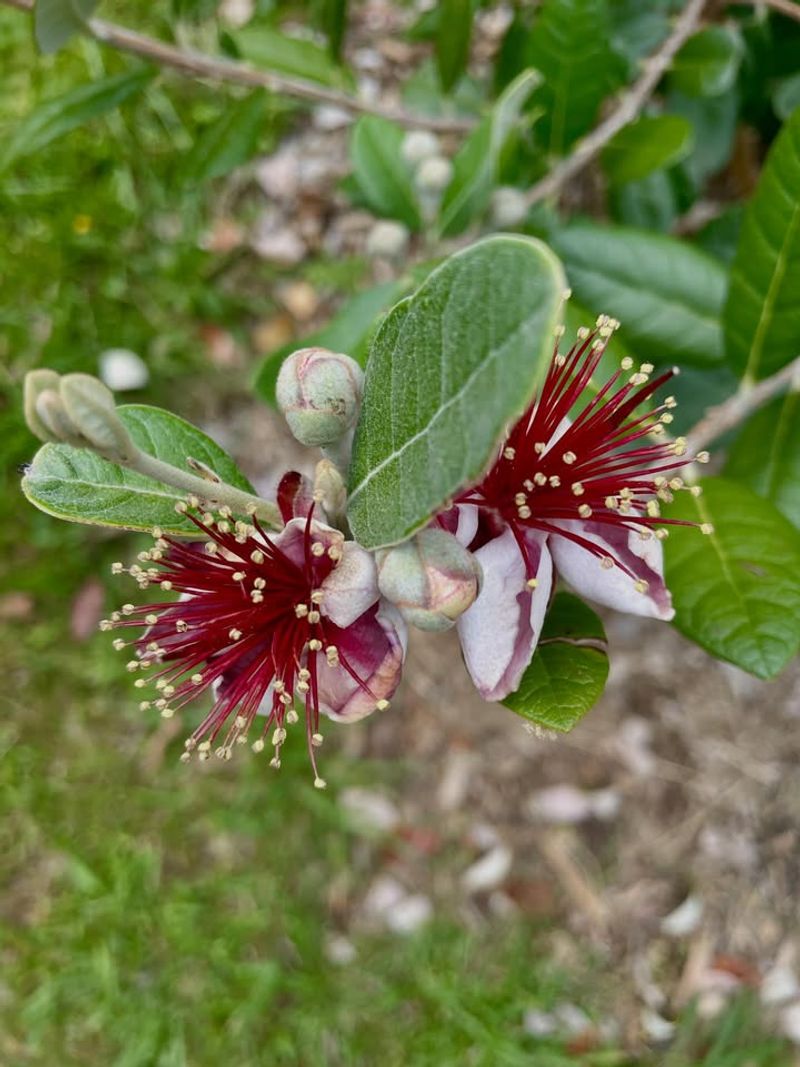
Pineapple guava offers California gardeners a more cold-hardy alternative to tropical guava, with the bonus of stunning ornamental value throughout the year.
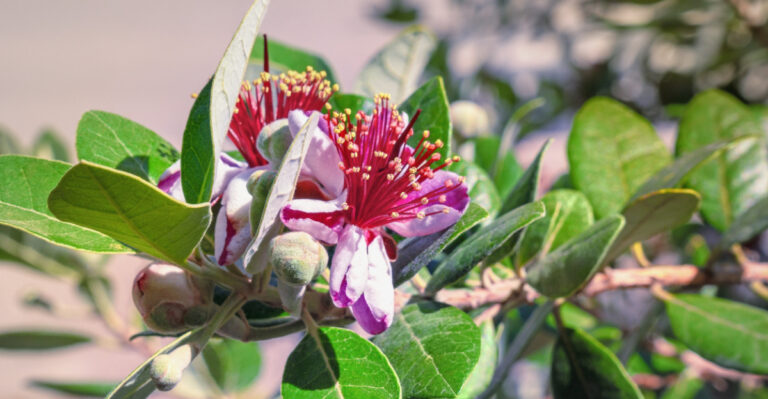
The silvery-green foliage creates a beautiful backdrop for the extraordinary flowers that appear in late spring, featuring fleshy red petals and prominent stamens that look almost too perfect to be real.
These edible flowers have a sweet flavor and often disappear from the plant as gardeners and birds enjoy them as a special treat.
Unlike its tropical cousin, pineapple guava tolerates temperatures down to fifteen degrees Fahrenheit, making it suitable for a wider range of California climates including cooler coastal regions and inland areas with occasional winter freezes.
The fruits develop slowly through summer and ripen in fall, dropping from the tree when ready to eat.
Their unique flavor combines notes of pineapple, guava, and mint, creating a taste sensation that surprises first-time tasters.
For better fruit production, planting two different varieties improves cross-pollination, though some cultivars are self-fertile and produce adequately on their own.
The trees grow slowly and maintain a manageable size, making them perfect for smaller yards or even large containers. With their drought tolerance, minimal pest problems, and year-round beauty, pineapple guavas deserve a place in every California edible landscape.
5. Fig (Ficus Carica)
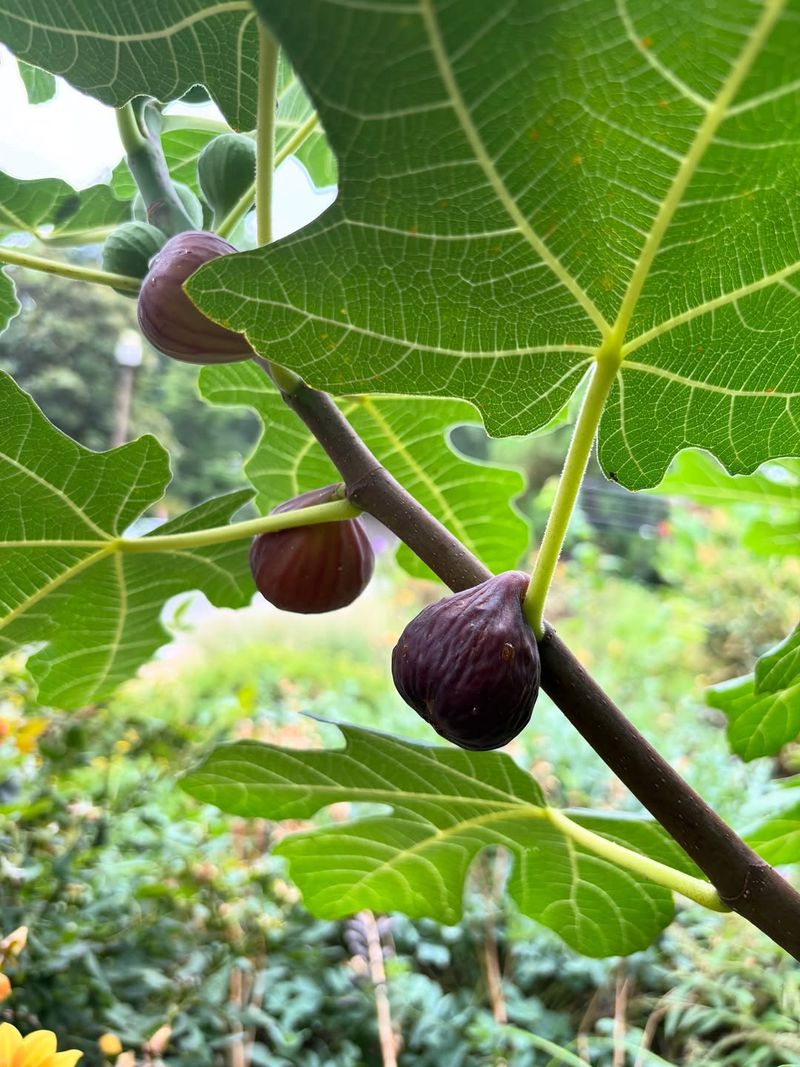
Figs have been cultivated around the Mediterranean for thousands of years, which makes them naturally suited to California’s similar climate conditions.
These ancient fruits thrive in the state’s hot, dry summers and mild winters, producing sweet, honey-like fruits that taste nothing like the dried versions found in most grocery stores.
Once established, fig trees need minimal watering and can survive on rainfall alone in many California regions, though supplemental irrigation during fruiting improves fruit size and quality.
California gardeners can choose from dozens of fig varieties, with popular options including Black Mission, Brown Turkey, Kadota, and Desert King, each offering distinct flavors and growth characteristics.
Some varieties produce two crops annually, with an early summer harvest followed by a larger fall crop. The trees adapt to various soil types and rarely suffer from serious pest or disease problems, making them nearly foolproof for beginning fruit growers.
Fig trees grow quickly and can reach substantial size, though regular pruning keeps them compact and manageable for easier harvesting.
The large, lobed leaves create wonderful shade in summer gardens, and the architectural branching structure adds winter interest even when the tree stands bare.
Fresh figs picked at perfect ripeness from your own tree taste completely different from store-bought fruit, with complex flavors and creamy texture that make every harvest feel like a special occasion.
6. Pomegranate (Punica Granatum)
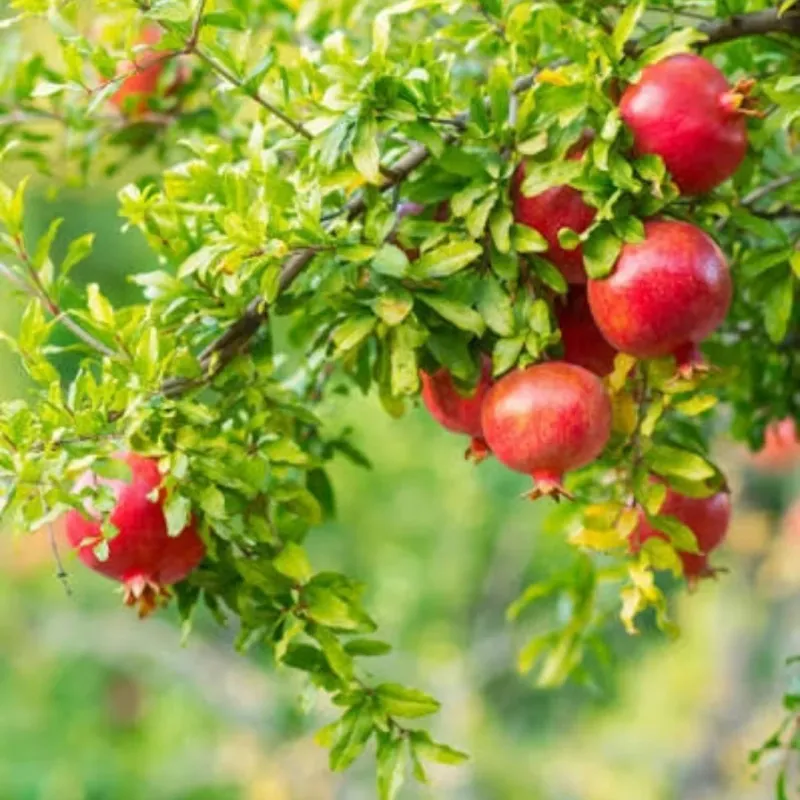
Pomegranates seem almost designed specifically for California’s climate, thriving in conditions that challenge many other fruit trees.
These tough, resilient plants handle scorching summer heat, tolerate poor soils, and produce abundantly with minimal care once their roots establish.
The brilliant orange-red flowers appear in late spring and early summer, creating a spectacular display before developing into the jewel-filled fruits that ripen in fall.
California’s hot, dry summers promote excellent fruit development and natural sugar concentration in the arils, resulting in sweeter, more flavorful pomegranates than those grown in humid climates.
The trees adapt to various soil types, from sandy to clay, and actually prefer the lean, well-drained soils found in many California gardens.
Drought tolerance makes pomegranates ideal for water-conscious landscapes, though some irrigation during fruit development prevents fruit splitting and improves overall yield.
Pomegranate trees can be grown as multi-trunk shrubs or trained into single-trunk tree forms, depending on your landscape preferences and space constraints.
The glossy green foliage turns beautiful golden yellow in fall before dropping, and some gardeners grow thornless varieties for easier harvesting and maintenance.
With virtually no serious pest problems and the ability to produce fruit for decades, pomegranates represent one of the most reliable and rewarding exotic fruits for California home gardens.
7. Loquat (Eriobotrya Japonica)
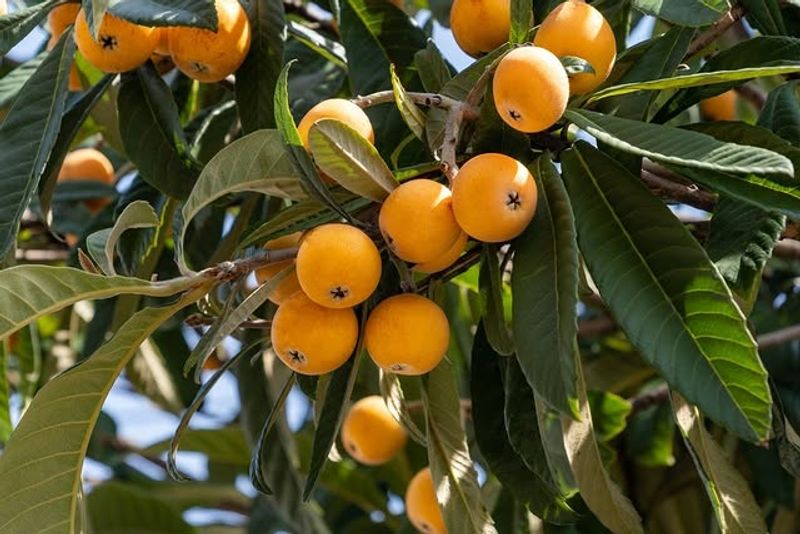
Loquat trees bring a unique rhythm to California gardens by flowering in winter when most other fruit trees stand dormant.
The fragrant white blooms appear from November through February, filling the air with sweet perfume during the cooler months and providing valuable nectar for early-season pollinators.
This evergreen tree maintains its attractive large, leathery leaves year-round, creating a lush tropical appearance even in the depths of winter.
The unusual winter flowering period means that loquat blooms face potential frost damage in colder California regions, which can reduce or eliminate fruit production in some years.
Coastal Southern California and protected inland valleys offer the most reliable fruiting conditions, where winter temperatures rarely threaten the delicate flowers.
When conditions cooperate, the fruits ripen in spring, usually between March and May, providing fresh fruit during a season when few other homegrown options are available.
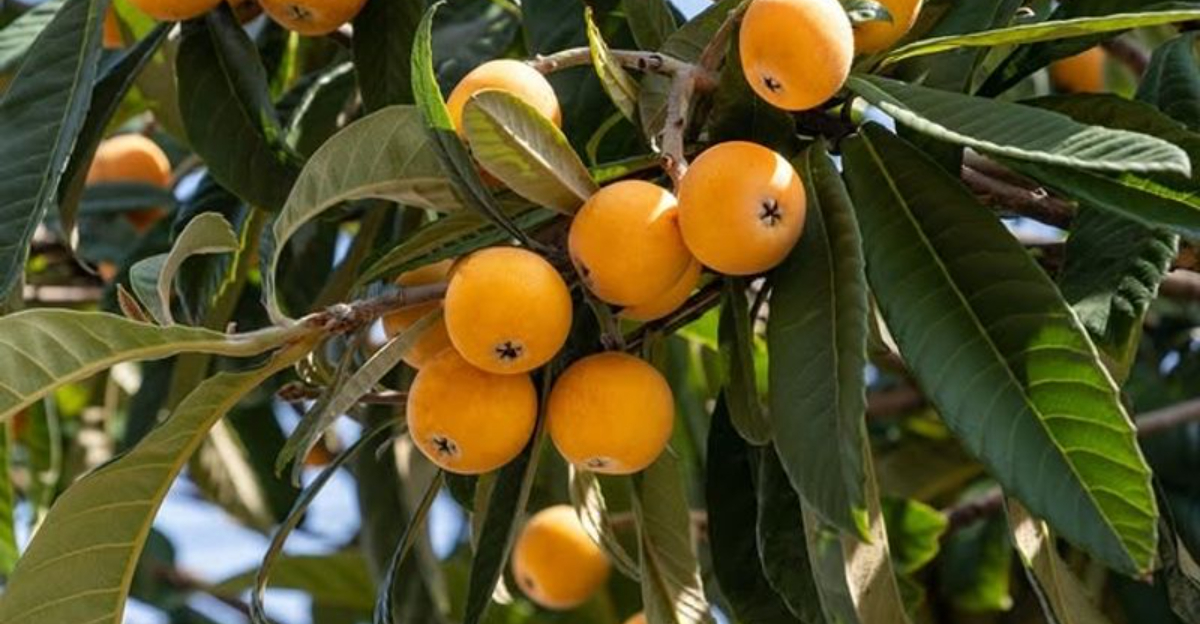
Loquat fruits grow in clusters and ripen to golden yellow or orange, with sweet-tart flesh surrounding large brown seeds.
The flavor combines elements of apricot, plum, and citrus, creating a unique taste that grows on you with each bite.
These low-maintenance trees rarely need pruning beyond removing dead wood, and they handle various soil types with ease, making them excellent choices for gardeners who want productive fruit trees without demanding care schedules.
8. Jujube (Ziziphus Jujuba)
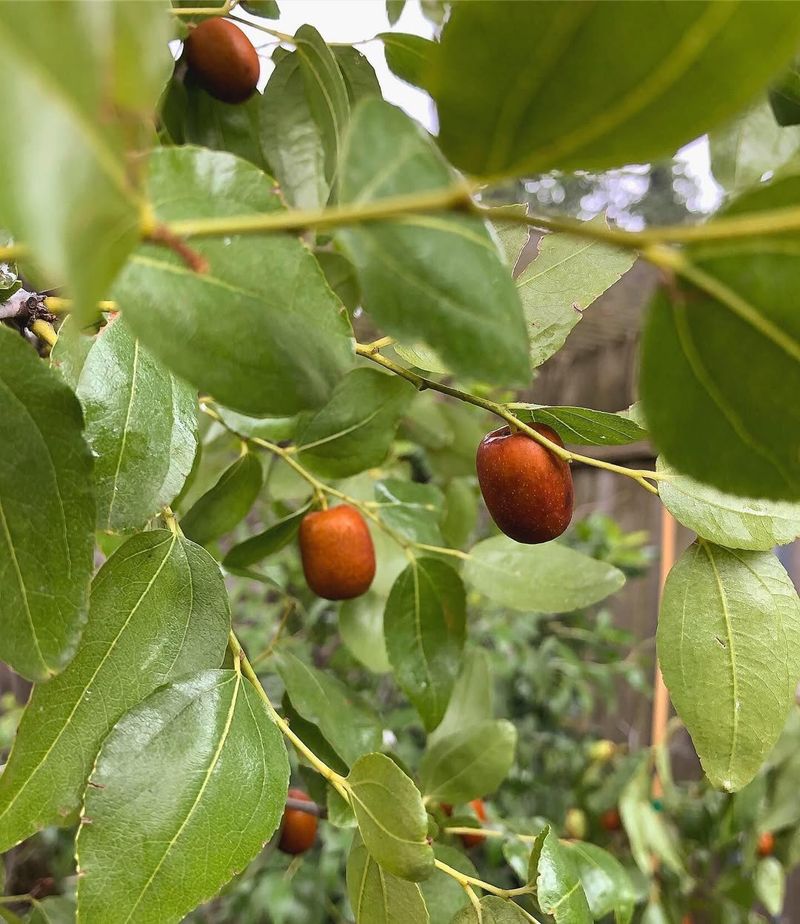
Jujube trees laugh in the face of California’s toughest growing conditions, thriving where many other fruit trees struggle or simply give up.
These remarkable trees handle extreme summer heat that would stress most fruit producers, making them perfect for inland valleys, desert-edge regions, and other hot California microclimates.
Once established, jujubes need very little water and can survive on minimal irrigation, which makes them ideal for drought-conscious gardeners and low-maintenance landscapes.
Beyond their impressive heat and drought tolerance, jujube trees resist most common fruit tree diseases and pests that plague other homegrown fruits.
The small greenish-yellow flowers appear in late spring and develop into oval fruits that ripen from green to reddish-brown throughout late summer and fall.
Fresh jujubes have crisp, apple-like texture with mild sweetness, while fully ripe fruits can be dried on the tree, developing a chewy, date-like consistency with concentrated sugars.
Jujube trees remain relatively small and manageable, typically reaching fifteen to twenty feet at maturity, with graceful, slightly weeping branches that create an attractive silhouette.
The trees tolerate various soil types, including alkaline soils that challenge many fruit trees, and they rarely need fertilization beyond occasional compost applications.
For California gardeners seeking an unusual, productive, and nearly indestructible fruit tree, jujubes offer an excellent choice that delivers reliable harvests year after year.
9. Papaya (Carica Papaya)
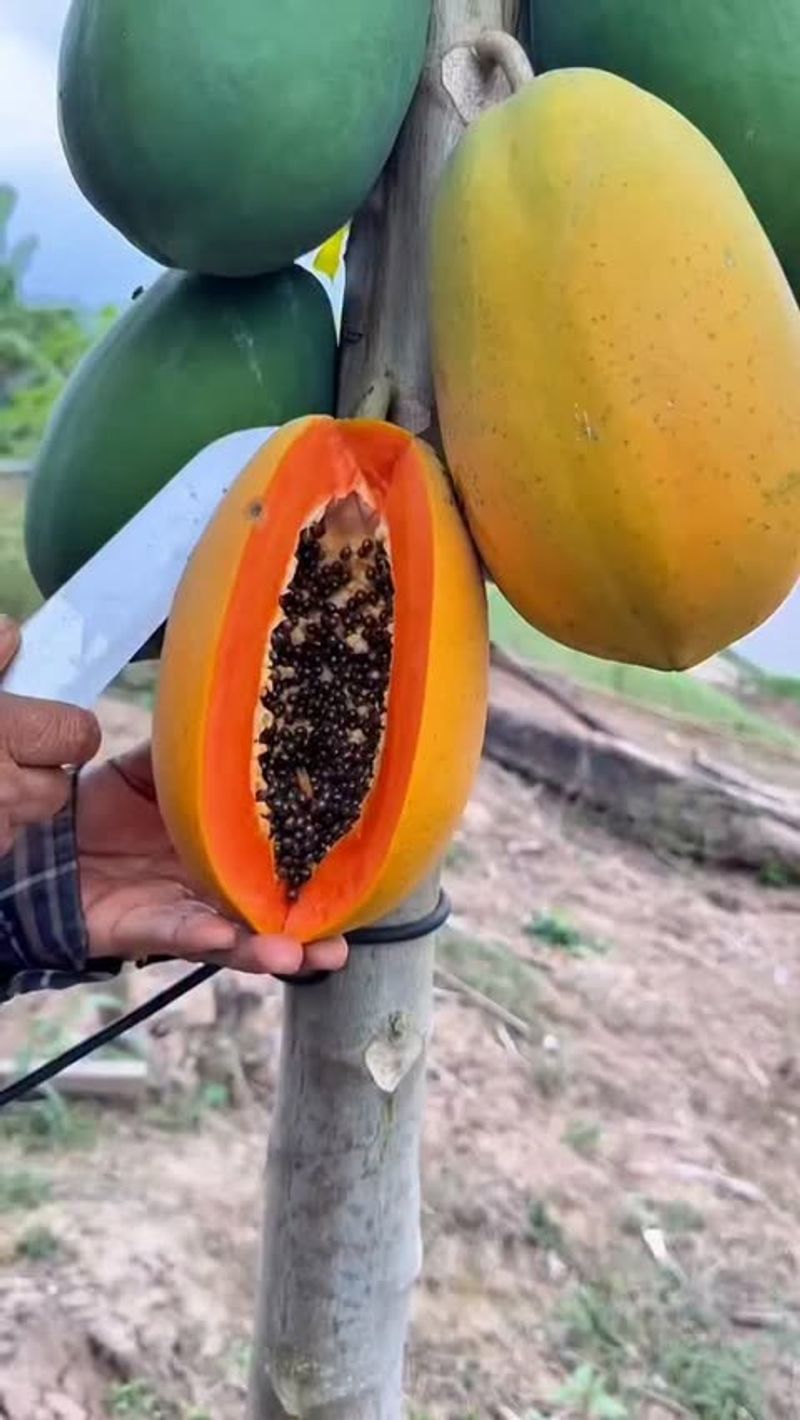
Papayas bring true tropical flair to Southern California gardens, especially in protected coastal microclimates and warm inland locations with frost protection.
These fast-growing plants can produce fruit within their first year when grown from transplants, offering nearly instant gratification compared to traditional fruit trees that take years to bear.
The large, deeply lobed leaves create a dramatic tropical statement in the landscape, while the developing fruits cluster along the trunk in an eye-catching display.
Frost represents the biggest challenge for California papaya growers, as even light freezes can damage or eliminate these tender tropicals.
Gardeners in the warmest microclimates enjoy the best success, while those in cooler areas can grow papayas in large containers that move to protected locations during winter cold snaps.
The plants need consistent warmth, regular watering, and good drainage to produce their best fruit, with soil temperatures above sixty degrees promoting healthy root development and vigorous growth.
Container growing works surprisingly well for papayas, allowing gardeners in marginal climates to enjoy these exotic fruits by moving pots to sunny patios in summer and protected areas in winter.
The plants grow quickly from seed or transplants, reaching fruiting size within six to twelve months under ideal conditions.
Fresh papayas picked from your own plant taste remarkably different from grocery store versions, with buttery texture and complex tropical flavors that make the extra effort worthwhile.
10. Banana (Musa Varieties – Fruiting Types)
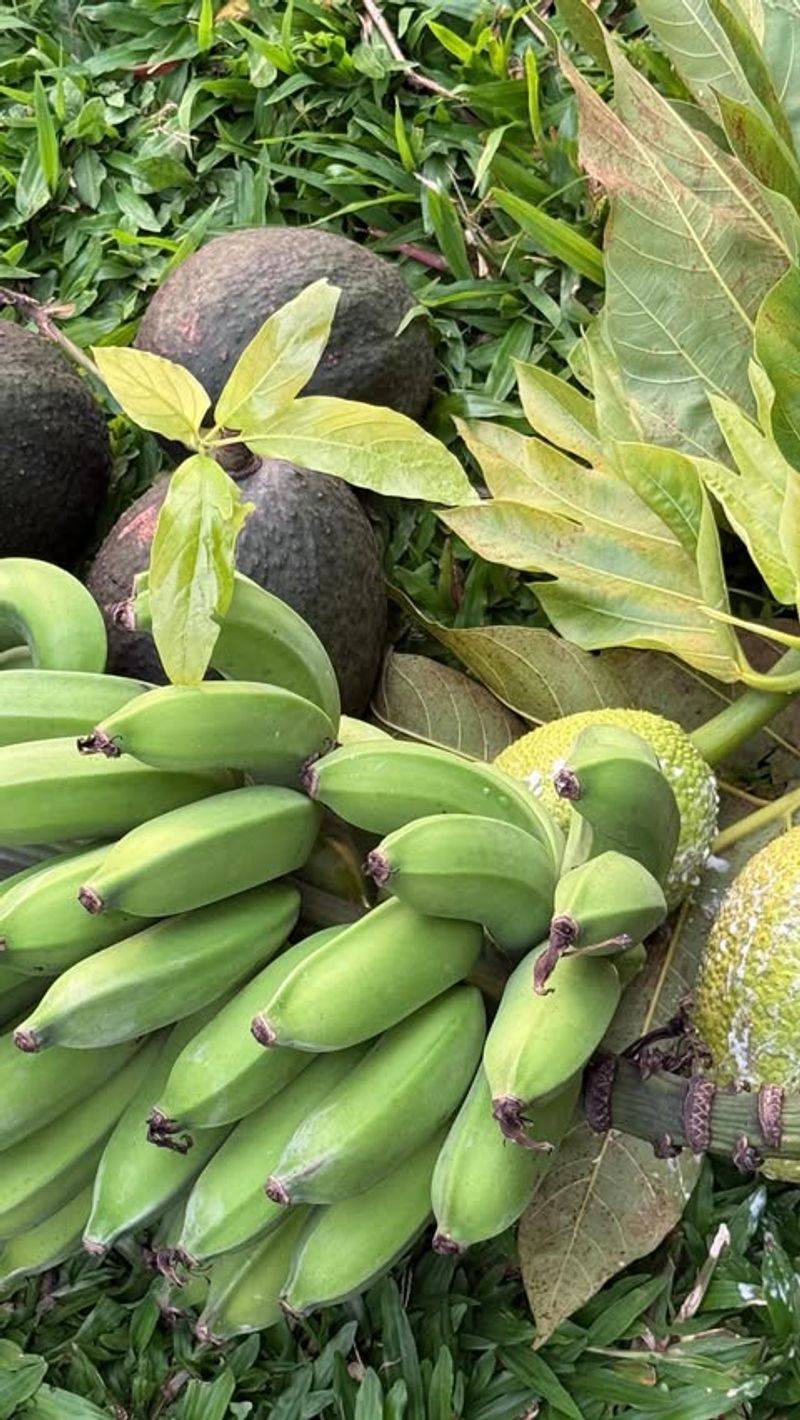
Bananas might seem impossible in California, but several cold-hardy varieties can actually produce edible fruit in the state’s warmest regions with proper care and protection.
Southern California coastal areas and protected inland microclimates offer the best conditions for fruiting bananas, especially when planted against south-facing walls that provide extra warmth and wind protection.
Varieties like Dwarf Cavendish, Ice Cream banana, and Dwarf Brazilian show the best fruiting potential in California’s challenging conditions for these tropical plants.
Bananas need consistent warmth, abundant water, and protection from strong winds that can shred their massive leaves into ribbons.
The plants grow from underground rhizomes that spread to form clumps, with each pseudostem producing one bunch of fruit before being replaced by new growth.
Realistic expectations help California banana growers enjoy success, as bunches may be smaller and take longer to ripen than those from true tropical regions.
Wind protection ranks almost as important as frost protection for California bananas, since the large leaves act like sails and can suffer significant damage in breezy conditions.
Planting in sheltered courtyards, near buildings, or behind windbreak plantings helps these tender tropicals perform their best.
While growing bananas in California requires more effort than many other exotic fruits, the satisfaction of harvesting your own homegrown bananas makes the extra attention completely worthwhile for adventurous gardeners.