10 Companion Plants That Pair Best With Dill In California Gardens
Dill is a versatile herb, but pairing it with the right companion plants can boost growth, improve flavor, and help keep pests at bay.
California gardeners know that strategic planting enhances both productivity and garden health. Plant dill smartly and watch your garden thrive.
These ten companion plants, including cabbage, cucumbers, and onions, grow well alongside dill and benefit from its insect-repelling properties. Proper spacing, sunlight, and soil conditions ensure both dill and its companions flourish together.
Companion planting can reduce pests, improve pollination, and maximize space in vegetable and herb gardens. Dill isn’t just flavorful, it’s a natural garden helper.
California gardeners who use these companion plants enjoy stronger yields, healthier herbs, and a more balanced ecosystem in their gardens. Pair dill wisely and create a thriving, productive garden.
1. Cabbage (Brassica oleracea)
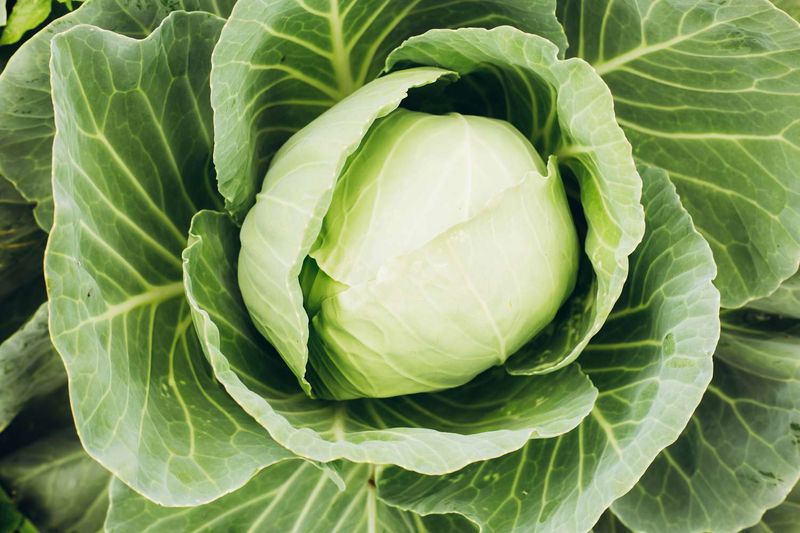
Cabbage and dill form one of nature’s most effective gardening partnerships, especially when it comes to managing those pesky cabbage worms that love to munch on your brassica crops.
When dill flowers bloom with their umbrella-shaped clusters, they become a magnet for parasitic wasps and other beneficial insects that naturally control cabbage worm populations without any harsh chemicals.
These tiny garden helpers lay their eggs on the worms, providing a biological solution that keeps your cabbage heads pristine and healthy.
In California’s cool-season growing windows, typically from late summer through early spring in most regions, both cabbage and dill can share garden space beautifully.
Plant your cabbage seedlings about 18 to 24 inches apart, and tuck dill plants between them or along the edges of your cabbage rows, spacing them about 12 inches from the cabbage.
This arrangement gives both plants enough room to develop without crowding. Coastal gardeners can start this pairing in fall for winter harvest, while inland growers might prefer late winter planting for spring crops.
The upright, airy structure of dill contrasts nicely with cabbage’s broad leaves, creating visual interest while maximizing your garden’s productivity.
Both plants appreciate consistent moisture and well-draining soil, making them compatible watering partners throughout their growing season together.
2. Lettuce (Lactuca sativa)
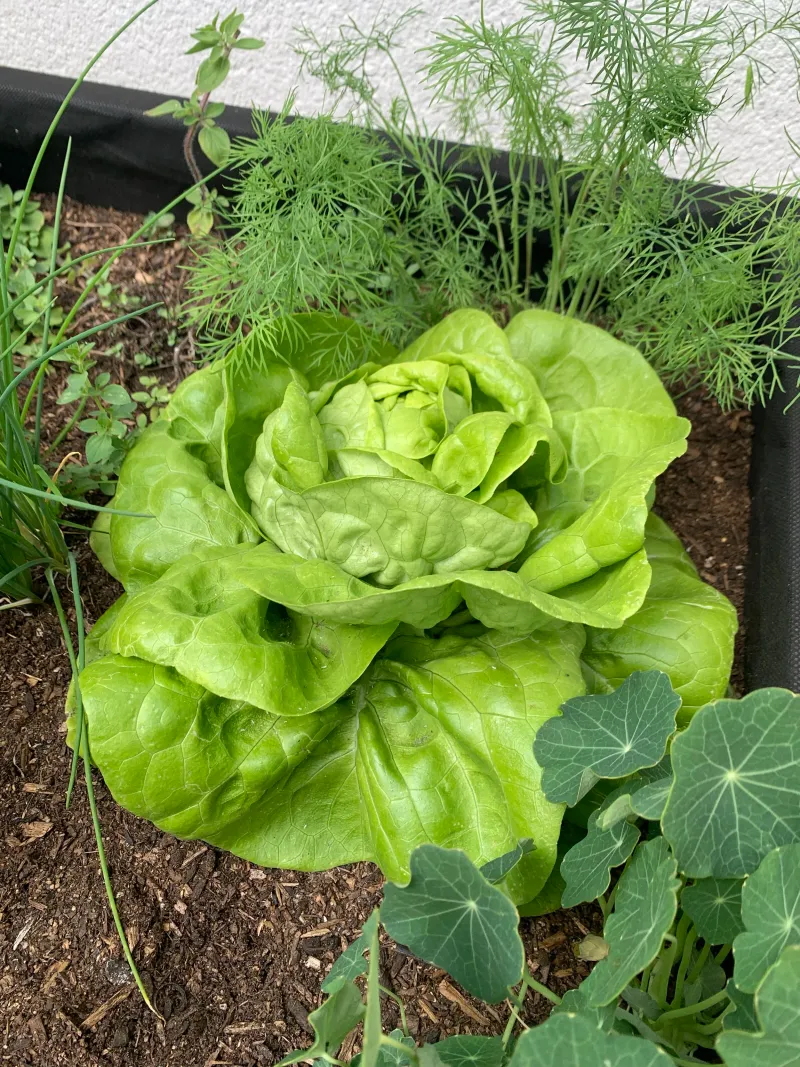
Lettuce thrives in California gardens when it has a helpful neighbor like dill standing tall beside it, especially in those warmer inland valleys where spring temperatures can climb unexpectedly.
Dill’s upright, feathery growth creates pockets of gentle shade that protect tender lettuce leaves from intense afternoon sun, helping to prevent the dreaded bolting that turns sweet greens bitter and tough.
This natural shading effect can extend your lettuce harvest by several weeks, giving you more time to enjoy fresh salads from your garden.
The partnership works particularly well during those tricky transitional periods in California’s spring when mornings are cool but afternoons heat up quickly.
Plant your lettuce in rows or blocks on the east or northeast side of your dill, where they’ll receive morning sun but benefit from dappled shade as the day warms.
Space lettuce plants about 6 to 8 inches apart, with dill positioned 10 to 12 inches away to avoid root competition. Both crops appreciate regular watering and rich, well-amended soil, making them easy companions to care for together.
Your California Garden Changes Every Week. Your Plan Should Too.
Gardening in California changes quickly throughout the season. Every Friday you’ll receive a simple weekly plan showing exactly what to plant, prune, fertilize, harvest, and protect so you never miss the right timing.
In coastal regions with naturally cooler temperatures, you can plant them closer together, while inland gardeners should maximize the shade benefit by strategic placement.
This combination not only improves your lettuce quality but also adds vertical interest and attracts pollinators to your garden beds throughout the growing season.
3. Cucumbers (Cucumis sativus)

Cucumbers and dill make fantastic garden neighbors, creating a pollinator paradise that benefits both plants tremendously during California’s warm growing season.
Dill’s bright yellow flower clusters attract bees, butterflies, and other pollinators in droves, and these busy insects naturally visit nearby cucumber flowers while they’re in the area, leading to better fruit set and more abundant cucumber harvests.
This increased pollinator activity can make the difference between a mediocre crop and baskets overflowing with crisp, delicious cucumbers.
When planning your garden layout, give cucumber vines plenty of room to sprawl or provide trellises for vertical growth, then plant dill about 18 to 24 inches away from the base of your cucumber plants.
This spacing prevents the dill from getting tangled in sprawling cucumber vines while keeping them close enough for pollinators to move easily between both plants.
Both crops love warmth and need consistent watering throughout California’s dry summer months, making them perfectly compatible irrigation partners.
In most California regions, you can plant this pairing from late April through early July, timing your plantings so dill begins flowering just as cucumbers start producing their first blooms.
Mulching around both plants helps retain soil moisture and keeps roots cool during hot spells. The combination not only boosts your harvest but also creates a beautiful, productive corner of your garden that buzzes with beneficial activity all summer long.
4. Onions (Allium cepa)
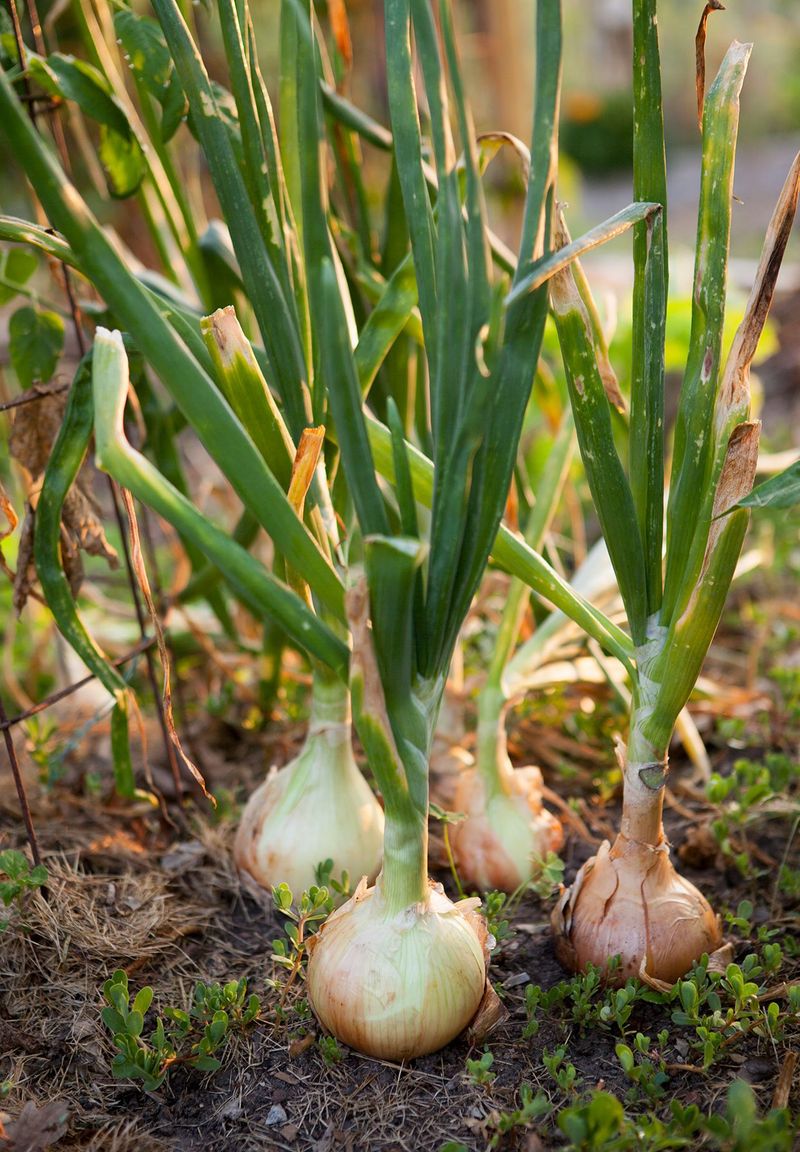
Onions bring their own special pest-fighting powers to the garden, making them excellent companions for dill in California’s diverse growing regions.
The strong sulfur compounds that give onions their pungent aroma naturally deter aphids, spider mites, and other soft-bodied pests that might otherwise bother your dill plants.
This natural pest protection works both ways, creating a mutually beneficial relationship that keeps both crops healthier without any chemical interventions.
One of the smartest aspects of pairing onions with dill involves their different root structures and growth habits.
Onions develop shallow, fibrous root systems that spread horizontally near the soil surface, while dill sends down a longer taproot that reaches deeper into the ground.
This difference means they’re accessing water and nutrients from different soil layers, reducing competition and allowing both plants to thrive in the same garden bed without fighting for resources.
In California’s popular raised bed gardens, this combination works beautifully, with onions planted in rows or grids about 4 to 6 inches apart and dill tucked between rows or along bed edges.
Plant onion sets or seedlings in fall for spring harvest in mild coastal areas, or in early spring for summer harvest in cooler regions.
Both plants appreciate well-draining soil and moderate watering, making them easy to manage together throughout their growing season in California’s Mediterranean climate.
5. Corn (Zea mays)

Corn stalks towering over your garden might seem like an unlikely partner for delicate dill, but this pairing offers surprising benefits in California’s sunny home gardens.
The tall corn plants provide afternoon shade that protects dill from the most intense heat of the day, especially valuable in inland valleys where summer temperatures regularly soar above 90 degrees.
This partial shading helps prevent dill from bolting too quickly, extending your harvest of fresh fronds and allowing the plants to develop fuller, bushier growth before flowering.
Beyond shade benefits, both corn and dill attract different types of pollinators and beneficial insects, creating a diverse and healthy garden ecosystem.
Corn relies on wind for pollination, but the beneficial insects drawn to dill’s flowers help control pests that might otherwise damage corn ears or leaves.
For best results, plant corn in blocks of at least four rows to ensure good pollination, then position dill plants along the eastern or southern edges where they’ll receive morning sun but benefit from afternoon shade cast by the corn.
Space corn stalks about 8 to 12 inches apart in rows separated by 24 to 30 inches, and plant dill about 12 to 18 inches from the nearest corn stalks.
In California, plant corn from April through early July depending on your region, and add dill at the same time or a few weeks later.
Both crops need regular watering and rich soil, making them compatible care partners throughout the growing season.
6. Broccoli (Brassica oleracea var. italica)
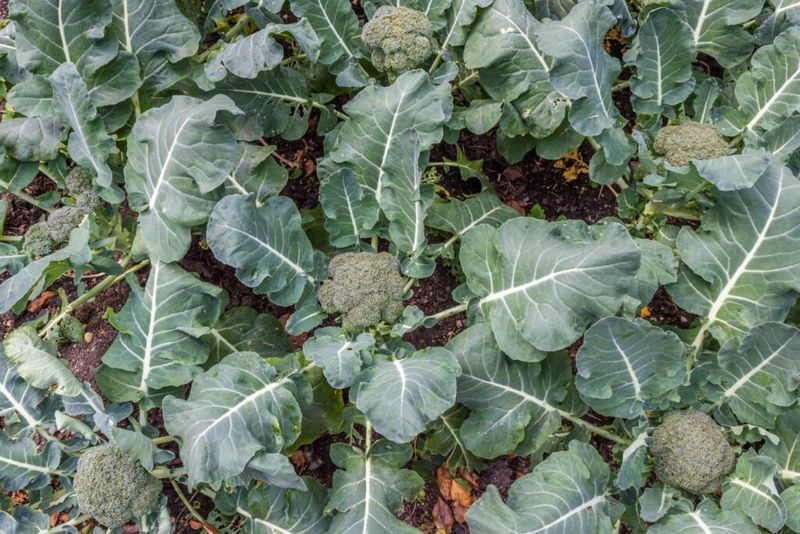
Broccoli benefits enormously from having dill as a garden companion, creating a partnership that showcases the power of attracting beneficial insects to your California vegetable patch.
When dill sends up its umbrella-shaped flower heads, they become landing pads for lacewings, ladybugs, hoverflies, and parasitic wasps—all natural predators of the caterpillars and aphids that commonly plague broccoli plants.
These helpful insects patrol your broccoli, keeping pest populations in check and reducing the need for any interventions while your plants develop their delicious heads.
California’s varied climate zones offer different planting windows for this dynamic duo, giving gardeners flexibility in timing their crops.
Coastal gardeners can plant broccoli and dill together in late summer for fall and winter harvests, taking advantage of mild temperatures and natural rainfall patterns.
Inland gardeners typically have better success with late winter or early spring plantings, setting out broccoli transplants in February or March and sowing dill seeds at the same time.
Space your broccoli plants about 18 to 24 inches apart to allow for good air circulation and full head development, then position dill plants between broccoli or along row edges about 12 to 15 inches away.
Both plants appreciate consistent moisture and nutrient-rich soil amended with compost.
The visual contrast between broccoli’s broad blue-green leaves and dill’s feathery texture creates an attractive garden bed while the plants work together to support each other’s health and productivity throughout the season.
7. Asparagus (Asparagus officinalis)
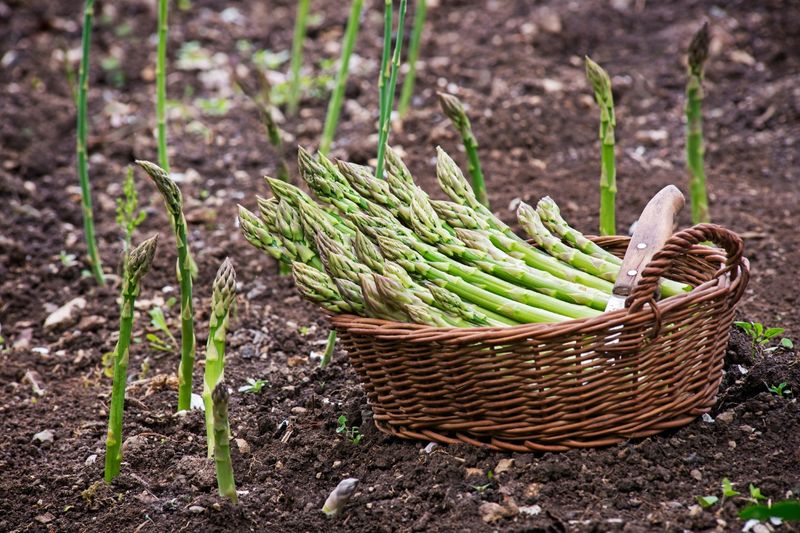
Asparagus and dill create a long-term garden relationship that improves year after year, making them ideal partners for California gardeners willing to invest in perennial planting beds.
Dill attracts predatory insects, particularly ladybugs and lacewings, that help control asparagus beetles—those striped orange and black pests that can damage asparagus ferns and reduce next year’s harvest.
By maintaining dill plants near your asparagus bed, you’re essentially hiring a natural security team that patrols continuously without any effort on your part.
When establishing a perennial asparagus bed, careful planning ensures both plants have room to flourish together for many seasons.
Asparagus crowns should be planted in trenches about 12 to 18 inches apart in rows separated by 4 to 5 feet, giving the mature ferns space to spread.
Plant dill along the edges of asparagus rows or in dedicated sections within the bed, allowing it to self-seed and return each year.
Since asparagus is harvested in spring and then allowed to grow into tall, ferny foliage for the rest of the season, dill can be planted after harvest and will grow alongside the developing ferns.
Both plants tolerate California’s dry summers once established, though they’ll perform better with occasional deep watering.
The feathery textures of mature asparagus ferns and dill foliage create a beautiful, wispy garden aesthetic while supporting beneficial insect populations.
This partnership demonstrates how thoughtful companion planting can reduce maintenance and create a self-sustaining garden ecosystem that rewards you with harvests for many years.
8. Tomatoes (Solanum lycopersicum)
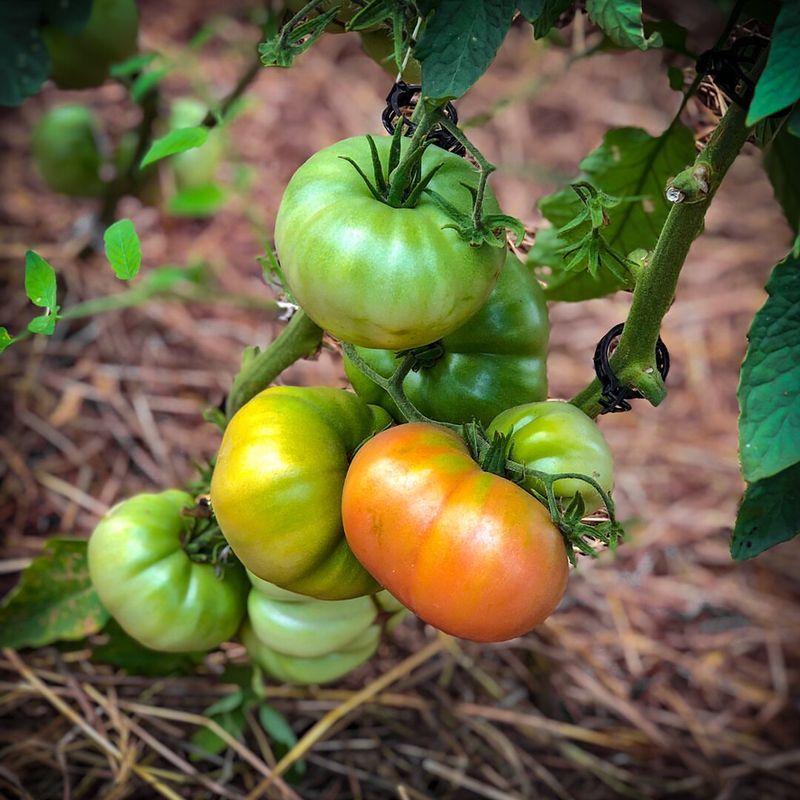
Tomatoes and dill share garden space with some interesting dynamics that California growers should understand to make this pairing work successfully.
Dill attracts beneficial insects including braconid wasps and tachinid flies that parasitize tomato hornworms, those large green caterpillars that can strip tomato plants of their foliage seemingly overnight.
Having dill nearby increases populations of these helpful insects, providing natural pest control that protects your precious tomato harvest without any sprays or interventions.
Proper spacing becomes especially important with this combination because both plants need good air circulation to prevent fungal issues in California’s warm climates.
Plant tomatoes at least 24 to 36 inches apart depending on variety, and position dill plants about 18 to 24 inches from tomato stems.
This distance allows air to flow freely between plants while keeping them close enough for beneficial insects to move easily from dill flowers to tomato foliage. Avoid planting dill directly beneath tomato canopies where it might become shaded and stretched.
Some gardeners report that mature dill plants can inhibit tomato growth if planted too close or if dill is allowed to become overly large, so monitor your plants and harvest dill regularly to keep it from overwhelming tomato neighbors.
In California, plant tomatoes after the last frost danger passes, typically March through May depending on your region, and add dill at the same time.
Both plants need regular watering and full sun, making them compatible in care requirements while you enjoy fresh tomatoes and fragrant dill all summer long.
9. Basil (Ocimum basilicum)
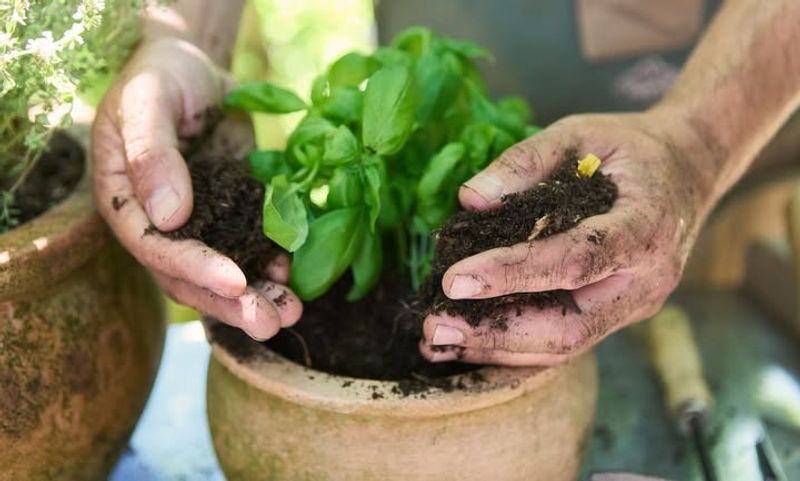
Basil and dill make wonderful herb garden companions in California’s sunny summer gardens, sharing similar needs for warmth, sunshine, and consistent moisture that make them easy to care for together.
Both herbs absolutely thrive in full sun and warm temperatures, making them perfect partners from late spring through early fall across most California regions.
Their combined fragrance creates an aromatic garden experience while attracting bees, butterflies, and other pollinators that benefit your entire garden ecosystem.
Watering compatibility makes this pairing particularly practical for busy gardeners who want to simplify their irrigation routines.
Both basil and dill prefer evenly moist soil that drains well, never waterlogged but never completely dry for extended periods.
You can plant them together in the same bed or container and water them on the same schedule, typically every two to three days in summer heat, adjusting based on your specific microclimate and soil type.
Mulching around both herbs helps retain moisture and keeps roots cooler during hot spells. Space basil plants about 10 to 12 inches apart, and give dill similar spacing, creating an attractive herb garden that offers continuous harvests throughout the season.
Pinch basil regularly to encourage bushy growth and prevent early flowering, while allowing some dill plants to flower for pollinator attraction and seed production.
Both herbs perform beautifully in California’s Mediterranean climate, and you can succession plant every few weeks for continuous fresh harvests.
The combination provides fresh flavors for your kitchen while creating a productive, pollinator-friendly garden space that looks as good as it tastes.
10. Chamomile (Matricaria chamomilla)
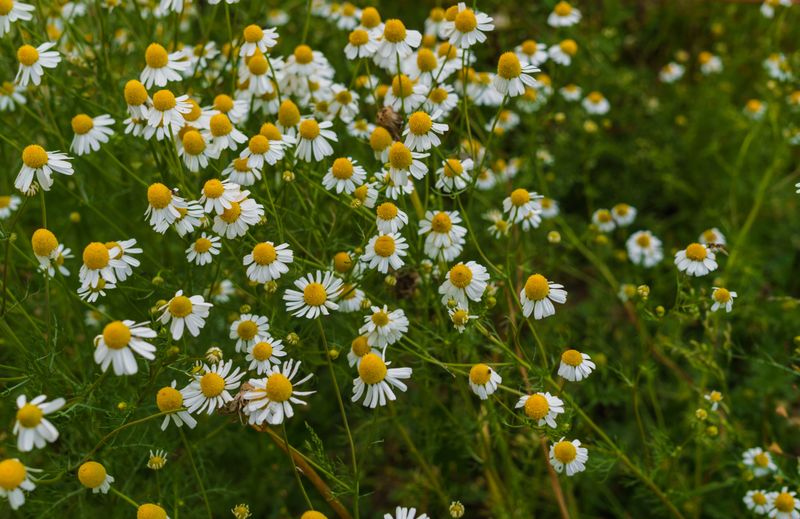
Chamomile brings a special charm to herb beds when planted alongside dill, creating a biodiversity hotspot that attracts an impressive variety of beneficial insects to your California garden.
The small, daisy-like flowers of chamomile appeal to tiny parasitic wasps, hoverflies, and other beneficial insects that might not visit larger blooms, while dill’s umbrella-shaped flower clusters attract a different set of helpful garden allies.
Together, they create layers of habitat and food sources that support a diverse, balanced ecosystem where pest problems rarely get out of hand. Both herbs share similar growth preferences that make them naturally compatible garden partners.
Chamomile grows low and spreading, reaching about 12 to 18 inches tall with delicate, feathery foliage, while dill stands upright and taller, creating a nice vertical contrast in herb beds.
This difference in growth habits means they don’t compete for light, and their root systems occupy different soil zones without much competition.
Plant chamomile about 6 to 8 inches apart, and position dill plants 10 to 12 inches away, allowing both herbs room to develop fully.
In California’s mild climate, you can plant this pairing in spring for summer blooms or in fall for winter and early spring flowers in coastal regions. Both herbs prefer full sun but tolerate partial shade, and they need moderate watering with good drainage.
The combination creates a beautiful, functional herb garden that provides harvests for teas and cooking while supporting beneficial insects that protect your entire garden from pests naturally and sustainably.