Ohio Gardeners Know Winter Is The Best Time To Prune Forsythia And Here’s How
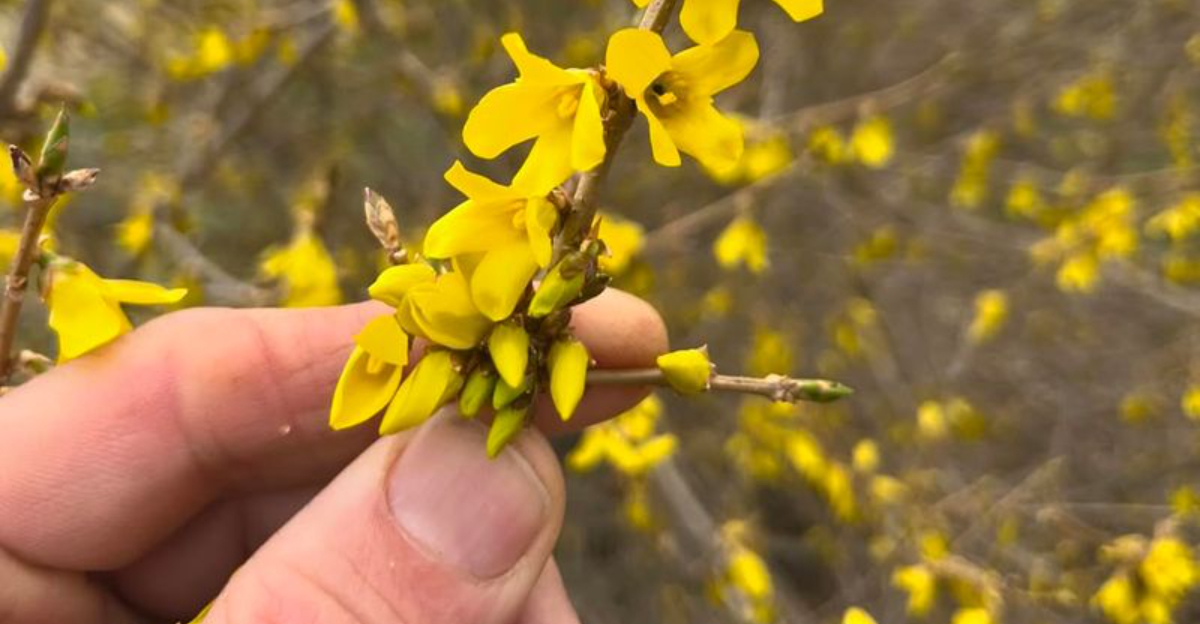
Forsythia bushes are beloved in Ohio gardens for their bright yellow blooms, but proper pruning is essential to encourage vibrant flowers and healthy growth.
Winter is the ideal time to prune because the plant is dormant, making it easier to shape without stressing it. Prune at the right time and your forsythia will reward you with spectacular blooms.
Ohio gardeners focus on removing old or crowded branches, cutting back stems from the previous season, and shaping the bush for better airflow and sunlight penetration. Proper winter pruning helps maintain size, encourages more blooms, and reduces disease risk.
Following these techniques ensures a strong, healthy plant that flourishes come spring. Healthy growth and abundant flowers start with smart winter pruning.
Homeowners who prune forsythia correctly in winter enjoy vibrant, well-shaped bushes that brighten their yards year after year. Prune now to set the stage for a stunning spring display.
Flower Buds Form The Previous Summer
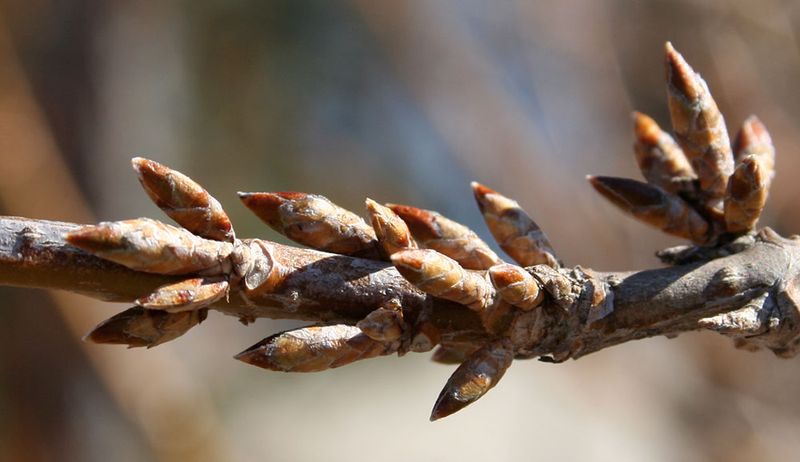
Forsythia shrubs have a fascinating growth pattern that catches many gardeners by surprise.
Unlike some plants that develop flower buds in spring, forsythia actually creates all those gorgeous bloom buds during the previous growing season.
From late summer through early fall, your forsythia is busy setting next year’s flower display on the current season’s wood. This timing creates a critical window for pruning decisions.
When you understand that those seemingly bare winter branches are already loaded with tiny flower buds waiting to burst open in spring, the pruning strategy becomes crystal clear.
Every cut you make during winter removes stems that are packed with dormant blooms ready to wake up when warm weather arrives.
Ohio gardeners who prune their forsythia in January or February are essentially cutting away the spring flower show they’ve been anticipating all winter long.
The shrub won’t suffer permanent damage from winter pruning, but you’ll sacrifice most or all of the vibrant yellow display that makes forsythia such a beloved early-season highlight.
Understanding this growth cycle helps you appreciate why timing matters so much when maintaining these beautiful spring-blooming shrubs in your landscape.
Winter Pruning Eliminates Spring Flower Display
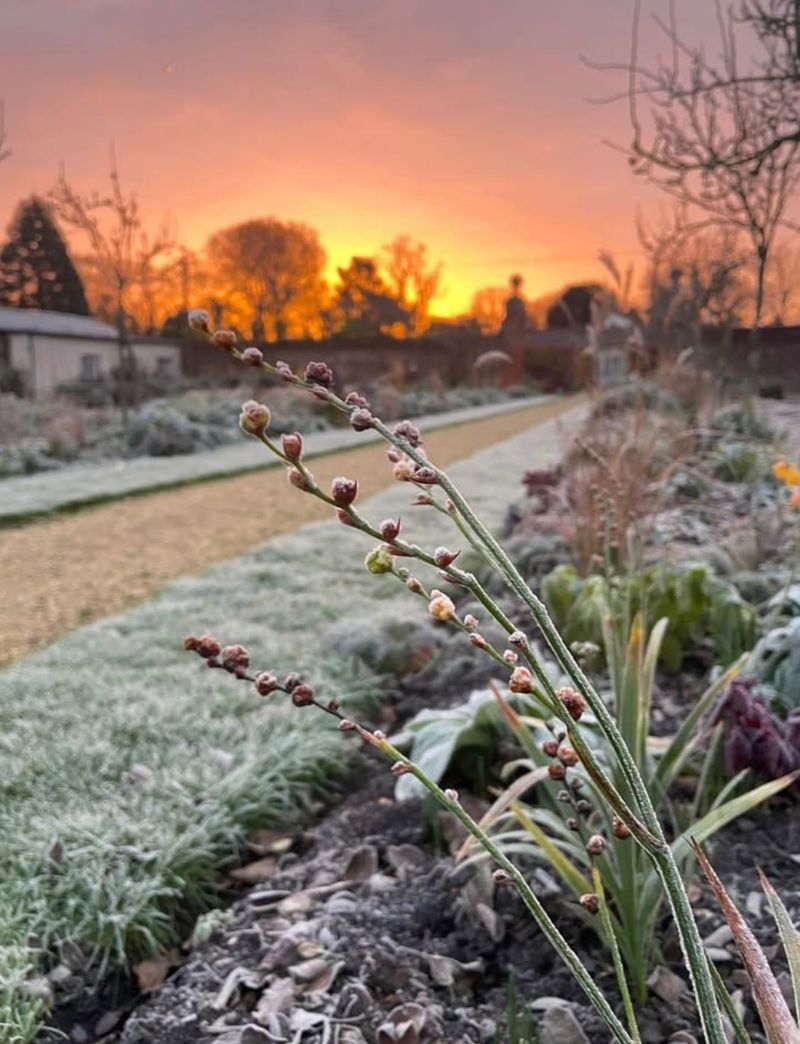
Picture this scenario: you spend a crisp February afternoon carefully pruning your forsythia shrubs, removing overgrown branches and shaping the plants into tidy forms. The work feels productive, and the shrubs look neat and organized.
Then spring arrives, and you notice something disappointing happening in your yard while your neighbor’s forsythia explodes with brilliant yellow blooms, your carefully pruned shrubs remain mostly green and bare.
Dormant-season pruning directly removes the flower-bearing stems that would have created that stunning spring spectacle. Each branch you cut away takes hundreds of potential flowers with it.
The visual impact on your landscape can be dramatic and not in a good way. Forsythia serves as one of the earliest sources of color after Ohio’s long gray winters, and losing that display leaves a noticeable gap in your spring garden.
The ornamental value of forsythia lies almost entirely in its generous flower production, so eliminating those blooms defeats the main purpose of growing these shrubs.
Your Ohio Garden Changes Every Week. Your Plan Should Too.
Gardening in Ohio changes quickly throughout the season. Every Friday you’ll receive a simple weekly plan showing exactly what to plant, prune, fertilize, harvest, and protect so you never miss the right timing.
Your landscape loses that cheerful burst of sunshine-yellow color that signals winter’s end and spring’s arrival.
Smart Ohio gardeners preserve this valuable flower display by waiting until after blooming finishes to do their pruning work.
Ohio’s Freeze-Thaw Cycles Stress Fresh Cuts
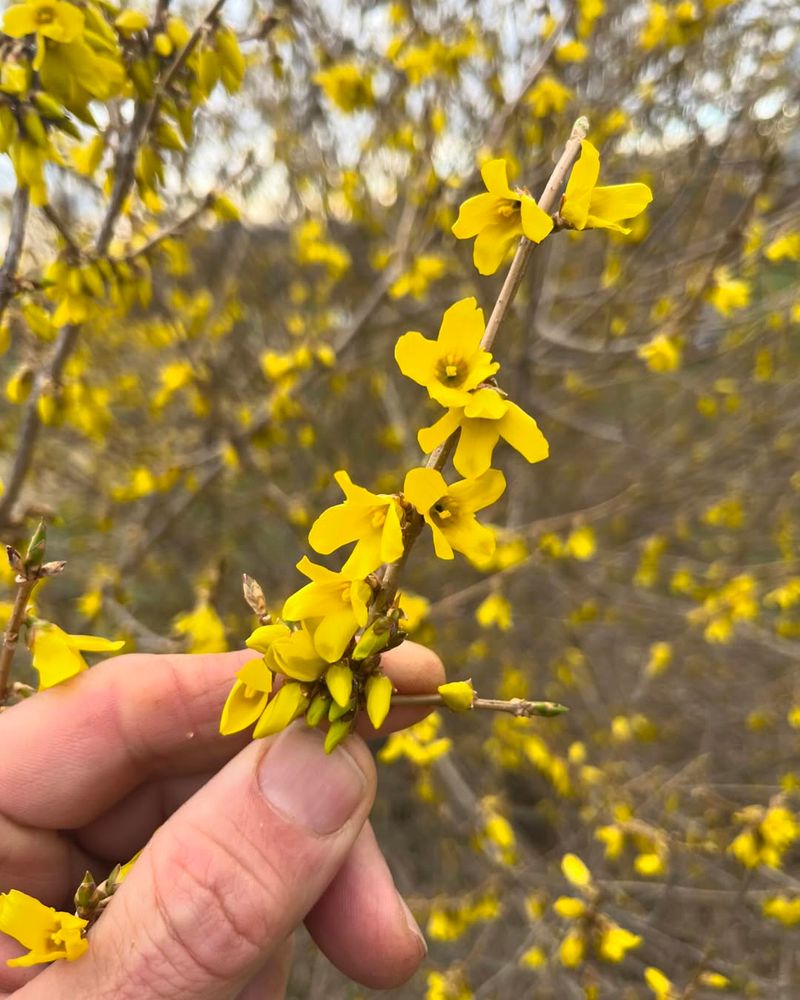
Ohio winters present unique challenges for plant health that gardeners in milder climates don’t face. Our weather patterns feature dramatic temperature swings, where a sunny 50-degree afternoon can plunge to 15 degrees overnight.
These freeze-thaw cycles repeat throughout winter, creating stressful conditions for plants trying to maintain dormancy. Fresh pruning cuts become vulnerable entry points during these temperature fluctuations.
When water enters the cut surface and then freezes, it expands and causes tissue damage that extends beyond the original cut.
This process can lead to significant dieback on newly pruned branches, sometimes affecting several inches or more of stem tissue. The damage often doesn’t become visible until spring growth begins.
Post-bloom pruning completely avoids this winter stress problem because you’re making cuts during stable warm weather.
Spring temperatures in Ohio are much more consistent, without the wild swings that characterize winter months. Wounds heal faster when temperatures remain above freezing, and the active growing season helps the plant seal cuts efficiently.
Your forsythia can focus energy on producing strong new growth rather than struggling to survive temperature extremes while trying to heal pruning wounds made during the harshest season.
Forsythia Blooms Before Leaf-Out
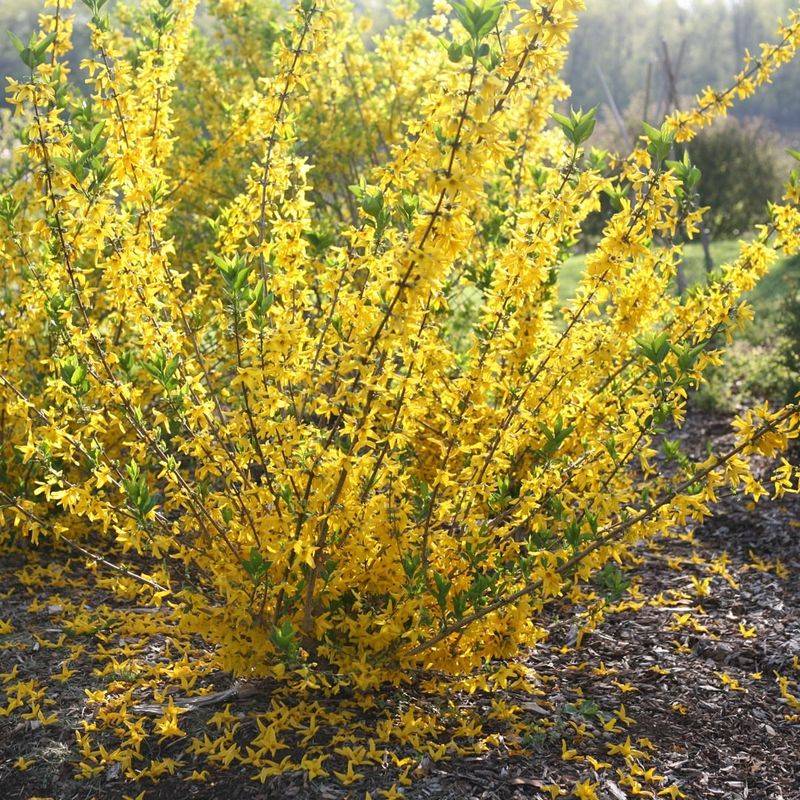
Forsythia belongs to a special category of shrubs that flower on bare branches before producing any foliage. This early-blooming habit makes the flower display even more spectacular because nothing competes with or hides those bright yellow blossoms.
When forsythia blooms in late March or early April across Ohio, the flowers stand alone against brown branches, creating maximum visual impact in the landscape. Bloom preservation becomes absolutely critical because of this timing characteristic.
Since the flowers appear before leaves develop, losing even a portion of the flower buds to winter pruning creates obvious bare spots that can’t be disguised by foliage.
The intensity and density of the flower display depends entirely on how many bud-bearing stems remain on the shrub going into spring. Proper pruning timing directly affects flowering intensity in early spring landscapes throughout Ohio.
A forsythia pruned immediately after blooming will have a full twelve months to develop new flower buds on fresh growth, ensuring another spectacular display the following spring.
The shrub’s natural bloom-then-grow cycle works perfectly when you align your pruning schedule with it, maintaining that breathtaking early-season flower show that makes forsythia such a treasured addition to Ohio gardens year after year.
Spring Pruning Encourages Strong Replacement Growth
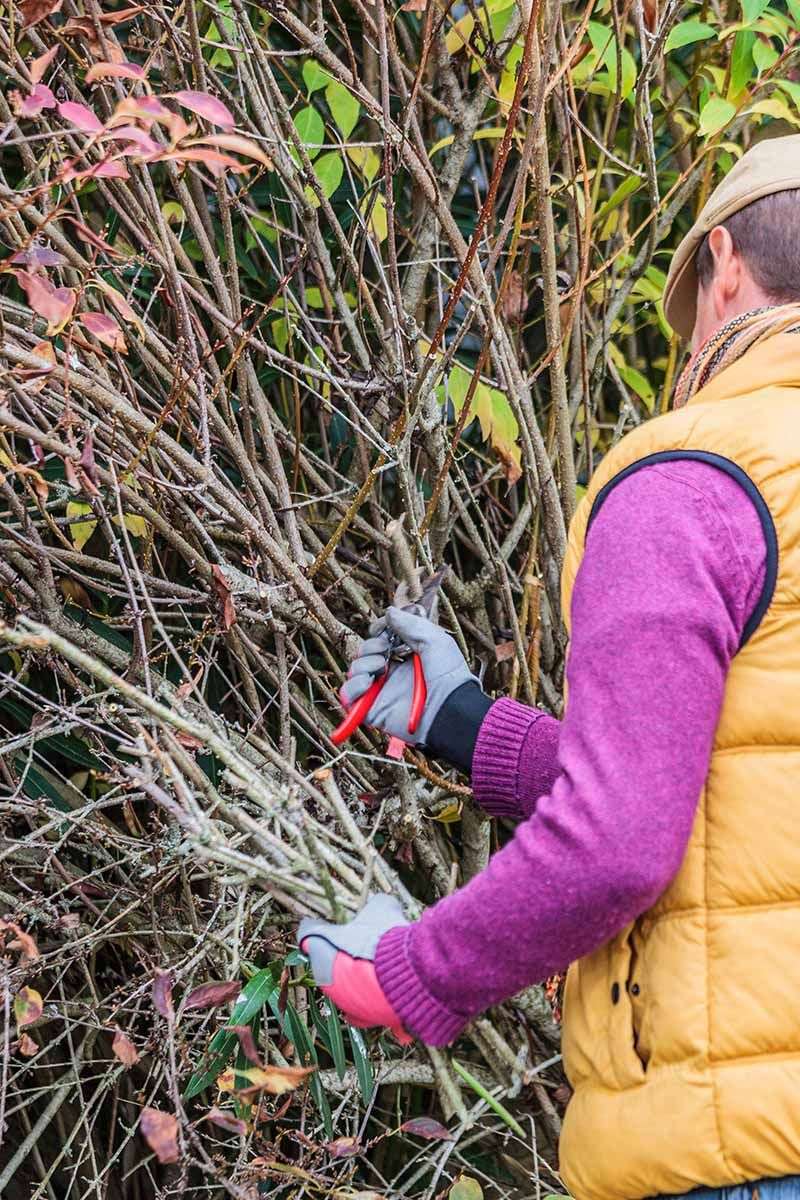
Timing your pruning for right after flowering takes advantage of forsythia’s natural growth surge that happens in late spring.
When you remove branches in April or May, the shrub responds by pushing out vigorous new shoots that will become next year’s flower-producing stems.
This growth pattern works with the plant’s biology rather than against it, resulting in healthier, more floriferous shrubs over time.
The new shoots that emerge after post-bloom pruning have the entire growing season ahead of them to mature and develop flower buds for the following spring.
These replacement branches grow strongly because the plant has ample energy reserves and favorable weather conditions.
By late summer, these new stems will be setting flower buds, continuing the bloom cycle without interruption. Ideal thinning techniques involve removing about one-third of the oldest stems at ground level rather than shearing the entire shrub.
This renewal approach maintains the natural fountain-like shape of forsythia while encouraging fresh growth from the base. Selective thinning also improves air circulation through the shrub’s interior, promoting overall plant health.
Ohio gardeners who follow this spring pruning schedule maintain forsythia shrubs that bloom abundantly year after year while staying appropriately sized and attractively shaped for their landscape positions.
Winter Pruning Increases Disease Entry Risk
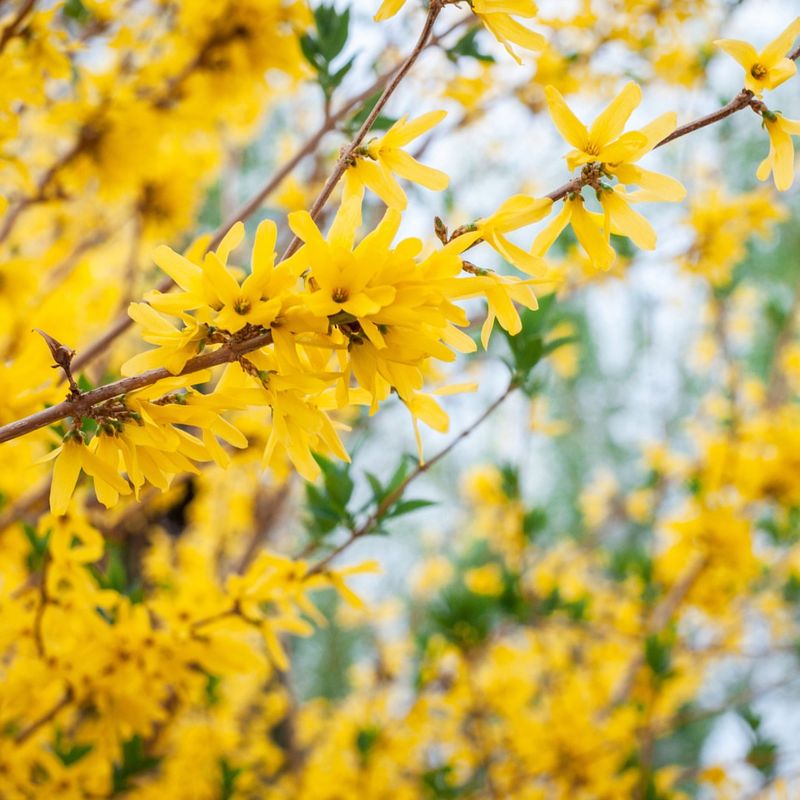
Plant wounds heal through a process that requires active cell division and growth, functions that slow dramatically or stop completely during winter dormancy.
When you make pruning cuts during Ohio’s cold months, those wounds remain open and vulnerable for extended periods because the plant lacks the metabolic activity needed for rapid healing.
Fresh cuts essentially stay exposed throughout winter, creating opportunities for problems. Fungal spores thrive in the cool, moist conditions that characterize Ohio winters.
Our region experiences frequent precipitation during dormant months, whether as rain, sleet, or snow.
These wet conditions combined with temperatures that hover around freezing create perfect environments for fungal pathogens to colonize fresh pruning wounds. Organisms that cause canker diseases and wood rot find easy entry through unhealed cuts.
Spring pruning dramatically reduces disease risk because cuts heal quickly in warm weather. Active growth means the plant can seal wounds efficiently, often within just a few weeks of pruning.
The cambium layer produces callus tissue that covers the cut surface, blocking pathogen entry.
Additionally, the drier conditions typical of late spring in Ohio provide less favorable environments for fungal growth. Protecting your forsythia from disease starts with choosing the right pruning season.
Mature Shrubs Need Renewal Pruning, Not Dormant Shearing
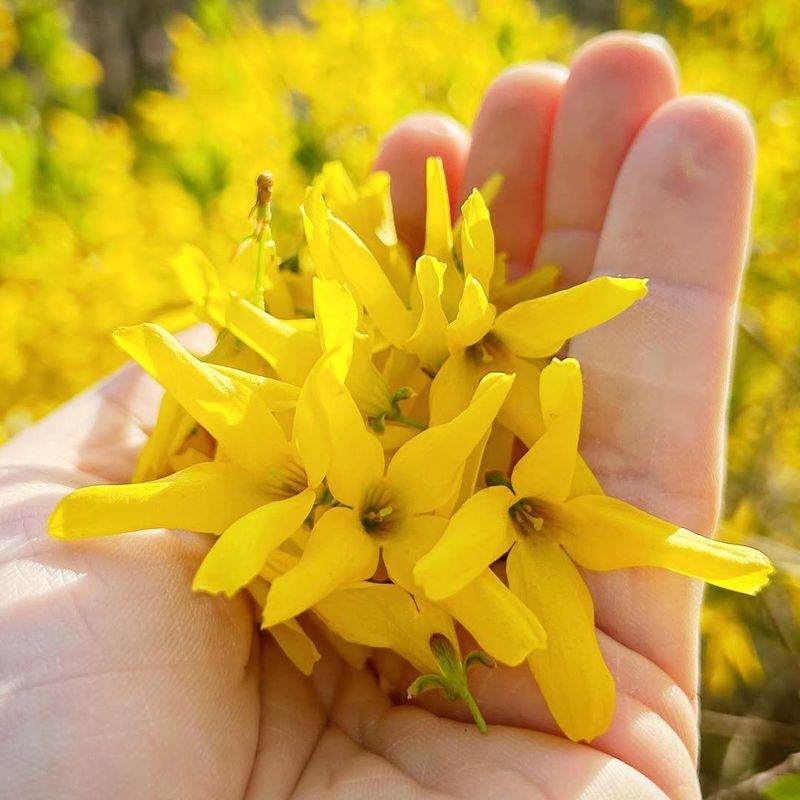
Many gardeners mistakenly approach overgrown forsythia with hedge shears or electric trimmers, attempting to reduce size by cutting everything back uniformly. This shearing approach creates dense outer growth with hollow, unproductive centers.
When performed during winter, shearing removes virtually all flower buds while encouraging the wrong type of regrowth.
Mature forsythia shrubs deserve a more thoughtful maintenance strategy that respects their natural growth habits.
Proper renewal pruning involves selectively removing the oldest, thickest stems completely at ground level immediately after spring flowering ends.
Target about one-third of the mature canes, choosing those that show declining vigor, awkward angles, or excessive age.
This technique opens up the shrub’s interior, allowing light and air to penetrate while stimulating fresh basal growth. New shoots emerge from the crown and develop into productive flowering stems.
Long-term plant health benefits from this renewal approach are substantial. The shrub maintains its natural graceful form rather than becoming a rigid ball of twigs.
Flower production remains consistent because you’re always preserving two-thirds of the established flowering wood while encouraging new stems. Air circulation improves, reducing disease pressure.
The shrub stays appropriately sized without the stressed, over-pruned appearance that shearing creates. Ohio gardeners who practice renewal pruning enjoy forsythia that looks better and blooms more reliably.
University Extension Services Recommend Post-Bloom Pruning
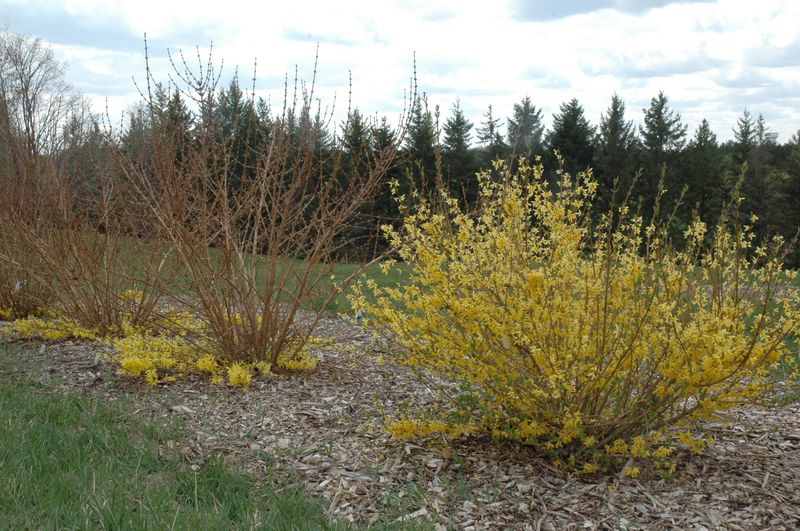
Ohio State University Extension provides research-based gardening guidance specifically tailored to our state’s climate and growing conditions.
Their recommendations for forsythia pruning are clear and consistent: prune spring-flowering shrubs immediately after they finish blooming.
This timing applies to forsythia, lilac, flowering quince, and other early bloomers that set flower buds the previous season. The advice comes from decades of horticultural research and practical experience.
Extension publications explain that post-bloom pruning preserves the natural bloom cycle while allowing time for new growth to mature before the next flowering season. When you follow this schedule, you’re working with the plant’s biology rather than fighting against it.
The shrub has maximum opportunity to produce strong new stems that will bear flowers the following spring. This approach maintains ornamental value while keeping plants healthy and appropriately sized.
Professional horticulturists and experienced Ohio gardeners consistently follow Extension recommendations because they deliver reliable results.
The guidance isn’t based on opinion or tradition but on scientific understanding of plant growth patterns and regional climate conditions.
When you align your forsythia pruning schedule with these expert recommendations, you ensure spectacular spring flower displays year after year while maintaining shrub health and vigor throughout the growing season.