These Blue Flowers Are Gaining Attention In 2026 And Grow Easily From Seed In Pennsylvania
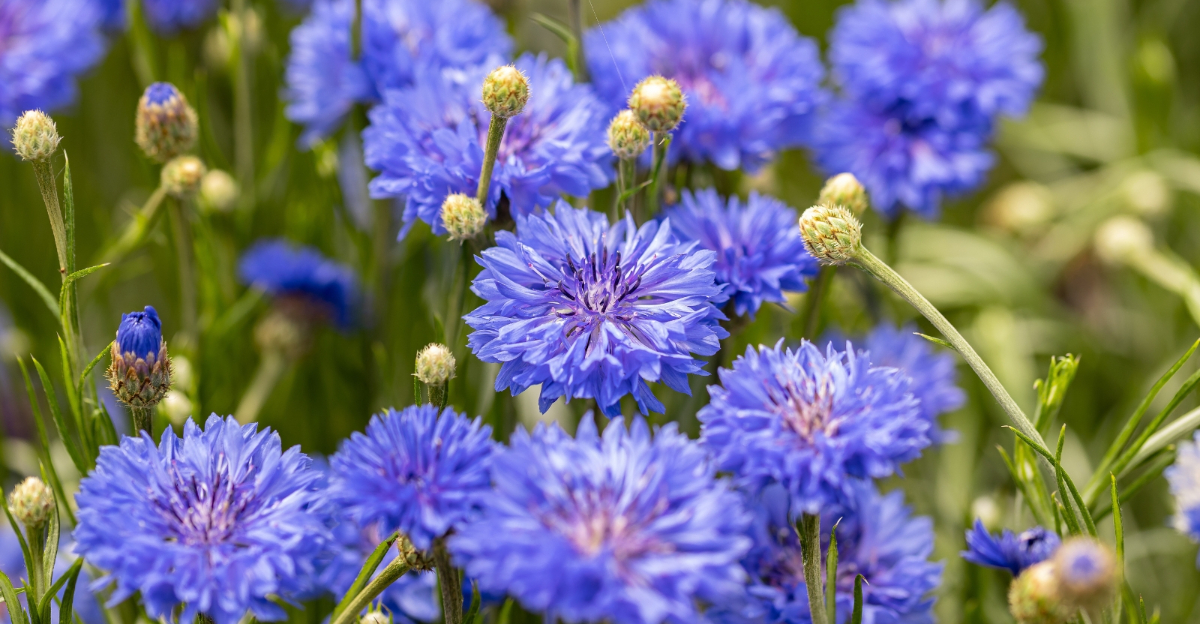
Blue flowers are suddenly standing out in Pennsylvania gardens as more gardeners look ahead to what’s gaining attention for 2026.
True blue blooms feel rare and striking, which makes them instantly noticeable once they appear in a bed or border.
What’s fueling their rise isn’t just color, but how easily many of these flowers grow straight from seed without special tools or experience. That simplicity makes them feel inviting instead of intimidating.
Pennsylvania’s spring weather gives seeds steady moisture and mild temperatures that support strong early growth.
These plants don’t demand constant care, yet they still deliver rich color that looks deliberate rather than accidental.
Gardeners are noticing how naturally blue flowers fill empty spaces and bring contrast to familiar greens and soft pastels.
Starting from seed keeps costs low and flexibility high throughout the planting season.
As 2026 approaches, these easy-growing blue blooms are becoming a smart choice for Pennsylvania gardens that want standout color with minimal effort.
1. Bachelor’s Buttons (Cornflower)
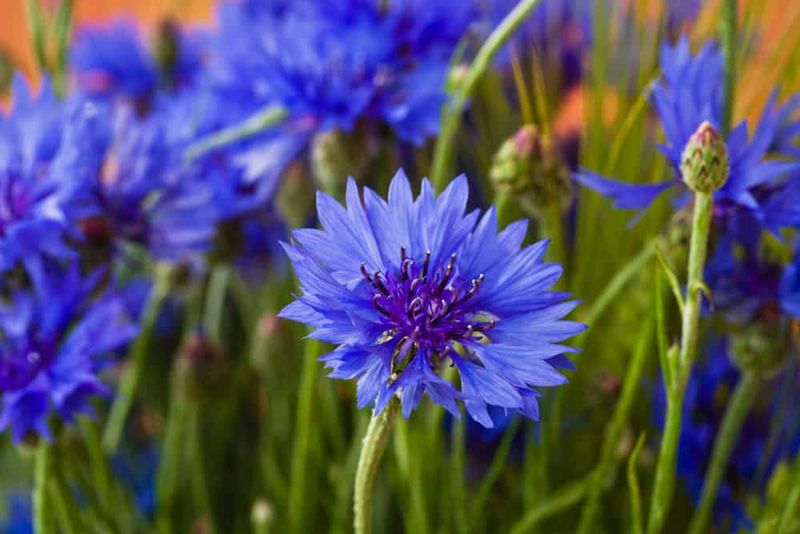
Cheerful and vibrant, this classic bloom has been making a comeback in gardens across the country. Gardeners in Pennsylvania are rediscovering why their grandparents loved planting these reliable flowers every spring.
The petals look almost like tiny pom-poms, creating a playful texture that stands out among other garden plants.
Seeds sprout quickly when scattered directly into garden soil after the last frost. You don’t need to fuss with indoor starting trays or complicated transplanting.
Just toss them where you want color, cover lightly with soil, and water gently.
Once established, these plants handle dry spells better than many other annuals. They keep blooming even when summer heat arrives in Pennsylvania.
Deadheading spent flowers encourages more buds to form, extending the show well into fall.
Pollinators absolutely adore these blossoms. Bees and butterflies visit throughout the day, adding movement and life to your garden.
Cutting a few stems for indoor bouquets won’t hurt the plant either.
The blue shades range from soft sky tones to deep sapphire hues. Some varieties even produce flowers with hints of purple mixed in.
This color variety lets you create different moods in your landscape design.
Children enjoy planting these because the seeds are large enough to handle easily. Watching them sprout in just days creates excitement and teaches patience.
Even beginners feel successful growing these forgiving flowers.
2. Love-In-A-Mist (Nigella)
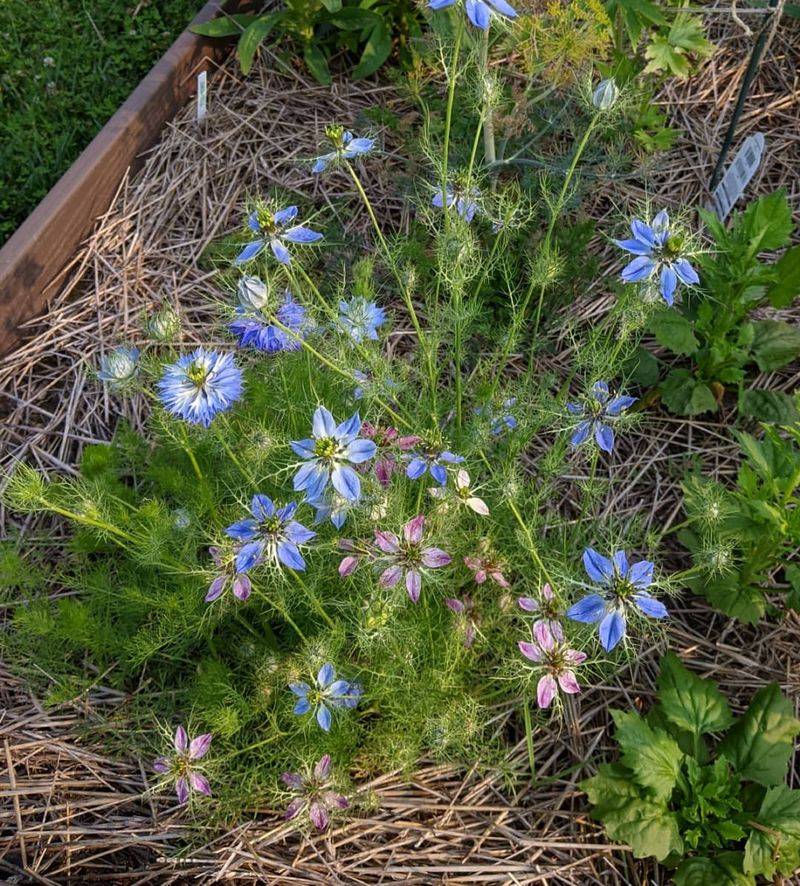
Delicate thread-like foliage surrounds each blossom like a soft green cloud. This unique feature gives the plant its romantic common name and creates an ethereal look in any garden bed.
Pennsylvania gardeners are falling for the whimsical appearance that photographs beautifully.
Planting couldn’t be simpler since these seeds prefer cool soil temperatures. Early spring or even late fall sowing works perfectly in our state’s climate.
The seeds need light to germinate, so barely press them into the soil surface without covering them completely.
Flowers appear about eight weeks after planting, rewarding your patience with intricate blooms. Each petal displays fine veining that adds depth and interest up close.
Your Pennsylvania Garden Changes Every Week. Your Plan Should Too.
Gardening in Pennsylvania changes quickly throughout the season. Every Friday you’ll receive a simple weekly plan showing exactly what to plant, prune, fertilize, harvest, and protect so you never miss the right timing.
The blue varieties range from pale powder blue to rich cobalt shades.
After flowering, fascinating seed pods develop that look like inflated paper lanterns. These pods work wonderfully in dried arrangements and crafts.
Many gardeners grow this plant specifically for these architectural seed heads.
Self-sowing happens reliably when conditions suit the plant’s preferences. You’ll notice seedlings appearing in unexpected spots the following year.
This naturalizing tendency creates a cottage garden feel without extra work.
Cool-season growing suits Pennsylvania’s spring and fall temperatures perfectly. The plants actually prefer cooler weather and may slow down during peak summer heat.
Planting in partial shade helps extend the blooming period when temperatures rise.
Cutting gardens benefit tremendously from including these flowers. The lacy foliage adds texture to bouquets without needing additional greenery.
Stems last about a week in water when cut at the right stage.
3. Blue Flax
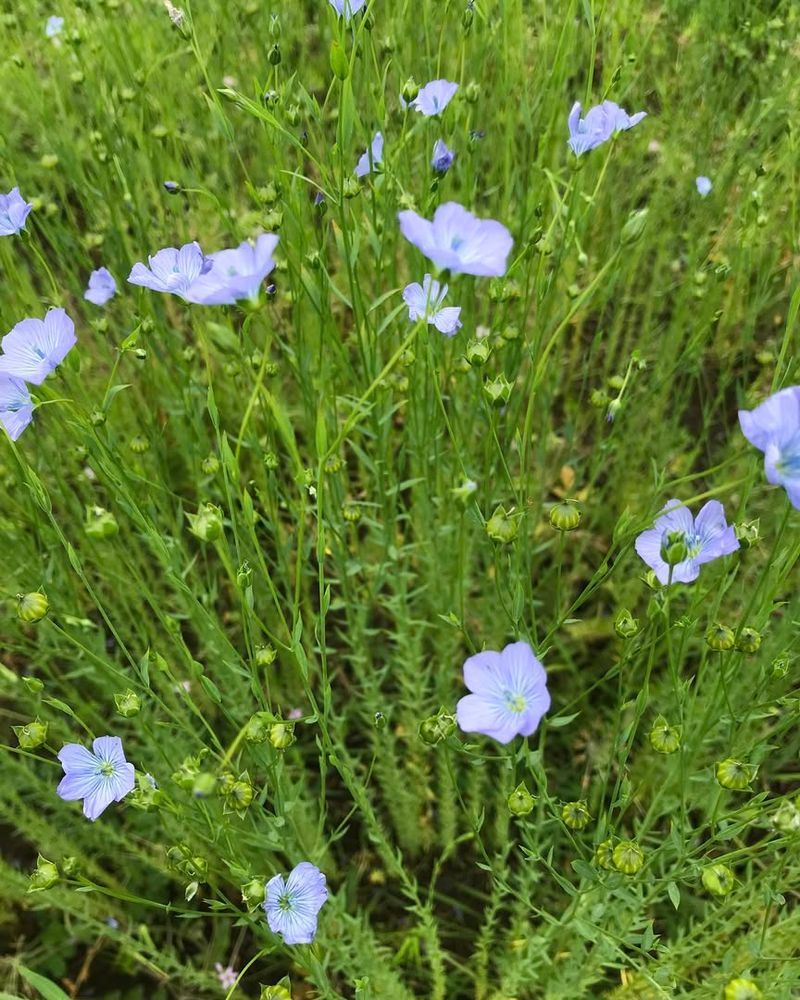
Airy and graceful, this wildflower brings movement to gardens with its slender stems that sway in the breeze. Each individual bloom lasts only a day, but plants produce so many buds that fresh flowers open continuously.
Pennsylvania gardeners appreciate this reliable performance from late spring through summer.
Direct seeding works best because the plants dislike root disturbance. Scatter seeds in fall or very early spring where you want them to grow permanently.
Germination occurs quickly once soil temperatures warm up in your Pennsylvania garden.
The true blue color is surprisingly pure and vivid. Unlike some flowers that lean toward purple, these petals display genuine sky-blue tones.
This makes them valuable for creating specific color schemes in landscape designs.
Drought tolerance improves as plants mature and develop deep root systems. Once established, they survive dry periods that would stress many other flowers.
This resilience makes them perfect for low-maintenance garden areas.
Morning displays are spectacular since flowers open with the sunrise. By afternoon, petals often drop, creating a carpet of blue beneath the plants.
This daily cycle adds an element of surprise and anticipation to your garden routine.
Naturalizing in meadow gardens or prairie-style plantings works beautifully. The plants self-sow moderately without becoming invasive.
They fill in gaps and create a wild, natural appearance that feels effortless.
Pollinators visit early in the day when flowers are freshest. Bees seem particularly attracted to the bright blue petals.
Watching these interactions adds educational value, especially if children help with your Pennsylvania garden.
4. Larkspur
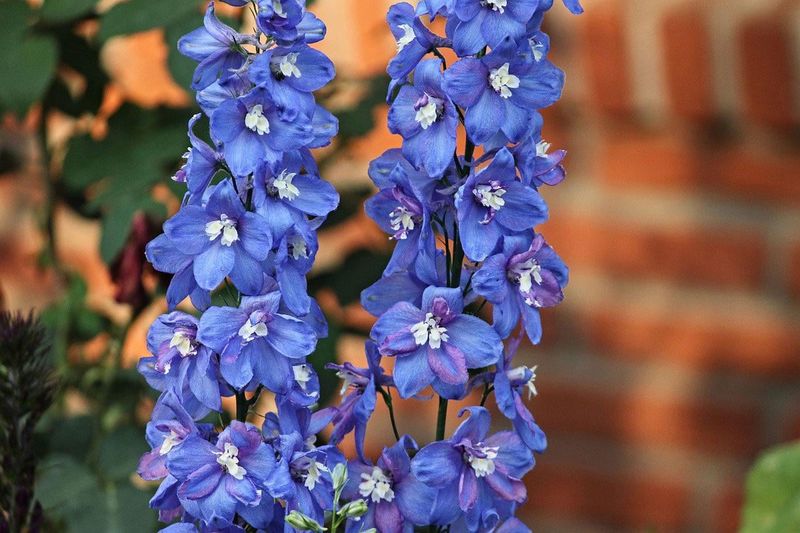
Although often confused with delphinium, annual larkspur is a different plant with similar flower spikes and easier seed-starting habits.
Tall spikes covered in densely packed blooms create vertical drama in flower beds. These stately plants command attention without overwhelming smaller neighbors.
Pennsylvania gardeners love how they add height and structure to spring and early summer displays.
Cold stratification improves germination rates significantly. Mixing seeds with damp sand and refrigerating them for two weeks mimics winter conditions.
Alternatively, sowing directly into garden soil in late fall lets nature handle this process naturally in Pennsylvania.
The blue spectrum includes everything from pale baby blue to deep navy shades. Some varieties feature white or lighter-colored centers that create beautiful bicolor effects.
Choosing a mix of shades adds depth and interest to your planting scheme.
Cool weather brings out the best performance in these plants. They thrive during Pennsylvania’s mild spring temperatures and often bloom again in fall if cut back after the first flush.
Heat can cause them to decline, so early planting is key.
Cutting gardens benefit enormously from including these flowers. The long stems and impressive flower spikes make spectacular focal points in arrangements.
Harvest them when about one-third of the buds have opened for the longest vase life.
Supporting taller varieties with stakes or plant supports prevents wind damage. Pennsylvania’s spring storms can topple unsupported stems.
Installing supports early, while plants are small, allows them to grow up naturally through the structure.
Succession planting extends the blooming season considerably. Sowing seeds every two weeks for a month creates waves of flowers.
5. Blue Salvia
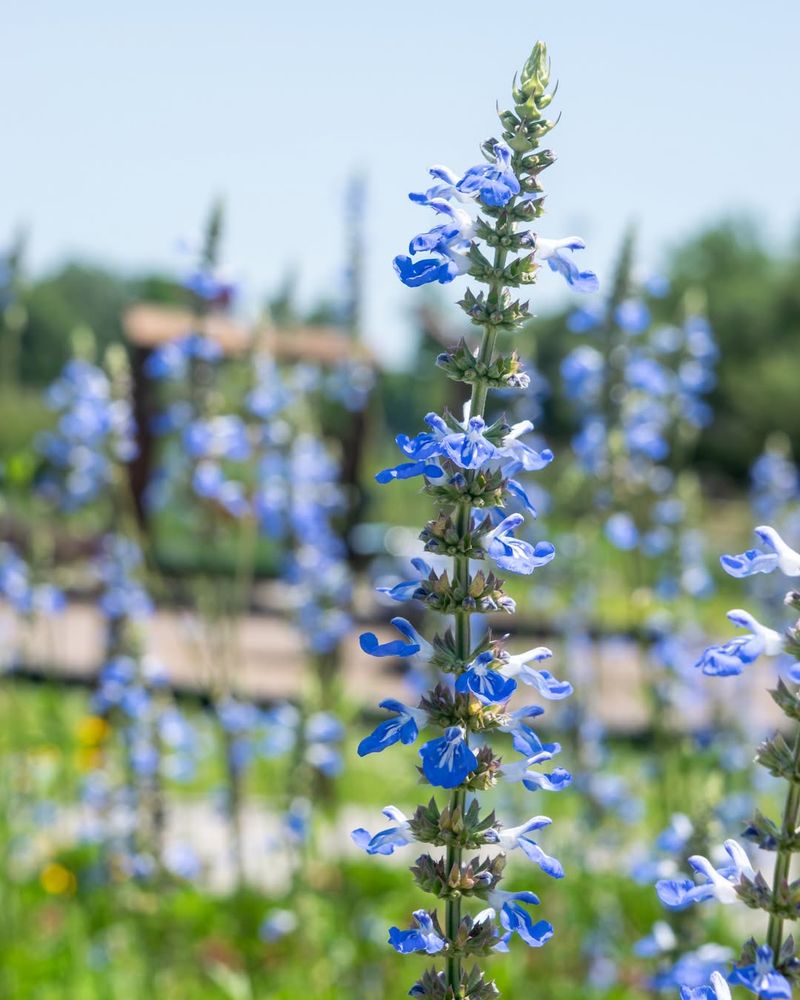
Spiky flower clusters stand upright like little candles throughout the growing season. This long blooming period makes them incredibly valuable for Pennsylvania gardeners wanting consistent color.
The plants keep producing new flower stalks from spring until frost arrives in fall.
In Pennsylvania, blue salvia grown from seed is usually treated as an annual.
Starting from seed indoors gives you a head start on the season. Sow seeds about six to eight weeks before your last expected frost date.
Transplant seedlings outdoors once soil warms and nighttime temperatures stay above fifty degrees in Pennsylvania.
The particular shade of blue has purple undertones that complement many other colors. Pink, yellow, and white flowers all look stunning planted alongside these blooms.
This versatility makes planning color combinations much easier.
Heat tolerance is excellent once plants are established. Unlike many blue flowers that fade in summer, these keep performing through Pennsylvania’s hottest months.
Regular watering during dry spells keeps them looking their best.
Butterflies and hummingbirds visit constantly throughout the day. The tubular flowers provide nectar that these pollinators seek.
Creating a wildlife-friendly garden becomes effortless when you include these plants.
Deadheading spent flower spikes encourages continuous blooming. Simply snip off faded flowers where they meet the main stem.
6. Virginia Bluebells
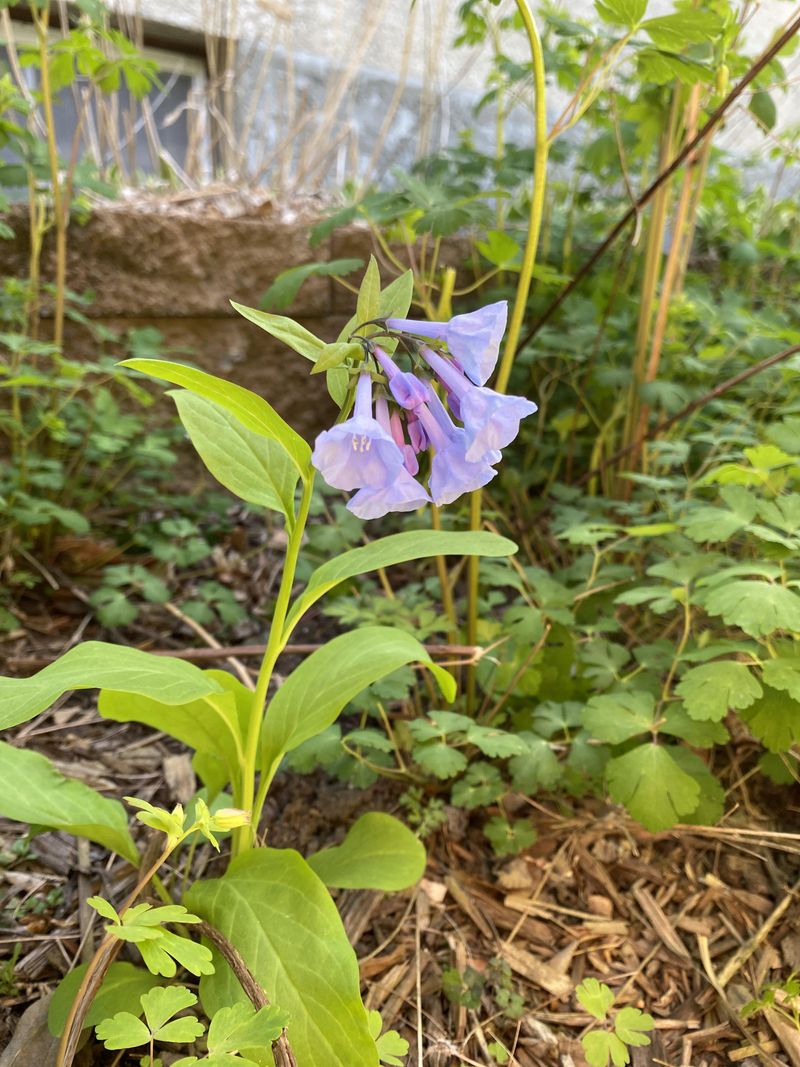
Bell-shaped flowers dangle gracefully from arching stems like tiny wind chimes, bringing soft spring color to shaded Pennsylvania gardens. Their nodding blooms create a natural woodland look that feels calm and effortless.
Although Virginia bluebells can grow from seed, they establish far more reliably when planted from tubers or divisions.
Seeds germinate slowly and unpredictably, which is why most gardeners choose planting stock instead.
The blue color deepens as flowers mature and age. Buds often start with pinkish tones that transition to true blue.
This color-changing quality adds extra visual interest as the blooming season progresses in your Pennsylvania garden.
Shade tolerance sets these apart from many other blue annuals. They actually prefer some protection from intense afternoon sun.
Planting them under deciduous trees or on the north side of buildings works perfectly.
Moisture requirements are moderate, with plants preferring consistent but not soggy soil. Mulching around them helps retain moisture and keeps roots cool.
This simple step reduces watering frequency during Pennsylvania’s drier summer periods.
Naturalizing in woodland gardens creates enchanting spring displays. The plants self-sow gently without becoming aggressive spreaders.
Each year, the colony expands slightly, filling in bare spots naturally.
Combining these with spring bulbs like daffodils creates layered interest. The bluebells bloom as bulb foliage begins to fade.
7. Blue Lupine
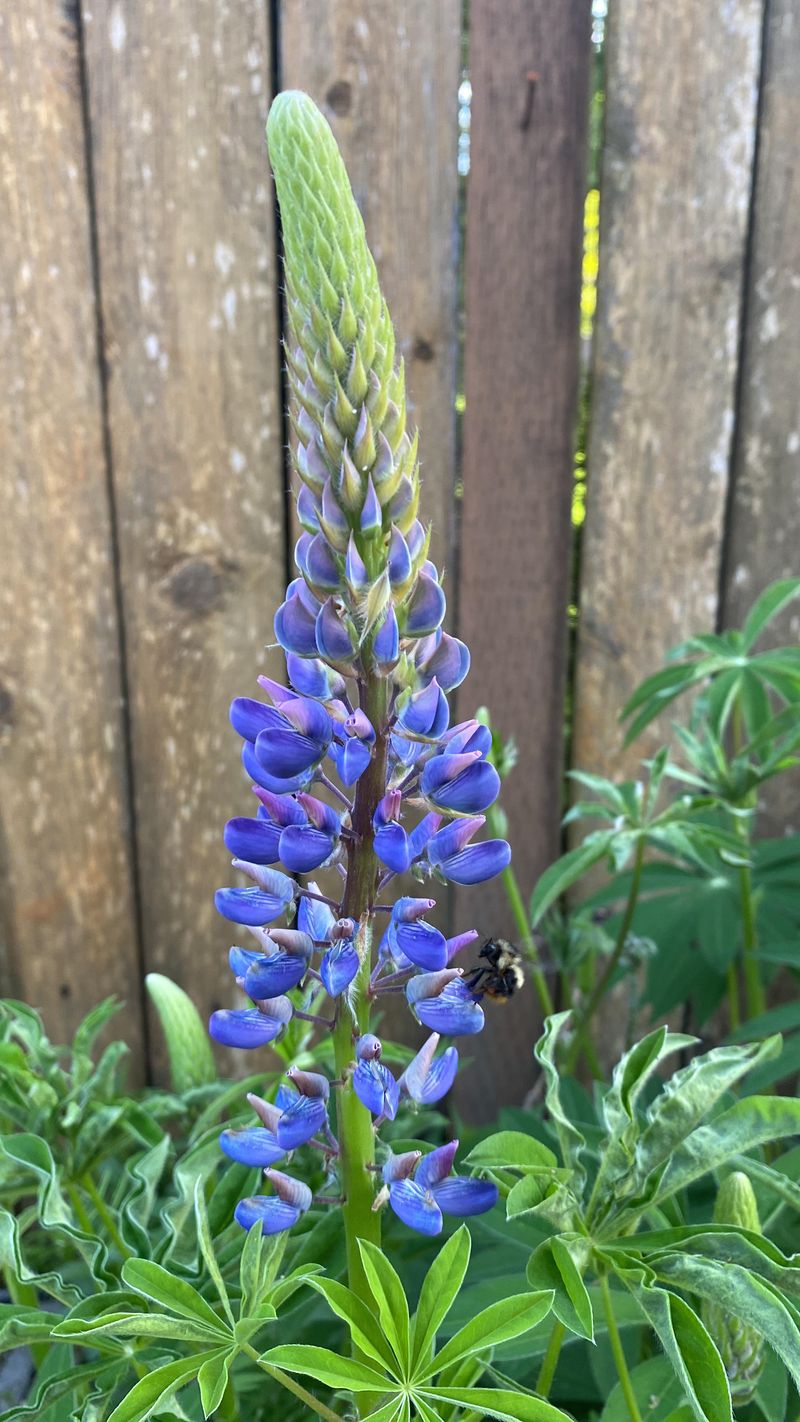
Impressive flower spikes rise above attractive palm-shaped foliage. Each spike contains dozens of individual pea-like flowers packed tightly together.
Pennsylvania gardeners are embracing these showy plants for their bold architectural presence and stunning color impact.
Scarification helps improve germination rates for these hard-coated seeds. Rubbing them gently with sandpaper or soaking them overnight breaks down the outer shell.
This simple preparation step can make the difference between success and disappointment.
The true blue shades are remarkably vivid and saturated. Some varieties produce bicolor blooms with white or cream markings.
These color variations allow you to customize the look to match your garden’s style.
Cool spring temperatures in Pennsylvania provide ideal growing conditions. Plants establish quickly when temperatures stay between fifty and seventy degrees.
They may slow down or stop blooming during peak summer heat but often rebound in fall.
Nitrogen-fixing abilities benefit surrounding plants by enriching the soil. Like other legumes, lupines host beneficial bacteria in their root nodules.
This natural fertilization process improves soil quality over time in your Pennsylvania garden.
Deadheading promotes additional flower spikes on vigorous plants. Cut the spent spike down to where new side shoots are emerging.
This encourages the plant to redirect energy into producing more blooms.
Staking is rarely necessary despite the tall flower spikes. The sturdy stems support themselves well in most conditions.
This low-maintenance characteristic appeals to busy gardeners who want beauty without constant fussing.
8. Forget-Me-Not
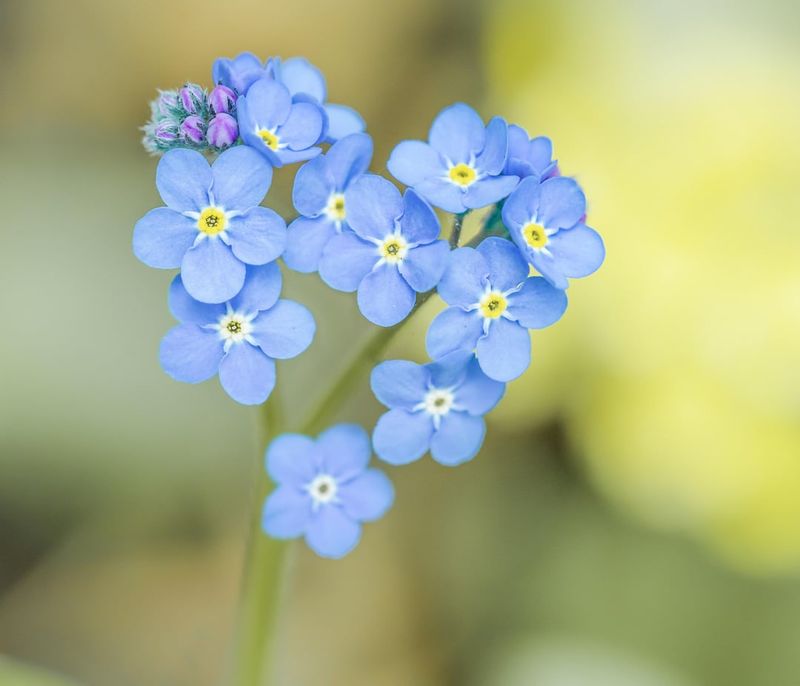
Tiny flowers create clouds of delicate blue that seem to float above the foliage. Each individual bloom measures only about a quarter-inch across, but plants produce hundreds of them.
Pennsylvania gardeners adore how these charming flowers soften harsh edges and fill in gaps between larger plants.
Self-sowing happens so reliably that one planting can last for years. Seeds scatter naturally as flowers fade, germinating wherever they land.
This generous reseeding means you’ll always have these sweet blooms appearing in your Pennsylvania garden.
The sky-blue petals feature tiny yellow centers that create a cheerful contrast. This color combination is universally appealing and works with virtually any garden palette.
The flowers seem to glow in evening light, extending your enjoyment of the garden after work.
Moisture-loving tendencies make them perfect for areas that stay slightly damp. Plant them near downspouts, along stream banks, or in low spots where water collects.
They thrive in conditions that challenge many other flowers.
Spring blooming coincides perfectly with tulips and other bulbs. The blue flowers create a beautiful carpet beneath taller spring bloomers.
This layering technique maximizes color impact in limited space.
Shade tolerance allows planting under trees and shrubs. They brighten dark corners that often lack color.
This adaptability solves common landscaping challenges faced by Pennsylvania gardeners.
Ground cover potential makes them useful for erosion control on slopes. The spreading habit and dense growth stabilize soil naturally.
Beauty and function combine perfectly in this hardworking little plant.
9. Blue Verbena
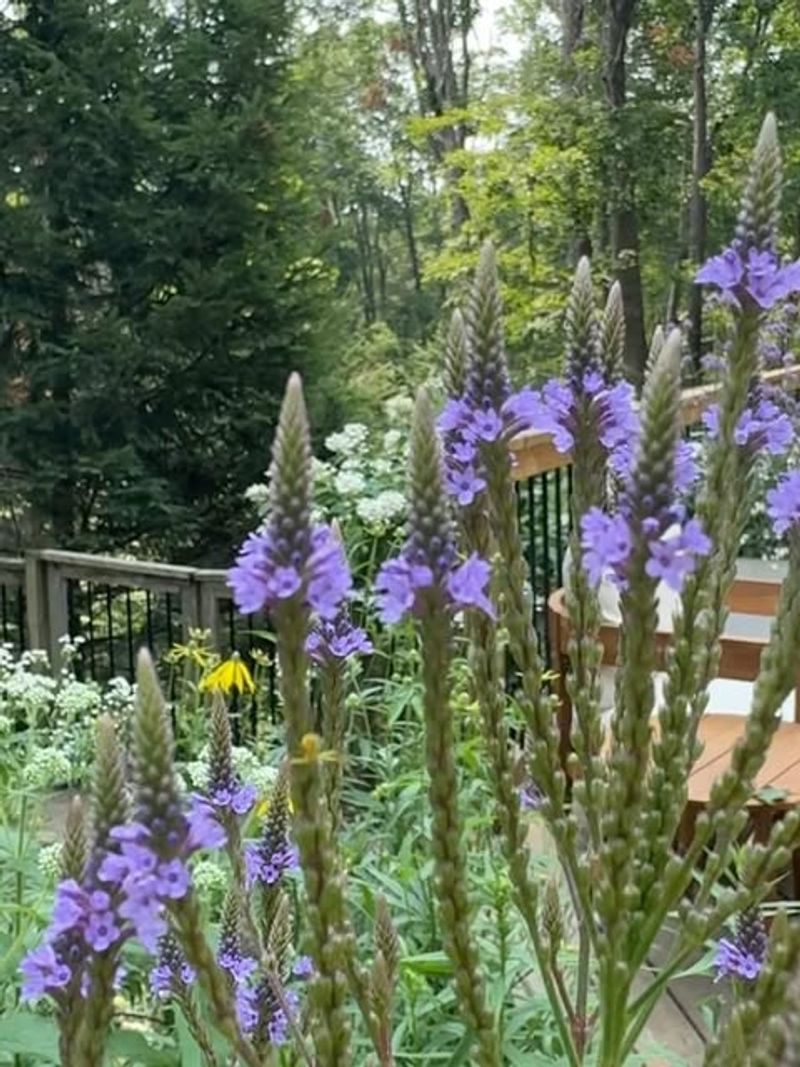
Clusters of small flowers form rounded heads that attract butterflies like magnets. Each cluster contains dozens of tiny individual blooms that open gradually.
Pennsylvania gardeners appreciate how these plants bloom continuously from late spring until frost without much maintenance.
In Pennsylvania gardens, blue verbena started from seed is most often grown as an annual.
Starting seeds indoors about ten to twelve weeks before the last frost gives plants time to mature. They grow relatively slowly from seed compared to some annuals.
Patience during the early stages pays off with months of beautiful blooms in your Pennsylvania garden.
The purple-blue color has a richness that photographs beautifully. Some varieties lean more toward true blue while others show violet tones.
This slight variation adds depth when several plants grow together.
Trailing growth habits make them excellent for hanging baskets and containers. The stems cascade gracefully over pot edges, creating living waterfalls of color.
This versatility expands planting options for gardeners with limited ground space.
Heat and drought tolerance improve as plants establish strong root systems. Once settled in, they handle summer stress better than many annuals.
This resilience means less watering and worry during Pennsylvania’s occasionally dry summers.
Deadheading isn’t strictly necessary for continuous blooming. However, removing spent flower clusters tidies the appearance and may encourage even more buds.
This optional maintenance takes just minutes if you choose to do it.
Companion planting with yellow or white flowers creates striking combinations. The blue verbena provides a cool-toned anchor that makes warm colors pop.
This color theory application helps even novice gardeners achieve professional-looking results.
10. Annual Delphinium
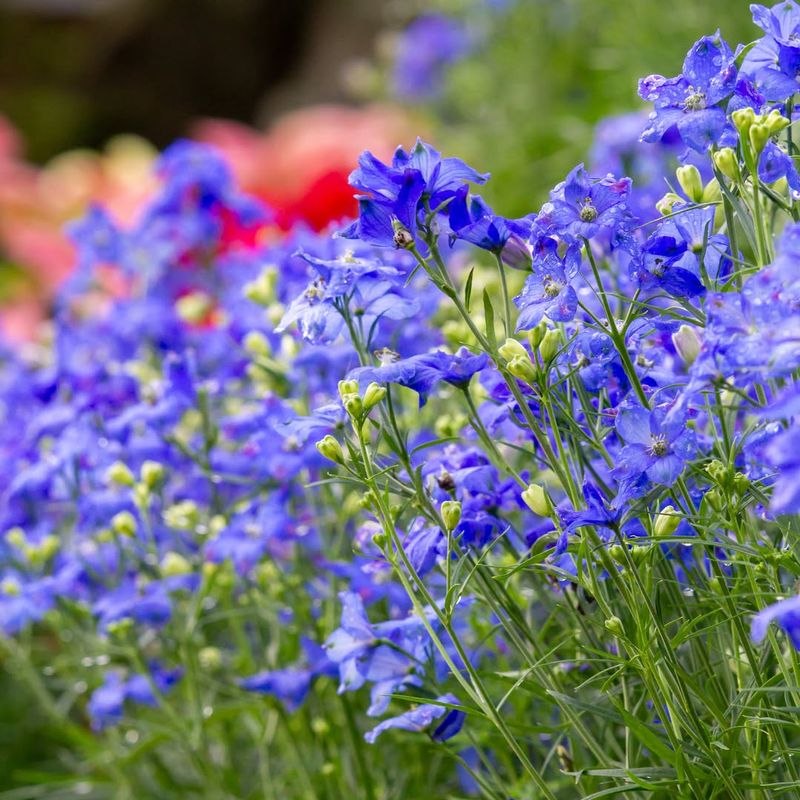
Majestic flower spikes rival their perennial cousins in beauty and impact. These annual versions bloom the first year from seed, unlike perennials that take longer to flower.
Pennsylvania gardeners gain instant gratification without waiting multiple seasons for results.
Indoor starting about eight weeks before the last frost date works best. Keep seeds in darkness until germination occurs, as light can inhibit sprouting.
Once seedlings emerge, move them to bright light immediately for strong growth.
The range of blue shades available is truly impressive. From pale powder blue to deep midnight navy, there’s a tone for every garden scheme.
Mixing several shades creates a sophisticated monochromatic display in your Pennsylvania landscape.
Staking tall varieties prevents storm damage and keeps displays looking tidy. Use bamboo stakes or decorative plant supports installed early in the season.
Plants grow up through the supports naturally, hiding them from view.
Cool-season preference means early planting produces the best results. Get them in the ground as soon as soil can be worked in spring.
They’ll establish during cool weather and bloom beautifully before summer heat arrives in Pennsylvania.
Cutting gardens treasure these flowers for their long stems and impressive presence. One spike can serve as an entire bouquet centerpiece.
The flowers last about a week in water when properly conditioned.
Succession planting creates extended blooming periods. Start new seeds every three weeks for continuous flowers.
This strategy works especially well in Pennsylvania’s variable spring weather.