10 Vegetables That Stay Productive After The First Frost In Minnesota
Minnesota gardens don’t shut down the moment frost shows up, even though it often feels like the end of the season.
Cold nights change the pace, but some vegetables actually keep producing or even improve in flavor once temperatures drop.
The first frost surprises many gardeners because certain crops barely react at all.
Instead of collapsing, these vegetables hold steady while everything else slows down.
Minnesota’s climate rewards plants that are built for cold tolerance rather than quick summer growth.
Frost can trigger natural changes that make leaves sweeter and textures firmer. That shift turns late-season harvests into something worth waiting for.
Garden beds that look finished often still have plenty to give.
Knowing which vegetables stay productive after frost extends the season without extra protection or effort.
These cold-hardy choices turn Minnesota’s short growing window into a longer, more rewarding stretch.
1. Kale
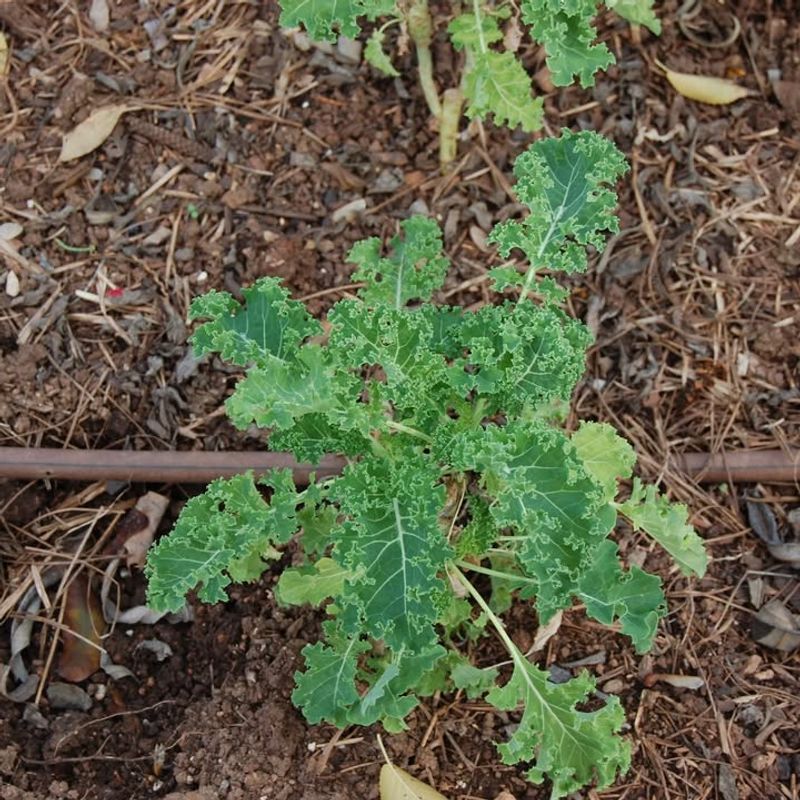
Cold weather transforms this leafy green into something truly special for your dinner table. After temperatures dip below freezing, the plant converts starches into sugars as a natural survival mechanism.
Minnesota gardeners notice the leaves become noticeably sweeter and less bitter once frost arrives.
Growing conditions in the upper Midwest actually favor this crop during autumn months. The plant handles temperatures down to 20 degrees Fahrenheit without any protection.
Leaves stay crisp and fresh even when morning ice crystals coat the garden.
Harvest becomes easier when you pick outer leaves first and let the center continue growing. This method provides fresh greens for weeks after other vegetables have finished.
The plant keeps producing new growth until snow buries it completely.
Nutritional value increases as the weather cools, making fall harvests more beneficial than summer pickings. Vitamins and antioxidants concentrate in the leaves during cold snaps.
Minnesota’s climate creates ideal conditions for maximum nutrient density.
Gardeners across the state plant varieties specifically bred for cold tolerance. Winterbor and Lacinato types perform exceptionally well in northern conditions.
These cultivars withstand harsh weather better than standard varieties.
Mulching around the base helps extend the harvest even further into winter. Straw or leaves provide insulation for roots while allowing leaves to remain accessible.
This simple step can add several extra weeks of production.
2. Brussels Sprouts

Patience pays off with this vegetable because the best flavor develops after several hard freezes. The small cabbage-like buds grow along tall stalks that stand proudly in Minnesota gardens.
Frost triggers chemical changes that reduce bitterness and create a nutty, sweet taste.
Planting time matters significantly for successful fall harvests in the upper Midwest. Seeds or transplants go in the ground during midsummer to ensure mature plants by autumn.
The growing season needs to align perfectly with the first frost date.
Stalks become more productive as temperatures drop below freezing repeatedly. Each cold snap improves the flavor of the sprouts still developing on the stem.
Minnesota’s weather pattern provides the perfect conditions for this transformation.
Harvesting starts at the bottom of the stalk and works upward over several weeks. Lower sprouts mature first while upper ones continue developing.
Your Minnesota Garden Changes Every Week. Your Plan Should Too.
Gardening in Minnesota changes quickly throughout the season. Every Friday you’ll receive a simple weekly plan showing exactly what to plant, prune, fertilize, harvest, and protect so you never miss the right timing.
This progressive harvest extends the season considerably.
Snow doesn’t damage the crop, and many gardeners pick sprouts right through early winter. The plants tolerate temperatures well below 20 degrees without protection.
Minnesota growers often harvest on Thanksgiving Day or even later.
3. Carrots

Underground storage protects these root vegetables from surface freezing temperatures remarkably well. Soil insulation keeps roots safe even when air temperatures plummet.
Minnesota gardeners discover that fall carrots taste dramatically sweeter than summer harvests.
Sugar concentration increases as the plant responds to cold soil temperatures. This natural antifreeze prevents cell damage during freezing nights.
The result is carrots with almost candy-like sweetness that children love.
Leaving them in the ground works perfectly until the soil freezes solid. Heavy mulch extends the harvest window by keeping soil workable longer.
Many Minnesota growers pile straw a foot deep over carrot rows.
Varieties with shorter roots perform better in clay soils common throughout the state. Danvers and Chantenay types push through heavy soil more easily than long, slender varieties.
Choosing the right type prevents forked and twisted roots.
Spring-planted carrots reach perfect size by the time frost arrives in September or October. Timing the planting ensures roots mature just as weather cools.
This coordination maximizes both size and sweetness.
Texture remains crisp and firm even after multiple freeze-thaw cycles in the ground. The vegetables don’t become mushy or soft like other crops might.
Minnesota’s consistent cold preserves quality throughout the harvest period.
4. Parsnips
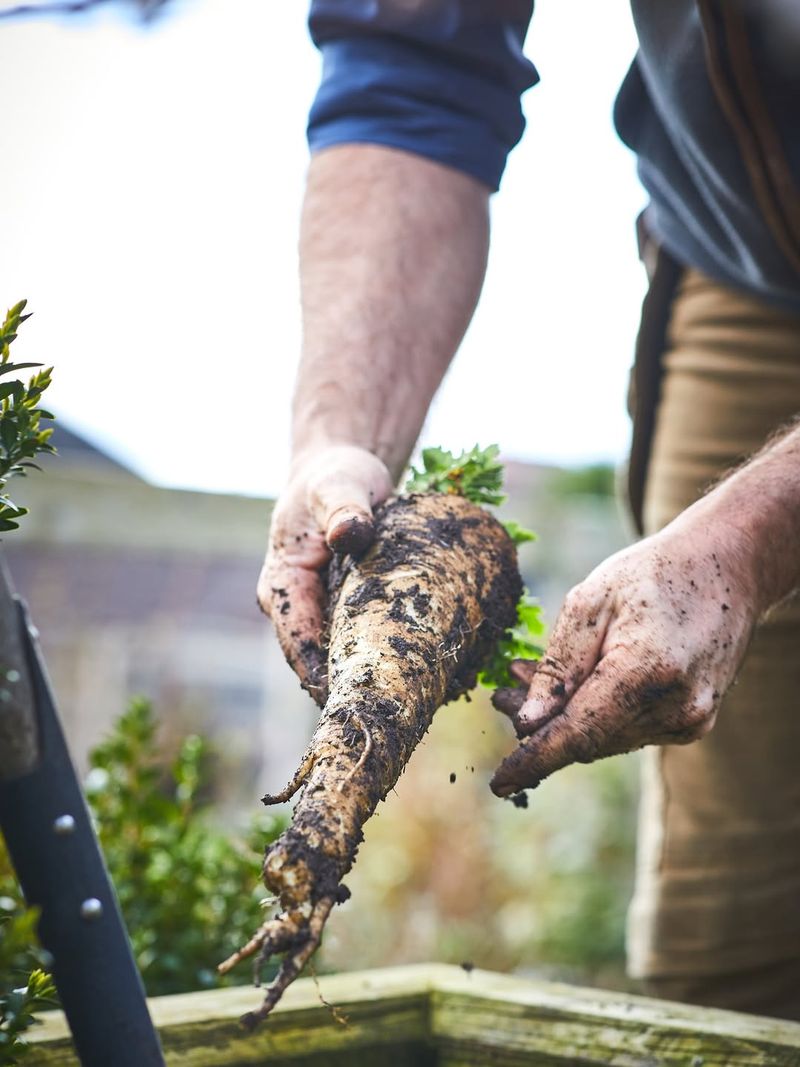
Waiting until after several hard frosts is absolutely essential for proper flavor development. Early harvests taste starchy and bland compared to frost-improved roots.
Minnesota’s cold autumn weather creates the perfect conditions for transforming these vegetables.
White roots look similar to pale carrots but develop a unique, complex sweetness. The flavor profile includes nutty and almost buttery notes that emerge only after freezing.
Gardeners who try them once become devoted fans.
Growing season extends much longer than most people realize for this underappreciated crop. Plants tolerate temperatures down to 20 degrees or lower without any damage.
Minnesota growers often harvest well into November or December.
Soil preparation matters because parsnips need deep, loose earth for straight root development. Rocky or compacted soil causes forked and twisted shapes.
Working the ground thoroughly before planting prevents frustrating harvests.
Seeds germinate slowly, so patience during spring planting pays off in fall. Germination can take three weeks or more depending on soil temperature.
Minnesota gardeners often soak seeds overnight before planting to speed things up.
Leaving roots in the ground all winter works in many parts of the state. Heavy mulch keeps soil from freezing solid, allowing harvest whenever you need them.
The garden becomes a storage area that requires no electricity.
5. Leeks
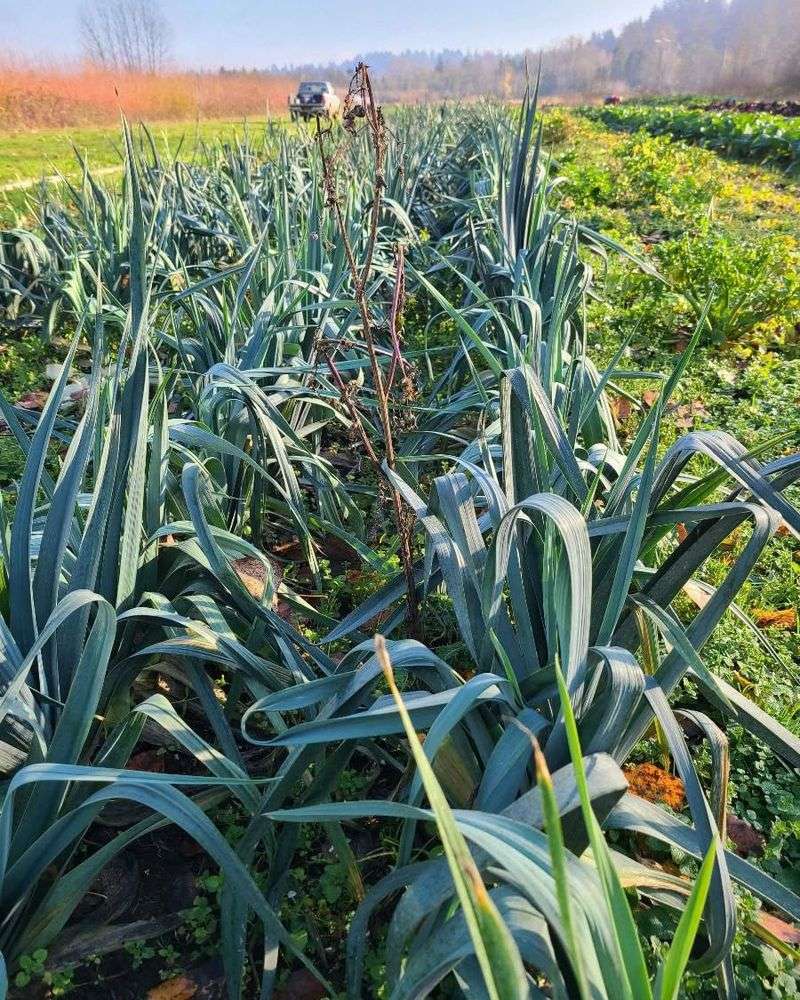
Mild onion flavor intensifies and sweetens after exposure to freezing temperatures. These elegant vegetables stand tall in the garden long after other crops have finished.
Minnesota growers appreciate their reliability and cold tolerance.
Blanching the stems during growth creates the tender white portion everyone loves. Hilling soil around the base as plants grow blocks sunlight from the lower stem.
This technique produces leeks with maximum white length and minimum green.
Harvest continues through multiple hard frosts without any loss of quality. The vegetables actually improve as weather gets colder.
Many Minnesota gardeners consider them the most dependable fall crop.
Transplanting young seedlings in late spring ensures mature plants by autumn. Direct seeding works but takes much longer to produce harvest-size leeks.
Starting indoors gives plants a head start on the short growing season.
Thick mulch around the base protects plants from the worst winter weather. Straw or leaves piled high keep the ground workable longer.
This insulation extends the harvest window considerably.
Cleaning requires careful attention because soil gets trapped between the layers. Slicing lengthwise and rinsing thoroughly removes all the grit.
Minnesota’s clay soil can be particularly stubborn in this regard.
6. Spinach
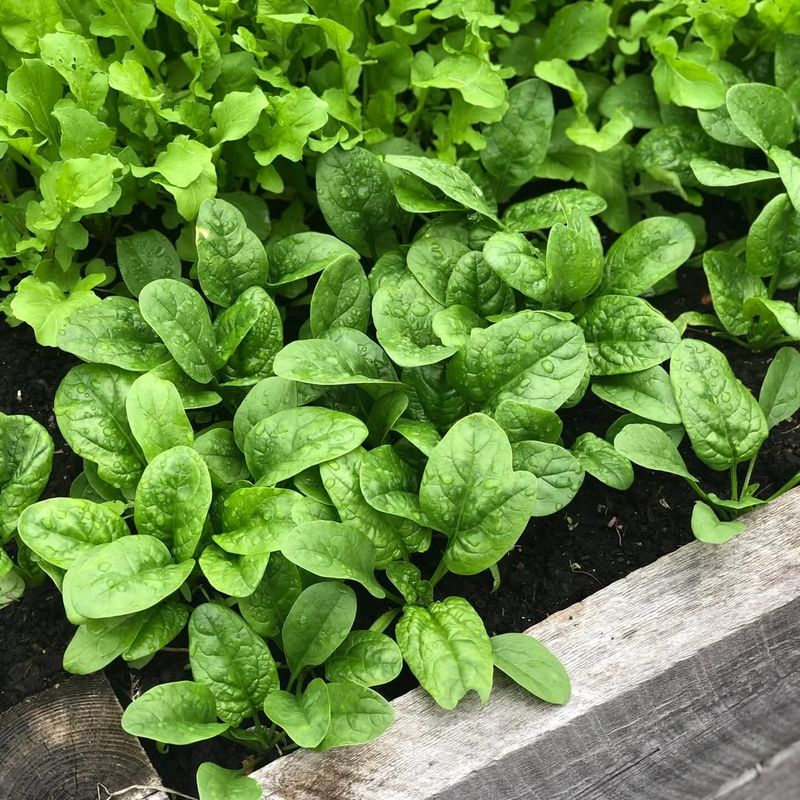
Quick growth and exceptional cold tolerance make this leafy green a fall garden superstar. Plants germinated in late summer mature perfectly as temperatures drop.
Minnesota’s autumn weather provides ideal growing conditions for tender, sweet leaves.
Flavor becomes noticeably milder and sweeter after the first frost arrives. Summer spinach often tastes slightly bitter in comparison.
Cold weather triggers the same sugar conversion seen in other frost-loving crops.
Multiple harvests from the same plants extend the productive season considerably. Cut-and-come-again harvesting encourages new leaf production.
Minnesota growers get several pickings from each planting.
Varieties bred for cold tolerance perform significantly better than standard types. Bloomsdale and Winter Giant resist bolting in temperature fluctuations.
Choosing appropriate varieties ensures success in northern climates.
Row covers provide extra protection during extreme cold snaps below 15 degrees. Lightweight fabric draped over plants adds several degrees of warmth.
This simple addition extends the season even further.
Nutritional density peaks in fall-grown spinach compared to spring or summer crops. Vitamins and minerals concentrate in leaves grown under cool conditions.
The health benefits make the effort worthwhile.
7. Swiss Chard
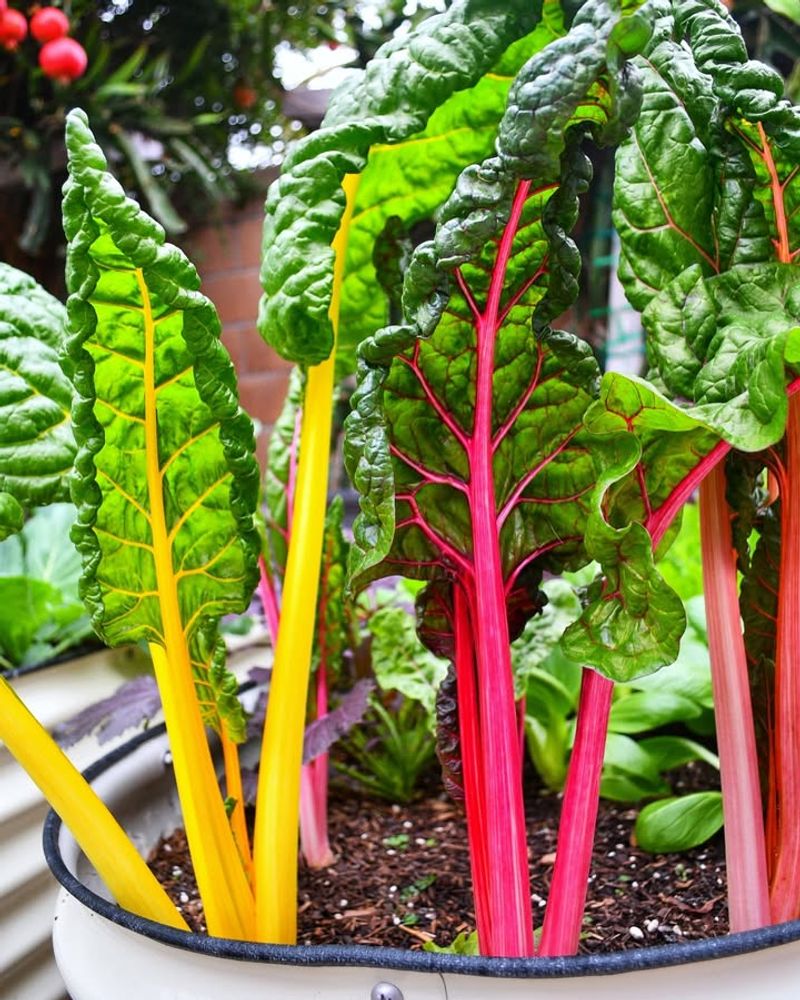
Colorful stems and crinkled leaves add beauty to the fall garden while providing nutrition. Rainbow varieties display red, yellow, orange, and white stalks.
Minnesota gardens look stunning with these vibrant plants standing against autumn’s backdrop.
Cold tolerance rivals that of kale, with plants surviving temperatures into the low twenties. Leaves may look wilted after a hard freeze but perk up once temperatures rise.
This resilience makes chard extremely reliable for northern growers.
Continuous harvest throughout the fall keeps plants producing new growth. Removing outer leaves encourages the center to keep developing.
Minnesota gardeners enjoy fresh chard for months from a single planting.
Planting in midsummer ensures mature plants by the time frost arrives. Young plants establish quickly in warm soil and then thrive as weather cools.
Timing the planting correctly maximizes fall production.
Stems and leaves offer different flavors and textures in cooking. Stems taste similar to celery and need longer cooking times.
Leaves cook quickly like spinach and have a mild, earthy flavor.
Nutritional benefits include high levels of vitamins A, C, and K plus important minerals. The colorful stems indicate different phytonutrients present.
Fall-grown chard provides exceptional nutritional value.
Pest problems diminish significantly once cold weather settles in across Minnesota. Leaf miners and aphids that plague summer crops disappear.
The pest-free harvest period is a welcome relief.
8. Cabbage
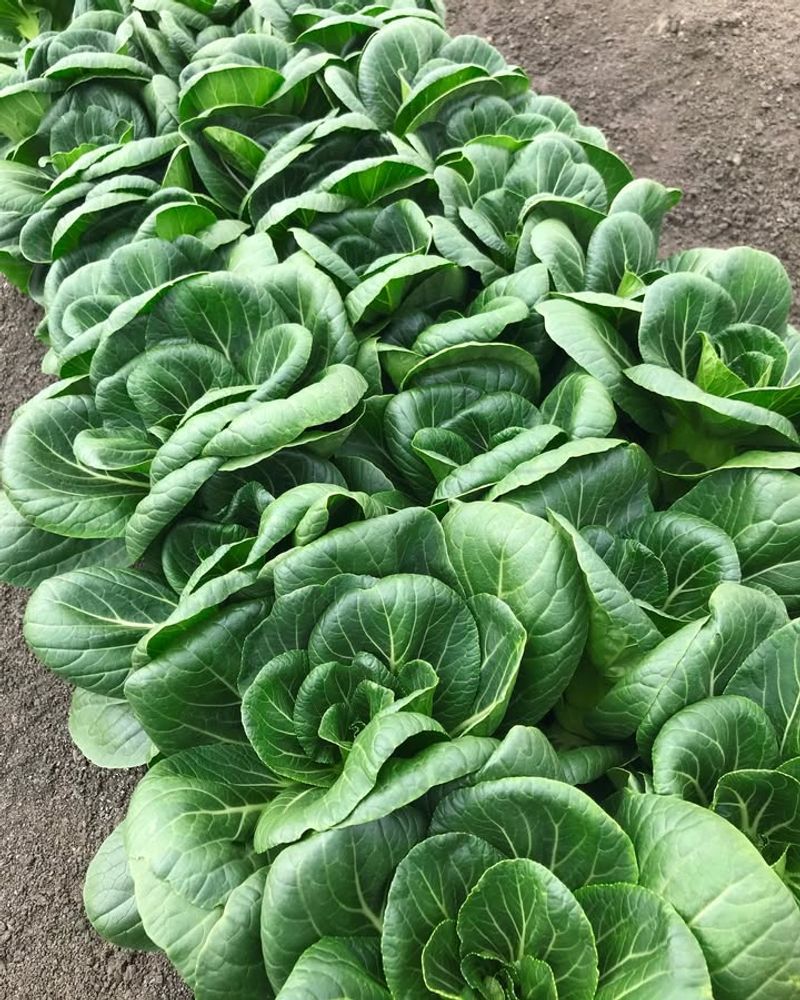
Dense heads withstand freezing temperatures that would damage most other vegetables. The tightly packed leaves protect the inner core from frost damage.
Minnesota growers rely on cabbage as one of the most dependable fall crops.
Late-season varieties specifically bred for autumn harvest perform best in northern climates. These types mature slowly and develop better flavor than quick-growing summer cabbages.
Choosing the right variety makes all the difference.
Splitting becomes less of a problem with fall crops compared to spring plantings. Consistent moisture and cool temperatures prevent the rapid growth that causes heads to crack.
Minnesota’s autumn weather provides ideal conditions.
Harvest timing allows flexibility since mature heads hold well in the garden. Plants tolerate multiple hard frosts without quality loss.
You can pick them whenever convenient over several weeks.
Storage in a cool, humid location keeps harvested heads fresh for months. Root cellars work perfectly for this purpose.
Traditional storage methods suit Minnesota’s climate and heritage.
Cold exposure gradually tightens head structure while enhancing flavor, giving fall cabbage a firmness and taste that spring crops rarely achieve.
For Minnesota gardeners, this reliability means fewer rushed harvests and a steady supply of fresh cabbage deep into fall and early winter without complicated protection.
9. Turnips
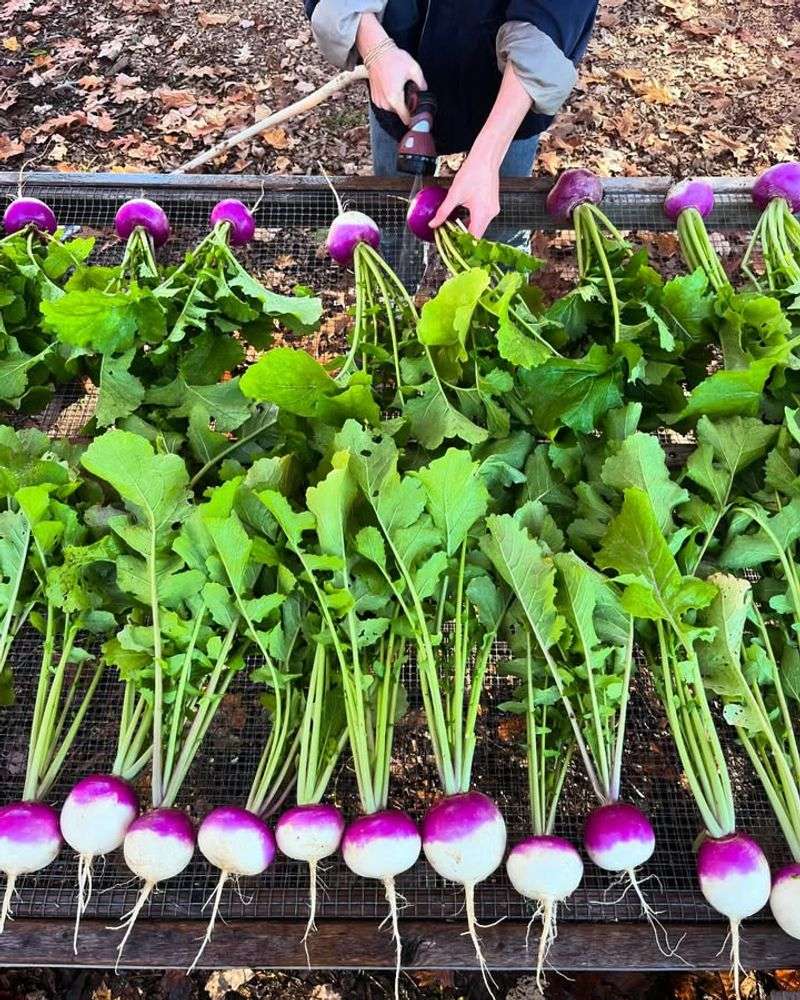
Both roots and greens provide food, making this crop doubly productive. The leaves taste similar to mustard greens with a slight bite.
Minnesota gardeners appreciate getting two vegetables from one plant.
Fast growth from seed to harvest makes turnips perfect for succession planting. Sowing every few weeks ensures continuous harvest throughout fall.
The quick maturity fits well into Minnesota’s short growing season.
Frost sweetens the roots considerably, eliminating the sharp, peppery taste of summer turnips. Cold weather transforms them into mild, pleasant vegetables.
Many people who dislike turnips change their minds after tasting frost-improved ones.
Small to medium roots taste better than oversized ones that can become woody. Harvesting at two to three inches in diameter ensures tender, flavorful turnips.
Letting them grow too large reduces quality.
Greens remain productive even after roots reach harvest size. Continue picking leaves for salads and cooking while roots develop.
This extended harvest maximizes production from limited garden space.
Purple-top varieties show clearly when roots are ready to harvest. The colored crown emerges above the soil line as roots expand.
Minnesota growers appreciate this visual harvest indicator.
Cold-hardy turnip varieties maintain solid texture and balanced flavor even after several light frosts move through Minnesota gardens.
With minimal protection such as mulch or a simple row cover, they continue producing usable roots and greens well into late fall, providing dependable harvests when most other vegetables have already declined.
10. Beets
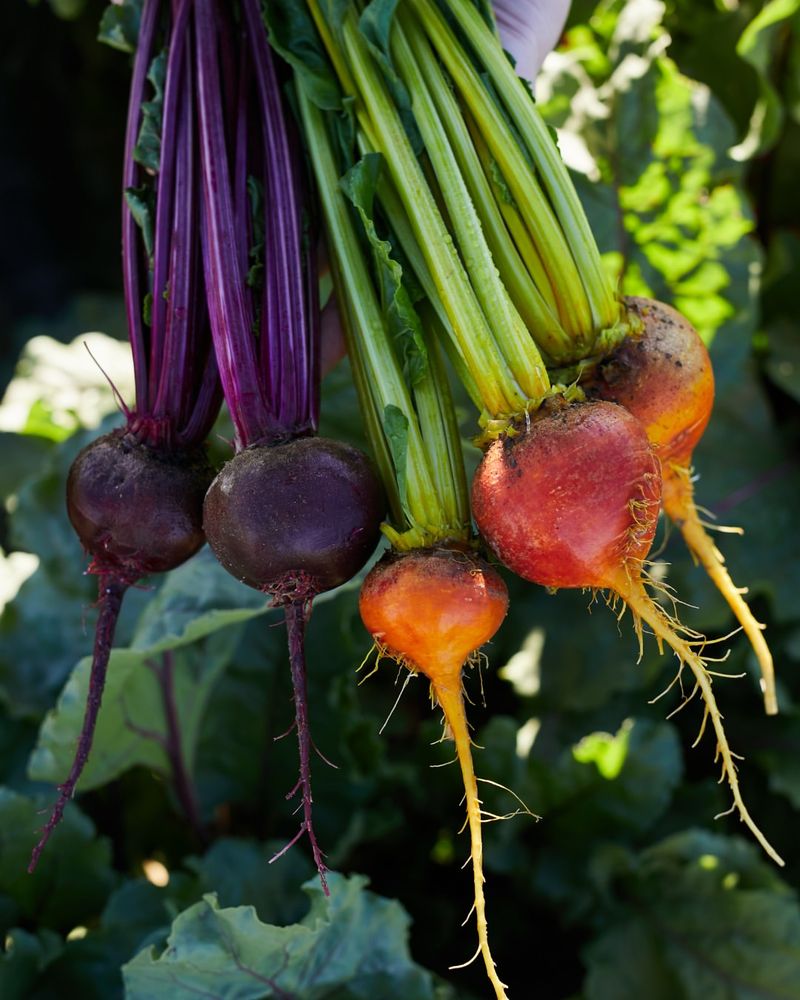
Earthy sweetness intensifies after cold weather arrives, making fall beets taste superior to summer harvests. The roots develop deeper color and richer flavor.
Minnesota gardeners time plantings specifically to harvest after frost.
Greens and roots both benefit from cold weather exposure. The leaves taste less bitter and the roots become sweeter.
You get improved quality in both parts of the plant.
Mulching heavily allows harvest to continue even after hard freezes. Straw piled over the row keeps soil workable much longer.
Many Minnesota growers harvest beets well into November this way.
Cylindra and other elongated varieties work well in heavy clay soils. These shapes push through dense earth more easily than round types.
Soil type influences which variety performs best.
Roasting concentrates the natural sugars that frost created in the roots. High heat caramelizes the exterior while keeping the interior tender.
Fall beets roast to perfection.
Stored properly, harvested beets hold their flavor and texture for weeks without losing quality.
That makes frost-touched beets a reliable staple for Minnesota kitchens long after the garden season slows.