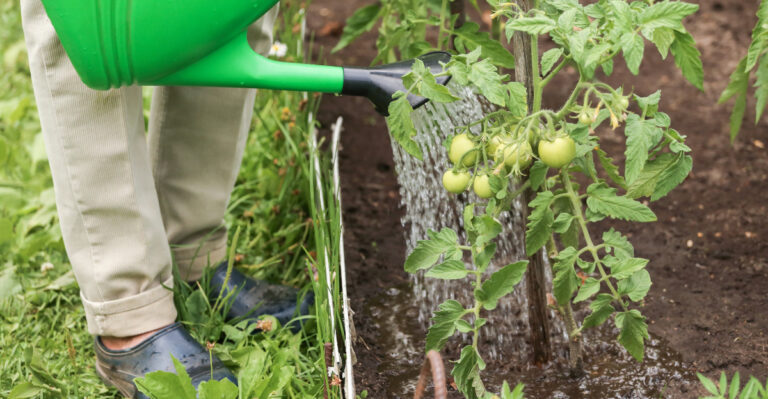
10 Space-Saving Vegetables For North Carolina Gardens With Limited Space
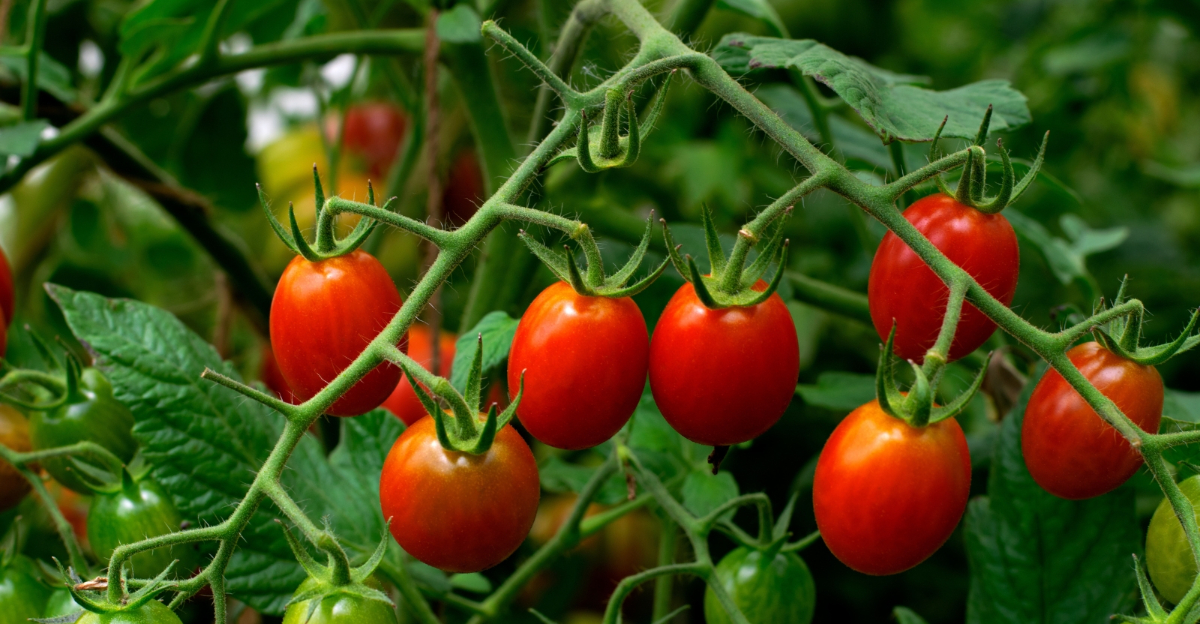
Small North Carolina gardens often feel like a challenge before planting even begins, especially when space runs out faster than ideas.
Limited room can make it seem like harvests will always be modest no matter how much effort goes in.
What surprises many gardeners is how much food can come from a tight space when vegetables are chosen with purpose.
Some plants thrive without spreading, producing heavily while staying compact and well behaved.
North Carolina’s long growing season quietly works in favor of space-saving vegetables, giving them time to deliver without taking over.
Vertical growers and compact varieties turn patios, raised beds, and corners into productive zones. This shift changes how small gardens are viewed almost immediately.
Instead of feeling restricted, the garden starts to feel efficient and intentional.
With the right vegetables, limited space stops being a problem and starts becoming part of the strategy.
1. Cherry Tomatoes
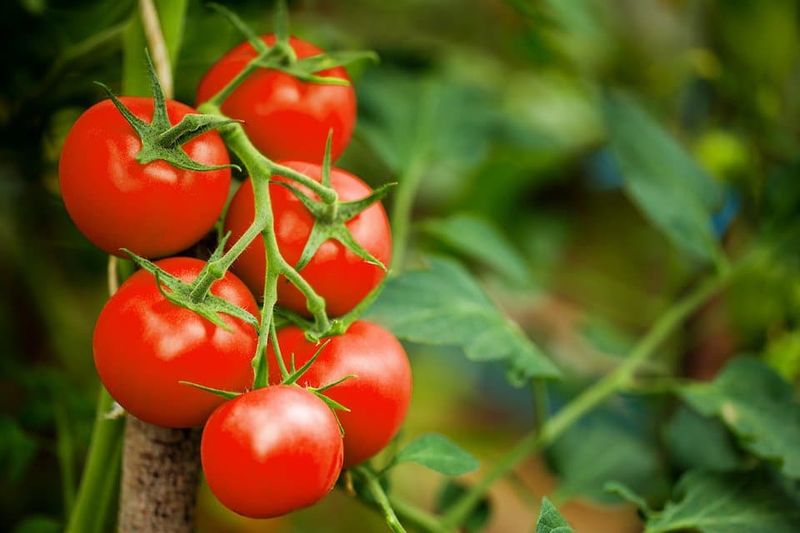
Container gardening transforms tiny spaces into productive food sources, and few plants perform better than compact tomato varieties. North Carolina gardeners with balconies or small patios discover these plants thrive in pots as small as five gallons.
Hanging baskets work beautifully too, creating vertical gardens that save precious ground space.
Warm summers across the state provide ideal conditions for steady fruit production. Plants begin bearing fruit about sixty days after transplanting, offering weeks of continuous harvest.
Each plant can produce dozens of sweet, bite-sized tomatoes throughout the growing season.
Determinate varieties stay naturally compact, rarely exceeding three feet in height. Indeterminate types grow taller but respond well to pruning and support systems.
Both options work wonderfully in confined areas when properly maintained.
Morning sun exposure produces the healthiest plants in North Carolina’s climate. Six hours of direct sunlight keeps foliage strong and encourages abundant flowering.
Afternoon shade helps prevent heat stress during the hottest summer months.
2. Bush Cucumbers
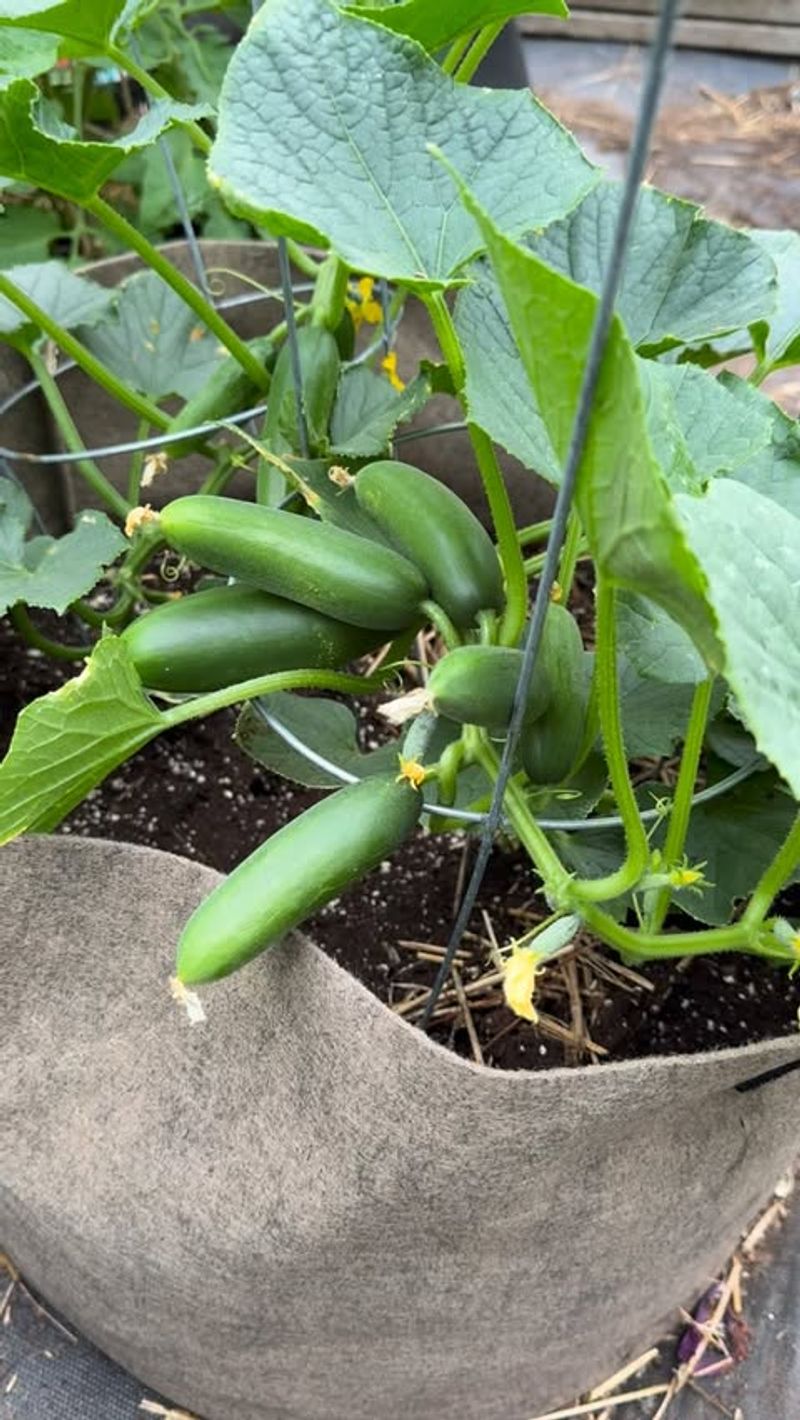
Sprawling vines no longer limit cucumber cultivation for gardeners working with limited square footage. Compact bush varieties produce full-sized fruits on plants that stay under two feet tall and wide.
This revolutionary breeding makes fresh cucumbers accessible to anyone with a small raised bed or large container.
North Carolina’s warm growing season suits these quick-maturing vegetables perfectly. Most bush types reach harvest stage within fifty to sixty days of planting.
Succession planting every two weeks extends the harvest window throughout summer.
Choosing disease-resistant varieties prevents common problems that plague traditional cucumber plants. Powdery mildew and bacterial wilt cause fewer issues with modern cultivars.
Healthy plants produce more abundantly in the state’s humid climate.
Consistent moisture proves essential for preventing bitter-tasting fruits and maintaining steady growth. Drip irrigation or soaker hoses deliver water directly to root zones efficiently.
Mulching around plants conserves moisture and suppresses competing weeds.
Vertical support isn’t necessary with bush types, but small trellises can increase yields further. Training a few vines upward creates additional growing space without expanding the footprint.
This technique works brilliantly in narrow side yards or tight corners.
3. Leaf Lettuce
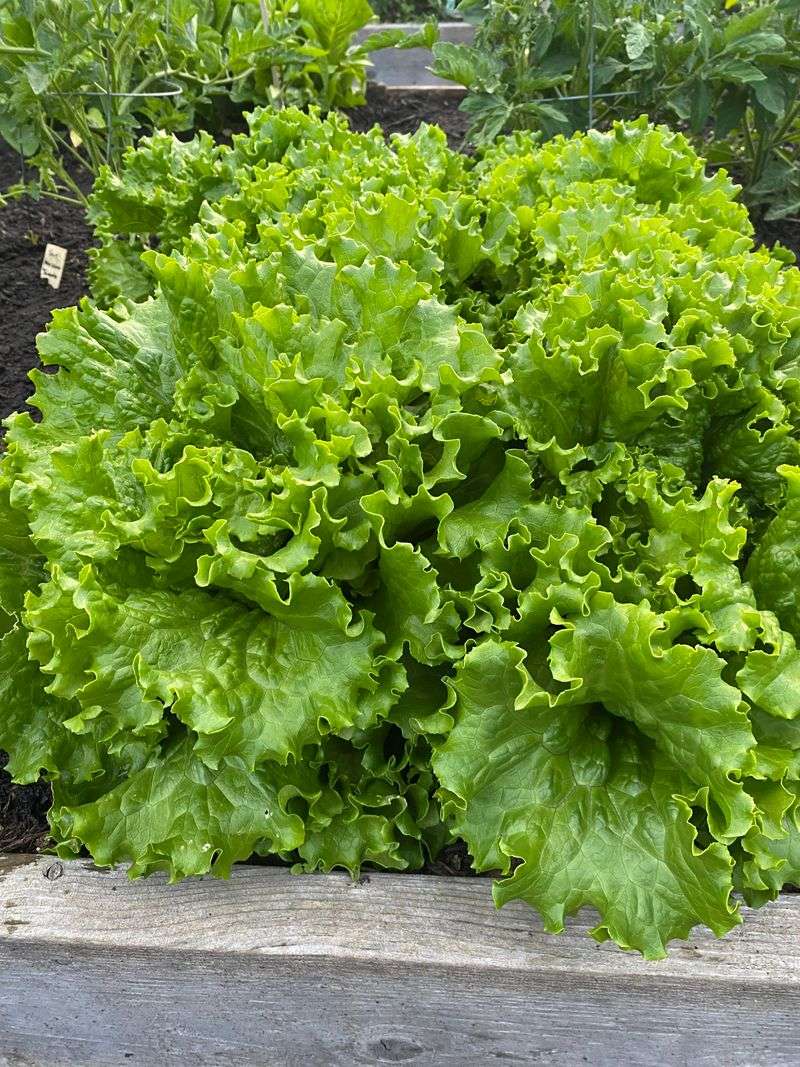
Quick-growing greens offer the perfect solution for impatient gardeners wanting fast results from small spaces. Loose-leaf varieties mature in as little as thirty days, providing multiple harvests from a single planting.
Your North Carolina Garden Changes Every Week. Your Plan Should Too.
Gardening in North Carolina changes quickly throughout the season. Every Friday you’ll receive a simple weekly plan showing exactly what to plant, prune, fertilize, harvest, and protect so you never miss the right timing.
Cutting outer leaves while leaving the center intact allows plants to continue producing for weeks.
Cool-season crops thrive during North Carolina’s mild spring and fall weather patterns. Summer heat causes bolting, but succession planting ensures continuous supplies during favorable months.
Shade cloth extends the growing season by reducing temperature stress.
Rainbow-colored varieties add visual interest to containers and window boxes beyond simple food production. Red, green, and speckled leaves create edible ornamental displays on balconies and porches.
Beauty and function combine perfectly in these versatile plants.
Shallow root systems make lettuce ideal for growing in containers as small as six inches deep. Window boxes, hanging baskets, and repurposed containers all work wonderfully.
Vertical wall planters maximize production in the tiniest outdoor spaces.
Interplanting lettuce between slower-growing vegetables utilizes space efficiently throughout the season. Fast-maturing greens finish before larger plants need the room.
This succession strategy keeps every square inch productive year-round.
4. Radishes
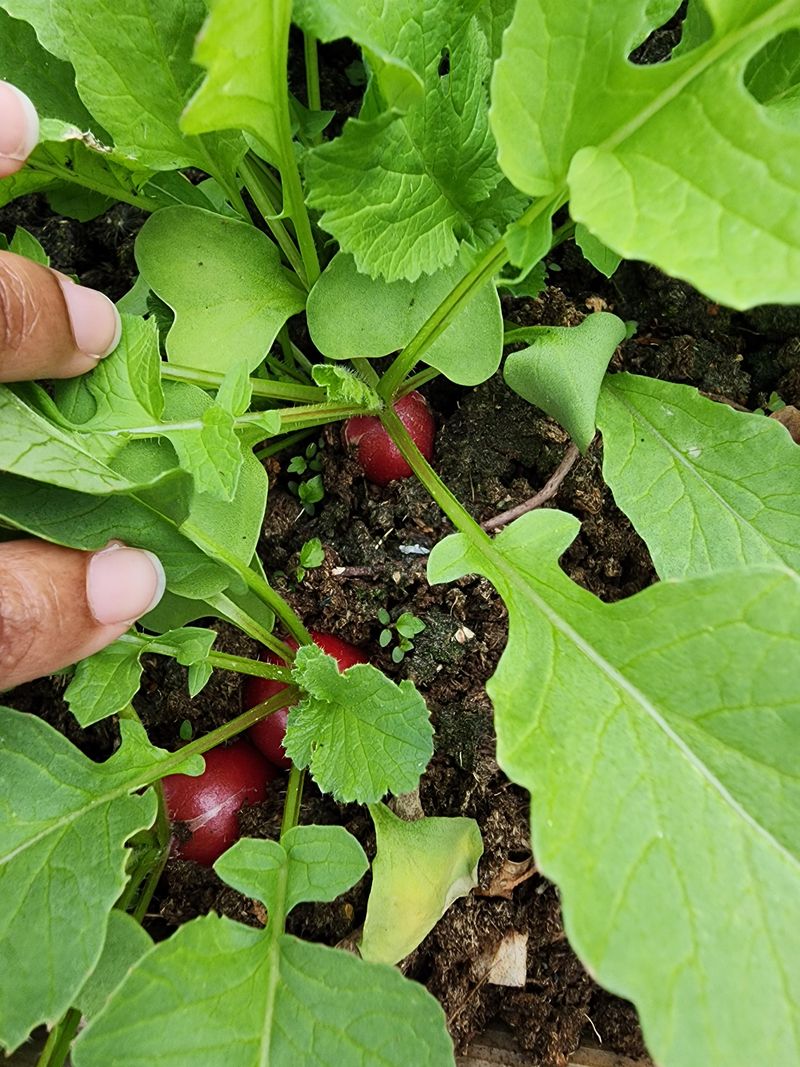
Lightning-fast maturity makes these root vegetables perfect for filling gaps between other plantings. Most varieties reach harvest size within twenty-five days of sowing seeds.
This incredible speed allows multiple crops per season, even in the smallest garden plots.
North Carolina’s spring and fall seasons provide ideal growing conditions for crisp, mild-flavored roots. Summer heat produces woody, overly pungent radishes that most people find unpalatable.
Timing plantings around cooler weather ensures the best quality and flavor.
Space efficiency reaches maximum levels with radishes planted between slower-developing crops. Tucking seeds around tomatoes or peppers utilizes every available inch productively.
Harvesting finishes before companion plants need the space, creating perfect succession patterns.
Containers as small as six inches deep produce excellent crops when properly maintained. Window boxes, railing planters, and shallow pots all work beautifully.
Even apartment dwellers can enjoy fresh, homegrown radishes with minimal setup.
Succession planting every ten days maintains continuous harvests throughout favorable growing periods. Small batches prevent overwhelming quantities that spoil before consumption.
This strategy works perfectly for households with limited storage space.
5. Green Onions
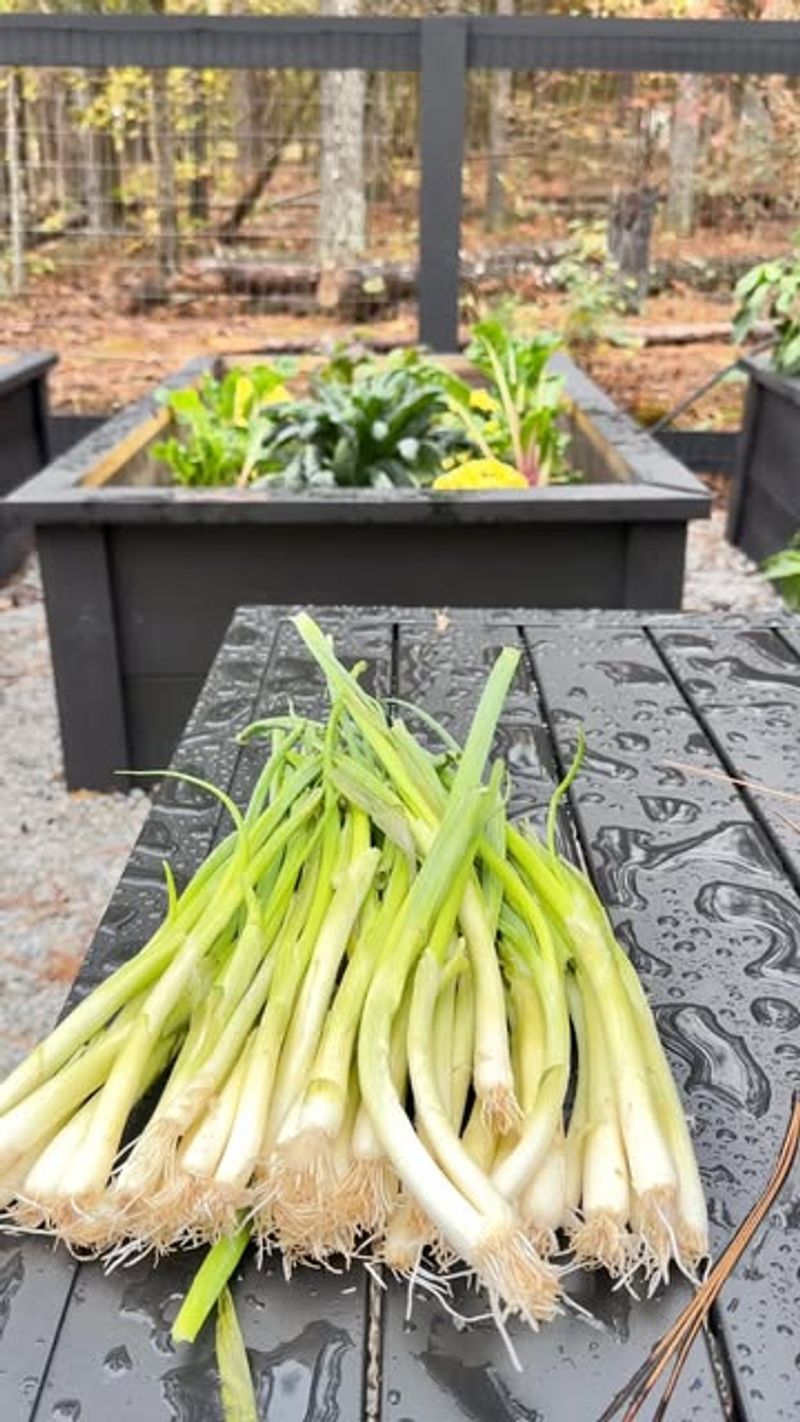
Regrowing kitchen scraps transforms waste into productive plants that require almost no space. Placing root ends in water or soil produces fresh green tops within days.
This sustainable practice appeals to eco-conscious gardeners working with extremely limited areas.
Vertical growth habits allow dense planting without crowding or reduced yields. Spacing bulbs just one inch apart produces abundant harvests from minimal square footage.
North Carolina gardeners maximize production by planting in every available corner and container.
Continuous harvesting by cutting outer leaves encourages ongoing production throughout the growing season. Plants regenerate quickly when roots remain undisturbed in the soil.
This cut-and-come-again approach provides months of fresh onions from a single planting.
Container cultivation works exceptionally well for green onions in pots as small as four inches deep. Windowsill planters, repurposed food containers, and hanging baskets all produce excellent results.
Indoor growing extends the season year-round regardless of outdoor weather conditions.
Companion planting benefits nearby vegetables by deterring common garden pests naturally. Strong onion aromas confuse insects seeking their preferred host plants.
This protective effect makes green onions valuable beyond their culinary contributions.
Fertilizing lightly every three weeks maintains vigorous growth without producing overly thick bulbs. Nitrogen-focused formulas promote lush green tops perfect for cooking and garnishing.
Organic options like diluted compost tea work beautifully for these light feeders.
6. Peppers
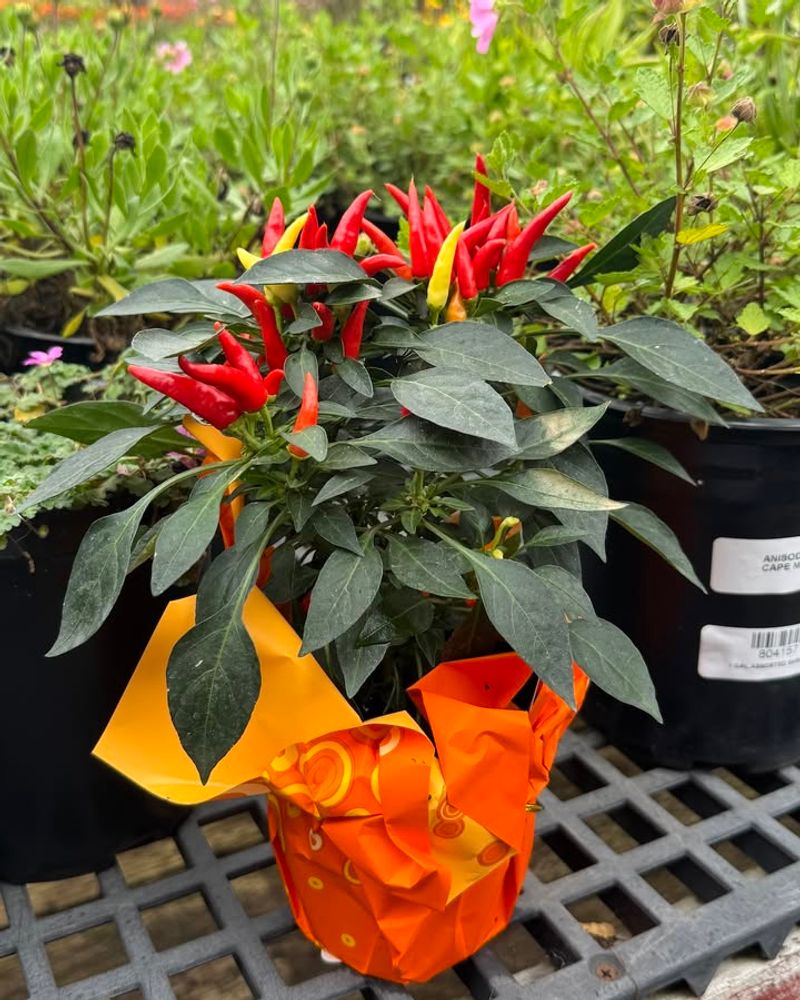
Compact pepper varieties deliver impressive yields without consuming excessive garden real estate. Plants typically reach eighteen to twenty-four inches tall, fitting perfectly in containers or small beds.
North Carolina’s long, warm summers provide ideal conditions for continuous fruit production from early summer through fall.
Choosing appropriate varieties ensures success in limited spaces without sacrificing flavor or productivity. Dwarf cultivars bred specifically for container growing produce full-sized fruits on smaller plants.
Both sweet and hot pepper types now come in space-saving versions.
Starting seeds indoors eight weeks before the last frost date gives plants sufficient time to establish. Transplanting after nighttime temperatures consistently stay above fifty-five degrees prevents transplant shock.
North Carolina’s predictable spring weather patterns make timing relatively straightforward.
Container size significantly impacts plant health and productivity in confined growing situations. Five-gallon pots provide adequate root space for most compact varieties.
Self-watering containers simplify maintenance and prevent stress from inconsistent moisture levels.
Supporting plants with small stakes or cages prevents branch breakage when fruits develop. Heavy pepper loads can snap stems without proper support structures.
Simple bamboo stakes work perfectly without adding visual clutter to small spaces.
7. Spinach
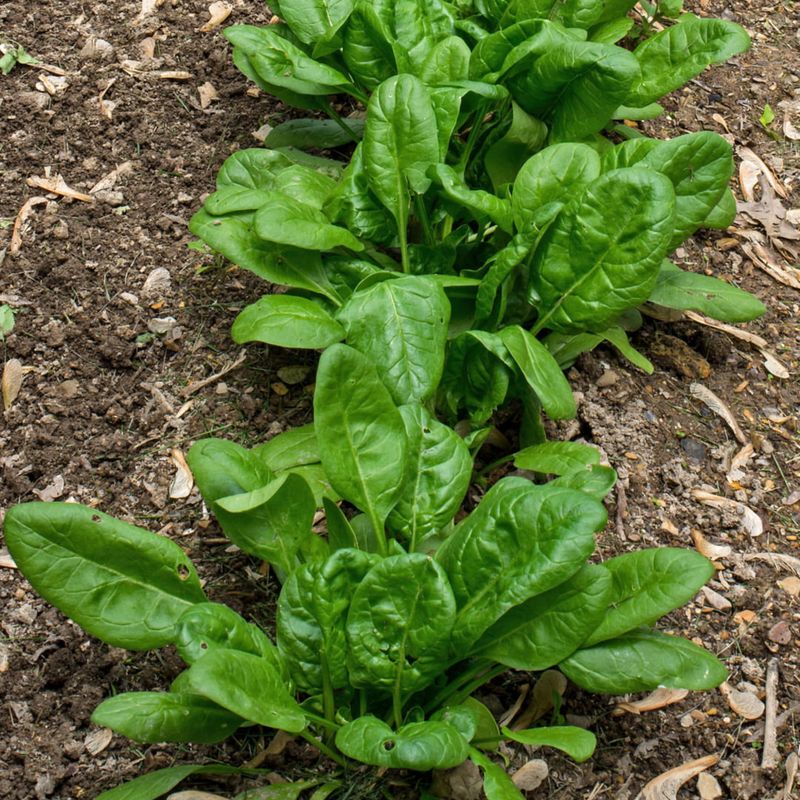
Nutrient-dense greens thrive in cool weather when many other vegetables struggle to grow. North Carolina’s mild winters and springs provide perfect conditions for abundant spinach production.
Fall planting often yields the best results, with plants maturing during comfortable autumn temperatures.
Shallow root systems allow successful cultivation in containers just six inches deep. Window boxes, shallow trays, and repurposed containers all work wonderfully.
Vertical wall planters maximize production when horizontal space is severely limited.
Rapid growth from seed to harvest takes only forty days under favorable conditions. Baby leaves can be harvested even earlier for tender salad greens.
This quick turnaround allows multiple crops per season in the same small space.
Partial shade actually benefits spinach during North Carolina’s transitional seasons when temperatures fluctuate. Morning sun with afternoon protection produces the most tender, flavorful leaves.
Positioning containers strategically takes advantage of natural shade patterns around homes and buildings.
Succession planting every two weeks maintains continuous harvests throughout cool weather periods. Small batches prevent waste and ensure the freshest possible greens.
This approach works perfectly for small households with limited refrigerator space.
8. Bush Beans
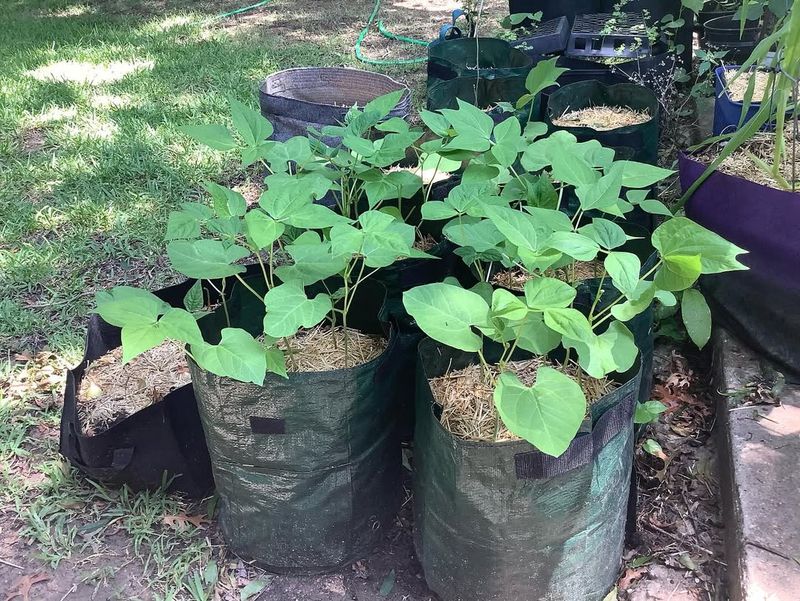
Pole-free varieties eliminate the need for extensive support structures that consume valuable space. Compact plants reach only twelve to eighteen inches tall while producing abundantly.
North Carolina gardeners enjoy fresh beans without dedicating entire sections to sprawling vines and trellises.
Concentrated harvest periods suit small-space gardeners who prefer processing crops in manageable batches. Most bush types mature within fifty to sixty days of planting.
Succession planting every two weeks extends availability throughout the growing season.
Nitrogen-fixing abilities actually improve soil quality rather than depleting nutrients like many vegetables. Bean roots host beneficial bacteria that convert atmospheric nitrogen into plant-available forms.
This natural fertilization benefits subsequent crops planted in the same space.
Container cultivation succeeds with pots at least eight inches deep and wide. Self-watering containers maintain consistent moisture crucial for pod development.
Balconies and patios become productive growing areas with proper container selection.
Warm soil temperatures above sixty degrees ensure rapid germination and strong seedling establishment. North Carolina’s reliable spring weather makes direct seeding straightforward and successful.
Starting seeds indoors provides no significant advantage with these quick-growing plants.
9. Swiss Chard
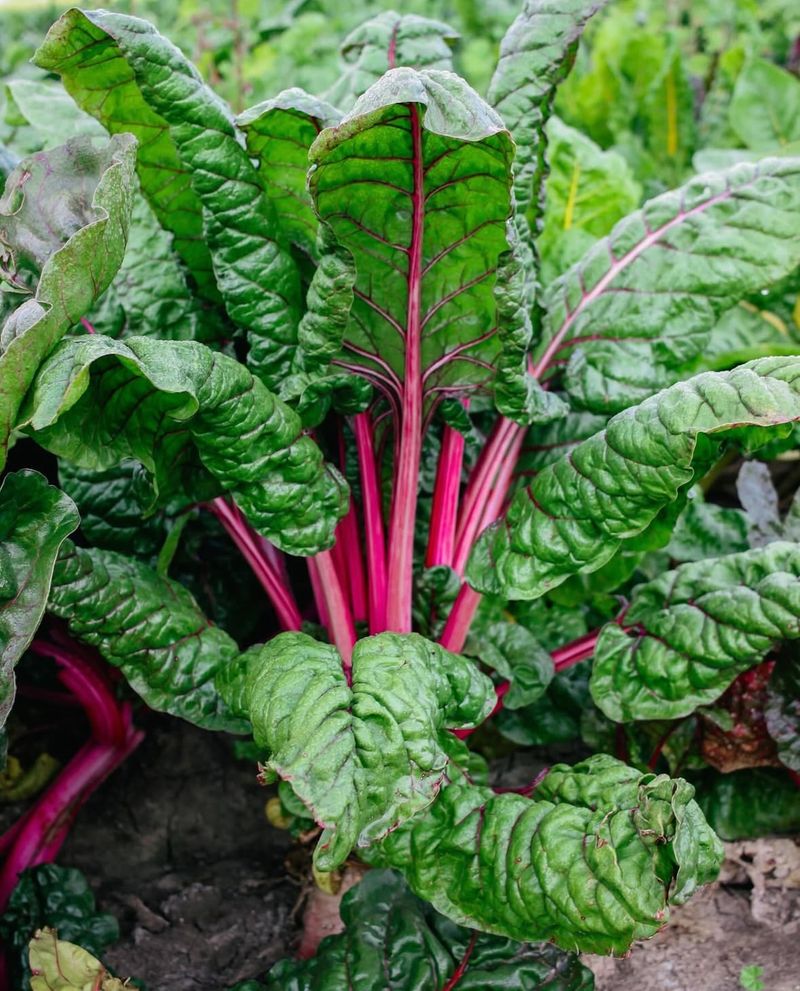
Colorful stems and vibrant foliage create ornamental displays that double as productive food sources. Rainbow varieties feature red, yellow, orange, and pink stems that brighten small gardens.
North Carolina gardeners appreciate plants that provide both beauty and nutrition in limited spaces.
Heat tolerance surpasses most other leafy greens, allowing summer production when spinach and lettuce fail. Plants continue producing throughout the state’s long, hot summers with adequate water.
This extended season makes chard especially valuable in compact gardens.
Cut-and-come-again harvesting provides continuous yields for months from a single planting. Removing outer leaves while leaving the growing center intact maintains ongoing production.
This method maximizes output from minimal square footage.
Container growing succeeds brilliantly with pots at least ten inches deep and wide. Larger containers support bigger plants and reduce watering frequency.
Decorative pots enhance patios and balconies while producing nutritious greens.
Starting seeds indoors four weeks before the last frost gives plants a head start. Transplanting young seedlings establishes crops quickly in North Carolina’s spring weather.
Direct seeding works equally well when soil temperatures reach fifty degrees.
Partial shade tolerance makes chard suitable for locations receiving only four to six hours of sun. This flexibility allows cultivation in spaces unsuitable for sun-loving vegetables.
North-facing balconies and shaded corners become productive growing areas.
10. Eggplant
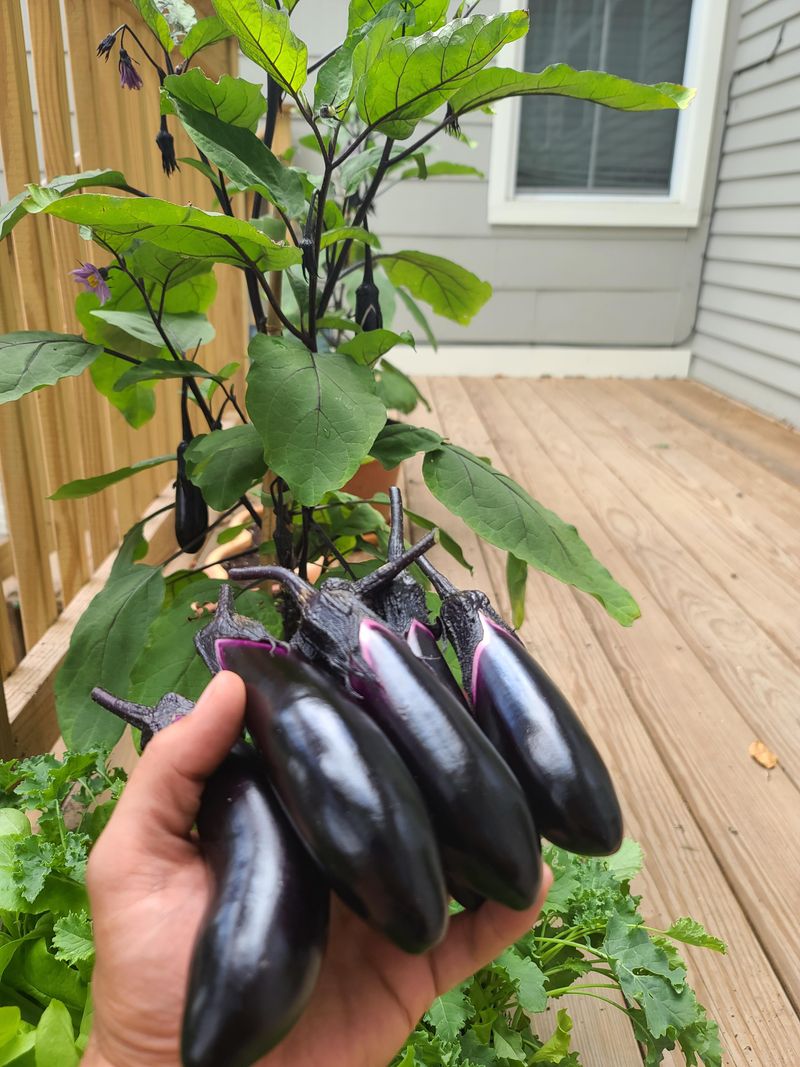
Compact cultivars bring this heat-loving vegetable within reach of small-space gardeners. Dwarf varieties produce full-sized fruits on plants that stay under two feet tall.
North Carolina’s long, warm summers provide ideal conditions for impressive eggplant harvests from minimal square footage.
Container cultivation works exceptionally well with pots at least five gallons in size. Self-watering containers maintain consistent moisture crucial for preventing bitter-tasting fruits.
Balconies and patios become productive growing areas with proper variety selection and container choice.
Starting seeds indoors eight to ten weeks before the last frost ensures strong transplants. Eggplants require warm soil temperatures above sixty degrees for successful establishment.
North Carolina’s reliable spring weather makes transplanting timing relatively straightforward.
Supporting plants with small stakes prevents stem breakage as fruits develop and gain weight. Heavy eggplants can snap branches without adequate support structures.
Simple bamboo stakes work perfectly without overwhelming small growing spaces.
Fertilizing every two weeks with balanced nutrients maintains steady growth and fruit production. Phosphorus-rich formulas encourage flowering and fruit set throughout the season.
Organic options provide gentle nutrition without the risk of burning container-grown roots.
Harvesting fruits when skin appears glossy ensures the best flavor and texture. Overripe eggplants develop bitter flavors and tough, seedy flesh.
Regular picking encourages continued flowering and production throughout North Carolina’s extended growing season.