9 Soil Types California Gardeners Use For Better Vegetable Growth
Vegetable gardens in California rarely succeed on planting alone, because soil quality quietly decides how well crops actually grow.
The difference between slow, struggling plants and heavy harvests often comes down to what’s happening beneath the surface.
California’s varied climate and terrain mean no single soil works everywhere, which is why gardeners pay close attention to what they’re planting into.
Some soils drain too fast, others hold moisture too long, and both can limit vegetable growth if left unbalanced.
Experienced gardeners learn to match soil types to plant needs instead of forcing vegetables to adapt.
That shift often leads to stronger roots, steadier growth, and far fewer mid-season problems.
Certain soil choices consistently deliver better results for vegetables across California. They create the balance plants need without constant correction.
Knowing which soil types work best turns vegetable gardening from trial and error into a far more reliable process.
1. Loamy Soil
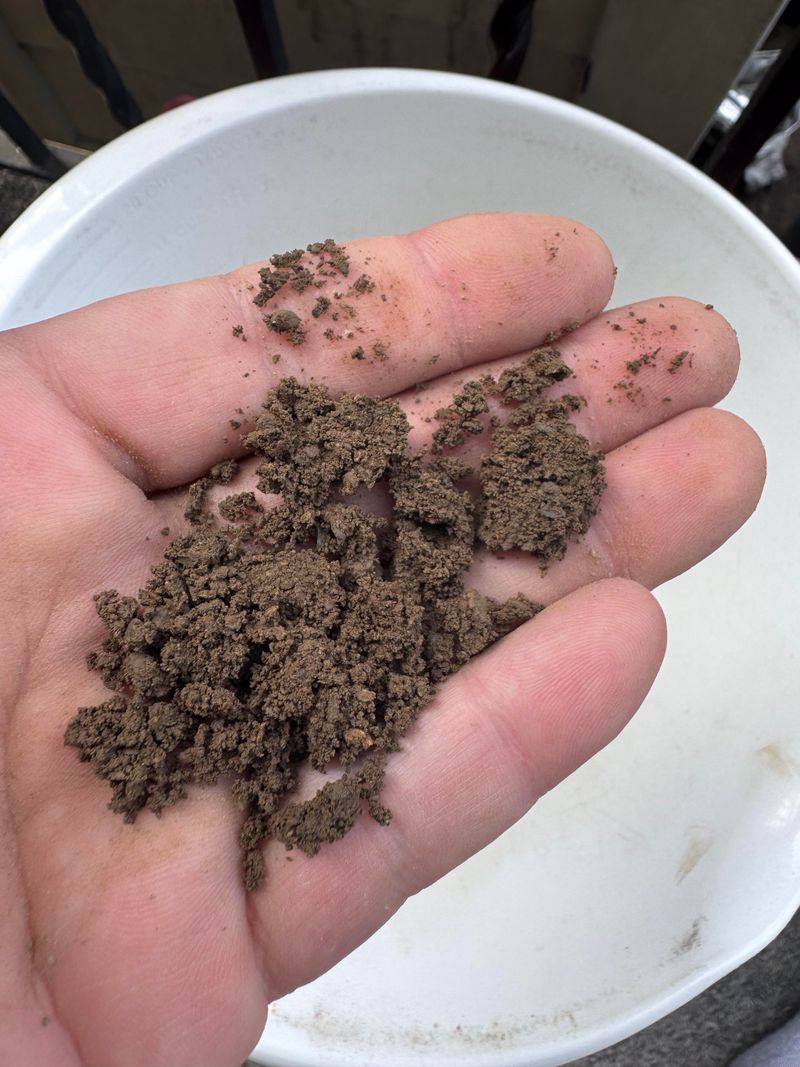
Perfect balance makes this the gold standard for growing vegetables across California’s diverse regions. Gardeners from Sacramento to San Diego appreciate how easily roots spread through this medium-textured material.
It holds moisture without getting soggy and drains excess water before roots can rot.
Your tomatoes will love the way nutrients stay available in this balanced mixture. The combination of sand, silt, and clay creates ideal conditions for root development.
Most vegetable plants perform their best when planted in this type of foundation.
California’s warm summers don’t dry out loamy beds as quickly as sandy alternatives. You’ll spend less time watering and more time enjoying your harvest.
The structure stays loose enough for carrots and radishes to grow straight and long.
Adding organic matter each season keeps the texture perfect for year-round planting. Many experienced California gardeners consider this their first choice for in-ground beds.
Cucumbers, beans, and squash establish quickly in this forgiving medium.
Testing your existing dirt helps you understand what amendments bring you closer to this ideal. Garden centers throughout California stock products designed to improve native earth.
Working compost into heavy clay or sandy plots gradually builds better structure over time.
This consistency also helps protect roots during temperature swings common across California’s microclimates.
With the right balance in place, vegetables stay steadier through heat waves, cool nights, and long growing seasons.
2. Sandy Loam
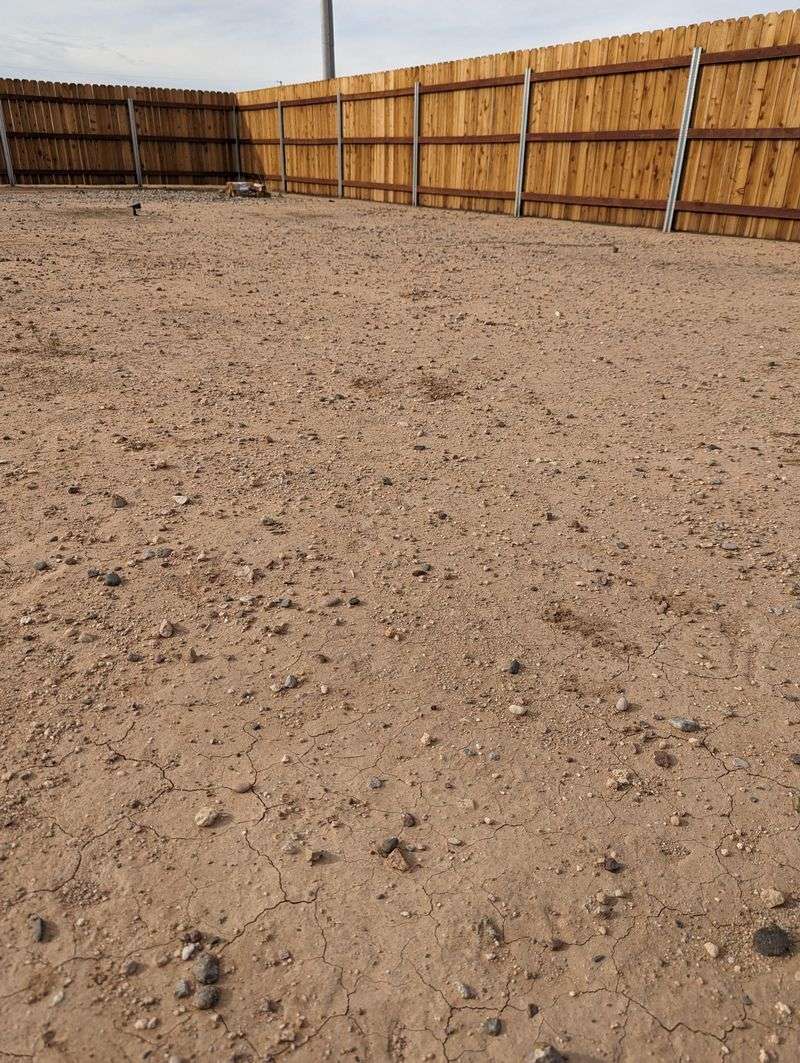
Warmth reaches plant roots faster in this lighter mixture, giving California gardeners an early spring advantage. Seeds germinate quickly because the soil temperature rises ahead of heavier types.
Coastal gardeners particularly value how well this drains during winter rains.
Root vegetables like carrots grow exceptionally straight without hitting dense pockets. The loose structure makes harvesting easier since you can pull crops without much resistance.
Lettuce and other greens establish rapidly in this airy environment.
California’s hot inland valleys benefit from the way this mixture allows air circulation around roots. Plants access oxygen more easily, leading to vigorous growth during the growing season.
You’ll notice stronger stems and healthier foliage compared to compacted alternatives.
Your California Garden Changes Every Week. Your Plan Should Too.
Gardening in California changes quickly throughout the season. Every Friday you’ll receive a simple weekly plan showing exactly what to plant, prune, fertilize, harvest, and protect so you never miss the right timing.
Water moves through sandy loam faster than pure clay, preventing waterlogged conditions. However, you’ll need to irrigate more frequently during dry California summers.
Mulching the surface helps retain moisture between watering sessions.
Mixing in compost annually replaces nutrients that leach away with regular watering. Many California vegetable growers amend sandy loam beds each fall before planting cool-season crops.
The improved fertility supports heavy feeders like broccoli and cabbage throughout their growth cycle.
This ongoing care prevents the soil from becoming too loose or depleted as water moves through it.
With regular compost additions and surface mulch, sandy loam continues to support strong roots, steady moisture levels, and consistent vegetable growth across California gardens.
3. Clay Soil Amended With Organic Matter
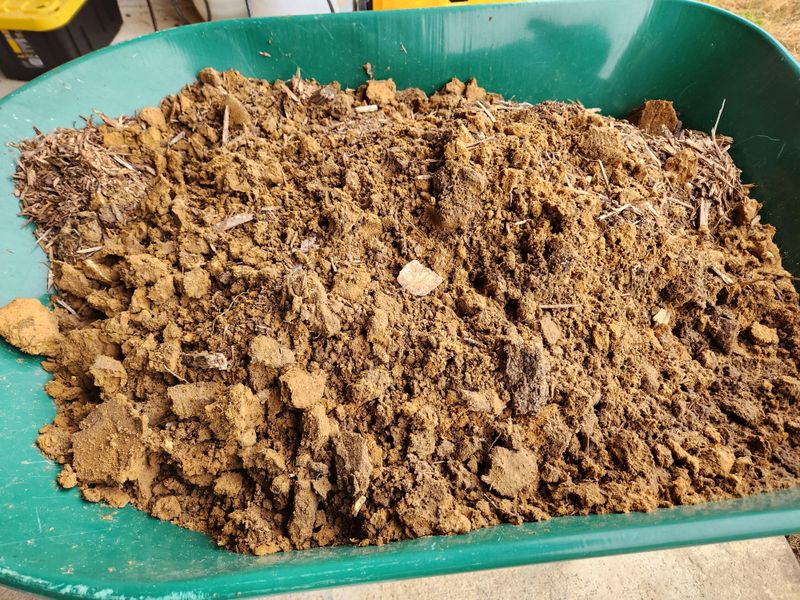
Heavy native earth becomes productive when California gardeners work in generous amounts of compost. Clay holds nutrients exceptionally well once you improve its drainage characteristics.
Breaking up the dense structure takes effort but delivers long-term rewards for vegetable production.
Adding aged manure, leaf mold, or finished compost creates air pockets that roots need. The organic material prevents clay particles from cementing back together after rain.
Your squash and melon plants will send roots deeper into the improved ground.
California’s dry summers actually help amended clay perform better than you might expect. The moisture retention keeps plants hydrated longer between irrigation cycles.
You’ll use less water overall compared to sandier alternatives.
Working amendments into clay takes patience, but many California gardeners tackle small sections each season. Spreading a thick layer on top and letting earthworms incorporate it works well too.
The improvement becomes noticeable within a single growing season.
Heavy feeders like tomatoes and peppers thrive once clay-based beds gain better structure. The natural fertility of clay combined with added organic matter creates a nutrient-rich environment.
Calcium and other minerals stay available to plants throughout the entire growing period, supporting strong fruit development in California gardens.
Over time, this improved structure also reduces surface cracking during hot spells.
With consistent compost additions, clay soil becomes one of the most resilient and productive foundations for California vegetable gardens.
4. Raised Bed Garden Soil
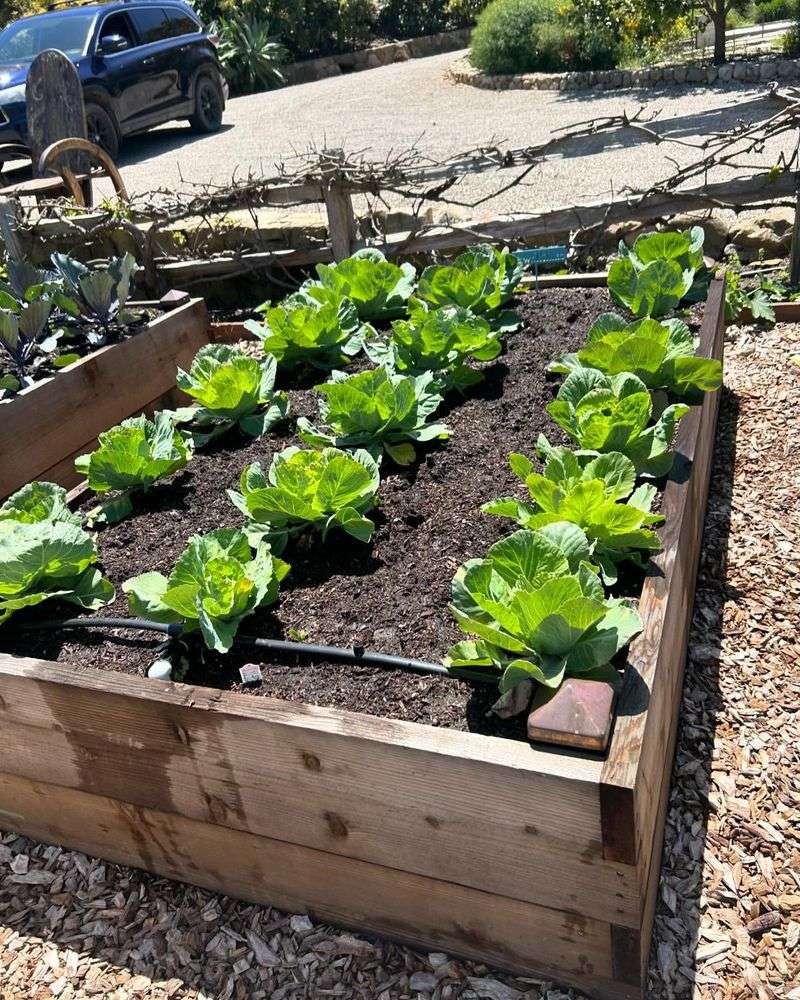
Specially blended mixtures give California gardeners instant success without years of soil building. These pre-mixed products combine the best characteristics of multiple materials in one bag.
You can start planting vegetables immediately after filling your raised boxes.
Manufacturers design these blends specifically for growing edibles in contained spaces. The mixture drains well while holding enough moisture for consistent growth.
California gardeners with poor native earth find raised beds filled with quality mix transform their harvests.
Most blends include compost, peat moss or coir, and drainage materials like perlite. The balanced recipe works for nearly every vegetable you want to grow.
From leafy greens to fruiting plants, the consistent quality supports healthy development.
Raised bed soil warms up faster in spring, extending California’s already generous growing season. You can plant earlier and harvest later compared to in-ground gardens.
The contained environment also makes crop rotation and soil management simpler.
Refreshing raised beds with new mix or compost each year maintains fertility for heavy feeders. Many California gardeners top off their boxes with a few inches of fresh material annually.
This practice prevents the soil level from dropping as organic matter breaks down over time.
5. Compost-Rich Soil Blends
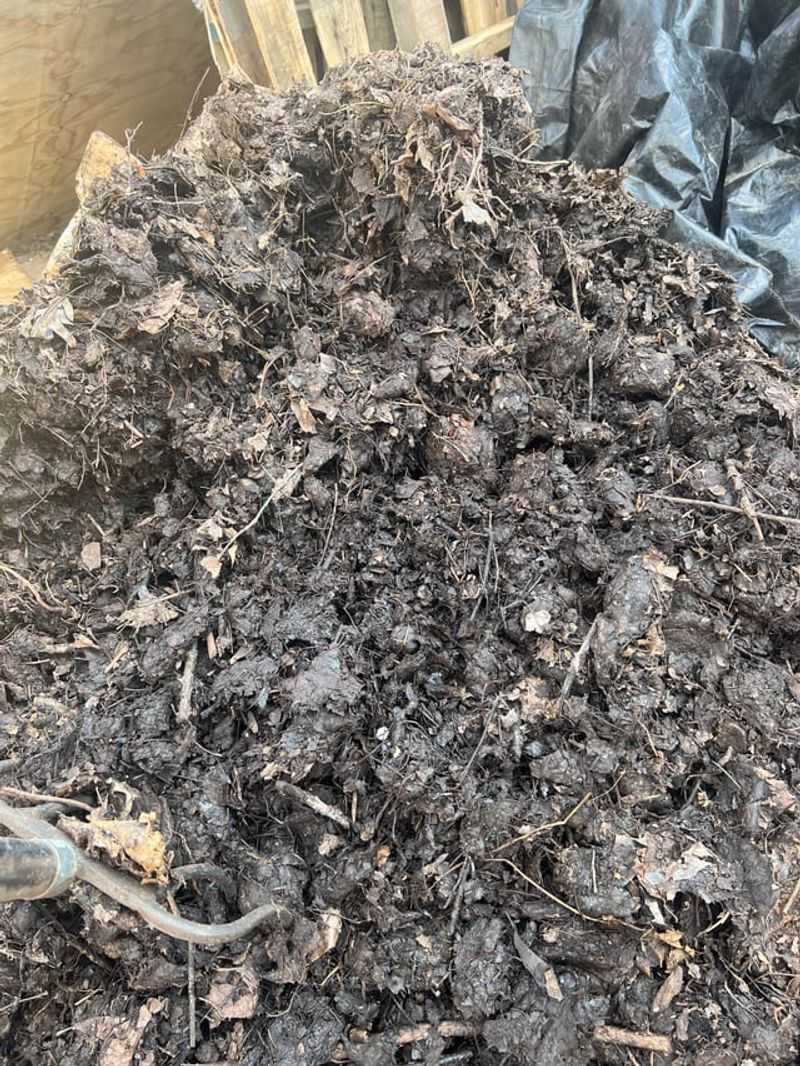
Maximum organic content fuels explosive vegetable growth in California gardens throughout the season. Blends containing 40% or more finished compost provide abundant nutrients naturally.
Your plants access a steady supply of nitrogen, phosphorus, and trace minerals as microbes break down the organic matter.
Earthworms thrive in compost-rich environments, further improving soil structure over time. Their tunneling action creates channels for water and air movement.
California gardeners who use these blends often notice increased worm populations within weeks.
The dark color absorbs heat, warming root zones earlier in spring. This advantage matters even in California’s mild climate when growing heat-loving crops like peppers.
Seedlings establish faster and grow more vigorously in the nutrient-dense environment.
Water retention improves dramatically compared to mineral-heavy alternatives. The organic particles act like tiny sponges, holding moisture near plant roots.
You’ll irrigate less frequently while still maintaining consistent soil moisture levels.
Heavy feeders like corn and tomatoes perform exceptionally well in compost-rich blends. The natural fertility eliminates the need for frequent synthetic fertilizer applications.
Many California organic gardeners rely primarily on these blends to meet their vegetables’ nutritional needs throughout the growing season without additional inputs.
As the season progresses, plant growth stays steady instead of surging and stalling.
This balance supports healthier foliage, stronger root systems, and more reliable harvests across California gardens.
6. Potting Soil For Containers
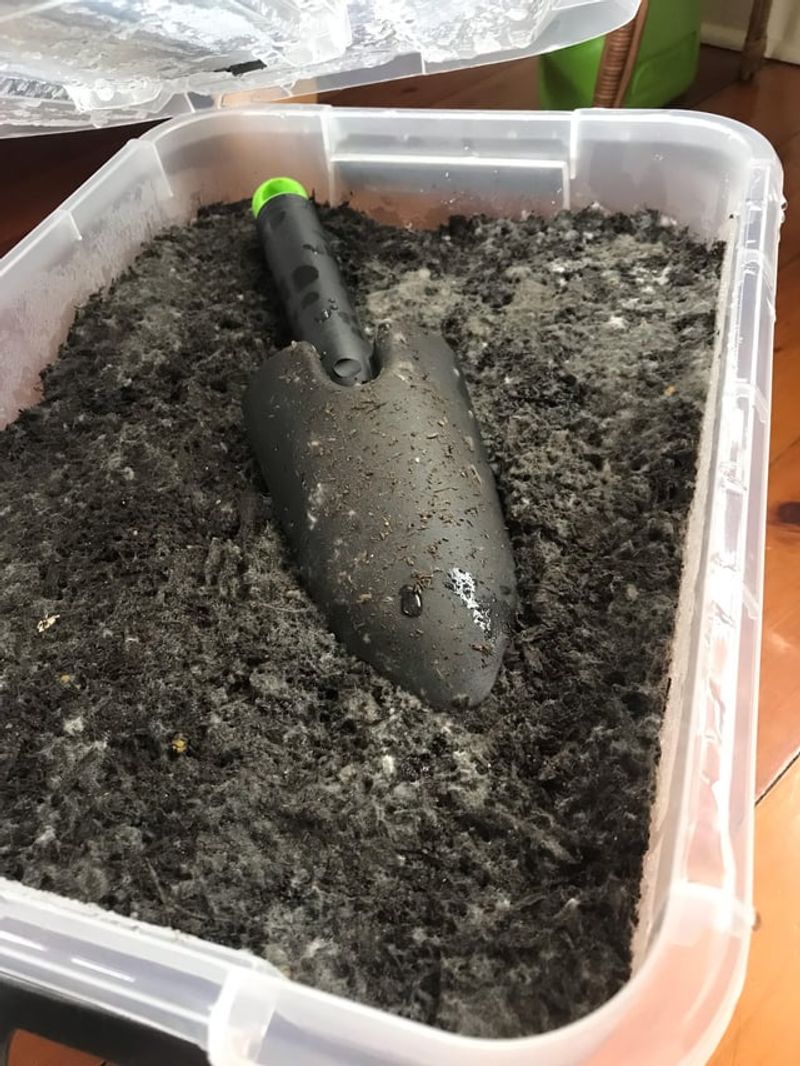
Lightweight formulations make container vegetable gardening successful on California patios and balconies. These soilless mixes drain quickly while preventing the compaction that happens with garden earth.
Your potted tomatoes and peppers need the excellent aeration these products provide.
Most potting soils contain peat moss or coconut coir as the base ingredient. Perlite or vermiculite improves drainage and adds air pockets for healthy roots.
The combination stays loose throughout the growing season, even with regular watering.
California container gardeners appreciate how these mixes weigh less than traditional soil. Moving pots becomes easier when the growing medium doesn’t add excessive weight.
Balcony and rooftop gardens benefit from this lighter load.
Fertilizer requirements differ with potting soil since nutrients leach out faster with container watering. Applying diluted liquid fertilizer weekly keeps vegetables productive all season.
Many California growers prefer organic fish emulsion or seaweed extracts for feeding container plants.
Replacing potting soil annually prevents disease buildup and maintains good drainage characteristics. Used mix makes excellent compost material or garden bed amendment.
Fresh potting soil each spring gives your California container vegetables the best possible start for another productive growing season ahead.
7. All-Purpose In-Ground Garden Soil
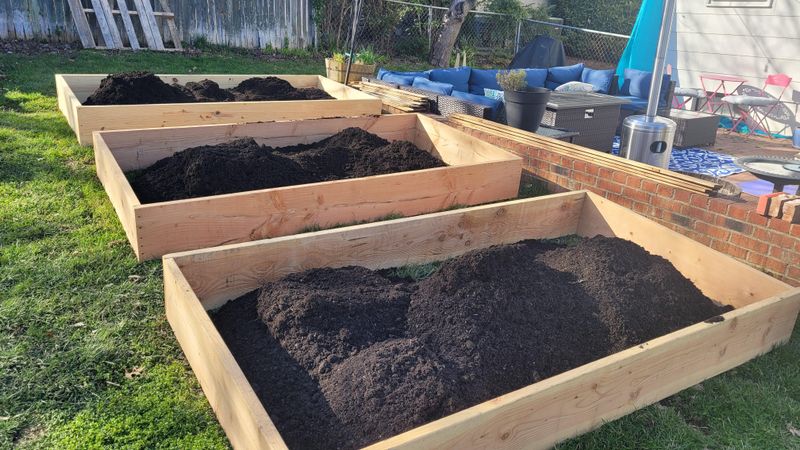
Versatile formulations work for California gardeners planting directly into prepared beds. These products blend topsoil with organic amendments and drainage materials.
You get consistent results without mixing multiple ingredients yourself.
Many California garden centers stock regional blends suited to local conditions. The mixtures account for native soil characteristics common in your area.
Choosing a locally formulated product often delivers better results than generic national brands.
All-purpose blends support both root crops and leafy vegetables equally well. The balanced composition provides adequate drainage without drying out too quickly.
Your beans, lettuce, and beets will all perform well in this adaptable medium.
Spreading a layer over existing garden beds improves soil quality gradually each season. California gardeners with challenging native earth use these products to build better growing conditions.
The added depth gives roots more room to explore and access nutrients.
Incorporating all-purpose soil into the top several inches works better than just laying it on the surface. Mixing prevents a distinct layer that roots struggle to penetrate.
Many California vegetable growers till in several bags each spring, progressively improving their garden beds year after year for better harvests.
This gradual blending helps roots move freely between layers instead of stalling at soil boundaries.
As seasons pass, gardeners notice steadier moisture levels, stronger root systems, and more predictable vegetable growth across California beds.
8. Well-Draining Soil Mixes
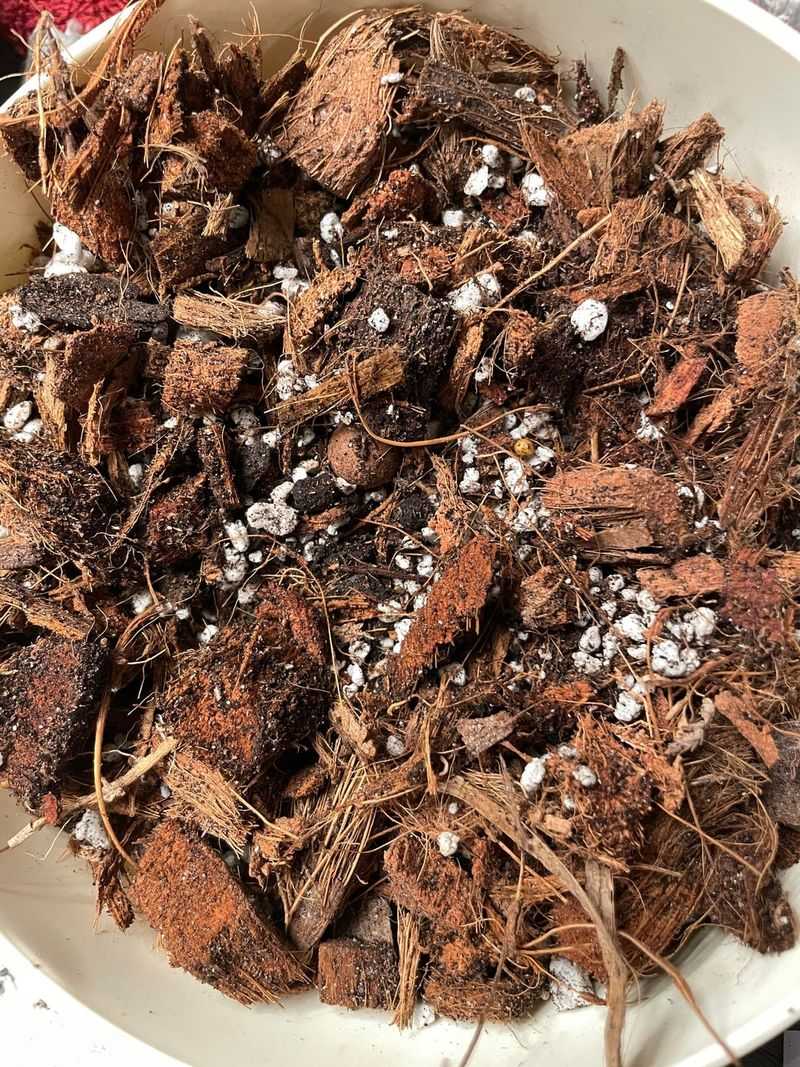
Excess moisture drains away quickly with formulations designed for California’s irrigation-dependent gardens. These mixes prevent waterlogged conditions that harm vegetable roots.
Adding extra perlite, pumice, or coarse sand creates the fast-draining environment many crops prefer.
Mediterranean vegetables like eggplant and artichokes thrive in well-draining conditions. California’s climate suits these crops perfectly when combined with soil that doesn’t stay soggy.
Root development improves when oxygen reaches the underground portions consistently.
Gardeners in California’s wetter coastal regions particularly value these mixes during winter months. Rain drains through quickly rather than pooling around plant crowns.
Your cool-season vegetables like broccoli and cauliflower stay healthier when roots don’t sit in saturated conditions.
Creating your own well-draining mix lets you customize drainage for specific crops. Combining standard potting soil with extra perlite or builder’s sand achieves the desired texture.
Many California gardeners adjust ratios based on their watering habits and climate zone.
Succulents and herbs grown alongside vegetables benefit from the same fast-draining characteristics. Rosemary, thyme, and oregano planted in California vegetable gardens need excellent drainage to prevent root problems.
Using well-draining mixes in dedicated herb sections keeps these Mediterranean favorites healthy and productive throughout the year.
9. Native Soil Improved With Compost
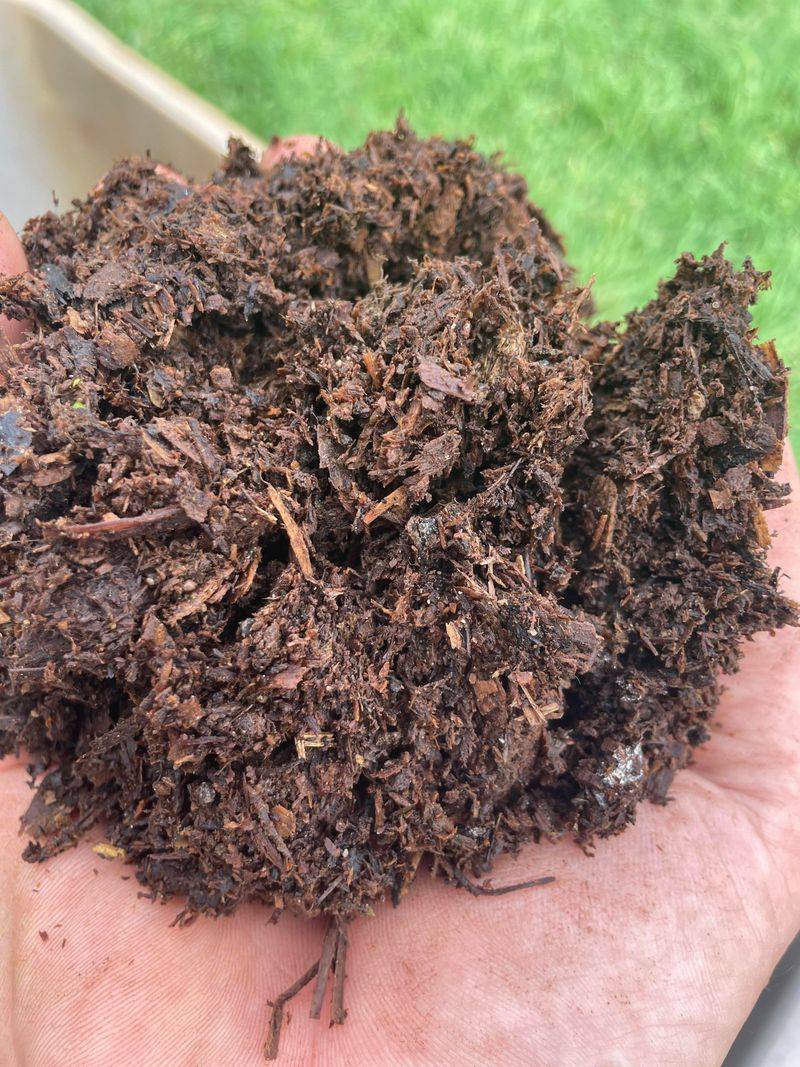
Working with what you already have makes sense for California gardeners on any budget. Adding compost transforms even challenging native earth into productive vegetable beds.
The improvement happens gradually as organic matter enhances both structure and fertility.
Spreading two to three inches of finished compost annually builds soil quality over multiple seasons. California’s year-round growing season means you can add amendments whenever beds become available.
Mixing compost into the top six inches integrates it where roots actively grow.
Native soil retains its basic characteristics while gaining the benefits of added organic matter. Sandy native earth holds moisture better with regular compost additions.
Clay-heavy California soils become more workable and drain more effectively.
Cost-effective improvement happens when you make your own compost from kitchen scraps and yard waste. Many California municipalities offer free or low-cost compost to residents.
Taking advantage of these programs lets you improve large garden areas economically.
Vegetables grown in improved native soil often show better drought tolerance than those in purchased mixes. The plants adapt to local conditions while benefiting from enhanced nutrition.
California gardeners who consistently add compost find their native soil becomes remarkably productive within just a few growing seasons of dedicated improvement efforts.
This steady improvement also encourages beneficial microbes and earthworms that strengthen soil life naturally.
Over time, the soil becomes easier to manage, holds nutrients more efficiently, and supports healthier vegetable growth across California’s varied climates.