8 Gardening Tips That Help North Carolina Peaches Grow Bigger And Juicier
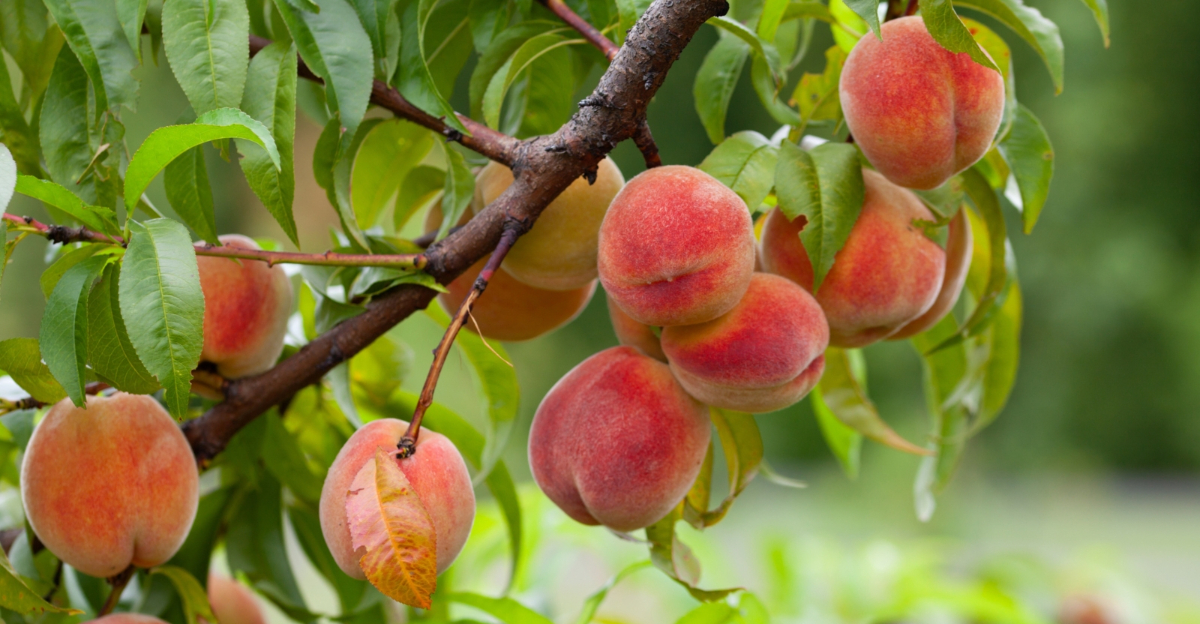
Growing peaches in North Carolina can feel deceptively easy at first, yet getting fruit that’s truly big, juicy, and full of flavor takes more than sunshine and hope.
The trees grow fast in this climate, which means small mistakes early on can quietly shape the entire harvest.
What looks like healthy growth doesn’t always translate into quality fruit once summer heat settles in.
North Carolina’s warmth, humidity, and soil conditions push peach trees hard, and they respond best when care keeps pace. When it doesn’t, fruit size and flavor are usually the first things to suffer.
The difference between average peaches and exceptional ones often comes down to a few smart habits that are easy to miss.
Water timing, pruning choices, and spacing all play a bigger role here than many gardeners expect.
When these details line up, peaches develop more slowly and evenly, which leads to better texture and richer sweetness.
Those small, intentional adjustments are what turn a good North Carolina peach season into a great one.
1. Thin Fruit Early To Reduce Stress On Trees
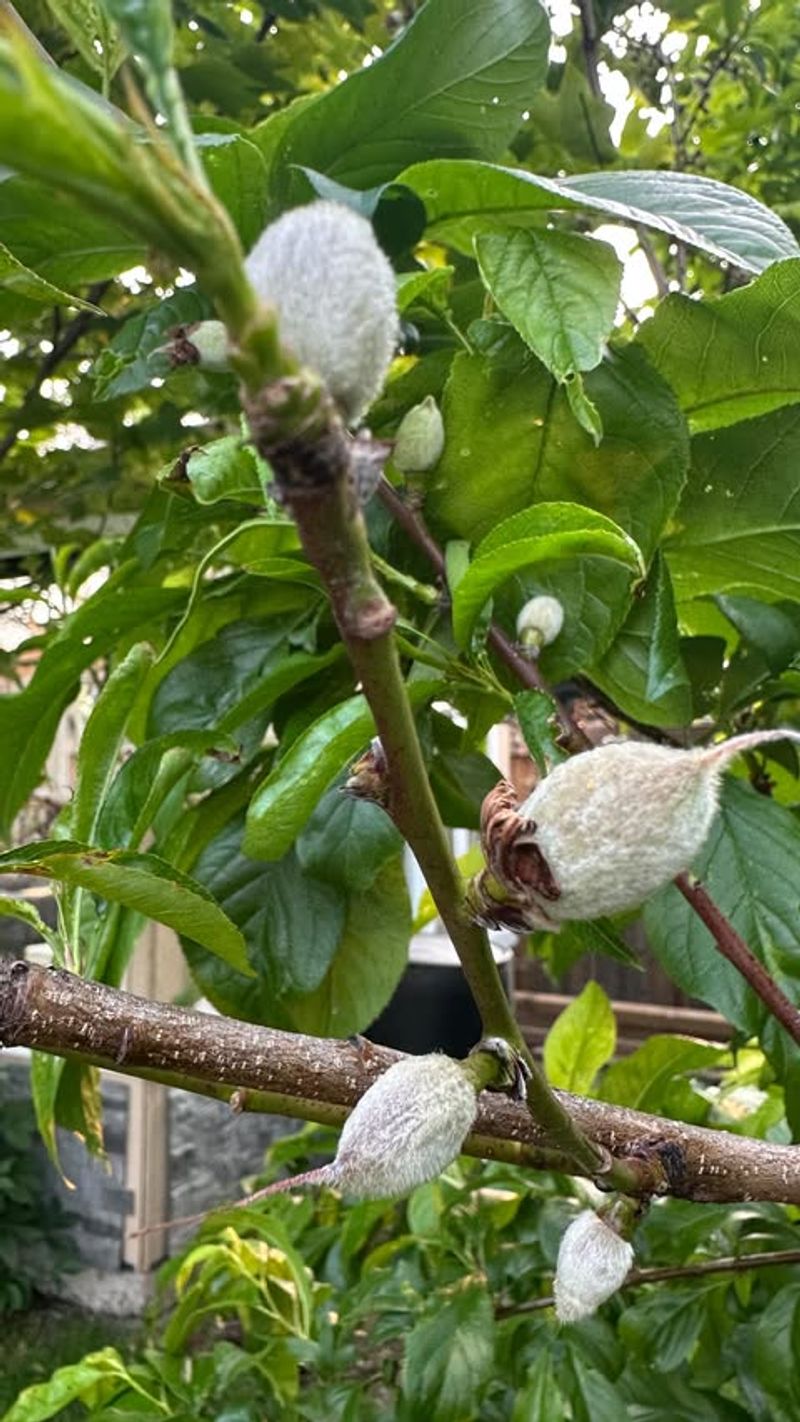
Peach trees in North Carolina often produce more fruit than their branches can realistically handle without suffering. When too many peaches hang on a single limb, the tree diverts energy away from size and sweetness, leaving you with smaller, less flavorful results.
Removing excess fruit might feel wasteful at first, but it actually gives the remaining peaches room to develop properly.
Most experts recommend spacing peaches about six to eight inches apart along each branch. This distance allows each fruit to receive adequate nutrients and sunlight without competing with its neighbors.
Thinning should happen when the fruit is still small, usually about the size of a dime or quarter.
Waiting too long defeats the purpose because the tree has already invested energy into all those tiny peaches. Early action redirects resources to fewer, better fruit.
Your peach trees will thank you with bigger, sweeter harvests.
North Carolina growers often thin in late spring after the natural fruit drop occurs. This timing ensures you’re not removing fruit that would have fallen off naturally anyway.
Hand-thinning gives you control over which peaches stay and which ones go.
Look for damaged, misshapen, or clustered fruit first. These are prime candidates for removal.
Healthy, well-positioned peaches should remain on the tree.
The process might take an hour or two depending on tree size, but the payoff is worth every minute. Larger peaches mean more flesh, better flavor, and fewer problems with pests attracted to crowded, stressed fruit.
Thinning also reduces the risk of branches snapping under excessive weight later in the season.
Trees that are thinned properly tend to produce more consistently year after year. They don’t exhaust themselves trying to ripen hundreds of undersized peaches.
Instead, they focus on quality over quantity, which is exactly what backyard growers should aim for.
2. Water Deeply During Fruit Development
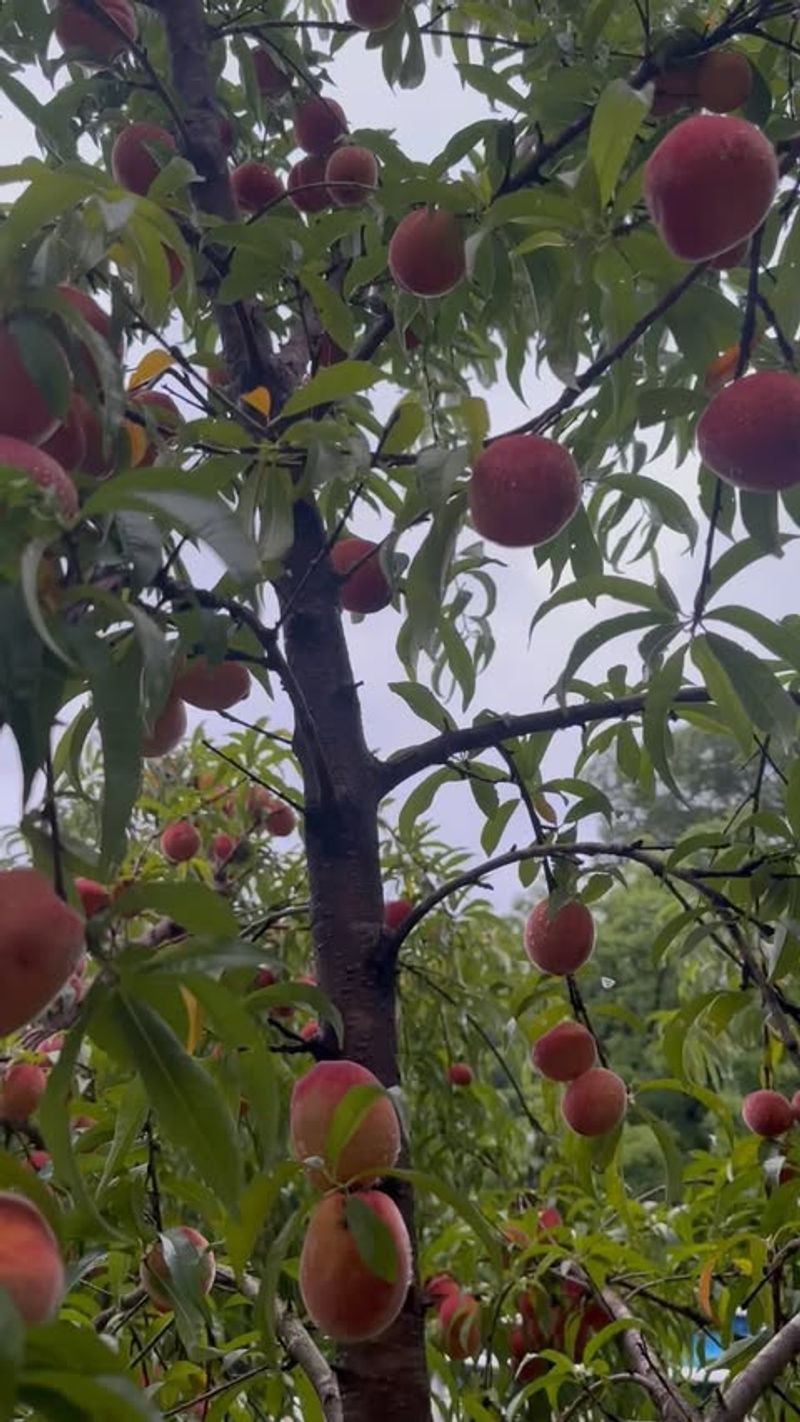
Once peaches begin to swell and grow, their water needs increase dramatically compared to earlier in the season. Shallow watering won’t cut it during this critical phase because roots need moisture deep in the soil to support rapid fruit expansion.
Your North Carolina Garden Changes Every Week. Your Plan Should Too.
Gardening in North Carolina changes quickly throughout the season. Every Friday you’ll receive a simple weekly plan showing exactly what to plant, prune, fertilize, harvest, and protect so you never miss the right timing.
North Carolina summers can be hot and dry, making consistent watering even more important for juicy, plump peaches.
A deep watering schedule means soaking the soil slowly so water penetrates at least twelve to eighteen inches down. Surface watering only wets the top layer, encouraging shallow root growth that makes trees more vulnerable to drought stress.
Deep roots access moisture reserves that help trees through hot spells.
Drip irrigation or soaker hoses work wonderfully for peach trees because they deliver water directly to the root zone without waste. Sprinklers can work too, but they lose water to evaporation and may encourage fungal problems if foliage stays wet too long.
Aim for slow, steady moisture rather than quick bursts.
Most peach trees need about one to two inches of water per week during fruit development. Rainfall counts toward this total, so adjust your watering based on weather conditions.
Sandy soils drain faster and may require more frequent sessions, while clay holds moisture longer.
Check soil moisture by digging down a few inches near the tree. If it feels dry, it’s time to water.
Consistency matters more than quantity on any single day.
Peaches that don’t receive enough water during development often turn out smaller and less sweet. Stress from dehydration can also cause fruit to drop prematurely, wasting all your earlier efforts.
North Carolina gardeners who water deeply report noticeably juicier peaches with better texture and flavor.
3. Prune For Sunlight And Airflow
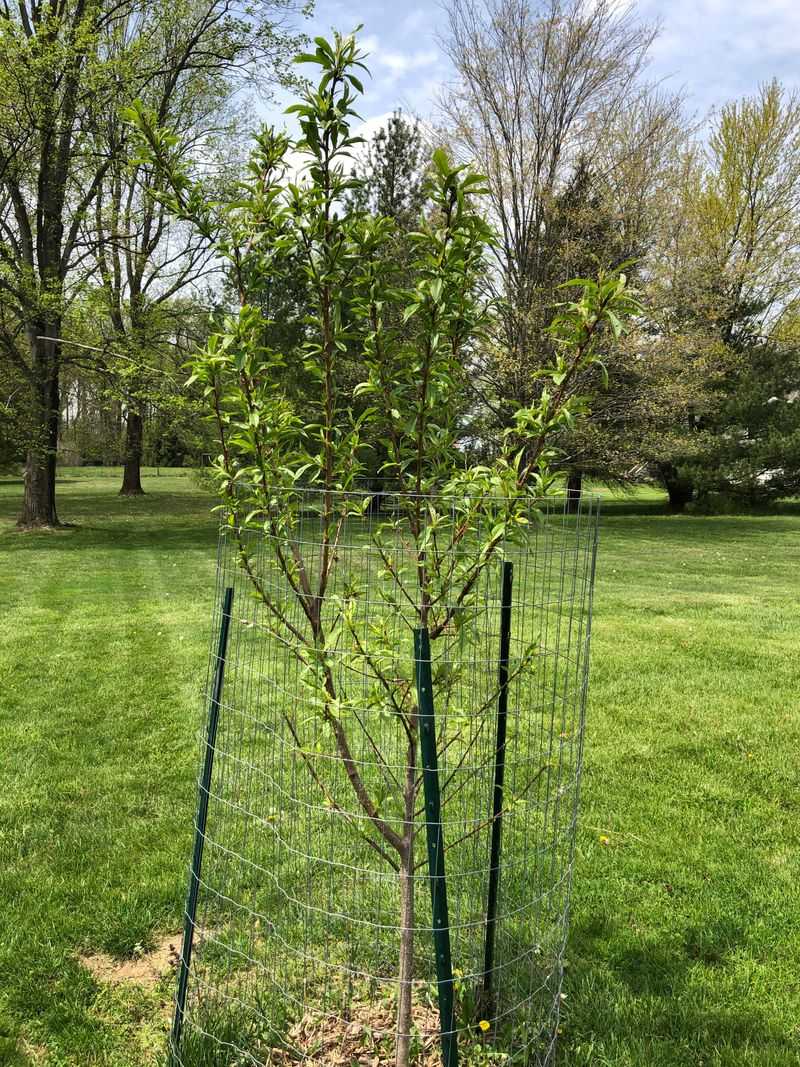
Branches that grow too close together create shady pockets where peaches struggle to ripen evenly and fully. Sunlight fuels sugar production inside the fruit, which directly impacts sweetness and flavor.
Without adequate light reaching every part of the tree, you end up with peaches that taste bland or fail to develop their signature color.
Pruning opens up the canopy so light can penetrate to interior branches and lower limbs. It also improves air circulation, which helps prevent fungal diseases common in humid North Carolina summers.
A well-pruned tree dries faster after rain or morning dew, reducing the risk of rot and mildew.
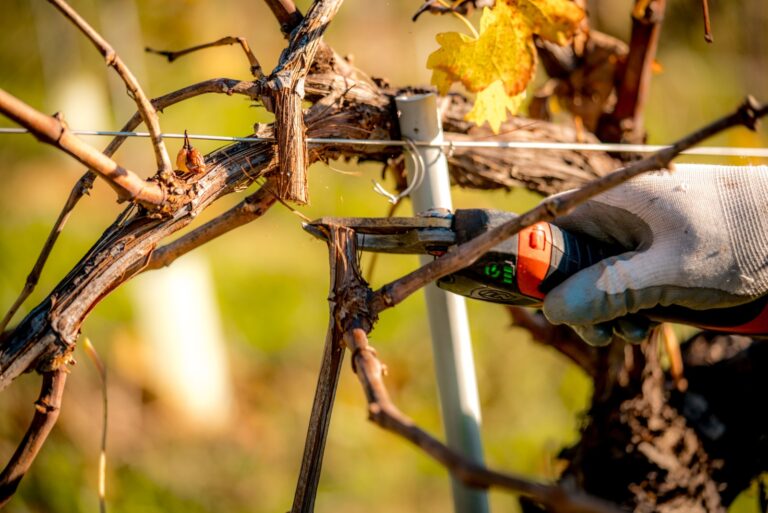
The best time to prune peach trees is late winter or very early spring before buds break. Cutting during dormancy minimizes stress and allows wounds to heal before the growing season kicks into high gear.
Remove any damaged, unhealthy, or crossing branches first.
Next, focus on thinning out crowded areas where branches compete for space. Your goal is to create an open, vase-like shape that allows sunlight to reach all parts of the tree.
Don’t be afraid to remove a fair amount of wood; peach trees respond well to aggressive pruning.
Each cut should be clean and angled just above an outward-facing bud. This encourages new growth to spread away from the center rather than inward.
Avoid leaving stubs, which can become entry points for pests and disease.
North Carolina peach growers often say that a properly pruned tree should let a bird fly through the middle without hitting too many branches. That’s a bit of an exaggeration, but the idea holds true.
More light and air mean healthier trees and better fruit quality from top to bottom.
4. Feed At The Right Time In Spring
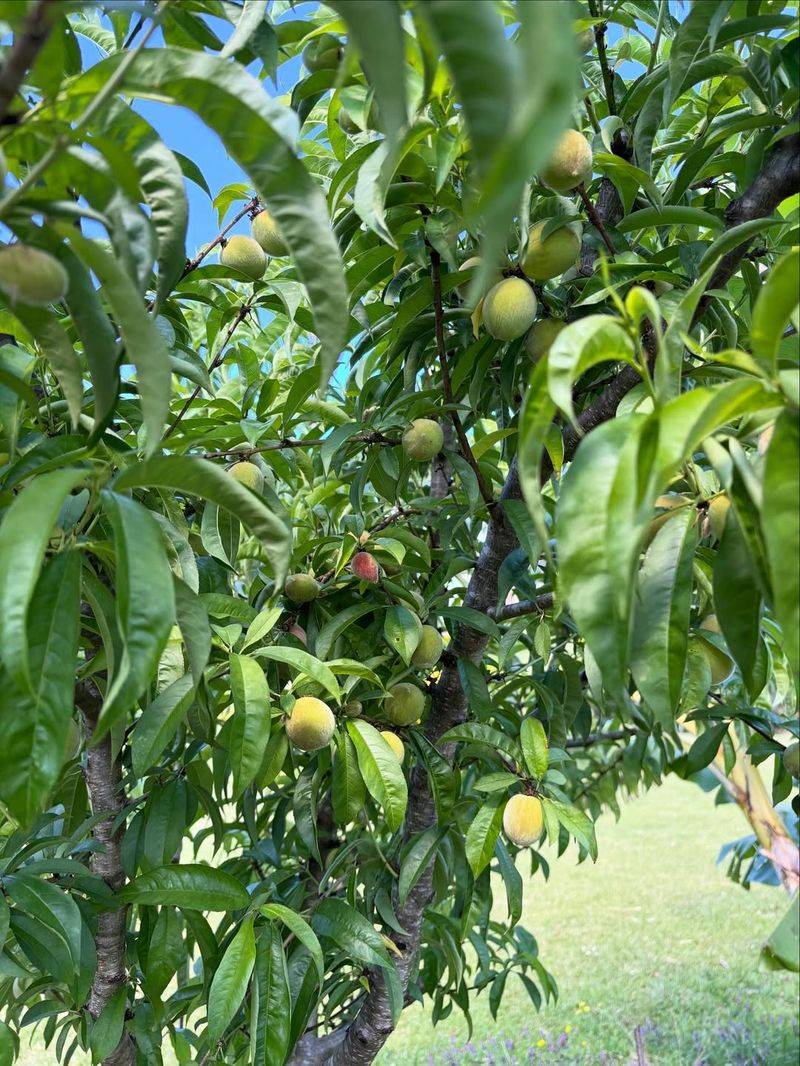
Timing your fertilizer application can make the difference between average peaches and truly outstanding ones. Peach trees need a nutrient boost in early spring, just as they’re waking up from winter dormancy and preparing to flower.
Feeding too early or too late misses the window when trees can best absorb and use those nutrients.
North Carolina gardeners typically fertilize peach trees in late February through early April, depending on local climate and when the last frost passes. A balanced fertilizer with nitrogen, phosphorus, and potassium supports leaf growth, root development, and fruit production all at once.
Slow-release formulas work especially well because they provide steady nutrition over several weeks.
Apply fertilizer evenly around the drip line, which is the outer edge of the tree’s canopy where rain drips off the leaves. This is where feeder roots are most active and ready to absorb nutrients.
Avoid piling fertilizer directly against the trunk, as this can burn the bark and cause damage.
Water the area thoroughly after spreading fertilizer to help it soak into the soil. Dry granules sitting on the surface won’t do much good until they dissolve and reach the root zone.
Deep watering also prevents fertilizer from washing away during the next rainstorm.
Too much nitrogen late in the season can cause excessive leafy growth at the expense of fruit quality. Stick to spring feeding and avoid the temptation to fertilize again in summer.
Trees naturally shift their focus to fruit ripening as the season progresses.
Soil tests can help you fine-tune your fertilizer choice. North Carolina soils vary widely, and knowing your soil’s nutrient levels prevents over-application.
Well-fed trees produce larger, juicier peaches with vibrant color and rich flavor that reflect all that careful attention.
5. Protect Trees From Late Cold Snaps

Spring weather in North Carolina can be unpredictable, with warm days suddenly interrupted by freezing nights. Late frosts pose a serious threat to peach blossoms and young fruit, potentially wiping out your entire crop in a single night.
Even a few hours below freezing can damage delicate flowers and cause fruit to drop before it ever has a chance to develop.
Covering trees with frost blankets or old sheets provides a layer of insulation that traps heat radiating from the ground. Drape the fabric over the entire canopy and secure it at the base to prevent cold air from sneaking underneath.
Remove the covers once temperatures rise above freezing the next day to avoid overheating the tree.
Small trees are easier to protect than large, mature ones, but even partial coverage can save a significant portion of your crop. Focus on covering the most vulnerable branches or the side of the tree exposed to prevailing winds.
Every bit of protection helps when temperatures dip unexpectedly.
Some growers use strings of outdoor Christmas lights (the old incandescent kind, not LEDs) wrapped around branches to generate a bit of extra warmth. The heat from the bulbs can raise the temperature just enough to prevent frost damage.
This method works best on smaller trees or specific sections you want to protect.
Watering the soil thoroughly before a predicted frost can also help. Moist soil retains heat better than dry soil, releasing warmth slowly overnight.
This technique won’t save trees from a hard freeze, but it can make a difference during borderline conditions.
North Carolina peach growers keep a close eye on weather forecasts from late March through early April. Being prepared with covers and supplies means you can act quickly when frost threatens, preserving your crop and ensuring a bountiful harvest later in the season.
6. Control Competing Growth Around The Base
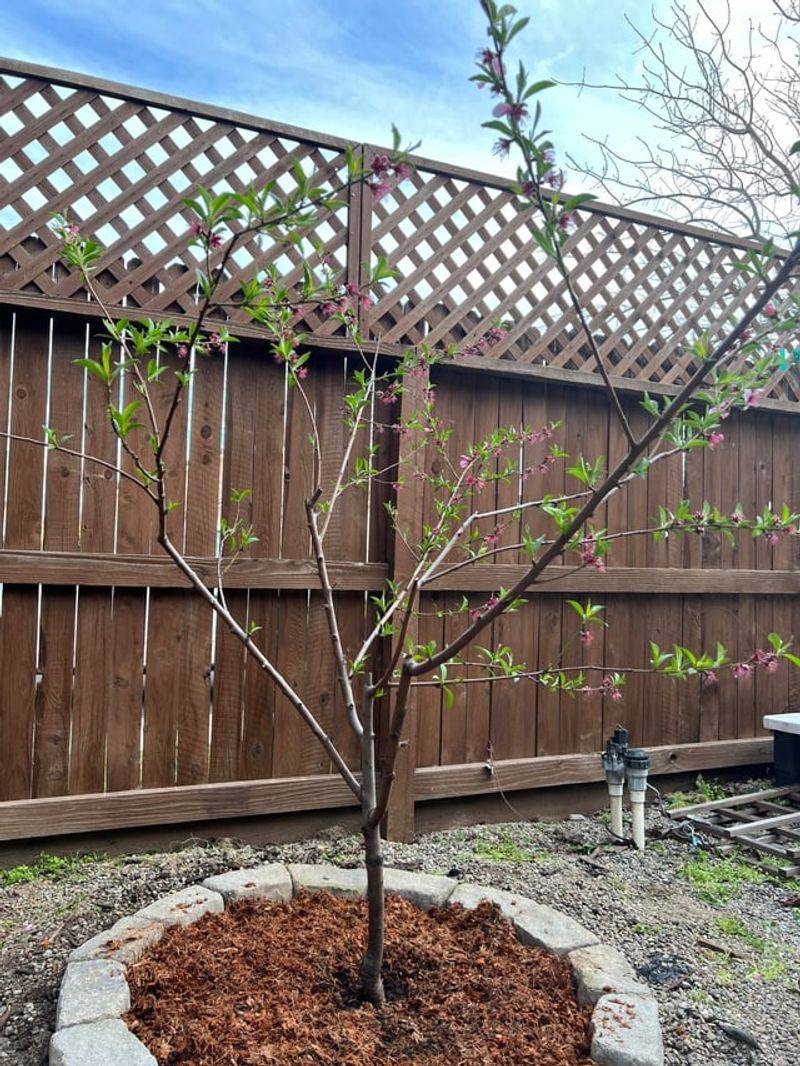
Grass, weeds, and other plants growing close to your peach tree compete for water and nutrients that should be going to the tree. This competition becomes especially problematic during fruit development when the tree’s needs are at their peak.
Keeping the area around the base clear ensures your peach tree gets all the resources it requires to produce big, juicy fruit.
Create a mulch ring extending at least three to four feet out from the trunk in all directions. This zone should be free of grass and weeds, with a layer of organic mulch like wood chips or shredded bark covering the soil.
Mulch suppresses weed growth, retains soil moisture, and gradually breaks down to improve soil quality.
Avoid piling mulch directly against the trunk, as this can trap moisture and encourage rot or pest problems. Leave a few inches of space around the base so air can circulate freely.
The mulch layer should be about two to four inches deep, enough to block weeds but not so thick that it smothers the soil.
Hand-pull any weeds that manage to poke through the mulch before they establish deep roots. Weeds are remarkably efficient at stealing nutrients, and even a few aggressive plants can stress a young or heavily fruiting tree.
Regular weeding takes only a few minutes but makes a noticeable difference in tree health.
North Carolina summers bring plenty of rainfall, but grass and weeds soak up a surprising amount before it reaches tree roots. Eliminating this competition means more water and nutrients flow directly to your peach tree.
The result is stronger growth, healthier foliage, and fruit that reaches its full potential in size and sweetness.
Some gardeners use landscape fabric under mulch for extra weed control. This works well but requires cutting holes for water to penetrate.
Either way, maintaining a weed-free zone around your peach tree is one of the simplest steps you can take to boost fruit quality.
7. Support Heavy Branches Before Fruit Swells
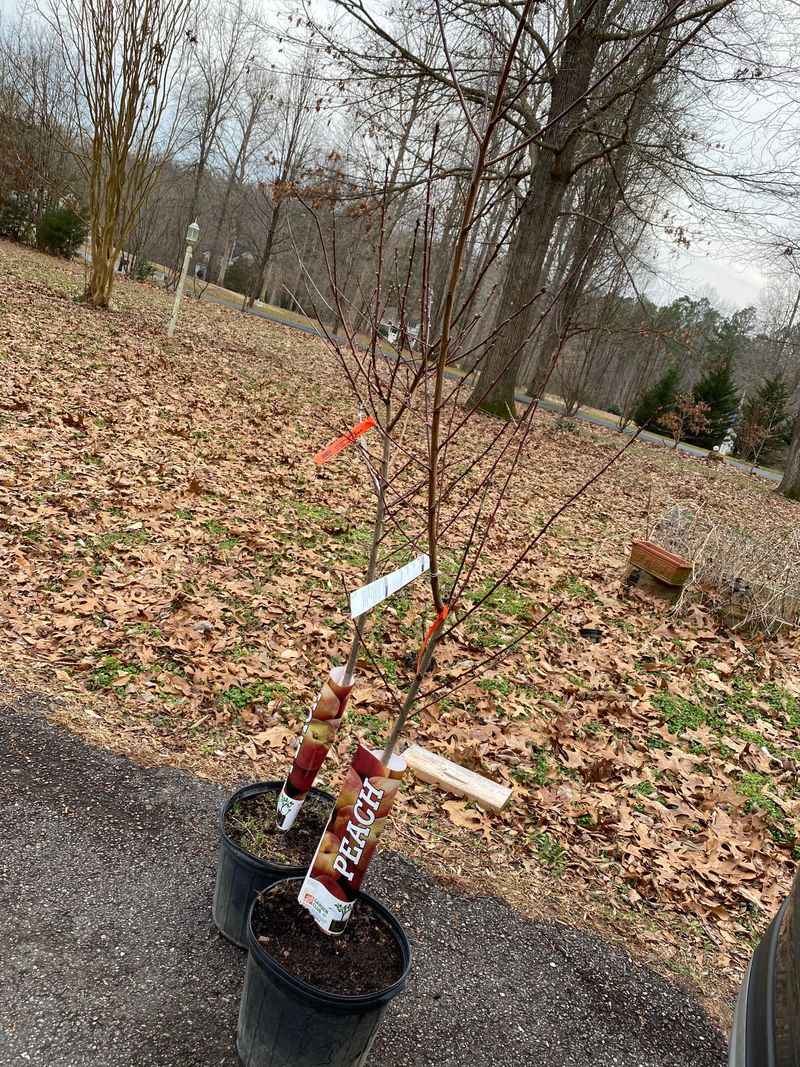
Branches loaded with developing peaches can bend or even snap under the weight, especially as fruit approaches full size. A single broken branch wastes all the peaches it was carrying and creates a wound on the tree that invites pests and disease.
Propping up heavy limbs before they become a problem is a simple step that protects both your crop and your tree.
Wooden stakes or sturdy poles work well as supports. Place them under sagging branches at an angle, positioning the top of the stake to cradle the branch without digging into the bark.
Adjust the height so the branch is lifted to a more natural, horizontal position rather than hanging low.
Some North Carolina gardeners use old broomsticks, two-by-fours, or even Y-shaped branches cut from other trees. The key is finding something strong enough to hold the weight without bending or collapsing.
Secure the support firmly in the ground so it doesn’t shift or tip over as fruit continues to grow.
Another option is tying branches to a central support pole or the trunk itself using soft, wide strips of cloth or tree tape. Avoid using wire or thin rope, which can cut into the bark and cause damage.
The goal is to redistribute weight without harming the tree.
Check your supports regularly as fruit swells, adjusting or adding more as needed. What seems sturdy in early summer might not be enough by harvest time.
Branches that receive proper support produce larger, healthier peaches because they’re not stressed by excessive bending.
Preventing breakage also means your tree stays intact for future seasons. A broken branch takes years to regrow, and the tree may never produce as well in that spot again.
Taking a few minutes to prop up heavy limbs is a small effort that pays off with bigger, juicier peaches and a healthier, more productive tree overall.
8. Harvest At Full Ripeness For Better Flavor
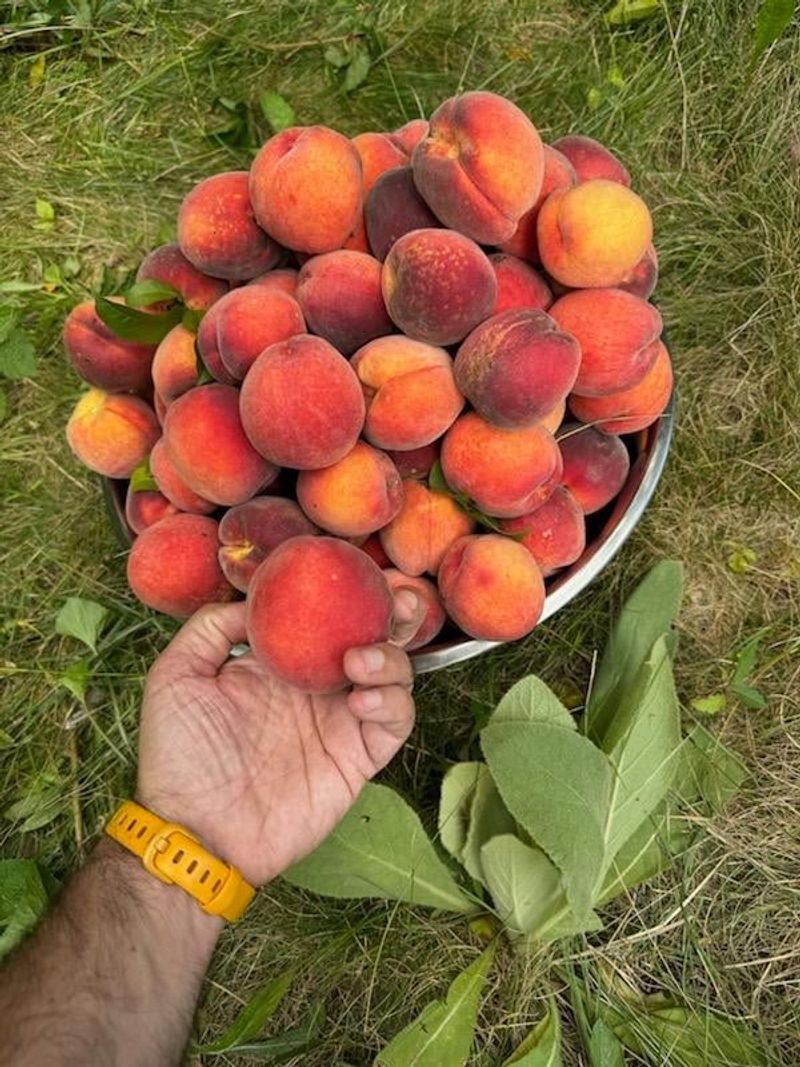
Picking peaches too early is one of the most common mistakes gardeners make, and it costs you the full flavor and sweetness your tree worked so hard to produce. Peaches don’t continue ripening properly after being picked, so timing your harvest correctly is essential for juicy, delicious fruit.
Waiting until peaches reach full ripeness on the tree ensures you get the best taste and texture.
A ripe peach gives slightly when you press it gently with your thumb, similar to how a ripe avocado feels. The background color of the skin should have shifted from green to yellow or cream, depending on the variety.
Red blush alone isn’t a reliable indicator because some peaches develop color before they’re fully ripe.
Smell is another clue. Ripe peaches emit a sweet, fruity fragrance that you can detect even before picking.
If a peach has no scent, it’s probably not ready yet. North Carolina growers often say that a perfectly ripe peach practically falls into your hand with a gentle twist.
Check your tree every day or two during harvest season because peaches ripen at different rates. Some will be ready while others still need more time.
This staggered ripening actually works in your favor, spreading out the harvest so you’re not overwhelmed with fruit all at once.
Handle peaches carefully to avoid bruising the delicate flesh. Place them gently in a basket rather than dropping them in a bucket.
Bruised fruit spoils quickly and won’t store as well. Harvest in the morning after dew has dried but before the heat of the day sets in.
Peaches picked at full ripeness taste noticeably sweeter and juicier than those harvested early. The difference is dramatic enough that once you’ve tasted a truly ripe, tree-ripened peach, you’ll never want to pick early again.
Patience at harvest time rewards you with fruit that lives up to North Carolina’s reputation for exceptional peaches.