South Carolina Gardens Can Start These 11 Wildflowers From Seed In January
January rarely feels like the right moment to think about wildflowers in South Carolina, yet the state’s mild winter soil quietly creates ideal conditions for seeds to settle in without pressure or competition.
Instead of fighting spring heat later, seeds started now use cooler temperatures and steady moisture to establish strong roots at a natural pace.
South Carolina’s climate allows wildflowers to begin their life cycle early, which often leads to healthier plants that handle summer stress far better.
What seems early on the calendar is actually perfectly timed for many native and adapted wildflowers.
Seeds planted in January benefit from weeks of calm conditions before rapid growth begins. This head start often translates into fuller plants and more consistent blooms.
Early seeding also spreads out garden tasks, making spring feel less rushed and far more manageable.
Wildflowers started now tend to emerge evenly instead of in uneven bursts once temperatures rise.
Taking advantage of January turns wildflower planting into a low-effort decision that pays off beautifully across South Carolina gardens.
1. Bachelor’s Buttons
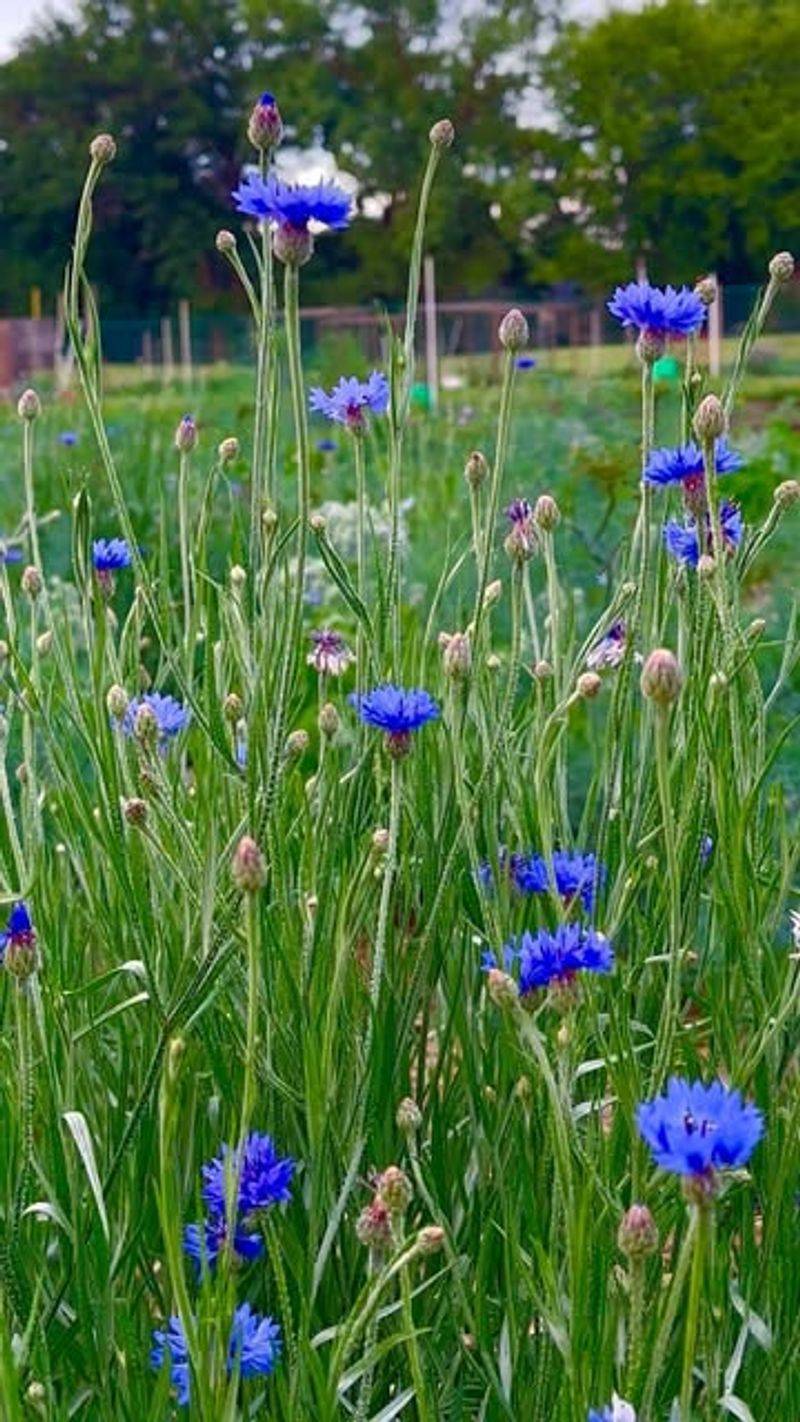
Bright blue petals make this old-fashioned flower a standout in any garden bed. Gardeners across South Carolina appreciate how forgiving this plant can be, even when temperatures fluctuate during winter months.
Seeds germinate quickly when the soil stays consistently moist.
Cold weather doesn’t bother these hardy bloomers one bit. They actually prefer cooler conditions for establishing strong root systems.
January sowing gives them plenty of time to develop before warmer weather arrives.
Thin seedlings to about six inches apart once they sprout their second set of leaves. This spacing allows air circulation and prevents overcrowding.
South Carolina’s humid climate makes proper spacing especially important for preventing fungal issues.
Bachelor’s buttons attract butterflies and bees throughout their blooming season. Their long stems make them excellent for cutting gardens.
Fresh bouquets can last over a week in water when cut early in the morning.
These cheerful flowers reseed themselves generously year after year. Once established in your South Carolina garden, you’ll likely see volunteers popping up each season.
Simply thin or transplant them wherever you’d like more color to appear.
2. Larkspur
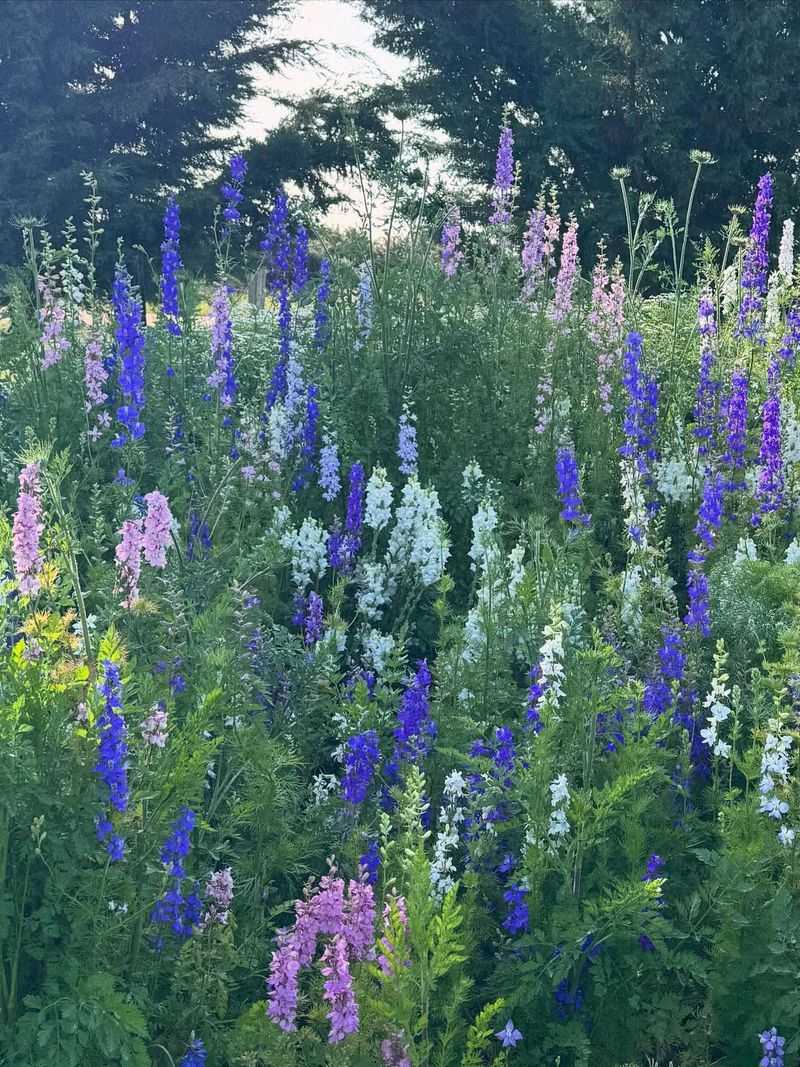
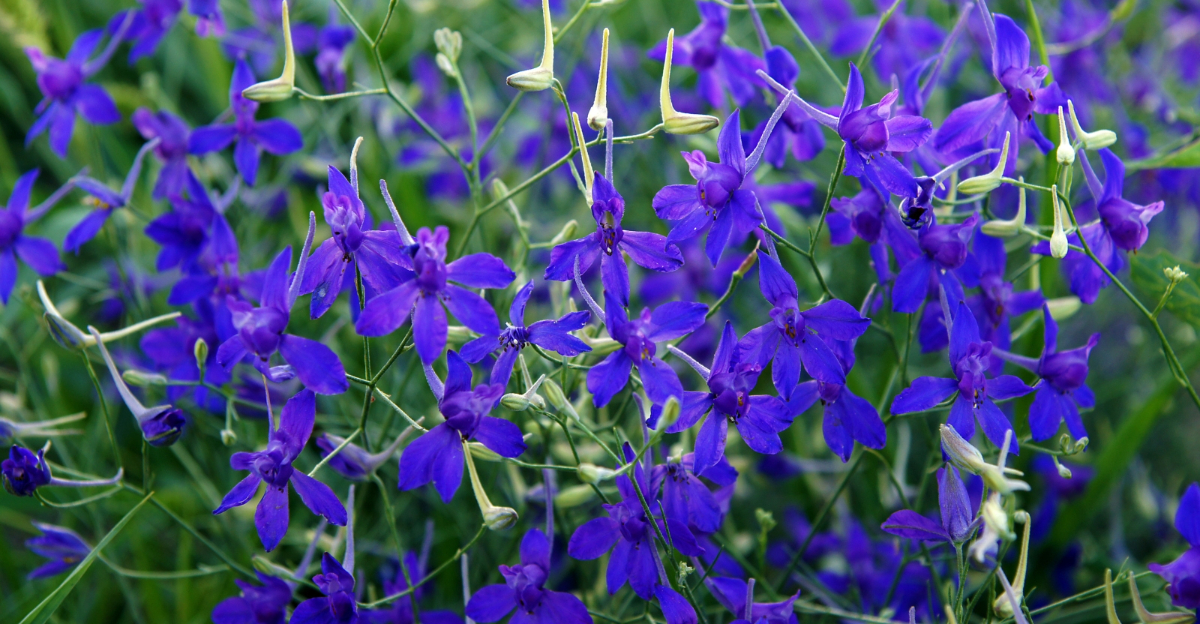
Tall spikes of purple, pink, and white flowers create dramatic vertical interest in garden borders. South Carolina gardeners love how these elegant bloomers add height without requiring staking.
Seeds need darkness to germinate, so cover them well with soil after planting.
Cool soil temperatures actually help larkspur seeds break dormancy faster. January planting takes advantage of natural winter conditions.
Your seedlings will emerge stronger and more resilient than those started later in spring.
Water consistently but avoid soggy soil conditions. These plants prefer well-drained beds with plenty of organic matter mixed in.
South Carolina clay soils benefit from compost additions before sowing larkspur seeds.
Flowers appear in late spring, creating stunning displays that last several weeks. Cutting the main spike after blooming often encourages side shoots to develop.
This technique extends the flowering period significantly.
Hummingbirds visit larkspur blossoms frequently throughout the day. Their tubular shape provides perfect landing platforms for these tiny visitors.
Your South Carolina Garden Changes Every Week. Your Plan Should Too.
Gardening in South Carolina changes quickly throughout the season. Every Friday you’ll receive a simple weekly plan showing exactly what to plant, prune, fertilize, harvest, and protect so you never miss the right timing.
South Carolina gardens with larkspur often see increased hummingbird activity during peak blooming times.
3. California Poppies
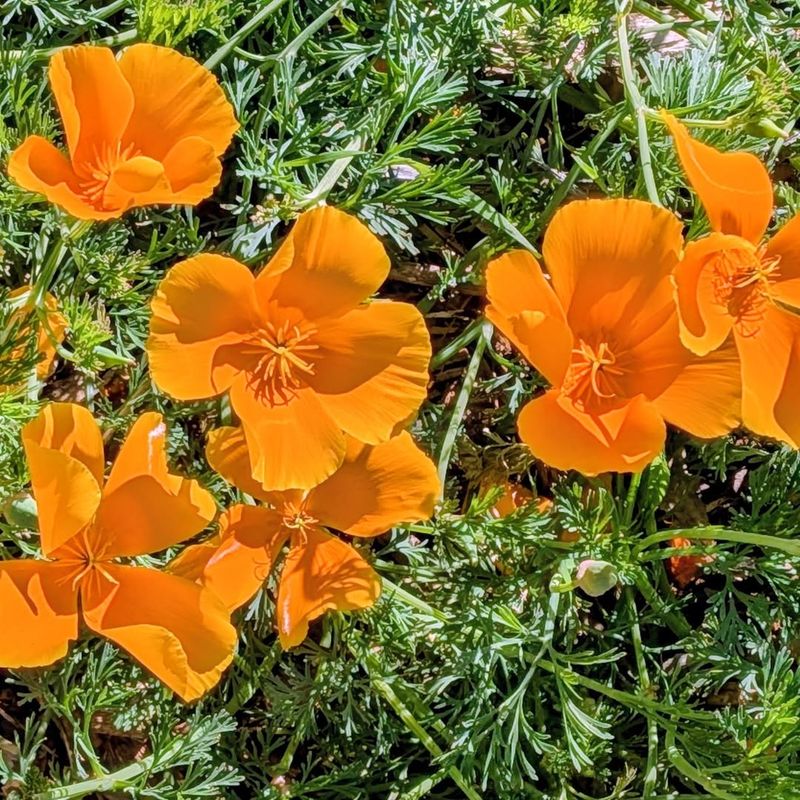
Golden orange petals unfold in sunshine and close at night, creating a daily show. Despite their West Coast name, these cheerful flowers thrive beautifully in South Carolina gardens.
Seeds sprout readily when scattered directly onto prepared soil.
Avoid transplanting these wildflowers once they’ve germinated. Their delicate root systems prefer staying put from the start.
January sowing allows them to establish before South Carolina’s summer heat arrives.
Sandy or rocky soil suits California poppies better than rich, amended beds. They actually produce more flowers when grown in leaner conditions.
Too much fertilizer encourages leafy growth at the expense of blooms.
Flowers open wide on sunny days and fold up during cloudy weather. This natural response protects their pollen from moisture.
South Carolina gardeners find this behavior fascinating to observe throughout the blooming season.
Deadheading spent blooms encourages continuous flowering for months. Simply pinch off faded flowers before they form seed pods.
However, leaving some to mature ensures self-sowing for future seasons in your South Carolina landscape.
4. Love-In-A-Mist
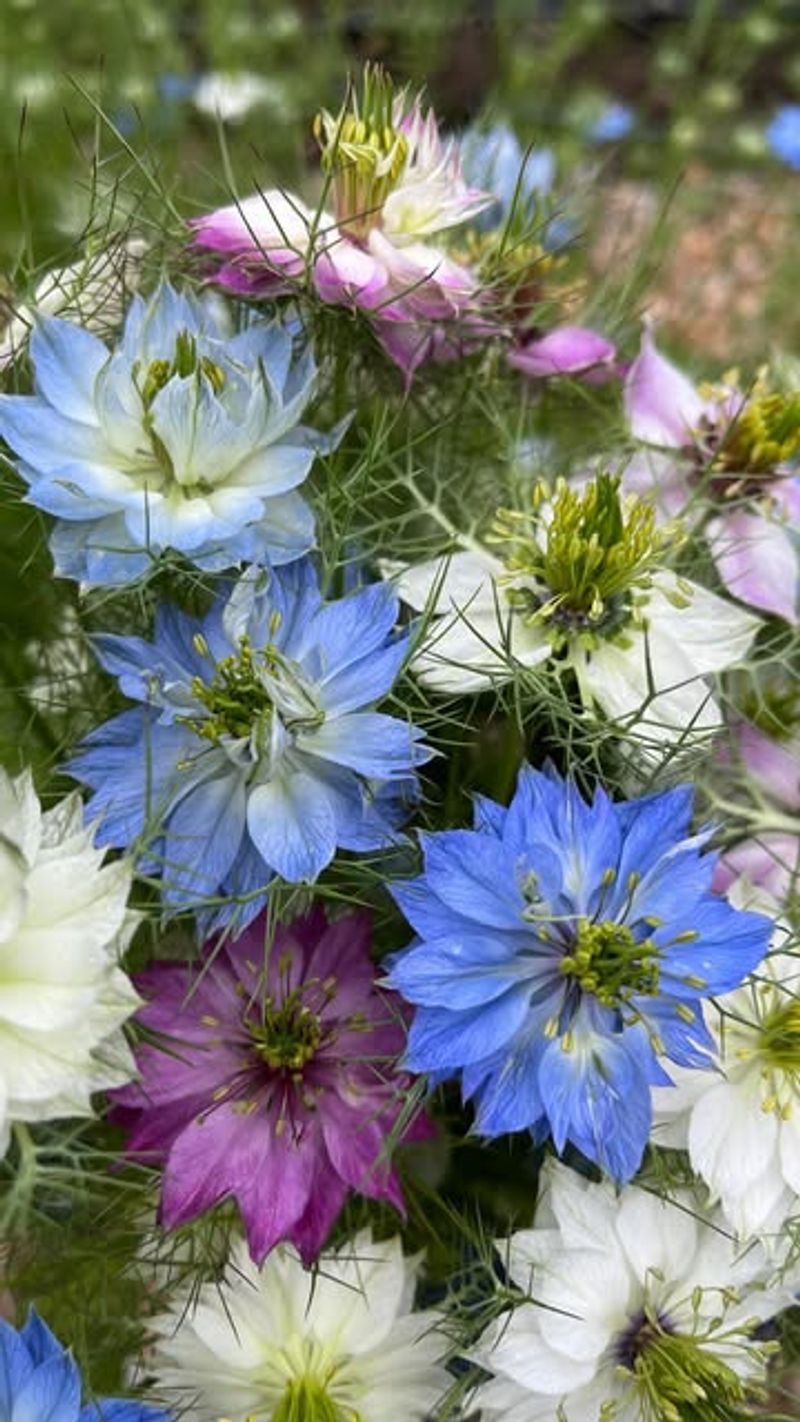
Feathery foliage surrounds delicate blue or white flowers in a cloud-like display. This cottage garden favorite grows beautifully in South Carolina when started early.
Seeds germinate best in cool soil, making January the ideal planting time.
Each bloom sits nestled within fine, thread-like leaves that give the plant its romantic name. After flowering, unique balloon-shaped seed pods develop.
These dried pods add interesting texture to both gardens and flower arrangements.
Space plants about eight inches apart to accommodate their bushy growth habit. They typically reach twelve to eighteen inches tall at maturity.
South Carolina’s spring weather provides perfect growing conditions for these charming wildflowers.
Love-in-a-mist prefers full sun but tolerates light afternoon shade. This flexibility makes them suitable for various garden locations.
Morning sun with some afternoon protection works especially well in South Carolina’s climate.
Flowers appear about ten weeks after sowing seeds. The blooming period lasts several weeks when weather stays moderate.
Successive plantings every two weeks create continuous color throughout spring and early summer in your South Carolina garden beds.
5. Calendula
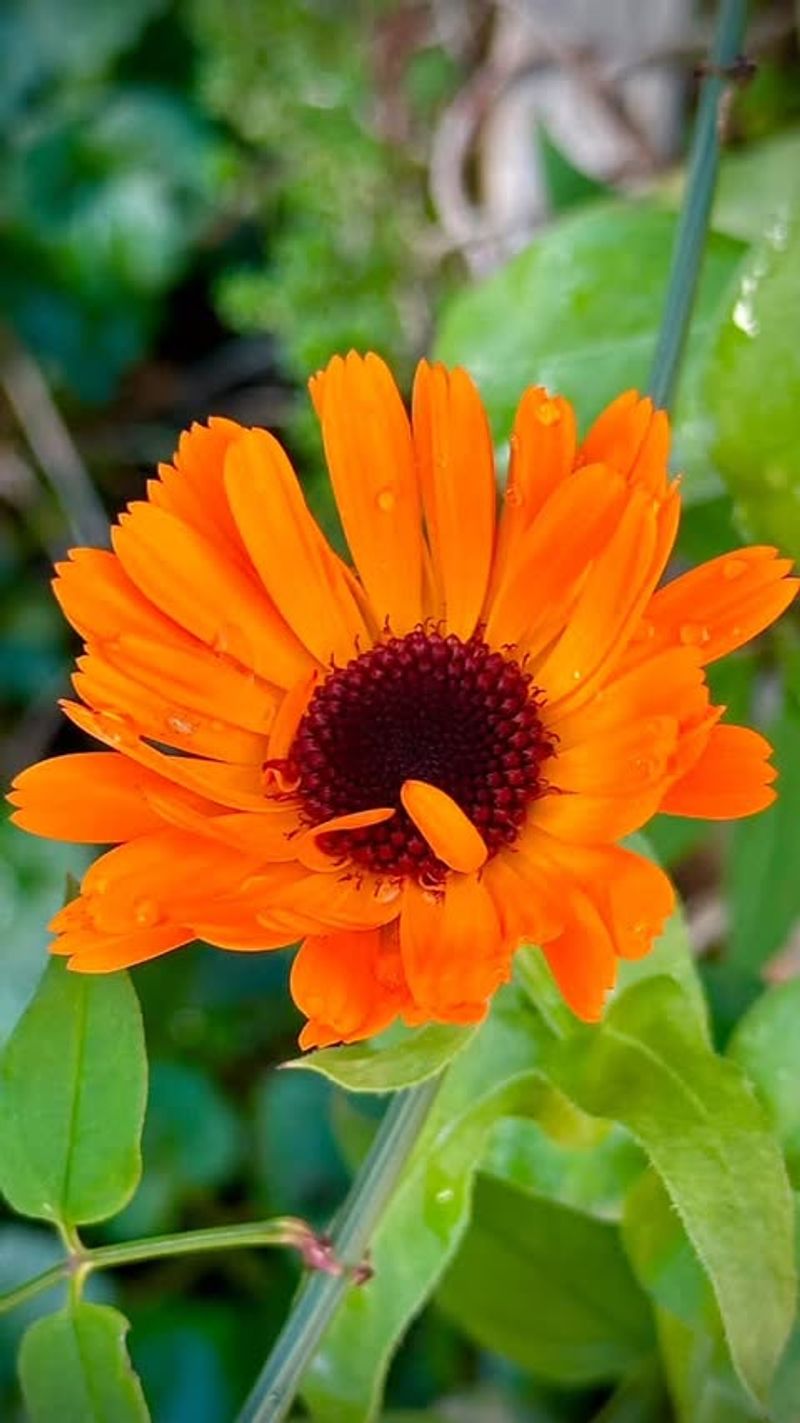
Cheerful orange and yellow blooms brighten winter gardens with reliable color. South Carolina gardeners appreciate how calendula keeps flowering even during mild cold snaps.
These tough plants handle frost better than many other annual flowers.
Petals are edible and add peppery flavor plus vibrant color to salads. Many gardeners grow calendula specifically for culinary use.
The flowers also have traditional uses in herbal remedies and skin care preparations.
Seeds germinate within a week when soil temperatures stay above forty degrees. January planting in South Carolina typically provides ideal conditions.
Seedlings emerge quickly and grow steadily throughout late winter and spring.
Pinch back young plants to encourage bushier growth and more flower production. This simple technique creates fuller, more attractive specimens.
South Carolina gardens benefit from the extended blooming period this pruning method provides.
Calendula flowers close at night and reopen each morning with fresh petals. This daily cycle continues throughout their long blooming season.
Removing spent blooms regularly keeps plants producing new flowers for months in your South Carolina landscape.
6. Sweet Peas
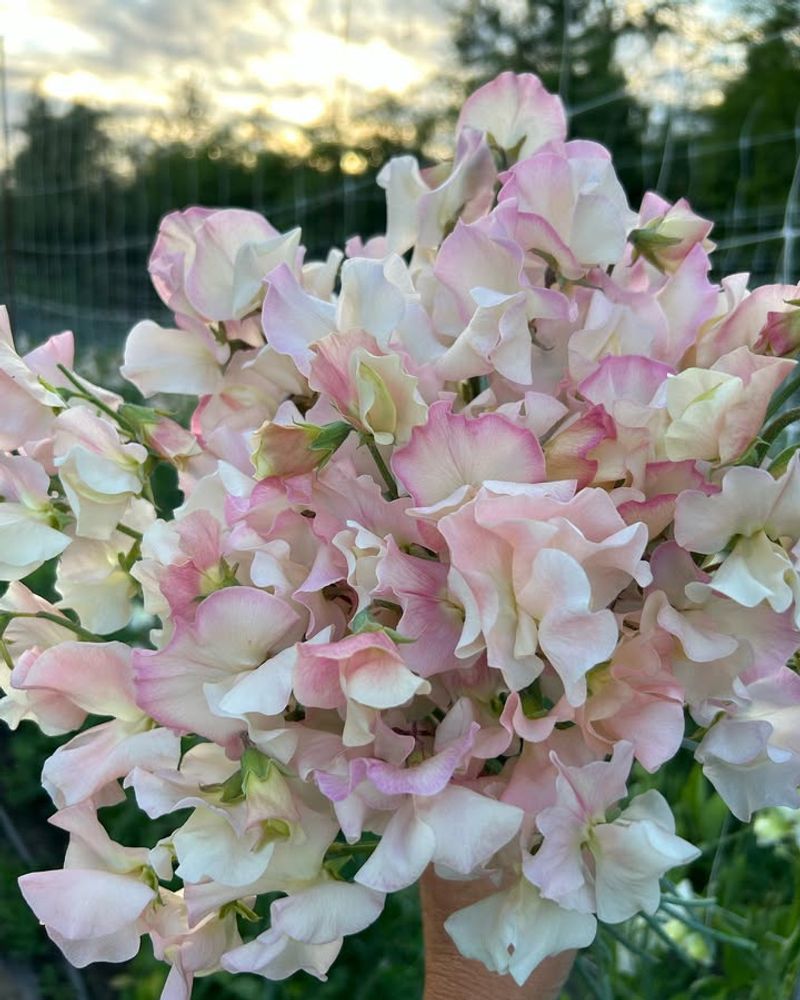
Fragrant blooms in soft pastels climb gracefully up trellises and fences. South Carolina gardeners cherish sweet peas for their incredible scent and delicate beauty.
January planting ensures strong plants before temperatures rise too high.
Soak seeds overnight before planting to speed up germination. This simple step softens the hard seed coat significantly.
Seeds planted directly in the garden often perform better than transplants for sweet peas.
Provide sturdy support structures at planting time. These vigorous climbers can reach six feet tall or more.
South Carolina gardens with fences, arbors, or trellises make perfect homes for sweet pea vines.
Cool weather brings out the best fragrance in sweet pea flowers. Heat diminishes both scent and bloom production noticeably.
Starting seeds in January maximizes the cool growing season available in South Carolina.
Cut flowers frequently to encourage more buds to form. Sweet peas bloom more prolifically when harvested regularly.
Bringing armfuls of fragrant stems indoors benefits both your garden and your home throughout spring in South Carolina.
7. Blue Flax
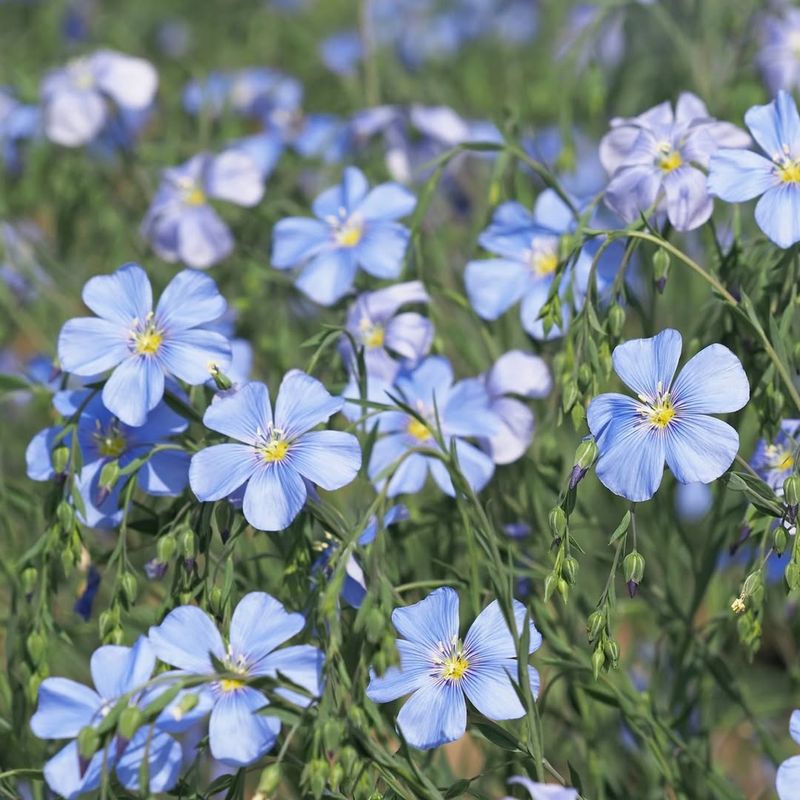
Delicate sky-blue flowers dance on thin stems in the slightest breeze. These airy wildflowers create a soft, meadow-like effect in South Carolina gardens.
Each individual bloom lasts just one day, but plants produce hundreds of buds continuously.
Sandy, well-drained soil suits blue flax perfectly. Heavy clay needs amendment with sand or gravel before planting.
South Carolina gardeners with naturally sandy soils find these wildflowers especially easy to grow successfully.
Seeds can be broadcast over prepared beds rather than planted in rows. This casual approach creates natural-looking drifts of color.
Light raking after scattering ensures good seed-to-soil contact for germination.
Blue flax tolerates drought once established. Their deep roots seek moisture far below the surface.
This resilience makes them excellent choices for low-maintenance areas in South Carolina landscapes.
Morning sun brings out the most vibrant blue color in the petals. Flowers often appear lighter in afternoon light.
South Carolina gardens with eastern exposure showcase blue flax at its absolute best throughout the growing season.
8. Blanket Flower
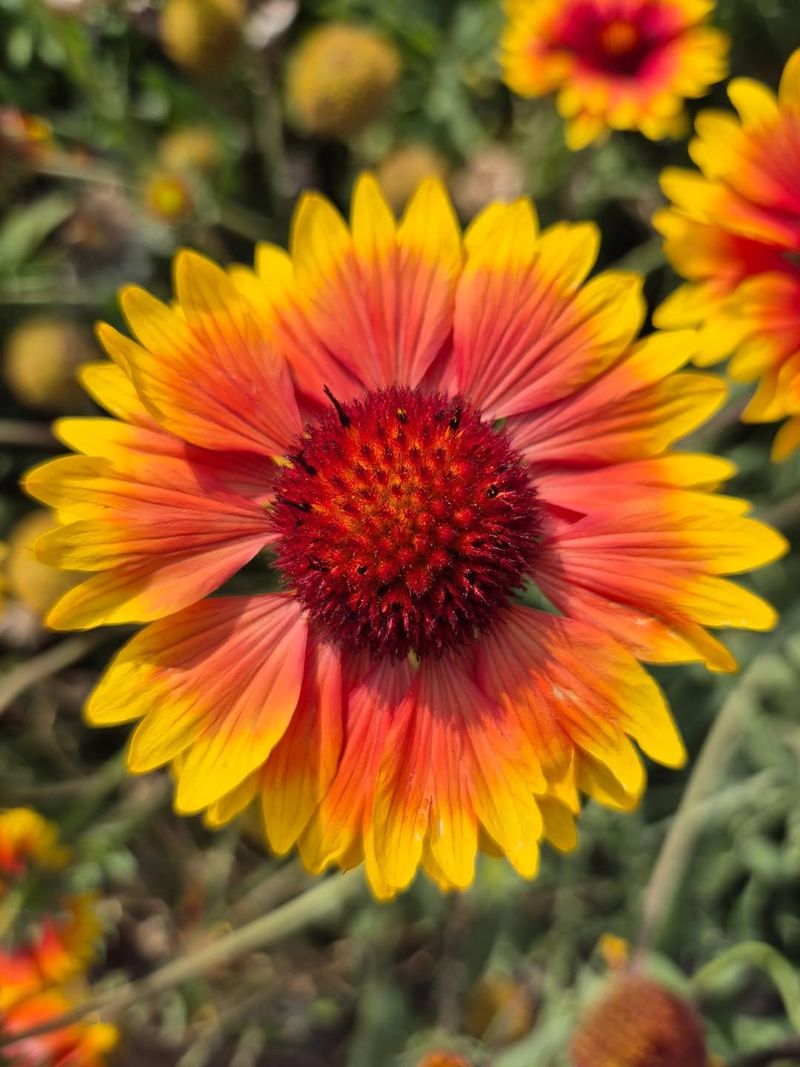
Bold red and yellow petals create fiery color combinations that catch every eye. South Carolina native plant enthusiasts value blanket flower for its heat tolerance and long blooming period.
January seeding gives plants time to develop strong roots before summer arrives.
These tough wildflowers handle poor soil conditions better than most garden plants. They actually prefer lean, unamended ground.
Rich soil produces more foliage but fewer flowers on blanket flower plants.
Full sun exposure is essential for maximum bloom production. Shade causes leggy growth and reduced flowering.
South Carolina’s abundant sunshine creates ideal conditions for blanket flowers to thrive beautifully.
Butterflies visit these bright blooms constantly throughout the day. Their open flower structure provides easy landing platforms.
South Carolina gardens with blanket flowers often become butterfly magnets during peak blooming season.
Deadheading extends the flowering period significantly. Simply snap off spent blooms at their base.
However, leaving some flowers to mature produces seeds that attract goldfinches and other birds to your South Carolina garden in late summer.
9. Coreopsis
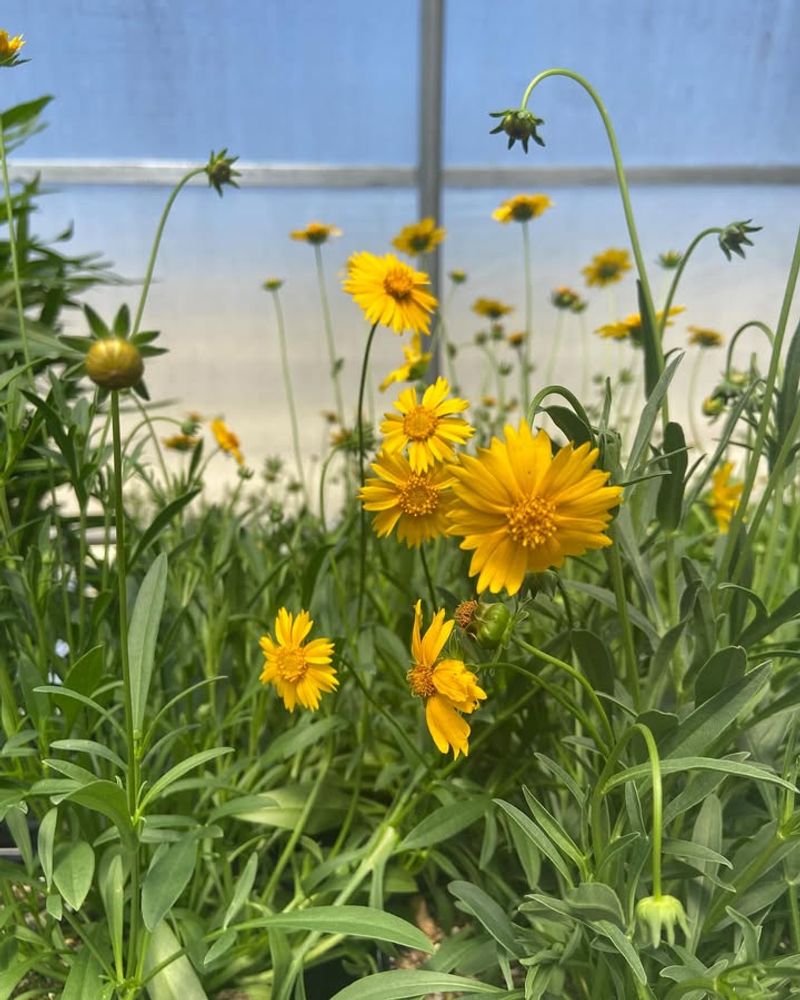
Sunny yellow flowers cover compact plants from spring through fall. South Carolina’s state wildflower grows beautifully throughout the region.
Starting seeds in January ensures robust plants that bloom heavily their first season.
These cheerful natives require almost no maintenance once established. They handle heat, humidity, and occasional drought with ease.
South Carolina gardeners appreciate how reliable coreopsis performs year after year.
Seeds need light to germinate, so press them gently into soil without covering. Keep the surface moist until sprouts appear.
Germination typically occurs within two weeks when temperatures stay moderate.
Coreopsis spreads gradually to form attractive clumps over time. This natural growth habit creates fuller displays each season.
Division every few years keeps plants vigorous in South Carolina gardens.
Flowers attract numerous beneficial insects including native bees and hoverflies. These helpful visitors pollinate other garden plants while feeding on coreopsis nectar.
South Carolina landscapes with coreopsis support healthier, more balanced ecosystems naturally throughout the growing season.
Blooms hold their color well even during long stretches of summer heat.
With consistent flowering and minimal care, coreopsis remains a dependable choice for South Carolina gardens seeking long-lasting color.
10. Alyssum
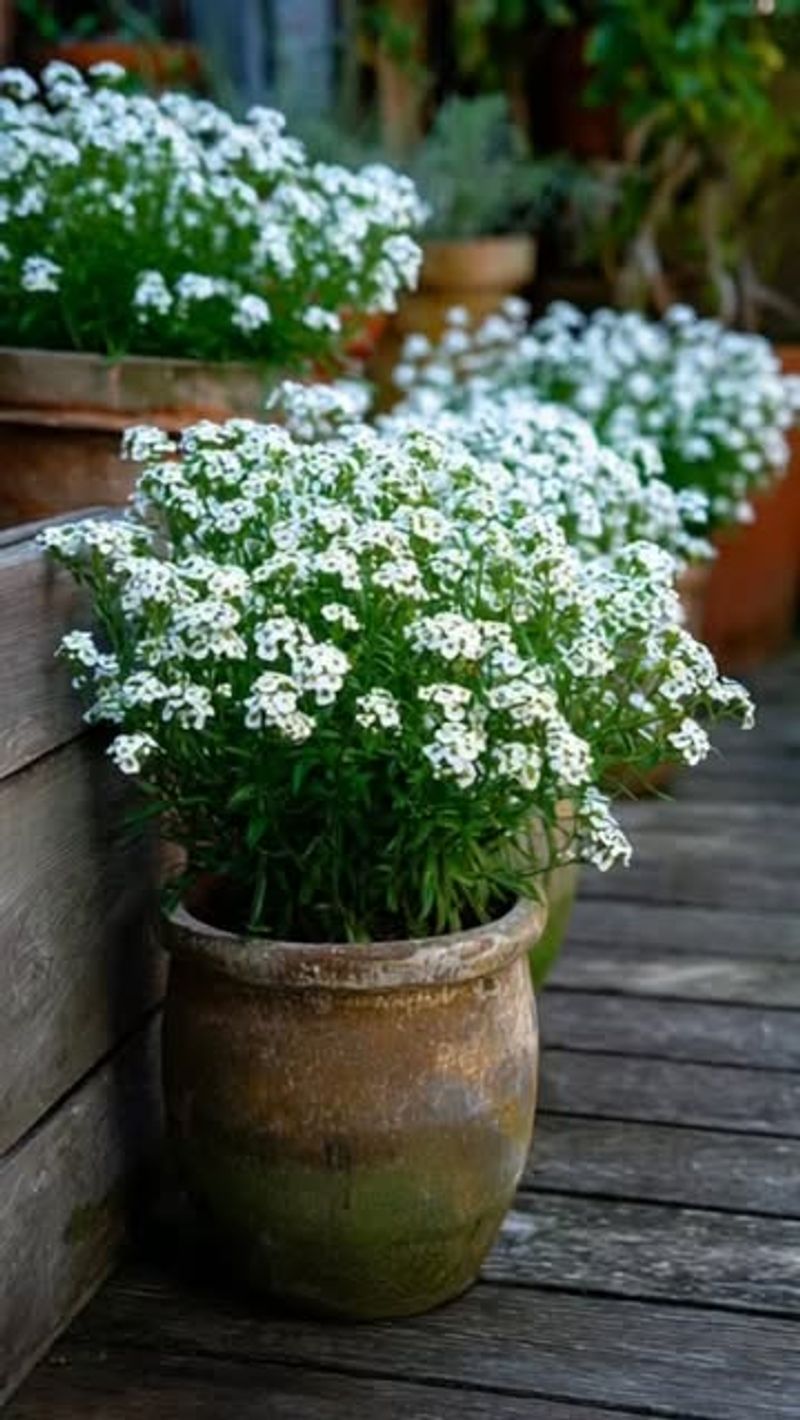
Tiny white or purple flowers form fragrant carpets along garden edges. South Carolina gardeners use alyssum for softening hard landscape edges beautifully.
Their honey-like scent attracts beneficial insects from considerable distances.
Seeds are extremely small and require careful handling during planting. Mix them with sand for easier, more even distribution.
Light covering with fine soil helps protect seeds while allowing light penetration for germination.
Alyssum tolerates light foot traffic once established. This durability makes them suitable for planting between stepping stones.
South Carolina pathways benefit from the softening effect and pleasant fragrance alyssum provides.
Cool weather brings the strongest fragrance from these delicate flowers. Heat reduces scent intensity noticeably.
January planting maximizes the cool growing period available in South Carolina for optimal fragrance development.
These low-growing plants rarely exceed six inches in height. Their spreading habit fills spaces quickly and thoroughly.
South Carolina gardens use alyssum for quick ground coverage that blooms continuously for months with minimal care required.
Alyssum often reseeds gently, returning each season in familiar spots without becoming overwhelming or invasive.
This quiet persistence allows South Carolina gardeners to enjoy reliable ground coverage, long-lasting bloom, and fragrance year after year with very little maintenance.
11. Foxglove
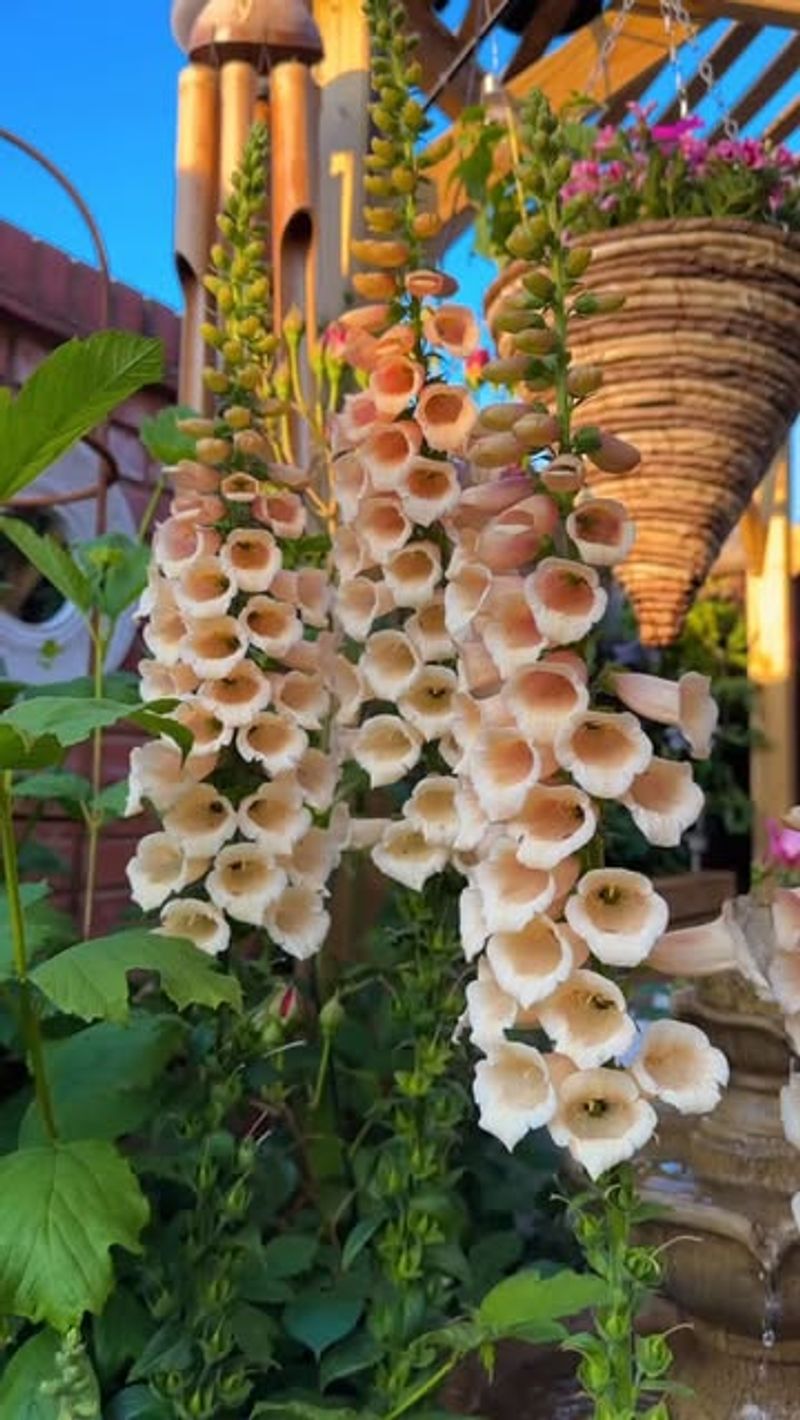
Towering flower spikes create vertical drama with tubular blooms in various colors. South Carolina gardeners plant foxglove for stunning late spring displays.
Seeds started in January produce flowering plants by their second season.
These biennial plants form leafy rosettes their first year. Tall flower stalks emerge during the second growing season.
Patience rewards gardeners with spectacular blooms that can reach five feet tall in South Carolina gardens.
Partial shade suits foxglove better than full sun exposure. Morning sun with afternoon shade creates ideal conditions.
South Carolina’s hot summers make some shade protection especially important for these woodland natives.
Hummingbirds and bumblebees visit the tubular flowers constantly. Their shape provides perfect access for these specialized pollinators.
South Carolina gardens with foxglove support important pollinator populations throughout the blooming season.
Allow some flower spikes to mature and drop seeds naturally. This ensures continuous presence of foxglove in your garden.
New rosettes will appear each year, creating an ongoing cycle of blooms without replanting in your South Carolina landscape.