How Illinois Homes Create Bright, Indirect Light For Thriving Houseplants
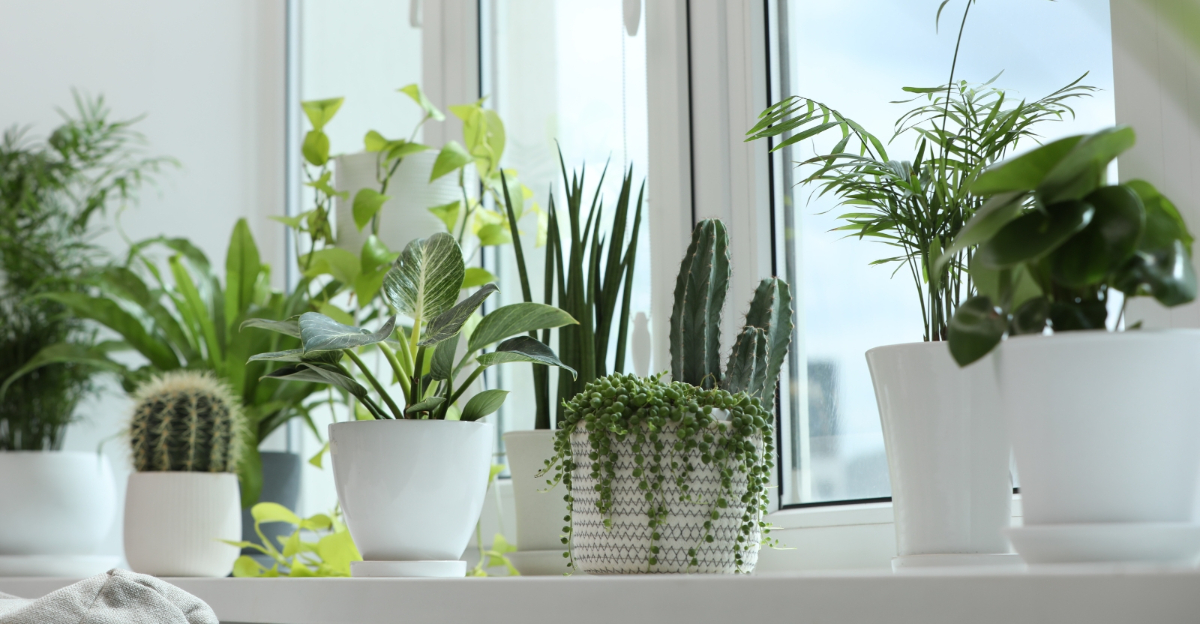
Bright, indirect light sounds easy to achieve, yet many Illinois homes quietly struggle to provide the kind of light houseplants actually need to grow well.
Window direction, winter sun angles, and shorter daylight hours all reshape how light behaves indoors across the state.
What feels bright to the human eye often isn’t strong or consistent enough once light filters through glass, walls, and nearby buildings.
Illinois homes rely less on perfect windows and more on thoughtful placement to create usable light for plants. Small adjustments often make a bigger difference than buying new lights or rearranging an entire room.
Seasonal shifts mean light conditions change throughout the year, even in the same spot.
Reflected light from pale walls, ceilings, and nearby surfaces quietly boosts brightness without exposing plants to harsh sun.
Sheer curtains, spacing from windows, and room depth all influence how indirect light spreads.
Understanding how Illinois homes naturally soften and diffuse sunlight makes it far easier to keep houseplants healthy, steady, and thriving long term.
1. Placing Plants Near East-Facing Windows
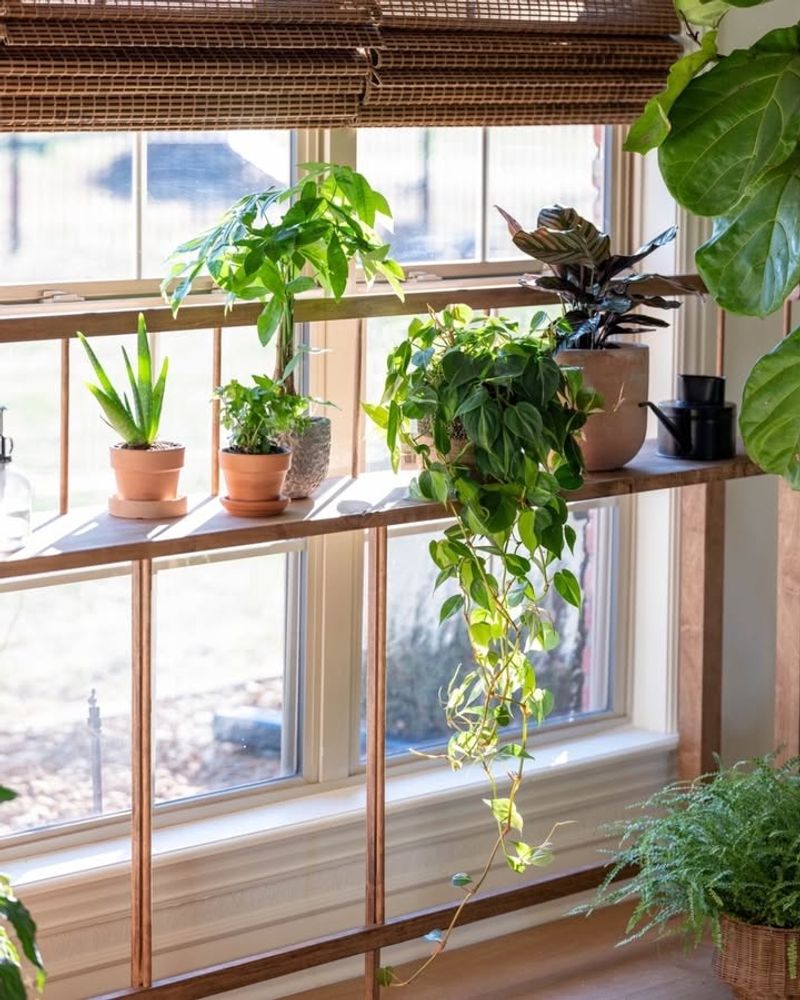
Morning sun is softer than the intense afternoon rays that beat down on southern exposures. East-facing windows in Illinois homes offer a gentle glow that wakes plants up without scorching their leaves.
This direction gives your greenery several hours of mild brightness before the sun moves overhead.
Plants like pothos, ferns, and peace lilies appreciate this kind of exposure because it mimics the dappled light they’d get under a forest canopy. You won’t see the crispy brown edges that come from too much direct heat.
Instead, leaves stay lush and vibrant.
In cities like Naperville or Rockford, east windows often face quieter streets or backyards, which means fewer obstructions blocking the light. Even a small sill can become a thriving plant shelf.
Just make sure the glass stays clean so every bit of that morning glow gets through.
During Illinois summers, the early light is cooler and less likely to overheat your space. Your plants get what they need without turning your living room into a sauna.
It’s a win for comfort and growth.
Try grouping several pots together near an east window to create a mini indoor garden. The shared humidity and light make each plant happier.
You’ll notice faster growth and deeper green tones as the weeks go by.
2. Using Sheer Curtains To Soften Direct Sun
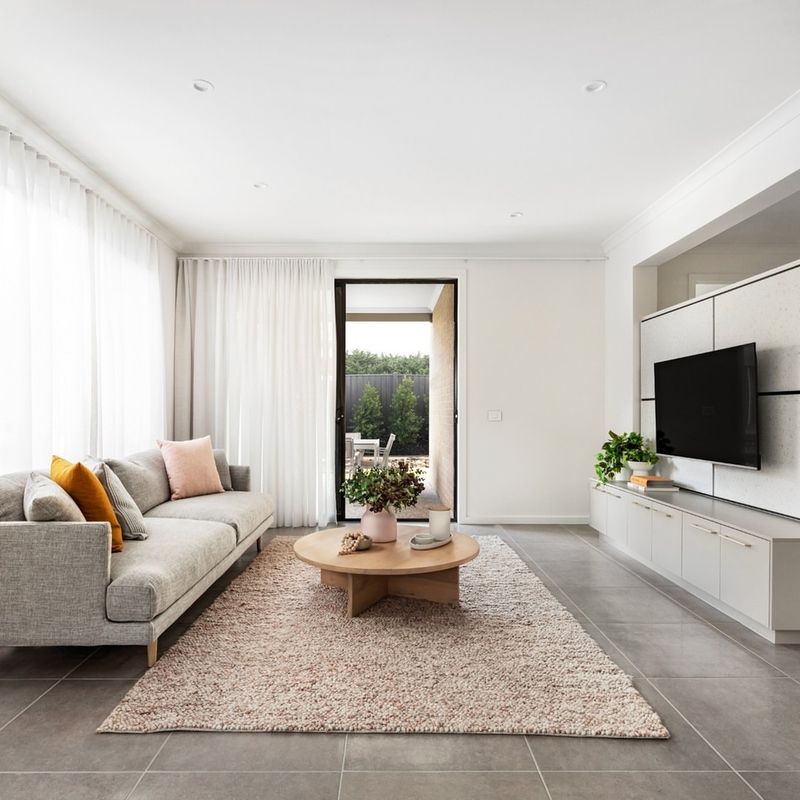
Fabric can work magic when it comes to filtering harsh rays. A simple sheer curtain acts like a natural diffuser, spreading light evenly across your room without creating hot spots.
This trick is especially useful in Illinois homes with large south or west windows that let in intense afternoon sun.
Think of sheer curtains as sunglasses for your plants. They cut the glare but still let plenty of brightness through.
Delicate species like calatheas and African violets thrive in this softer environment because they’re not built to handle direct exposure.
In towns like Champaign or Peoria, where summer sun can be relentless, hanging a lightweight curtain makes a noticeable difference. You won’t need to move your plants away from the window or worry about leaf burn.
Your Illinois Garden Changes Every Week. Your Plan Should Too.
Gardening in Illinois changes quickly throughout the season. Every Friday you’ll receive a simple weekly plan showing exactly what to plant, prune, fertilize, harvest, and protect so you never miss the right timing.
The fabric does the work for you.
Sheer materials come in many styles, so you can match your decor while protecting your greenery. White or cream tones reflect extra light around the room, brightening corners that might otherwise stay dim.
Your plants benefit from the glow, and your space feels more open.
Swap out heavier drapes for something breezy during the growing season. You’ll see healthier foliage and fewer stressed-out plants.
It’s a simple change that pays off in lush, happy leaves.
3. Pulling Plants Back From South Windows
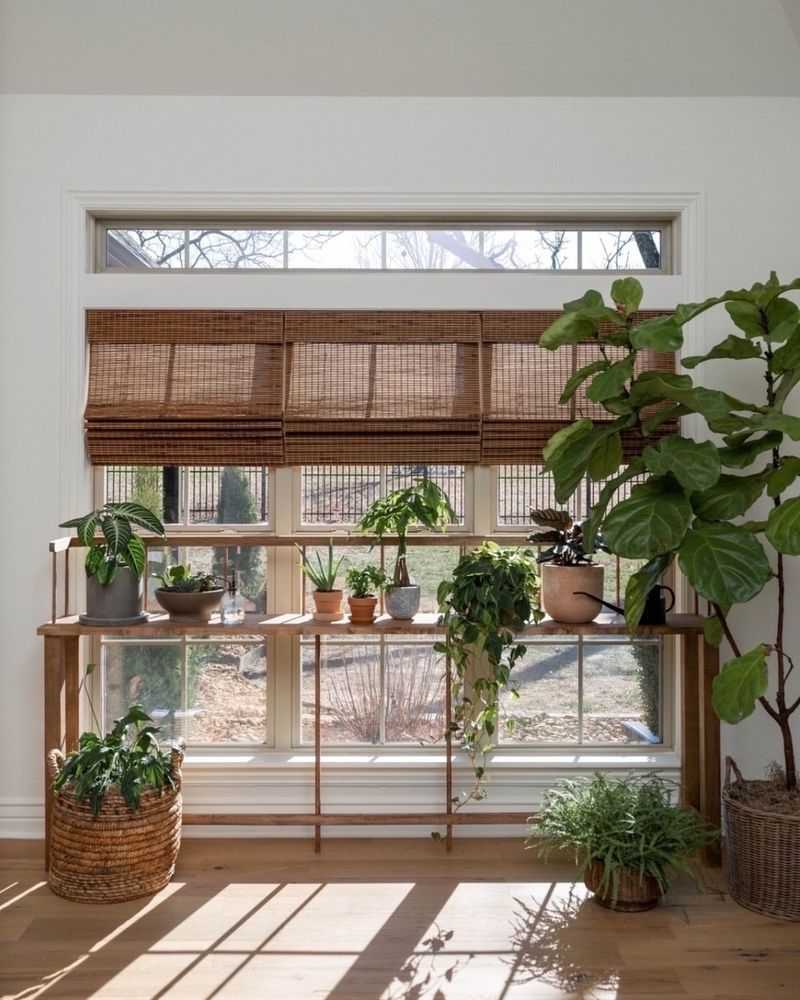
South-facing glass lets in the strongest, most consistent light all day long. While that sounds ideal, it can actually be too much for many indoor plants.
Leaves that sit right against the pane can overheat and develop brown patches or faded color.
Moving your pots a few feet back from the window gives them the brightness they crave without the burn. In Illinois, where summer sun can be surprisingly intense, this small adjustment makes a big difference.
Your plants still get plenty of energy for photosynthesis, just without the stress.
A plant stand or side table positioned three to five feet away from a south window creates the perfect setup. The light spreads out by the time it reaches your greenery, so it’s bright but not scorching.
Rubber plants, snake plants, and philodendrons all do well in this arrangement.
In cities like Aurora or Joliet, where homes often have generous southern exposures, this tip helps you make the most of natural light. You won’t need to close blinds or keep plants in the dark.
Instead, you’re finding the sweet spot that keeps everything thriving.
Watch your plants for signs of stress like drooping or fading. If they perk up after you move them back a bit, you’ve found their happy place.
Adjust as needed throughout the year to match changing sun angles.
4. Letting Light Reflect Off Pale Walls
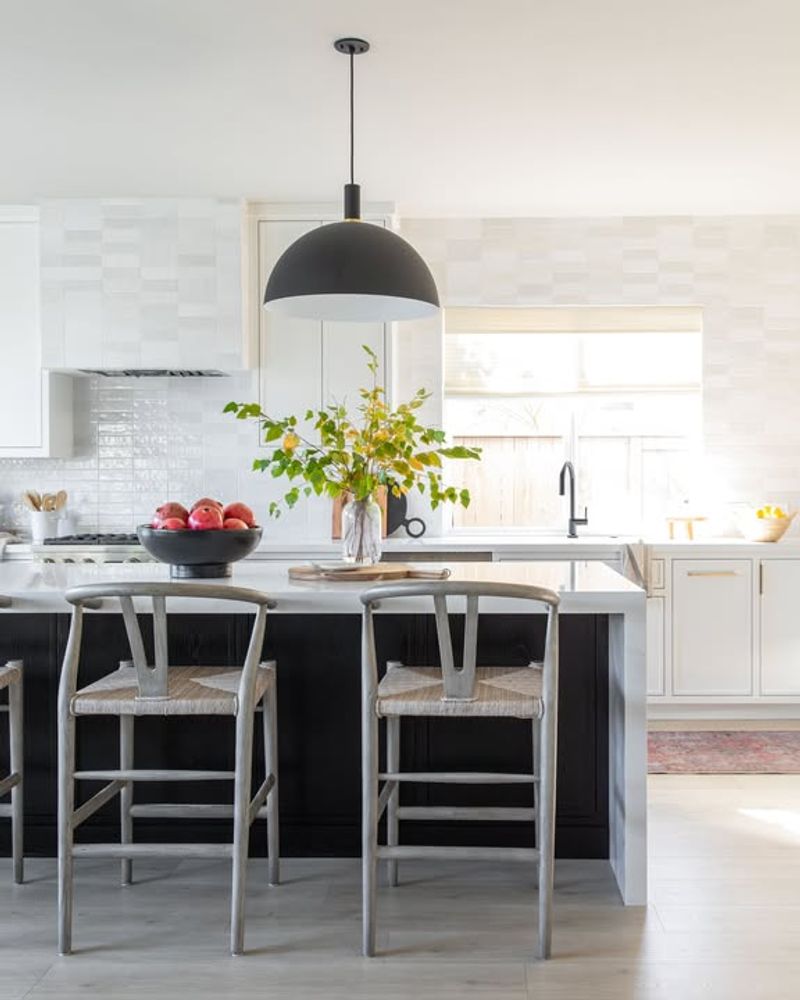
Color matters more than you might think when it comes to indoor gardening. Light-colored walls bounce brightness around your room, turning a single window into a much more effective light source.
In Illinois homes with limited natural light, this trick can double the glow your plants receive.
White, cream, or soft gray paint acts like a mirror, reflecting rays back toward your greenery. Dark walls absorb light instead of bouncing it, which means your plants miss out on valuable energy.
A fresh coat of pale paint can transform a dim corner into a plant-friendly zone.
In older homes around Springfield or Decatur, where rooms might be smaller or windows fewer, this strategy really shines. You don’t need to knock down walls or add skylights.
Just a simple paint job can make your space feel brighter and more open.
Even adding a white bookshelf or light-colored furniture near your plants helps amplify the available light. Every surface that reflects rather than absorbs gives your greenery a boost.
You’ll notice stronger growth and healthier leaves as a result.
Pale walls also make your home feel more airy and inviting, which is a bonus beyond just plant care. It’s a design choice that benefits both you and your indoor garden.
Consider repainting one wall as a test to see the difference it makes.
5. Keeping Windows Clean In Winter Months
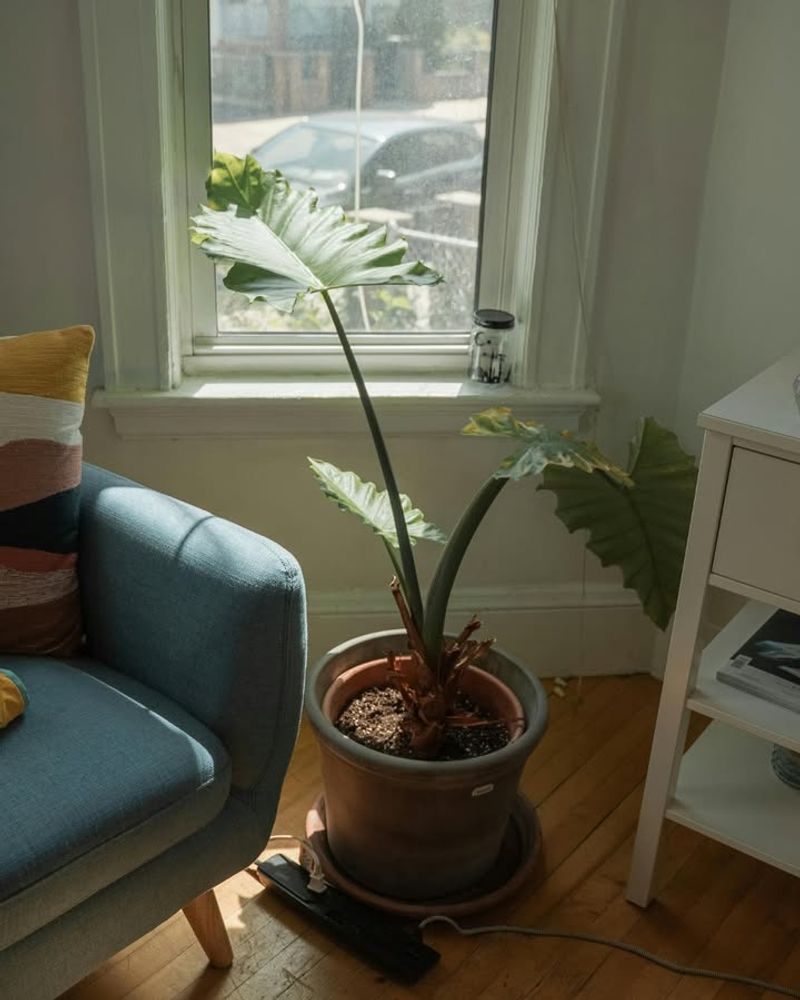
Illinois winters bring shorter days and weaker sun, which means every bit of light counts. Dirty windows block more brightness than you’d expect, sometimes cutting available light by a third or more.
A quick wipe-down can make a huge difference for your plants during the coldest months.
Dust, grime, and salt spray from winter roads all build up on glass over time. When you clean your windows inside and out, you’re giving your plants access to the full spectrum of available light.
It’s like opening a door they didn’t know was closed.
In cities like Chicago or Evanston, where lake effect weather leaves windows grimy, regular cleaning becomes even more important. Your plants are already struggling with less daylight, so don’t let dirty glass make things worse.
A clean window lets in the maximum amount of brightness.
Use a simple vinegar-and-water solution or a streak-free cleaner to get the job done. You don’t need fancy products, just a commitment to wiping down your glass every few weeks.
Your plants will reward you with healthier growth and fewer signs of stress.
Pay special attention to windows where your plants spend the most time. Even a thin film of dirt can reduce light transmission significantly.
Once you see the difference clean glass makes, you’ll wonder why you didn’t do it sooner.
6. Raising Plants Onto Stands Or Shelves
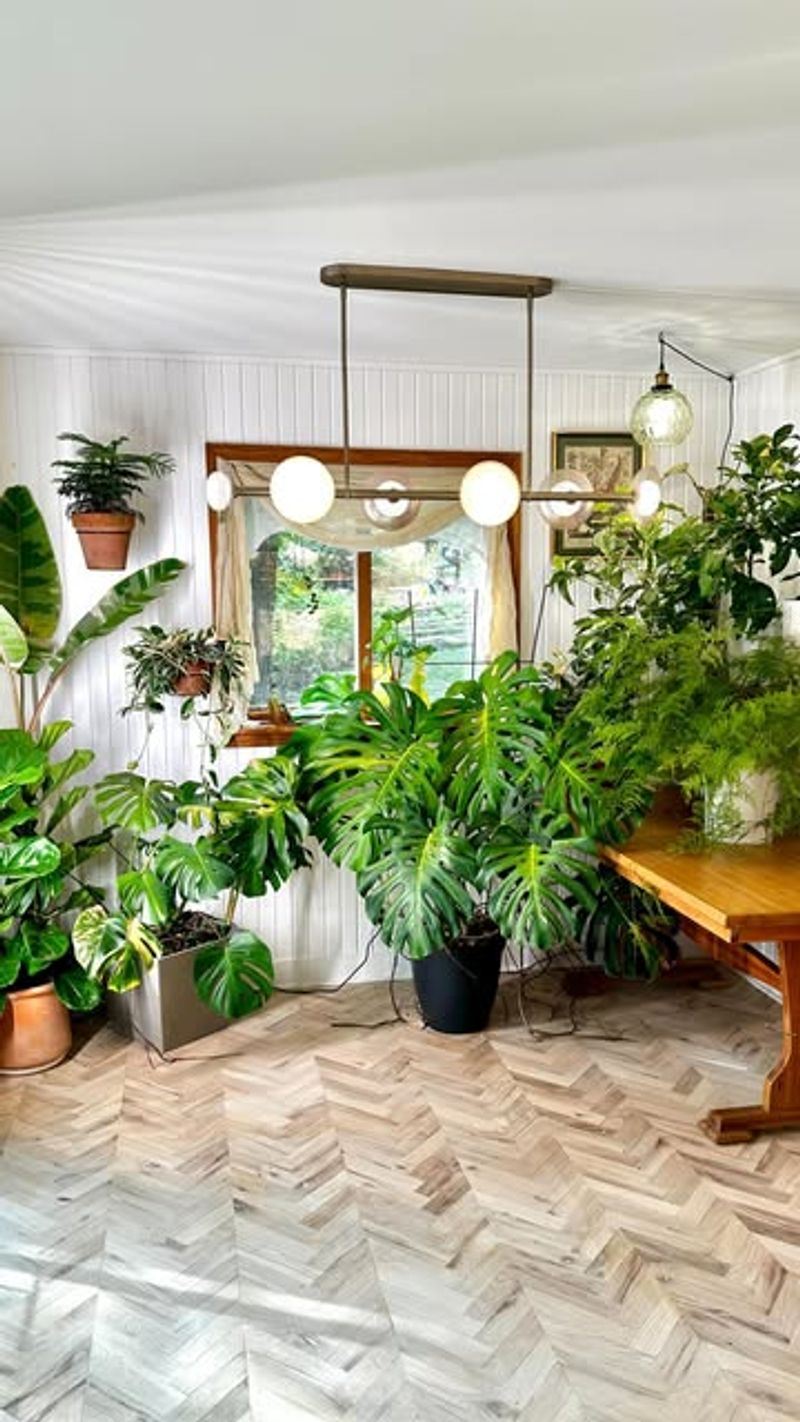
Height changes everything when it comes to light exposure. Plants sitting on the floor often end up in shadows cast by furniture or windowsills.
Lifting them onto a stand or shelf brings them closer to the source of brightness, which can turn a struggling plant into a thriving one.
In Illinois homes with standard-height windows, raising pots even a foot or two makes a noticeable difference. Light streams in at an angle, so plants positioned higher catch more of it.
You’re essentially moving them into the path of the sun without changing the window itself.
A simple wooden stand or a set of floating shelves can transform your plant setup. In cities like Bloomington or Urbana, where homes might have older, smaller windows, this vertical approach maximizes every inch of available light.
Your plants get the brightness they need, and your space looks more intentional and styled.
Shelves also let you layer plants at different heights, creating a lush, cascading effect. Trailing plants like string of pearls or ivy look especially beautiful when they can drape down from an elevated spot.
You’re working with the architecture of your home to give your greenery the best possible conditions.
Make sure your stands and shelves are sturdy enough to hold the weight of pots and soil. Safety matters, especially if you have pets or kids.
Once everything is secure, you’ll see your plants perk up as they soak in the extra light.
7. Rotating Pots To Balance Light Exposure
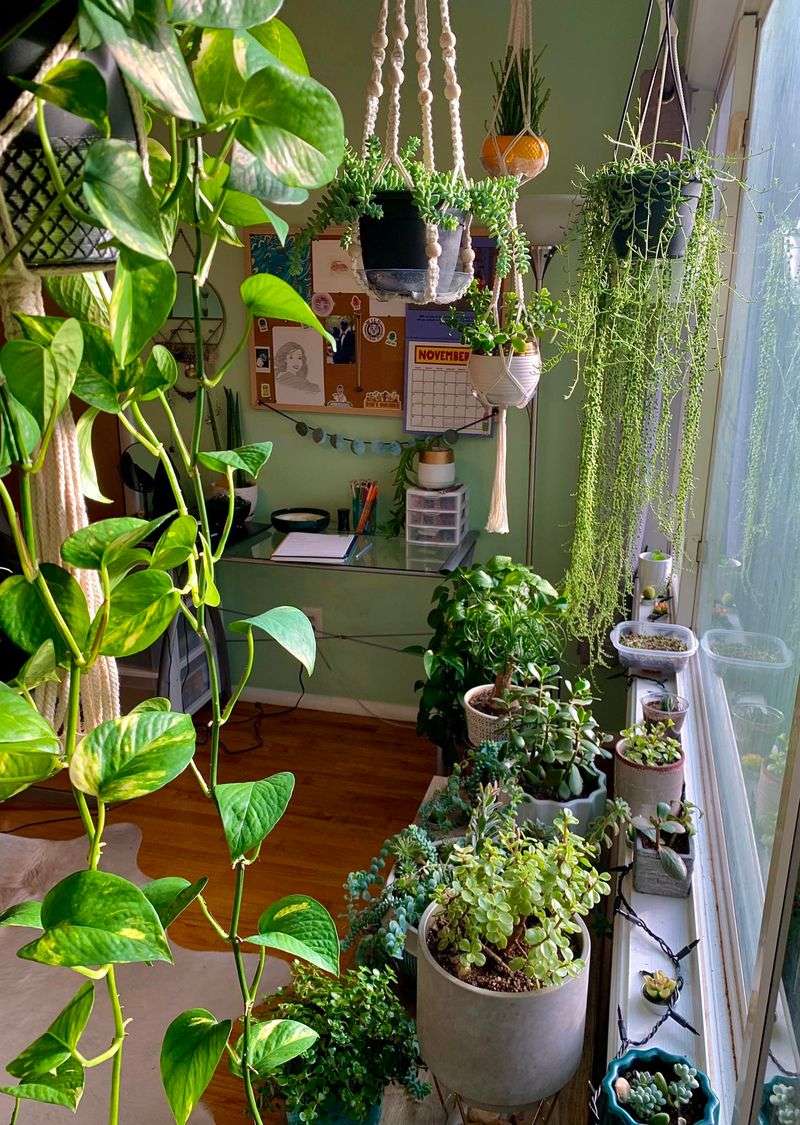
Plants naturally grow toward the light, which can make them lopsided if they always face the same direction. Rotating your pots every week or two keeps growth even and prevents one side from stretching while the other stays stunted.
It’s a small habit that makes a big difference in how your plants look.
In Illinois, where the angle of the sun shifts dramatically between seasons, this practice becomes even more important. A plant that leans heavily in winter might straighten out in summer if you keep turning it.
You’re helping it adapt to the changing conditions outside.
Quarter turns work best for most houseplants. Give each pot a 90-degree spin every time you water, and you’ll develop a routine that’s easy to remember.
In towns like Carbondale or Quincy, where homes might have fewer windows, this ensures every leaf gets its share of brightness.
Rotating also helps you spot problems early, like pests or yellowing leaves on the back side of the plant. You’re staying connected to your greenery and catching issues before they become serious.
It’s a form of plant care that goes beyond just watering and feeding.
Some plants, like succulents and cacti, benefit even more from regular rotation because they’re so light-sensitive. You’ll notice more symmetrical growth and healthier color across the entire plant.
It’s a simple step that shows you’re paying attention to their needs.
8. Avoiding Dark Corners That Steal Light
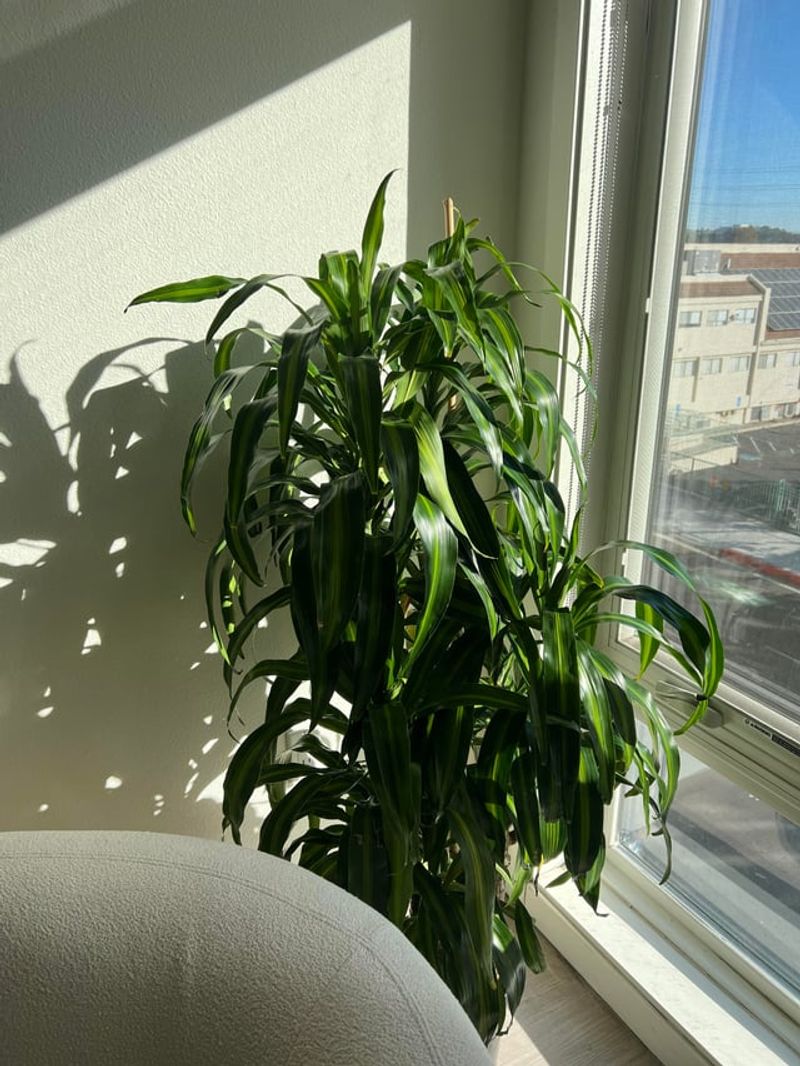
Every home has spots where light just doesn’t reach. These dark corners might look cozy, but they’re terrible for plants that need bright, indirect exposure.
Even low-light species struggle in true darkness, so it’s important to know where the boundaries are in your Illinois home.
Walk through your rooms at different times of day and notice where shadows fall. Corners blocked by furniture, hallways far from windows, and spaces behind doors rarely get enough brightness for healthy growth.
Recognizing these zones helps you avoid placing plants where they’ll languish.
In cities like Moline or Galesburg, where older homes often have smaller, fewer windows, these dark spots can take up a surprising amount of space. Instead of forcing plants into those areas, focus on the brighter zones near windows or under skylights.
Your greenery will thank you with vigorous growth.
If you love the idea of plants in every room, consider using low-light tolerant species like ZZ plants or pothos in the dimmer areas. They won’t thrive as much as they would in brighter spots, but they can survive.
Save your light-hungry plants for the sunniest locations.
Dark corners can still be useful for decorative pots or faux plants if you want the look without the care. Real plants, though, need light to photosynthesize and grow.
Respect their needs by giving them the brightness they require to truly flourish.
9. Adjusting Placement As Seasons Change
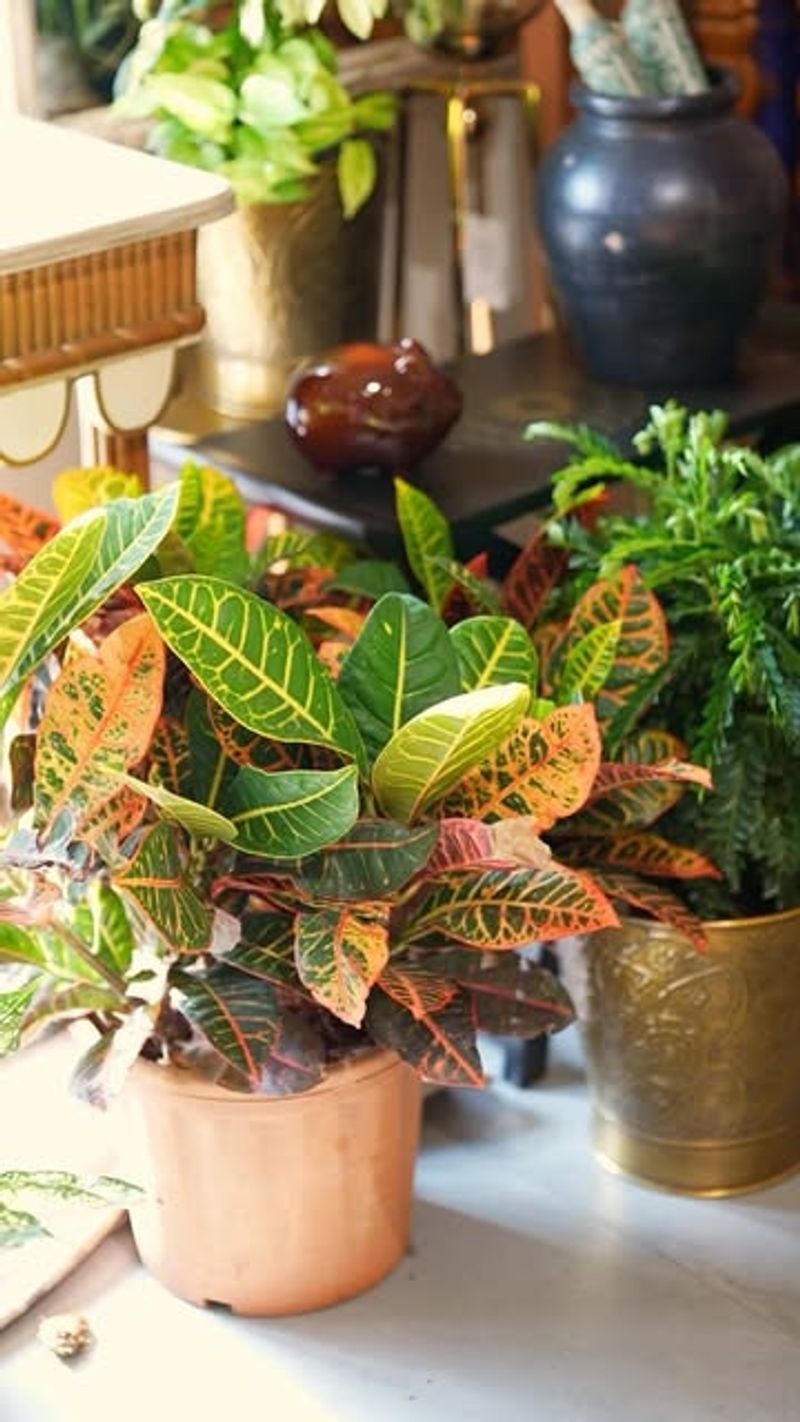
Light in Illinois shifts dramatically from season to season. Summer sun sits high in the sky and floods rooms with brightness, while winter sun stays low and weak.
Your plants need different placements throughout the year to get the right amount of light without stress.
In summer, you might need to move plants back from windows or add sheer curtains to prevent burn. Come winter, those same plants might need to move closer to the glass to catch every available ray.
Paying attention to these changes keeps your greenery healthy year-round.
In cities like Springfield or Rockford, where seasonal temperature swings are intense, this flexibility becomes crucial. A plant that thrives in a certain spot in June might struggle there in December.
Being willing to rearrange your setup shows you’re tuning in to your plants’ needs.
Keep notes on where each plant does best during different times of year. Over time, you’ll develop a rotation system that works for your home and your collection.
This knowledge makes you a better plant parent and helps your indoor garden flourish through every season.
Don’t be afraid to experiment with new locations as the light changes. A plant that looks sad in one spot might perk up just a few feet away.
Flexibility and observation are your best tools for creating the perfect environment in your Illinois home.