10 Houseplants You Should Avoid Growing Inside Illinois Homes
Some houseplants look harmless on the shelf but become a constant struggle once they’re placed inside Illinois homes.
Indoor conditions here change dramatically with the seasons, and not every plant can handle that shift gracefully.
Cold winters, dry indoor air, and limited daylight quietly create stress that certain plants never recover from.
What starts as slow growth often turns into dropped leaves, discoloration, or constant decline that feels impossible to fix.
Many of these plants fail not because of poor care, but because Illinois interiors work against their natural needs. Even experienced plant owners get caught off guard by this.
Heating systems and sealed windows remove the humidity and airflow some plants depend on to stay stable.
Instead of thriving, these houseplants demand constant adjustment and still struggle to adapt.
Knowing which plants are better left out of Illinois homes saves time, money, and a lot of unnecessary frustration.
1. Fiddle Leaf Fig
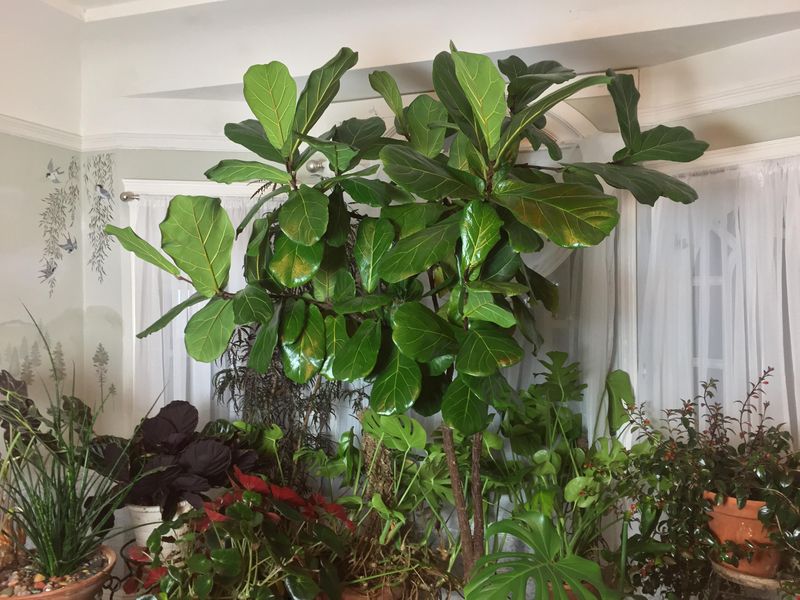
Many people fall in love with the dramatic look of large, glossy leaves that make a bold statement in any room. However, keeping one happy indoors requires more effort than most Illinois homeowners expect.
These plants demand bright, indirect light for several hours each day, which can be hard to provide during the state’s long, cloudy winters. Without enough light, leaves start to drop, leaving bare branches and disappointment.
Humidity is another major challenge. Central heating dries out indoor air during cold months, and this plant craves moisture in the atmosphere.
Low humidity causes brown edges and crispy leaf tips that ruin the plant’s elegant appearance.
Temperature swings also create problems. Illinois homes experience drafts from windows and doors, especially in older buildings.
Sudden cold or hot air stresses the plant, causing more leaf loss.
Watering becomes a guessing game. Too much water leads to root rot, while too little causes wilting and browning.
Finding the right balance is difficult, even for experienced plant owners.
Pests like spider mites thrive in dry indoor conditions, attacking weakened plants. Once an infestation starts, it spreads quickly and becomes hard to control.
Growth is slow, and recovery from damage takes months. A single mistake can set you back significantly, making this plant frustrating for busy households.
Placement matters more than most realize. Moving it even a few feet can trigger stress and leaf drop, limiting your decorating options.
Overall, this plant demands constant attention and perfect conditions that are tough to maintain in Illinois homes.
2. Maidenhair Fern
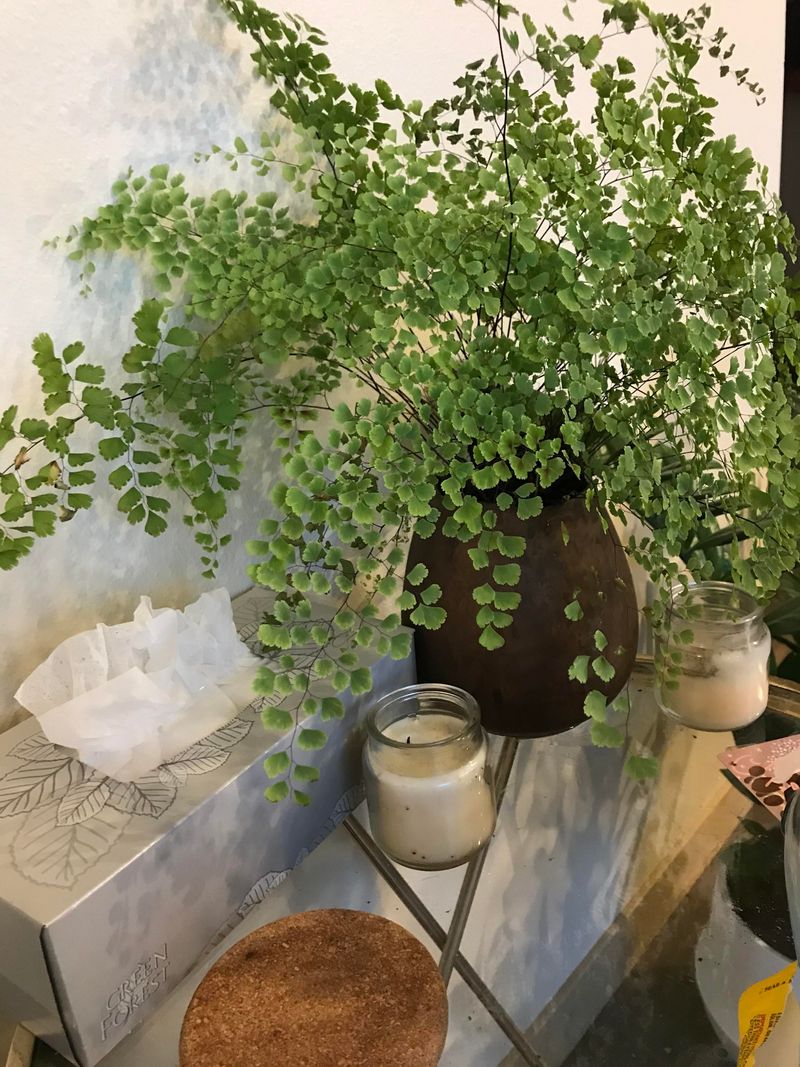
Delicate, lacy fronds create an enchanting look that draws plant lovers in, but this beauty comes with serious maintenance demands. Illinois indoor environments rarely meet its needs naturally.
Consistent moisture is non-negotiable. The soil must stay damp at all times without becoming waterlogged, which requires daily attention.
Miss a watering, and the fronds turn brown and crispy within hours.
High humidity is equally essential. Most Illinois homes, especially during winter heating season, offer humidity levels far below what this fern requires.
Dry air causes rapid foliage decline that looks terrible.
Your Illinois Garden Changes Every Week. Your Plan Should Too.
Gardening in Illinois changes quickly throughout the season. Every Friday you’ll receive a simple weekly plan showing exactly what to plant, prune, fertilize, harvest, and protect so you never miss the right timing.
Indirect light is necessary, but too much or too little causes problems. Finding the perfect spot in your home can be challenging, and the plant won’t tolerate much trial and error.
Drafts from heating vents, air conditioners, or windows are particularly harmful. Even minor temperature fluctuations stress the plant and lead to browning fronds.
Recovery from damage is nearly impossible. Once fronds turn brown, they don’t bounce back.
You’ll need to trim them away, leaving a sparse, unattractive plant behind.
Pests like aphids and mealybugs can attack, especially when the plant is already stressed. Treating infestations without further damaging delicate fronds is tricky.
This fern also grows slowly, so replacing lost foliage takes a long time. Patience wears thin when you’re constantly fighting to keep it alive.
Overall, the effort required to maintain this plant in Illinois homes outweighs its delicate beauty for most people.
3. Calathea
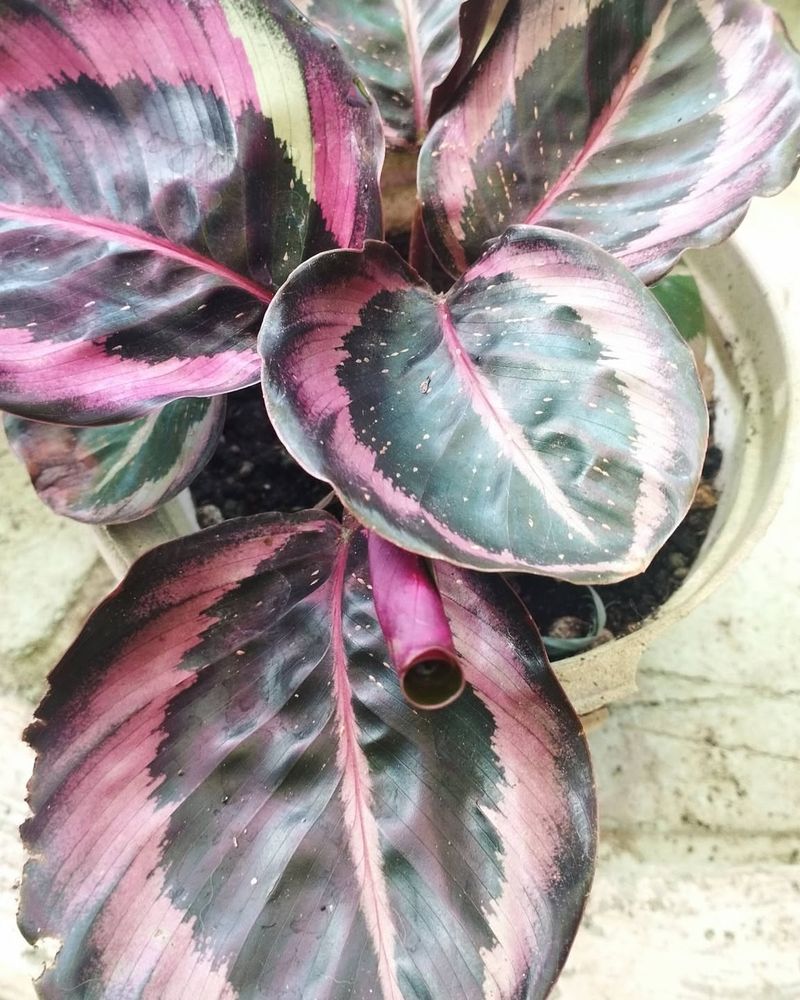
Striking patterns and colorful foliage make this plant a tempting choice for adding visual interest indoors. Unfortunately, its reputation for being finicky is well-deserved, especially in Illinois.
Humidity requirements are extremely high. Central heating and air conditioning systems common in the state create dry conditions that cause leaf edges to brown and curl.
Misting helps only temporarily and isn’t a practical long-term solution.
Water quality matters more than most plants. Tap water in many Illinois areas contains chlorine, fluoride, and minerals that damage leaves, causing spotting and discoloration.
Using filtered or distilled water adds extra cost and effort.
Low light tolerance is limited. While they don’t want direct sun, they need enough brightness to maintain their vibrant patterns.
Illinois winters provide insufficient natural light, leading to faded colors and leggy growth.
Temperature sensitivity is another issue. They prefer stable warmth, but Illinois homes often have cooler rooms and drafty areas.
Cold air causes leaves to droop and lose their crisp appearance.
Pests find stressed plants easy targets. Spider mites, in particular, love dry indoor air and will infest these plants quickly, sucking sap and leaving tiny webs behind.
Leaf movement adds charm but also indicates stress. When conditions aren’t right, leaves stop their daily folding and unfolding, signaling unhappiness that’s hard to reverse.
Fertilizer needs are specific and sensitive. Too much causes burning, while too little leads to poor growth.
Getting it right requires careful measurement and timing.
For Illinois residents, maintaining this plant’s beauty demands more time and resources than most are willing to invest.
4. Gardenia
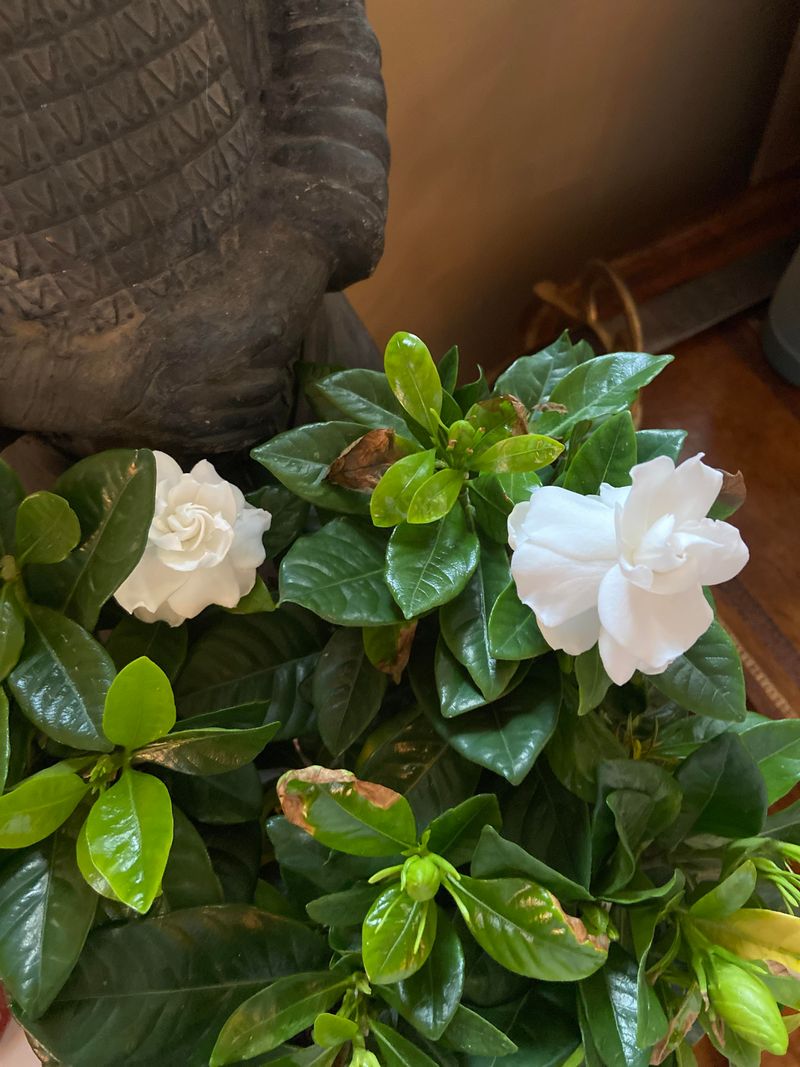
Fragrant white blooms and glossy green leaves make this plant irresistible in garden centers. Bringing one home to Illinois, however, often leads to frustration rather than flowers.
Blooming indoors is difficult because these plants need very specific conditions. Cool night temperatures paired with warm days trigger flower formation, which is hard to replicate inside most homes across the state.
High humidity is critical for bud development. Without it, buds turn brown and drop off before opening, leaving you with no blooms at all despite your best efforts.
Bright light is necessary for flowering, but direct sun through windows can scorch leaves. Finding the right balance in Illinois homes, especially during winter, becomes nearly impossible.
Acidic soil is required, and regular fertilizing with special formulas is essential. Most general houseplant care routines don’t meet these needs, leading to yellowing leaves and poor growth.
Pests like whiteflies and aphids are attracted to stressed plants. Infestations spread quickly indoors where natural predators are absent, requiring chemical treatments that may damage flowers.
Temperature fluctuations common in Illinois homes stress the plant. Drafts from doors, windows, or heating systems cause bud drop and leaf yellowing.
Watering needs are demanding. The soil must stay consistently moist but never soggy, and water quality affects leaf health.
Tap water often causes leaf yellowing due to mineral content.
Even when you do everything right, blooming is unpredictable. Many Illinois plant owners end up with a green plant that never flowers, defeating the purpose of growing it indoors.
5. Banana Plant
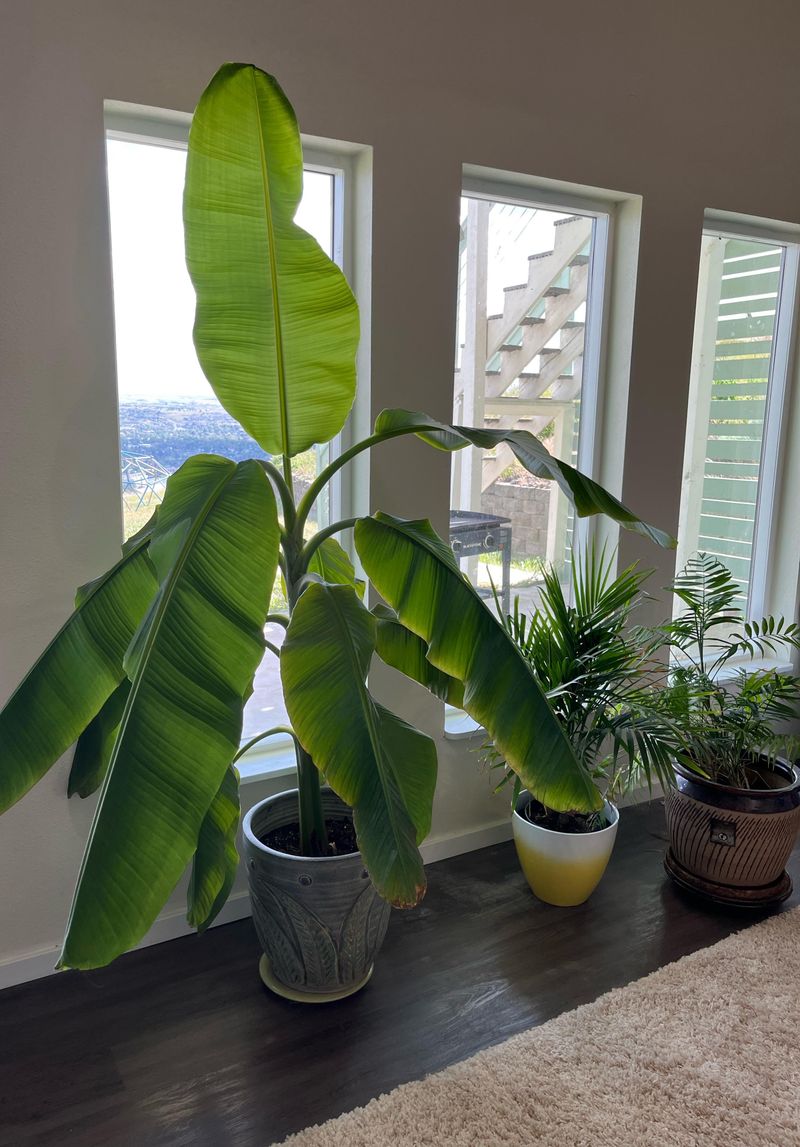
Tropical vibes and large, dramatic leaves create an exotic atmosphere that appeals to many Illinois homeowners. However, the reality of caring for one indoors quickly becomes overwhelming.
Space requirements are significant. These plants grow tall and wide, with leaves that can span several feet.
Most Illinois homes lack the ceiling height and floor space needed for proper growth.
Bright light is essential for healthy leaf development. Without several hours of strong, indirect light daily, leaves become pale and growth slows.
Illinois winters provide insufficient natural light, requiring expensive grow lights.
High humidity is necessary to prevent leaf edges from browning and tearing. Central heating dries indoor air to levels far below what these plants need, causing constant cosmetic damage.
Watering demands are heavy. Large leaves transpire moisture quickly, so the soil dries out fast.
Keeping up with watering needs becomes a daily chore, and missed waterings cause immediate stress.
Rapid growth means frequent repotting. The root system expands quickly, requiring larger containers that take up more space and become difficult to move.
Pests like spider mites thrive on large leaf surfaces, especially in dry indoor air. Inspecting and treating such a big plant becomes time-consuming and frustrating.
Leaf damage is common. Large leaves tear easily from handling, low humidity, or brushing against walls and furniture.
Damaged leaves look unsightly and can’t be repaired.
Overall, the size, care demands, and environmental needs make this plant impractical for most indoor spaces across Illinois.
6. Croton
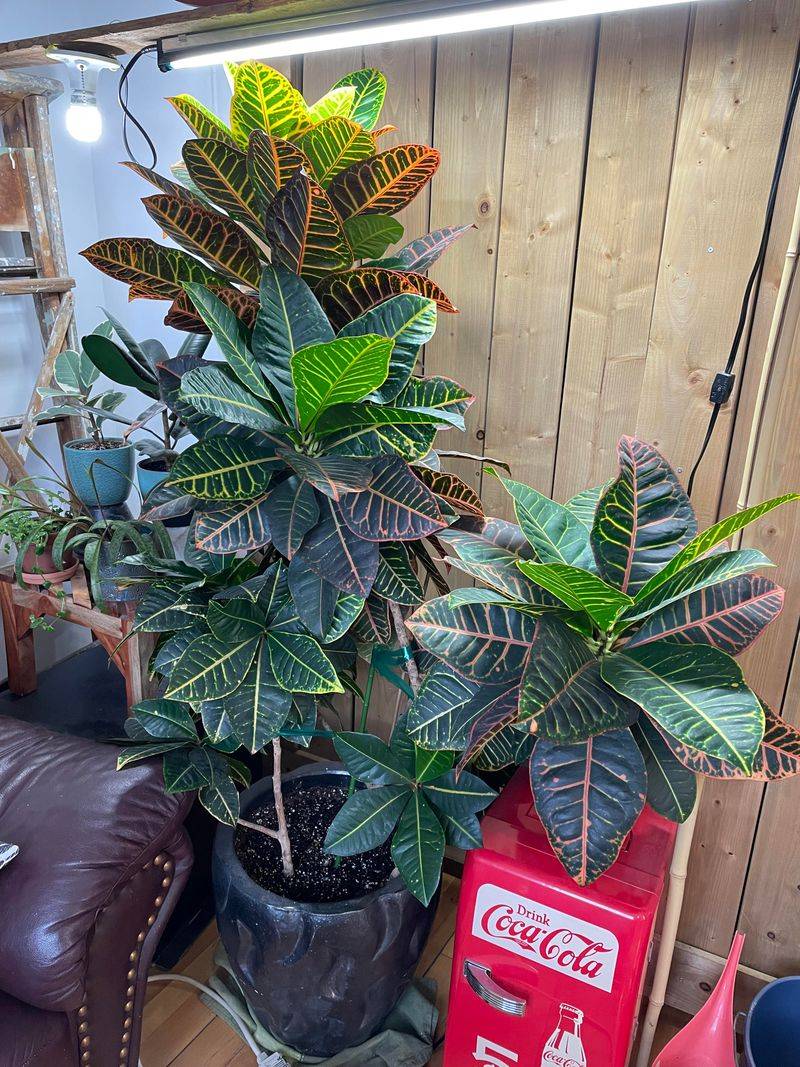
Vibrant colors ranging from yellow to red and orange make this plant a showstopper in stores. Keeping those colors bright indoors in Illinois, though, proves much harder than expected.
Intense light is required to maintain the brilliant leaf coloration. Without very bright, indirect light for most of the day, colors fade to dull green, losing the plant’s main appeal.
Illinois winters provide limited natural light, even near windows. Supplemental lighting becomes necessary, adding expense and hassle to basic care.
Humidity needs are high. Dry indoor air causes leaf drop, which can be dramatic and sudden.
Central heating during cold months creates conditions that stress this plant significantly.
Temperature stability is important. These plants dislike cold drafts and temperature swings common in Illinois homes.
Exposure to chilly air near doors or windows causes rapid leaf loss.
Watering requires attention. The soil should stay evenly moist, but overwatering leads to root problems.
Finding the right balance takes practice and constant monitoring.
Leaf drop is the most frustrating issue. Even with good care, these plants shed leaves regularly indoors, creating mess and leaving bare stems behind.
Pests like spider mites and mealybugs attack stressed plants. Infestations spread quickly among colorful leaves, requiring treatments that may further stress the plant.
Toxicity is a concern for homes with pets or children. The sap can cause skin irritation and stomach upset if ingested, adding worry to the already difficult care routine.
For Illinois plant owners, the effort needed to maintain color and prevent leaf drop makes this plant more trouble than it’s worth indoors.
7. Boston Fern
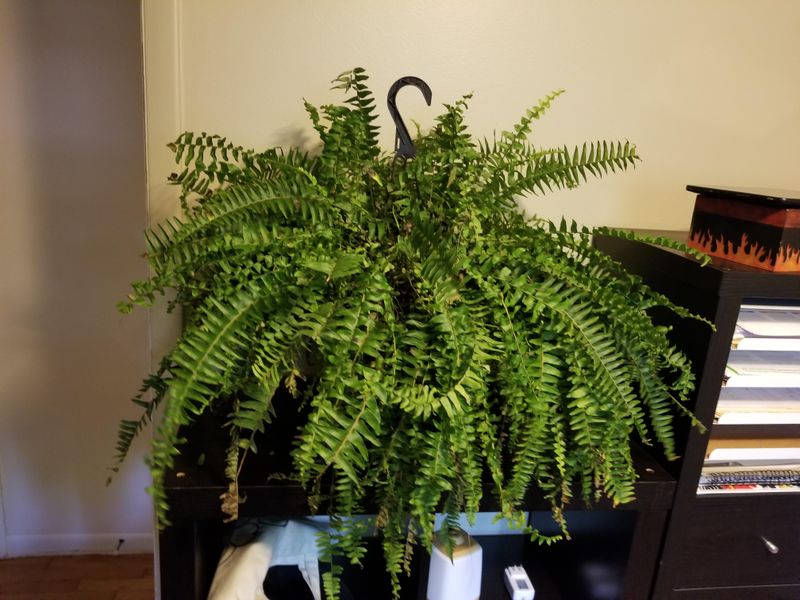
Lush, cascading fronds create a classic look that works well in hanging baskets. However, maintaining that lushness indoors in Illinois requires more dedication than most people can sustain.
High humidity is absolutely essential. These ferns need moisture in the air constantly, which Illinois homes rarely provide naturally.
Dry air causes fronds to turn brown and drop leaflets, leaving bare stems.
Consistent watering is critical. The soil must stay evenly moist without becoming waterlogged, requiring frequent attention.
Missing even one watering causes rapid browning that’s impossible to reverse.
Cool temperatures are preferred, but not cold drafts. Illinois homes often have warm, dry air during winter heating season, which stresses these plants and accelerates moisture loss from fronds.
Bright, indirect light is necessary for healthy growth. Too much direct sun scorches fronds, while too little causes thinning and weak growth.
Finding the right spot can be challenging.
Shedding is constant and messy. Even healthy plants drop small leaflets regularly, creating cleanup work beneath hanging baskets or on furniture.
Repotting is needed frequently as root systems grow quickly. The process is messy and disruptive, and ferns often experience shock afterward, causing more browning.
Pests like scale and mealybugs hide among dense fronds, making detection and treatment difficult. Infestations can become severe before you notice them.
Recovery from stress is slow. Once fronds brown, they don’t green up again.
You’ll need to trim them away, leaving a less attractive plant that takes time to fill back in.
For busy Illinois households, the constant care required to keep this fern looking good becomes exhausting and unsustainable.
8. Bird Of Paradise
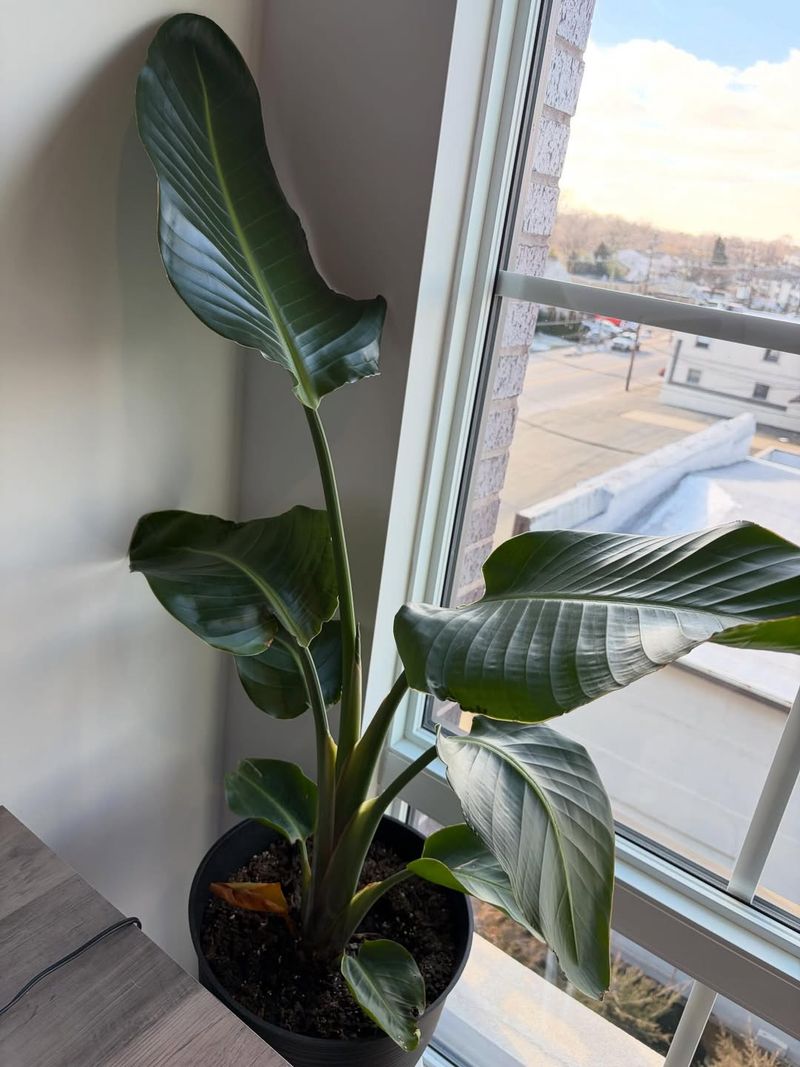
Architectural leaves and the promise of exotic flowers make this plant highly desirable for creating a tropical feel indoors. Illinois conditions, however, rarely support the growth and flowering this plant needs.
Very bright light is essential for healthy leaf development and any chance of flowering. These plants need several hours of direct or very strong indirect light daily, which is hard to provide indoors, especially during winter months across the state.
Space is a major consideration. These plants grow large, often reaching six feet or more in height with a wide spread.
Most Illinois homes lack the room needed for mature specimens.
Flowering indoors is extremely rare. Even with perfect care, blooms are unlikely without the intense light and specific conditions found in greenhouses or tropical climates.
Most people end up with just foliage.
High humidity helps prevent leaf splitting and browning. Central heating creates dry air that causes cosmetic damage, making leaves look ragged and torn even when the plant is otherwise healthy.
Watering needs are significant. Large plants in big pots require substantial water, and the soil must dry slightly between waterings.
Managing this balance becomes tricky, especially in different seasons.
Growth is slow indoors, so any damage or setbacks take a long time to overcome. Patience wears thin when progress is minimal despite consistent effort.
Pests like scale insects hide along leaf veins and stems. Treating large plants is difficult, and infestations can cause significant damage before you notice them.
Overall, the size, light demands, and low likelihood of flowering make this plant a poor choice for most Illinois indoor spaces.
9. Norfolk Island Pine
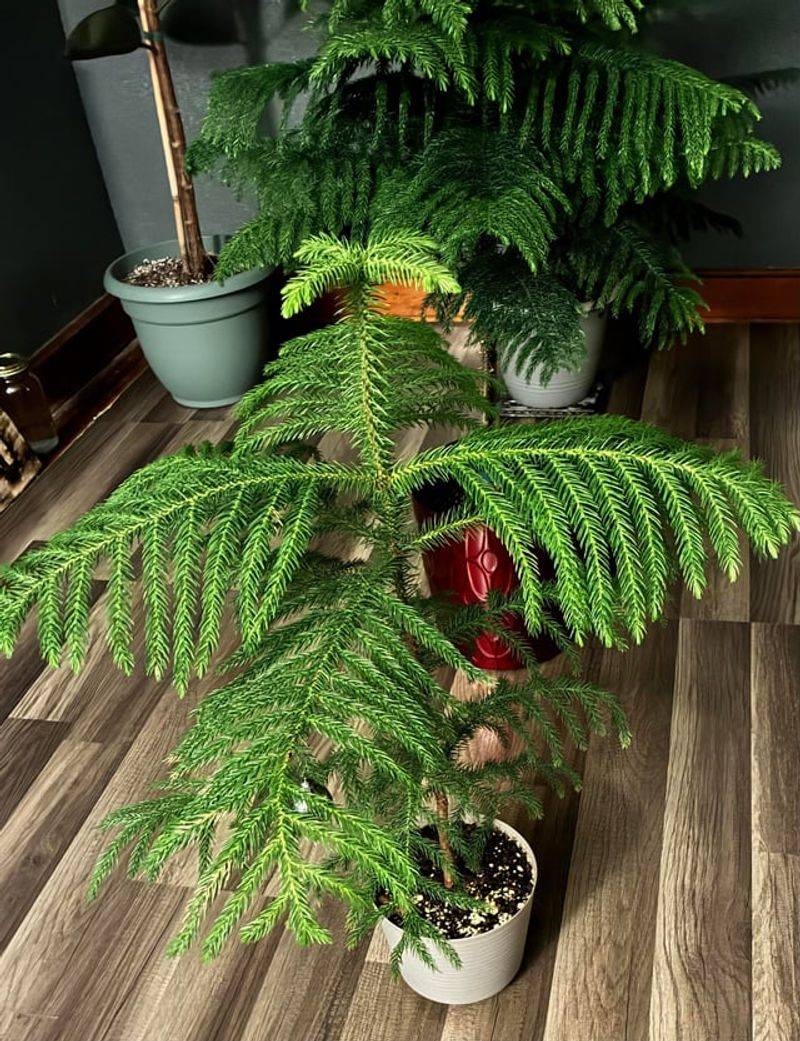
Holiday charm and a tree-like appearance make this plant popular during winter months. Keeping it alive and healthy year-round in Illinois homes, however, proves surprisingly difficult.
Cool temperatures are preferred, ideally between 50 and 65 degrees. Most Illinois homes are kept warmer during winter for comfort, which stresses the plant and causes needles to brown and drop.
High humidity is necessary to prevent needle loss. Central heating dries indoor air to levels that cause rapid browning, starting with lower branches and working upward.
Bright light is essential for maintaining the compact, tree-like shape. Without enough light, branches become sparse and growth turns leggy, ruining the plant’s attractive appearance.
Watering must be consistent. The soil should stay evenly moist but not soggy, and allowing it to dry out completely causes significant needle drop that leaves bare branches.
Needle drop is the most common and frustrating problem. Once needles turn brown and fall off, they don’t grow back on that section of the branch.
Bare spots become permanent.
Pests like spider mites thrive in dry indoor conditions. Infestations cause yellowing and needle loss, and treating the entire plant becomes tedious and time-consuming.
Growth is slow, and damaged branches take years to fill in, if they recover at all. Mistakes in care have long-lasting visual consequences.
Placement is limiting. These plants grow tall and need space, but they also can’t be moved frequently without causing stress and needle drop.
For Illinois residents, the combination of temperature, humidity, and care requirements makes this plant difficult to maintain successfully indoors.
10. Jasmine (Indoor Types)
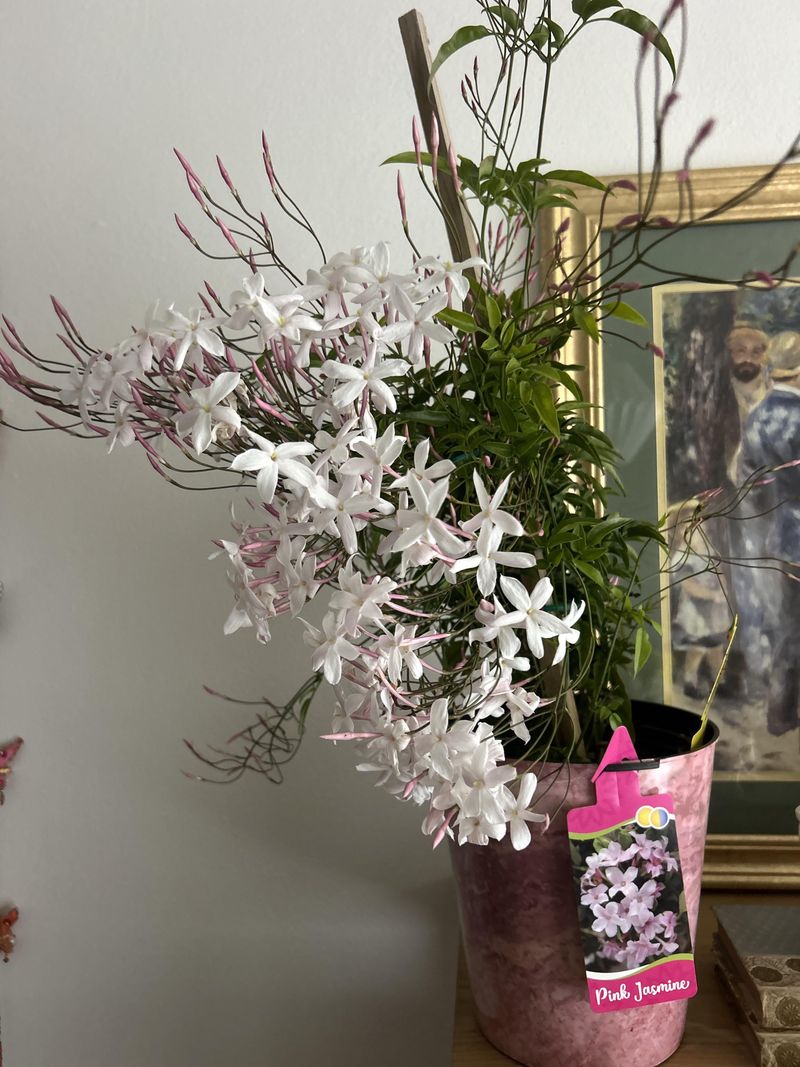
Sweetly scented flowers and climbing vines create romantic appeal that attracts many plant enthusiasts. Growing jasmine indoors in Illinois, however, rarely delivers the blooms and fragrance you’re hoping for.
Flowering requires specific conditions that are hard to replicate indoors. Cool night temperatures combined with warm days and bright light trigger bloom formation, which Illinois homes rarely provide naturally.
Very bright light is essential for flower production. Without several hours of direct or strong indirect light daily, blooming won’t occur, leaving you with just green foliage.
High humidity supports healthy growth and bud development. Dry indoor air common during Illinois winters causes bud drop and leaf yellowing, preventing the flowers you want most.
Temperature fluctuations stress the plant. Drafts from windows, doors, or heating systems cause buds to drop before opening, which is incredibly disappointing after waiting for blooms.
Support structures are necessary for climbing varieties. Setting up trellises or stakes indoors takes space and effort, and vines can become tangled and difficult to manage.
Watering needs change with seasons. During active growth and blooming periods, plants need more water, while dormant periods require less.
Adjusting your routine takes attention and experience.
Pests like aphids and whiteflies are attracted to new growth and flower buds. Infestations can ruin blooms and require treatments that may damage delicate flowers.
Even with perfect care, blooming is unpredictable indoors. Many Illinois plant owners struggle to get any flowers at all, making the effort feel wasted and frustrating.