9 Basil Growing Mistakes Wisconsin Gardeners Often Make
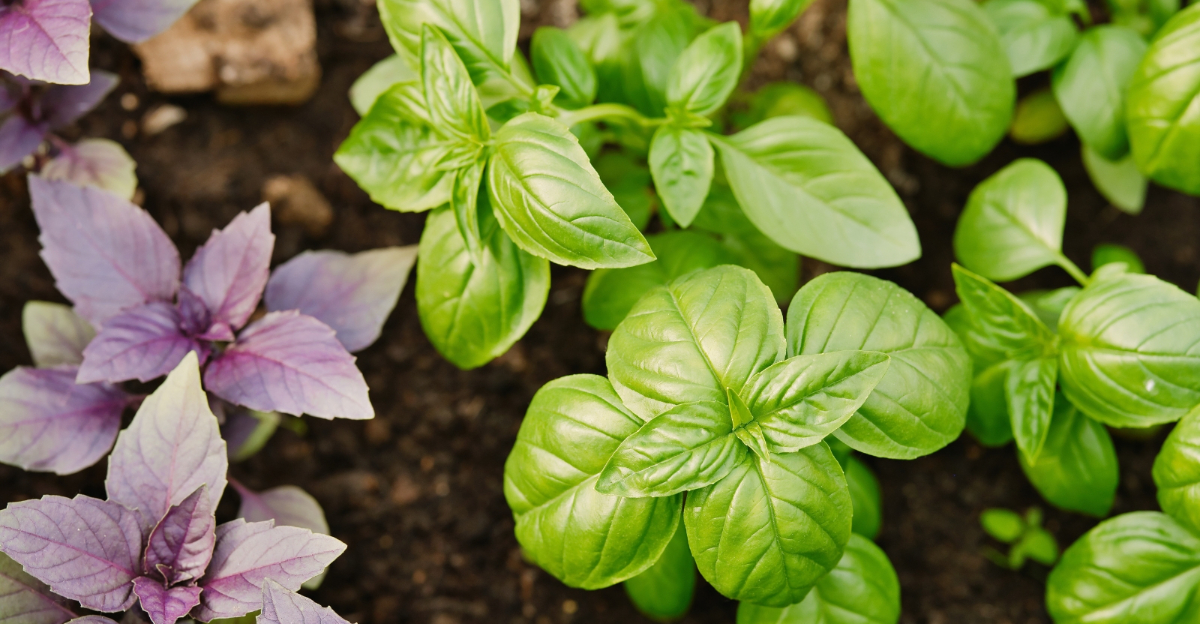
Basil looks simple to grow in Wisconsin, yet it often becomes one of the most frustrating herbs once summer is underway.
The problem isn’t effort or interest, but how quickly basil reacts to small mistakes in timing, watering, and placement.
Cool springs, sudden heat waves, and fluctuating moisture levels all push basil out of its comfort zone.
What starts as strong early growth can stall almost overnight when conditions shift.
Many gardeners assume basil struggles because it’s delicate, when the real issue is how Wisconsin’s climate behaves around it.
A few habits that seem harmless can quietly limit leaf size, flavor, and overall production. These missteps often repeat year after year without being noticed.
Once basil gets stressed, it responds fast and rarely hides the damage.
Understanding the most common growing mistakes makes basil far easier to manage and far more rewarding to grow in Wisconsin gardens.
1. Planting Basil Outdoors Too Early
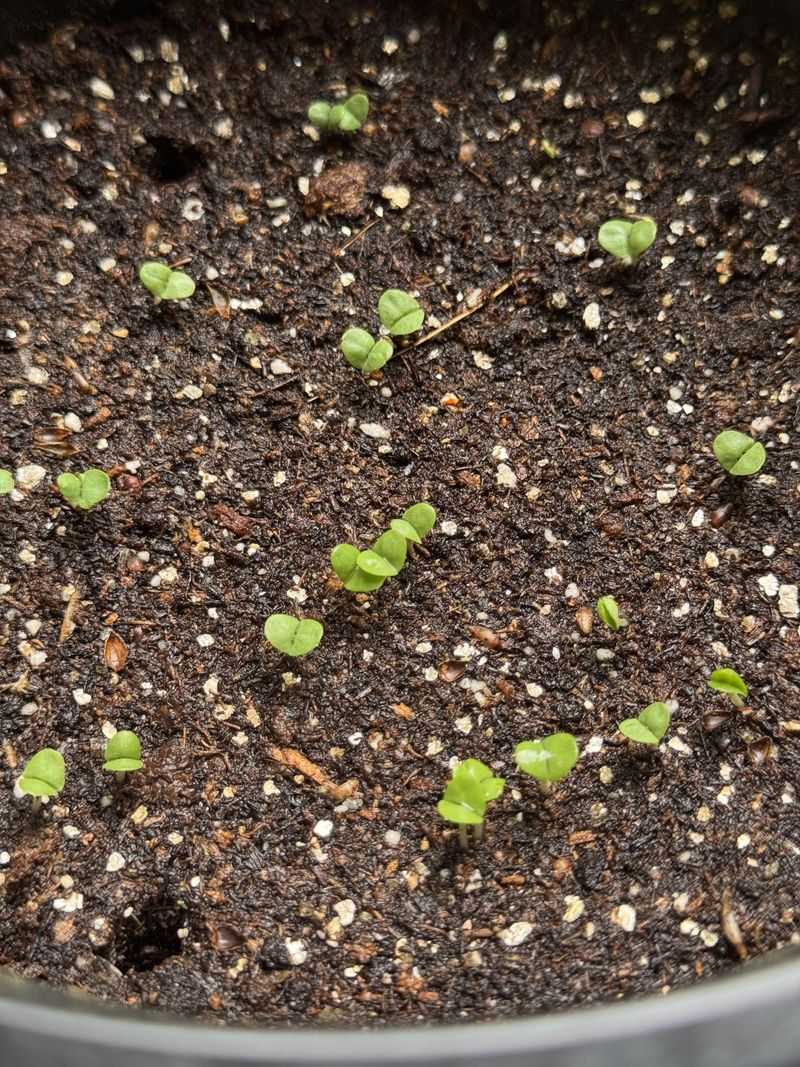
Excitement builds as winter finally loosens its grip on the Midwest, but rushing to plant basil outdoors can backfire quickly. Basil originates from tropical regions and absolutely despises cold soil temperatures.
When you plant before the soil warms to at least 50 degrees Fahrenheit, the seeds simply won’t germinate properly. Even transplants will sit there looking miserable, refusing to grow.
Wisconsin gardeners often see a warm week in April and assume it’s safe to start planting everything. However, basil needs consistent warmth, not just a few sunny days.
The plant’s roots won’t develop in chilly soil, and the entire plant becomes stunted from the start. Waiting until mid-May or even late May makes a huge difference in how your basil performs.
Soil temperature matters more than air temperature for basil success. You can check soil temperature with an inexpensive thermometer from any garden center.
Stick it a few inches into the ground and wait for readings around 60 degrees or higher before planting. Patience pays off with vigorous, fast-growing basil plants.
Starting seeds indoors gives you a head start without risking cold damage. Begin seeds about six weeks before your last expected frost date.
This way, you have healthy transplants ready when outdoor conditions finally cooperate. Indoor starting also extends your harvest season significantly.
Transplants from garden centers need the same warm conditions as seeds. Don’t assume that because stores sell basil early, it’s safe to plant.
Retailers cater to eager gardeners, but that doesn’t mean conditions are ideal. Hold off until nighttime temperatures stay consistently above 50 degrees.
2. Underestimating Cold Nights In Late Spring
Late spring in Wisconsin plays tricks on gardeners with warm afternoons followed by surprisingly cold nights. Temperatures can drop into the 40s or even upper 30s well into May, catching many people off guard.
Basil reacts immediately to these cold snaps, even if frost doesn’t technically occur. The leaves develop black spots, growth stops, and the plant looks stressed for weeks afterward.
Daytime warmth lures gardeners into a false sense of security about planting tender herbs. You might see temperatures reach 70 or 75 degrees during the day and think conditions are perfect.
Your Wisconsin Garden Changes Every Week. Your Plan Should Too.
Gardening in Wisconsin changes quickly throughout the season. Every Friday you’ll receive a simple weekly plan showing exactly what to plant, prune, fertilize, harvest, and protect so you never miss the right timing.
However, nighttime lows tell the real story for basil success. This herb needs consistent warmth around the clock, not just during sunny hours.
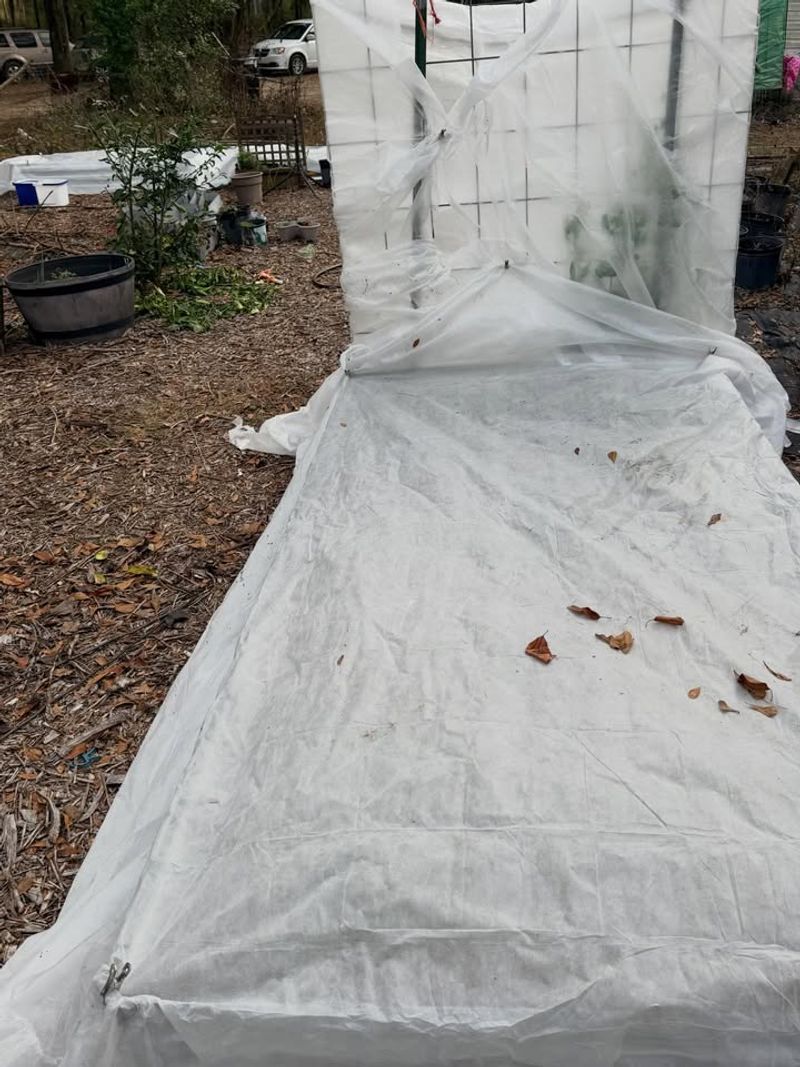
Covering plants on cold nights provides essential protection during unpredictable spring weather. Simple row covers, old sheets, or even upturned buckets work well for small plantings.
Check weather forecasts regularly throughout May and early June in Wisconsin. Being prepared to protect your basil takes just minutes but saves weeks of recovery time.
Container-grown basil offers flexibility that in-ground plants lack during cold snaps. You can easily move pots into a garage, porch, or even indoors overnight when temperatures threaten to drop.
This mobility makes containers ideal for Wisconsin’s variable spring climate. Many gardeners keep basil in pots until mid-June to avoid late-season cold damage entirely.
Microclimates around your property affect how cold different areas get at night. Spots near buildings, especially on south-facing walls, stay several degrees warmer than open garden beds.
Planting basil in these protected locations reduces cold stress naturally. Observing your yard throughout the seasons helps you identify the warmest spots for tender plants.
3. Growing Basil In Heavy, Slow-Draining Soil
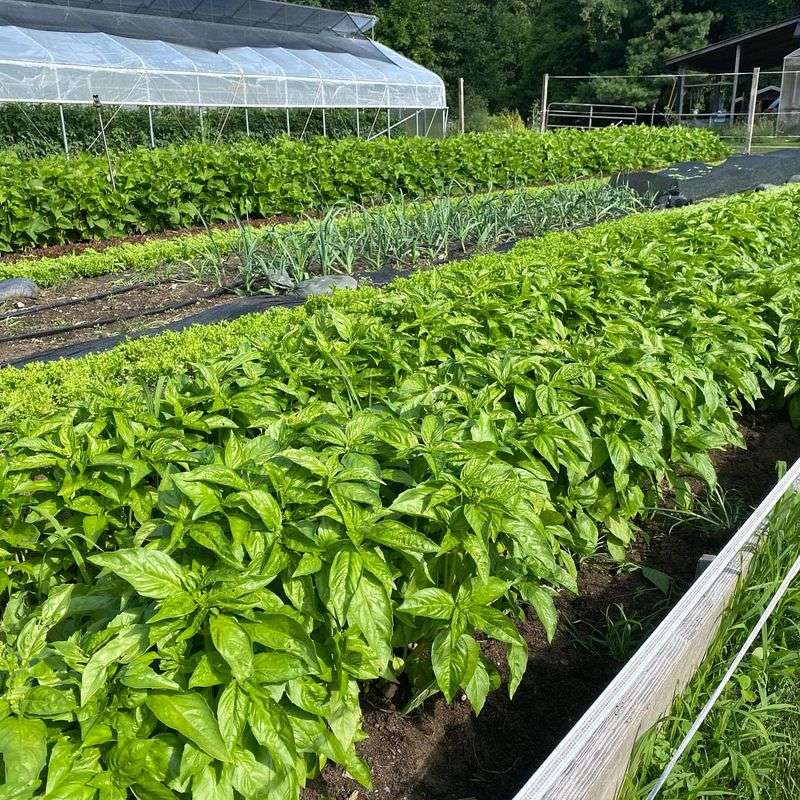
Wisconsin’s clay-heavy soils challenge many plants, and basil ranks among the most sensitive to drainage issues. Heavy soil holds moisture for extended periods, creating conditions where basil roots essentially drown.
The plant needs oxygen around its roots just as much as it needs water. When soil stays soggy, roots can’t breathe properly and begin to rot.
Clay content varies significantly across Wisconsin, with some regions having particularly dense soil. Gardeners in these areas often struggle with basil unless they improve soil structure substantially.
Adding organic matter helps, but sometimes the clay content is so high that raised beds or containers become necessary. Testing your soil’s drainage before planting saves disappointment later.
Simple drainage tests reveal whether your soil suits basil growing. Dig a hole about 12 inches deep, fill it with water, and watch how quickly it drains.
If water remains after an hour, your soil drains too slowly for basil. This quick test prevents you from planting in unsuitable locations where plants will struggle no matter how carefully you tend them.
Amending soil with compost, aged manure, or other organic materials improves drainage considerably. Work these amendments into the top 8 to 10 inches of soil before planting.
The organic matter creates air spaces in heavy clay, allowing water to move through more efficiently. This improvement benefits not just basil but virtually all garden plants.
4. Overwatering During Cool Weather
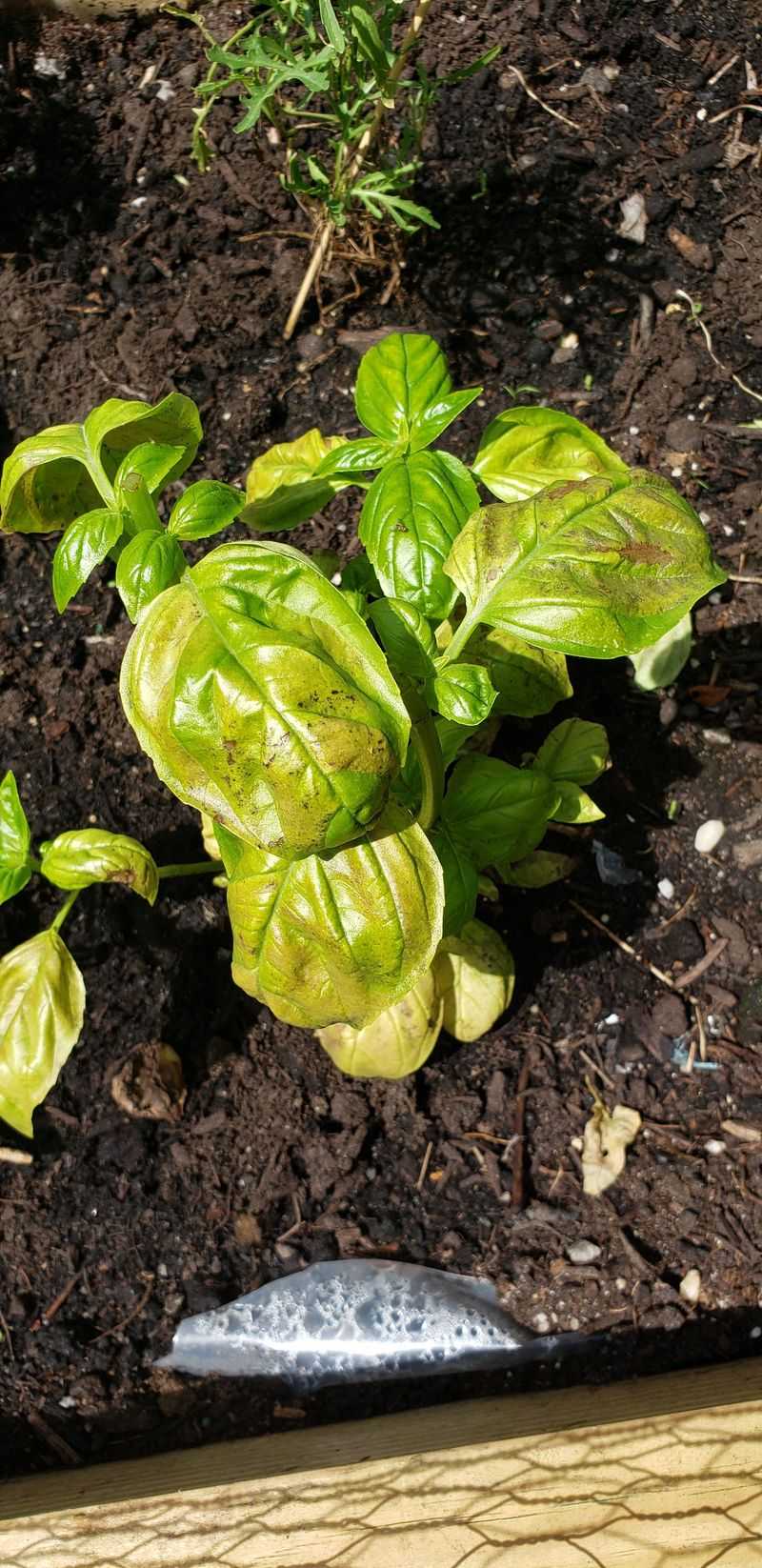
Cool, cloudy stretches are common in Wisconsin during spring and fall, and these periods require adjusted watering practices. Basil uses much less water when temperatures hover in the 60s compared to hot summer days.
Continuing to water on your regular summer schedule during cool weather leads to constantly soggy soil. The plant simply can’t use that much moisture when growth slows.
Gardeners often water on autopilot, following a set schedule regardless of conditions. This approach works reasonably well during consistent weather but fails when temperatures fluctuate.
Basil needs water based on its current growth rate and weather conditions, not a predetermined calendar. Checking soil moisture before watering prevents overwatering mistakes.
Stick your finger about two inches into the soil near your basil plants. If it feels moist, wait another day or two before watering.
Only water when the top couple inches feel dry to the touch. This simple test takes seconds but prevents overwatering damage that can set plants back significantly.
Cool weather also means slower evaporation rates across Wisconsin gardens. Morning dew lingers longer, and soil stays moist for extended periods after rain.
These natural moisture sources often provide enough water for basil during cool spells. Supplemental watering becomes unnecessary and actually harmful when natural moisture is adequate.
Root problems develop quickly when basil sits in wet soil during cool conditions. The plant becomes more susceptible to fungal diseases that thrive in damp, cool environments.
Leaves may yellow and drop, and growth slows to a crawl. Prevention through proper watering is much easier than trying to rescue overwatered plants.
5. Not Giving Basil Enough Sunlight
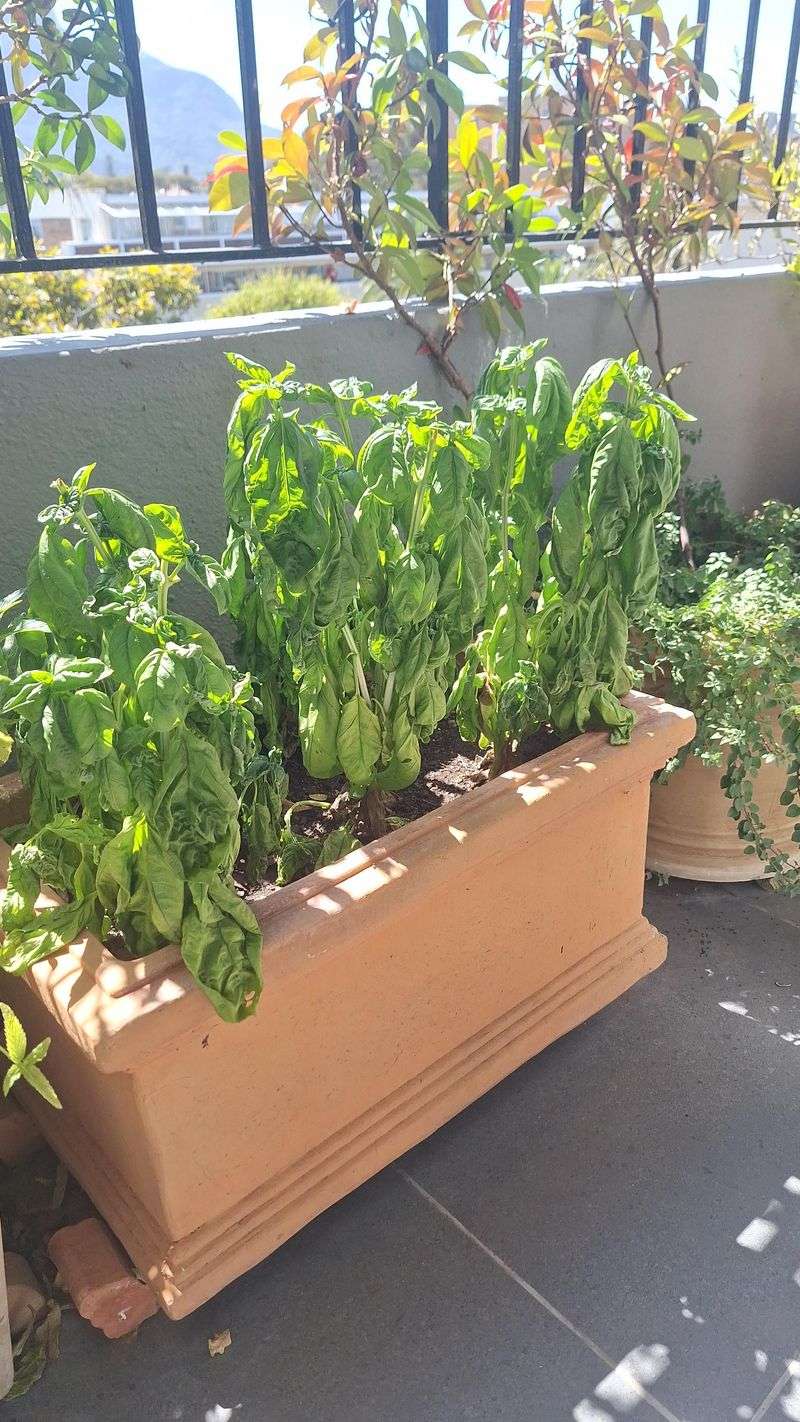
Full sun means at least six to eight hours of direct sunlight daily, and basil absolutely requires this much light in Wisconsin. Gardeners sometimes underestimate how much sun their chosen planting spot actually receives.
Trees, buildings, and fences cast shadows that shift throughout the day and season. What seems sunny in April may be shaded by fully leafed trees come June.
Shaded basil grows tall and leggy as it stretches toward available light. Leaves remain small and sparse, and flavor intensity diminishes noticeably.
The plant puts energy into reaching for light rather than producing the abundant foliage you want for cooking. Even partial shade compromises basil production significantly compared to full sun locations.
Observe potential planting areas at different times throughout the day before committing to a spot. Note when direct sunlight hits the area and how long it lasts.
Morning sun alone isn’t sufficient; basil needs strong afternoon sun as well. Wisconsin’s northern latitude means the sun angle changes considerably between spring and midsummer, affecting shade patterns.
South-facing locations typically receive the most consistent, intense sunlight throughout the growing season. These spots warm fastest in spring and stay warmest through fall.
Positioning basil on the south side of your property or garden maximizes sun exposure. East and west exposures work but provide less total daily sun than southern locations.
Container growing allows you to chase the sun around your property as needed. Move pots to follow sunlight patterns or relocate them if you discover a spot isn’t as sunny as expected.
This flexibility makes containers ideal for yards with limited full-sun areas. Even a sunny patio, deck, or driveway becomes viable growing space for potted basil.
6. Skipping Regular Pinching And Harvesting
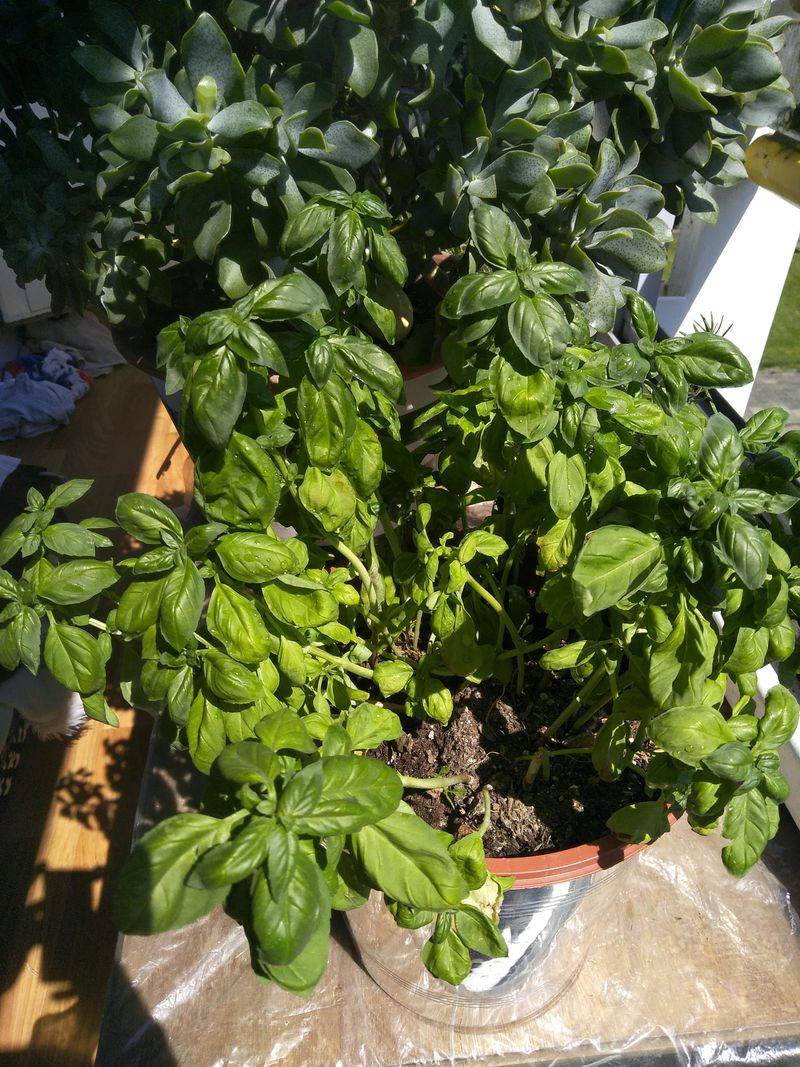
Basil plants want to flower and set seed as their primary biological goal. Left to their own devices, they quickly bolt, producing tall flower stalks instead of bushy leaf growth.
Regular pinching and harvesting override this natural tendency, keeping plants in vegetative growth mode. Wisconsin gardeners who neglect this maintenance end up with sparse, woody plants that produce few usable leaves.
Pinching means removing the growing tip of each stem, typically just above a set of leaves. This simple action forces the plant to branch, creating two new growing points where there was previously one.
Repeated pinching throughout the season creates increasingly bushy plants with exponentially more leaf production. The difference between pinched and unpinched basil is dramatic.
Start pinching when plants reach about six inches tall and have three or four sets of leaves. Remove just the top inch or so of each main stem.
The plant responds within days, sending out new side shoots. Continue pinching every two to three weeks throughout the growing season.
This regular attention keeps basil compact, bushy, and productive.
Harvesting serves the same purpose as pinching while also providing you with fresh herbs. Always cut stems rather than picking individual leaves.
Cut just above a leaf node, where you see small leaves emerging from the main stem. The plant branches from this point, creating more stems and leaves.
This cutting method essentially prunes and harvests simultaneously.
Many Wisconsin gardeners hesitate to cut basil aggressively, fearing they’ll harm the plant. Actually, the opposite is true; frequent cutting strengthens basil and increases yield.
Plants that are never cut become tall and sparse with most leaves at the top. Regularly harvested basil stays compact and produces leaves at every level from bottom to top.
7. Letting Basil Flower Too Soon
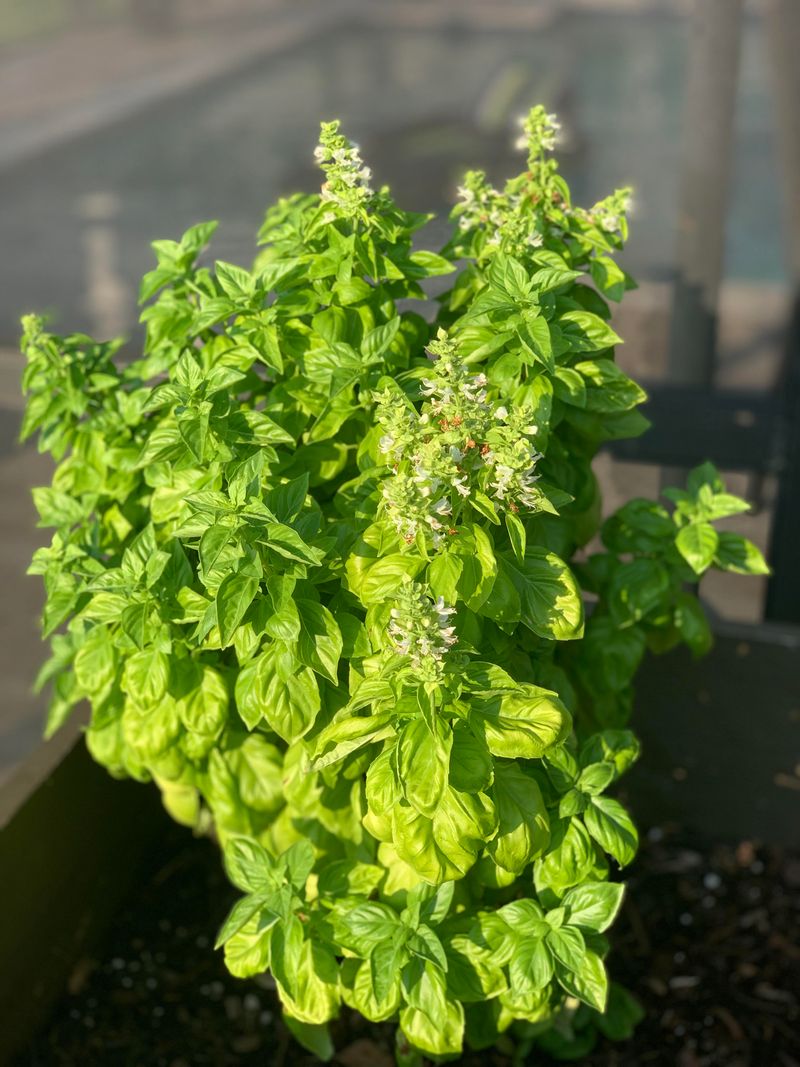
Flower stalks emerging from basil signal a shift in the plant’s priorities from leaf production to reproduction. Once flowering begins, leaf quality declines rapidly and new leaf growth slows dramatically.
Wisconsin’s relatively short growing season makes every week of productive leaf growth valuable. Allowing early flowering wastes precious growing time and reduces your total harvest significantly.
Stress triggers flowering in basil, including heat stress, water stress, or root crowding. Plants interpret stress as a signal that conditions are deteriorating and they need to reproduce quickly.
Maintaining optimal growing conditions helps delay flowering naturally. However, even perfectly grown basil eventually tries to flower, making vigilant monitoring essential.
Check basil plants every two to three days during the peak growing season in Wisconsin. Look at the tip of each stem for emerging flower buds.
These appear as small, tight clusters that look different from regular leaf growth. Catching buds when they first form makes removal easy and prevents any negative impact on the plant.
Pinch out flower buds as soon as you spot them, removing the top inch or two of the stem. This action serves double duty, preventing flowering while encouraging branching.
The plant responds by producing two new stems from below where you cut. Regular bud removal keeps basil in perpetual youth, constantly producing tender new growth.
Temperature influences flowering tendency, with hot weather accelerating the process. Wisconsin’s July and August heat waves trigger flowering in basil that might otherwise continue vegetative growth.
You can’t control weather, but you can stay extra vigilant during hot spells. Check plants more frequently when temperatures climb into the 80s and 90s.
8. Crowding Plants Without Airflow
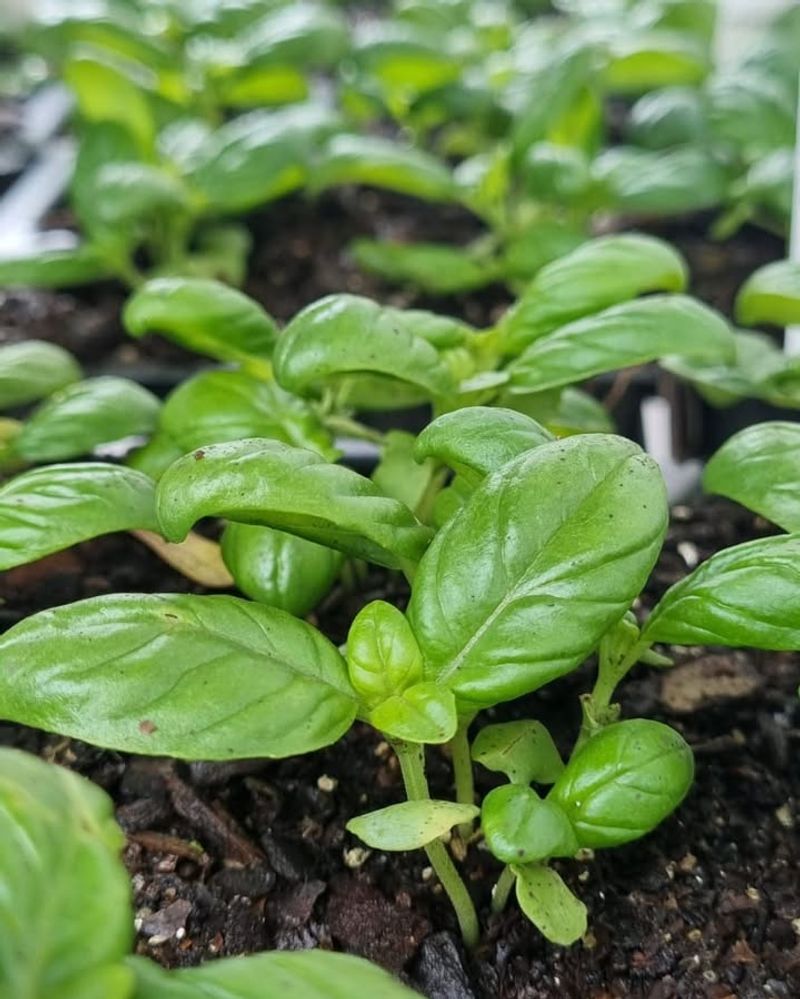
Proper spacing between basil plants seems wasteful when transplants are small, but adequate room becomes critical as plants grow. Mature basil can spread 12 to 18 inches across when properly grown.
Planting too closely creates a dense mass of foliage where air can’t circulate freely. Poor airflow creates the perfect environment for fungal diseases that thrive in humid, stagnant conditions.
Wisconsin’s humid summer weather already challenges basil with disease pressure. Muggy nights and morning dew create moisture on leaves that takes hours to dry.
Adding poor airflow from crowded spacing compounds the problem significantly. Leaves stay wet longer, giving fungal spores ideal conditions to germinate and spread.
Space basil plants 12 to 15 inches apart in garden beds for optimal growth and health. This distance seems excessive when setting out small transplants, but plants fill in quickly.
Proper spacing allows air to move through the planting, drying foliage faster after dew or rain. The investment in space pays back with healthier plants that produce longer.
Container plantings require similar attention to spacing and pot size. One basil plant per 10-inch pot works well, or space multiple plants in larger containers following the same 12 to 15-inch guideline.
Cramming several plants into small pots creates crowding problems identical to overly tight garden spacing. Each plant needs room for its root system and above-ground growth.
Thinning seedlings properly prevents crowding problems before they start. When direct-seeding basil, thin seedlings to final spacing once they develop their first true leaves.
Snip extras with scissors rather than pulling them to avoid disturbing remaining plants’ roots. This early thinning feels wasteful but ensures healthy development of remaining plants.
9. Assuming Basil Handles Early Fall Cold
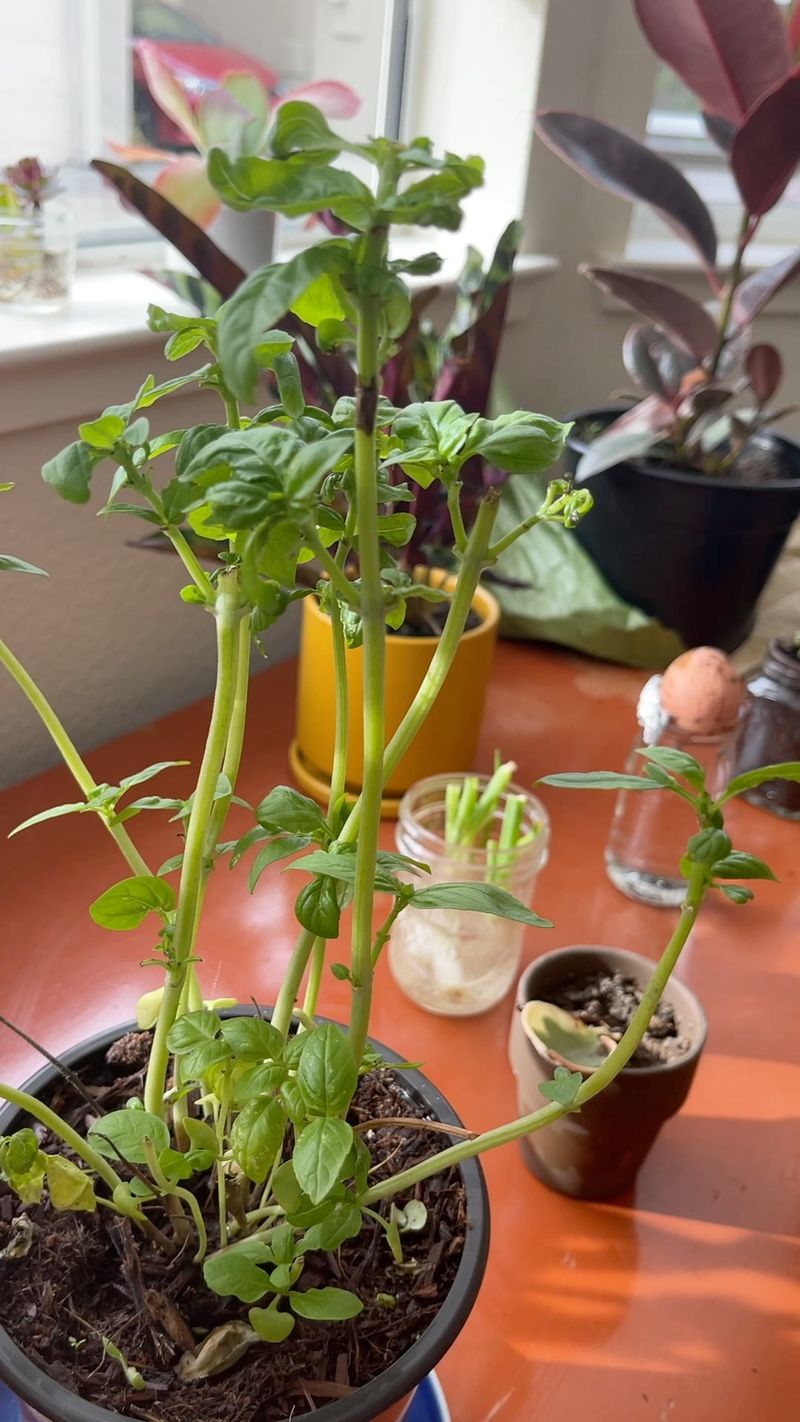
September brings beautiful weather to Wisconsin, with warm days that make gardeners forget about approaching frost. Basil continues growing vigorously through early fall, producing abundant leaves as summer heat fades.
However, this tropical plant has zero tolerance for frost and very little tolerance for near-freezing temperatures. One cold night ends basil season abruptly and completely.
Nighttime temperatures in the upper 30s damage basil even without actual frost forming. The plant turns black almost overnight, with leaves becoming limp and translucent.
This damage is permanent and irreversible; the plant won’t recover once cold injury occurs. Monitoring weather forecasts closely in September and October helps you harvest before cold strikes.
First frost dates vary considerably across Wisconsin, from mid-September in northern areas to mid-October in southern regions. Know your local average first frost date and watch weather patterns as that time approaches.
Basil rarely survives to the average frost date because cold snaps often occur earlier. Plan to harvest or protect plants before the typical frost window arrives.
Harvesting entire plants before frost ensures you don’t lose your crop to sudden cold. Cut plants at ground level and bring them indoors for processing when frost threatens.
You can strip leaves and freeze, dry, or make pesto from the entire harvest at once. This approach guarantees you capture the season’s full production rather than losing it to weather.
Floating row covers or sheets provide temporary protection during isolated cold nights. If forecasts predict one or two cold nights followed by warming, covering basil extends the season.
However, this only works for brief cold snaps. Once consistently cold weather arrives, protection becomes impractical.
Use covers strategically for unexpected early cold spells in Wisconsin.