These 10 Vegetables Are Worth Planting In Georgia Before January Is Over
January isn’t usually associated with planting in Georgia, yet this short window quietly offers some of the best conditions of the entire growing year.
Mild winter temperatures keep soil workable while avoiding the stress that early spring heat can bring.
Vegetables planted now get time to establish roots slowly instead of being rushed into fast, fragile growth.
That early start often leads to stronger plants that handle temperature swings far better later on.
What surprises many gardeners is how quickly January plantings catch up once daylight increases.
Georgia’s climate allows certain vegetables to settle in now and surge ahead when others are just getting started. This timing creates a noticeable advantage before pests and diseases become active.
Beds planted before January ends tend to produce earlier and more consistently.
Waiting feels safer, but planting now often rewards gardeners with healthier plants and smoother harvests.
Knowing which vegetables thrive in this window turns late January into one of the smartest planting moments in Georgia gardens.
1. Spinach
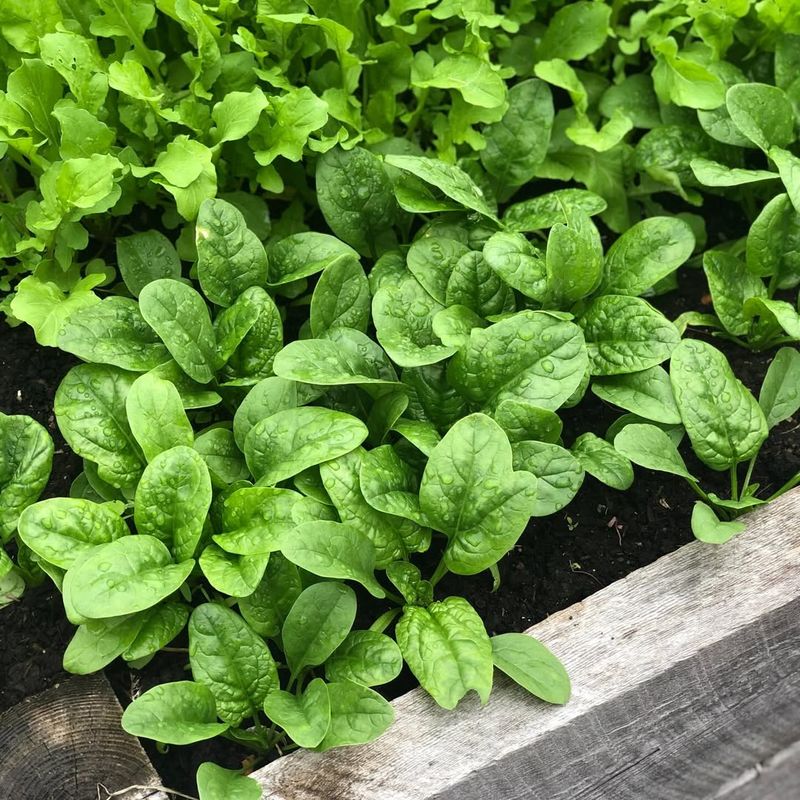
Cold weather brings out the best flavor in spinach, making it sweeter and more tender than summer-grown leaves. Georgia gardeners can take advantage of January’s cool temperatures to establish strong spinach plants that will produce for weeks.
The leafy green tolerates frost beautifully and actually benefits from chilly nights.
Seeds germinate quickly in cool soil, often sprouting within a week when conditions are right. Plant them about half an inch deep in rows spaced twelve inches apart for easy harvesting.
Spinach grows rapidly once established, with baby leaves ready to pick in as little as three weeks.
Regular harvesting encourages more leaf production and extends your harvest season significantly. Pick outer leaves first, allowing the center to continue growing and producing fresh greens.
Most Georgia gardeners find spinach performs best when planted before late January arrives.
Rich soil with good drainage helps spinach develop strong roots and lush foliage throughout the growing season. Add compost or aged manure before planting to give your spinach the nutrients it craves.
Water consistently but avoid overwatering, which can lead to problems in Georgia’s occasionally wet winter weather.
Varieties like Bloomsdale and Tyee work particularly well in Georgia conditions and resist bolting in spring. Choose disease-resistant types to minimize issues as temperatures fluctuate during late winter.
Spinach adapts well to both garden beds and container growing for those with limited space.
Pests rarely bother spinach during Georgia’s winter months, making it an easy choice for beginner gardeners. Aphids occasionally appear but are simple to manage with a strong spray of water.
The crop requires minimal maintenance once established in your garden plot.
2. Lettuce
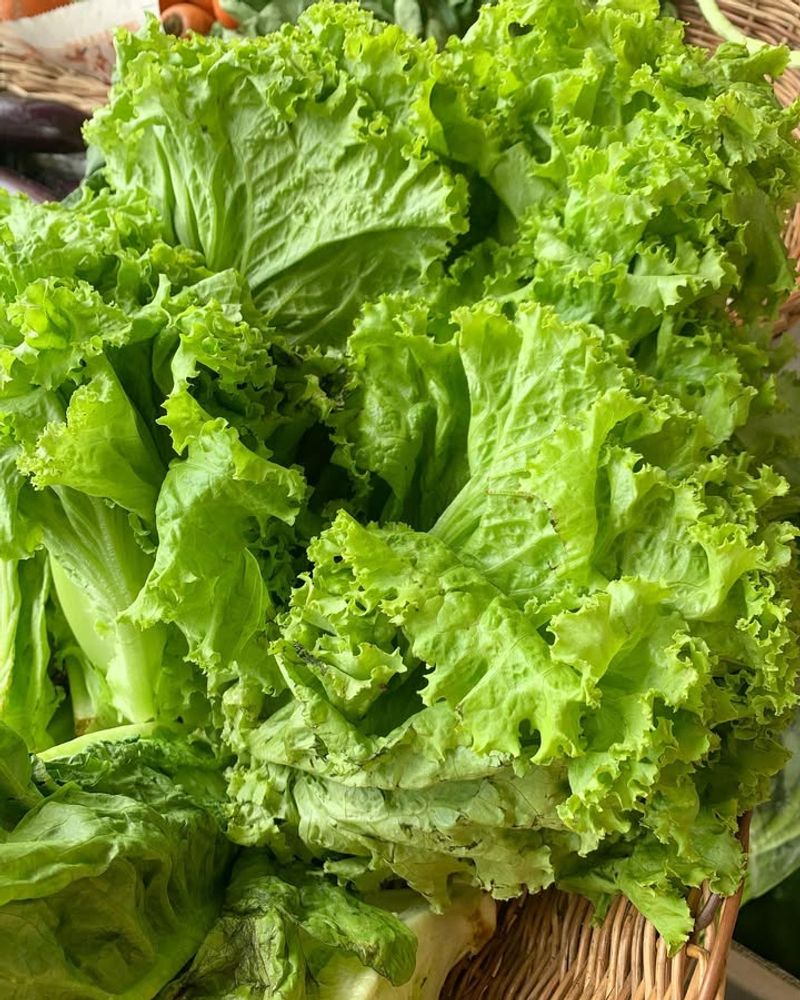
Crisp, homegrown lettuce tastes nothing like the bland store-bought varieties that sit on shelves for days. January planting in Georgia gives you the perfect window to grow tender, flavorful heads before spring heat arrives.
Lettuce thrives in cool weather and actually struggles when temperatures rise too high.
Multiple varieties offer different textures, colors, and flavors to keep your salad bowl interesting all season long. Romaine provides crunch, butterhead offers silky leaves, and loose-leaf types allow continuous harvesting without removing whole plants.
Your Georgia Garden Changes Every Week. Your Plan Should Too.
Gardening in Georgia changes quickly throughout the season. Every Friday you’ll receive a simple weekly plan showing exactly what to plant, prune, fertilize, harvest, and protect so you never miss the right timing.
Mixing several varieties creates visual appeal and diverse taste experiences in every meal.
Seeds can go directly into Georgia garden soil or start indoors for transplanting later if you prefer. Space plants about eight inches apart to allow proper air circulation and room for growth.
Crowded lettuce becomes more susceptible to disease and produces smaller heads than properly spaced plants.
Consistent moisture keeps lettuce tender and prevents the bitter flavor that develops when plants become stressed. Water regularly but ensure good drainage to avoid soggy soil conditions common during Georgia winters.
Drip irrigation or soaker hoses work better than overhead watering for lettuce crops.
Partial shade during the warmest part of the day helps extend your harvest as spring approaches. Lettuce appreciates morning sun but benefits from afternoon protection in Georgia’s climate.
Position your lettuce bed accordingly or use shade cloth when temperatures begin climbing.
3. Collard Greens
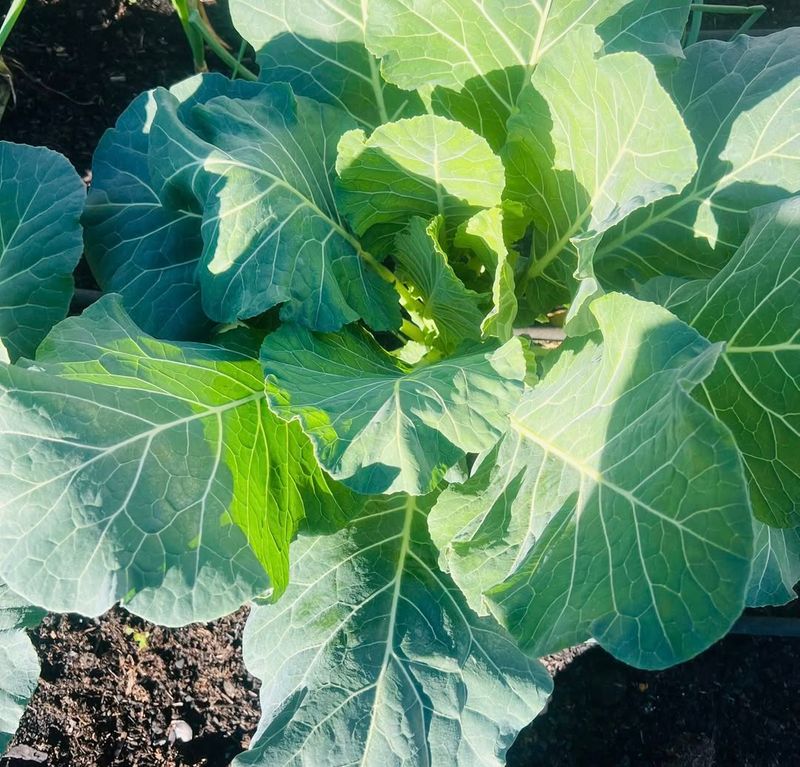
Southern gardens wouldn’t be complete without collard greens, a staple crop that defines traditional Georgia cooking. These hardy plants laugh at cold weather and actually taste better after experiencing a few frosts.
January planting ensures you’ll have tender young leaves ready for spring meals and larger plants for summer harvesting.
Collards grow larger than most other greens, requiring more space between plants for proper development and air circulation. Space them about eighteen inches apart in rows separated by two to three feet.
Adequate spacing prevents disease problems and allows each plant to reach its full productive potential.
Georgia’s climate suits collards perfectly, with mild winters providing ideal growing conditions for establishing strong root systems. The plants develop slowly during cool months, then accelerate growth as temperatures warm in spring.
This gradual development produces the most flavorful and tender leaves.
Transplants give you a head start compared to direct seeding, with plants ready to harvest several weeks earlier. Many Georgia nurseries stock collard transplants in January specifically for this planting window.
Starting from transplants also helps you avoid seed germination issues in cold or wet soil.
Regular harvesting encourages continued leaf production and keeps plants productive for many months in Georgia gardens. Pick lower leaves first, working your way up as the plant grows taller and produces new foliage.
Some gardeners harvest collards continuously for six months or more from a single planting.
4. Kale
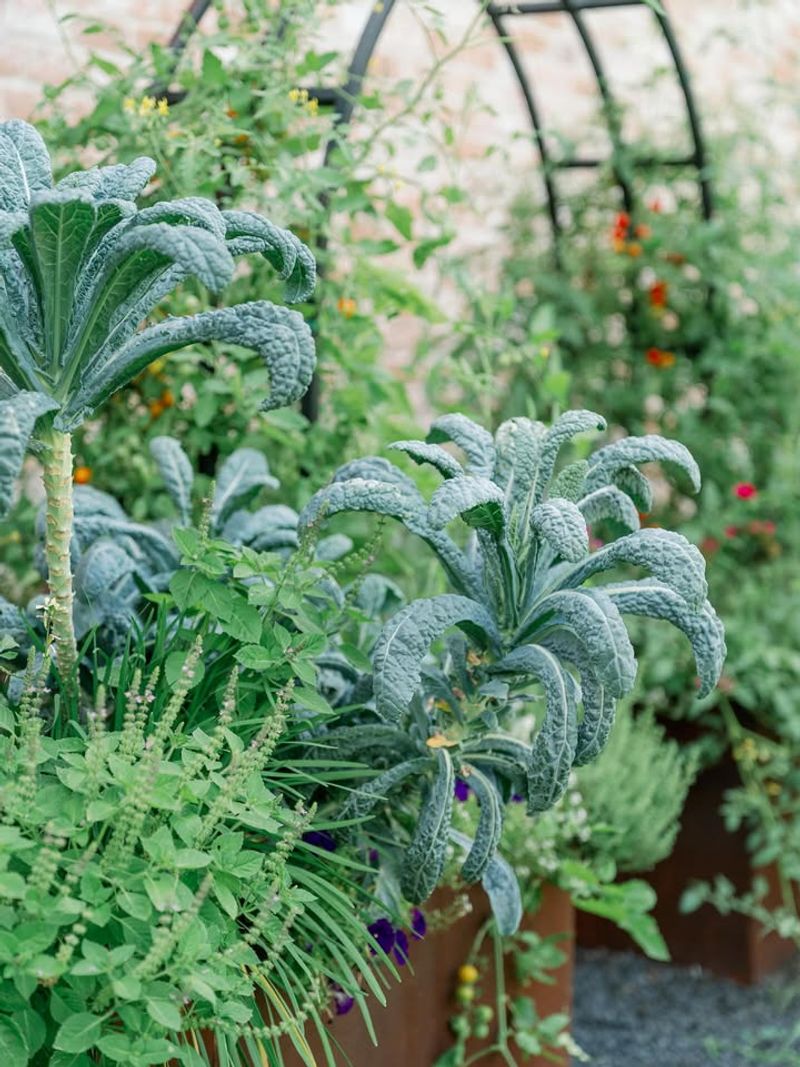
Nutritional powerhouses don’t get much tougher than kale, which handles Georgia’s winter weather like a champion. This superfood vegetable has surged in popularity as people discover its health benefits and versatility in the kitchen.
January planting takes advantage of cool conditions that produce the sweetest, most tender kale leaves.
Curly, lacinato, and Red Russian varieties each offer unique textures and flavors for different culinary applications. Curly kale works beautifully in smoothies and baked kale chips, while lacinato’s flat leaves are perfect for sautéing.
Red Russian kale adds gorgeous purple-veined leaves that make your Georgia garden visually stunning.
Seeds germinate reliably in cool soil, or transplants provide an even quicker route to harvestable plants. Plant kale about twelve to eighteen inches apart depending on the variety and expected mature size.
Good spacing promotes healthy air circulation and reduces disease pressure during Georgia’s occasionally humid winter days.
Kale actually improves in flavor after frost exposure, becoming noticeably sweeter and less bitter than warm-weather kale. Georgia’s January temperatures provide perfect conditions for developing this enhanced taste.
Many gardeners consider frost-touched kale superior to any other greens in their winter garden.
Harvest outer leaves continuously while allowing the central growing point to produce new foliage throughout the season. This method keeps plants productive for months in Georgia gardens without requiring replanting.
Young, tender leaves taste best in salads, while larger leaves work well for cooking applications.
5. Mustard Greens
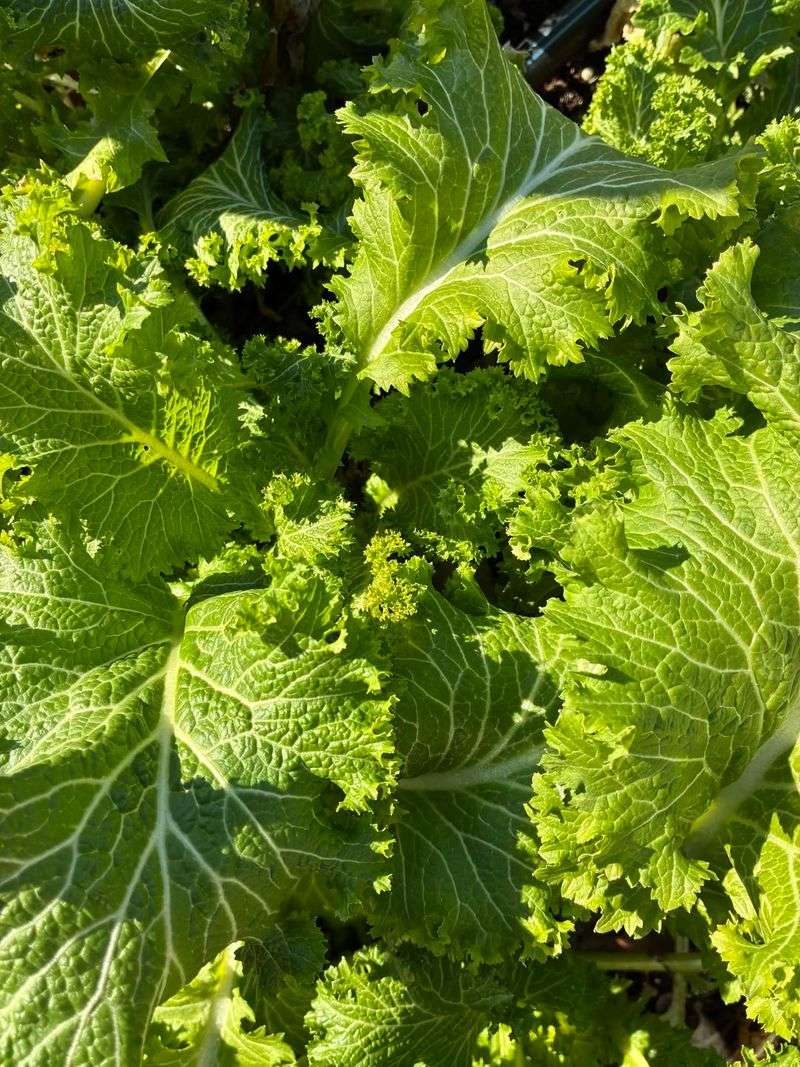
Peppery, bold flavor distinguishes mustard greens from milder leafy vegetables, adding zip to any meal. These fast-growing greens thrive in Georgia’s cool January weather and mature quickly for early spring harvests.
Mustard greens tolerate cold remarkably well while producing tender leaves with that characteristic spicy bite.
Different varieties range from mild to intensely peppery, allowing you to choose the heat level that suits your taste. Southern Giant Curled offers traditional flavor and texture, while Red Giant adds beautiful burgundy color to your garden.
Experimenting with several types helps you discover your favorite mustard green variety for Georgia growing conditions.
Seeds sprout rapidly in cool soil, often emerging within just a few days of planting in January. Sow them thinly in rows and thin seedlings to about six inches apart once they develop true leaves.
Thinned seedlings make excellent additions to salads, so nothing goes to waste from your Georgia garden.
Mustard greens grow incredibly fast, with baby leaves ready to harvest in as little as three weeks after planting. Mature plants develop within six to eight weeks, providing substantial harvests from small garden spaces.
This quick turnaround makes mustard greens perfect for succession planting throughout Georgia’s cool season.
The spicy flavor mellows considerably when cooked, making mustard greens versatile in both raw and cooked preparations. Young, tender leaves work wonderfully in fresh salads for those who enjoy a peppery kick.
Mature leaves become traditional Southern-style greens when slowly simmered with seasonings.
Flea beetles sometimes chew small holes in mustard green leaves but rarely cause significant damage in Georgia winter gardens.
6. Turnips
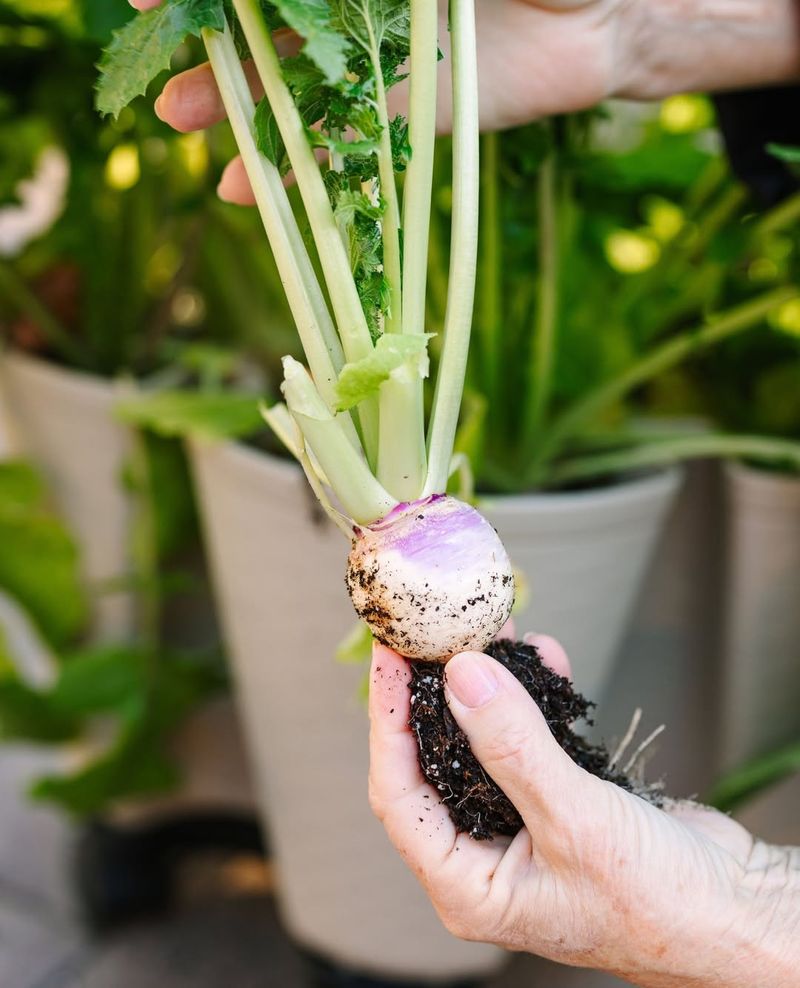
Dual-purpose vegetables like turnips give you two crops from one planting, with both roots and greens perfectly edible. Georgia gardeners appreciate this efficiency, especially when garden space is limited or you want maximum production from every square foot.
January planting produces sweet, tender turnips that mature before hot weather arrives and causes bitterness.
Cool soil temperatures encourage root development while discouraging the bolting that plagues warm-weather plantings. Turnip seeds germinate readily in Georgia’s January conditions, sprouting within a week when soil moisture is adequate.
Direct seeding works best since turnips dislike transplanting and may develop misshapen roots when moved.
Space seeds about two inches apart in rows separated by twelve to eighteen inches for easy cultivation and harvesting. Thin seedlings to four inches apart once they’re established, using the tender thinned greens in salads or cooking.
Proper spacing allows turnip roots to develop their characteristic round shape without crowding.
Turnip greens appear quickly and can be harvested while roots are still developing underground in your Georgia garden. Pick a few leaves from each plant without removing all the foliage, which the plant needs for root growth.
This approach gives you fresh greens weeks before the roots reach harvestable size.
Fast-maturing varieties like Hakurei or Tokyo Cross produce tender, sweet roots in just five to six weeks. These salad turnips taste delicious raw, sliced thin in salads or eaten like radishes with a sprinkle of salt.
Traditional varieties take longer to mature but store better for extended use after harvest.
Turnips prefer slightly acidic to neutral soil, which matches most Georgia garden conditions perfectly without amendment.
7. Radishes
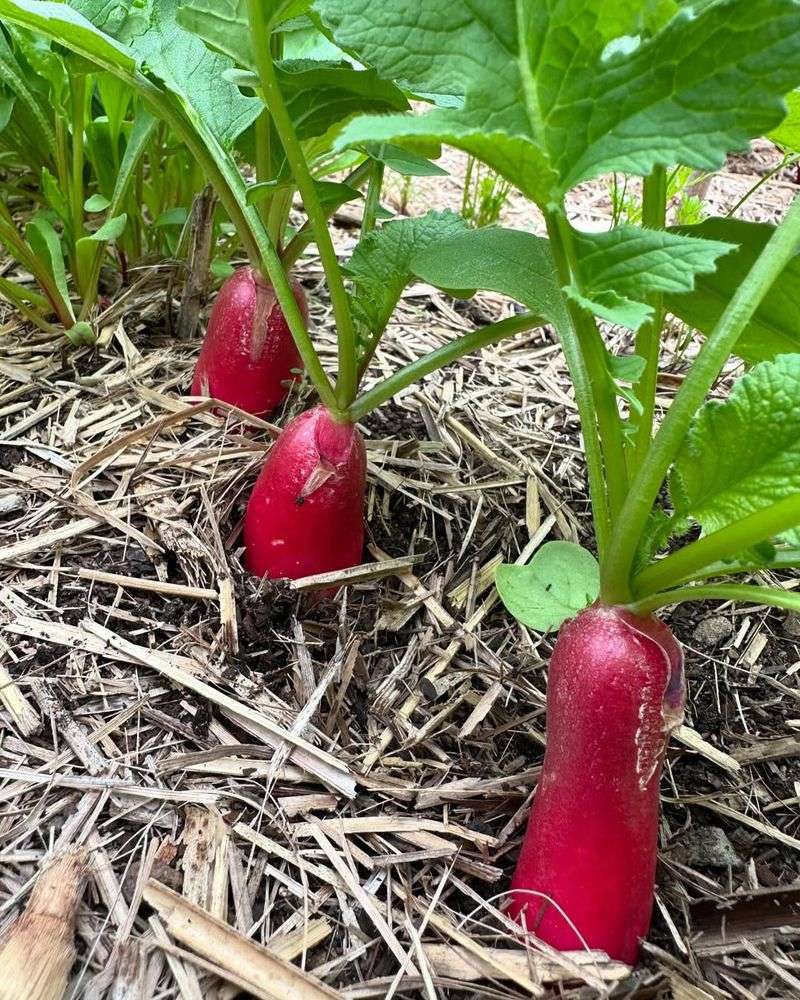
Lightning-fast growth makes radishes the ultimate gratification crop for impatient gardeners eager to harvest something quickly. Georgia’s January planting produces crisp, mild radishes in as little as three weeks under good conditions.
These colorful roots add crunch and peppery flavor to salads while requiring minimal garden space or care.
Dozens of varieties offer different colors, shapes, and flavors beyond the standard red globe radishes most people know. French Breakfast radishes provide an oblong shape with mild flavor, while Watermelon radishes reveal stunning pink interiors when sliced.
Experimenting with unusual varieties makes radish growing more interesting in your Georgia garden.
Cool weather produces the crispest, mildest radishes with minimal peppery bite that some people find overwhelming. Hot weather causes radishes to become excessively spicy and develop pithy, hollow centers that aren’t pleasant to eat.
January planting in Georgia avoids these warm-weather problems entirely.
Sow radish seeds directly in the garden about half an inch deep and one inch apart in rows. These seeds germinate so reliably that thinning is usually unnecessary, though you can thin to two inches apart for larger roots.
Radishes grow so quickly that they’re often used as row markers for slower-germinating crops like carrots.
Consistent moisture prevents radishes from becoming too hot in flavor or developing woody, cracked roots. Water regularly throughout the short growing period to maintain steady growth without stress.
Georgia’s winter rainfall often provides adequate moisture, but supplement with irrigation during dry spells.
Succession planting every week ensures a continuous supply of fresh radishes throughout Georgia’s cool season. Sow small amounts frequently rather than planting a large crop all at once that matures simultaneously.
8. Carrots
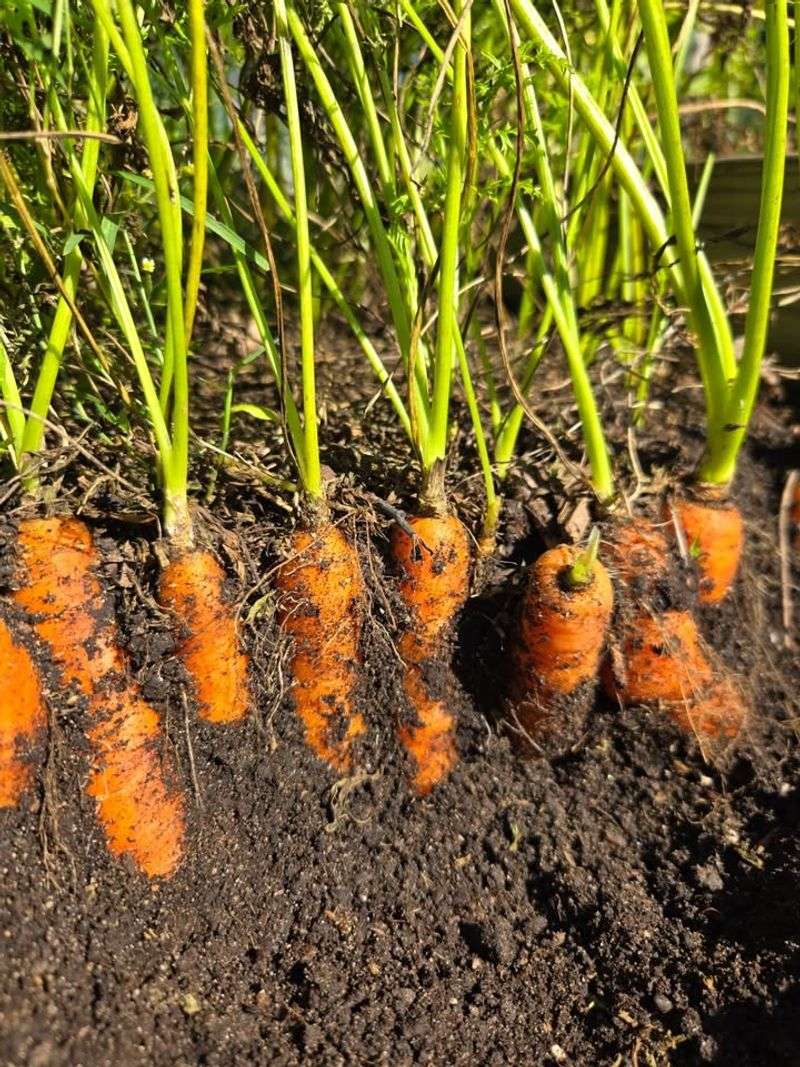
Sweet, crunchy carrots fresh from the garden taste remarkably different from grocery store versions that have traveled for days. Georgia’s cool January soil provides ideal conditions for germinating these sometimes-finicky seeds and developing flavorful roots.
Carrots take longer than many other vegetables but reward patient gardeners with outstanding flavor and texture.
Loose, rock-free soil is essential for growing straight, well-formed carrots without forked or twisted roots. Work your Georgia garden bed deeply before planting, removing stones and breaking up clay clumps that could impede root growth.
Sandy loam soil produces the best carrots, though amended clay works adequately with proper preparation.
Carrot seeds are tiny and slow to germinate, often taking two to three weeks to sprout in cool soil. Keep the soil surface consistently moist during this extended germination period to ensure good emergence.
Many Georgia gardeners cover seeded rows with boards or burlap to retain moisture, checking daily and removing the cover when sprouts appear.
Thin carrot seedlings to about two inches apart once they develop true leaves beyond the initial seed leaves. Crowded carrots produce thin, stunted roots that never reach full size or sweetness.
Use scissors to snip unwanted seedlings rather than pulling, which disturbs the roots of neighboring plants you want to keep.
Carrot varieties range from short, stubby types ideal for heavy soil to long, slender varieties that need deep, loose earth.
9. Onions
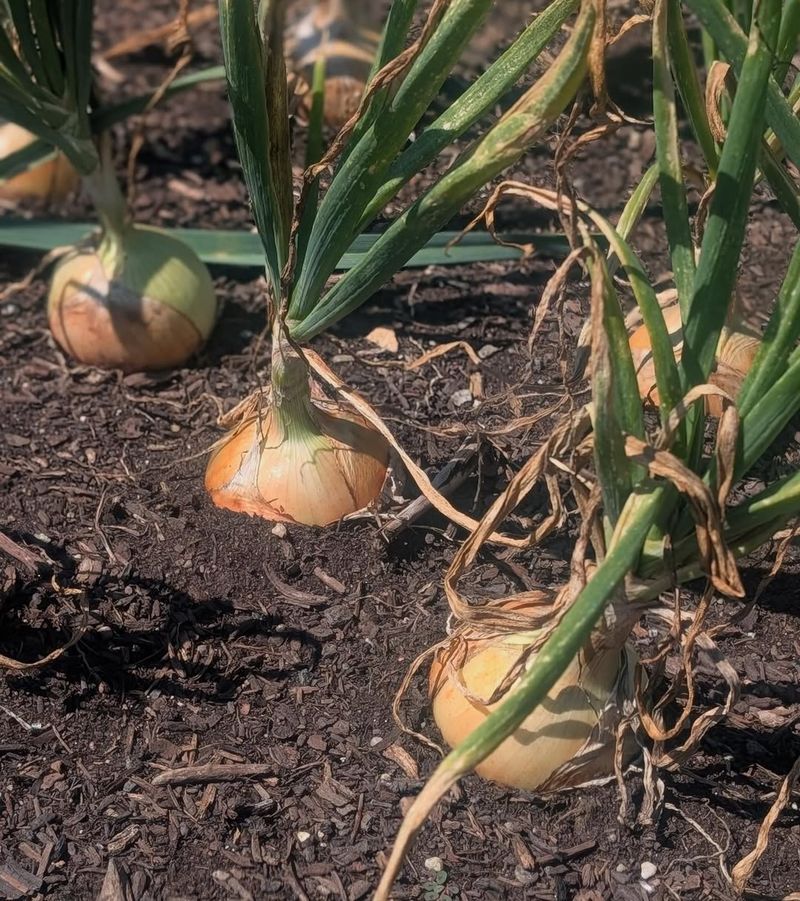
Foundation vegetables like onions form the base of countless recipes, making them invaluable in any Georgia garden. January planting of onion sets or transplants ensures bulbs have adequate time to develop before summer heat arrives.
Onions need a long, cool growing season to produce large, well-formed bulbs that store well after harvest.
Short-day onion varieties suit Georgia’s latitude perfectly, forming bulbs when day length reaches ten to twelve hours in spring. Long-day varieties require fourteen to sixteen hours of daylight and won’t bulb properly in Georgia’s climate.
Choosing appropriate varieties makes the difference between success and disappointment with onion growing.
Onion sets provide the easiest starting method for beginning gardeners, while transplants offer more variety selection. Sets are small, dormant bulbs that resume growth quickly when planted in Georgia’s cool January soil.
Transplants are young onion plants started from seed, available at nurseries specifically for January planting.
Plant onion sets or transplants about four inches apart in rows spaced twelve inches apart for good air circulation. Push sets into the soil until just the tip shows above the surface, or set transplants at the same depth they grew in their containers.
Proper spacing and depth ensure good bulb development as plants mature through spring.
Onions are heavy feeders that appreciate rich soil and regular fertilization throughout their long growing season in Georgia. Apply a balanced fertilizer monthly or side-dress with compost to maintain steady growth without interruption.
Adequate nutrition produces larger bulbs with better storage quality after harvest.
Consistent moisture during bulb development prevents splitting and ensures smooth, well-formed onions at harvest time.
10. English Peas
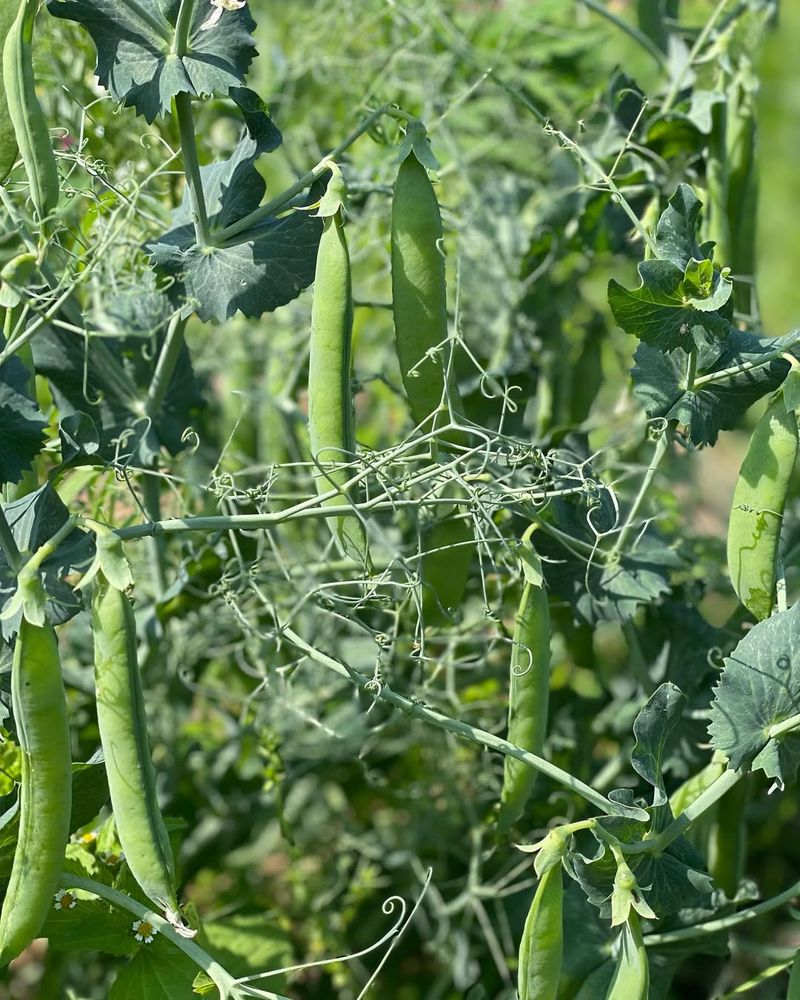
Nothing compares to the sweet, tender flavor of freshly picked English peas eaten straight from the pod in your garden. These cool-season favorites thrive in Georgia’s mild winter weather and produce abundantly when planted in January.
Peas dislike heat and must mature before warm weather arrives, making early planting essential for success.
Several types of peas offer different eating experiences, from shelling peas to snap peas and snow peas with edible pods. Shelling peas require removing the peas from inedible pods, while snap peas are eaten whole when pods are young and tender.
Snow peas have flat pods picked before peas develop fully inside, popular in stir-fry cooking.
Peas fix nitrogen from the air through special bacteria in root nodules, actually improving soil fertility while they grow. This beneficial trait means peas require less fertilizer than most vegetables and leave soil richer for following crops.
Georgia gardeners often plant nitrogen-hungry crops like corn or tomatoes where peas grew the previous season.
Support structures like trellises, stakes, or pea fencing help vining pea varieties grow upward and make harvesting easier. Bush varieties need minimal support but still benefit from some structure to keep plants tidy and pods off the ground.
Install supports at planting time to avoid disturbing roots later when plants are established.
Direct seed peas in Georgia gardens during January, planting seeds about one inch deep and two inches apart.