9 Perennials That Deliver Big Blooms In Their First Year In Minnesota Gardens
Minnesota gardeners often wait years to see perennials bloom, but some varieties provide spectacular flowers in their first season.
Choosing the right plants ensures instant color, eye-catching displays, and a more rewarding gardening experience. Why wait years when you can enjoy gorgeous blooms this season?
These nine perennials thrive in Minnesota’s climate, offering robust growth and vibrant flowers even as newcomers to your garden.
From hearty native species to popular ornamentals, they are easy to grow, low-maintenance, and provide a strong start to spring and summer landscapes. Proper planting, soil preparation, and care maximize their bloom potential.
Fast-growing perennials bring life, color, and excitement to your yard immediately. Minnesota gardeners who select these reliable bloomers enjoy immediate gratification and a lively garden that keeps attracting pollinators and attention.
Plant smart and enjoy stunning flowers in your first year.
1. Coneflower (Echinacea)
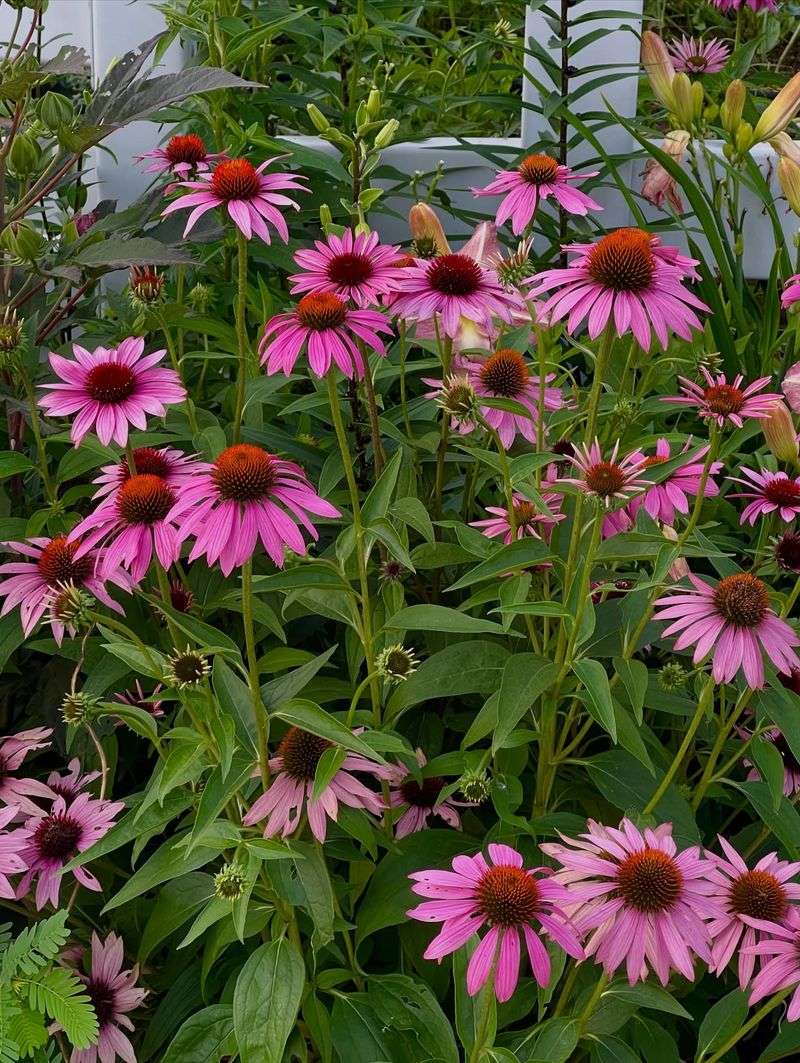
Bold and resilient, coneflowers bring instant charm to Minnesota gardens with their cheerful daisy-like blooms that appear surprisingly fast after planting.
Gardeners appreciate how these hardy natives establish their root systems quickly, allowing them to channel energy into producing those iconic purple, pink, or white flowers during their inaugural summer.
Unlike many perennials that spend their first year focusing solely on root development, coneflowers seem eager to show off right away. Minnesota’s temperature swings don’t intimidate these tough plants one bit.
They handle cool spring mornings and sudden summer heat waves with remarkable grace, continuing to bloom steadily throughout the season.
Their large, prominent central cones surrounded by colorful petals create eye-catching focal points that attract butterflies and bees to your garden.
Planting coneflowers in well-draining soil with plenty of sunshine gives them the best start possible. Once established, they require minimal fussing and tolerate dry spells remarkably well.
The flowers keep coming from early summer through fall, providing months of continuous color that makes your garden look mature and well-planned even in its first year.
Watching pollinators visit these gorgeous blooms adds an extra layer of enjoyment to your gardening experience throughout that exciting first season.
2. Black-Eyed Susan (Rudbeckia)
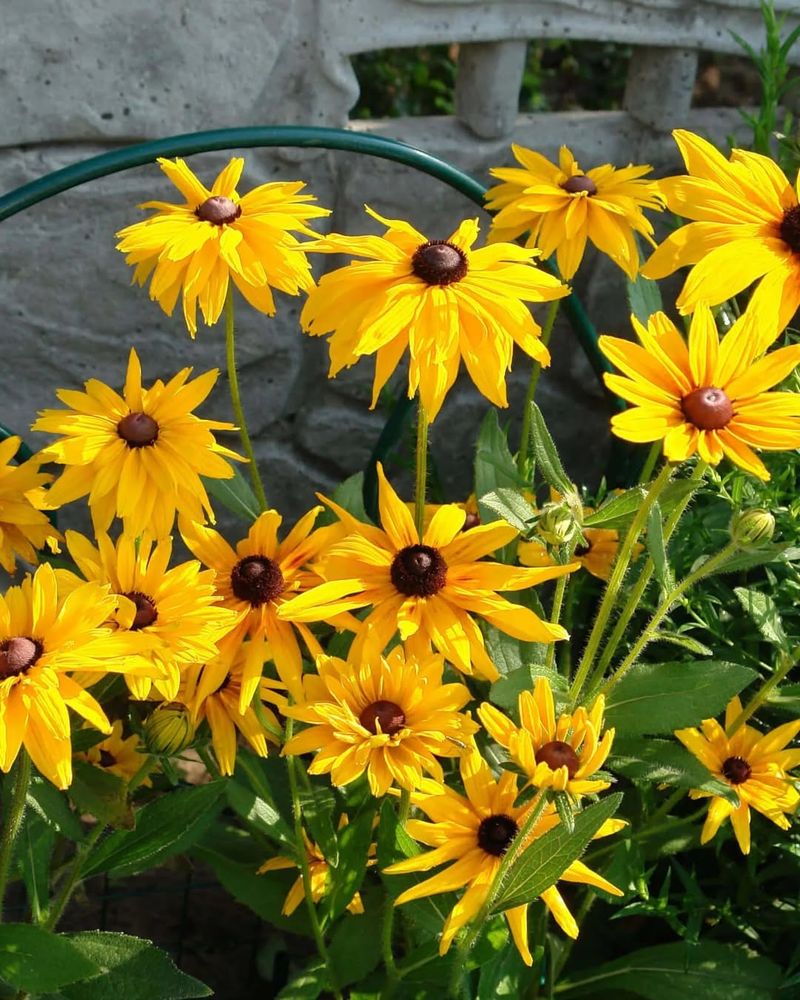
Few perennials match the enthusiasm of black-eyed Susans when it comes to delivering a spectacular first-year performance in Minnesota landscapes.
These cheerful golden flowers with their distinctive dark centers grow with remarkable speed from nursery transplants, quickly spreading their sunny disposition across garden beds.
Their vigorous growth habit means you won’t spend months staring at tiny seedlings wondering when the magic will happen.
The bold yellow petals surrounding chocolate-brown centers create a classic prairie look that feels perfectly at home in Minnesota gardens.
Rudbeckia plants seem almost unstoppable once they settle into their new home, sending up numerous flower stalks that keep the color flowing from midsummer straight through the first frost.
This extended blooming period makes them incredibly valuable for gardeners wanting continuous visual interest. Adaptable to various soil conditions, black-eyed Susans thrive in full sun and tolerate the occasional dry spell without complaint.
Their carefree nature appeals to both beginning gardeners and experienced plant enthusiasts looking for reliable performers. The flowers also make excellent cutting material for bouquets, bringing that cheerful garden energy indoors.
Your Minnesota Garden Changes Every Week. Your Plan Should Too.
Gardening in Minnesota changes quickly throughout the season. Every Friday you’ll receive a simple weekly plan showing exactly what to plant, prune, fertilize, harvest, and protect so you never miss the right timing.
Planting them in spring gives these energetic bloomers plenty of time to establish and produce an abundance of flowers before autumn arrives.
3. Blanket Flower (Gaillardia)
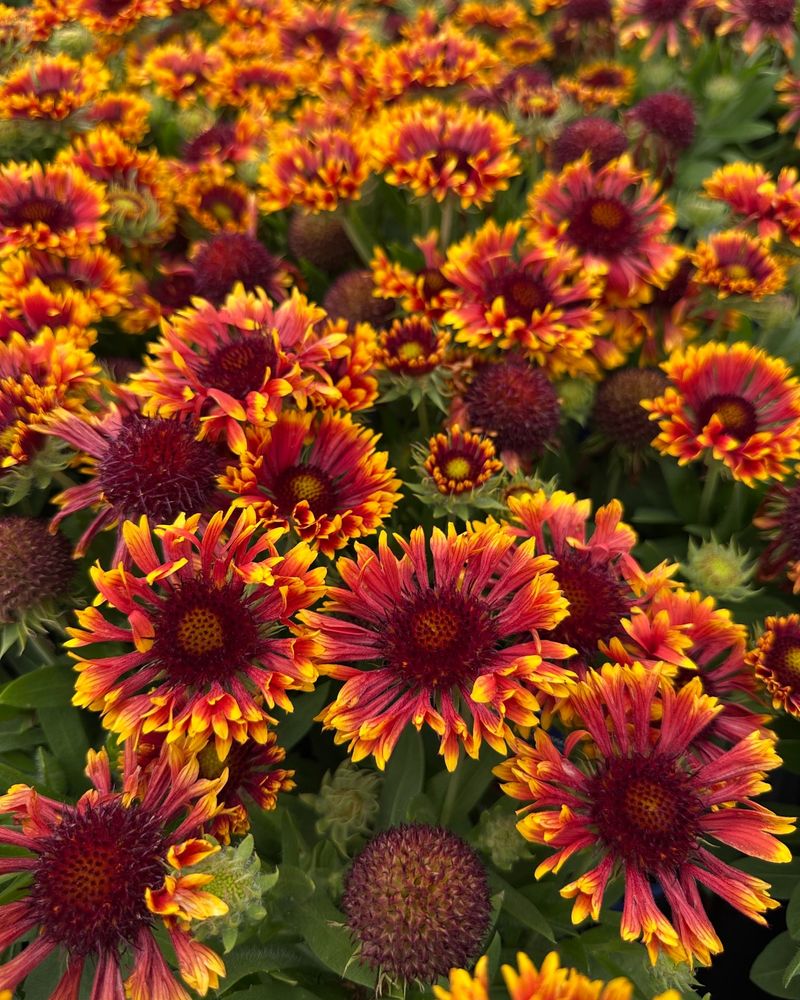
Blanket flowers bring a fiesta of warm colors to Minnesota gardens without making you wait through years of anticipation.
Their vibrant red and yellow blooms resembling traditional Native American blanket patterns appear abundantly during their very first growing season, creating instant visual warmth in sunny spots.
Gaillardia plants possess an impressive ability to bloom heavily right from the start, rewarding your planting efforts almost immediately.
What makes these perennials particularly valuable for Minnesota gardeners is their exceptional tolerance for challenging conditions.
They absolutely thrive in full sun and actually prefer well-draining, even somewhat poor soil over rich, amended beds. This makes them perfect for those tricky garden spots where other plants struggle to perform well.
Drought hardly bothers blanket flowers once they’ve settled in, making them wonderfully low-maintenance additions to your landscape.
Their daisy-like blooms keep appearing from early summer through fall, providing months of continuous color with minimal effort required from you. The flowers attract numerous pollinators, adding movement and life to your garden space.
Deadheading spent blooms encourages even more flower production, though these plants bloom generously even without regular maintenance.
Their compact growth habit makes them suitable for borders, container gardens, or mass plantings that create stunning sweeps of warm color across your landscape.
4. Coreopsis (Tickseed)
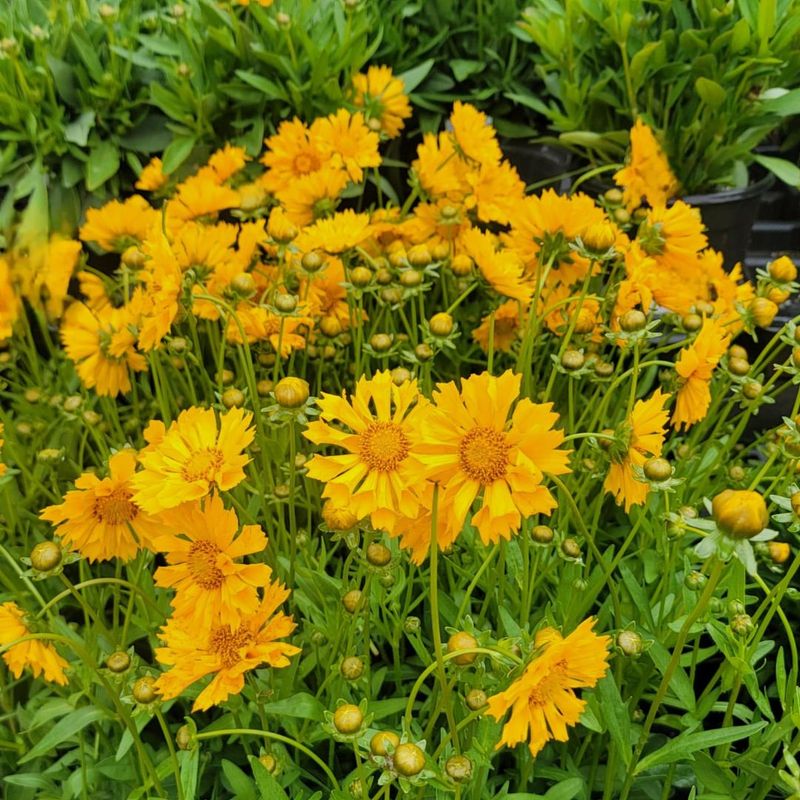
Sunshine seems to pour directly from coreopsis blooms, and Minnesota gardeners get to enjoy this golden glow remarkably quickly after planting.
These cheerful perennials earn their common name tickseed from their small, seed-like fruits, but gardeners love them for their prolific flowering habit that begins almost immediately.
Transplants establish rapidly and shift their energy toward producing masses of bright blooms during their first season in your garden.
The continuous parade of flowers from late spring through summer makes coreopsis an exceptional value for creating long-lasting color.
Their delicate, ferny foliage provides an attractive backdrop for the abundant yellow or pink blooms that seem to multiply daily.
Unlike some perennials that produce a brief flush of flowers and then finish for the season, coreopsis keeps the show going week after week. These tough little plants handle Minnesota’s variable weather patterns with impressive resilience.
They prefer full sun but tolerate partial shade, and once established, they manage dry periods without wilting dramatically.
Their compact growth makes them perfect for edging pathways, filling in gaps between larger perennials, or creating cheerful drifts throughout mixed borders.
Regular deadheading extends the blooming period even further, though these plants flower generously even when left to their own devices, making them ideal for busy gardeners seeking beautiful results.
5. Salvia (Perennial Meadow Sage)
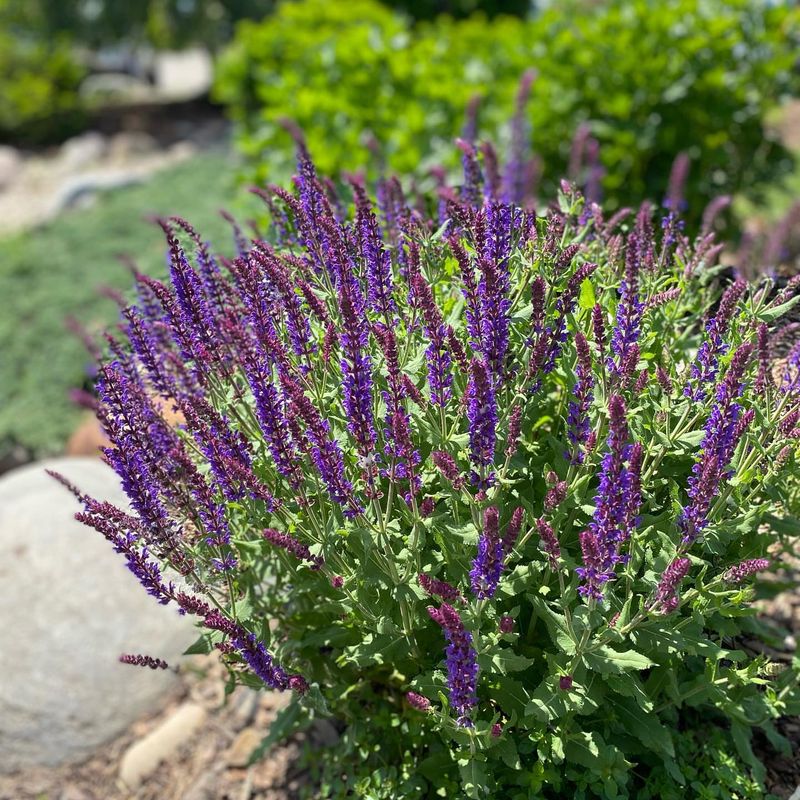
Elegant flower spikes rising above attractive foliage make salvia an architectural stunner that doesn’t keep Minnesota gardeners waiting for its debut performance.
Perennial meadow sage establishes its root system with impressive speed, allowing it to send up those gorgeous vertical flower spikes during its very first growing season.
The dramatic upright form adds valuable height and structure to garden beds right away, creating visual interest beyond just color alone.
Purple, blue, pink, or white blooms arranged along tall stems attract hummingbirds and butterflies throughout the summer months. This pollinator appeal transforms your garden into a lively ecosystem filled with movement and natural beauty.
Salvia’s ability to bloom the same year you plant it makes creating an instant wildlife-friendly landscape completely achievable.
These adaptable perennials perform beautifully in Minnesota’s climate, handling cool spring temperatures and summer heat with equal composure. They prefer well-draining soil and full sun but adapt to various garden conditions without fussing.
The aromatic foliage adds another sensory dimension to your garden experience, releasing pleasant scents when brushed against during garden walks.
Cutting back spent flower spikes often encourages a second flush of blooms later in the season, extending the display well into fall. Their vertical growth habit makes them perfect for adding layers and dimension to flat garden spaces.
6. Yarrow (Achillea)
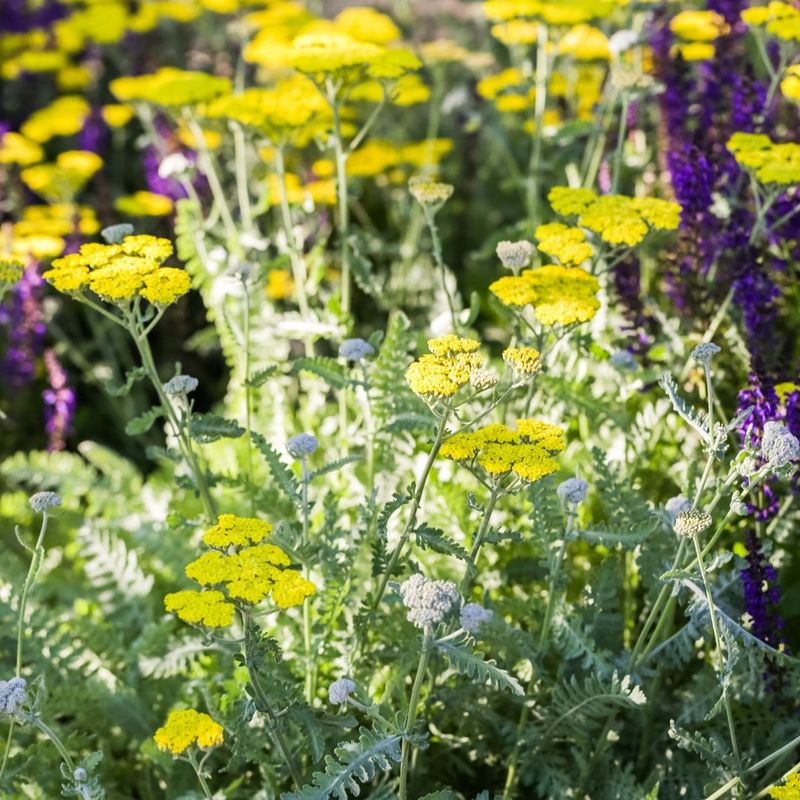
Ancient warriors reportedly used yarrow to treat wounds, but modern Minnesota gardeners appreciate it for healing bare garden spaces with rapid growth and early summer blooms.
Achillea plants grow with remarkable speed, establishing quickly and producing their distinctive flat-topped flower clusters during their inaugural season.
The fern-like foliage emerges early in spring, followed by sturdy stems topped with colorful flower heads that create stunning horizontal lines across your garden.
Available in shades ranging from classic white to vibrant yellows, pinks, and reds, yarrow offers versatility for various color schemes.
The flowers appear in early summer and often continue blooming sporadically through fall, especially when you remove spent blooms regularly.
Their long-lasting nature makes them excellent for both garden display and cut flower arrangements that hold up beautifully indoors. Minnesota’s cold winters pose absolutely no threat to these incredibly hardy perennials.
They handle freezing temperatures without protection and bounce back vigorously each spring.
Yarrow also tolerates heat, drought, and poor soil conditions that would stress less resilient plants, making them wonderfully carefree additions to low-maintenance landscapes.
Their upright growth habit and sturdy stems mean they rarely need staking, even in windy locations. Planting yarrow in full sun with good drainage sets them up for success and abundant flowering right from the start.
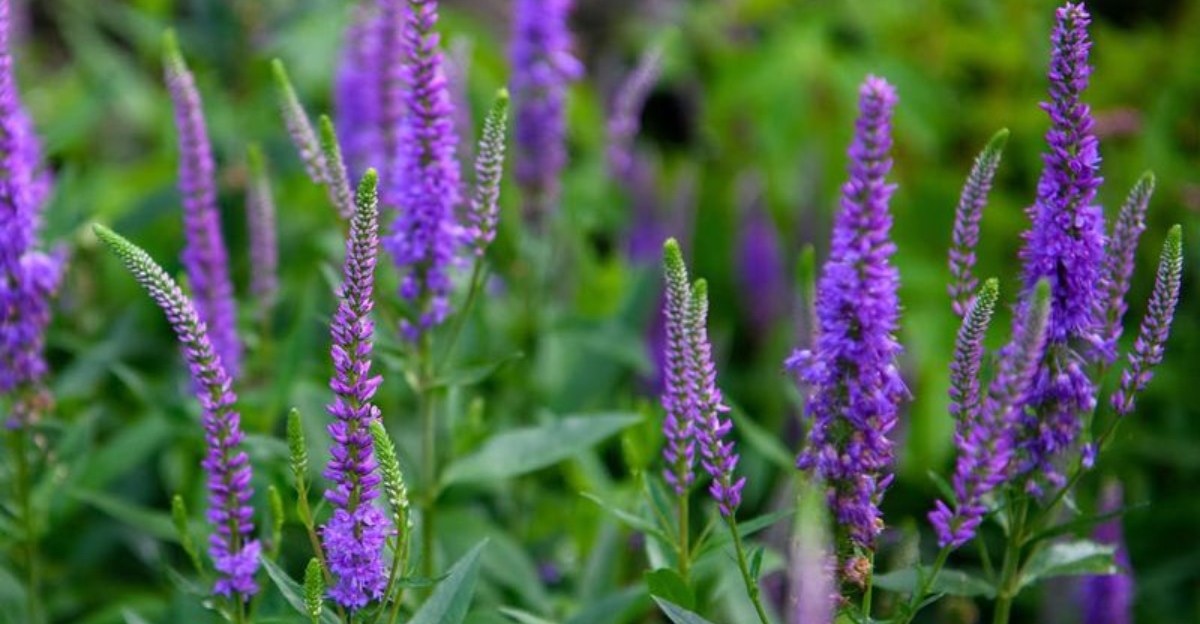
7. Veronica (Speedwell)
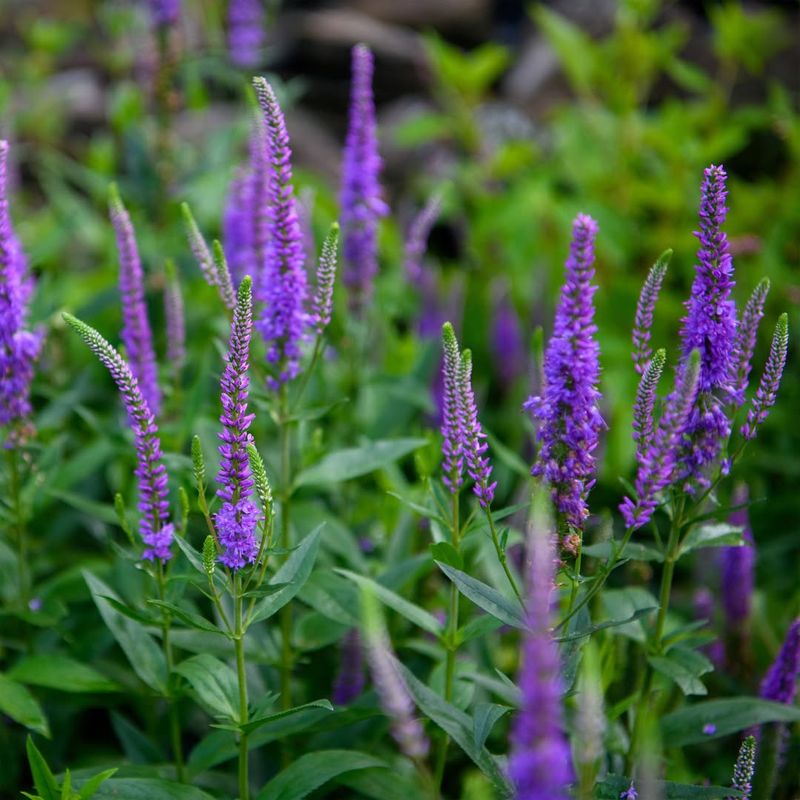
Graceful flower spikes in shades of blue, purple, pink, or white make veronica a charming addition that performs beautifully during its first Minnesota growing season.
True to its common name speedwell, this perennial wastes no time establishing itself and producing those lovely upright blooms that add vertical interest to garden beds.
The slender flower spikes emerge from neat mounds of foliage, creating an elegant cottage-garden aesthetic almost immediately. Cool spring climates suit veronica perfectly, allowing it to thrive in Minnesota’s sometimes unpredictable weather patterns.
The plants begin blooming in late spring or early summer, with many varieties continuing to produce flowers for several weeks.
Their performance in cooler temperatures makes them particularly valuable for extending color into early fall when some summer bloomers start fading.
Pollinators adore veronica flowers, visiting them constantly throughout the blooming period and adding lively activity to your garden.
The plants form attractive clumps that fill in nicely without becoming aggressive spreaders, making them well-behaved companions for other perennials.
They prefer full sun to partial shade and appreciate consistent moisture, though established plants tolerate brief dry spells. Removing faded flower spikes encourages fresh blooms and keeps plants looking tidy throughout the season.
Their moderate height makes them perfect for mid-border placements where their vertical spikes provide beautiful contrast against mounding or spreading perennials.
8. Bee Balm (Monarda)
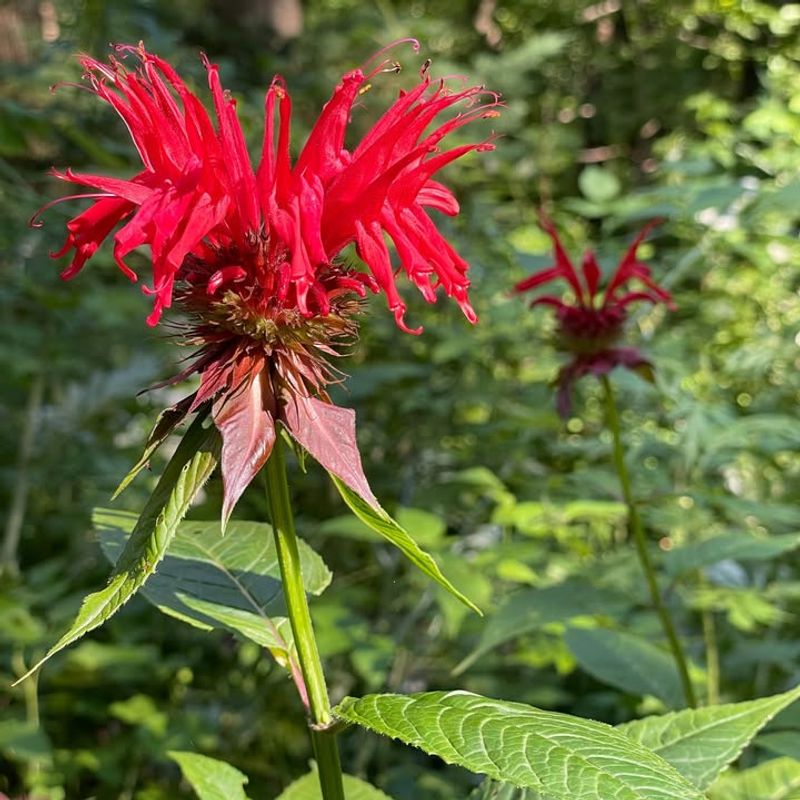
Explosive bursts of shaggy, colorful blooms make bee balm an absolute showstopper that delivers impressive results during its very first summer in Minnesota gardens.
Monarda plants grow with vigorous enthusiasm, quickly establishing themselves and sending up multiple flower stems topped with those distinctive spiky blooms.
The large flowers in shades of red, pink, purple, or white create bold focal points that draw attention from across the garden.
As their name suggests, these perennials attract bees in abundance, along with butterflies and hummingbirds who can’t resist the nectar-rich blooms.
Watching hummingbirds hover around bee balm flowers adds magical moments to summer afternoons spent in your garden.
This pollinator magnetism makes bee balm invaluable for creating ecologically supportive landscapes that buzz with natural activity. The aromatic foliage releases a pleasant minty fragrance when touched, adding another sensory layer to your garden experience.
Bee balm prefers full sun to partial shade and appreciates consistent moisture, though established plants handle brief dry spells reasonably well.
Their upright growth habit and substantial presence make them excellent middle-to-back border plants that provide height without overwhelming smaller companions.
Planting bee balm where air circulation is good helps prevent powdery mildew, though newer varieties offer improved resistance.
The impressive first-year bloom display makes any minor maintenance completely worthwhile for the spectacular garden impact these perennials provide.
9. Hardy Hibiscus (Rose Mallow)
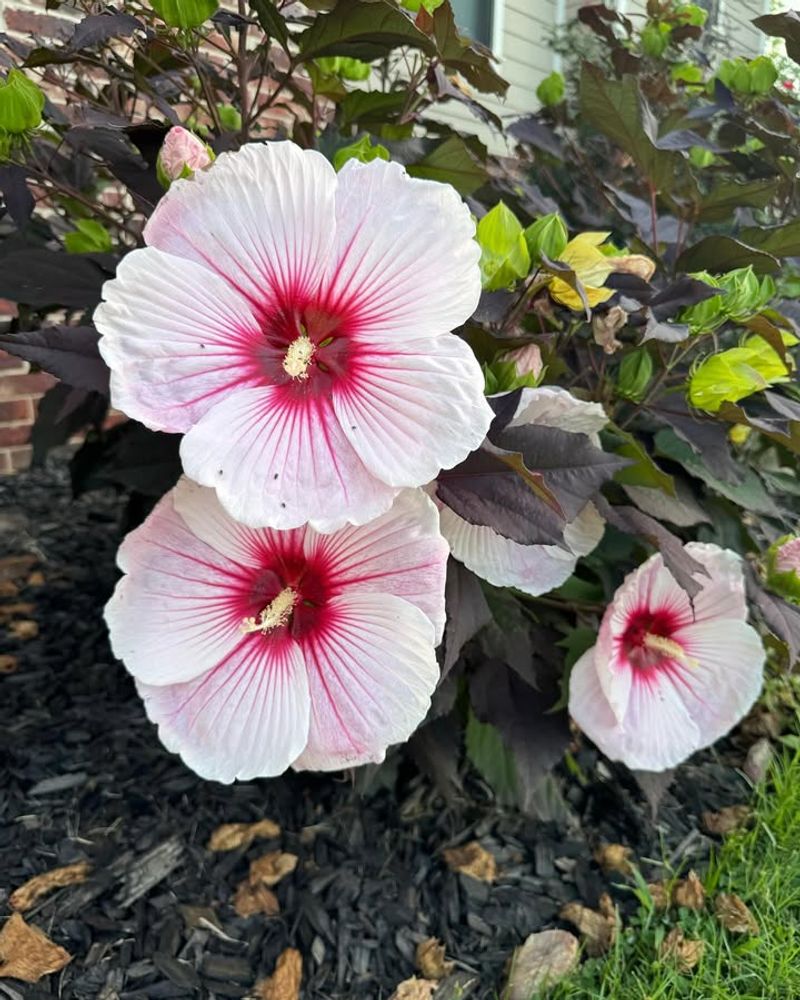
Dinner-plate-sized blooms that rival tropical hibiscus make hardy hibiscus an absolutely breathtaking choice for Minnesota gardeners seeking dramatic first-year impact.
When planted as established nursery plants, these remarkable perennials produce their enormous flowers during their very first summer, creating jaw-dropping focal points that guests won’t believe are cold-hardy perennials.
The massive blooms, often measuring eight to twelve inches across, come in stunning shades of white, pink, red, or bicolors.
Each individual flower lasts just one day, but plants produce so many buds that new blooms open continuously from midsummer through early fall.
This succession of giant flowers creates an ever-changing display that keeps your garden looking fresh and exciting throughout the season.
The bold foliage provides attractive backdrop even before blooming begins, with some varieties offering burgundy or variegated leaves.
Hardy hibiscus tolerates Minnesota winters remarkably well despite its tropical appearance, returning reliably each spring. These plants prefer full sun and consistent moisture, rewarding good care with prolific blooming.
Their substantial size at maturity makes them excellent specimen plants or dramatic additions to back borders where their height and flower size can truly shine.
Planting established nursery stock rather than starting from seed ensures you’ll enjoy those spectacular blooms during the first season, transforming new garden spaces into mature-looking landscapes almost overnight with their impressive presence.