How To Grow Red Creeping Thyme In Colorado As An Easy Ground Cover For Sunny Yards
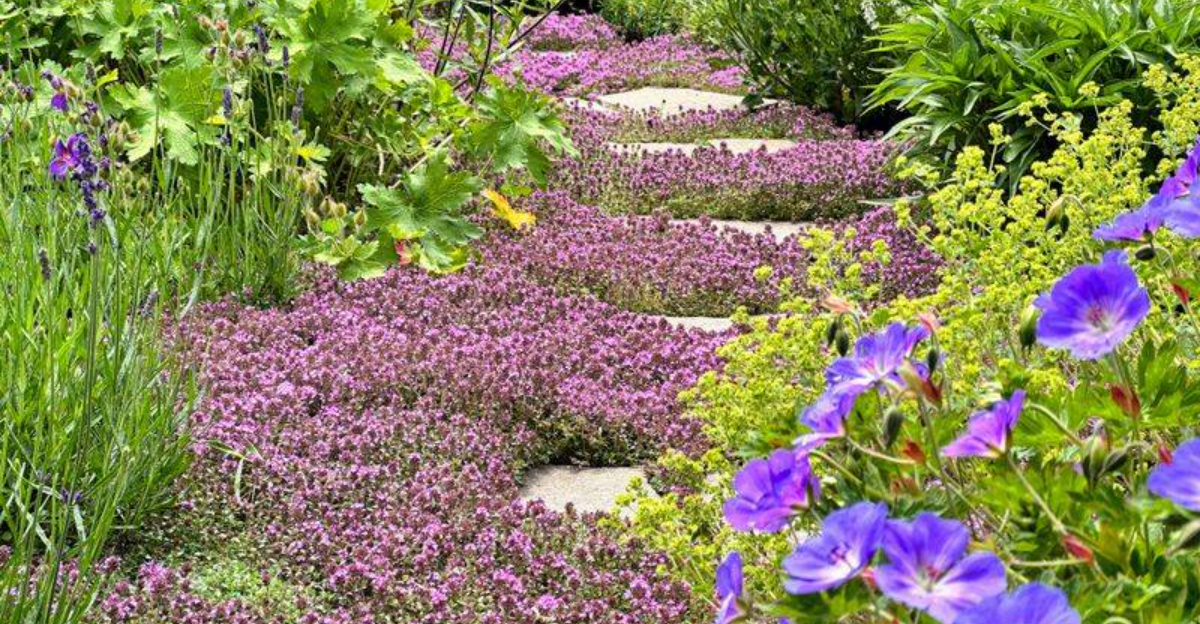
Red creeping thyme is a hardy, low-maintenance plant that adds color, texture, and fragrance to Colorado gardens.
Its dense, low-growing habit makes it ideal as a ground cover, especially in sunny yards where it suppresses weeds and protects soil. Give your sunny garden a vibrant, easy-to-care-for carpet of greenery.
This plant thrives in well-draining soil and full sun, tolerates drought, and requires minimal maintenance once established.
Regular watering during establishment, occasional trimming, and proper spacing help it grow lush and spread evenly. Its small red flowers also attract pollinators, adding life to your garden.
Red creeping thyme combines beauty, resilience, and functionality in one plant. Colorado gardeners who plant red creeping thyme enjoy colorful, low-maintenance ground cover that enhances sunny landscapes year after year.
Transform your yard with this hardy and attractive ground cover.
Choose Full Sun Locations With At Least 6–8 Hours Of Direct Light
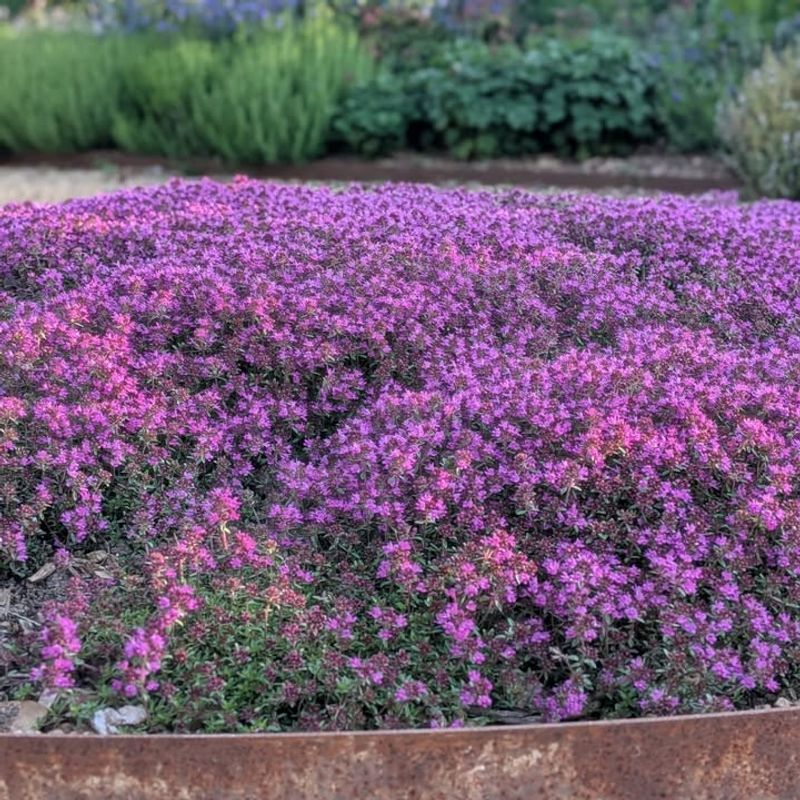
Creeping thyme absolutely adores sunshine and performs its best when bathed in generous amounts of direct light throughout the day.
Without adequate sun exposure, this ground cover becomes leggy, produces fewer flowers, and develops sparse foliage that defeats the purpose of a dense carpet.
Colorado gardeners have a distinct advantage here because our high elevation delivers more intense sunlight than lower-altitude regions, which actually boosts the vibrant red-pink blooms that make this plant so attractive.
When scouting your yard for the perfect planting spot, look for areas that receive uninterrupted sunlight from morning through late afternoon.
South-facing slopes, open lawn areas, and spaces away from building shadows work wonderfully for this sun-loving herb. Even partial shade can reduce flowering by half, so resist the temptation to tuck thyme into those dappled spots under trees.
Colorado’s clear skies and thin atmosphere mean UV rays reach your plants with greater intensity, which creeping thyme actually thrives on rather than suffers from.
This environmental factor encourages the production of essential oils that give thyme its signature fragrance and helps develop the rich coloration in both foliage and flowers.
Planning your planting locations around maximum sun exposure sets the foundation for a thriving, beautiful ground cover that will reward you with years of low-maintenance beauty.
Use Well-Draining Soil To Prevent Root Stress
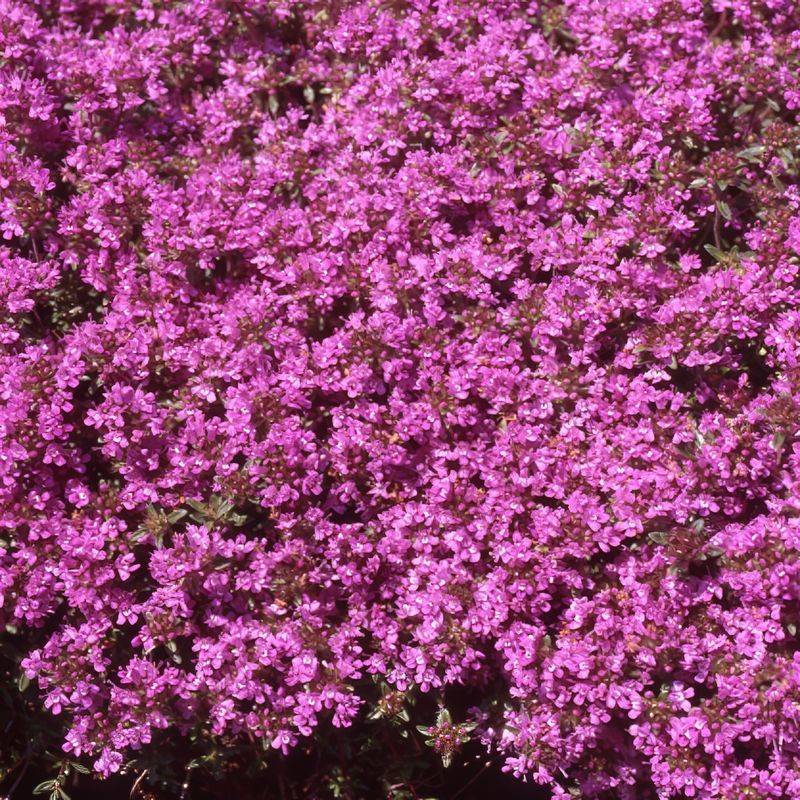
Soil drainage makes or breaks your success with red creeping thyme, as this Mediterranean native evolved in rocky, fast-draining environments where roots never sit in moisture.
Sandy or gravelly soils that allow water to percolate quickly through the root zone create the ideal growing conditions for healthy, vigorous plants.
Unfortunately, many Colorado yards feature heavy clay soil that holds water like a sponge, creating the exact opposite conditions that thyme prefers. Improving clay-heavy Colorado soil requires some upfront effort but pays dividends for years to come.
Mix coarse builder’s sand (not fine sandbox sand) into your planting area at a ratio of one part sand to two parts existing soil, which dramatically improves drainage without completely stripping away nutrients.
Adding compost contributes organic matter that improves soil structure while providing gentle, slow-release nutrition that thyme appreciates.
Your Colorado Garden Changes Every Week. Your Plan Should Too.
Gardening in Colorado changes quickly throughout the season. Every Friday you’ll receive a simple weekly plan showing exactly what to plant, prune, fertilize, harvest, and protect so you never miss the right timing.
For particularly challenging sites with stubborn clay or poor drainage, consider creating raised beds elevated six to twelve inches above grade.
This approach gives you complete control over soil composition while ensuring excess water drains away from roots rather than pooling around them.
The investment in proper soil preparation prevents the root stress, rot issues, and disappointing performance that plague thyme planted in unsuitable conditions, setting you up for a thriving ground cover that spreads beautifully across your sunny spaces.
Plant In Spring After Soil Warms
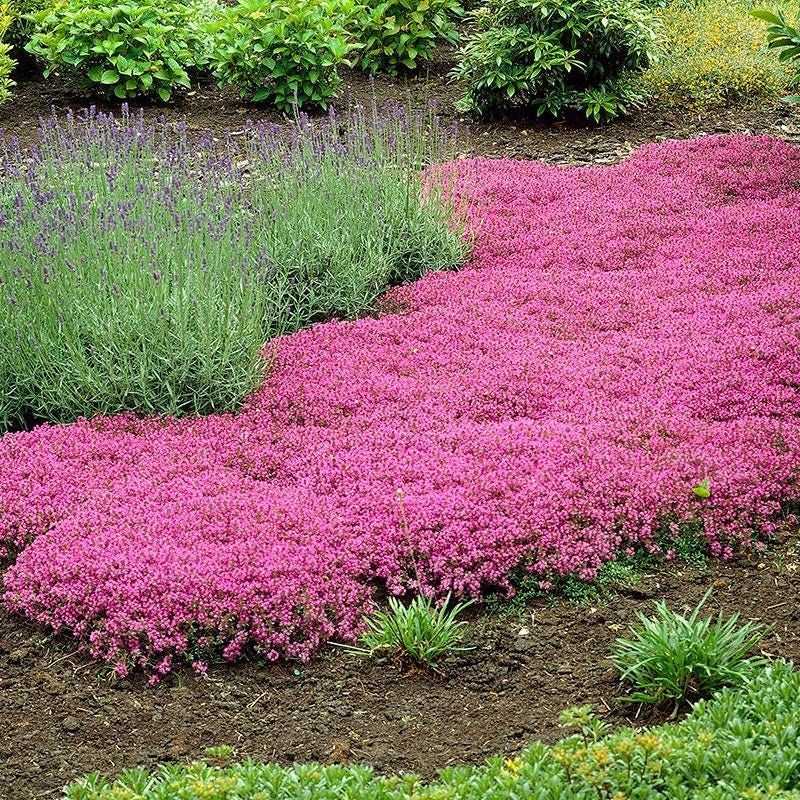
Timing your planting correctly gives red creeping thyme the best possible start in Colorado’s variable spring climate.
Soil temperature matters more than calendar dates because thyme roots establish poorly in cold, wet ground that hasn’t warmed sufficiently.
Generally, late April through early June provides the optimal planting window across most of the Front Range and lower elevations, though mountain communities may need to wait until mid-June when soil temperatures consistently reach fifty-five degrees or higher.
Frost risk varies dramatically across Colorado’s diverse elevation zones, so pay attention to your local last frost date rather than following statewide generalizations.
Lower-elevation areas around Grand Junction or Pueblo can often plant earlier, while high-country gardeners in places like Breckenridge or Leadville face frost threats well into June.
A simple soil thermometer inserted three inches deep helps you determine whether conditions are right for planting.
Spring planting allows thyme to establish strong root systems before facing summer heat and winter cold, both of which stress newly planted specimens.
Young plants need several months of active growth to develop the extensive root networks that support drought tolerance and winter hardiness.
Avoid fall planting in Colorado because insufficient establishment time before winter often results in poor survival rates, wasting your investment and effort when plants struggle through their first cold season without adequate root development to anchor and sustain them.
Space Plants 8–12 Inches Apart For Proper Coverage
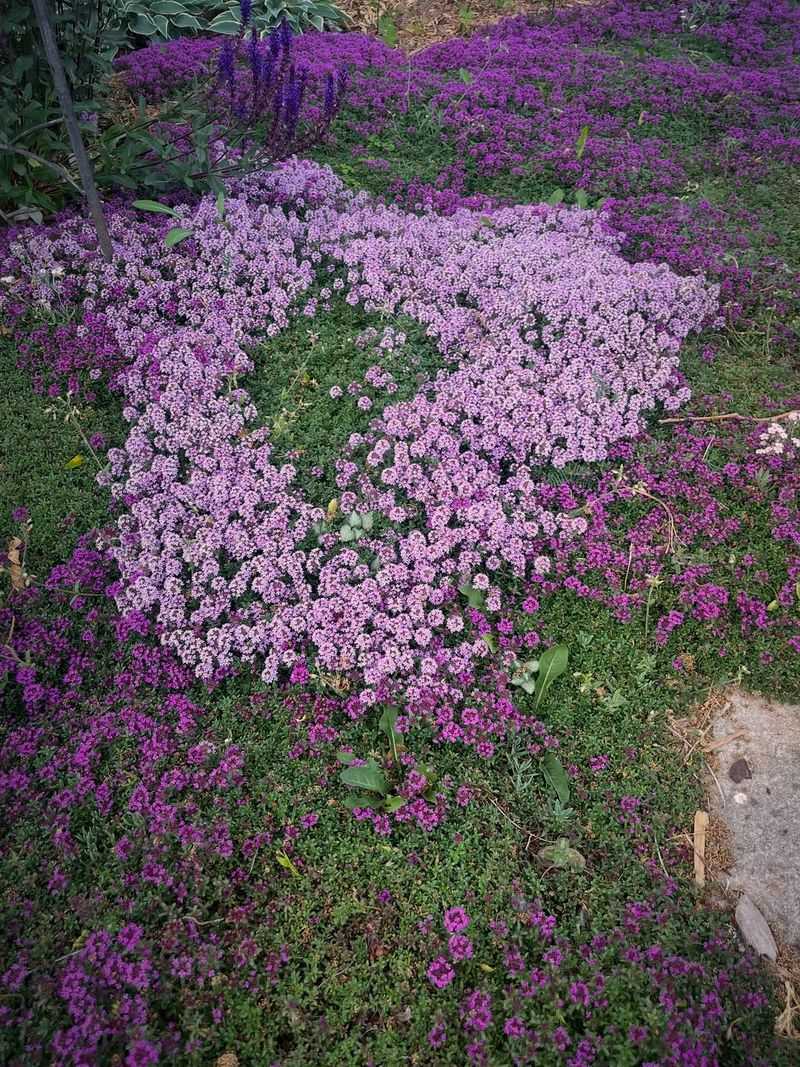
Proper spacing between individual thyme plants creates the perfect balance between achieving full coverage and maintaining plant health through adequate airflow.
Planting eight to twelve inches apart allows each plant room to spread naturally while filling in gaps within one to two growing seasons, depending on growing conditions and plant size at installation.
Closer spacing might seem tempting for faster coverage, but crowded plants compete for resources and create humidity pockets that invite problems.
Colorado’s irrigated landscapes can develop moisture-related issues when plants grow too densely without sufficient air circulation between them.
Adequate spacing allows breezes to move through the planting, drying foliage quickly after watering or rain and reducing the risk of fungal concerns that occasionally affect overly crowded ground covers.
This breathing room becomes especially important in areas where sprinkler systems create regular moisture on foliage.
Calculate your plant needs by measuring your planting area and dividing by the square footage each plant will cover.
A plant spaced ten inches from its neighbors covers roughly 0.7 square feet, so a fifty-square-foot area requires about seventy plants for complete coverage within two seasons.
While this might seem like a significant initial investment, red creeping thyme’s long lifespan and minimal maintenance requirements make it far more economical than replanting annual ground covers year after year or maintaining thirsty lawns that demand constant attention and resources.
Water Lightly During Establishment
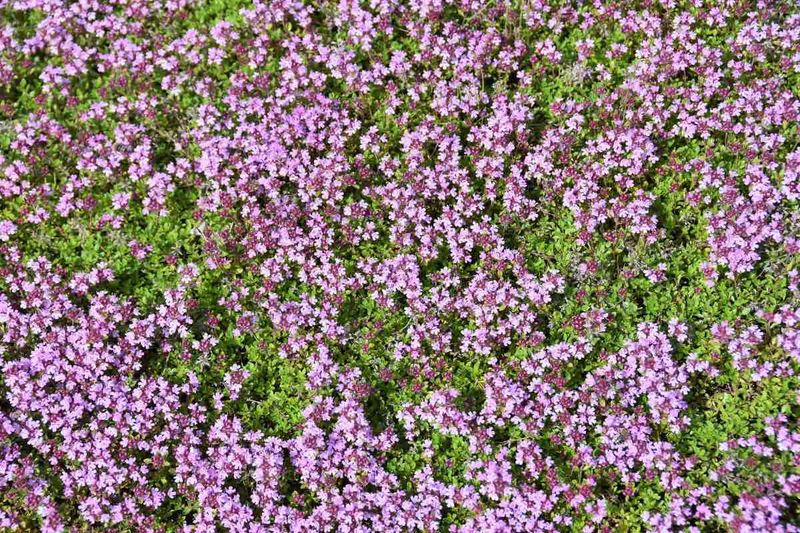
Newly planted red creeping thyme requires consistent moisture during its first growing season to develop the extensive root systems that later support its famous drought tolerance.
Light, frequent watering encourages roots to grow outward and downward rather than staying shallow and dependent on surface moisture.
Plan to water every two to three days during the first month, providing enough moisture to keep the root zone lightly damp but never soggy or waterlogged.
Drip irrigation systems work exceptionally well for establishing thyme in Colorado’s semi-arid climate because they deliver water directly to root zones without wetting foliage unnecessarily.
This targeted approach conserves water while reducing humidity around leaves and stems that can sometimes encourage unwanted fungal growth. Soaker hoses offer a budget-friendly alternative that provides similar benefits for smaller planting areas.
As plants establish over their first season, gradually reduce watering frequency while slightly increasing the amount delivered per session to encourage deeper rooting.
By the second growing season, established thyme typically survives on natural precipitation alone across much of Colorado, requiring supplemental water only during extended dry spells.
This transition from establishment care to drought-tolerant maturity represents one of creeping thyme’s greatest advantages as a ground cover, eventually requiring far less water than traditional lawns while providing year-round beauty and functionality in sunny landscape areas that challenge more moisture-dependent plants.
Mulch With Gravel Or Small Stone Instead Of Bark
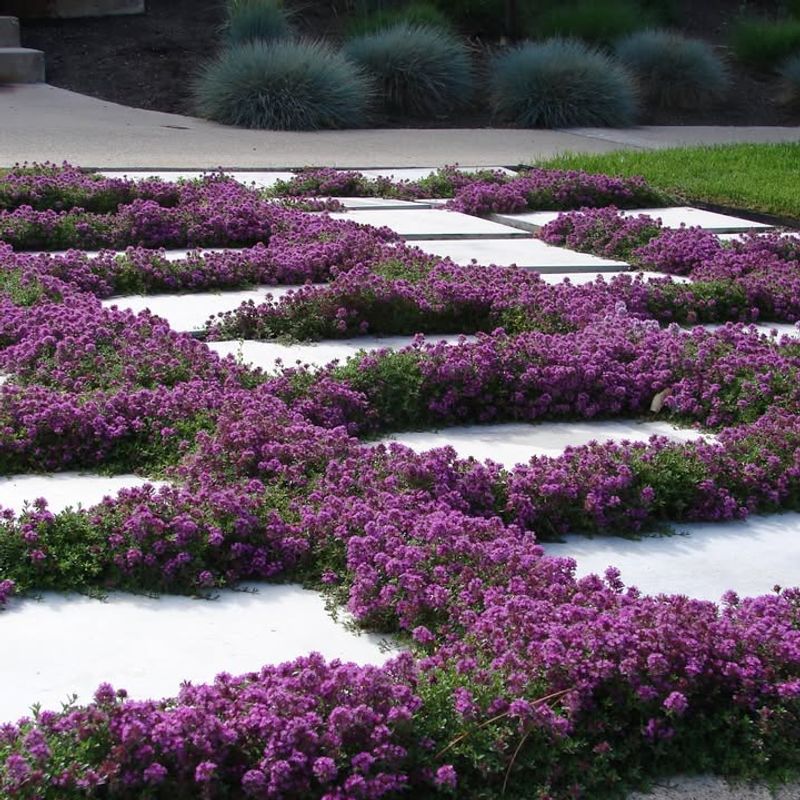
Choosing the right mulch material dramatically impacts red creeping thyme’s success because this plant evolved in rocky Mediterranean habitats rather than forest floors covered in decomposing organic matter.
Gravel, pea stone, or crushed granite creates an ideal growing environment that mimics thyme’s native conditions while providing practical benefits perfectly suited to Colorado’s climate.
These inorganic mulches improve drainage around plant crowns, reflect additional light onto foliage, and retain solar heat that extends the growing season.
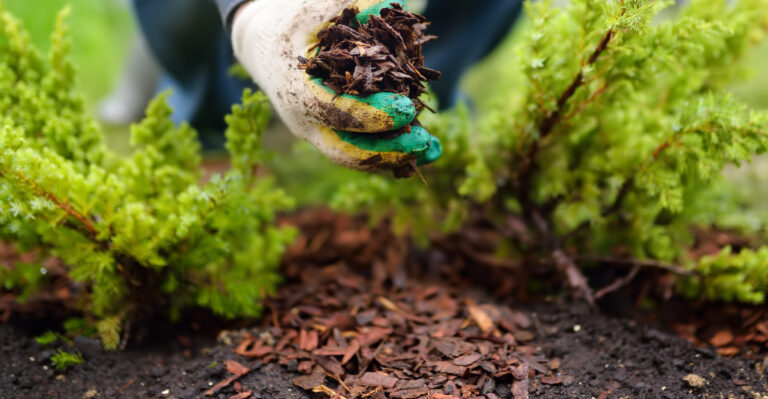
Bark mulch and wood chips, while excellent for many garden applications, trap moisture against thyme stems and create conditions that encourage rot at the plant crown where stems meet soil.
This moisture retention works against thyme’s preference for dry conditions between waterings. Organic mulches also decompose and add nitrogen to soil, which sounds beneficial but actually encourages weak, floppy growth in thyme that flowers poorly.
Apply a one to two-inch layer of small gravel or stone around your thyme plants, keeping the material slightly away from direct contact with stems.
This mulch layer suppresses weeds by blocking light from reaching weed seeds while creating an attractive, finished appearance that complements thyme’s low-growing habit.
The stone mulch requires no replacement or refreshing like organic materials, making it a permanent, low-maintenance solution.
As thyme spreads and fills in, the foliage eventually covers much of the gravel, creating a beautiful tapestry of living plants interspersed with attractive stone accents.
Avoid Heavy Fertilizer Applications
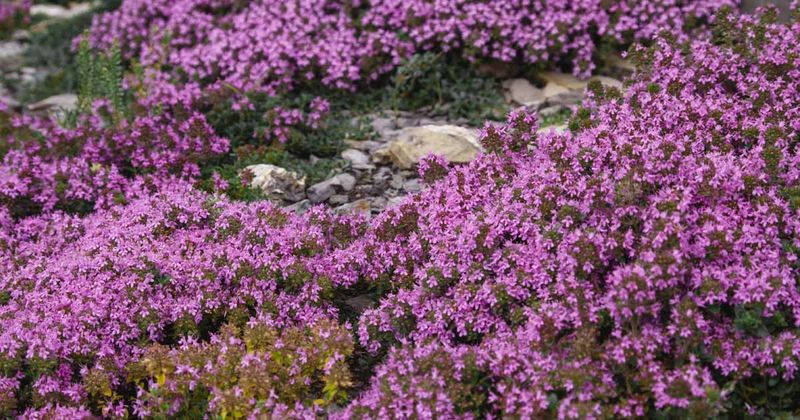
Red creeping thyme thrives on neglect when it comes to fertilization, as this tough little plant evolved in nutrient-poor soils where survival meant making the most of limited resources.
Excessive fertilizer, particularly nitrogen-heavy formulations, pushes thyme to produce lush, soft growth that looks impressive initially but flowers poorly and becomes susceptible to various stress factors.
This overfed foliage also tends to flop rather than forming the dense, compact mat that makes creeping thyme such an effective ground cover.
Colorado soils naturally contain sufficient nutrients for thyme in most cases, especially when you’ve incorporated compost during initial soil preparation.
If you feel fertilization is necessary, apply a light dose of balanced, slow-release fertilizer once in early spring at half the rate recommended on the package.
Even better, skip synthetic fertilizers entirely and top-dress with a thin layer of compost every two to three years.
The stunning red-pink flowers that make this plant so desirable actually develop more abundantly when thyme grows in leaner soil conditions that would frustrate heavy-feeding plants.
This counterintuitive relationship between soil fertility and flowering means that less truly equals more with creeping thyme.
Focus your garden efforts on providing excellent drainage, adequate sunlight, and proper spacing rather than worrying about feeding schedules, and you’ll be rewarded with a tougher, more floriferous ground cover that captures the resilient beauty Colorado gardeners appreciate in their landscapes.
Trim After Flowering To Encourage Dense Growth
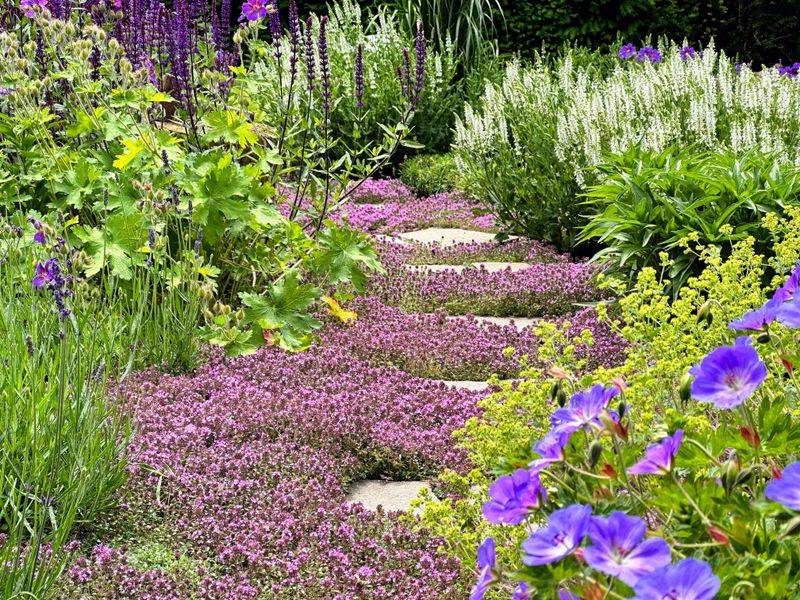
Light trimming after bloom cycles keeps red creeping thyme looking tidy while promoting the compact, dense growth habit that creates an effective ground cover.
Once flowers fade in mid to late summer, use grass shears or string trimmers set high to remove spent blooms and the top inch or two of growth across the entire planting.
This shearing stimulates fresh growth from the base of plants, preventing the woody, bare-centered appearance that develops when thyme goes untrimmed for multiple seasons.
Colorado’s growing season typically allows for one main trimming session in late July or early August after the primary flowering period concludes.
Avoid trimming after mid-September because late-season pruning stimulates tender new growth that won’t harden off properly before winter temperatures arrive.
This timing allows plants to produce fresh foliage that matures and toughens before facing Colorado’s cold season.
The trimming process takes minimal time once you develop a rhythm, and many gardeners find the fresh herbal fragrance released during shearing to be one of the pleasant side benefits of this maintenance task.
Collected trimmings make excellent additions to compost piles or can be dried for culinary use if you’ve avoided pesticide applications.
Regular post-bloom trimming maintains the neat, carpet-like appearance that makes creeping thyme such an attractive lawn alternative while extending the longevity of your planting by preventing the decline that affects neglected specimens over time.
Protect Plants From Winter Moisture Buildup
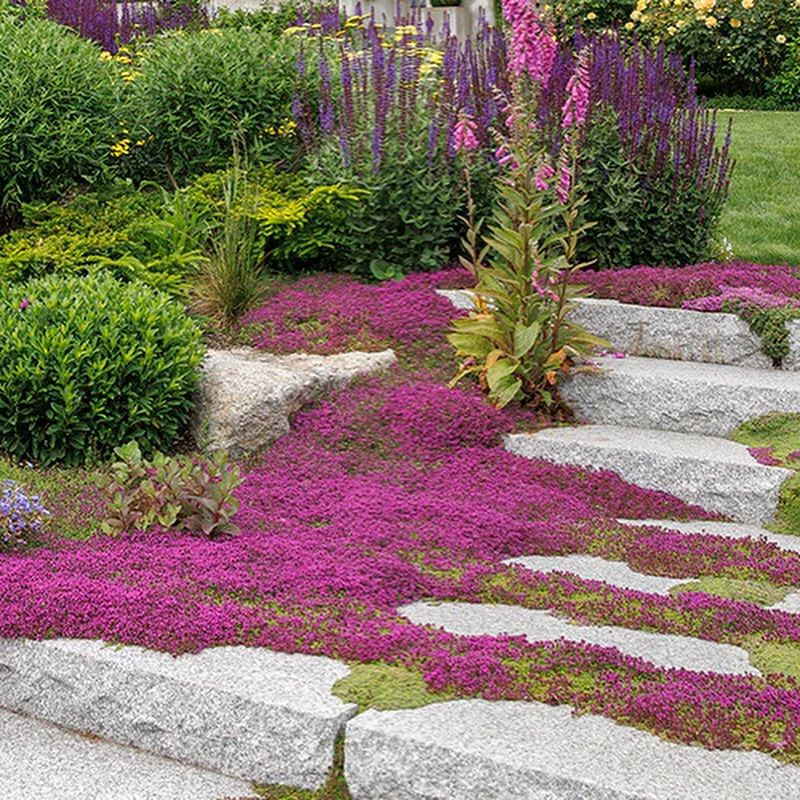
Red creeping thyme handles Colorado’s bitter winter cold remarkably well, but saturated soil during freezing weather poses a serious threat to plant survival.
The combination of frozen, waterlogged soil damages roots through ice crystal formation and suffocation, creating conditions far more harmful than cold temperatures alone.
Colorado’s winter weather patterns often include freeze-thaw cycles that can trap water around plant crowns, making drainage management crucial for winter success.
Proper site preparation that ensures excellent drainage becomes your primary defense against winter moisture problems.
Sloped planting areas naturally shed water away from plants, while flat sites may require subtle grading to prevent pooling.
Areas where snow accumulates heavily or where roof runoff concentrates need special attention because melting snow can create persistently wet conditions even when surrounding areas drain properly.
Avoid overwatering in fall as plants prepare for dormancy, and make sure irrigation systems are properly winterized to prevent accidental watering during cold months.
If your thyme planting occupies a low spot where water naturally collects, consider installing a simple drainage solution like a gravel-filled swale that directs excess moisture away from plant roots.
These protective measures ensure your creeping thyme emerges healthy each spring, ready to resume growth and flowering rather than struggling to recover from winter damage that could have been prevented through thoughtful moisture management during the dormant season.
Use As A Walkable Ground Cover In Low-Traffic Areas
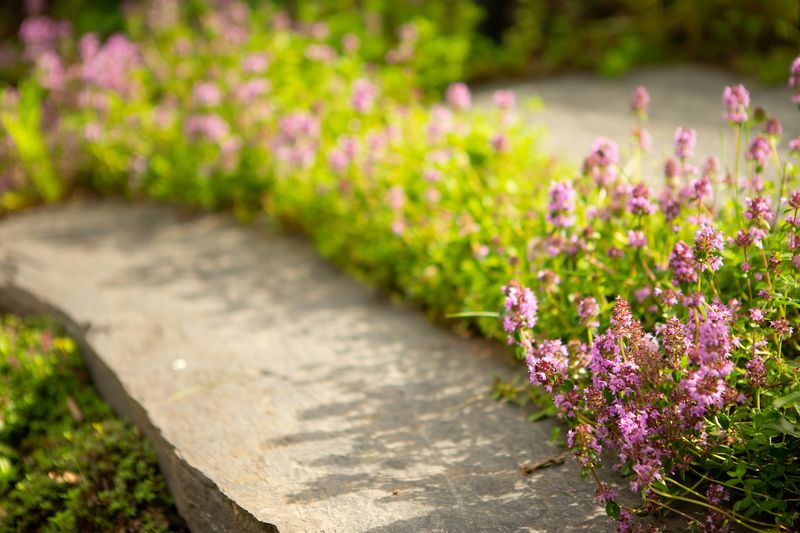
One of red creeping thyme’s most enchanting qualities is its ability to tolerate occasional footsteps, releasing wonderful herbal fragrance with each tread while maintaining its attractive appearance.
This walkable characteristic opens up creative landscaping possibilities that traditional ground covers cannot provide, though understanding the limits of this traffic tolerance ensures realistic expectations.
Light foot traffic, such as occasional walks to access garden areas or stepping between plants, poses no problem for established thyme, but daily heavy use or concentrated pathways will eventually wear down even the toughest plantings.
Strategic placement between stepping stones creates one of the most successful applications for walkable thyme in Colorado yards.
The stones bear the majority of foot traffic while thyme fills gaps and softens the hardscape, receiving only occasional contact that it handles beautifully.
This combination provides visual interest, pleasant fragrance, and functional pathways that guide movement through your landscape while protecting plants from excessive wear.
Garden paths that receive light use, shortcuts across corners of sunny yards, or areas around patios where people occasionally step work wonderfully for thyme ground cover.
Avoid planting in main walkways, heavily used play areas, or anywhere that receives constant daily traffic that would quickly damage plants.
When positioned appropriately in low-traffic zones, red creeping thyme transforms ordinary spaces into interactive sensory experiences that engage visitors through sight, scent, and touch while providing all the practical benefits of an attractive, water-wise ground cover perfectly adapted to Colorado’s sunny, dry climate.