This Simple Outdoor Detail Is Changing The Look Of Tennessee Yards
Tennessee homeowners are discovering that small, thoughtful changes can dramatically improve the look of their yards.
One simple outdoor detail is transforming landscapes, making gardens appear more polished, organized, and visually appealing without major renovations. Sometimes the smallest touches make the biggest impact on your yard.
From adding defined borders and updating mulch to incorporating decorative groundcover, this detail enhances curb appeal and highlights plants while creating clean lines throughout the landscape.
It works for both small yards and larger properties, giving every outdoor space a cohesive, stylish look. Simple upgrades can turn an ordinary yard into a beautiful, inviting space.
Tennessee gardeners who embrace this approach enjoy attractive, organized, and easy-to-maintain landscapes that stand out in any neighborhood. Upgrade your yard with this simple detail and see instant results.
The Detail Is Metal Landscape Edging (Steel Or Aluminum)
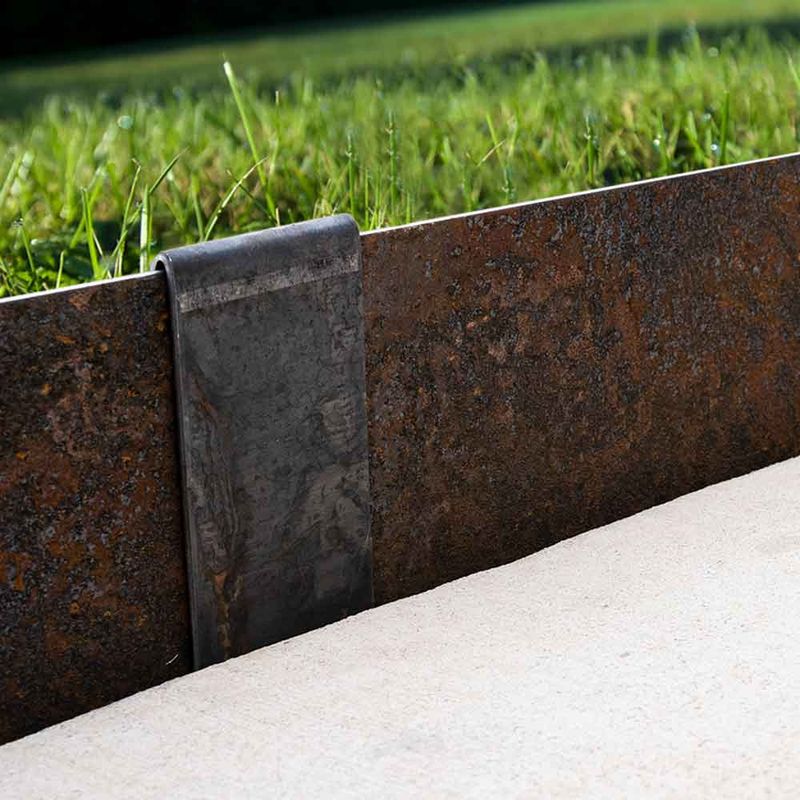
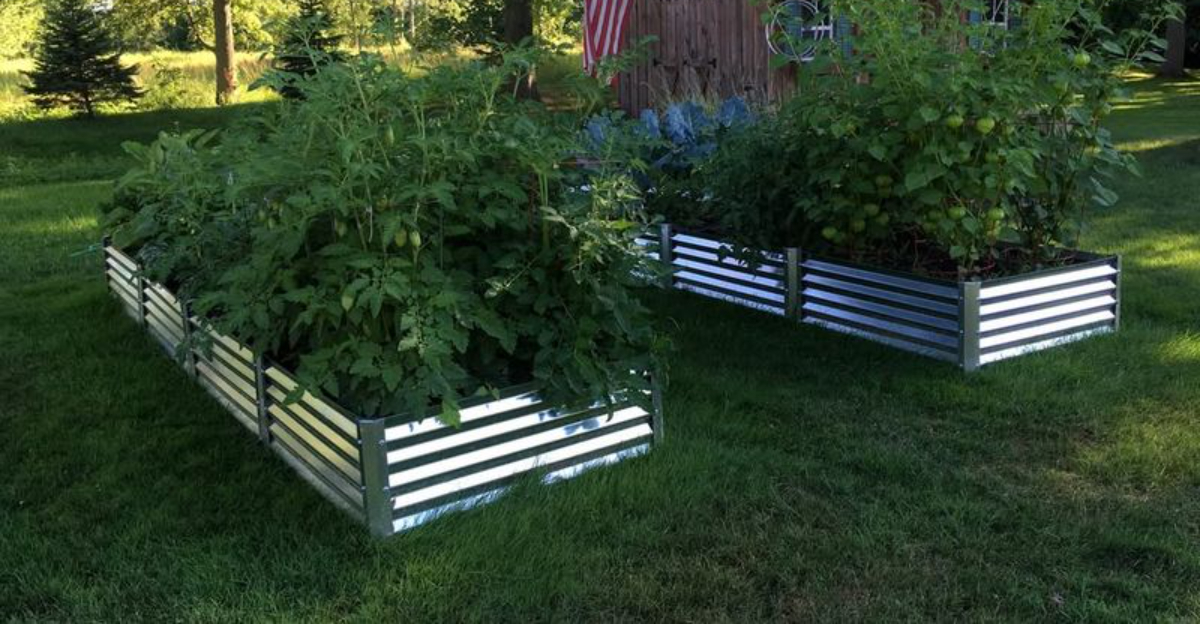
Metal landscape edging is a slim, durable border material that creates defined boundaries between different areas of your yard.
Unlike chunky plastic strips or heavy concrete borders, metal edging offers a sleek profile that almost disappears into the landscape while doing its job beautifully.
Homeowners across Tennessee are choosing this modern solution because it combines strength with visual elegance in ways other materials simply cannot match. Two primary metals dominate the Tennessee market: powder-coated steel and aluminum.
Steel edging provides exceptional strength and can handle the toughest soil conditions, while aluminum resists rust naturally and works wonderfully in areas with high moisture.
Both options come with protective coatings that shield them from the elements, ensuring they look great year after year without constant maintenance or replacement.
Installation typically involves setting the edging three to four inches below ground level, which creates a stable anchor that prevents shifting over time.
This depth also stops grass roots from sneaking underneath while keeping the top edge just visible enough to guide your mower.
Professional installers and DIY enthusiasts alike appreciate how this straightforward installation method delivers professional results without requiring specialized equipment or extensive landscaping experience, making it accessible for homeowners at any skill level.
It Creates Clean, Modern Yard Lines
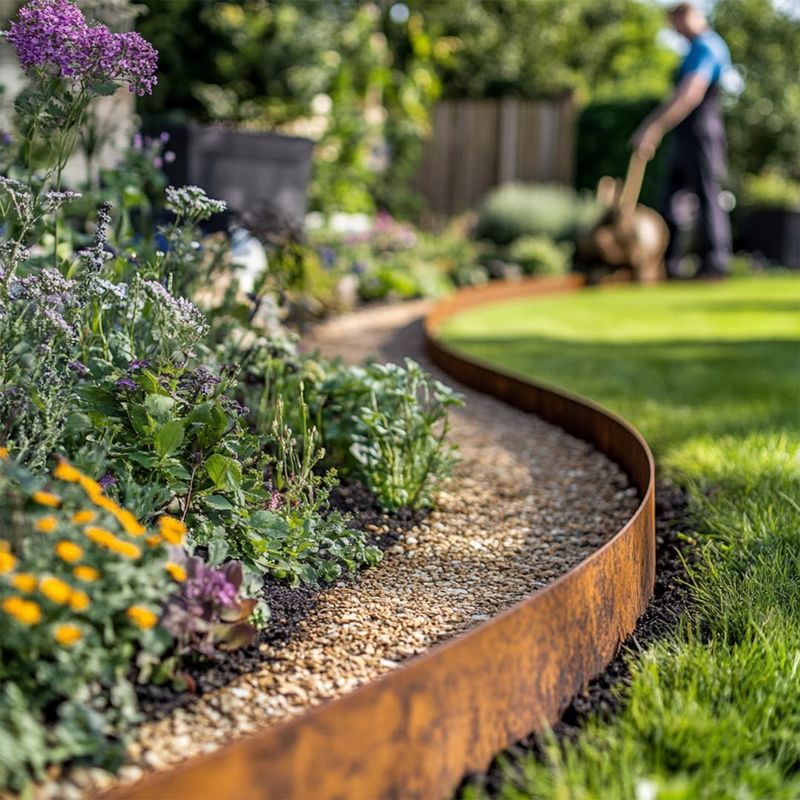
Sharp, crisp lines between your lawn and garden beds instantly elevate the entire look of your property.
Metal edging creates these precise boundaries with a thin profile that measures just a few inches tall, allowing the landscaping itself to shine rather than the border.
This minimalist approach appeals strongly to homeowners who want their yards to look intentional and well-maintained without appearing overly formal or rigid.
Traditional Southern landscapes often featured irregular borders or no defined edges at all, which gave yards a casual, flowing appearance.
While that style has its charm, many Tennessee residents now prefer the updated look that metal edging provides, especially as they incorporate more contemporary design elements into their outdoor spaces.
The clean separation makes every area of the yard feel purposeful and organized, from flower beds to vegetable gardens to decorative rock features.
Homeowners particularly love how metal edging complements both classic and modern landscaping styles without overwhelming the design.
Your Tennessee Garden Changes Every Week. Your Plan Should Too.
Gardening in Tennessee changes quickly throughout the season. Every Friday you’ll receive a simple weekly plan showing exactly what to plant, prune, fertilize, harvest, and protect so you never miss the right timing.
Whether you are framing a cottage garden filled with heirloom roses or defining minimalist planting beds with ornamental grasses, the subtle presence of metal edging enhances rather than distracts.
This versatility makes it an excellent investment for anyone looking to refresh their yard’s appearance while maintaining flexibility for future design changes or seasonal plantings.
It Holds Up Well In Tennessee’s Humid Climate
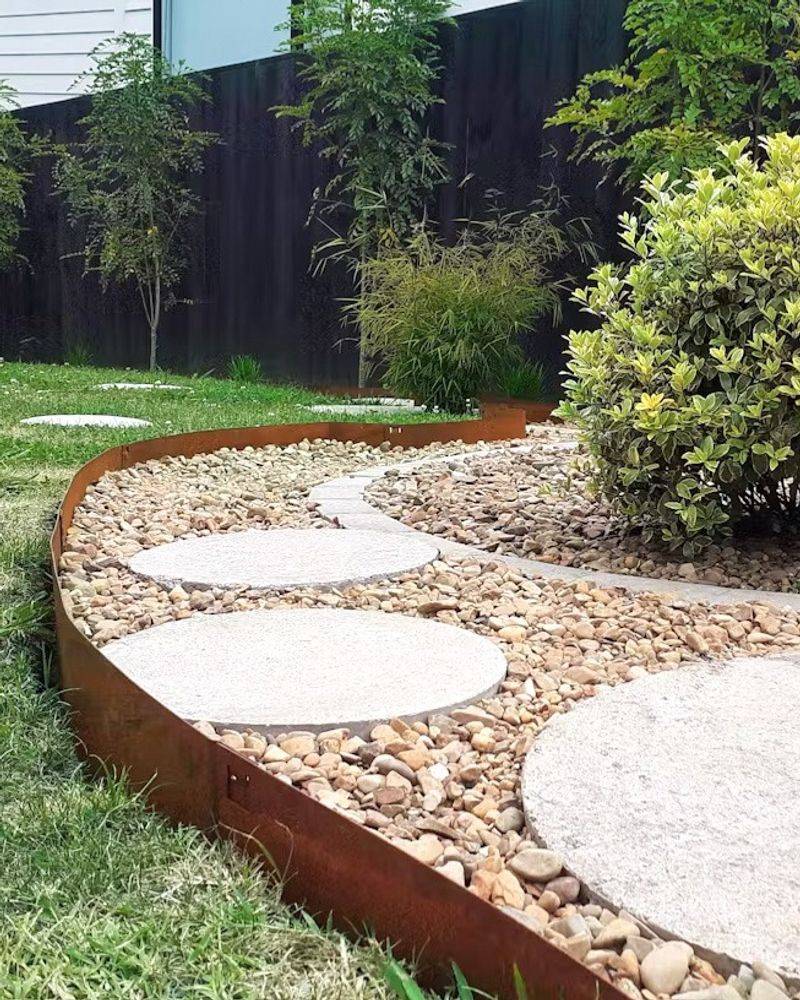
Tennessee’s climate presents unique challenges for outdoor materials, with high humidity levels and generous rainfall throughout much of the year.
Wood borders, even treated varieties, tend to deteriorate relatively quickly when exposed to constant moisture, developing rot, warping, or harboring insects.
Metal edging sidesteps these problems entirely, offering a weather-resistant solution that maintains its integrity season after season without the headaches associated with organic materials.
Powder-coated steel and aluminum both excel in humid conditions because their protective finishes prevent moisture from penetrating the metal surface.
Steel edging receives a factory-applied coating that seals the metal completely, while aluminum naturally forms a protective oxide layer that guards against corrosion.
These characteristics make both materials ideally suited for Tennessee’s weather patterns, where morning dew, afternoon thunderstorms, and sticky summer humidity are simply part of life.
Rainfall patterns across Tennessee vary from the eastern mountains to the western plains, but nearly every region receives substantial precipitation.
This consistent moisture exposure means that landscape materials need to handle wet conditions without breaking down or requiring constant replacement.
Metal edging meets this requirement beautifully, maintaining its appearance and function through years of rain, humidity, and temperature fluctuations.
Homeowners appreciate not having to worry about their landscape borders deteriorating just when everything else in the garden is thriving.
It Helps Keep Mulch And Gravel In Place
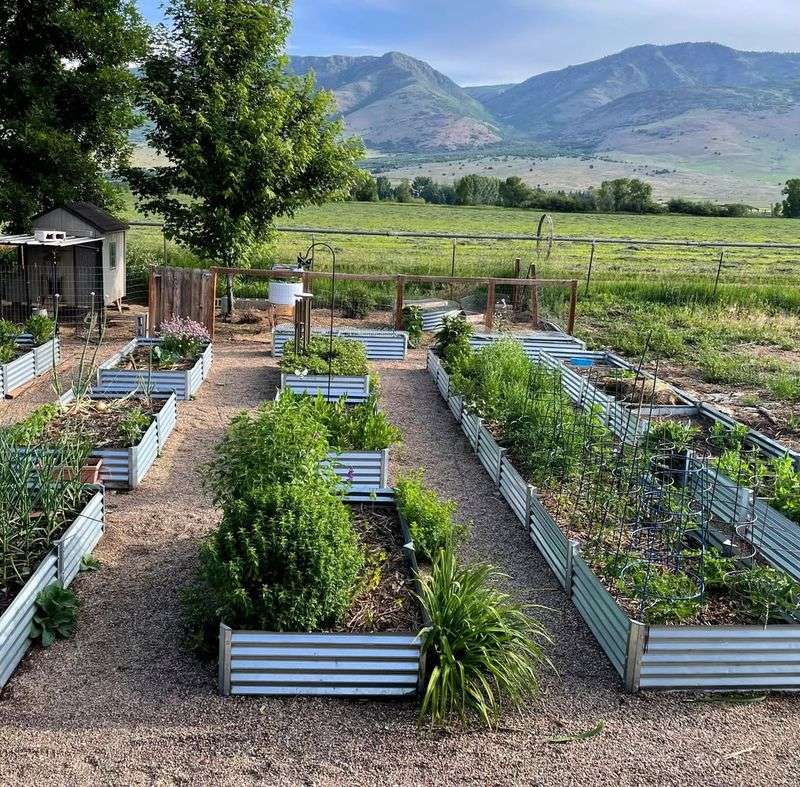
Spring and summer storms roll through Tennessee with impressive force, often delivering heavy rainfall in short periods. Without proper edging, mulch and decorative gravel quickly wash out of garden beds and onto lawns, driveways, and sidewalks.
This creates a messy appearance and wastes money on replacement materials that could have stayed where you put them with the right barriers in place.
Metal edging solves this frustrating problem by creating a physical barrier that holds mulch and gravel securely within their designated areas.
The edging extends several inches above ground level, forming a retaining wall that prevents materials from spilling over even during intense downpours.
Homeowners report significantly less mulch migration after installing metal borders, which means their landscaping looks tidy throughout the growing season and beyond.
Tennessee’s varied terrain includes plenty of sloped yards, which makes material retention even more challenging. Gravity naturally pulls loose materials downhill, and rain accelerates this process dramatically.
Metal edging provides crucial slope control by creating stepped boundaries that hold materials at each level, preventing the cascade effect that leaves upper beds bare while lower areas become buried.
This benefit is particularly valuable for hillside properties where maintaining attractive landscaping requires extra effort and strategic planning to work with rather than against the natural topography.
It Reduces Lawn Encroachment Into Garden Beds
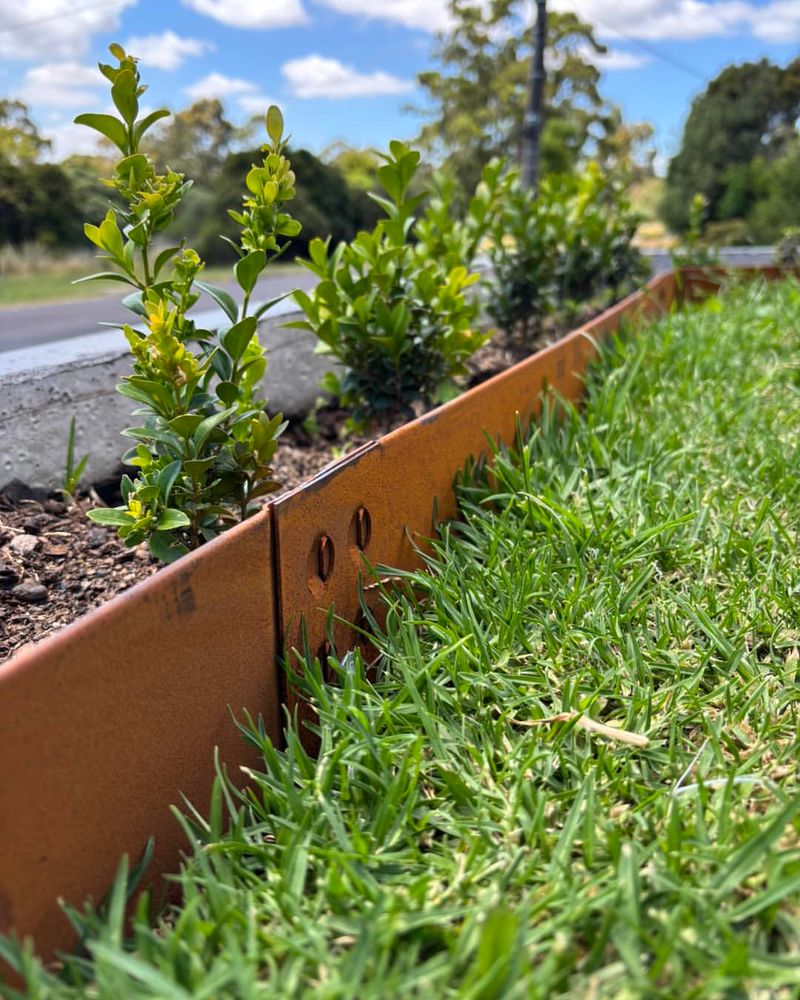
Grass is remarkably persistent and will happily invade any territory it can reach, including your carefully planned garden beds.
Tennessee lawns commonly feature fescue in cooler regions and Bermuda grass in warmer areas, both of which spread through underground runners or surface stolons.
Without a proper barrier, these grasses creep steadily into flower beds and vegetable gardens, creating extra work and competing with your desired plants for water and nutrients.
Metal edging installed three to four inches below ground creates an underground barrier that significantly slows turf spread.
While no edging completely stops every grass blade forever, metal borders make encroachment far more manageable by blocking the primary pathways grass uses to expand its territory.
This means less time spent digging out invading grass and more time enjoying your garden or tending to the plants you actually want growing there.
Fescue tends to spread more slowly and forms clumps, making it somewhat easier to control than aggressive Bermuda grass.
Bermuda, however, grows vigorously during Tennessee’s warm season and can quickly overtake garden spaces if left unchecked.
The underground depth of metal edging proves especially valuable against Bermuda’s determined spreading habit, giving gardeners a fighting chance to maintain clear boundaries between lawn and garden.
Regular edging maintenance, like trimming along the border, becomes much simpler and more effective when metal edging provides that crucial underground barrier working quietly beneath the surface.
It Works With Native Plant And Pollinator Gardens
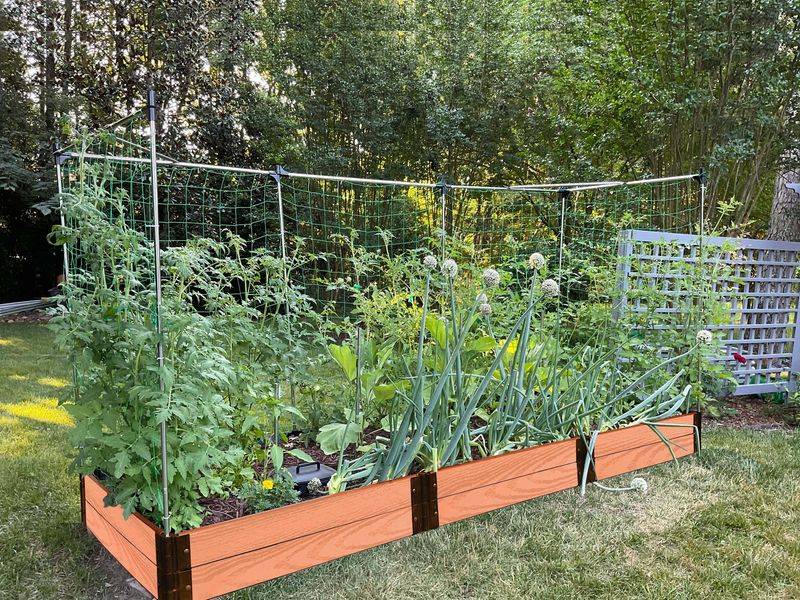
Native plant gardens and pollinator-friendly landscapes have surged in popularity across Tennessee as homeowners embrace environmentally conscious landscaping.
These gardens often feature a wonderful mix of wildflowers, grasses, and shrubs that can look beautifully natural but sometimes benefit from defined boundaries to prevent them from appearing unintentionally messy.
Metal edging provides the perfect solution by creating clear zones while maintaining the organic, flowing aesthetic that makes native gardens so appealing.
Tennessee native plants like purple coneflower, black-eyed Susan, and butterfly weed create stunning displays that attract bees, butterflies, and hummingbirds throughout the growing season.
These gardens work best when they feel integrated into the larger landscape rather than isolated or overly manicured.
Metal edging offers just enough structure to keep native plantings distinct from lawn areas without imposing rigid lines that clash with the garden’s natural character.
Homeowners appreciate how metal edging allows them to experiment with native plant combinations while keeping everything looking intentional rather than neglected.
The low profile of metal borders means the plants themselves remain the focus, and the edging simply provides helpful organization.
This compatibility makes metal edging an excellent choice for anyone wanting to support local ecosystems and pollinators while still maintaining a yard that looks cared for and attractive to neighbors and visitors who might not yet understand the ecological value of these important garden spaces.
Installation Is Easier Than Permanent Hardscape Borders
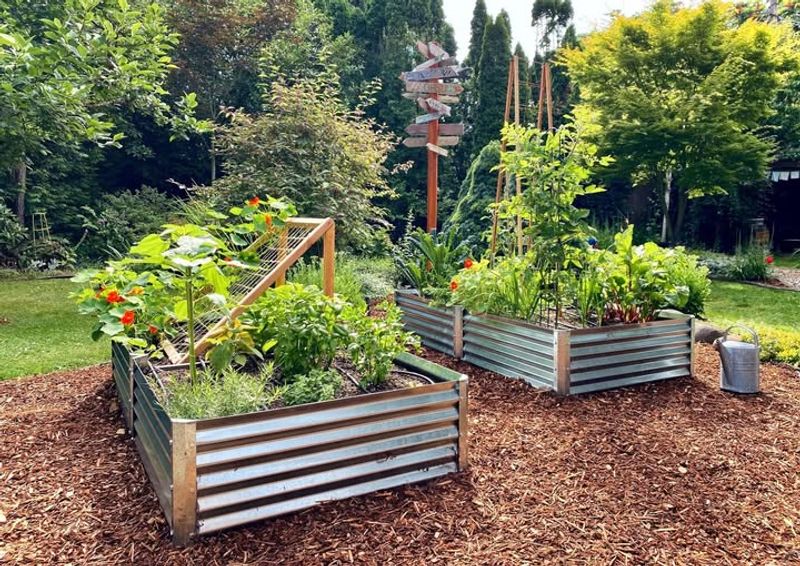
Poured concrete borders and stacked stone walls create beautiful, permanent boundaries but require significant time, skill, and expense to install properly.
Concrete involves mixing, pouring, leveling, and curing, while stone walls demand careful selection, fitting, and often foundation preparation.
Both options typically require professional installation unless you have considerable DIY experience and the right equipment, which puts them out of reach for many homeowners working with modest budgets or limited time.
Metal edging offers a refreshingly straightforward alternative that delivers professional-looking results without the complexity or cost of permanent hardscape.
Installation requires minimal equipment—typically just a flat shovel, rubber mallet, and measuring tape.
Homeowners can complete most residential projects in a weekend or less, working at their own pace without coordinating contractor schedules or worrying about weather conditions affecting concrete curing or mortar setting.
The basic installation process involves marking your desired border line, cutting a narrow trench to the appropriate depth, setting the metal edging into the trench, and backfilling soil on both sides.
Stakes or connectors typically secure the edging at intervals, ensuring everything stays aligned and stable.
Many manufacturers design their systems with interlocking pieces or simple fasteners that make achieving smooth curves and clean corners remarkably easy.
This DIY-friendly approach empowers homeowners to take control of their landscaping projects and see immediate results from their efforts without requiring specialized knowledge or expensive tool rentals.
It Improves Drainage Flow Around Beds
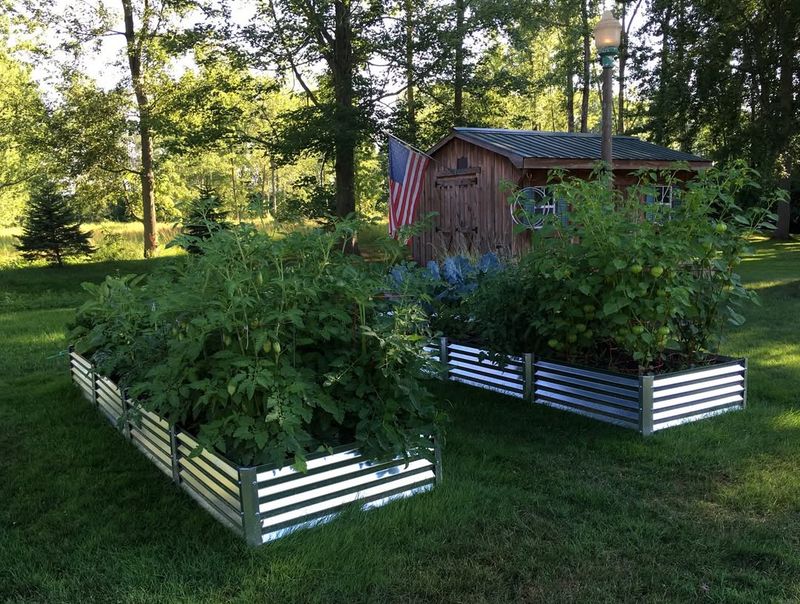
Proper water management is essential for healthy landscapes, and Tennessee’s clay-heavy soils present particular drainage challenges for many homeowners.
Clay soil naturally holds water and drains slowly, which can create soggy conditions around garden beds and lead to root problems for plants that prefer drier conditions.
Landscape borders need to contain soil and mulch without creating dams that trap water and turn garden areas into miniature swamps after every significant rain event.
Metal edging’s low profile allows natural surface water movement while still maintaining effective soil containment.
Unlike tall concrete borders or thick timber edges that can block water flow, metal edging typically rises just a few inches above ground level, permitting excess water to sheet across the top during heavy rainfall.
This design prevents water from pooling against the edging and instead encourages it to flow naturally across the landscape toward appropriate drainage areas.
The permeable nature of properly installed metal edging systems means water can move where it needs to go without carrying away your carefully placed mulch or soil amendments.
Homeowners working with Tennessee’s challenging clay soils find this balance particularly valuable because it addresses drainage concerns without requiring extensive grading work or complex drainage solutions.
The edging maintains the structure and appearance of garden beds while working with rather than against natural water movement patterns, creating healthier conditions for plants and reducing the standing water that attracts mosquitoes and creates muddy messes around landscaped areas.
Local Landscapers Recommend It For Long-Term Maintenance
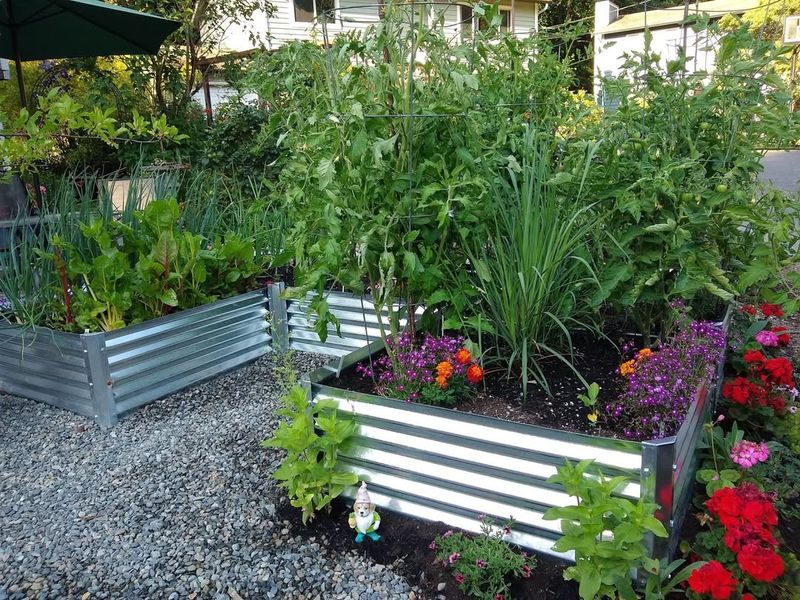
Professional landscapers who maintain properties across Tennessee consistently recommend metal edging to their clients because they witness firsthand how different materials perform over time.
Their experience with countless installations provides valuable perspective on which products deliver lasting value versus those that create recurring problems and expenses.
Metal edging consistently earns high marks from professionals who appreciate both its durability and the reduced maintenance burden it places on their crews and clients.
Plastic edging, while initially less expensive than metal options, typically requires replacement every few years as it becomes brittle from sun exposure, cracks from temperature fluctuations, or breaks when struck by mowers and trimmers.
This replacement cycle creates ongoing costs and disruption that quickly surpass the initial savings.
Metal edging, by contrast, often lasts decades with minimal attention, making it far more cost-effective when viewed across the full lifespan of the installation rather than just the upfront purchase price.
Landscaping professionals also value how metal edging simplifies their maintenance routines by creating clear, stable boundaries that guide mowing and trimming work.
The defined edges reduce the time needed for detail work and minimize accidental damage to plants from equipment getting too close to beds.
Homeowners who choose metal edging often find their maintenance costs decrease because tasks take less time to complete properly, and the landscape maintains its attractive appearance with less frequent intervention and fewer emergency repairs or adjustments throughout the seasons.