California Gardeners Can Easily Maximize Space With These 15 High-Yield Vegetables
Growing vegetables in California gardens can be productive and efficient when you choose the right varieties.
High-yield plants allow gardeners to maximize space, get more produce, and enjoy bountiful harvests even in small yards or container gardens. Grow more food without taking up more space in your garden.
These fifteen vegetables thrive in California’s climate and produce abundant crops with minimal effort. From compact tomatoes and peppers to prolific beans and zucchini, selecting high-yield varieties ensures that every square foot of your garden is productive.
Proper spacing, soil preparation, and consistent care help plants reach their full potential. Smart plant choices and efficient use of space lead to bigger, healthier harvests.
California gardeners who use these high-yield vegetables can enjoy more fresh produce, save money, and make the most of their outdoor spaces. Maximize your garden’s potential and harvest more with less effort.
1. Cherry Tomatoes
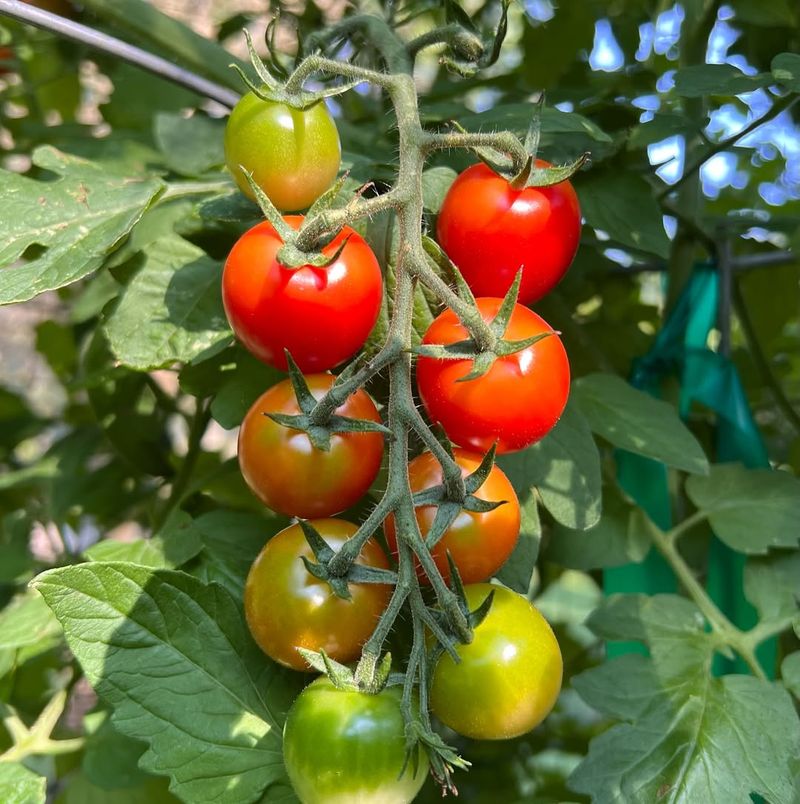
Few vegetables reward California gardeners quite like cherry tomatoes, which seem to produce fruit endlessly once they get started.
These compact powerhouses thrive in the Golden State’s warm, sunny climate and can continue bearing fruit from late spring all the way through fall in many regions.
Unlike their larger cousins, cherry tomato plants maintain steady production throughout the season, giving you handfuls of sweet, bite-sized treats every few days.
Growing them vertically on trellises or sturdy cages transforms them into space-saving champions that climb upward rather than sprawling across precious garden real estate.
This vertical approach also improves air circulation around the plants, reducing moisture-related issues that can sometimes plague tomatoes.
California’s heat doesn’t intimidate these sun-lovers—they actually flourish when temperatures rise, though they appreciate consistent watering to keep those fruits plump and flavorful.
Popular varieties like ‘Sun Gold,’ ‘Sweet 100,’ and ‘Black Cherry’ have proven themselves in California gardens time and again, delivering exceptional flavor and reliable harvests.
Container growing works beautifully for cherry tomatoes too, making them perfect for patios, balconies, or anywhere you can place a large pot with good drainage.
Just give them at least six hours of direct sunlight daily, feed them regularly with balanced fertilizer, and watch as they reward your minimal footprint with maximum productivity throughout California’s extended growing season.
2. Zucchini (Summer Squash)

Zucchini has earned its reputation as the vegetable that just keeps giving, sometimes to the point where gardeners find themselves sharing extras with neighbors and coworkers.
This summer squash grows remarkably fast in California’s warm climate, often producing harvestable fruits within 45 to 55 days of planting.
A single well-tended plant can yield dozens of zucchini throughout the summer months, making it one of the most productive vegetables you can grow in a limited space.
While zucchini plants naturally spread out with large leaves, smart spacing strategies help you manage their footprint without sacrificing yield.
Planting them in mounds or hills with adequate spacing (about 3 feet between plants) ensures good air circulation and healthy growth.
Some creative gardeners have even experimented with vertical training techniques, gently encouraging the main stem upward on a sturdy support structure, though this requires more attention than traditional ground growing.
Your California Garden Changes Every Week. Your Plan Should Too.
Gardening in California changes quickly throughout the season. Every Friday you’ll receive a simple weekly plan showing exactly what to plant, prune, fertilize, harvest, and protect so you never miss the right timing.
California’s hot, dry summers suit zucchini perfectly, as these plants love heat and full sun exposure. Regular harvesting when fruits reach 6 to 8 inches encourages the plant to keep producing more.
The key to success lies in consistent watering—zucchini are thirsty plants that need steady moisture to develop those tender, flavorful fruits.
With just a couple of plants, you’ll have more than enough zucchini for fresh eating, grilling, baking into bread, and everything in between.
3. Pole Beans
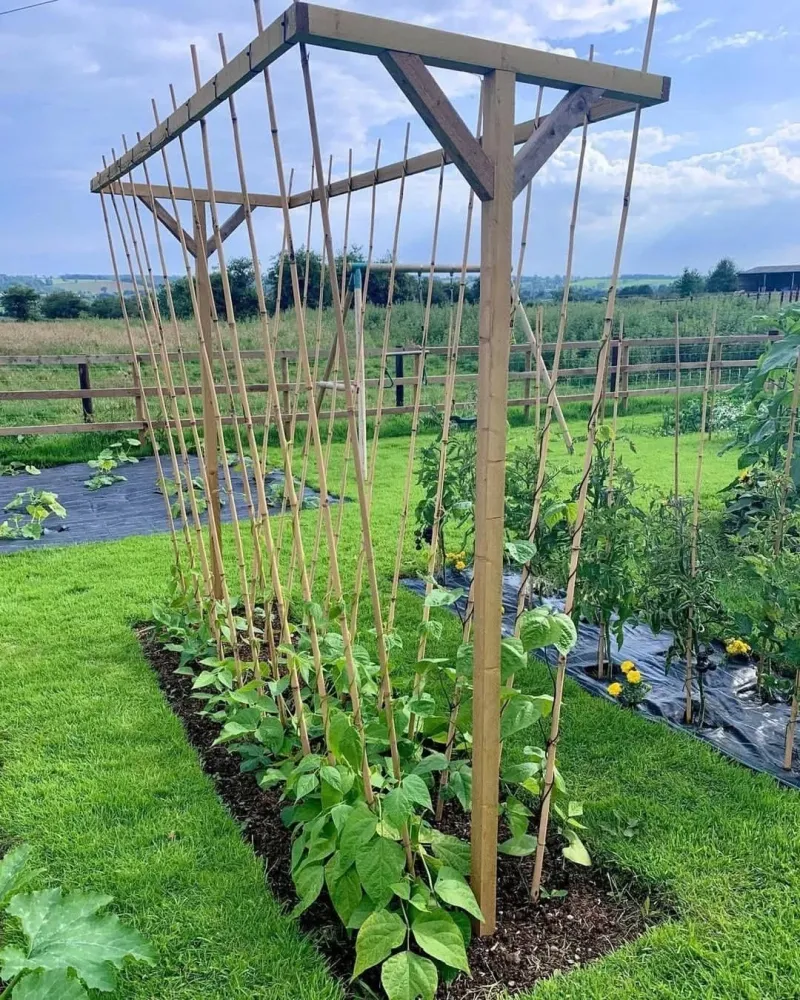
When garden space comes at a premium, pole beans offer an elegant solution that grows upward instead of outward, delivering impressive harvests from a surprisingly small footprint.
These climbing vegetables can produce two to three times more beans per square foot than their bush bean relatives, making them absolute champions for space-conscious California gardeners.
Once established, pole beans climb enthusiastically up whatever support you provide, transforming vertical space into productive growing area.
Setting up a proper trellis system is essential for maximizing pole bean potential—options range from simple bamboo teepees to more elaborate string trellises or wire fencing.
The structure needs to be sturdy enough to support the weight of mature plants loaded with beans, typically reaching 6 to 8 feet tall.
California’s warm spring and summer conditions create ideal circumstances for pole beans, which thrive in temperatures between 70 and 85 degrees Fahrenheit.
Varieties like ‘Blue Lake,’ ‘Kentucky Wonder,’ and ‘Fortex’ perform exceptionally well in California gardens, producing tender, flavorful beans over an extended harvest period.
The beauty of pole beans lies in their continuous production—the more you pick, the more they produce, often bearing fruit for two to three months.
They’re also relatively low-maintenance once established, requiring mainly consistent watering and occasional feeding.
For gardeners working with narrow spaces along fences or walls, pole beans transform these underutilized areas into highly productive vertical vegetable gardens.
4. Bell Peppers
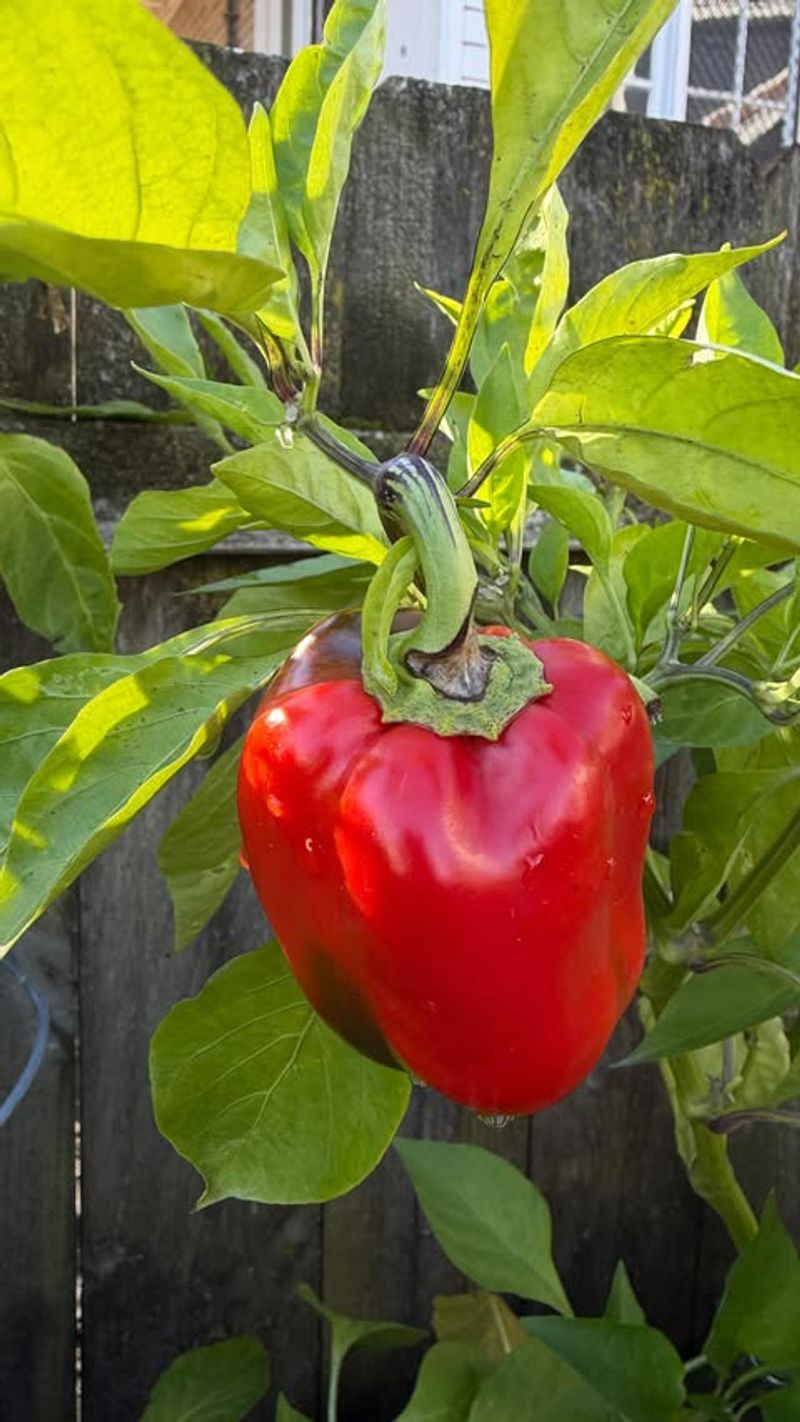
Bell peppers absolutely thrive in California’s abundant sunshine and warm temperatures, making them natural choices for gardeners seeking reliable, space-efficient producers.
These colorful vegetables actually love the heat that California summers deliver, with plants becoming more productive as temperatures climb into the 80s and even low 90s.
A single pepper plant, given proper care, can produce anywhere from 5 to 10 large fruits throughout the growing season, with some exceptionally happy plants yielding even more.
One of the greatest advantages of bell peppers for space-limited gardeners is their excellent compatibility with container growing.
A 5-gallon pot provides ample room for a pepper plant’s root system, making balconies and patios perfectly viable locations for pepper production.
They require at least 6 to 8 hours of direct sunlight daily to reach their full potential, so choose your sunniest spots for these sun-worshippers.
Harvesting bell peppers consistently encourages the plant to keep producing new fruits, extending your harvest window from summer well into fall in many California regions.
You can pick peppers when they’re green and firm, or leave them on the plant longer to develop their full color—red, yellow, orange, or even purple depending on the variety.
Regular watering and feeding with a balanced fertilizer keeps plants healthy and productive.
The compact, upright growth habit of most pepper varieties means they occupy minimal ground space while delivering maximum flavor and nutrition to your kitchen throughout California’s long growing season.
5. Leaf Lettuce (Cut-And-Come-Again Types)
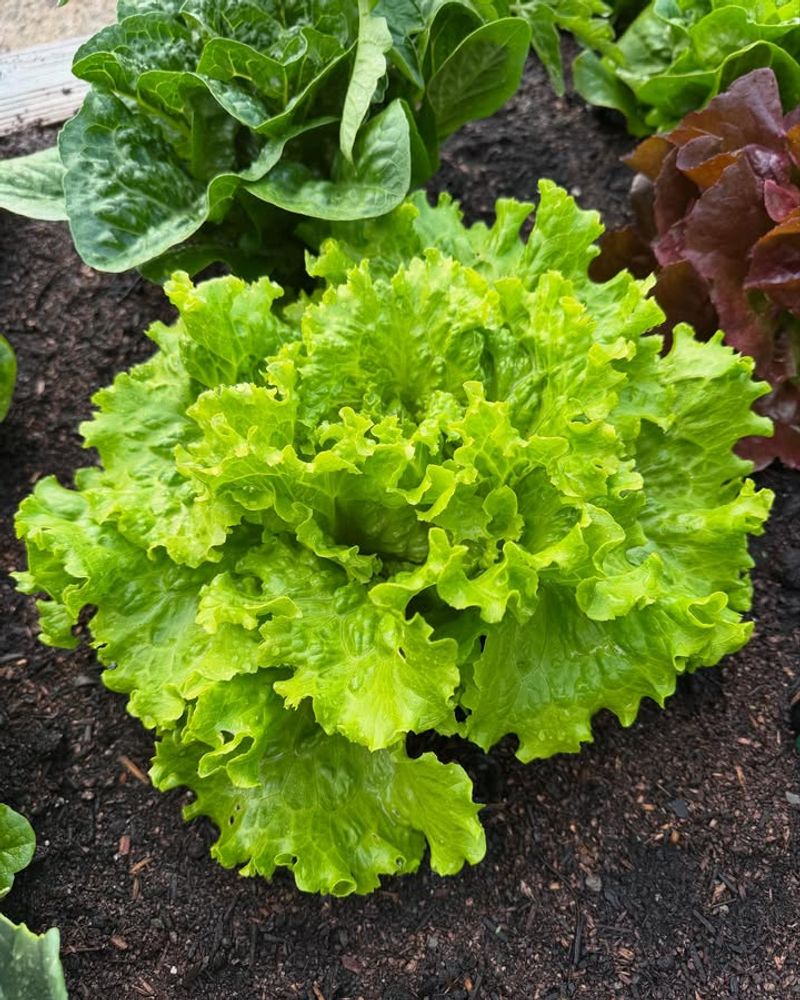
Leaf lettuce represents one of the smartest investments for California gardeners who want to maximize every inch of growing space.
Unlike head lettuce that you harvest once and replant, cut-and-come-again varieties allow you to snip outer leaves repeatedly while the plant continues growing from its center.
This harvesting method means a single planting can provide fresh salad greens for weeks or even months, dramatically increasing your yield per square foot.
California’s diverse climate zones offer different opportunities for lettuce growing—coastal gardeners can grow it nearly year-round, while inland gardeners need to be more strategic about timing.
In hotter inland regions, spring and fall plantings work best, with some heat management strategies extending the season.
Providing afternoon shade during warmer months, using shade cloth, or planting in the shadow of taller crops helps prevent lettuce from bolting (going to seed) prematurely in the heat.
Varieties like ‘Oak Leaf,’ ‘Red Sails,’ and ‘Salad Bowl’ have proven themselves as reliable performers in California gardens, tolerating heat better than many other lettuce types.
The beauty of leaf lettuce lies in its quick maturity—you can start harvesting tender baby leaves in as little as 3 to 4 weeks from planting. Succession planting every two to three weeks ensures a continuous supply of fresh greens.
Leaf lettuce also grows beautifully in containers, window boxes, and even between other vegetables, making it perfect for tucking into any available sunny spot in your garden.
6. Swiss Chard
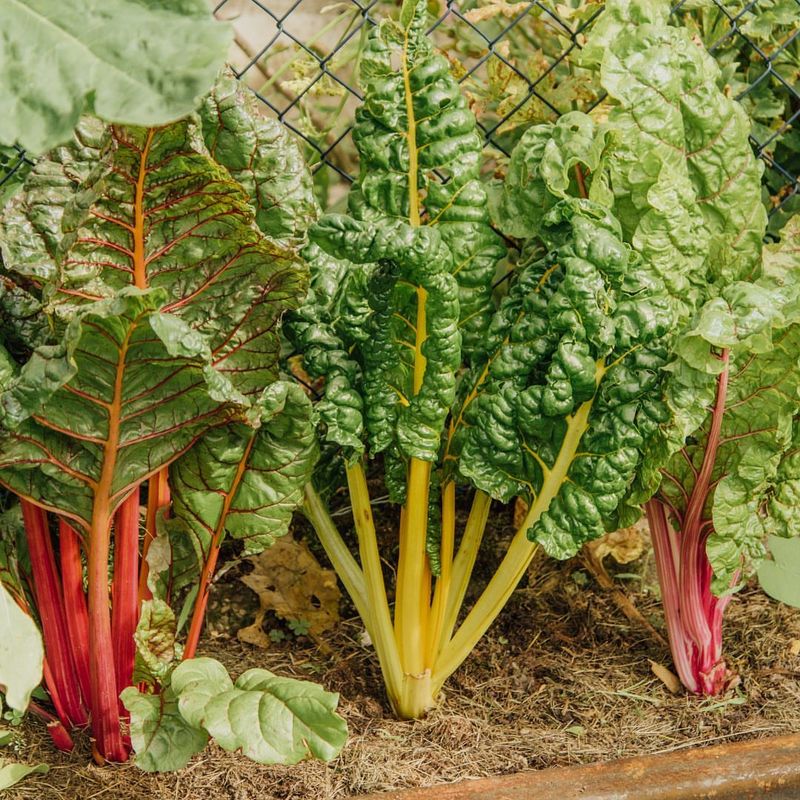
Swiss chard stands out as one of the most adaptable and forgiving vegetables California gardeners can grow, tolerating both the cool coastal breezes and the scorching inland heat with remarkable grace.
This leafy green powerhouse produces continuously throughout the year in many California zones, making it an exceptional choice for gardeners who want reliable harvests regardless of the season.
The colorful stems—ranging from bright red and golden yellow to vibrant pink and white—add ornamental beauty to vegetable gardens while delivering nutritious greens to your table.
What makes chard particularly valuable for space-conscious gardeners is its cut-and-come-again nature, similar to leaf lettuce but even more heat-tolerant and longer-producing.
You can harvest outer leaves while the plant continues growing from its center, providing fresh greens for months from a single planting.
Just a few chard plants can keep a household supplied with nutritious leaves throughout multiple seasons.
Chard grows well in both ground beds and containers, adapting to various garden situations with minimal fuss.
It appreciates consistent moisture and benefits from organic mulch to keep roots cool during hot spells, but overall remains remarkably low-maintenance.
Varieties like ‘Bright Lights’ and ‘Fordhook Giant’ perform exceptionally well across California’s diverse climate zones.
Whether you’re harvesting tender baby leaves for salads or larger mature leaves for sautéing, chard delivers reliable yields throughout the year, making it one of the hardest-working vegetables in any California garden.
7. Cucumbers (Trellised)
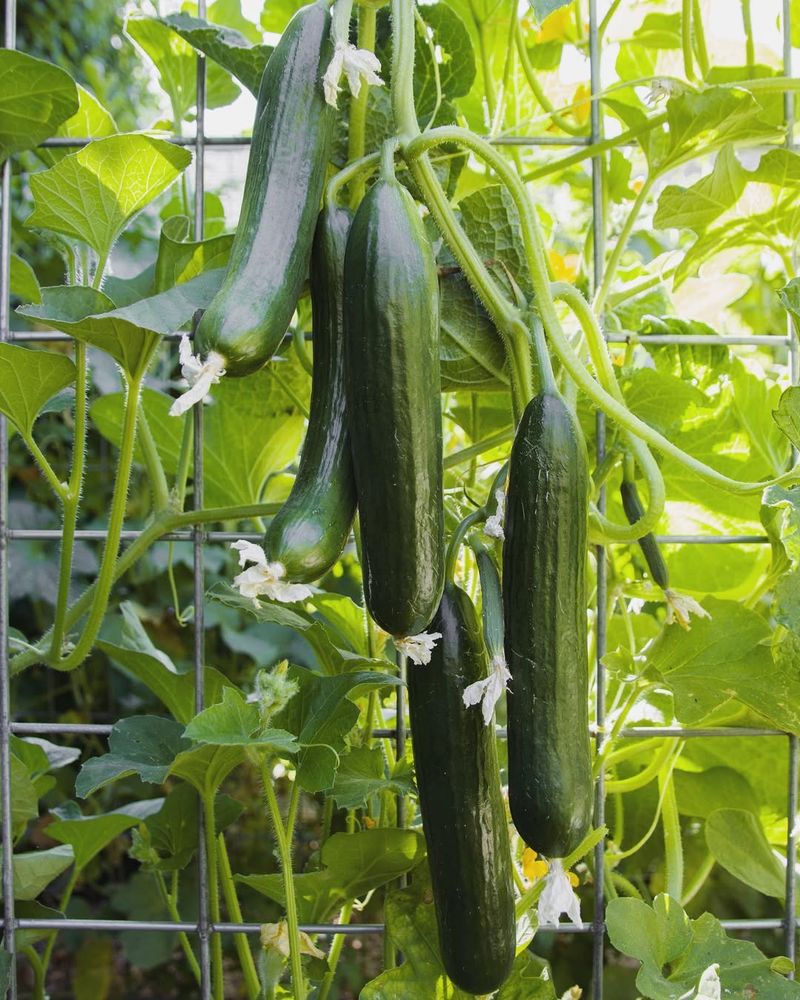
Training cucumbers to grow vertically on trellises transforms them from space-hogging sprawlers into efficient vertical producers that deliver impressive yields from minimal ground area.
When allowed to climb, cucumber vines can reach 6 to 8 feet tall, channeling their energy into producing straight, clean fruits that hang down for easy harvesting.
This vertical approach also significantly improves airflow around the plants, reducing the moisture and humidity that can lead to powdery mildew and other fungal issues common in ground-grown cucumbers.
California’s warm growing season suits cucumbers perfectly, as these heat-loving plants thrive when temperatures consistently reach the 70s and 80s.
They do require consistent watering to produce crisp, non-bitter fruits—letting cucumber plants dry out stresses them and affects fruit quality.
Drip irrigation or soaker hoses work wonderfully for maintaining the steady moisture cucumbers prefer while keeping foliage dry. Pollination considerations matter for cucumber success, especially in gardens with limited bee activity.
Many varieties require pollination to set fruit, though some newer cultivars are parthenocarpic, meaning they produce fruit without pollination.
Varieties like ‘Marketmore,’ ‘Lemon,’ and ‘Armenian’ have proven themselves in California gardens. A couple of trellised cucumber plants can easily produce dozens of fruits throughout the summer, with regular harvesting encouraging continued production.
The vertical growing method also keeps fruits cleaner and makes spotting ripe cucumbers much easier, reducing waste from overripe fruits hidden under foliage.
8. Kale
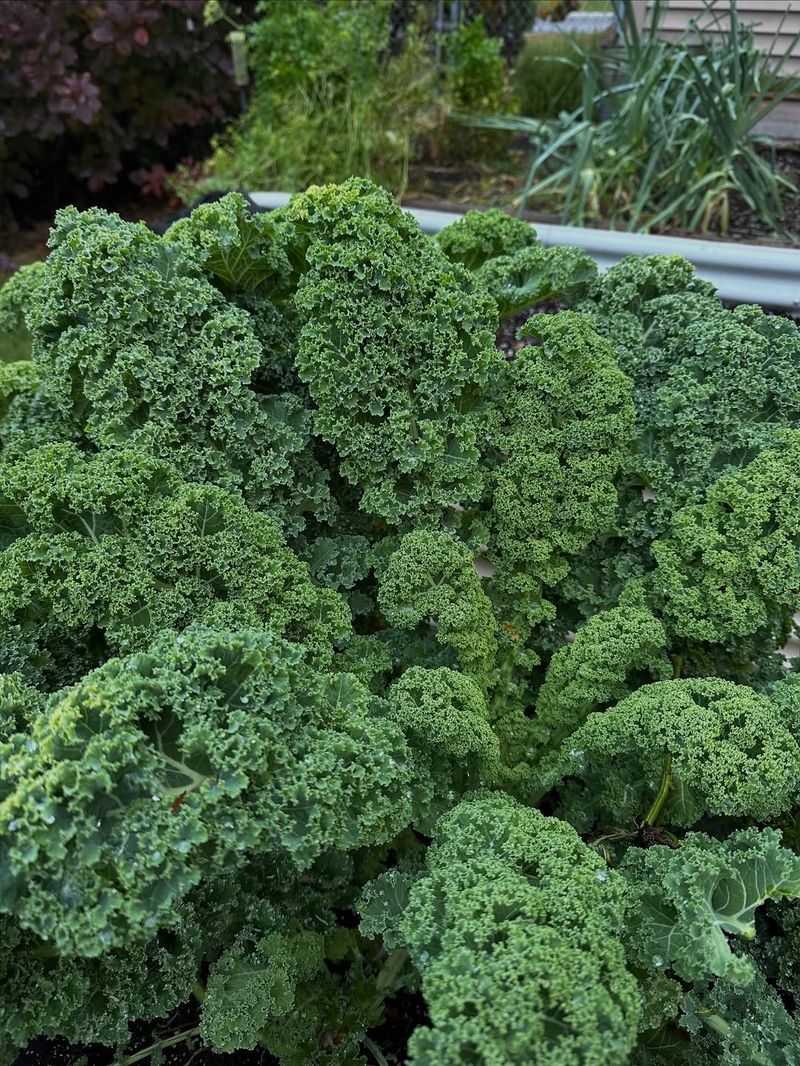
Kale has rightfully earned its reputation as a superfood, but for California gardeners, its true superpower lies in its extended harvest window and remarkable adaptability to the state’s varied microclimates.
This nutritious leafy green produces abundantly over many months, with plants often continuing to provide fresh leaves for six months or longer from a single planting.
The cut-and-come-again harvesting method means you can continuously pick outer leaves while the plant keeps growing from its center, maximizing your yield from each plant.
Timing your kale planting according to your specific California location makes a significant difference in success.
Coastal gardeners can grow kale nearly year-round, enjoying its slightly sweet flavor enhanced by cool ocean breezes.
Inland gardeners find that fall plantings work exceptionally well, as kale actually becomes sweeter and more tender after exposure to light frosts, which are rare but possible in some California regions during winter months.
Varieties like ‘Lacinato’ (also called dinosaur kale), ‘Red Russian,’ and ‘Winterbor’ have proven themselves across California’s diverse growing zones.
Kale plants grow into substantial specimens that can reach 2 to 3 feet tall, yet their upright growth habit means they occupy relatively little ground space.
They tolerate both full sun and partial shade, making them versatile for gardens with varying light conditions.
With minimal care beyond regular watering and occasional feeding, kale delivers consistent harvests of nutrient-dense leaves perfect for salads, smoothies, chips, and countless cooked dishes.
9. Green Onions (Scallions)
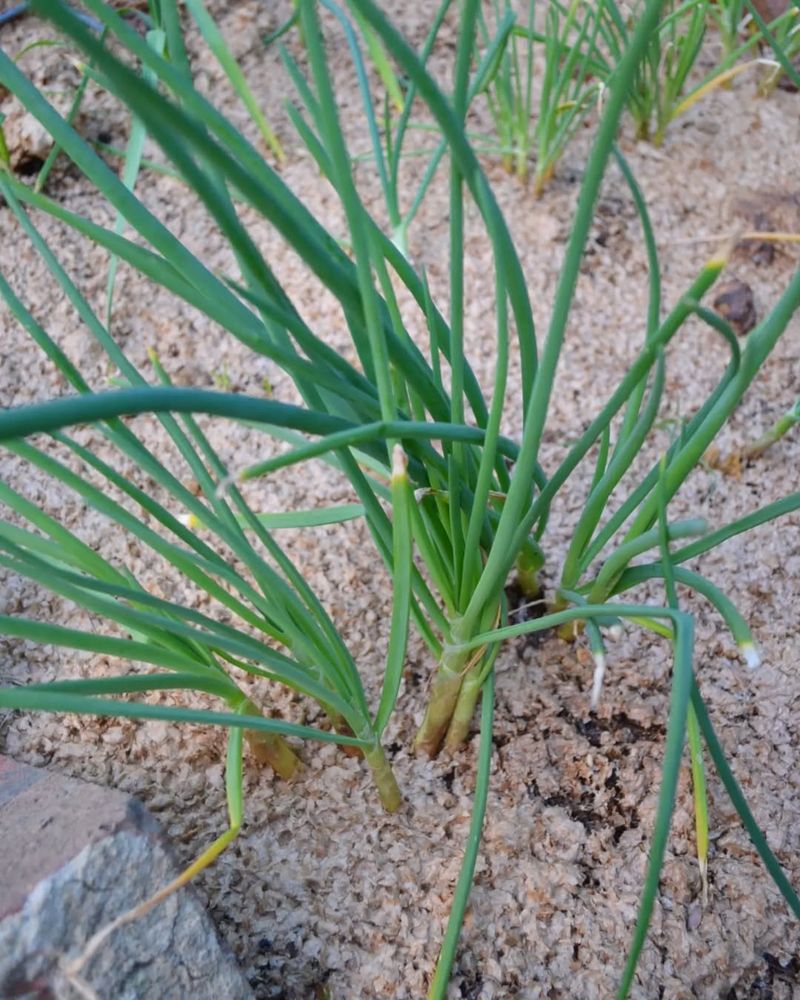
Green onions represent one of the quickest returns on investment for California gardeners, maturing from seed or transplant to harvest-ready size in just 60 to 80 days, with some varieties ready even sooner.
Their slender profile allows for incredibly dense planting—you can tuck green onions into spaces between other vegetables or grow dozens in a single square foot of garden space.
This space efficiency combined with their rapid growth makes them perfect for gardeners seeking maximum productivity from minimal area.
Succession planting takes green onion productivity to the next level, ensuring you always have fresh scallions available for cooking.
By planting a new batch every two to three weeks throughout the growing season, you create a continuous harvest cycle that keeps your kitchen supplied year-round.
California’s mild climate in many regions allows for nearly year-round green onion growing, though they perform best during cooler months in hot inland areas.
Green onions adapt beautifully to container growing, making them perfect for balcony gardens, windowsills, or any small space with adequate light.
They require minimal care beyond regular watering and appreciate loose, well-draining soil enriched with compost. Many gardeners even regrow green onions from kitchen scraps, placing the white root ends in water or soil where they quickly sprout new green tops.
Whether you’re growing from seed, transplants, or regenerating store-bought bunches, green onions deliver impressive yields from tiny spaces, adding fresh, mild onion flavor to countless dishes throughout the year.
10. Radishes
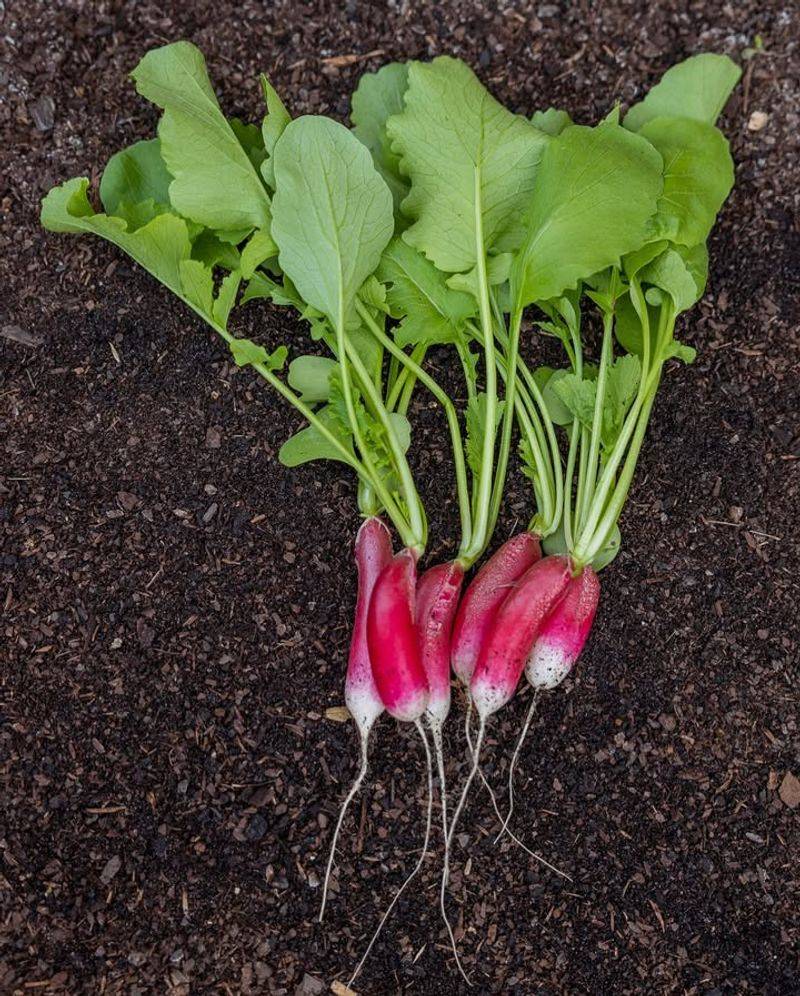
Radishes earn their place as the ultimate instant gratification vegetable, racing from seed to harvest-ready roots in as little as 3 to 4 weeks under good growing conditions.
This lightning-fast maturity cycle means you can squeeze in multiple radish crops throughout the year, even in the smallest garden spaces.
California’s mild climate allows for radish growing nearly year-round in many regions, though they prefer cooler temperatures and may become overly spicy or woody in intense summer heat.
The true genius of radishes for space maximization lies in their interplanting potential—these quick-maturing roots can be tucked between slower-growing vegetables like tomatoes, peppers, or cabbage.
By the time the larger plants need the space, your radishes have already been harvested and enjoyed. This companion planting strategy essentially gives you free bonus crops from space that would otherwise sit empty during the early growing season.
Radishes require minimal care, mainly consistent moisture to develop crisp, mild roots rather than tough, overly pungent ones.
They grow beautifully in containers as shallow as 6 inches deep, making them perfect for window boxes and small pots.
Varieties like ‘Cherry Belle,’ ‘French Breakfast,’ and ‘Easter Egg’ offer different colors, shapes, and flavors to keep things interesting.
Beyond the familiar red globe radishes, California gardeners can explore daikon radishes, which grow larger and store longer, providing even more value from limited garden space.
Regular succession planting every week or two ensures a continuous supply of fresh, crunchy radishes for salads and snacking.
11. Eggplant
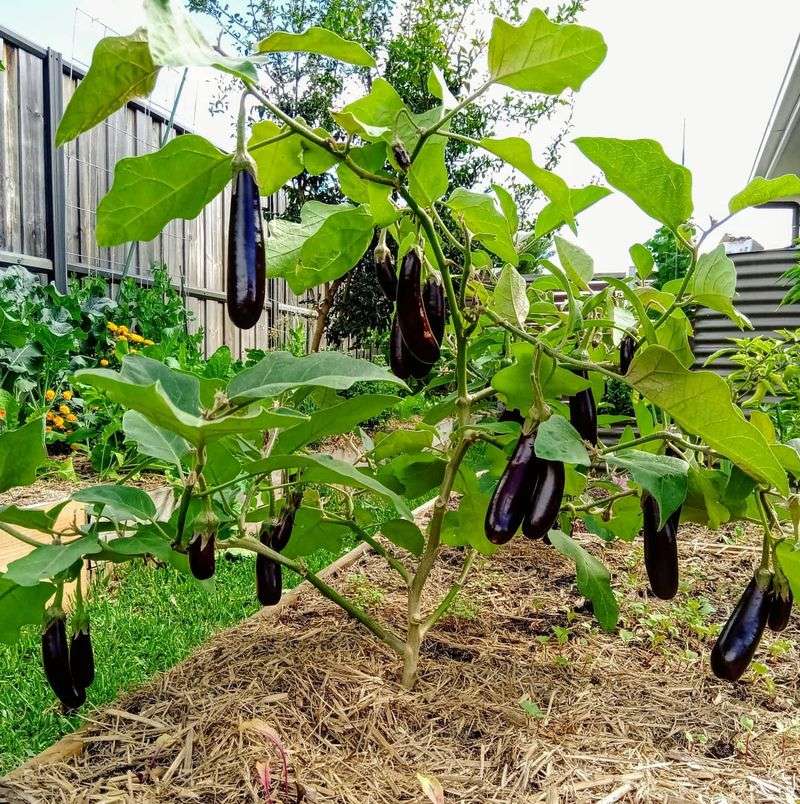
Eggplant absolutely flourishes in California’s summer heat, transforming intense sunshine and warm temperatures into beautiful, glossy fruits that keep coming throughout the long growing season.
While some vegetables struggle when thermometers climb into the 90s, eggplant plants seem to hit their stride, producing steadily from midsummer through fall in most California regions.
A single healthy eggplant can yield anywhere from 5 to 15 fruits depending on variety and care, making them remarkably productive for their relatively compact footprint.
Container compatibility makes eggplant particularly valuable for space-limited California gardeners—a 5-gallon container provides adequate room for most varieties, with dwarf or patio types thriving in even smaller pots.
This adaptability means balconies, patios, and sunny decks can all become productive eggplant-growing spaces.
The plants develop into attractive specimens with their purple-tinged stems and leaves, adding ornamental appeal alongside their practical productivity.
Eggplants require full sun exposure (at least 6 to 8 hours daily) and consistent watering to reach their full potential, but otherwise remain relatively low-maintenance once established.
Varieties like ‘Black Beauty,’ ‘Ichiban,’ and ‘Fairy Tale’ have proven themselves in California gardens, offering different sizes and shapes to suit various culinary needs.
Harvesting fruits when they reach full size but before the skin loses its glossy shine encourages plants to keep producing.
Regular feeding with balanced fertilizer supports continuous fruit production throughout California’s extended warm season, giving you fresh eggplant for grilling, roasting, and countless Mediterranean and Asian dishes.
12. Spinach (Cool-Season Varieties)
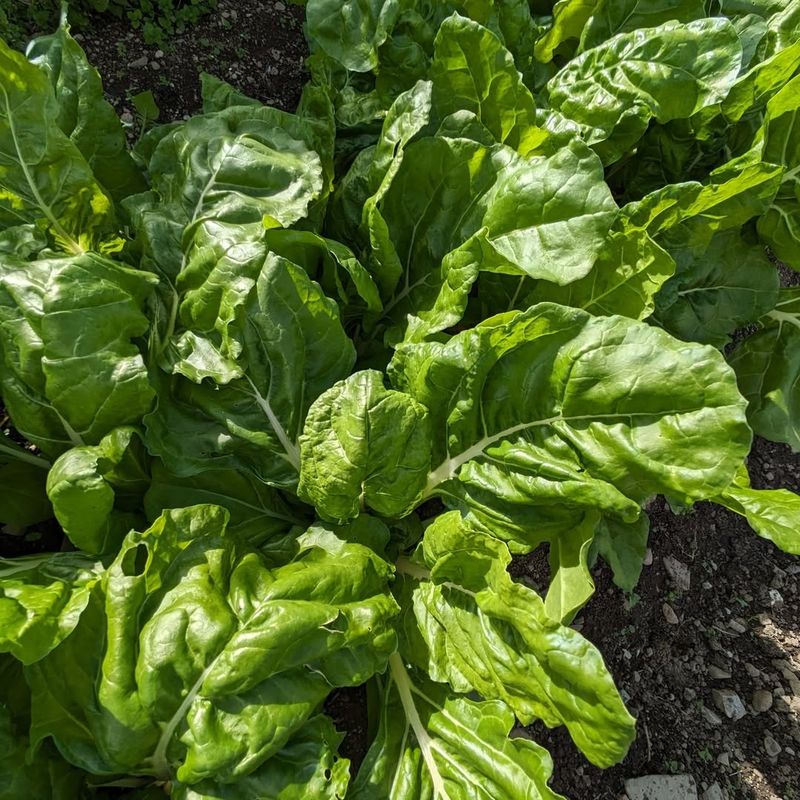
Spinach takes full advantage of California’s mild winters and early springs, producing abundant leafy greens when many other vegetables take a seasonal break.
This cool-season champion thrives in temperatures between 50 and 70 degrees Fahrenheit, making it perfect for fall through spring growing in most California regions.
Coastal gardeners often enjoy nearly year-round spinach production, while inland gardeners find winter and early spring provide ideal growing conditions before summer heat arrives.
The space efficiency of spinach becomes apparent when you realize how densely these plants can be grown—broadcasting seeds or planting in tight spacing yields abundant baby spinach leaves perfect for fresh salads.
As plants mature, you can thin them for larger cooking greens while giving remaining plants room to develop fully.
This flexibility allows you to adjust your harvest strategy based on your culinary needs and available space. Managing heat becomes important for extending your spinach season in warmer California areas.
Providing afternoon shade using taller crops, shade cloth, or strategic garden placement helps spinach tolerate warmer conditions that would otherwise cause it to bolt (go to seed) prematurely.
Varieties like ‘Bloomsdale,’ ‘Space,’ and ‘Tyee’ show good heat tolerance while maintaining excellent flavor. Spinach grows beautifully in containers and window boxes, making it accessible for gardeners without traditional garden beds.
With succession plantings every two to three weeks during the cool season, you can maintain a continuous supply of fresh, nutrient-rich spinach leaves throughout California’s extended mild weather periods.
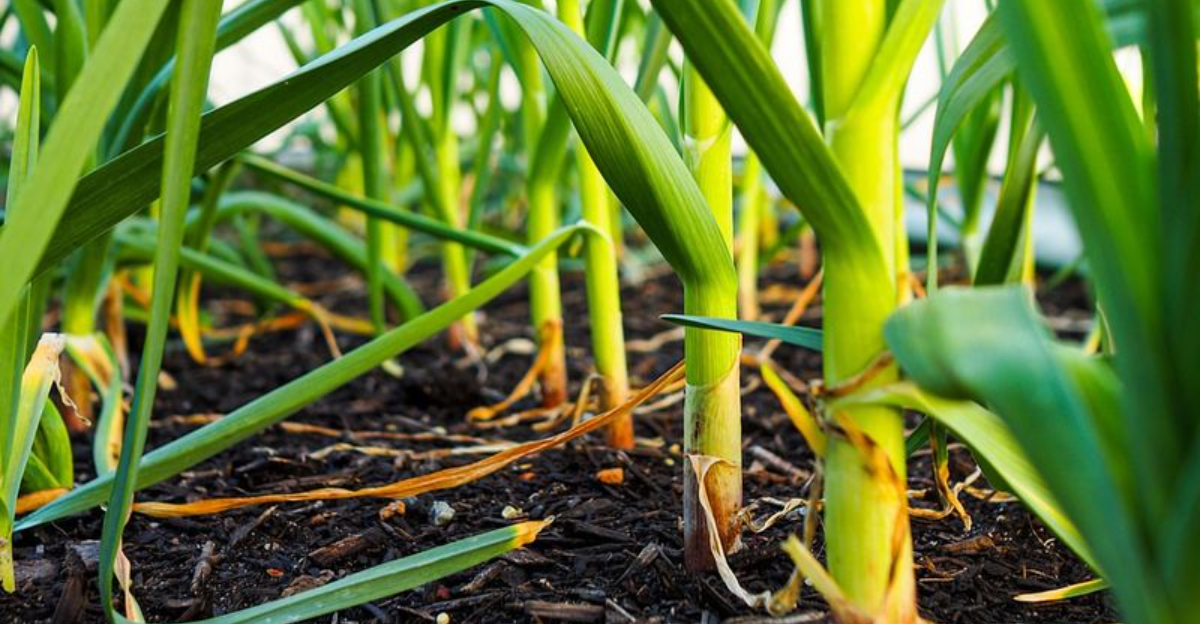
13. Garlic
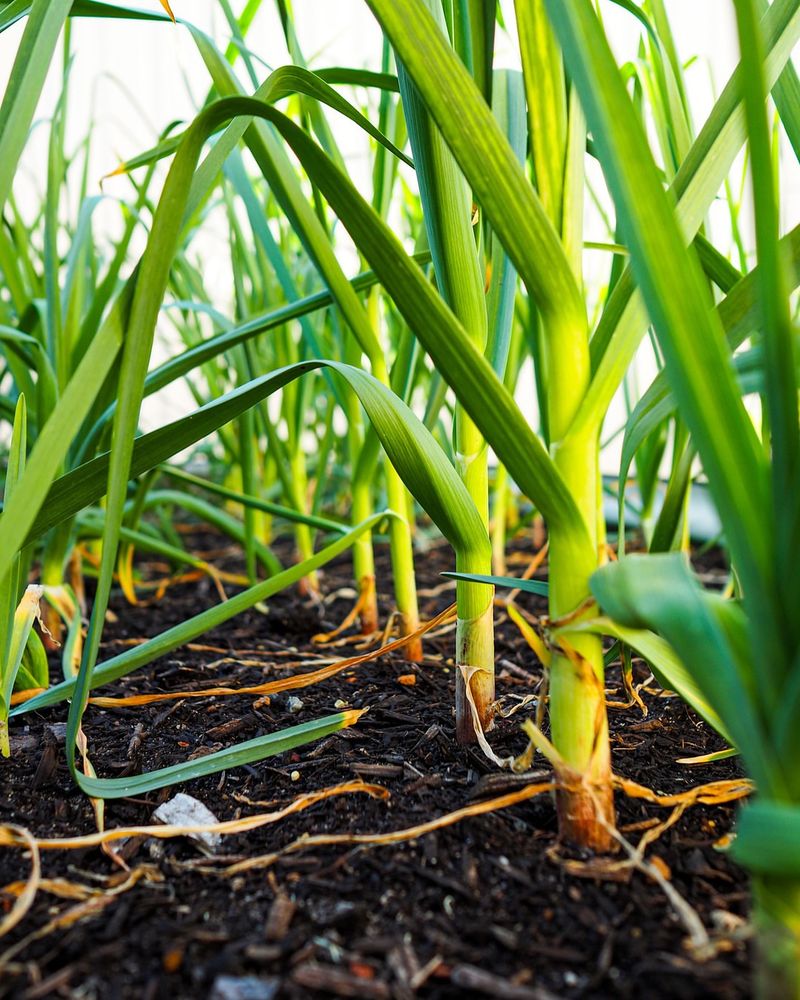
Garlic requires patience with its long growth cycle—typically 7 to 9 months from planting to harvest—but rewards that patience with impressive yields from remarkably little space.
A single garlic clove planted in fall develops into an entire bulb containing multiple cloves by the following summer, multiplying your initial investment several times over.
When you calculate yield per square foot, garlic ranks among the most productive vegetables you can grow, especially considering how expensive quality garlic can be at farmers markets and grocery stores.
Fall planting timing matters significantly for California garlic growers, with October through November being ideal in most regions.
This timing allows garlic to establish roots during mild fall weather, undergo the cool period needed for proper bulb development during winter, then put on growth as spring arrives.
California’s diverse climate zones each have their optimal planting windows—coastal gardeners might plant a bit later, while high-elevation and northern California gardeners might plant slightly earlier.
Garlic varieties fall into two main categories: softneck types that store longer and work better in mild California climates, and hardneck types that offer more complex flavors but prefer colder winters.
Popular California-friendly varieties include ‘California Early’ and ‘California Late’ softnecks. Growing garlic requires minimal ongoing maintenance—mainly consistent moisture during spring bulb development and keeping weeds at bay.
The vertical growth habit means garlic occupies minimal ground space, and many gardeners interplant it with other vegetables.
Come harvest time in early summer, you’ll pull up bulbs ready for curing and storage, providing your kitchen with homegrown garlic for months.
14. Bush Beans
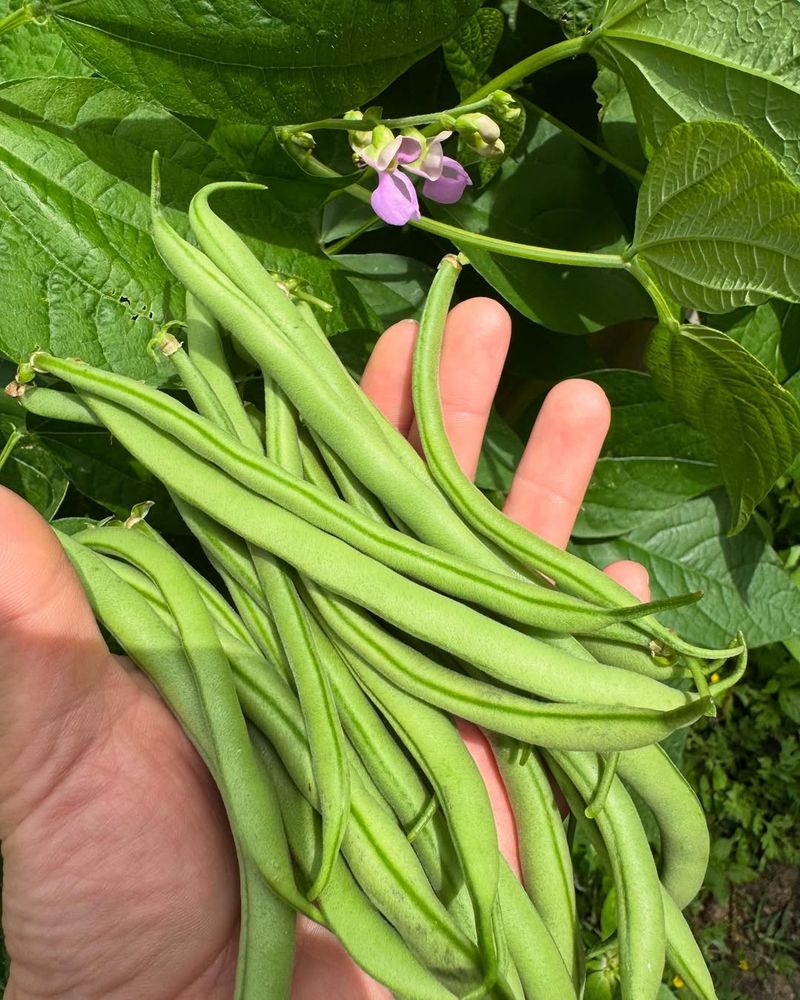
Bush beans grow into compact, self-supporting plants that deliver impressive harvests without requiring trellises or extensive ground space, making them perfect for California gardeners working with limited areas.
These productive little plants typically reach just 18 to 24 inches tall, forming tidy bushes that stay neatly contained within their designated space.
Despite their modest size, healthy bush bean plants can produce abundant crops over several weeks, with most varieties ready to harvest within 50 to 60 days of planting.
The fast harvest cycle of bush beans opens up exciting double-cropping possibilities in California’s long growing season.
You can plant an early spring crop that finishes producing by early summer, then follow it with a second planting that produces through fall.
This succession approach maximizes your yield from the same garden space, essentially getting two complete crops from one small plot. Some California gardeners even manage three bean crops in regions with particularly long, mild growing seasons.
Bush beans thrive in California’s warm spring and summer conditions, requiring full sun and consistent moisture to produce tender, flavorful pods.
Varieties like ‘Blue Lake Bush,’ ‘Contender,’ and ‘Provider’ have proven themselves reliable in California gardens.
The concentrated harvest period of bush beans—typically producing heavily for two to three weeks—makes them perfect for gardeners who enjoy preserving, as you can harvest large quantities for freezing or canning.
Regular picking encourages continued production and prevents beans from becoming tough and stringy, keeping your harvest at peak quality throughout the productive period.
15. Baby Carrots (Dense Planting)
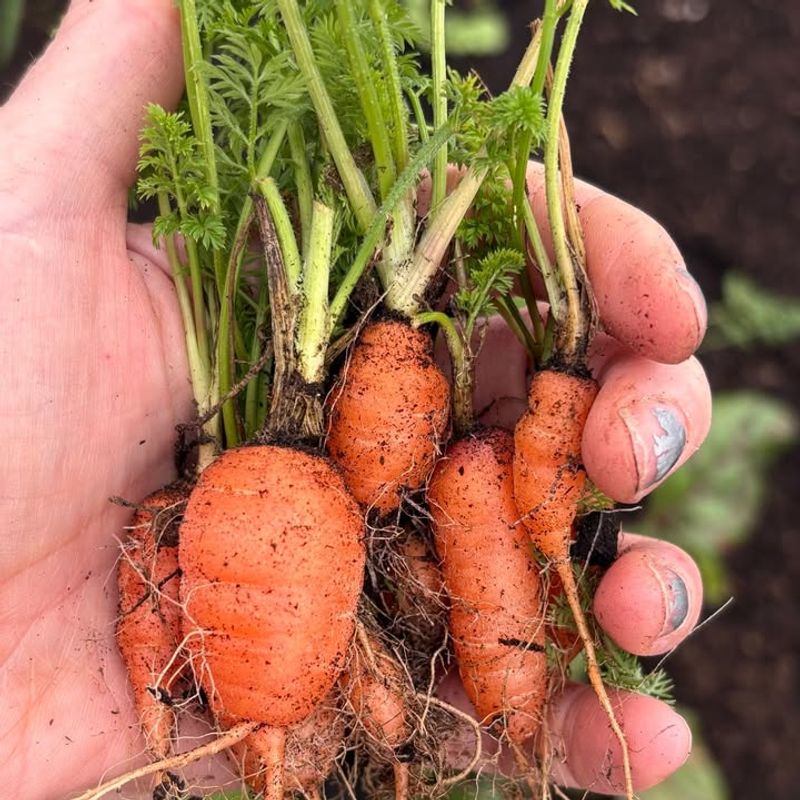
Growing carrots specifically for baby size opens up remarkable space-maximization opportunities that full-size carrot growing simply cannot match.
When you plan to harvest at the baby stage (typically 3 to 4 inches long), you can sow seeds much more densely than traditional carrot spacing recommendations suggest.
This intensive planting approach can yield two to three times more carrots per square foot compared to standard spacing, making it perfect for California gardeners working with limited bed space.
Soil preparation becomes especially important for successful carrot growing in California’s diverse soil types.
Carrots develop best in loose, well-draining soil free from rocks, clumps, and clay barriers that can cause roots to fork or become misshapen.
Many California gardeners find that amending their native soil with generous amounts of compost creates the fluffy, friable texture carrots prefer.
For particularly challenging soils, raised beds filled with custom soil mixes provide ideal carrot-growing conditions. Baby carrots mature quickly, often ready to harvest in just 50 to 60 days compared to 70 or more days for full-size carrots.
This faster turnaround allows for succession plantings throughout California’s extended growing season, providing fresh carrots for months.
Varieties like ‘Little Finger,’ ‘Thumbelina,’ and ‘Babette’ are specifically bred for baby carrot production, developing sweet flavor even at small sizes.
The dense planting method works beautifully in containers at least 8 to 12 inches deep, bringing carrot growing to balconies and patios.
Regular, consistent watering helps carrots develop without cracking or becoming woody, delivering tender, sweet roots perfect for fresh snacking and cooking.