11 Easy White Flower Combinations That Pop In Oregon Landscapes
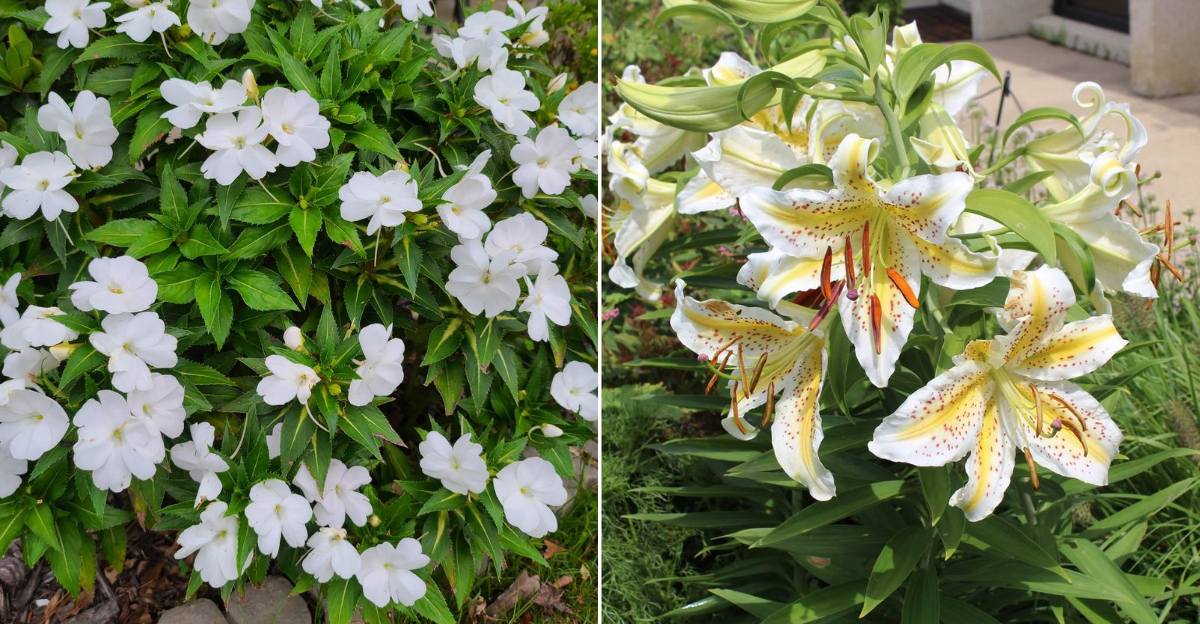
White flowers have a way of making any garden feel fresh, bright, and a little magical. In Oregon, where clouds and rain are pretty much part of the scenery, those crisp white blooms really pop against green leaves and gray skies.
Mix a few different types together and suddenly your garden isn’t just a yard, it’s a showstopper.
There are so many options for Oregon gardeners. The mild climate and rich soil mean you can pick flowers that bloom at different times and still look amazing together.
Play with different shapes, sizes, and textures, and you’ll add layers of interest that keep your garden looking lively all season.
The best part? You don’t have to be a gardening pro or spend hours fussing over plants.
Many white flower combinations are easygoing and adapt well to our weather. Some love a sunny spot, some do better in shade, so no matter what your garden looks like, there’s a combo for you.
Layering flowers with different bloom times keeps things beautiful from spring through fall, and those white petals even catch the moonlight, giving your evening garden a little extra magic. It’s a simple way to turn ordinary beds into something special.
1. White Shasta Daisies with White Petunias
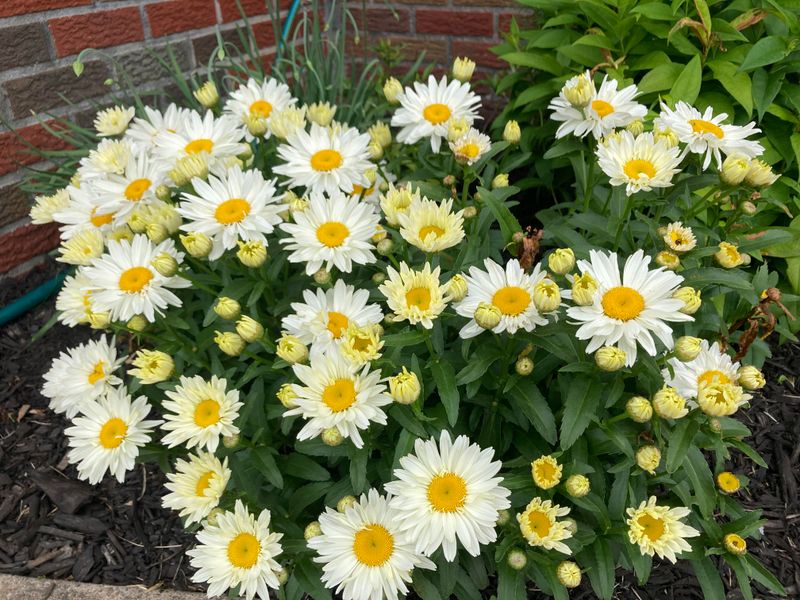
Shasta daisies offer that classic cheerful look with their bright white petals and sunny yellow centers.
When you pair them with trailing white petunias, you get a combination that works beautifully in Oregon gardens from late spring through summer.
The daisies stand tall and sturdy, reaching about two feet, while the petunias spill over edges and fill in gaps below.
This pairing thrives in full sun and tolerates our cooler nights without complaint. Petunias bloom nonstop if you keep them deadheaded, and the daisies are tough enough to handle occasional rain without drooping.
Together, they create layers of white blooms that feel fresh and inviting.
Plant the daisies in back or center positions, then tuck petunias around the base or in front. The contrast between upright daisy stems and cascading petunia flowers adds dimension to beds and containers alike.
Both plants appreciate regular watering but do not like soggy soil, so good drainage is important.
You can find both varieties at local nurseries throughout Oregon, and they are beginner-friendly. This combo also attracts butterflies and bees, adding life and movement to your garden.
For a clean, classic look that requires minimal effort, this pairing delivers season after season.
2. White Hydrangeas with White Impatiens
Hydrangeas bring those big, showy blooms that everyone loves, and white varieties offer a softer, more elegant vibe than their pink or blue cousins.
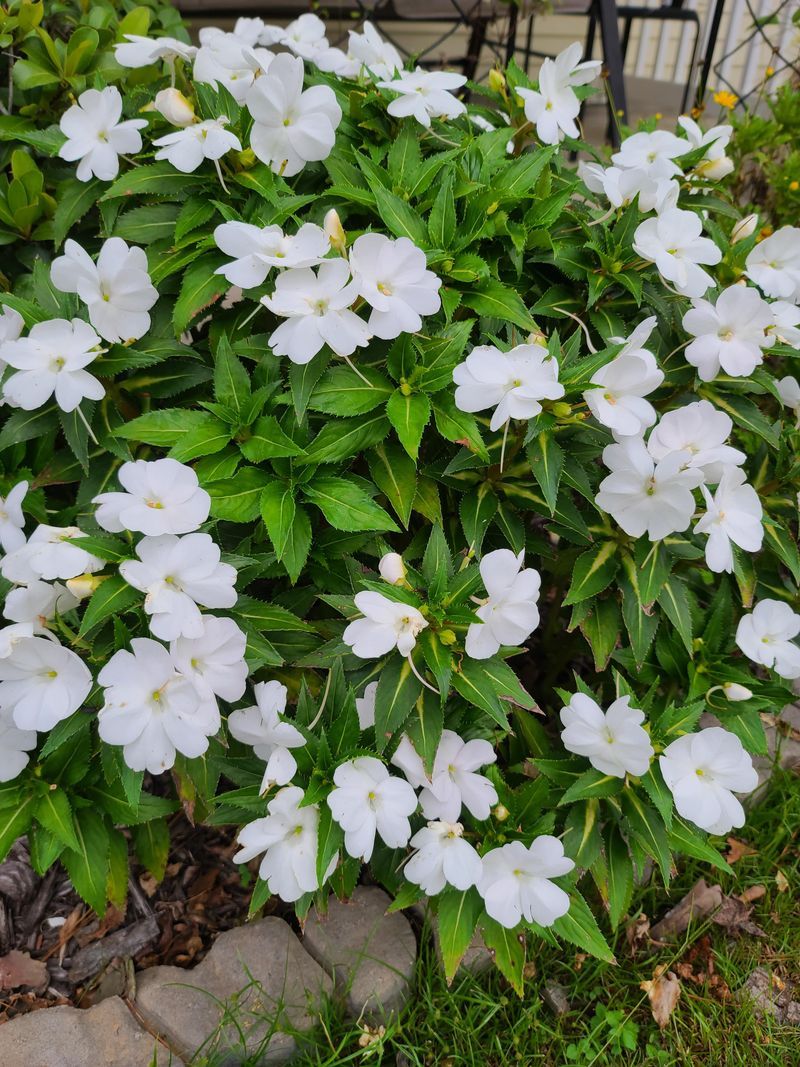
Pairing them with white impatiens creates a lush, shade-friendly combination that thrives in Oregon’s cooler, moist areas.
Hydrangeas bloom from early summer into fall, while impatiens keep flowering until the first frost.
This duo works perfectly under trees or along north-facing walls where sunlight is limited. Impatiens fill in the space beneath hydrangea shrubs, creating a carpet of delicate white flowers that brighten shady spots.
Your Oregon Garden Changes Every Week. Your Plan Should Too.
Gardening in Oregon changes quickly throughout the season. Every Friday you’ll receive a simple weekly plan showing exactly what to plant, prune, fertilize, harvest, and protect so you never miss the right timing.
Both plants love consistent moisture, making them ideal companions in our Pacific Northwest climate.
Hydrangeas can grow quite large, so give them room to spread. Impatiens stay low and compact, making them perfect for edging or filling gaps.
The contrast between the hydrangea’s bold clusters and the impatiens’ dainty blooms adds visual interest without clashing.
Both plants prefer rich, well-draining soil with plenty of organic matter. Mulch around the base to retain moisture and keep roots cool during warmer months.
This combination requires minimal maintenance once established, and the white blooms seem to glow in shaded areas, creating a serene, peaceful corner in your landscape.
3. White Roses with White Alyssum
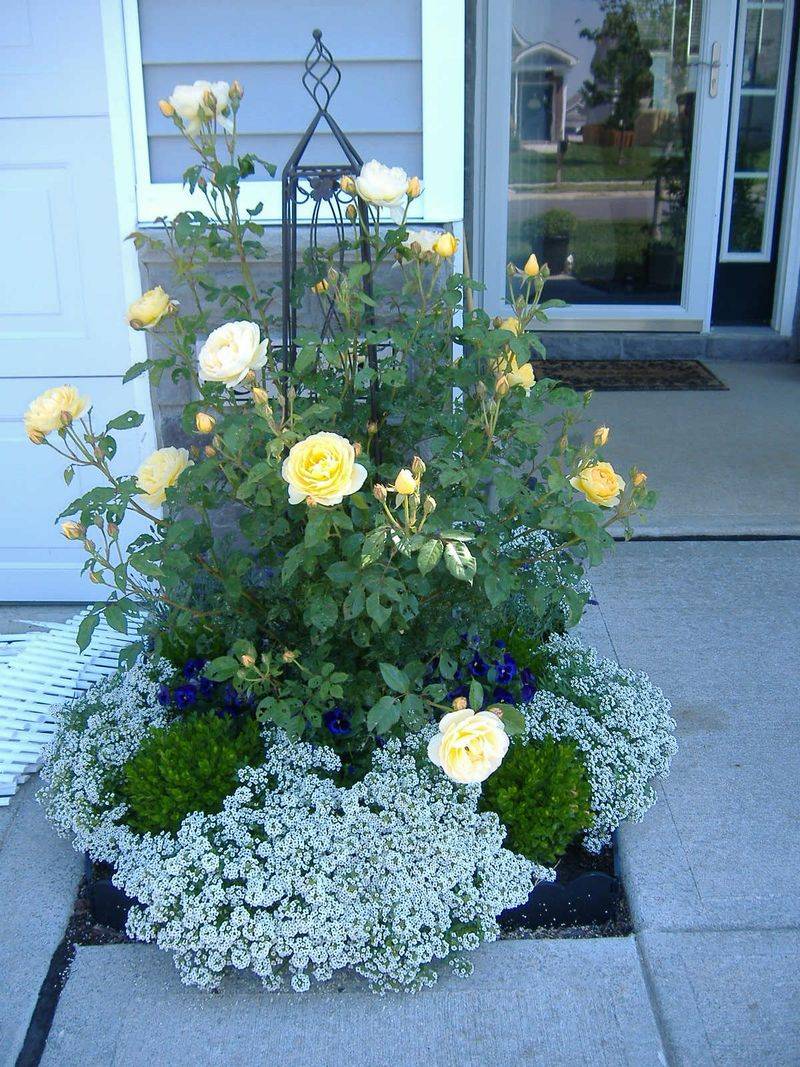
Roses have that timeless appeal, and white varieties bring romance and elegance to any garden. When you plant white alyssum at the base of your rose bushes, you create a soft, fragrant combination that looks polished and intentional.
Alyssum forms a low, spreading mat of tiny white flowers that bloom from spring through fall in Oregon’s mild climate.
This pairing works well because alyssum tolerates the same sunny conditions roses love. The small, honey-scented blooms of alyssum contrast beautifully with the larger, more structured rose flowers.
Plus, alyssum helps suppress weeds and keeps soil cooler around rose roots during summer heat.
White roses come in many forms, from climbers to shrubs to hybrid teas, so you can choose the style that fits your space. Alyssum is low-maintenance and self-seeds, meaning it often returns year after year without replanting.
Both plants appreciate regular feeding and watering, especially during dry spells.
The combination also attracts beneficial insects like ladybugs and hoverflies, which help control aphids on roses. For a classic, cottage-garden feel that smells as good as it looks, this pairing is hard to beat.
Plant alyssum generously around rose bases for a lush, cascading effect that softens hard edges.
4. White Lilies with White Lobelia
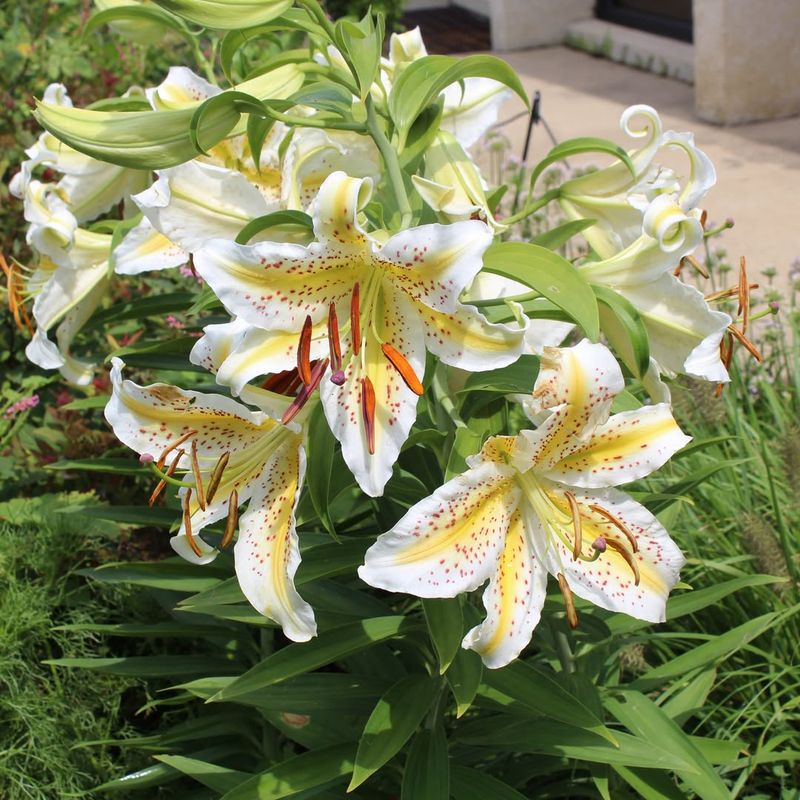
Lilies command attention with their bold, trumpet-shaped blooms and sweet fragrance. White lilies, especially Asiatic or Oriental types, pair wonderfully with trailing white lobelia to create a combination that feels both dramatic and delicate.
Lobelia’s tiny, abundant flowers spill over edges and fill spaces between lily stems, adding softness to the composition.
This pairing thrives in Oregon’s sunny to partly shaded spots. Lilies bloom mid-summer, while lobelia flowers continuously from late spring through fall if kept deadheaded.
The vertical lily stems contrast nicely with lobelia’s low, cascading habit, creating layers of white blooms at different heights.
Plant lilies in clusters for impact, then tuck lobelia around the base or in nearby containers. Both plants prefer well-draining soil and consistent moisture, though lilies can handle drier conditions once established.
Lobelia appreciates afternoon shade in hotter areas, making it perfect for spots where lilies get morning sun.
The combination works beautifully in borders, raised beds, or large pots. Lobelia’s delicate texture softens the lily’s bold presence without competing for attention.
Both attract pollinators, and the fragrance from lilies adds another sensory layer to your garden. For a combination that feels elegant yet approachable, this pairing delivers every time.
5. White Coneflowers with White Verbena
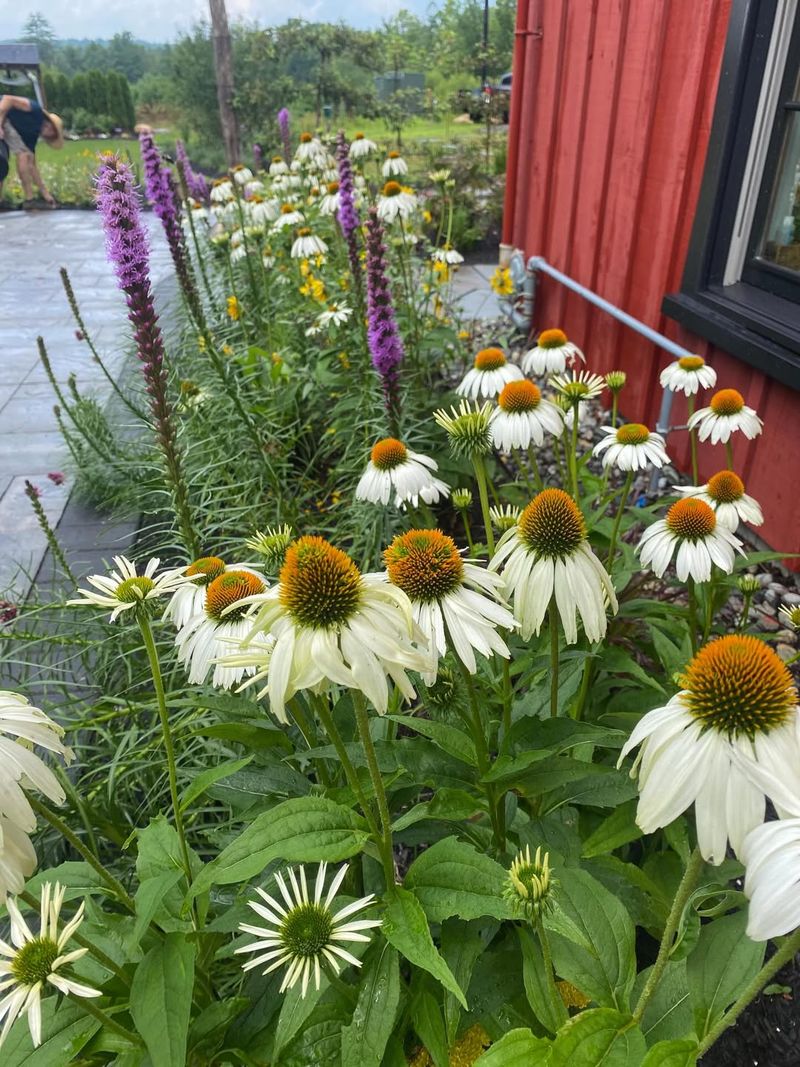
Coneflowers, or Echinacea, are tough, reliable perennials that thrive in Oregon gardens. White varieties offer a fresh alternative to the traditional purple, and their sturdy stems and prominent centers add structure to plantings.
Pairing them with white verbena creates a combination that blooms for months and requires very little fuss.
Verbena spreads low and wide, producing clusters of small white flowers that contrast beautifully with the coneflower’s larger, more open blooms. Both plants love full sun and tolerate drought once established, making them ideal for low-water gardens.
Coneflowers bloom from early summer into fall, while verbena flowers continuously with minimal deadheading.
This combo works well in sunny borders, meadow-style plantings, or even gravel gardens. The coneflower’s upright habit pairs nicely with verbena’s sprawling growth, creating a dynamic mix of textures and forms.
Both attract butterflies and bees, adding movement and life to your landscape.
Plant coneflowers in groups of three or five for visual impact, then weave verbena through the spaces between. Both plants prefer well-draining soil and do not need heavy feeding.
This pairing also looks great with ornamental grasses or other perennials. For a carefree, pollinator-friendly combination that shines all summer, this duo is a solid choice.
6. White Tulips with White Pansies
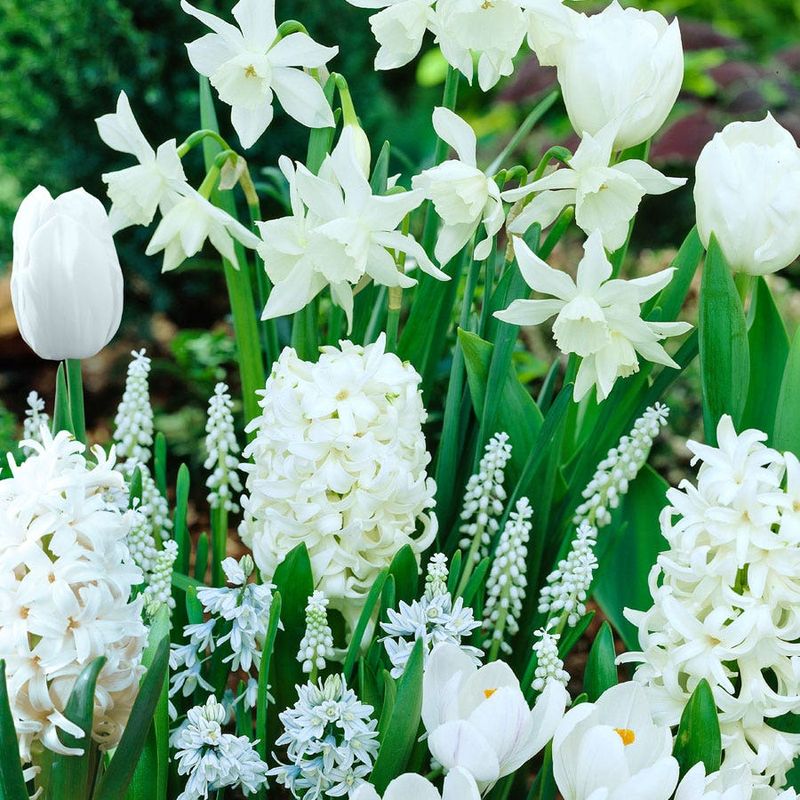
Spring in Oregon means tulips, and white varieties bring a crisp, clean look to early-season gardens. Pairing white tulips with white pansies creates a charming combination that blooms from late winter through mid-spring.
Pansies handle our cool, wet weather beautifully and often start flowering in late winter, giving you color before tulips even emerge.
This pairing works in beds, borders, or containers. Tulips provide height and structure with their elegant blooms, while pansies fill in below with cheerful faces that seem to follow the sun.
Both plants prefer full sun to partial shade and well-draining soil.
Plant tulip bulbs in fall, then add pansies in early spring as soon as you see tulip shoots emerging. The pansies will bloom first, then tulips join the show a few weeks later.
Together, they create a layered effect that feels intentional and polished.
White pansies often have darker markings or yellow throats, adding subtle detail without overwhelming the white theme. Tulips come in many white forms, from classic singles to fringed or double varieties.
Both plants tolerate Oregon’s spring rains without much trouble, and pansies often continue blooming even after tulips fade. For a fresh, springtime combination that signals the end of winter, this pairing is perfect.
7. White Geraniums with White Bacopa
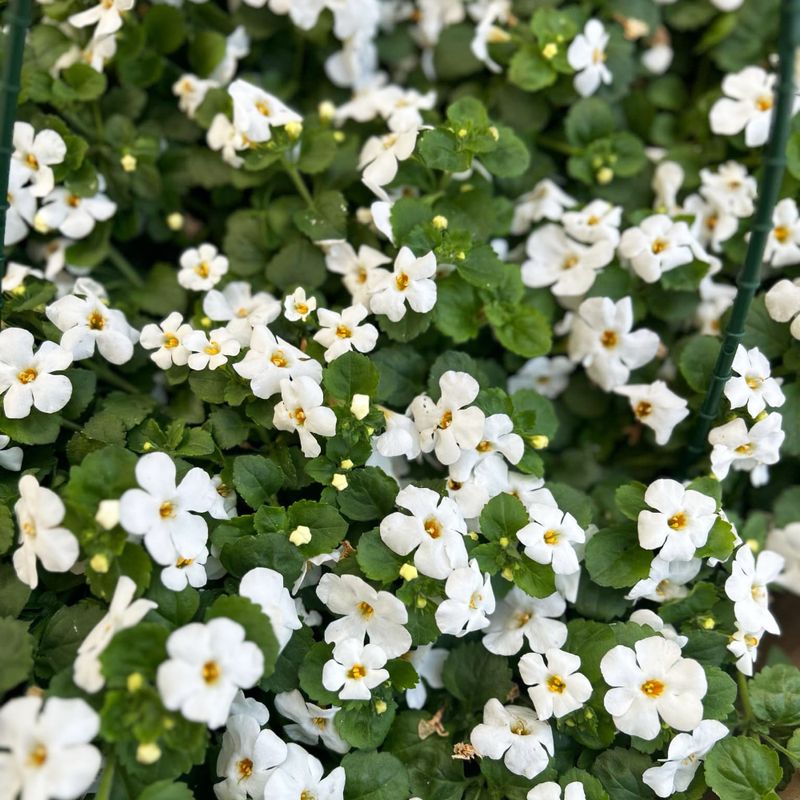
Geraniums are workhorses in Oregon gardens, blooming nonstop from late spring through fall with minimal care. White geraniums offer a clean, classic look that pairs beautifully with trailing white bacopa.
Bacopa produces masses of tiny, star-shaped flowers that spill over pot edges or cascade along borders, creating a soft, romantic effect.
This combination thrives in containers, hanging baskets, or mixed borders. Both plants love full sun to partial shade and tolerate our cooler summer nights without complaint.
Geraniums stand upright with bold flower clusters, while bacopa trails gracefully, filling spaces and adding movement.
Bacopa blooms continuously and requires almost no deadheading, making it one of the easiest trailing plants to grow. Geraniums benefit from occasional deadheading to keep blooms coming, but they are otherwise low-maintenance.
Both plants appreciate regular watering and feeding, especially in containers.
The combination works well on patios, balconies, or anywhere you want a polished, cohesive look. White geraniums come in zonal, ivy-leafed, and scented varieties, so you can choose the type that fits your space.
Bacopa’s delicate texture softens the geranium’s bolder presence, creating balance and harmony. For a reliable, long-blooming combination that looks great all season, this pairing is a winner.
8. White Clematis with White Sweet Peas
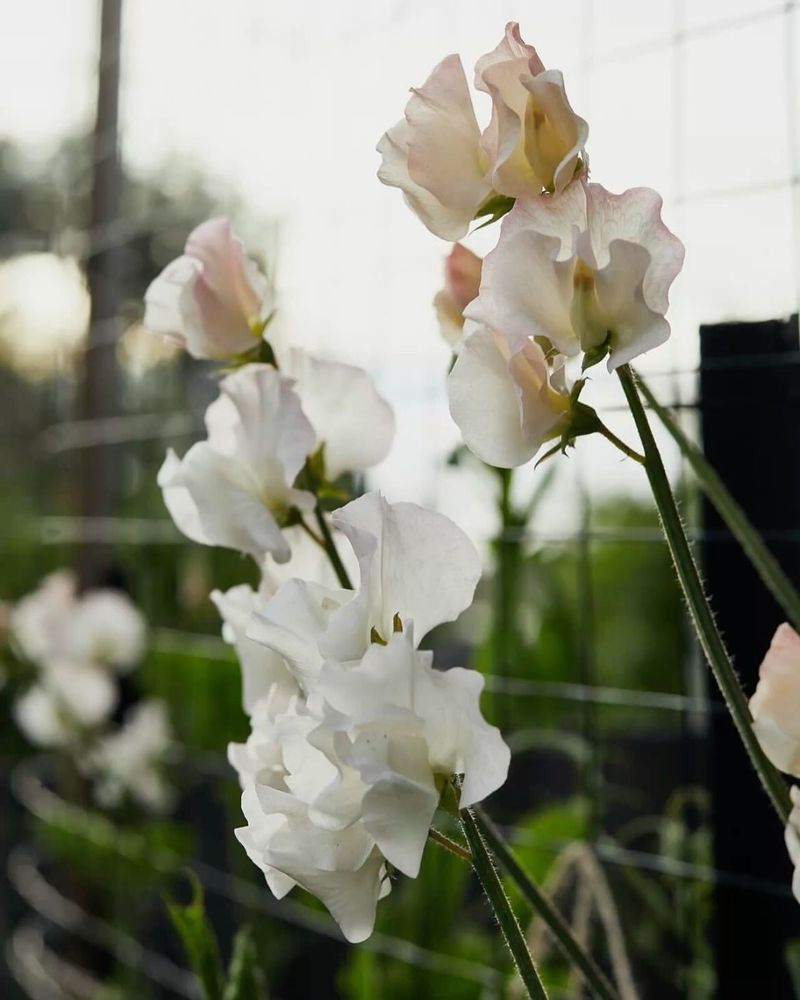
Clematis vines bring vertical interest and stunning blooms to any garden, and white varieties offer a sophisticated, elegant look. Pairing white clematis with white sweet peas creates a fragrant, climbing combination that works beautifully on trellises, arbors, or fences.
Both plants love cool roots and sunny tops, making them ideal companions in Oregon’s climate.
Sweet peas bloom from late spring through early summer, filling the air with their sweet fragrance. Clematis takes over as sweet peas fade, blooming from mid-summer into fall.
This succession ensures continuous color and interest throughout the growing season.
Plant both vines at the base of a sturdy support structure and mulch well to keep roots cool. Sweet peas prefer rich, moist soil and benefit from regular deadheading to extend blooming.
Clematis likes its roots shaded and its flowers in sun, so sweet peas or other low plants can provide that shade.
The combination creates a romantic, cottage-garden feel with layers of white blooms at different times. Both vines attract pollinators and add vertical dimension to your landscape.
For a fragrant, climbing combination that makes use of vertical space and blooms for months, this pairing is ideal. Just provide support and watch them climb.
9. White Begonias with White Dusty Miller
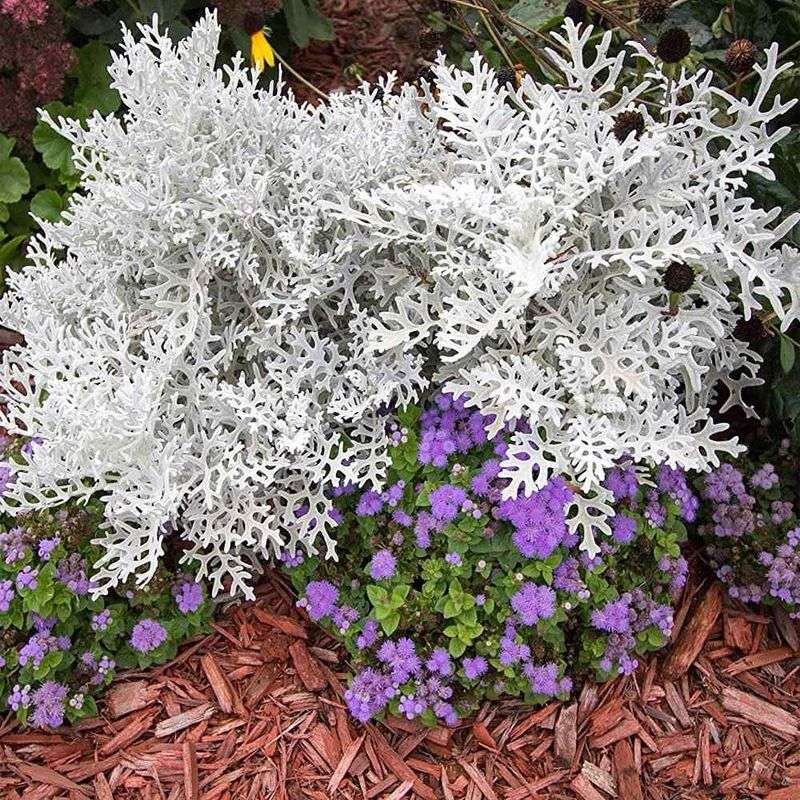
Begonias are shade-loving favorites that bloom reliably all summer long. White begonias, especially tuberous or wax types, pair beautifully with dusty miller, a foliage plant with silvery-white leaves.
While dusty miller does not produce showy flowers, its soft, almost white foliage complements white begonias perfectly and adds texture to the combination.
This pairing works wonderfully in shaded beds, containers, or hanging baskets. Begonias provide continuous white blooms, while dusty miller offers a silvery backdrop that makes the flowers pop.
Both plants tolerate Oregon’s cooler summer nights and prefer partial to full shade.
Dusty miller’s feathery leaves contrast nicely with the begonia’s smooth, waxy foliage and rounded flowers. Together, they create a sophisticated, monochromatic look that feels elegant without being fussy.
Both plants appreciate consistent moisture but do not like waterlogged soil.
Begonias come in many forms, from upright to trailing, so you can choose the style that fits your space. Dusty miller stays compact and low, making it perfect for edging or filling gaps.
This combination requires minimal maintenance once established and looks fresh all season. For a shade-friendly pairing that feels refined and polished, this duo is a great choice.
10. White Zinnia with White Snapdragons
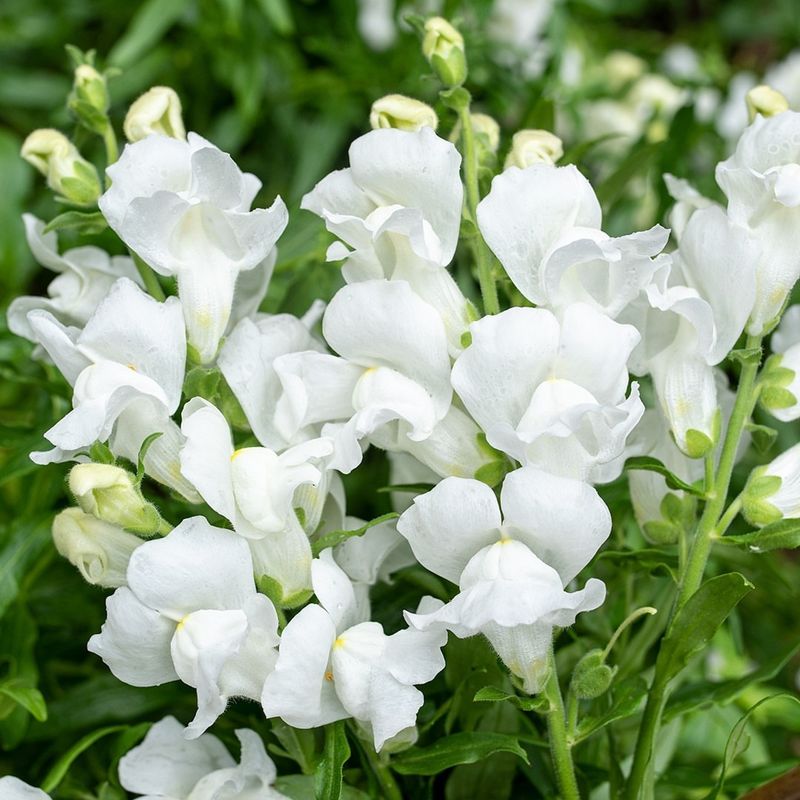
Zinnias are easy-to-grow annuals that bloom prolifically all summer, and white varieties bring a fresh, cheerful vibe to gardens. Pairing white zinnias with white snapdragons creates a combination that offers both bold, round blooms and tall, spiky flowers.
The contrast in flower shapes adds visual interest and keeps the planting from feeling flat.
Both plants thrive in full sun and tolerate Oregon’s dry summers once established. Zinnias bloom nonstop if you deadhead regularly, and snapdragons flower from late spring through fall, especially if you trim them back mid-season.
Together, they create a dynamic mix of textures and forms.
Plant snapdragons in back or center positions, then fill in with zinnias around them. The vertical snapdragon spikes contrast beautifully with the zinnia’s rounded, dahlia-like blooms.
Both plants attract butterflies and bees, adding life and movement to your garden.
Zinnias prefer well-draining soil and do not like wet foliage, so water at the base. Snapdragons appreciate cooler temperatures and often bloom best in spring and fall.
This combination works well in cutting gardens, borders, or cottage-style plantings. For a colorful, easy-care pairing that blooms for months, this duo is a solid choice.
11. White Cosmos with White Salvia
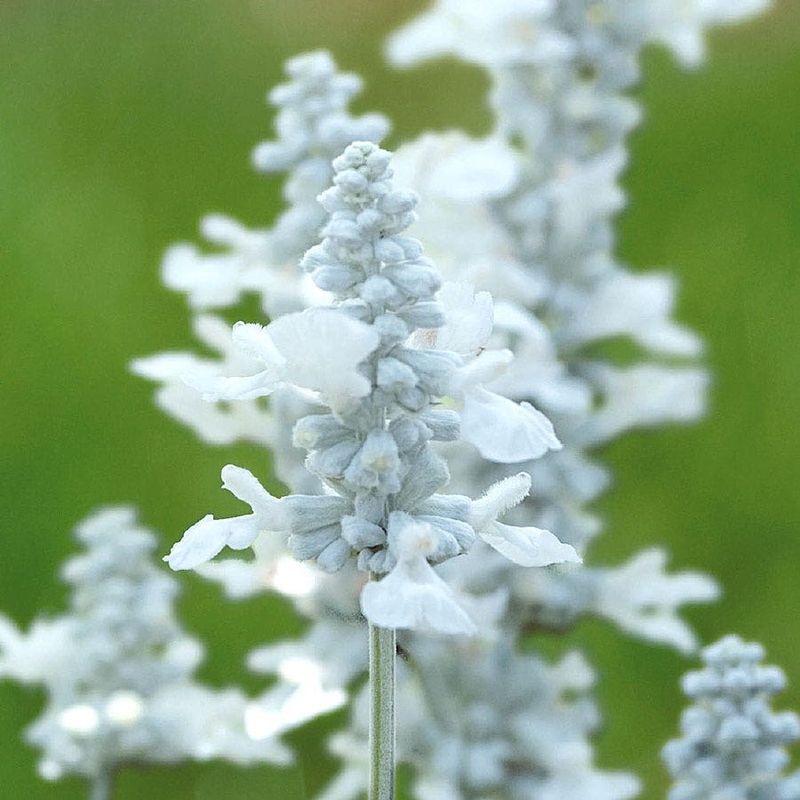
Cosmos are airy, delicate annuals that sway gracefully in the breeze, and white varieties bring a light, ethereal quality to gardens. Pairing white cosmos with white salvia creates a combination that feels both wild and refined.
Salvia’s upright spikes contrast beautifully with cosmos’s open, daisy-like flowers, adding structure and movement.
Both plants thrive in full sun and tolerate dry conditions once established, making them ideal for low-water gardens. Cosmos bloom from mid-summer through fall, while salvia flowers continuously with minimal deadheading.
Together, they create a long-lasting display that attracts pollinators and adds height to plantings.
Plant salvia in groups for impact, then scatter cosmos seeds or transplants around them. The cosmos will grow tall and airy, while salvia provides a more compact, structured presence.
Both plants prefer well-draining soil and do not need heavy feeding.
Cosmos self-seed readily, so you may find volunteers popping up the following year. Salvia stays compact and bushy, making it perfect for mid-border positions.
This combination works well in cottage gardens, meadow-style plantings, or pollinator gardens. For a carefree, naturalistic pairing that blooms all summer and requires minimal effort, this duo is perfect.