9 Simple Ways Oregon Gardeners Can Protect Veggies From Root Rot
Nothing is more frustrating than planting a vegetable garden and watching your plants struggle with root rot. In Oregon, with our rainy seasons and heavy soils, it’s a common problem that can sneak up even on experienced gardeners.
The good news is that a few simple steps can make a big difference in keeping your veggies healthy and thriving.
You don’t need a complicated setup or fancy tools to protect your plants. Paying attention to soil drainage, planting in the right spots, and choosing resilient varieties can go a long way.
Small changes, like adjusting watering habits or adding organic matter, can prevent a lot of headaches later.
Even if you’ve battled root rot in the past, it’s never too late to improve conditions and give your vegetables a better chance. From raised beds to spacing plants correctly, there are plenty of strategies that make caring for your garden easier and more rewarding.
Let’s go through nine simple ways Oregon gardeners can protect their vegetables from root rot.
With a little planning and attention, you can enjoy a garden full of healthy, productive plants all season long without worrying about soggy roots or unexpected setbacks.
1. Improve Soil Drainage Before Planting
Heavy clay soil is a fact of life for many Oregon gardeners, especially in the Willamette Valley and around Portland. When you dig a hole and it fills with water after a spring rain, you know your drainage needs help.
Clay holds moisture like a sponge, and veggie roots sitting in waterlogged soil quickly suffocate and rot.
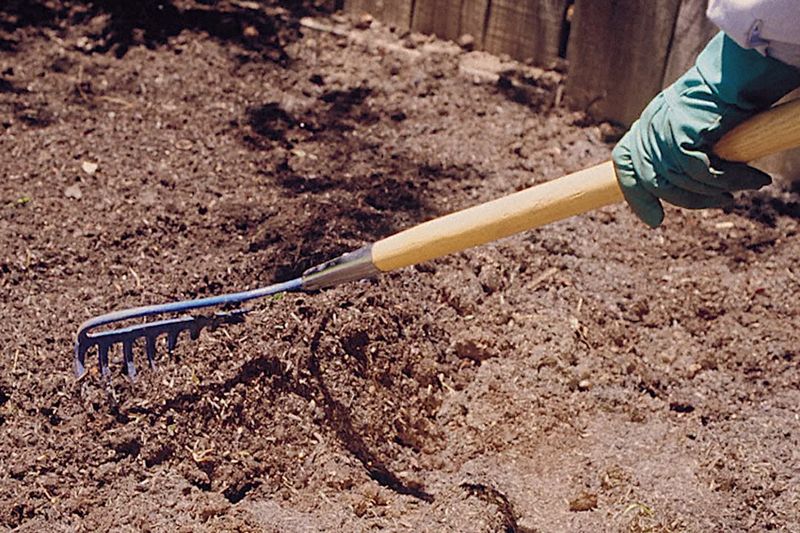
Before you plant anything, work on loosening that compacted ground. Mix in coarse sand, perlite, or pumice to create air pockets that let water move through instead of pooling around roots.
You can also shape your beds with a slight crown in the center so water naturally runs off to the sides.
This prep work pays off all season long. Roots can breathe, beneficial soil organisms thrive, and plants establish faster.
In Oregon’s wet springs, good drainage is the difference between thriving tomatoes and sad, stunted starts.
Take an afternoon to amend your beds before planting day. Your veggies will reward you with stronger stems, greener leaves, and way fewer fungal problems.
It is one of those boring tasks that makes everything else easier.
If your soil drains poorly year after year, consider a simple percolation test, dig a hole, fill it with water, and see how long it takes to drain. Anything over four hours means you need serious amendments or a switch to raised beds.
2. Use Raised Beds In Wet Areas
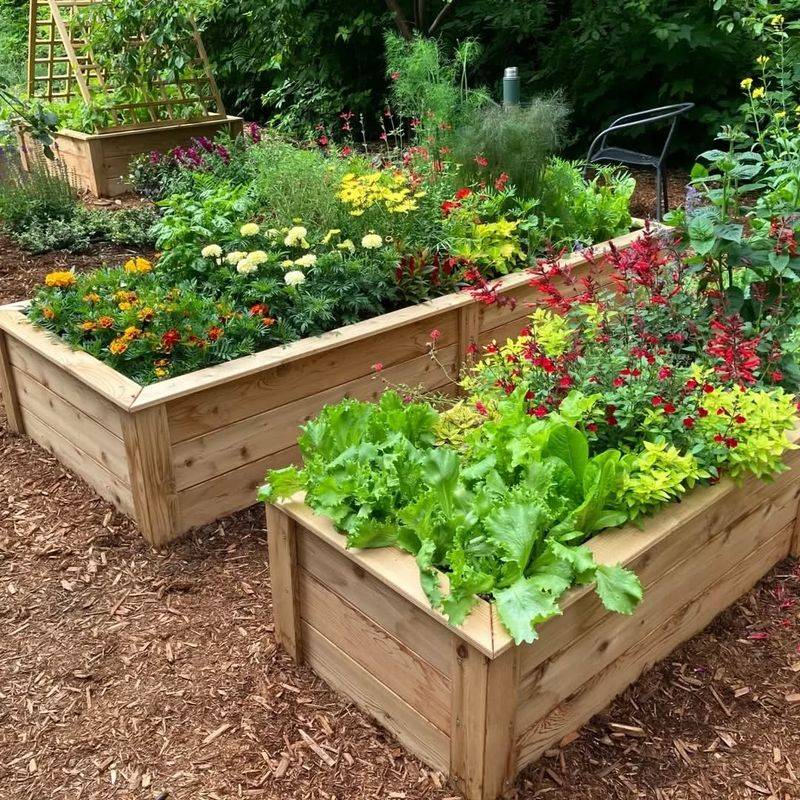
Walk through any successful Oregon veggie garden in May, and you will likely see raised beds everywhere. They are not just trendy, they solve a real problem.
When your yard turns into a swamp every winter, in-ground planting becomes a gamble. Raised beds lift your plants above the soggy mess and give roots a fighting chance.
Even a bed that is just eight to twelve inches tall makes a huge difference. You control the soil mix, which means you can fill it with a blend that drains beautifully while still holding enough moisture for hot July afternoons.
Your Oregon Garden Changes Every Week. Your Plan Should Too.
Gardening in Oregon changes quickly throughout the season. Every Friday you’ll receive a simple weekly plan showing exactly what to plant, prune, fertilize, harvest, and protect so you never miss the right timing.
Wood, metal, or cinder block frames all work fine as long as the bed has no bottom.
Raised beds warm up faster in spring, too. That means earlier planting dates and longer growing seasons.
Your tomatoes, peppers, and squash will love the extra warmth and the well-drained root zone.
If you have a low spot in your yard that never seems to dry out, skip the battle and build a raised bed right over it. Fill it with a mix of compost, peat moss or coco coir, and perlite.
Your plants will thrive while the ground below stays wet.
You do not need carpentry skills or a big budget. Even a simple frame made from untreated cedar boards will last for years and keep your veggies high and dry.
3. Avoid Overwatering During Cool Weather
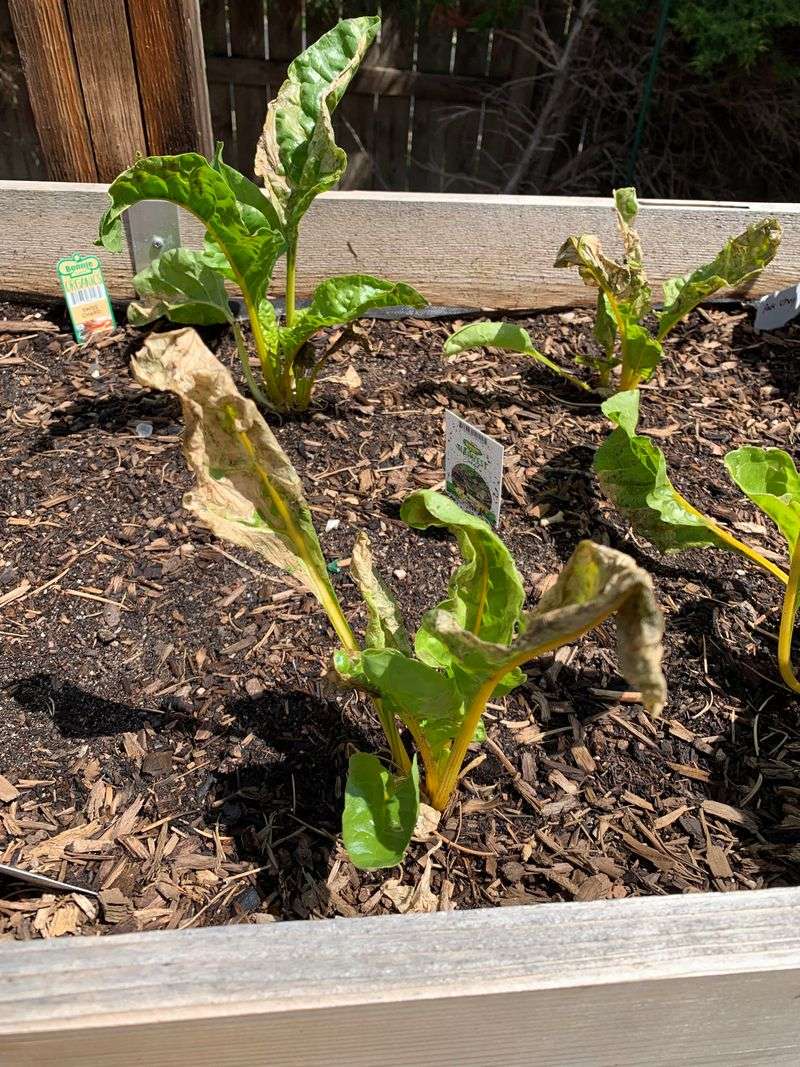
Oregon springs can be tricky. One week it rains nonstop, the next week the sun peeks out, and you feel the urge to water everything.
But cool, cloudy weather means your plants are not using much water. Their roots are still waking up, and the soil is already damp from recent rain.
Overwatering in cool conditions is one of the fastest ways to invite root rot. Fungal pathogens love cold, wet soil.
When roots sit in moisture they cannot absorb, they start to break down. You will notice yellowing leaves, wilting even though the soil is wet, and a general lack of growth.
Before you water, stick your finger a few inches into the soil. If it feels moist, wait another day or two.
Let the top layer dry out a bit between waterings. This encourages roots to grow deeper and stronger instead of staying shallow and weak.
In April and May, you might only need to water once a week or even less. Save your energy for July and August when things really heat up.
During cool, rainy stretches, your garden is getting plenty of moisture from the sky.
If you use drip irrigation or soaker hoses, dial back the timer during spring. What works in summer will drown your plants in April.
Pay attention to the weather and adjust your watering schedule to match what your veggies actually need.
4. Space Plants For Better Airflow
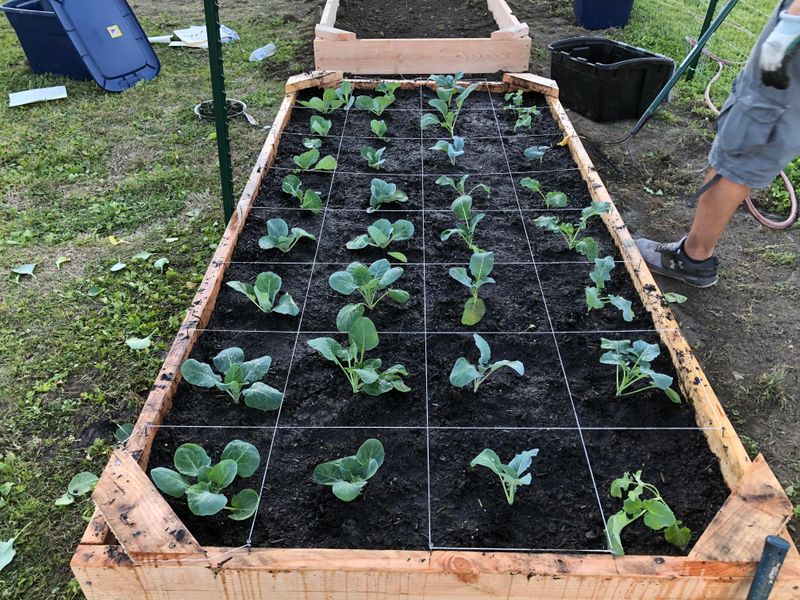
It is tempting to pack your garden beds full of seedlings, especially when space is tight. But crowded plants create a humid, stagnant microclimate that fungal diseases adore.
Leaves touch, air barely moves, and moisture lingers on stems and soil long after a rain or watering.
Giving your veggies room to breathe is a simple way to cut down on root rot and a bunch of other problems. When air circulates freely, foliage dries faster, soil surfaces dry out between waterings, and roots stay healthier.
Proper spacing also means each plant gets enough light and nutrients without competing.
Follow the spacing guidelines on your seed packets or plant tags. If a tomato needs two feet, give it two feet.
If bush beans need six inches, do not cheat and plant them at four. Those extra inches make a real difference in Oregon’s damp climate.
You will also find it easier to weed, water, and harvest when your plants are not tangled together. Airflow reduces the chance of powdery mildew, blight, and other moisture-loving diseases that can weaken plants and make them more vulnerable to root rot.
If you already planted too close, thin out a few plants. It feels wasteful, but the remaining veggies will grow bigger, healthier, and more productive.
A little breathing room goes a long way.
5. Choose Disease-Resistant Varieties
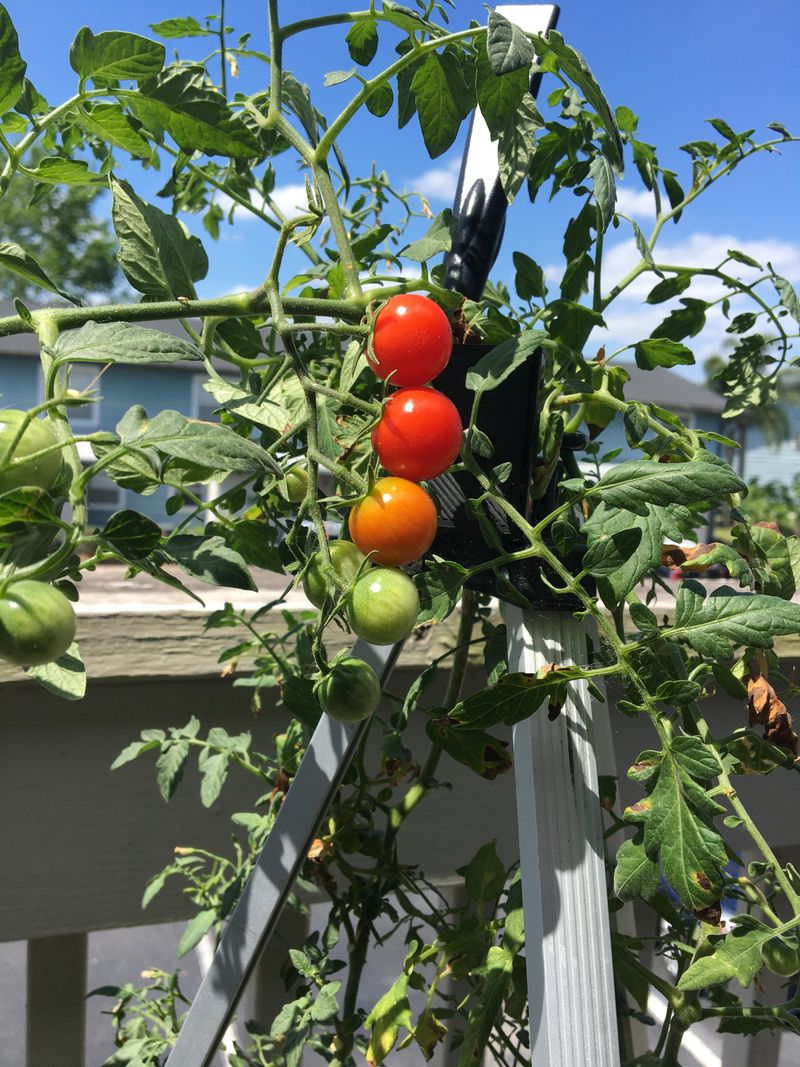
Not all veggie varieties are created equal when it comes to handling Oregon’s wet springs and unpredictable weather. Some tomatoes, cucumbers, and squash are bred specifically to resist common fungal diseases, including the ones that cause root rot.
Choosing these tougher varieties gives you a head start before you even plant.
Look for seed packets or plant labels that mention resistance to Fusarium, Verticillium, or Phytophthora. These are some of the main culprits behind root rot in veggie gardens.
Resistant varieties are not immune, but they can tolerate damp conditions better and bounce back faster if stress occurs.
Oregon State University Extension often recommends specific varieties that perform well in our climate. Check their vegetable guides or ask at a local nursery for suggestions.
Heirloom varieties can be beautiful and flavorful, but many lack disease resistance. Hybrids often offer better protection.
Planting resistant varieties does not mean you can ignore good garden practices. You still need decent drainage, proper spacing, and careful watering.
But it does give you a safety net when conditions are less than perfect.
Next time you order seeds or buy starts, take a moment to read the fine print. A few extra dollars spent on disease-resistant varieties can save you from losing entire rows of plants to root rot halfway through the season.
6. Rotate Crops Each Season
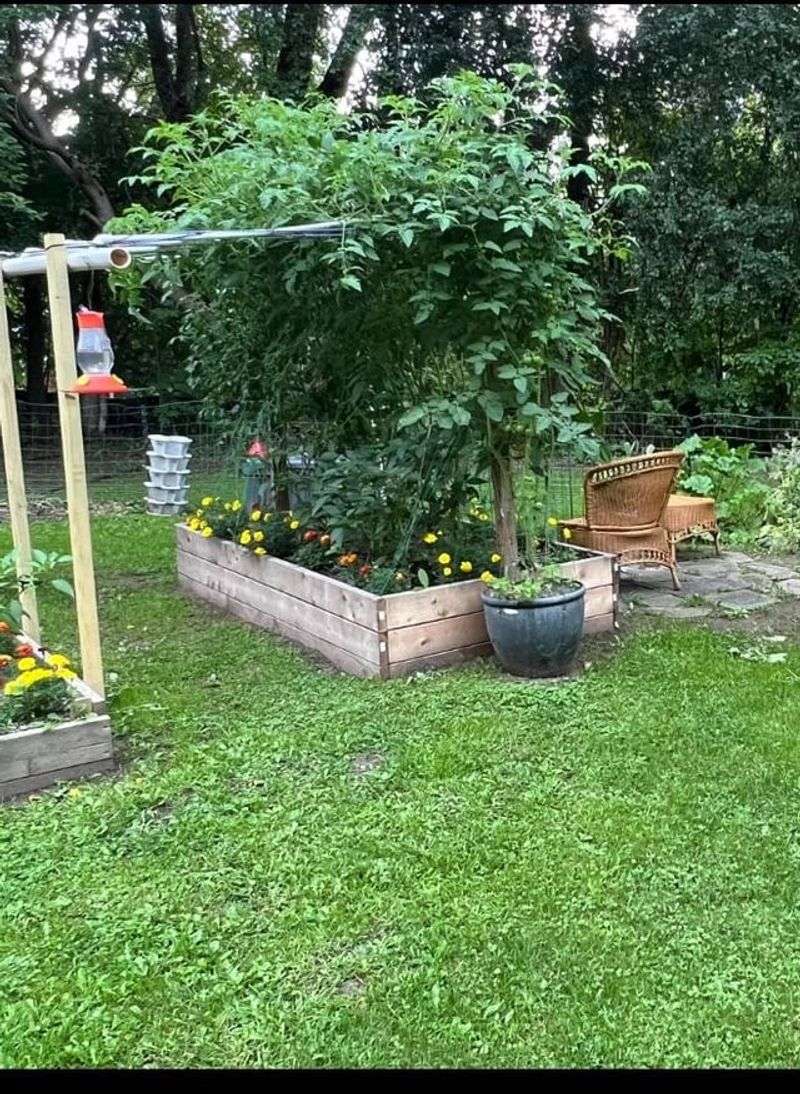
Planting tomatoes in the same spot year after year might seem convenient, but it is also a recipe for trouble. Soil-borne pathogens that cause root rot build up over time, waiting for their favorite host to return.
Crop rotation breaks that cycle by moving plant families to different beds each season.
The basic idea is simple: do not grow the same type of veggie in the same place two years in a row. Tomatoes, peppers, and eggplants are all in the nightshade family, so rotate them together.
Follow them with beans or peas, then brassicas like broccoli or cabbage, then root crops like carrots or beets.
This practice starves out disease organisms and reduces pest problems. It also helps balance soil nutrients since different plants take and give back different things.
In Oregon, where wet conditions can amplify fungal issues, rotation is a low-effort way to keep your soil healthier.
Keep a simple garden journal or map so you remember what you planted where. Even a photo on your phone works.
The goal is to avoid repeating the same crop in the same bed for at least three years.
If you have a small garden, rotate within raised beds or containers. Even a little variety helps.
Your soil will stay more balanced, your plants will be more resilient, and root rot will have a much harder time taking hold.
7. Add Organic Matter Carefully
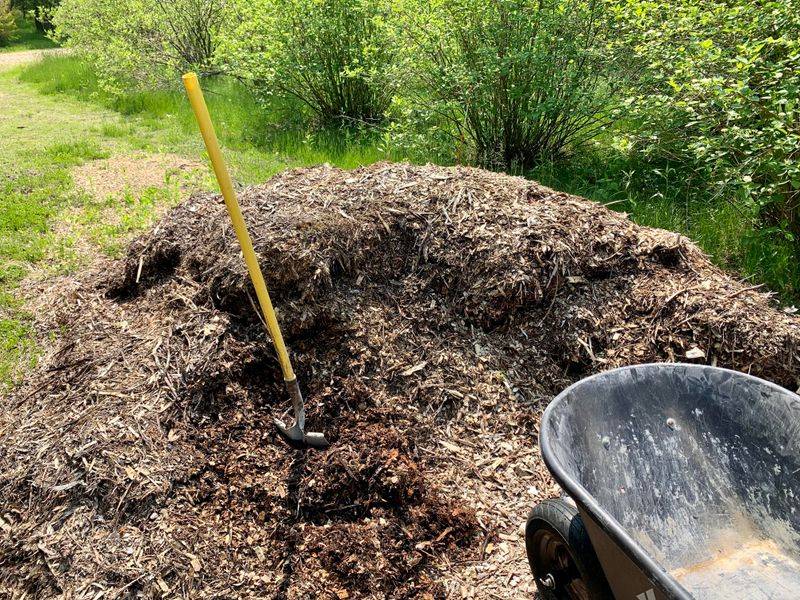
Compost is a gardener’s best friend, but too much of a good thing can backfire. Adding heavy layers of rich compost or manure without balancing it with drainage materials can create dense, water-holding soil.
In Oregon’s wet climate, that spells trouble for veggie roots.
Organic matter improves soil structure, feeds beneficial microbes, and helps retain nutrients. But if your soil is already heavy clay, piling on compost alone will not fix drainage.
You need to mix in coarser materials like perlite, pumice, or aged bark to keep things airy and loose.
Aim for a balanced mix: one part compost to two or three parts native soil, plus a handful of drainage amendments. This creates a soil that holds moisture when plants need it but drains quickly after a rain.
Your roots get the best of both worlds.
Be cautious with fresh manure or unfinished compost. They can be too rich and may introduce pathogens or burn young roots.
Stick with well-aged, finished compost that smells earthy and crumbles easily.
If you notice your beds staying soggy even after adding compost, you probably need more drainage help. Organic matter is essential, but it is not a cure-all.
Think of it as one ingredient in a recipe, not the whole meal.
8. Check Containers For Drainage Holes
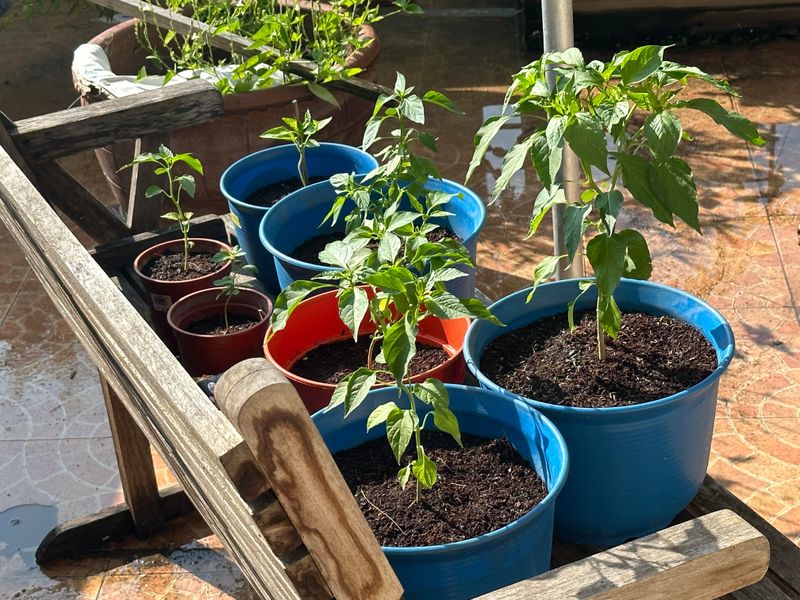
Container gardening is popular in Oregon, especially for renters or folks with tiny yards. Pots let you control soil quality, move plants to catch the sun, and avoid ground-level pests.
But if your containers do not have drainage holes, you are setting your veggies up for root rot no matter how carefully you water.
Water needs somewhere to go. Without drainage holes, excess moisture pools at the bottom of the pot, creating a swampy zone where roots suffocate and rot.
Even if the top inch of soil looks dry, the bottom can be soaking wet.
Before you plant, flip your pot over and check for holes. If there are none, drill a few.
Most plastic, ceramic, and wooden pots can handle a half-inch drill bit. Add at least three or four holes for good measure.
If you are using a decorative pot without holes, use it as a cachepot with a smaller, draining pot inside.
Also, make sure the holes are not blocked by saucers, decks, or dense potting mix. Elevate your pots on feet or pot risers so water can escape freely.
In Oregon’s rainy springs, this simple step can save your container veggies from disaster.
Use a high-quality potting mix designed for containers. Garden soil is too heavy and compacts in pots, leading to poor drainage and root problems.
Invest in a light, fluffy mix that drains well but still holds some moisture.
9. Remove Affected Plants Quickly
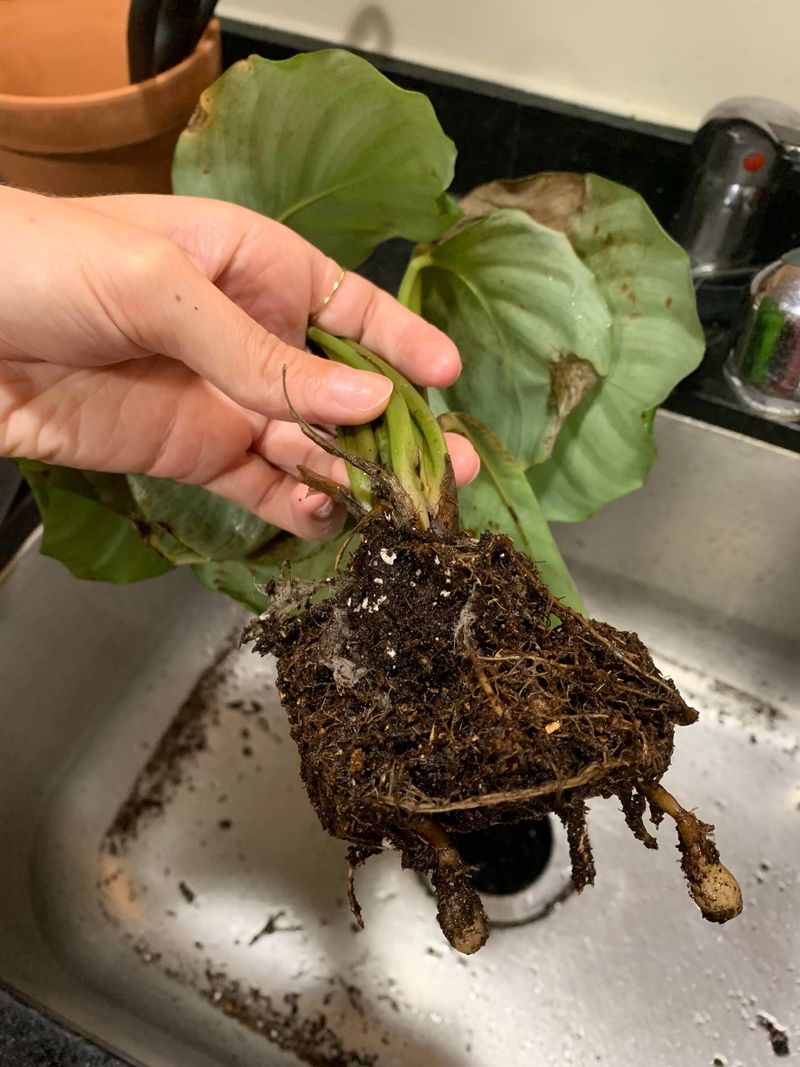
Sometimes, despite your best efforts, a plant gets hit by root rot. You will notice wilting that does not improve with water, yellowing leaves, stunted growth, and a general look of decline.
When you pull the plant up, the roots are brown, mushy, and smell foul instead of being white and firm.
As soon as you spot a sick plant, remove it from the garden. Do not wait to see if it recovers.
Root rot pathogens spread through soil and water, and leaving an infected plant in place puts your healthy veggies at risk. Pull it up, roots and all, and toss it in the trash – not your compost pile.
After removal, avoid planting another veggie in that exact spot for a few weeks. Let the soil dry out and consider adding fresh compost or a soil amendment to help reset the balance.
If the problem keeps happening in the same area, you may need to improve drainage or switch to raised beds.
Keep an eye on neighboring plants. If one plant had root rot, others nearby might be starting to show symptoms.
Early detection and quick action can stop an outbreak before it wipes out a whole row.
Do not feel bad about losing a plant. It happens to every gardener.
The key is learning from it and making adjustments so the rest of your garden stays healthy and productive all season long.