14 Signs Your Houseplants In Maine May Need More Light
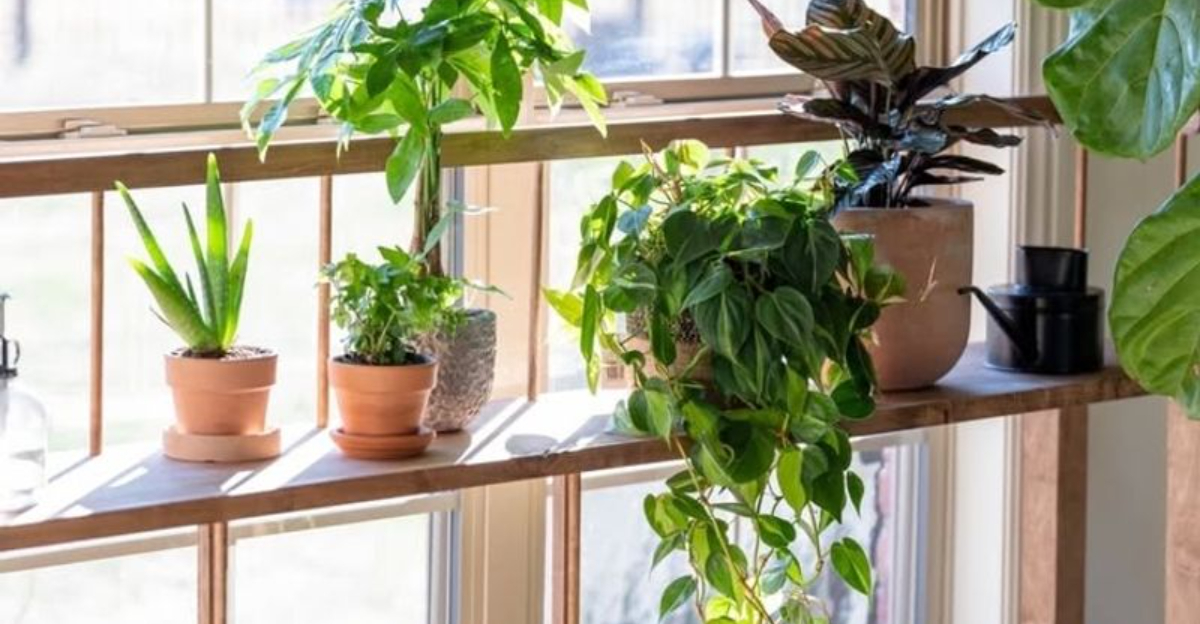
Indoor plants in Maine often struggle during the long, dark winters, and low light is a common culprit.
Without enough light, houseplants can grow weak, become leggy, lose leaves, or stop producing flowers, affecting both health and appearance. Spot the warning signs early and help your plants thrive.
These signs include pale or yellowing leaves, stretched stems, slow growth, dropped foliage, and reduced flowering.
Recognizing these symptoms allows gardeners to adjust plant placement, supplement with grow lights, or rotate plants for better light exposure.
Providing adequate light ensures strong stems, vibrant leaves, and overall plant vitality. Light is essential for healthy growth and long-term plant success.
Maine homeowners who address low light issues can rescue struggling plants and maintain lush, vibrant indoor greenery throughout the year. Give your houseplants the light they need to flourish.
1. Long, Stretched Stems (Leggy Growth)
Maine’s winter months bring noticeably shorter daylight hours, and your houseplants feel every minute of that change.
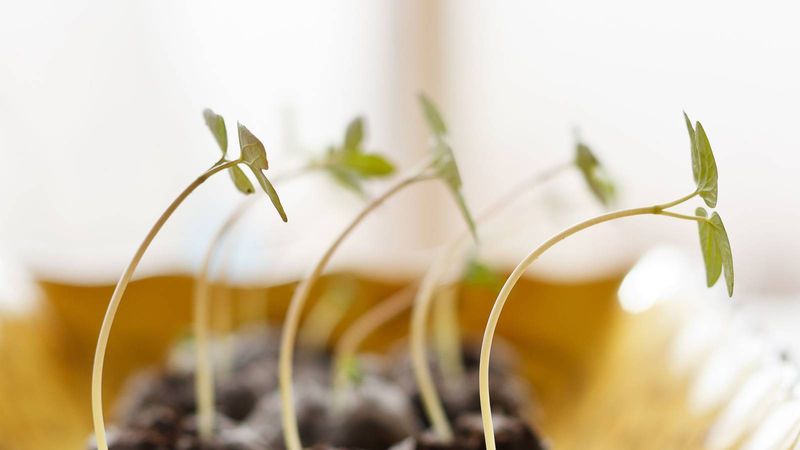
When natural light becomes scarce, plants desperately reach toward whatever brightness they can find, resulting in stems that grow unusually long and thin.
This stretching behavior creates what gardeners call “leggy growth,” where the spaces between leaf nodes become much wider than normal. The technical term for these spaces is “internodes,” and their length tells you a lot about light availability.
Healthy plants receiving adequate illumination develop compact internodes, keeping leaves close together along sturdy stems.
Under dim conditions, however, those same plants will stretch internodes dramatically, sometimes doubling or tripling the distance between leaves as they search for better light sources.
This elongated growth pattern weakens the entire plant structure over time. Stretched stems become fragile and struggle to support the weight of foliage, causing plants to flop over or require staking.
The tissue itself grows softer and more vulnerable to damage because the plant invests energy into rapid vertical growth rather than developing strong, dense cellular structure.
Rotating your plants regularly and moving them closer to south-facing windows can help counteract this tendency during Maine’s darker seasons.
2. Smaller New Leaves Than Normal
Photosynthesis powers everything your plants do, from growing roots to producing fresh foliage.
When light levels drop below what your houseplants need, they simply cannot generate enough energy to create full-sized leaves.
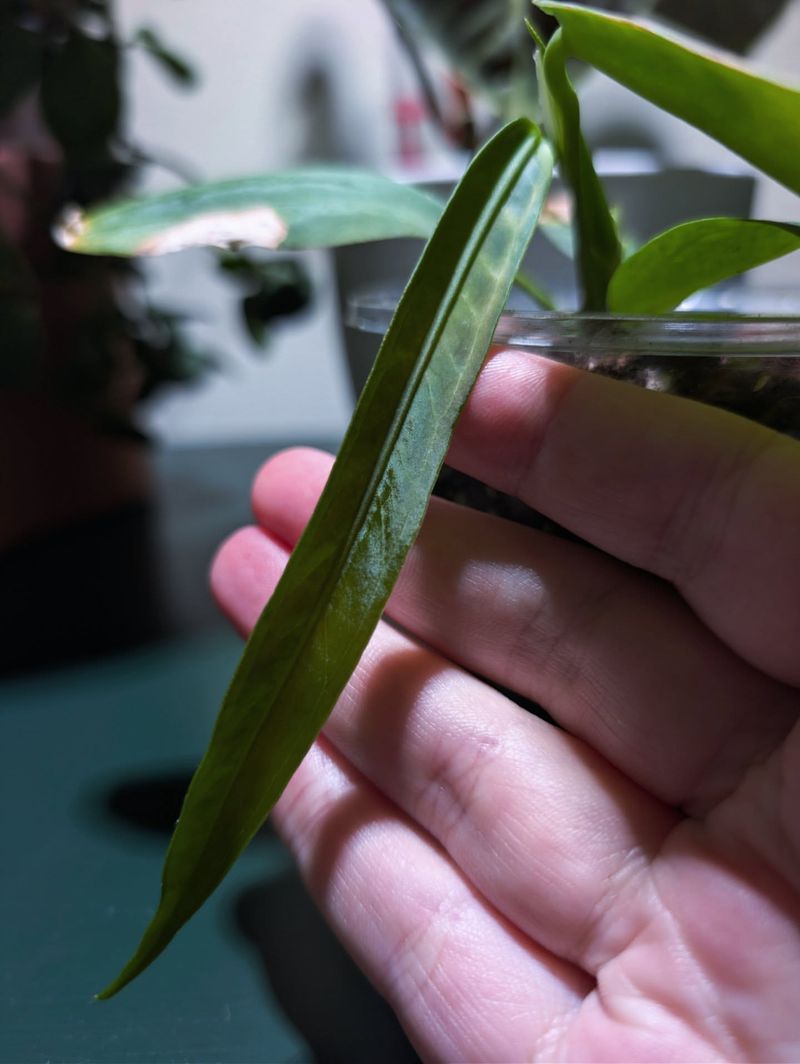
You’ll notice this most dramatically on new growth, where emerging leaves appear noticeably smaller and less impressive than the mature foliage already established on the plant.
Popular houseplants like pothos, philodendron, and ficus are particularly prone to this symptom in Maine homes during winter.
A pothos that once produced hand-sized leaves might suddenly develop new growth barely bigger than your thumb.
Philodendrons that typically unfurl dramatic foliage may push out miniature versions that never reach their genetic potential. This size reduction happens because the plant must ration its limited energy reserves.
Creating large leaves requires substantial resources, and without sufficient light to fuel photosynthesis, plants scale back their ambitions.
The result is a collection of undersized leaves that look out of proportion compared to older growth from brighter months.
Your Maine Garden Changes Every Week. Your Plan Should Too.
Gardening in Maine changes quickly throughout the season. Every Friday you’ll receive a simple weekly plan showing exactly what to plant, prune, fertilize, harvest, and protect so you never miss the right timing.
Ficus trees especially show this pattern, with new leaves emerging at half their normal size when positioned too far from adequate light sources.
Moving these plants to brighter locations or supplementing with grow lights helps restore normal leaf development patterns.
3. Pale Or Washed-Out Leaf Color
Chlorophyll gives leaves their vibrant green color while simultaneously capturing light energy for photosynthesis.
When your plants receive insufficient illumination, they produce less chlorophyll because there’s simply not enough light to make manufacturing it worthwhile.
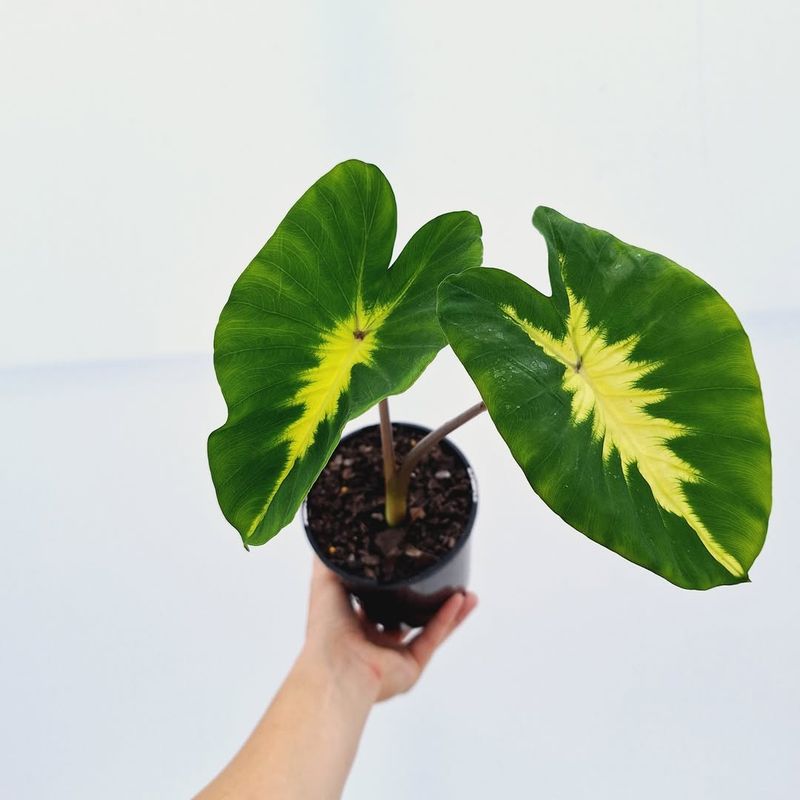
This reduction shows up visibly as leaves that look faded, pale, or washed-out compared to their usual rich coloring.
Maine experiences dramatic seasonal shifts in light intensity, with summer sunshine streaming through windows at completely different angles and strengths than winter rays.
A plant that looked deep green and healthy in July might appear yellowish-green or lime-colored by January, even though nothing else about its care has changed.
This color shift directly reflects the reduced chlorophyll production triggered by shorter days and weaker sunlight filtering through low winter clouds.
The difference becomes especially obvious when you compare older leaves that developed during brighter months to newer growth emerging under dim conditions.
Established foliage retains more of its original coloring, while fresh leaves come in noticeably lighter. Some plants may also show an overall blanching effect, where even mature leaves gradually lose color intensity over time.
Addressing this issue requires either repositioning plants to capture more natural light or introducing supplemental lighting to boost the available spectrum and intensity your houseplants receive daily.
4. Plant Leaning Toward Windows
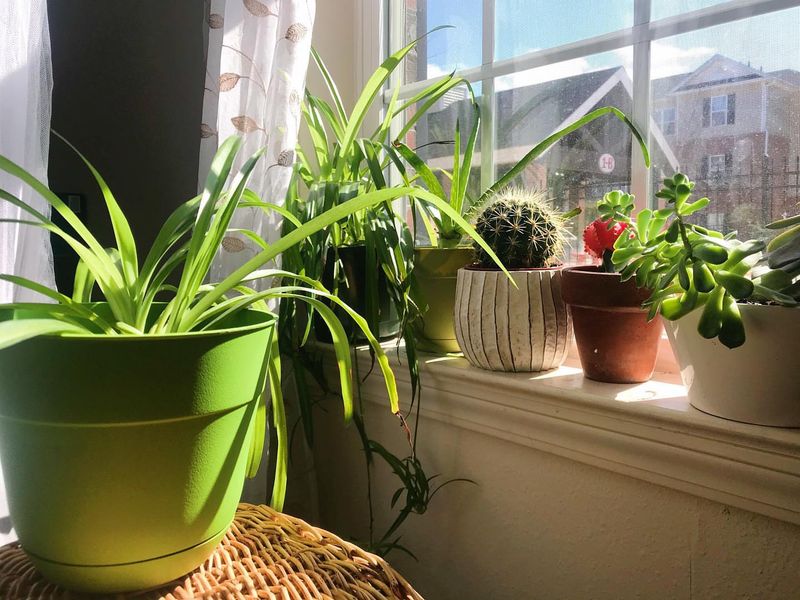
Ever notice your houseplants seem to be permanently tilted in one direction? This phenomenon, called phototropism, represents your plant’s natural response to directional light sources.
During Maine’s winter months, when sunlight enters at low angles and only through certain windows, plants bend dramatically toward those precious rays.
The entire structure tilts, sometimes at angles that look almost comical, as the plant orients itself to maximize light capture.
Phototropism works through specialized cells that detect light direction and trigger growth hormones to accumulate on the shadier side of stems.
These hormones cause cells on the darker side to elongate faster than cells facing the light, creating the bending effect. In environments with bright, even lighting from multiple directions, this response stays minimal.
However, when light comes predominantly from one window, plants lean hard in that direction. The solution involves rotating your plants regularly, ideally giving them a quarter turn each week.
This practice encourages balanced growth on all sides and prevents the permanent tilt that develops when plants stay in one orientation too long.
Without rotation, stems may eventually harden in their tilted position, making it difficult to correct later.
Pay special attention to plants near east or west-facing windows in Maine, where directional morning or afternoon light creates the strongest phototropic responses throughout the darker months.
5. Slow Or Stalled Growth During Spring Transition
Spring arrives in Maine with longer days and warming temperatures, triggering growth responses in outdoor plants as they wake from winter dormancy.
Your houseplants should follow similar patterns, pushing new leaves and stems as March and April bring increased daylight.
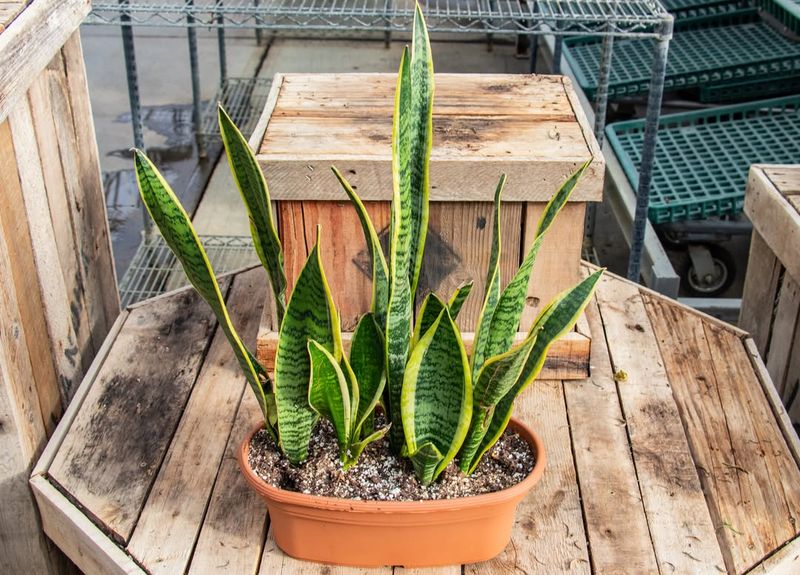
When plants fail to resume active growth during this transition period despite improving conditions, inadequate light exposure often deserves the blame.
Temperature alone doesn’t drive plant growth; light provides the energy that powers all developmental processes.
A plant positioned in a warm room but far from windows or in a north-facing location may experience comfortable temperatures without receiving enough light intensity to fuel new growth.
The plant remains in a semi-dormant state, conserving energy rather than investing in development. This stalled growth becomes particularly noticeable because you expect spring to bring visible changes.
When neighbors’ plants start flourishing and yours remain stubbornly static, light deficiency likely explains the difference.
Even though days are lengthening, the actual light reaching your plant’s leaves may still fall below the threshold needed to trigger active growth phases.
Addressing this requires honest assessment of your plant’s placement. Moving it closer to windows, choosing brighter exposures, or adding supplemental lighting can provide the boost needed to kickstart spring growth.
Once adequate light becomes available, most plants respond quickly with fresh foliage and renewed vigor.
6. Dropping Older Leaves Without Pest Activity
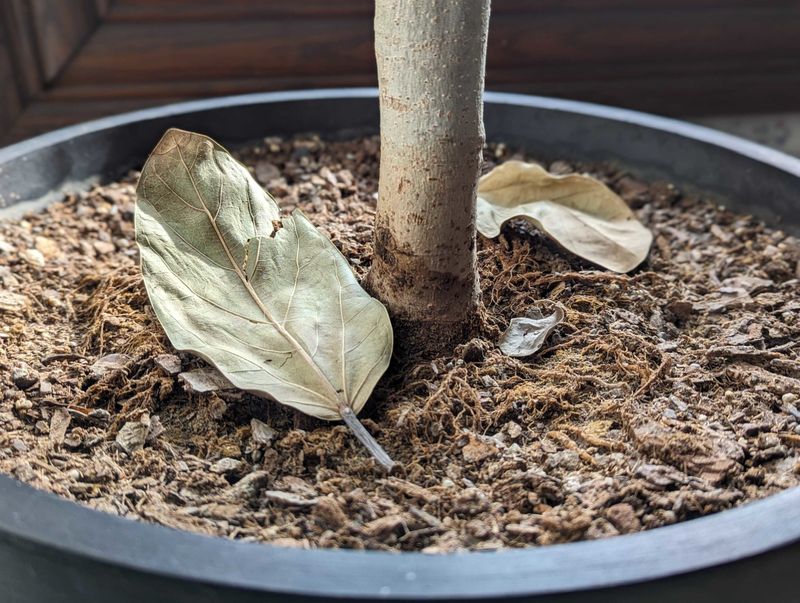
Finding yellow leaves scattered around your plant’s base can trigger immediate concern about pests, disease, or watering problems.
However, when inspection reveals no bugs, no root rot, and consistent moisture levels, light deficiency often explains the mysterious leaf drop.
Plants facing chronic low-light conditions make strategic decisions about resource allocation, and one common strategy involves shedding older, less efficient leaves.
Older foliage requires maintenance energy for the plant to keep alive, even though these mature leaves typically photosynthesize less efficiently than younger growth. When overall light levels drop too low, maintaining every leaf becomes unsustainable.
The plant responds by cutting its losses, allowing older leaves to yellow and fall while directing limited resources toward younger, more productive foliage and essential survival functions.
Rubber plants and schefflera commonly exhibit this behavior in Maine homes during winter. You might notice lower leaves gradually yellowing and dropping over several weeks, creating a progressively barer appearance from the bottom up.
The plant isn’t necessarily declining overall, but it’s adapting to energy scarcity by downsizing its leaf canopy to match available light.
While some leaf drop is normal, accelerated shedding signals that your plant needs better lighting conditions.
Improving light availability typically halts excessive leaf loss and allows the plant to maintain a fuller, healthier appearance throughout the year.
7. Thin Or Weak New Stems
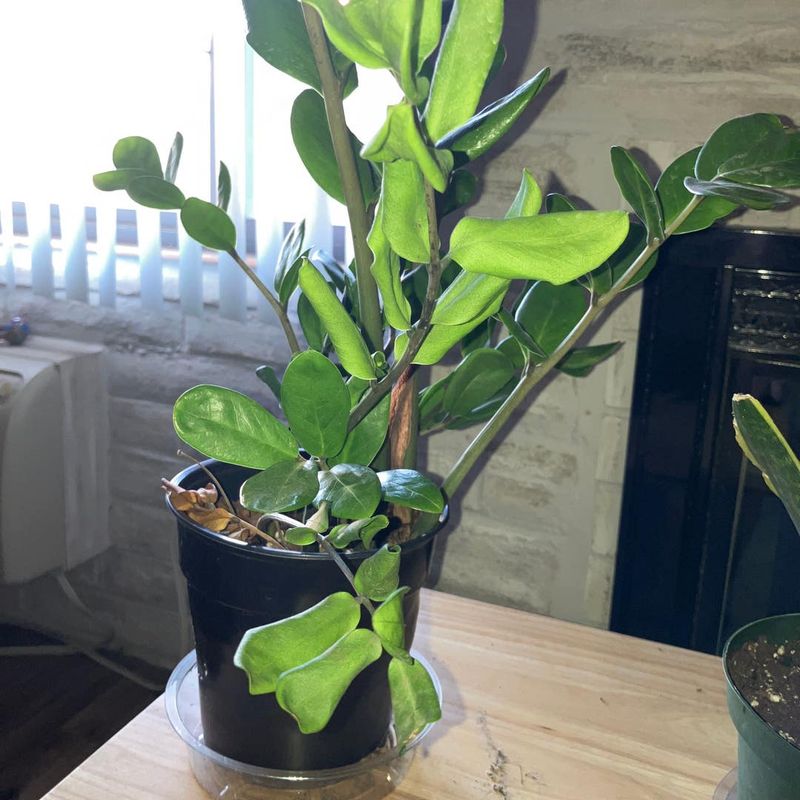
Strong stems provide the structural foundation that supports leaves, flowers, and fruit. Building sturdy stem tissue requires abundant energy, which plants generate through photosynthesis.
When light becomes limited, especially during Maine’s extended winter darkness, plants cannot produce the resources needed to develop thick, robust stems.
Instead, new growth emerges thin, flexible, and sometimes almost translucent compared to older, more substantial stems. This weakness shows up most obviously when you touch or gently bend new stems.
Rather than feeling firm and resistant, they flex easily and may even feel soft or squishy. The cellular structure lacks the lignification and density that characterizes healthy stem development.
Without adequate light to fuel proper growth, plants create stems just strong enough to hold up leaves, but without the extra reinforcement that makes stems truly sturdy.
Maine’s winter months create perfect conditions for this problem because even south-facing windows provide significantly less light intensity than the same windows in summer.
Cloud cover, shorter days, and low sun angles combine to reduce available light by more than half compared to peak summer conditions. Plants attempting to grow during this period struggle to build proper stem structure.
Weak stems cannot adequately support the plant’s weight, leading to flopping, bending, or breaking as the plant grows larger.
Providing supplemental lighting or moving plants to the brightest available spots helps new growth develop the strength it needs.
8. Variegated Plants Losing Color Patterns
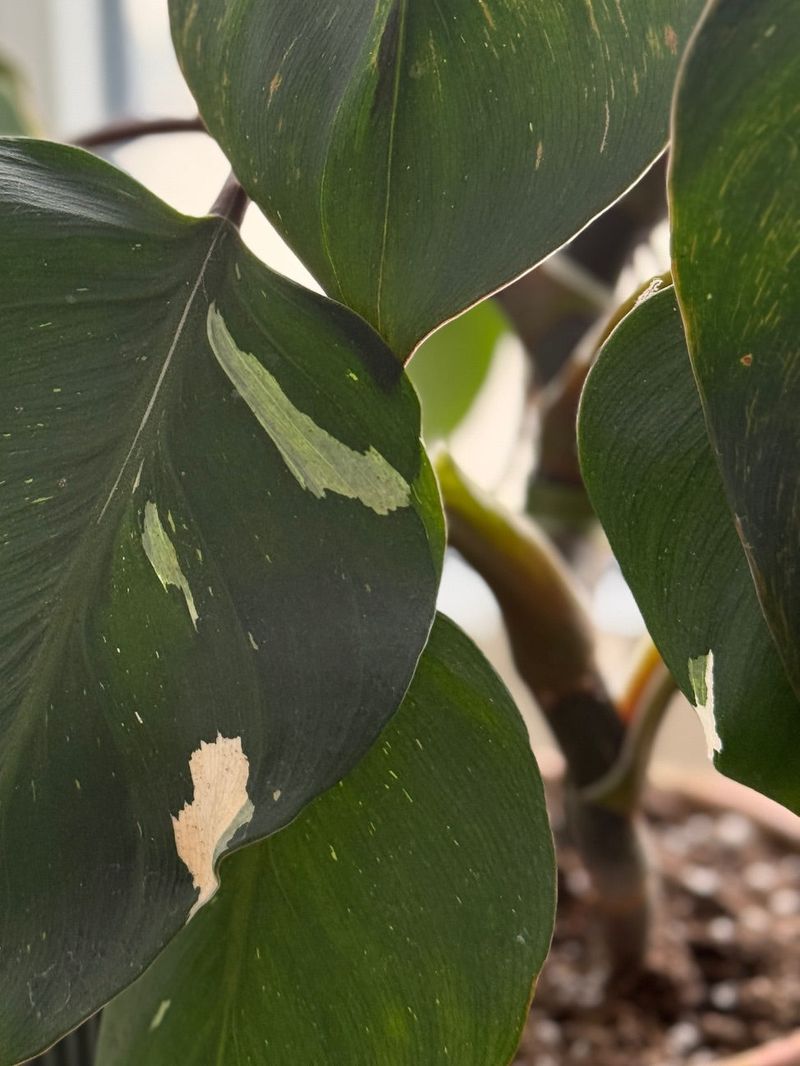
Variegated foliage creates stunning visual interest with its patterns of white, cream, yellow, or pink mixed with green.
These color variations result from cells that contain little or no chlorophyll in the non-green sections.
While beautiful, variegation comes with a photosynthetic cost because those colorful portions cannot capture light energy like green tissue can.
Plants with heavy variegation essentially operate with reduced photosynthetic capacity compared to their solid-green counterparts.
When light becomes scarce, variegated plants face a survival dilemma. Their reduced chlorophyll content already limits energy production, and insufficient light compounds the problem dramatically.
The plant’s response involves reverting to produce more green tissue, which maximizes chlorophyll content and improves photosynthetic efficiency.
You’ll notice this as new leaves emerge greener and less variegated than older foliage, or existing variegated sections gradually darken toward green.
Snake plants with yellow edges may produce new leaves with narrower yellow bands or entirely green leaves.
Variegated pothos might shift from showing bold white or yellow patches to developing leaves with minimal variegation or none at all.
Calatheas with intricate patterns may fade toward more uniform coloring. This reversion represents the plant’s attempt to adapt to low-light conditions by increasing its photosynthetic capacity.
Restoring proper variegation requires providing stronger light levels. Once adequate brightness returns, new growth typically resumes normal color patterns, though reverted leaves won’t regain their original variegation.
9. Soil Staying Moist Longer Than Normal
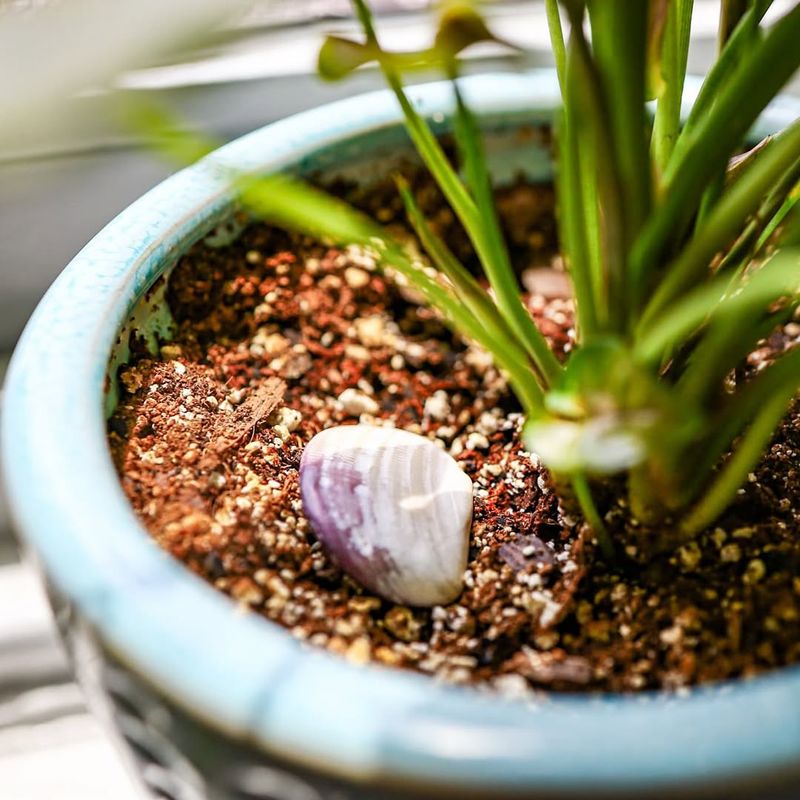
Watering schedules that worked perfectly in summer suddenly seem too frequent come winter, leaving soil soggy and slow to dry.
This change doesn’t necessarily mean you’re overwatering; instead, it often indicates that your plant’s water uptake has slowed dramatically due to reduced light levels.
Plants use water primarily for two purposes: transporting nutrients and facilitating photosynthesis.
When photosynthesis slows because of insufficient light, water demand drops proportionally. Maine’s indoor winter conditions compound this issue.
While outdoor humidity plummets in cold weather, indoor heating systems create variable moisture levels. Some homes become quite dry, while others maintain moderate humidity depending on heating methods and insulation.
Regardless of ambient humidity, reduced light means plants photosynthesize less, transpire less water through their leaves, and therefore absorb less moisture from the soil.
This slower water uptake creates a dangerous situation because consistently moist soil encourages root problems. Roots need oxygen, which exists in the air spaces between soil particles.
When water fills those spaces for extended periods, roots suffocate and may begin to deteriorate. The irony is that the plant isn’t using less water because it’s unhealthy; it’s using less water because insufficient light has slowed its metabolic processes.
Adjusting watering frequency to match reduced water uptake helps, but addressing the underlying light deficiency provides a better long-term solution.
Brighter conditions increase photosynthesis, which naturally increases water demand and helps soil dry at healthier intervals.
10. Leaves Turning Toward Artificial Light Sources
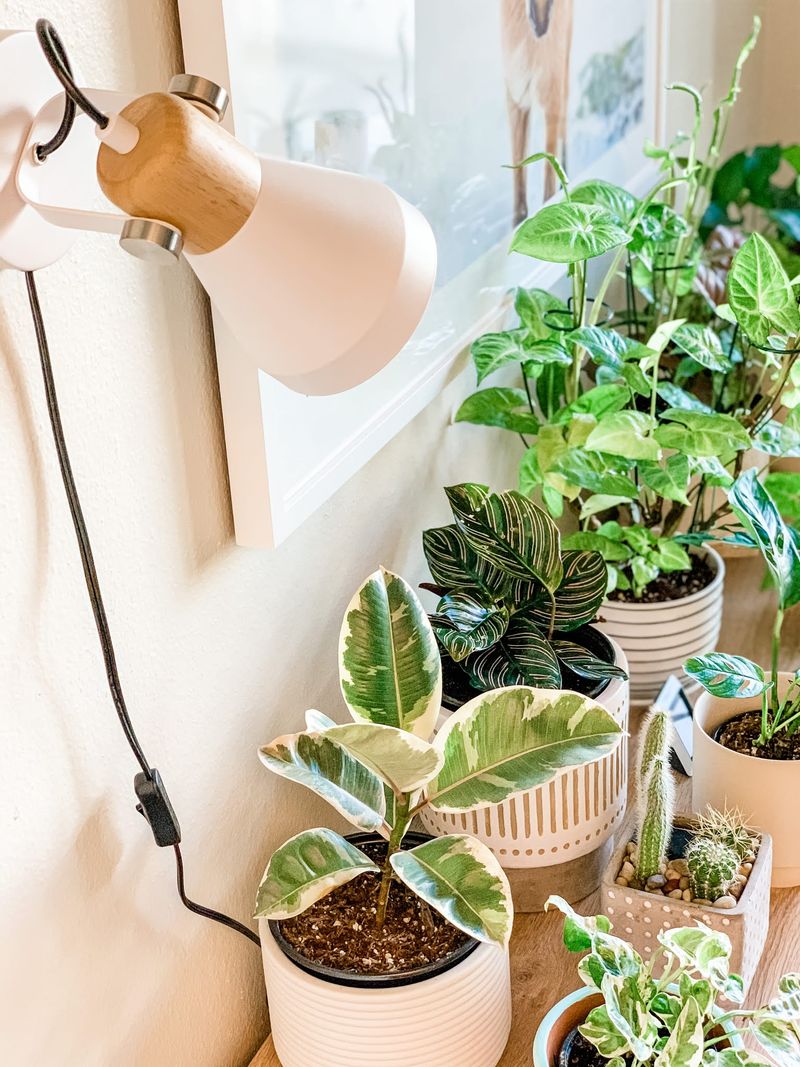
Your living room lamp suddenly seems to have a magnetic pull on nearby houseplants, with leaves and stems bending toward the bulb rather than the window.
This behavior reveals that your plant perceives artificial lighting as a more reliable or intense light source than whatever natural illumination reaches it from windows.
While it might seem amusing at first, this orientation toward lamps signals that window light has become inadequate for the plant’s needs.
Plants don’t distinguish between natural and artificial light; they simply respond to whatever spectrum and intensity reaches their leaves.
When a nearby lamp provides stronger or more consistent light than distant or obstructed windows, phototropism directs growth toward that artificial source.
Table lamps, floor lamps, and even television screens can trigger this response if positioned near light-starved plants.
If you’re going to rely on artificial lighting to supplement or replace window light, proper placement matters enormously. Regular household bulbs typically provide insufficient intensity and spectrum for most plants.
Dedicated grow lights offer better results, but they need positioning close enough to provide adequate intensity without causing heat damage.
For most houseplants in Maine homes, grow lights should sit 6 to 12 inches above foliage, depending on the light’s wattage and the plant’s requirements.
Combining natural window light with strategically placed grow lights creates the best environment, especially during Maine’s darker months when windows alone cannot provide enough illumination for healthy plant growth.
11. Poor Recovery After Repotting Or Trimming
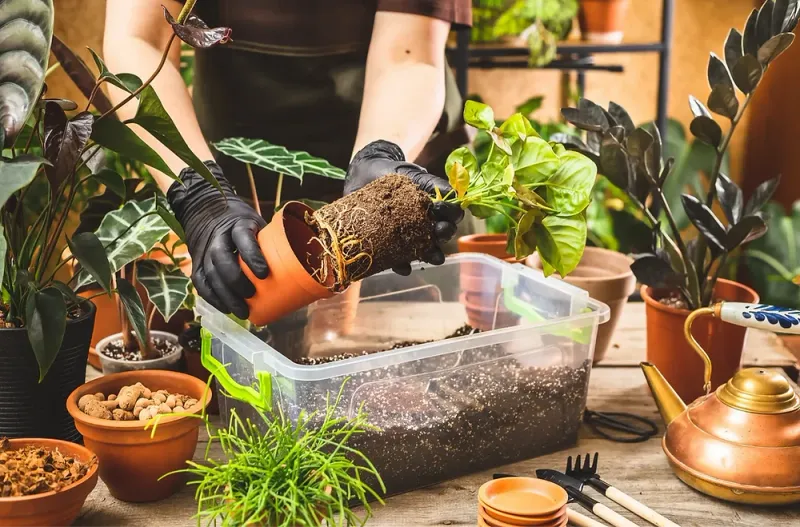
Repotting and pruning create temporary stress for plants, requiring them to invest significant energy into recovery processes.
When you trim stems or leaves, the plant must seal wounds and redirect resources to generate new growth. Repotting disturbs roots, forcing the plant to repair damaged root tissue and establish connections in fresh soil.
Both activities demand substantial energy reserves that plants generate through photosynthesis. Under adequate lighting conditions, healthy plants typically recover from repotting or trimming within a few weeks, showing signs of new growth and renewed vigor.
However, when light levels fall short of what the plant needs, recovery stalls or progresses painfully slowly.
The plant simply cannot generate enough energy to both maintain existing tissue and invest in healing and regrowth simultaneously. Timing these maintenance activities becomes especially important for Maine houseplant owners.
Repotting or heavy pruning during the darkest winter months asks plants to perform energy-intensive tasks when light availability is at its lowest.
Many experienced gardeners wait until March or April, when lengthening days provide more light to fuel recovery processes.
Even better, waiting until late spring or early summer gives plants maximum light exposure during their healing period. If you must repot or prune during low-light periods, consider adding supplemental grow lights to support recovery.
Adequate illumination dramatically improves healing speed and helps plants bounce back from maintenance stress without prolonged setbacks or complications.
12. Lack Of Flowering On Blooming Houseplants
Flowering represents one of the most energy-intensive activities plants undertake. Producing buds, opening flowers, and potentially setting seeds requires enormous resources that plants can only spare when they’ve met all their basic survival needs first.
Light intensity and duration serve as primary triggers that signal to plants when conditions are favorable enough to invest in reproduction. Without adequate light, flowering plants simply skip the blooming phase entirely, conserving energy for basic survival instead.
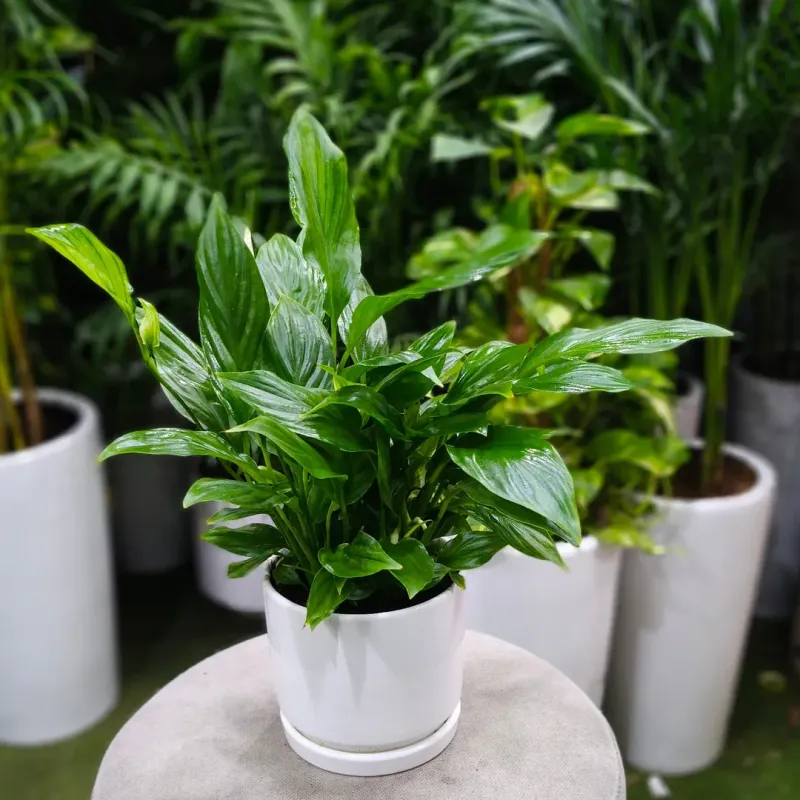
Popular flowering houseplants like orchids, peace lilies, and African violets all have specific light requirements that must be met before they’ll produce flowers.
Orchids typically need bright indirect light with some direct morning sun to trigger blooming cycles.
Peace lilies require medium to bright indirect light, and while they tolerate lower levels, they rarely flower in dim conditions.
African violets demand consistent bright indirect light and may need supplemental lighting during Maine’s winter to maintain their characteristic prolific blooming. Maine’s winter light limitations create particular challenges for flowering houseplants.
Even if plants received adequate light during summer and early fall, the dramatic reduction in day length and light intensity from November through February can halt flowering entirely.
Plants that bloomed beautifully in August may refuse to produce a single bud by January, despite receiving identical care in all other respects.
Restoring flowering typically requires moving plants to brighter locations or adding grow lights specifically designed to support blooming.
Once light conditions improve, most flowering houseplants resume their normal blooming cycles within a few weeks to months.
13. Leaves Developing Wider Spacing Along Stems
Healthy, well-lit plants develop compact growth patterns with leaves clustered closely along stems. This tight arrangement maximizes the plant’s ability to capture light while maintaining structural efficiency.
Each leaf emerges at a predictable distance from the previous one, creating a balanced, proportional appearance that looks full and lush. When you run your hand along a stem, leaves feel evenly distributed with consistent spacing.
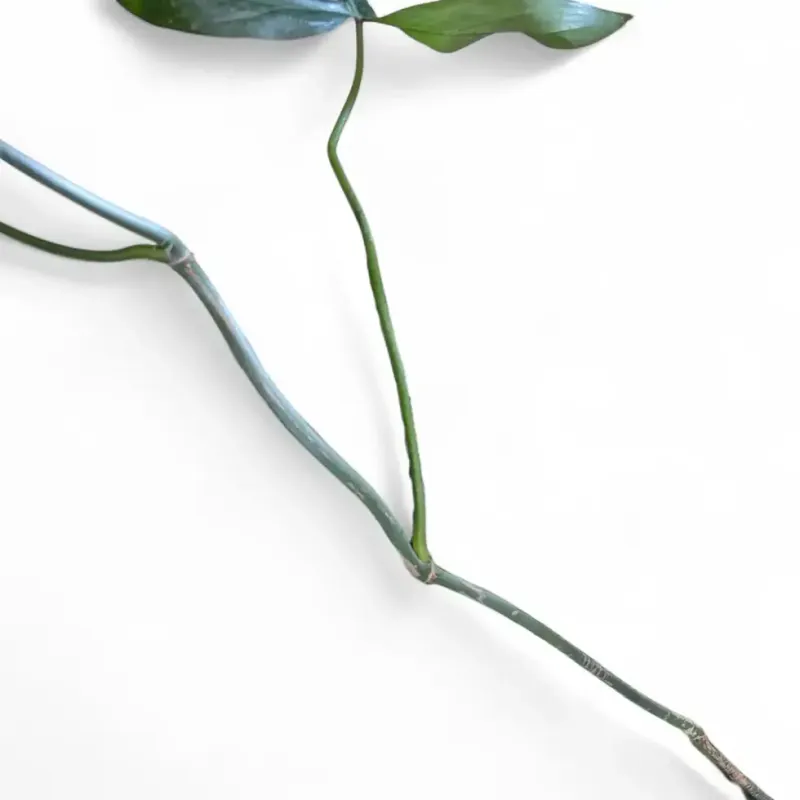
Light deficiency disrupts this pattern dramatically. As plants stretch toward available light sources, the stem elongates faster than new leaves can form.
This creates increasingly wide gaps between successive leaves, giving the plant a sparse, elongated appearance. What should be a compact rosette might stretch into a loose, sprawling structure.
Vining plants that normally show leaves every inch or two might develop bare sections several inches long between leaves. This symptom relates closely to legginess but focuses specifically on leaf spacing rather than overall stem length.
You might notice it most clearly when comparing different sections of the same plant. Growth from brighter months shows tight leaf spacing, while sections that developed during darker periods display obvious gaps.
The contrast reveals exactly how light availability affects growth patterns over time. Correcting this issue requires improving light conditions before new growth emerges.
Existing stretched sections won’t correct themselves, but new growth under better lighting will resume normal compact spacing.
Some gardeners choose to prune back stretched sections once plants produce new, properly spaced growth under improved conditions.
14. Growth Concentrated Only On Window-Facing Side
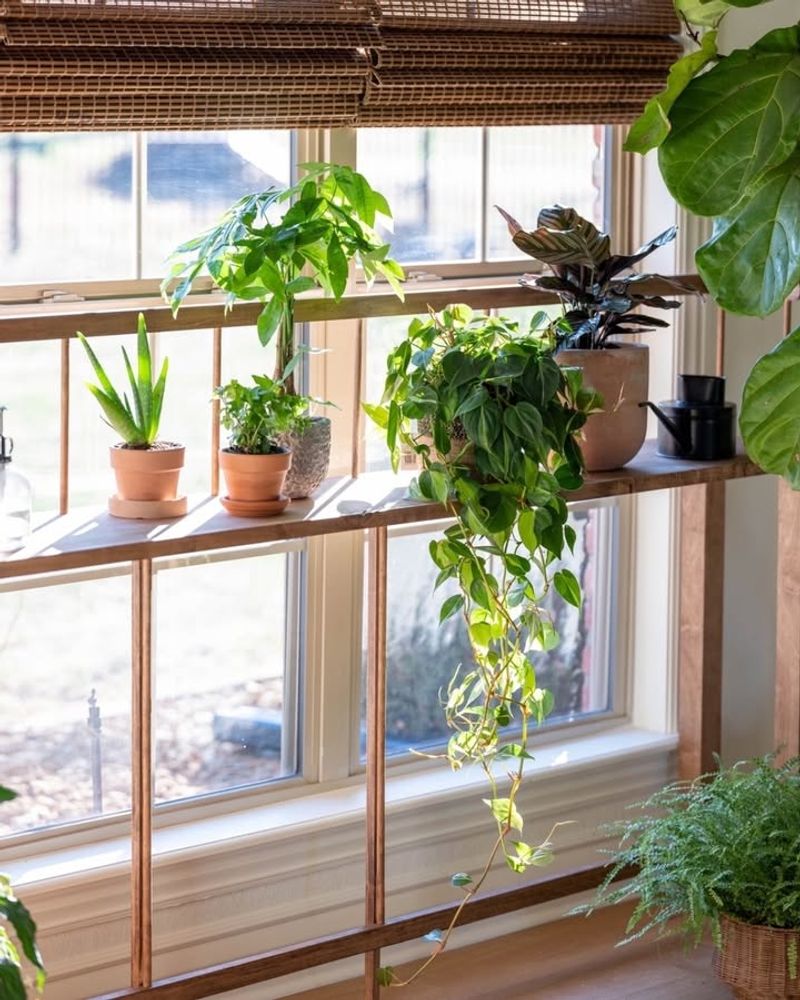
Turning your plant around reveals a startling truth: one side looks full and healthy while the opposite side appears sparse and underdeveloped.
This dramatic difference in growth density occurs when plants receive strong directional light from a single source, typically a window, without regular rotation to distribute that light evenly.
The side facing the light captures most of the available energy and responds with vigorous growth, while the shaded side essentially goes dormant.
This pattern becomes especially pronounced in Maine homes during winter when low sun angles create sharp contrasts between lit and shadowed areas.
South-facing and west-facing windows provide the strongest directional light during these months, creating particularly obvious differences between window-facing and interior-facing sides of plants.
East-facing windows also create this effect, though typically less dramatically due to gentler morning light.
The solution involves regular rotation to ensure all sides of the plant receive equal light exposure over time. A quarter turn each week works well for most plants, creating a rotation schedule that exposes each side to the window approximately once per month.
Consistent rotation encourages balanced growth and prevents the lopsided appearance that develops when plants stay in fixed positions.
For plants too large or heavy to rotate easily, consider moving them to locations with better ambient light from multiple directions, or adding supplemental lighting on the darker side to balance the natural window light.
This approach helps large floor plants and heavy containers that present practical rotation challenges.