10 Vegetables Arizona Gardeners Should Plant Before January Ends For A Strong Spring
Arizona gardeners know that early planting can give vegetables a head start and ensure a strong, productive spring harvest.
Choosing the right crops now maximizes growth and allows plants to establish roots before warmer weather arrives. Plant early and watch your garden thrive when spring comes.
These ten vegetables, including leafy greens, root crops, and hardy herbs, are ideal for planting before the end of January. Proper soil preparation, spacing, and watering help seedlings grow strong and healthy.
Timing is critical – planting early ensures plants reach peak production as temperatures rise. Early planting leads to bigger yields, healthier plants, and a longer growing season.
Arizona gardeners who follow these planting tips can enjoy abundant, homegrown vegetables and a thriving garden in spring. Get ahead of the season and set your garden up for success.
1. Lettuce (Leaf And Romaine Types)
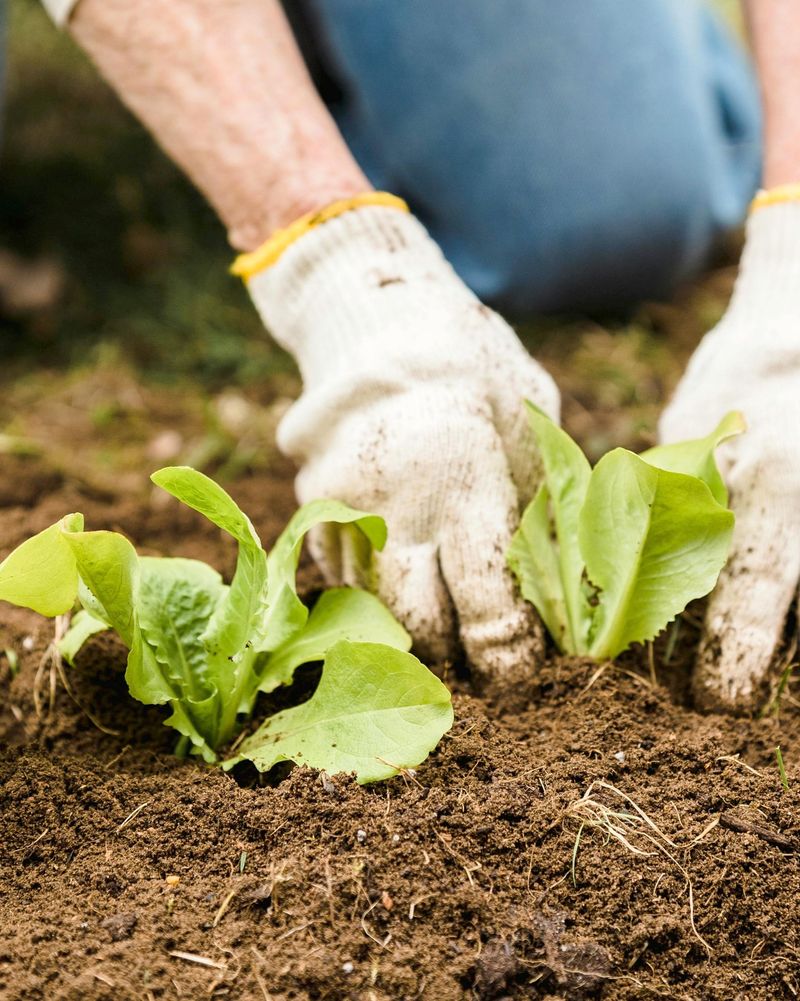
Arizona’s mild winter temperatures create the perfect environment for growing crisp, tender lettuce that tastes far better than anything you’ll find at the grocery store.
Leaf and romaine varieties particularly love the cool days and chilly nights that January brings to the desert.
The soil temperature between 45 and 65 degrees Fahrenheit is exactly what these leafy greens need to germinate quickly and develop robust root systems. Succession planting is your secret weapon for continuous lettuce harvests throughout the spring season.
Simply plant a new row every two weeks, and you’ll have fresh salad greens ready to pick for months. This strategy ensures you’re never overwhelmed with too much lettuce at once while keeping your salad bowl constantly full.
As Arizona’s spring temperatures begin climbing in March and April, your lettuce will need some afternoon shade to prevent bitter flavors and premature bolting. A simple shade cloth with 30 to 50 percent coverage works wonders for extending your harvest window.
Position it on the south and west sides of your lettuce bed to filter the intensifying sun while still allowing morning light to nourish your plants.
With proper care and strategic shading, your January-planted lettuce will reward you with sweet, crunchy leaves well into late spring.
2. Spinach
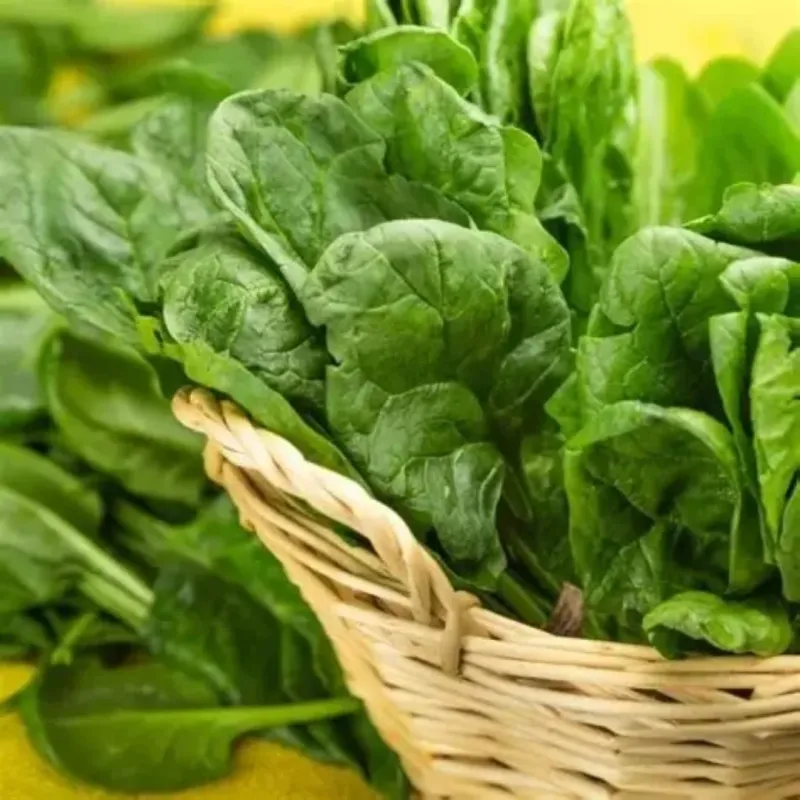
Spinach stands out as one of the toughest vegetables in your winter garden, shrugging off cold temperatures that would send other crops into shock.
This leafy powerhouse actually prefers the cooler weather Arizona offers during January, growing faster and sweeter when temperatures hover between 35 and 70 degrees.
The rapid growth rate means you can start harvesting tender baby leaves in as little as three to four weeks after planting. Proper spacing makes all the difference when growing spinach in Arizona’s desert conditions.
Plant seeds about two inches apart in rows spaced twelve inches from each other, which allows adequate air circulation while maximizing your growing space.
Consistent moisture is essential for spinach success, so aim to keep the soil evenly moist but never waterlogged. Drip irrigation or soaker hoses work beautifully for maintaining that perfect moisture balance without wetting the foliage.
Planting spinach before January ends positions you perfectly for abundant early spring harvests when this nutritious green is at its absolute best. The cool nights help develop that characteristic sweet flavor while preventing the bitter taste that heat brings.
Your Arizona Garden Changes Every Week. Your Plan Should Too.
Gardening in Arizona changes quickly throughout the season. Every Friday you’ll receive a simple weekly plan showing exactly what to plant, prune, fertilize, harvest, and protect so you never miss the right timing.
You can harvest entire plants or simply pick outer leaves as needed, allowing the center to continue producing fresh growth for weeks of continuous eating enjoyment.
3. Carrots
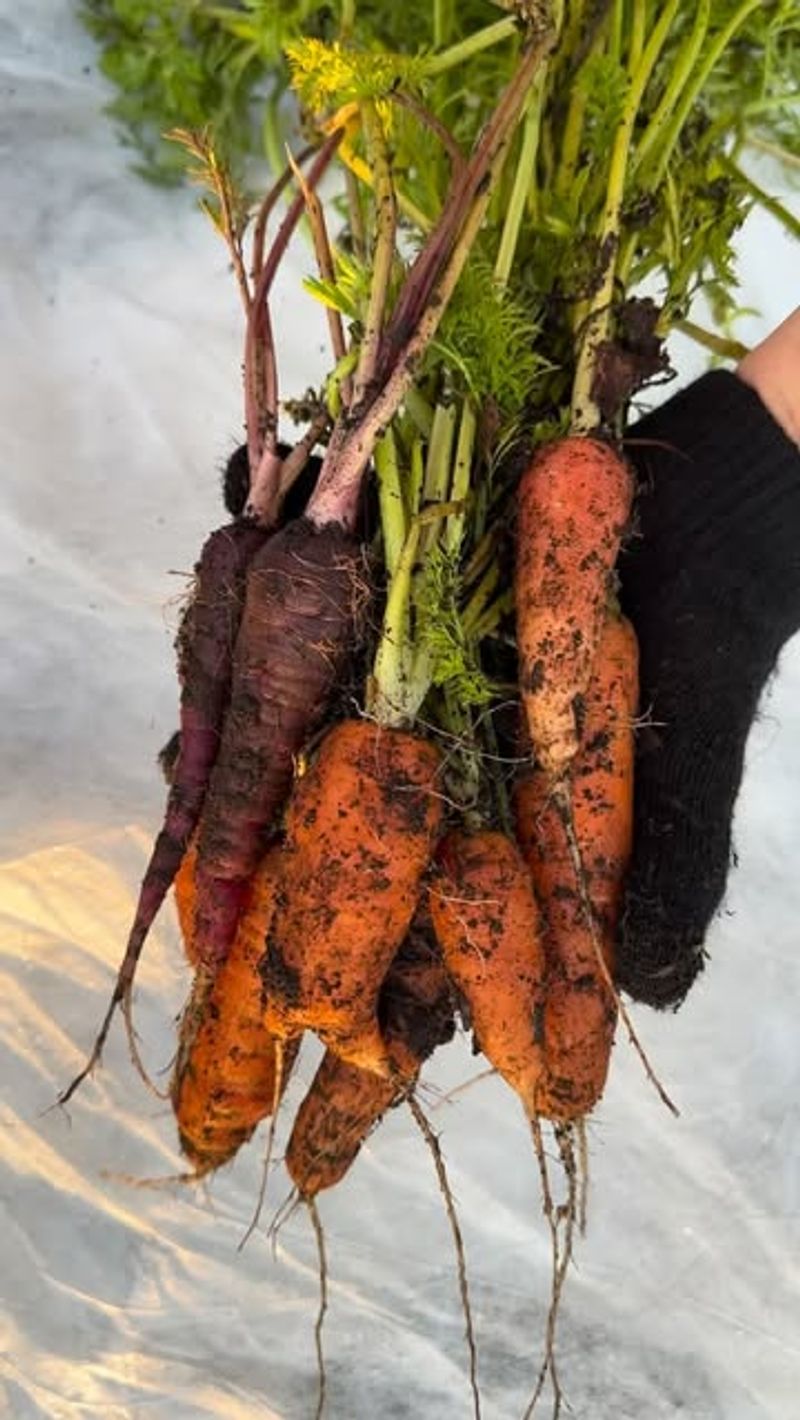
Carrots planted in January have a special advantage in Arizona gardens because they develop slowly during cool weather, resulting in sweeter roots with better texture and flavor.
The extended growing period allows sugars to concentrate gradually, creating that satisfying crunch and natural sweetness that makes homegrown carrots so special.
Sandy loam soil is ideal, but Arizona gardeners often need to amend their native soil to achieve the loose, rock-free conditions carrots demand.
Working with Arizona’s challenging soil types requires some preparation for carrot success. If you have heavy clay soil, mix in generous amounts of compost and sand to improve drainage and reduce compaction that can cause twisted, forked roots.
For sandy soils, add compost to improve moisture retention and provide nutrients for steady growth. Remove any rocks, sticks, or debris from the top eight to twelve inches where your carrots will develop.
Thinning is the step many gardeners skip, but it’s absolutely essential for growing straight, well-formed carrots.
Once seedlings reach two inches tall, thin them to stand about two to three inches apart, even though it feels wasteful. Those tiny thinned seedlings make delicious micro-greens for salads.
Maintain consistent soil moisture throughout the growing season, as fluctuating water levels can cause splitting and cracking in mature roots just when they’re ready to harvest.
4. Beets
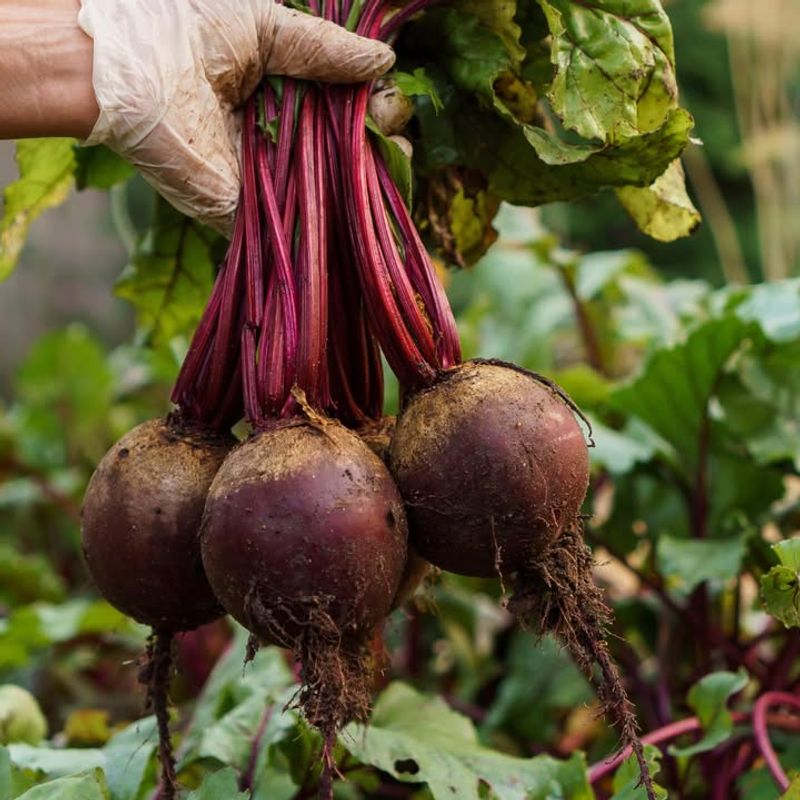
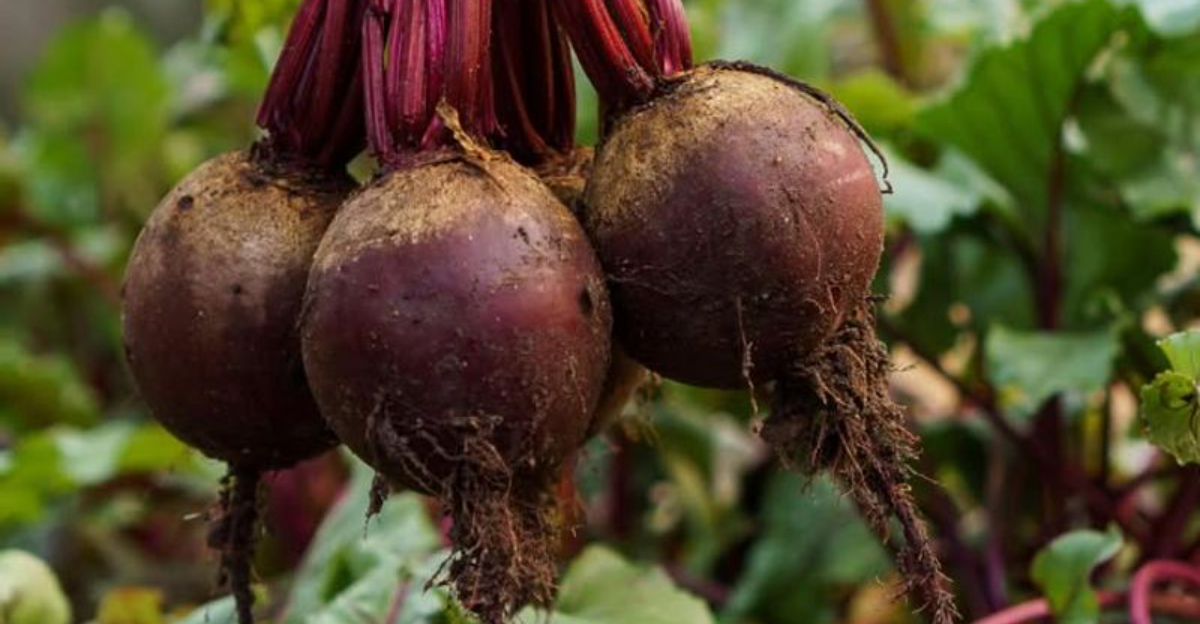
Beets bring double the value to your Arizona winter garden since both the sweet roots and nutritious greens are completely edible and delicious.
These hardy vegetables tolerate cool weather beautifully, growing steadily through January’s mild days and occasional frosty nights without missing a beat.
The consistent winter temperatures help beets develop smooth, tender roots without the woody texture that summer heat can cause. Space beet seeds about three to four inches apart in rows separated by twelve to eighteen inches for optimal growth.
Each wrinkled beet seed is actually a cluster containing multiple seeds, so don’t be surprised when several seedlings emerge from one spot.
Thin these clusters to one strong seedling per location to give each plant room to develop a properly sized root.
The thinned seedlings make fantastic additions to salads with their tender leaves and colorful stems. Harvest timing offers flexibility that makes beets perfect for beginning gardeners and busy families alike.
You can start picking tender baby beets at golf ball size for roasting whole, or wait until they reach full maturity at two to three inches across. The greens are ready to harvest even earlier, and regular picking actually encourages more leaf production.
Plant your beets before January ends, and you’ll be enjoying fresh roasted beets and sautéed greens just as spring flowers begin blooming across the desert.
5. Radishes
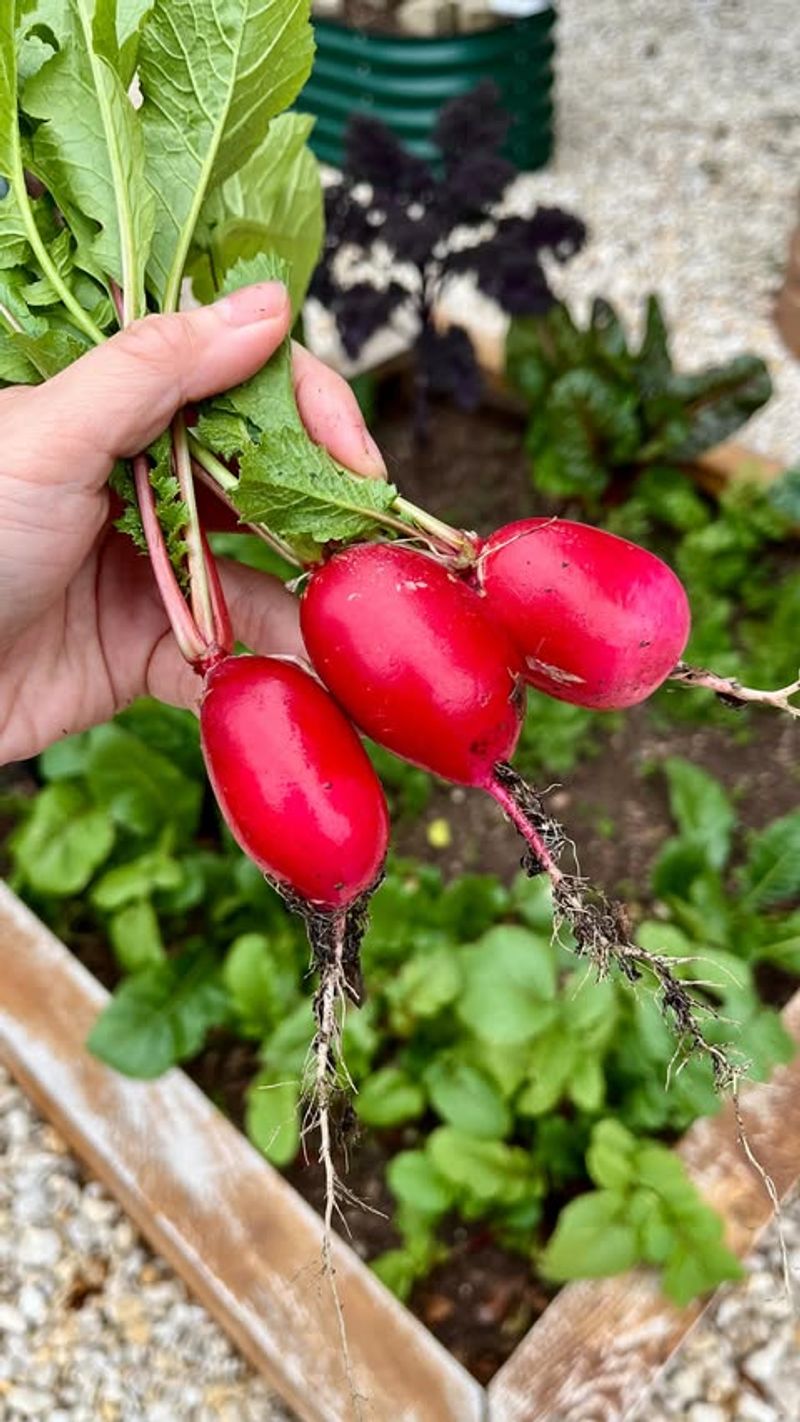
Radishes earn their reputation as the speed demons of the vegetable garden, racing from seed to harvest in just three to four weeks under Arizona’s cool January conditions.
This incredibly fast maturity makes them perfect for impatient gardeners, children learning to garden, or anyone wanting quick results from their efforts.
The crisp, peppery roots add wonderful crunch and flavor to salads, tacos, and sandwiches while providing satisfying proof that your garden is productive.
Smart gardeners use radishes as companion plants, interplanting them between slower-growing crops like carrots or lettuce.
The radishes mature and get harvested long before their neighbors need the space, essentially giving you two crops from the same garden area.
This efficient use of space is especially valuable in smaller Arizona yards where every square foot of garden bed counts.
Mark your rows by planting radish seeds alongside carrot seeds since the quick-sprouting radishes show you exactly where the slow-germinating carrots are planted.
Consistent soil moisture is the key to growing radishes that are crisp rather than pithy and mild rather than excessively hot.
Water regularly to keep the soil evenly moist throughout the short growing period, as any drought stress will make the roots woody and unpleasantly spicy.
The cool season naturally produces milder, sweeter radishes than summer heat ever could, making January the absolute best time to plant these colorful, fast-growing vegetables in your Arizona garden.
6. Peas (Snap And Snow Types)
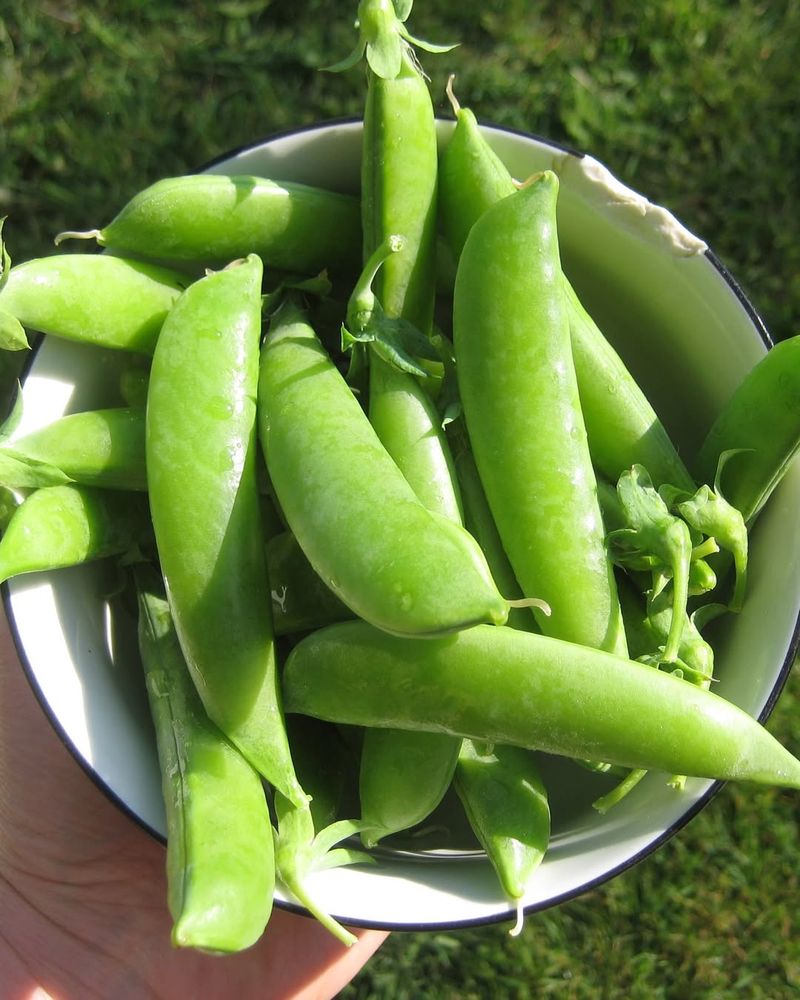
Snap and snow peas transform Arizona winter gardens into productive vertical spaces that yield sweet, crunchy pods throughout the spring season.
These climbing vegetables thrive in the cool temperatures January offers, developing strong vines and abundant flowers that become delicious edible pods.
Unlike shelling peas where you discard the pods, snap and snow peas let you eat everything, making them incredibly productive and satisfying to grow.
Installing trellis support before or immediately after planting saves you from disturbing roots later and gives young vines something to grab as they grow.
Simple structures made from bamboo poles, wire fencing, or string netting work perfectly for supporting pea vines that can reach four to six feet tall.
Position your trellis on the north side of your garden bed so the tall pea plants won’t shade shorter crops growing nearby.
Peas show impressive frost tolerance, handling occasional dips into the upper twenties without significant damage to plants or pods.
This cold hardiness combined with their preference for cool growing conditions makes January planting ideal for Arizona gardens.
Your peas will establish strong root systems during winter, then burst into production as March and April arrive with longer days and warming temperatures.
Regular harvesting encourages continuous pod production, so pick your peas every few days once they start producing those sweet, tender treats that taste like spring itself.
7. Broccoli
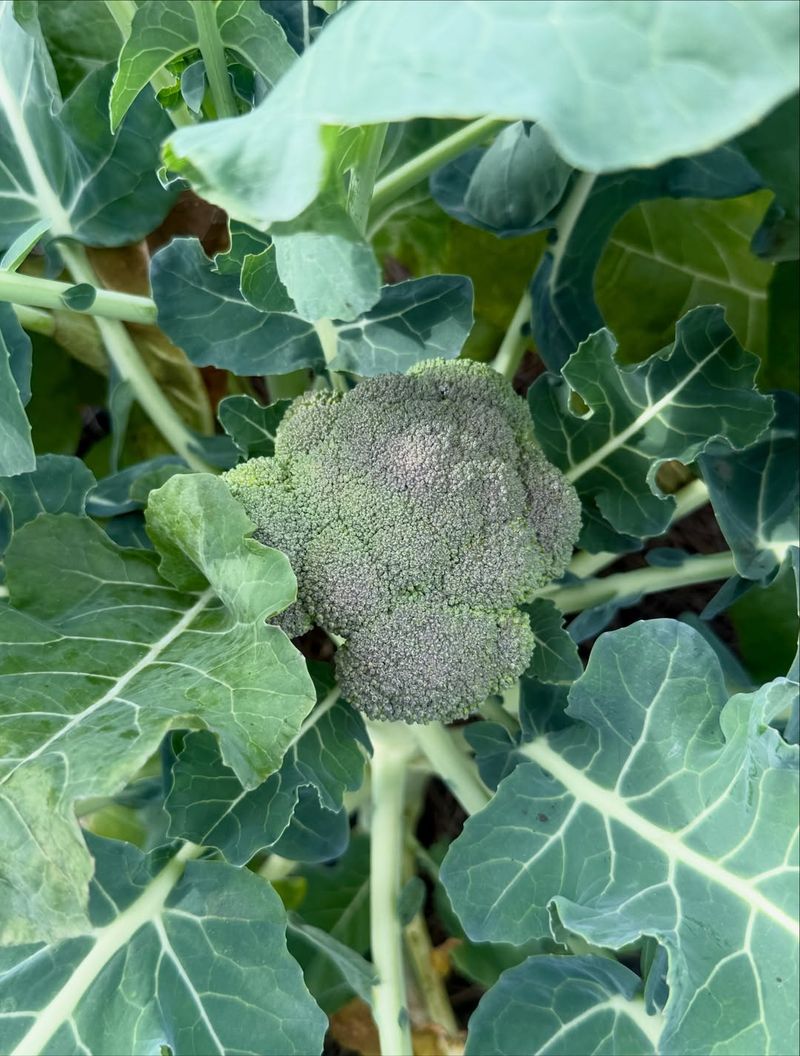
Broccoli rewards patient Arizona gardeners with magnificent heads of tightly packed florets that taste incomparably better than store-bought versions.
This cool-season champion genuinely prefers the mild winter temperatures that make Arizona’s January perfect for planting.
The steady, moderate growth during cooler months produces tender, sweet broccoli without the bitter flavors and loose heads that heat stress causes.
Choosing between transplants and seeds depends on your timeline and gardening experience. Transplants give you a several-week head start and are foolproof for beginners, while seeds cost less and offer more variety options.
Either way, space your broccoli plants eighteen to twenty-four inches apart in all directions because these vegetables grow into substantial plants that need room for their large leaves.
Crowded plants compete for nutrients and light, resulting in smaller heads and increased disease problems.
Watch for common Arizona winter garden pests like aphids and cabbage worms that find broccoli just as delicious as you do. Check the undersides of leaves regularly and look inside developing heads for tiny green caterpillars that blend in perfectly with the florets.
Handpicking pests works well for small gardens, while organic options like insecticidal soap handle larger infestations effectively.
Plant your broccoli before January ends, monitor it regularly for pests, and you’ll be harvesting impressive heads of fresh broccoli just as your neighbors are planting their summer tomatoes.
8. Cauliflower
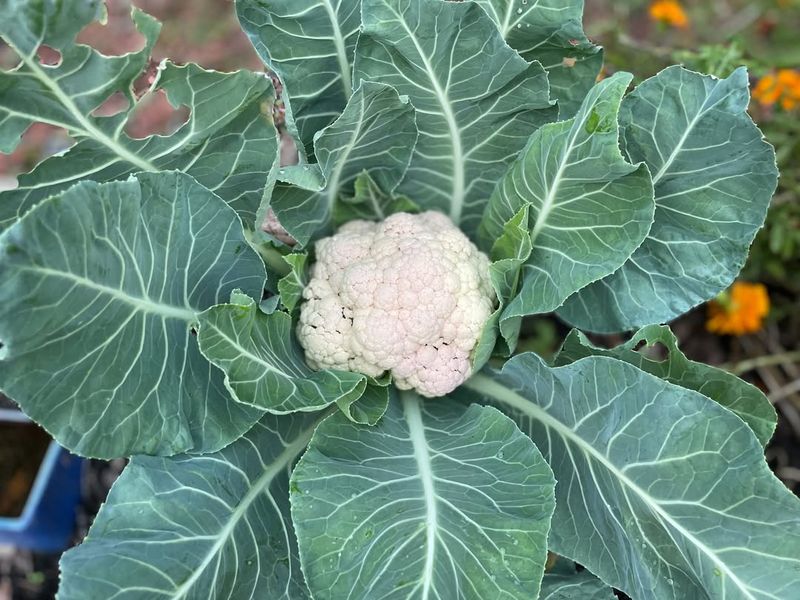
Cauliflower has earned a reputation as one of the more challenging vegetables to grow, but Arizona’s stable winter temperatures actually make it much easier than gardeners in other regions experience.
The key to success lies in understanding that cauliflower is extremely sensitive to temperature fluctuations and needs consistent conditions to form those beautiful white heads.
Planting early in January gives your cauliflower plants time to establish before spring’s warmer weather arrives, positioning them perfectly for head development during the ideal temperature window.
Consistent watering cannot be overstated when growing cauliflower in Arizona’s dry desert climate.
These plants need steady moisture throughout their entire growing period, as any water stress will cause the plants to button, forming tiny, unusable heads instead of the large, impressive ones you want.
Drip irrigation or soaker hoses provide the even moisture cauliflower craves while keeping foliage dry and reducing disease problems.
Mulching around plants helps maintain soil moisture and moderates soil temperature fluctuations.
Arizona’s desert climate brings dramatic temperature swings between day and night, even during winter months. Protect your cauliflower from these fluctuations by choosing a garden location that offers some afternoon shade as spring approaches.
Row covers can provide additional temperature buffering during occasional cold snaps while also protecting plants from wind damage.
With attention to consistent moisture and temperature protection, your January-planted cauliflower will reward you with stunning white heads ready for harvest in early spring.
9. Kale
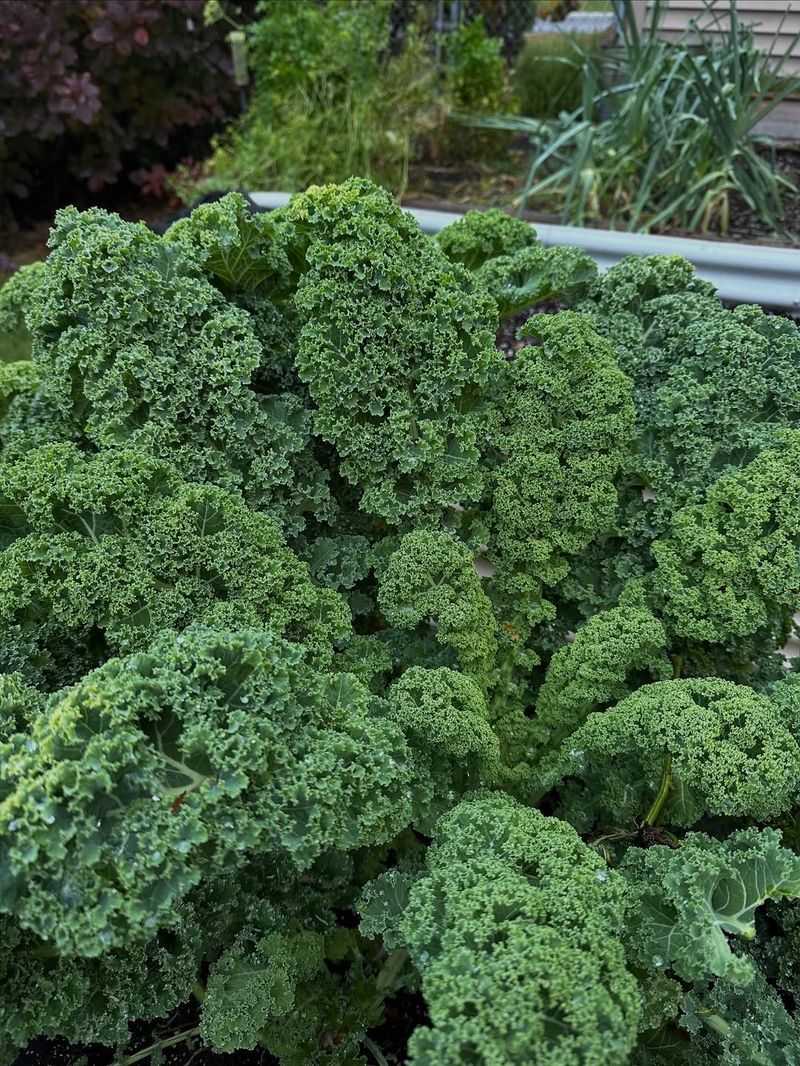
Kale stands as one of the toughest, most productive vegetables you can grow in an Arizona winter garden, shrugging off cold temperatures that would damage more delicate crops.
This nutritional powerhouse actually tastes sweeter after exposure to light frost, as cold temperatures trigger the plant to convert starches into sugars.
The extended harvest window means you can pick fresh kale leaves from the same plants for months, making it incredibly productive for the space it occupies.
Unlike many vegetables that you harvest all at once, kale provides continuous production through a simple cut-and-come-again harvesting method.
Pick the outer, lower leaves when they reach the size you want, leaving the central growing point intact to produce new leaves.
This harvesting technique keeps plants productive from late winter through spring and even into early summer if you provide afternoon shade. A single planting can yield fresh kale for four to five months in Arizona’s climate.
Full sun exposure is essential for growing the healthiest, most productive kale plants in Arizona winter gardens.
Position your kale bed where it receives at least six hours of direct sunlight daily, preferably in a spot protected from strong desert winds that can shred the large leaves.
The combination of cool temperatures, abundant sunshine, and regular watering produces tender, flavorful kale leaves perfect for salads, smoothies, and cooking.
Plant before January ends, and you’ll have fresh kale ready to harvest just as you’re getting serious about spring meal planning.
10. Swiss Chard
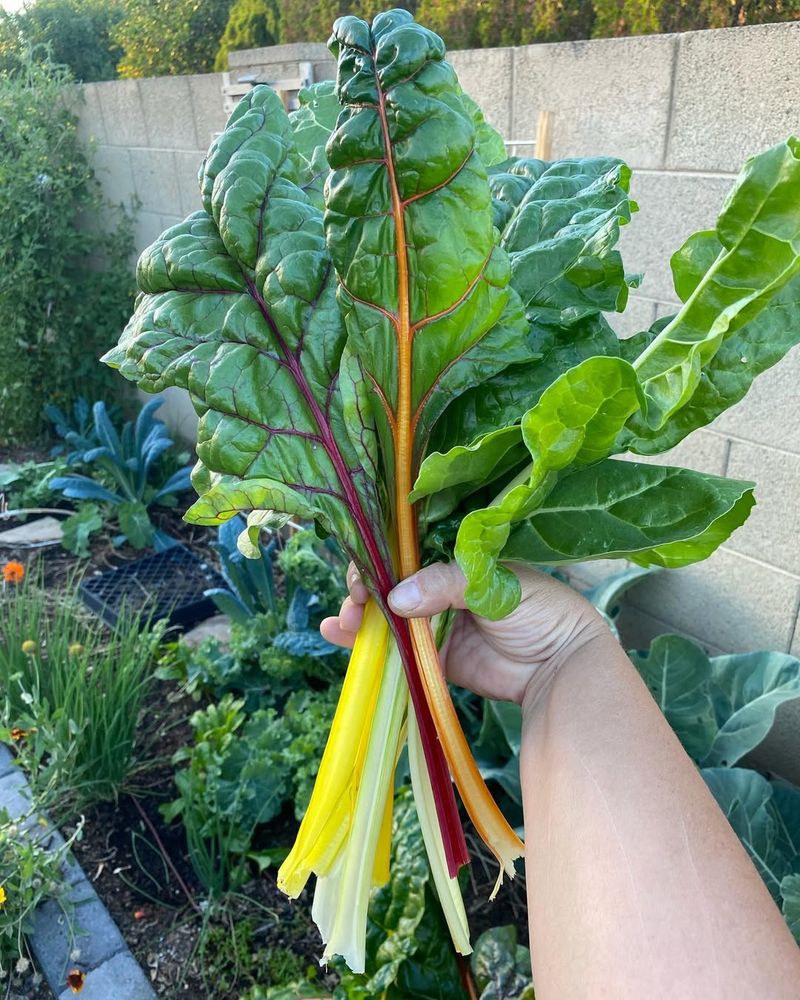
Swiss chard brings both beauty and productivity to Arizona winter gardens with its colorful stems in shades of red, yellow, orange, and white contrasting beautifully against dark green leaves.
This often-overlooked vegetable handles the temperature transitions from cool January nights to increasingly warm spring days better than almost any other leafy green.
The heat tolerance that develops as plants mature means your chard will continue producing long after your lettuce and spinach have finished for the season.
Continuous harvesting makes Swiss chard one of the most productive vegetables per square foot that you can grow. Cut outer leaves when they reach six to eight inches long, leaving the inner leaves and central growing point to produce more foliage.
This same harvesting method works throughout the plant’s life, giving you fresh greens for months from a single planting. The leaves work wonderfully in any recipe calling for spinach, while the colorful stems can be chopped and cooked like asparagus.
Arizona’s irrigation methods suit Swiss chard perfectly since this vegetable appreciates consistent moisture without being fussy about watering schedules like some crops.
Drip irrigation, soaker hoses, or even hand watering all work well as long as you keep the soil from completely drying out between waterings. The deep root system that develops helps plants access moisture even when surface soil dries out.
Plant your Swiss chard before January ends, and you’ll enjoy beautiful, productive plants that bridge the gap between winter and summer gardens with continuous harvests of nutritious, colorful greens.