10 Mistakes Missouri Gardeners Often Make When Growing Basil
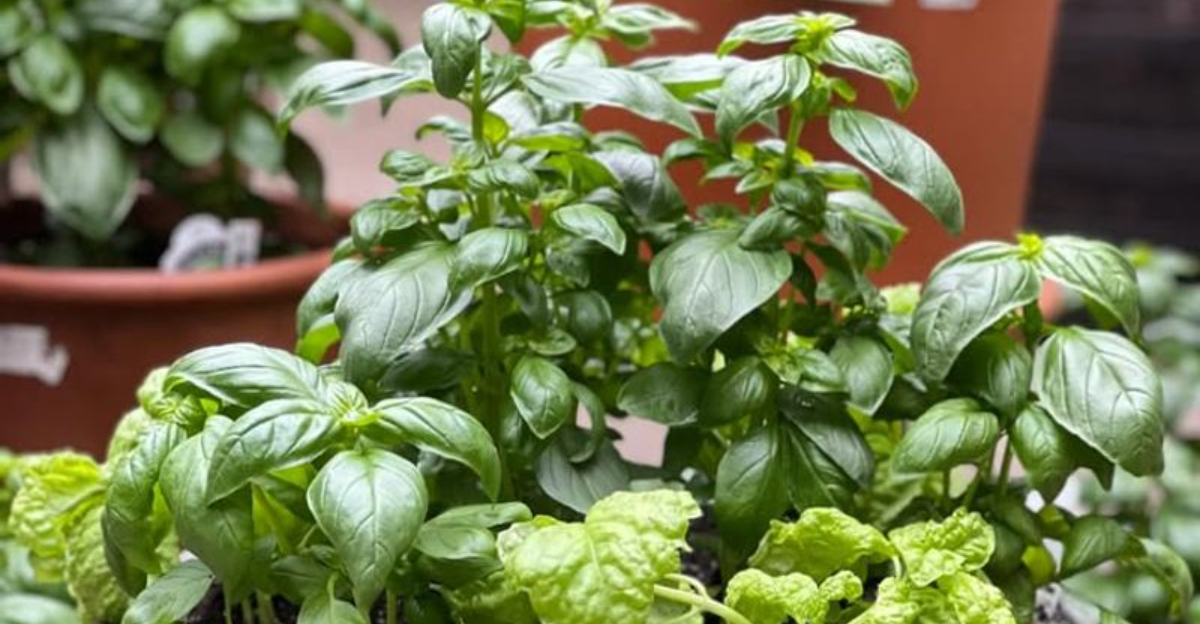
Basil is a favorite herb in Missouri gardens, but even experienced gardeners can struggle if common mistakes are made.
From improper watering to poor sunlight, small errors can stunt growth, reduce flavor, and limit harvests. Avoid these pitfalls and grow lush, flavorful basil all season.
These mistakes include overwatering, planting in low-light areas, overcrowding, neglecting pruning, and using the wrong soil. Understanding these errors allows gardeners to adjust care, encourage strong growth, and maximize leaf production.
Simple corrections lead to healthier, more productive plants. Healthy basil starts with good habits and proper care.
Missouri gardeners who follow these tips can enjoy abundant, aromatic basil that thrives in beds, containers, or even windowsills. Grow basil successfully and elevate your garden and your kitchen.
1. Planting Basil Outdoors Too Early In Spring
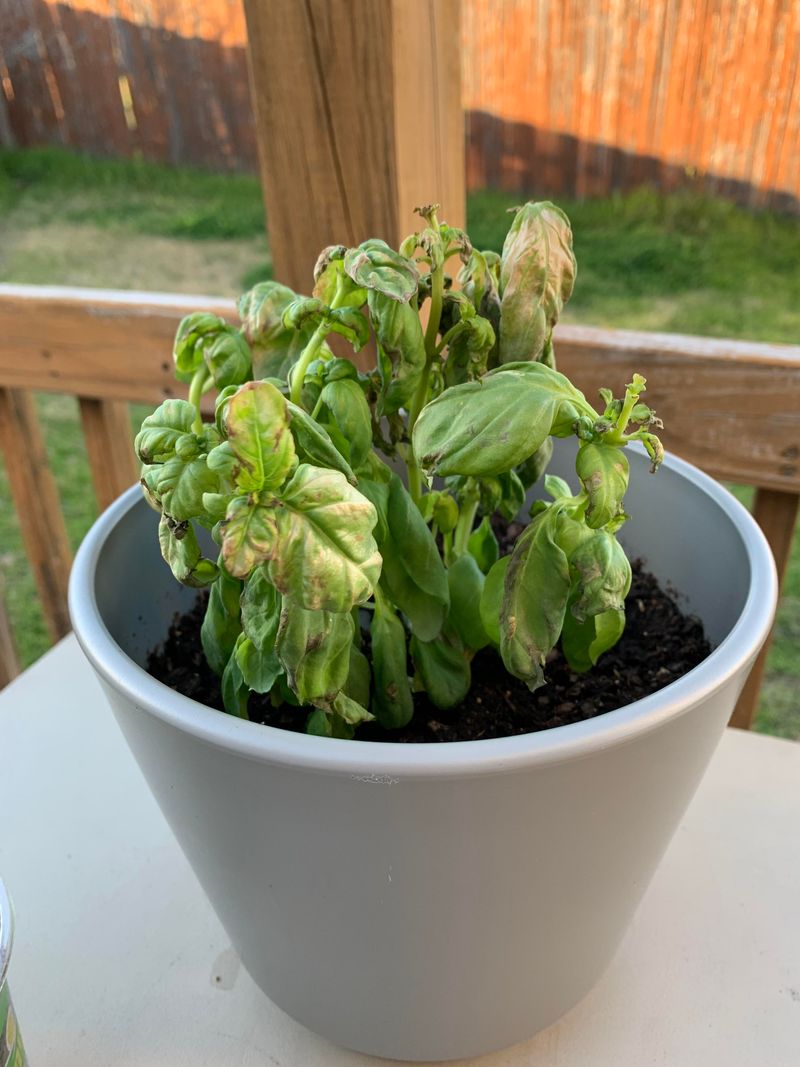
Basil absolutely adores warmth and will sulk dramatically if you rush it into cold soil before conditions are just right.
Unlike some hardy herbs that can tolerate a bit of chill, basil is a tropical plant at heart and needs soil temperatures consistently above 60°F to establish strong roots and begin thriving.
When you plant too early, the seeds simply sit in cold, damp soil without germinating, or young transplants stall out completely, wasting precious weeks of the growing season.
Missouri gardeners often get excited when the calendar says it’s spring, but our state is notorious for surprise late frosts that can stretch well into mid-May in northern counties.
Even if the daytime temperatures feel pleasant, those cool nighttime dips below 50°F will slow basil’s growth to a crawl and cause leaves to develop brown spots or yellowing.
The plants become stressed and more vulnerable to fungal issues and pest damage when they’re struggling in cold conditions.
Your best strategy is to wait until after your area’s average last frost date and confirm that nighttime temperatures stay reliably above 50°F for at least a week.
Check your soil temperature with an inexpensive thermometer, aiming for that magic 60°F mark before planting.
If you’re eager to get started earlier, grow basil in containers that you can move indoors on chilly nights, or start seeds indoors under lights about six weeks before your safe outdoor planting date.
2. Growing Basil In Heavy, Poorly Draining Clay Soil
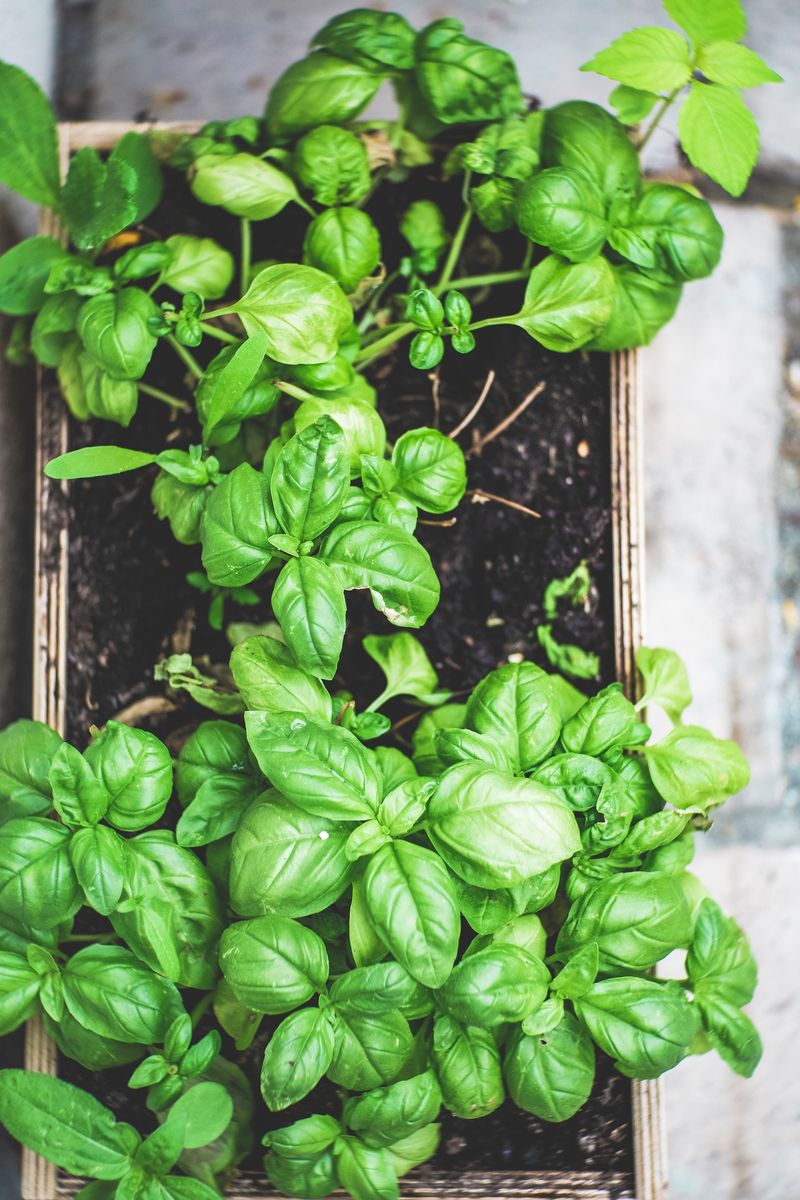
Missouri’s heavy clay soil can be a real challenge for basil, which prefers loose, well-draining conditions that allow roots to breathe and expand freely.
Clay holds onto moisture like a sponge, creating soggy conditions that suffocate basil roots and encourage root rot problems that can quickly compromise your entire planting.
When water sits around the roots instead of draining away, the plant cannot absorb oxygen properly, leading to wilting, yellowing foliage, and stunted growth even when you’re providing adequate water.
Many Missouri gardeners don’t realize just how compacted and water-retentive their native soil is until they start growing more finicky plants like basil.
You might water appropriately, but if the soil doesn’t drain within a few hours, you’re essentially creating a swampy environment that basil simply cannot tolerate.
Your Missouri Garden Changes Every Week. Your Plan Should Too.
Gardening in Missouri changes quickly throughout the season. Every Friday you’ll receive a simple weekly plan showing exactly what to plant, prune, fertilize, harvest, and protect so you never miss the right timing.
The problem becomes even worse during our humid summers when evaporation rates slow down and moisture lingers even longer in heavy soils.
The solution involves amending your clay soil generously with organic matter like finished compost, well-aged manure, or coconut coir to improve drainage and soil structure.
Work these amendments into the top 8-12 inches of soil before planting, creating a lighter, fluffier growing medium.
Alternatively, consider growing basil in raised beds filled with a quality potting mix or garden soil blend, which gives you complete control over drainage and eliminates the clay soil challenge altogether while providing the perfect growing environment.
3. Overwatering During Humid Summer Weather
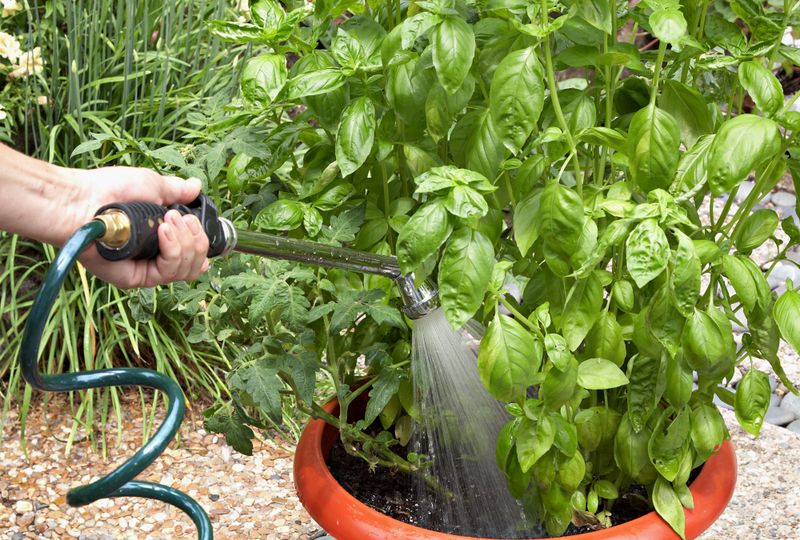
Summer humidity in Missouri can be absolutely brutal, often hovering between 70-90% during July and August, which dramatically changes how quickly soil dries out and how much water your basil actually needs.
Many gardeners stick to the same watering schedule they use in drier climates or during spring, not realizing that high humidity means water evaporates much more slowly from both soil and leaf surfaces.
This leads to chronically damp conditions that promote fungal diseases, root problems, and overall plant stress despite your best intentions.
Basil does need consistent moisture to produce those tender, flavorful leaves, but there’s a fine line between moist and waterlogged, especially when humidity is high.
During humid periods, the soil surface might feel dry to the touch while several inches down it’s still quite damp, fooling you into watering when it’s not yet necessary.
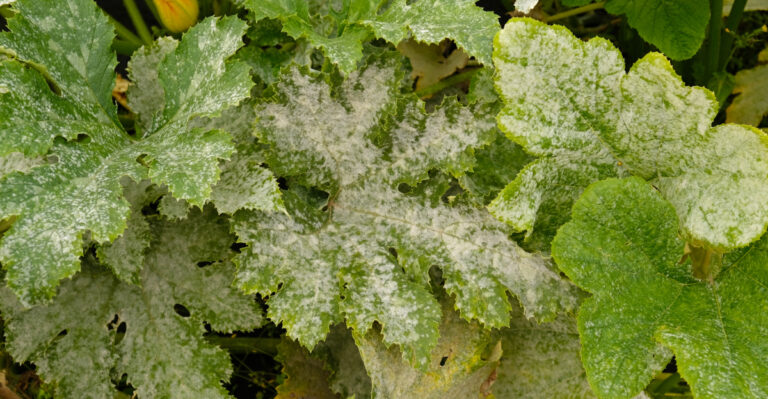
Overwatered basil develops yellowing lower leaves, wilting despite wet soil, and may show signs of fungal spots or powdery growth on stems and foliage.
Check soil moisture by sticking your finger about two inches down into the soil before watering during humid weather, and only add water when it feels dry at that depth.
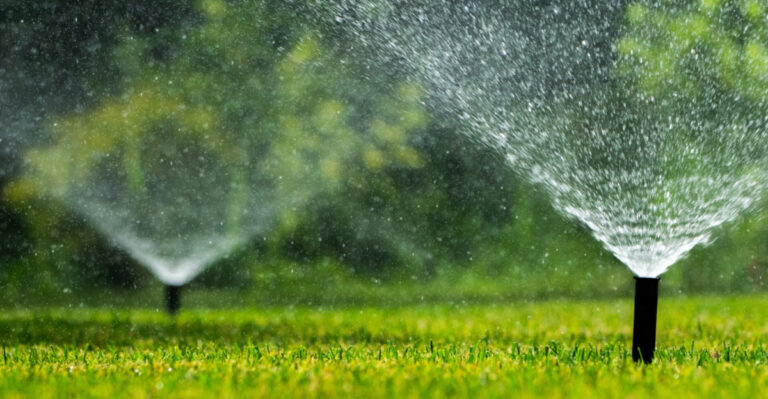
Water early in the morning so any excess moisture on leaves can evaporate during the day rather than sitting overnight when humidity peaks.
Consider spacing out your watering to every two or three days instead of daily during the most humid weeks, and always ensure your containers or beds have excellent drainage to prevent water from accumulating around the roots.
4. Not Providing Enough Sunlight
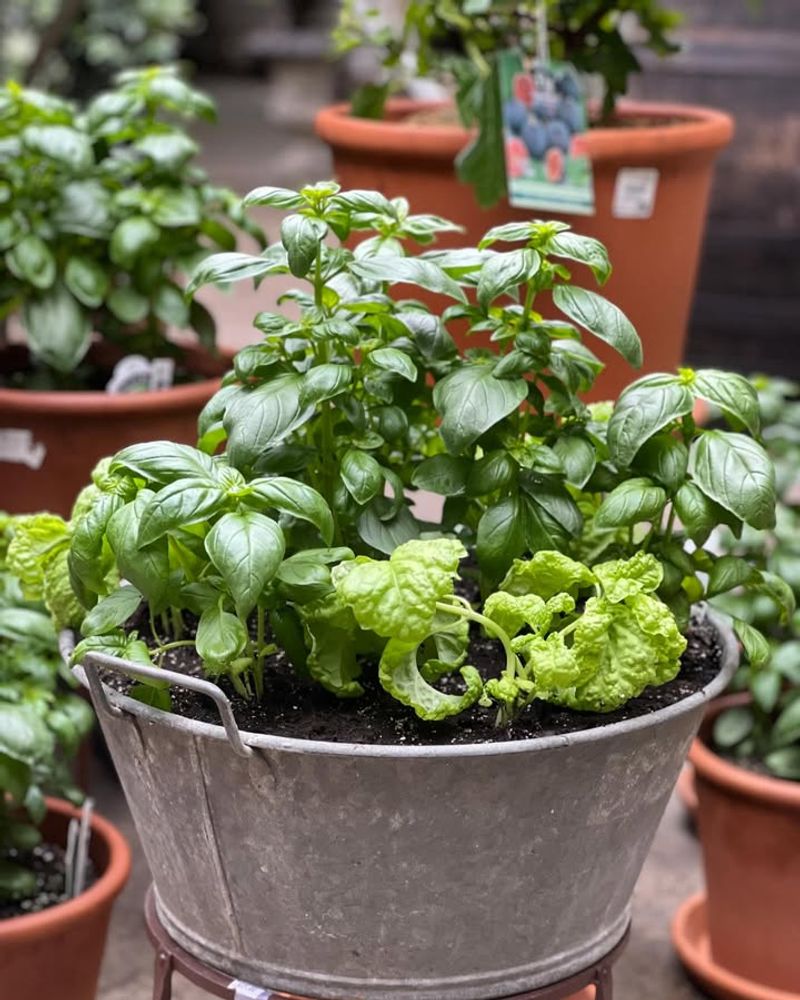
Basil is a sun-worshipping plant that performs best when it receives at least six to eight hours of direct, unfiltered sunlight each day throughout the growing season.
When planted in spots that receive only partial shade or dappled light, basil will grow, but it produces fewer leaves, develops leggy stems as it stretches toward available light, and creates less of the aromatic essential oils that give basil its distinctive flavor and fragrance.
Insufficient sunlight essentially creates weak, disappointing plants that never reach their full potential no matter how well you care for them otherwise.
Missouri gardeners sometimes underestimate how much shade trees, fences, or nearby structures cast throughout the day, especially as the sun’s angle changes from spring through fall.
A spot that seems sunny in the morning might be heavily shaded by afternoon, or vice versa, giving your basil only half the light it truly needs.
Shade-grown basil also tends to be more susceptible to fungal issues because the leaves stay damp longer without strong sunlight to dry them off quickly.
Choose your planting location carefully by observing the area throughout an entire day before planting, making sure it receives full, direct sun for the majority of daylight hours.
South-facing spots typically receive the most consistent sunlight in Missouri, while northern exposures or areas near large trees may not provide enough light.
If your yard lacks truly sunny spots, consider growing basil in containers that you can move to follow the sun throughout the day, or place them on a sunny patio, driveway, or other open area where light isn’t blocked.
5. Letting Plants Flower Too Early
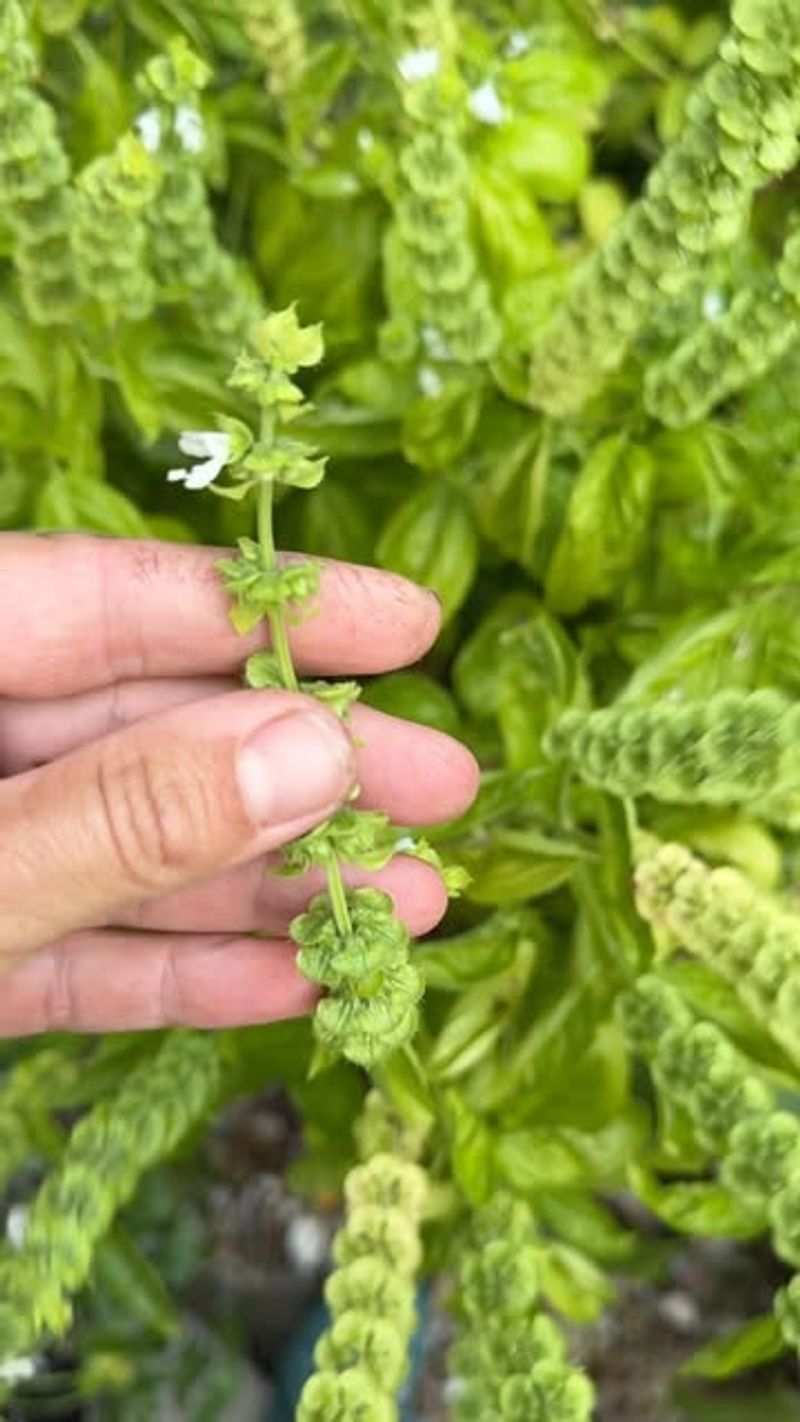
When basil begins producing flower spikes, it’s essentially shifting from vegetative growth mode into reproductive mode, redirecting all its energy away from producing tender leaves and toward creating seeds to ensure the next generation.
Once flowering begins in earnest, leaf production slows dramatically, and the leaves that do grow become smaller, tougher, and more bitter-tasting than the large, sweet leaves you want for cooking.
Allowing your basil to flower unchecked essentially ends your harvest weeks or even months earlier than necessary, wasting the plant’s productive potential during prime growing season.
Missouri’s long, hot summers can actually trigger earlier flowering in basil, especially during heat waves when temperatures soar into the 90s for extended periods.
The plants interpret these stress conditions as signals that they need to reproduce quickly before conditions worsen.
Many gardeners don’t realize they should be actively preventing flowering through regular maintenance rather than just letting the plants grow naturally and waiting until obvious flower stalks appear.
Make it a habit to pinch off the top growing tips of your basil plants every week or two once they reach about six inches tall, removing the small flower buds that form at the stem tips before they develop into full flower spikes.
This simple practice, called pinching back, encourages the plant to branch out sideways and produce more leafy stems instead of flowers.
Each time you pinch, you’re essentially creating two new growing points where there was one before, resulting in bushier, more productive plants that keep pumping out delicious leaves well into fall instead of going to seed in midsummer.
6. Harvesting Incorrectly Or Too Aggressively
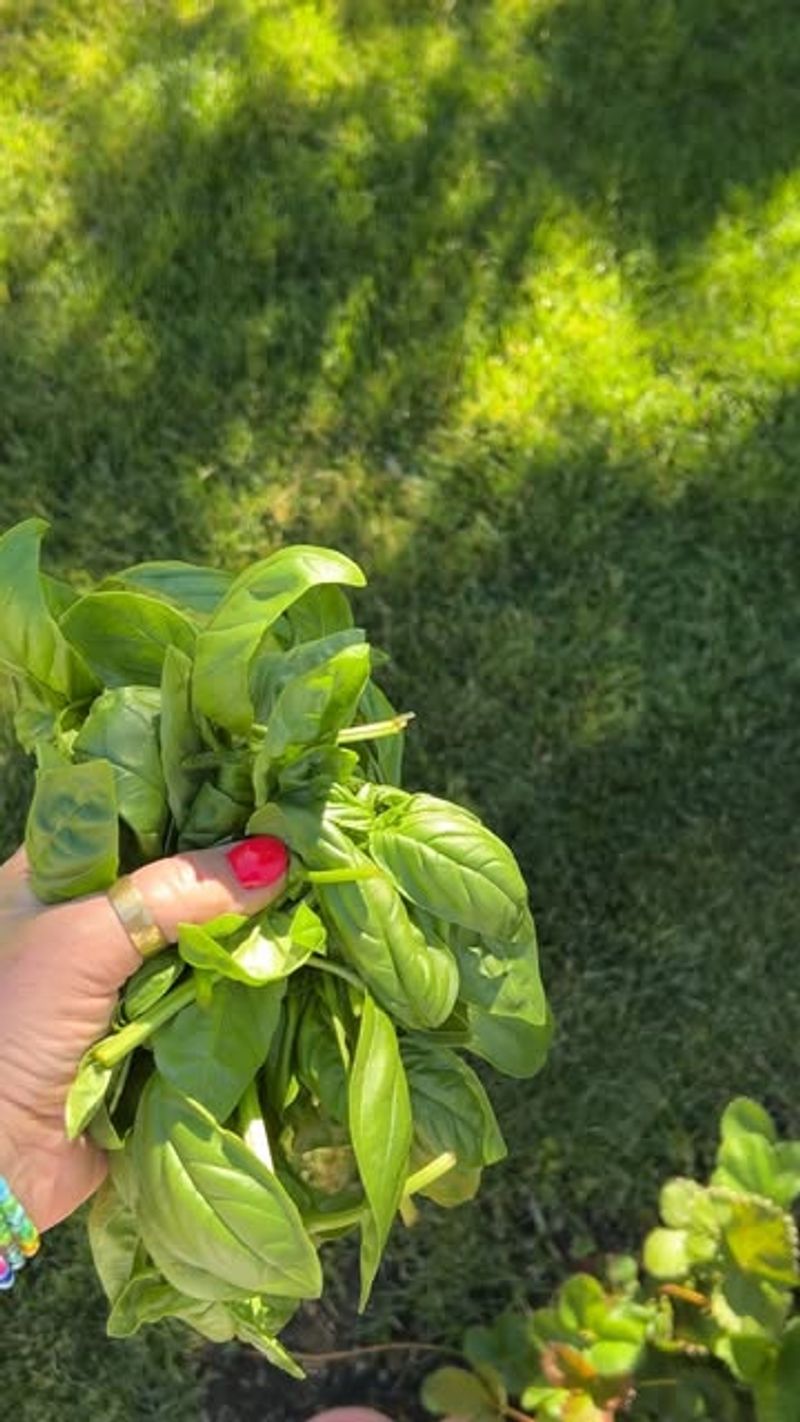
How you harvest basil makes an enormous difference in whether your plants remain productive throughout the season or become exhausted and stop producing new growth altogether.
Many first-time basil growers make the mistake of simply plucking off individual leaves from various spots on the plant or cutting stems randomly without understanding how basil’s growth pattern actually works.
Others go to the opposite extreme and harvest so heavily all at once that the plant doesn’t have enough remaining foliage to photosynthesize properly and recover, essentially shocking it into a prolonged stall.
Basil grows from the top down, with new leaves emerging from the growing tips at the end of each stem, so your harvesting technique should work with this natural pattern rather than against it.
When you cut or pinch stems just above a set of leaves, the plant responds by sending out two new stems from that point, doubling your harvest potential.
Randomly picking leaves here and there doesn’t stimulate this branching response and often leaves you with tall, spindly plants with bare lower stems and just a tuft of leaves at the top.
Always harvest basil stems by cutting just above a leaf node where you can see small leaves emerging from the main stem, leaving at least two to three sets of leaves below your cut so the plant can continue growing.
Take stems from the top of the plant working downward, and never remove more than one-third of the plant’s total foliage at any single harvest.
Begin harvesting regularly once plants reach about six to eight inches tall, taking small amounts every week or two rather than waiting for one big harvest, which keeps plants compact, bushy, and continuously productive.
7. Crowding Plants Too Closely Together
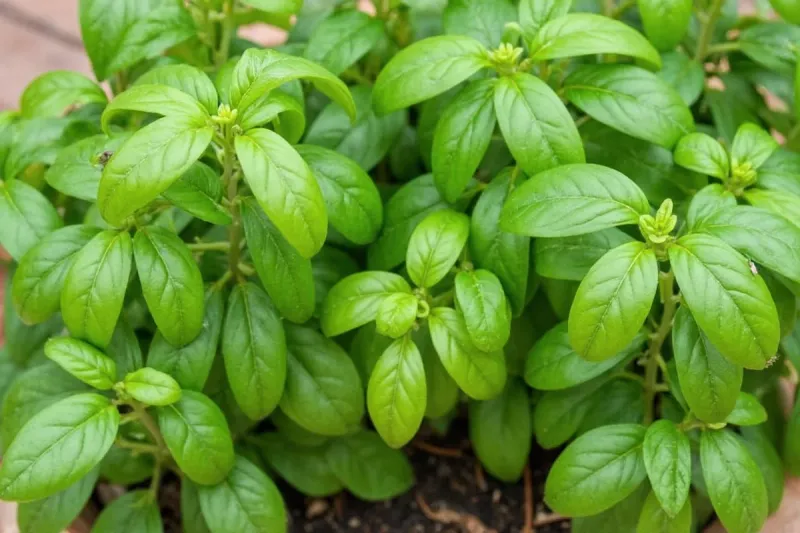
When you’re planting basil seedlings, they look so small and delicate that it’s tempting to squeeze several plants into a small space to maximize your harvest potential, but this decision will backfire as plants mature and fill out.
Basil plants can grow quite large under good conditions, easily reaching 18-24 inches tall and wide, and when multiple plants are crammed together, their leaves overlap and create a dense canopy that traps moisture and blocks airflow.
Missouri’s naturally humid climate makes good air circulation absolutely essential for preventing the fungal diseases that thrive in damp, stagnant conditions.
Crowded basil plants compete with each other for sunlight, water, and nutrients, resulting in weaker growth across all the plants rather than allowing each one to reach its full, bushy potential.
The inner leaves that don’t receive adequate light or air movement often develop spots, yellowing, or fungal growth, and the problem spreads quickly through touching foliage when plants are packed too tightly.
You end up with more problems and less actual harvest than if you had simply planted fewer plants with proper spacing from the beginning.
Space basil plants at least 12-15 inches apart in all directions when planting in garden beds, or choose containers that are at least 10-12 inches in diameter for single plants.
This spacing allows air to flow freely around and through the plants, helping leaves dry quickly after rain or watering and reducing humidity levels within the canopy.
Proper spacing also makes it easier to harvest, monitor for pests, and provide individual plant care without disturbing neighboring plants, ultimately giving you healthier, more productive basil throughout the growing season.
8. Skipping Regular Feeding In Long Growing Seasons
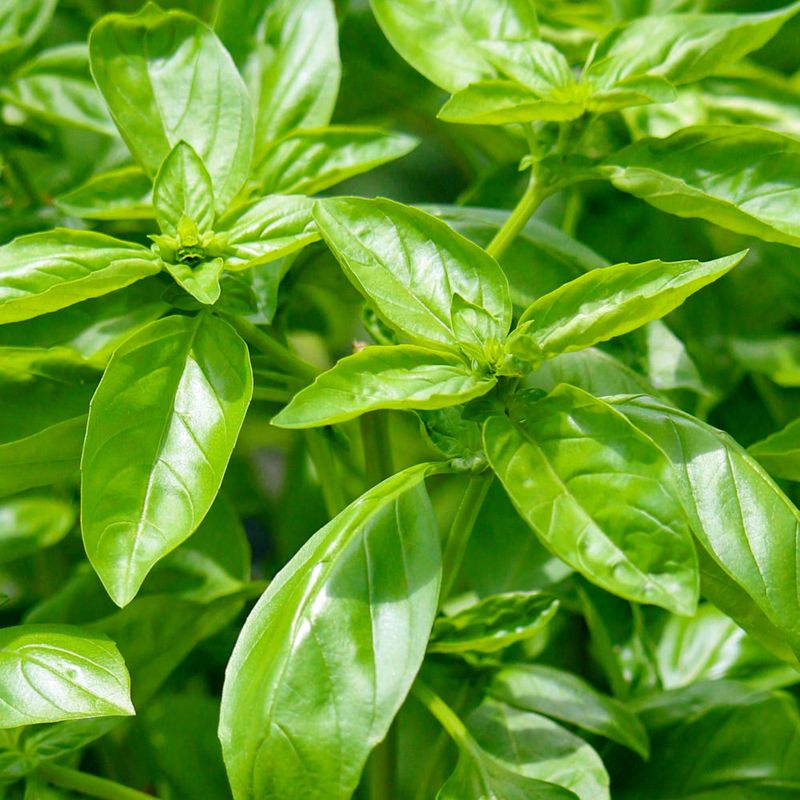
Basil is actually a fairly hungry plant that depletes soil nutrients quickly, especially when you’re harvesting regularly and expecting it to continuously produce new growth throughout Missouri’s long growing season that can stretch from May through September or even October in favorable years.
Many gardeners plant basil in decent soil and then forget about fertilizing entirely, assuming the initial nutrients will last all season, but basil quickly exhausts those resources and begins showing signs of nutrient deficiency like pale leaves, slow growth, and reduced flavor intensity.
Without regular feeding, even the best soil becomes depleted by midsummer.
Container-grown basil faces even more significant nutrient challenges because frequent watering washes nutrients out through drainage holes, and the limited soil volume simply doesn’t contain enough reserves to sustain vigorous growth for months on end.
Garden-planted basil has access to a larger soil volume but still benefits tremendously from supplemental feeding, especially in Missouri’s clay soils that may not be naturally rich in the nitrogen that basil craves for producing abundant leafy growth.
Feed your basil every two to three weeks throughout the growing season using a balanced, water-soluble organic fertilizer diluted to half the recommended strength to avoid burning tender roots.
Alternatively, side-dress plants with finished compost or well-aged manure monthly, scratching it gently into the soil surface around the base of plants.
Fish emulsion and compost tea are excellent organic options that provide gentle, consistent nutrition without the risk of over-fertilizing, and they can be applied more frequently if desired since they release nutrients gradually rather than all at once like synthetic fertilizers.
9. Ignoring Pest Activity Until Damage Is Visible
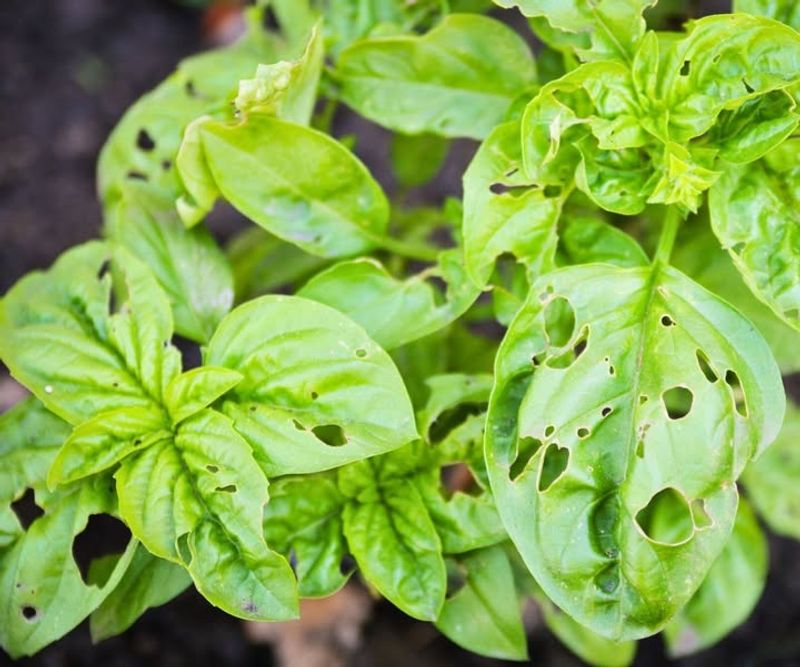
By the time you notice obvious pest damage on your basil plants, the infestation has usually been building for days or even weeks, giving insects plenty of time to reproduce, spread, and cause significant harm to foliage and overall plant health.
Missouri gardens host a variety of basil-loving pests including aphids, Japanese beetles, slugs, and various caterpillars that can quickly defoliate plants or spread diseases through their feeding activity.
Waiting until you see chewed leaves, curled foliage, or sticky residue means you’re playing catch-up rather than preventing problems before they escalate into serious issues.
Many gardeners simply don’t inspect their plants closely enough or frequently enough to catch pest problems in the early stages when they’re easiest to manage with simple interventions.
A few aphids clustering on new growth tips might seem insignificant, but within a week those few can become hundreds covering entire stems and leaves.
Similarly, Japanese beetles often arrive in small numbers initially, making them easy to hand-pick, but ignored populations quickly balloon into swarms that can strip a basil plant bare in a matter of days.
Make it a habit to inspect your basil plants closely at least twice a week, checking the undersides of leaves where many pests hide, examining new growth tips where aphids congregate, and looking for early signs like tiny holes, discoloration, or sticky residue.
Catch pests early by hand-picking beetles into soapy water, spraying aphids off with a strong stream of water, or applying organic controls like insecticidal soap or neem oil at the first sign of trouble.
Prevention works even better through companion planting with pest-repelling herbs, using row covers during peak beetle season, and encouraging beneficial insects like ladybugs and lacewings that naturally control pest populations.
10. Leaving Basil Outdoors Too Late Into Fall
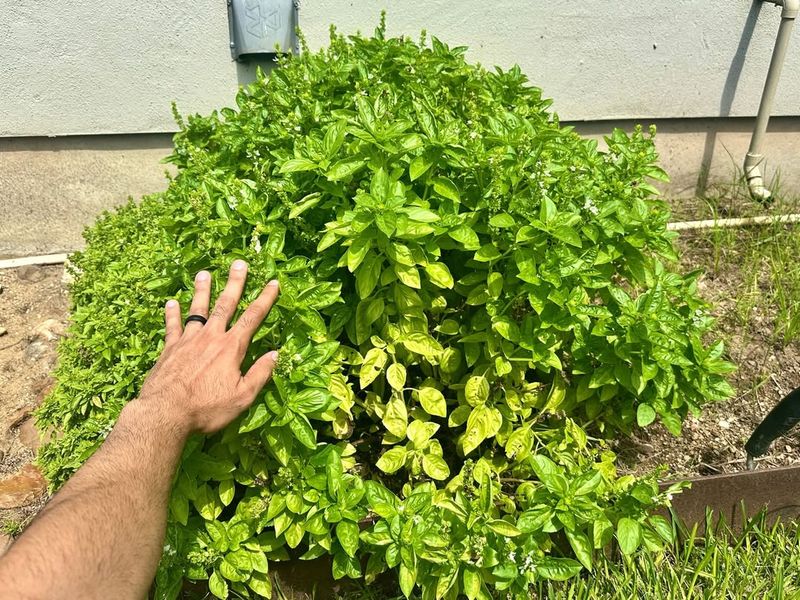
Basil’s tropical origins mean it has absolutely no cold tolerance whatsoever, and even a light brush with temperatures in the mid-30s will severely damage or completely ruin your plants overnight, turning lush green foliage into blackened, mushy stems and leaves.
Missouri’s fall weather can be deceptively mild, lulling gardeners into thinking they have more time than they actually do, and then a sudden cold snap arrives with little warning and wipes out basil crops that could have been harvested or brought indoors just days earlier.
Unlike hardy herbs such as parsley or thyme that can handle frost, basil gives you zero margin for error when temperatures drop.
Many gardeners lose entire harvests because they keep hoping for just a few more weeks of growth, not realizing that basil actually slows down significantly once nighttime temperatures consistently dip into the 40s even if frost hasn’t occurred yet.
The plants become stressed, stop producing new growth, and the existing leaves often develop poor flavor or texture as the plant struggles with cold stress.
Waiting too long means you miss the opportunity to preserve your harvest through drying, freezing, or making pesto when the leaves are still at peak quality.
Monitor weather forecasts closely starting in late September and be prepared to act quickly when overnight temperatures are predicted to drop into the upper 30s or low 40s.
Harvest all remaining leaves before the first frost rather than gambling on the forecast being wrong, since one cold night ends your basil season permanently.
If you’re growing basil in containers, bring them indoors to a sunny window before cold weather arrives, where they can continue producing through winter in a warm environment, giving you fresh basil for months beyond the outdoor growing season.