10 Cold-Hardy Vegetables That Keep Producing After The First Frost In Colorado
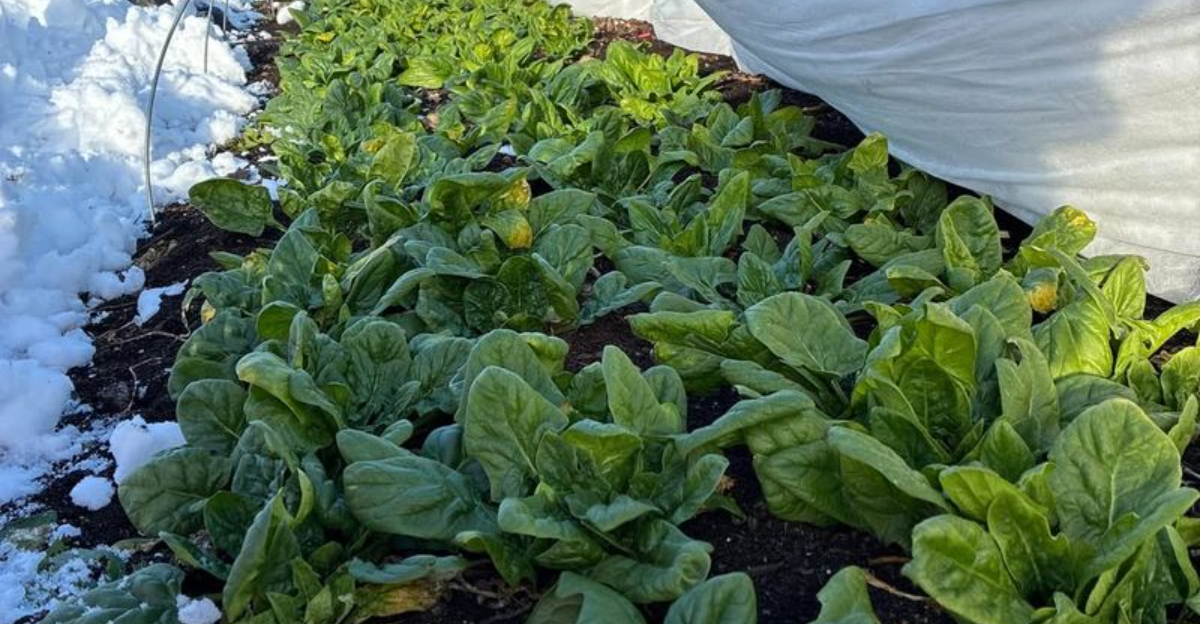
Colorado gardeners know that frost doesn’t have to end the growing season. Certain cold-hardy vegetables can survive freezing temperatures and continue producing fresh, nutritious harvests well into winter.
Keep your garden productive even after the first frost hits. These vegetables, including kale, spinach, Brussels sprouts, and carrots, thrive in chilly conditions.
Proper soil preparation, mulch protection, and timing of planting help these crops withstand frost while maintaining flavor and texture. Some varieties even improve in taste after exposure to cold. Cold weather doesn’t have to mean the end of fresh vegetables.
Colorado gardeners who plant and care for these frost-tolerant crops enjoy longer harvests, healthier produce, and a more resilient winter garden. Extend your growing season and enjoy fresh vegetables all winter.
1. Kale
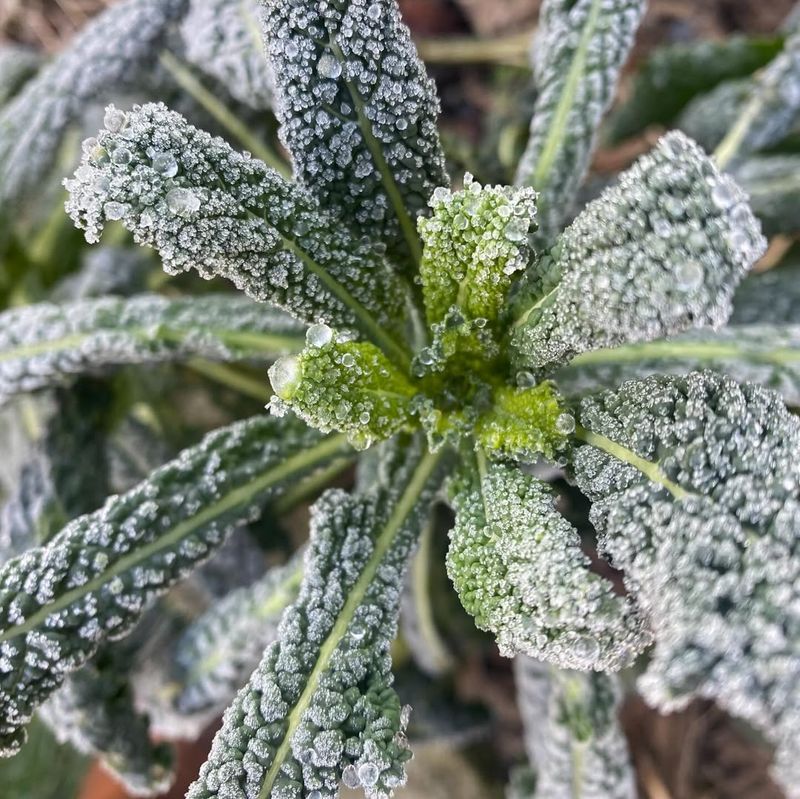
Few vegetables embrace cold weather quite like kale, which transforms dramatically once temperatures drop below freezing.
When frost hits, kale leaves undergo a fascinating chemical change where starches convert to sugars, creating a noticeably sweeter and less bitter flavor that many gardeners actually prefer over summer-grown leaves.
This natural sweetness makes post-frost kale perfect for salads, smoothies, and cooked dishes alike.
Colorado growers can expect kale to tolerate temperatures down to about 20°F, especially when provided with simple protection like row covers or cold frames during the harshest nights.
Varieties such as Winterbor, Lacinato (also called dinosaur kale), and Red Russian perform exceptionally well in Colorado’s climate, with Red Russian showing particularly impressive cold tolerance.
These cultivars have been bred specifically to handle temperature swings and continue producing tender leaves. Harvesting kale after frost becomes an ongoing pleasure rather than a one-time event.
Simply pick the outer leaves as needed, allowing the central growing point to continue producing fresh foliage throughout the season.
This cut-and-come-again method keeps plants productive for months, providing fresh greens long after summer crops have finished.
2. Carrots
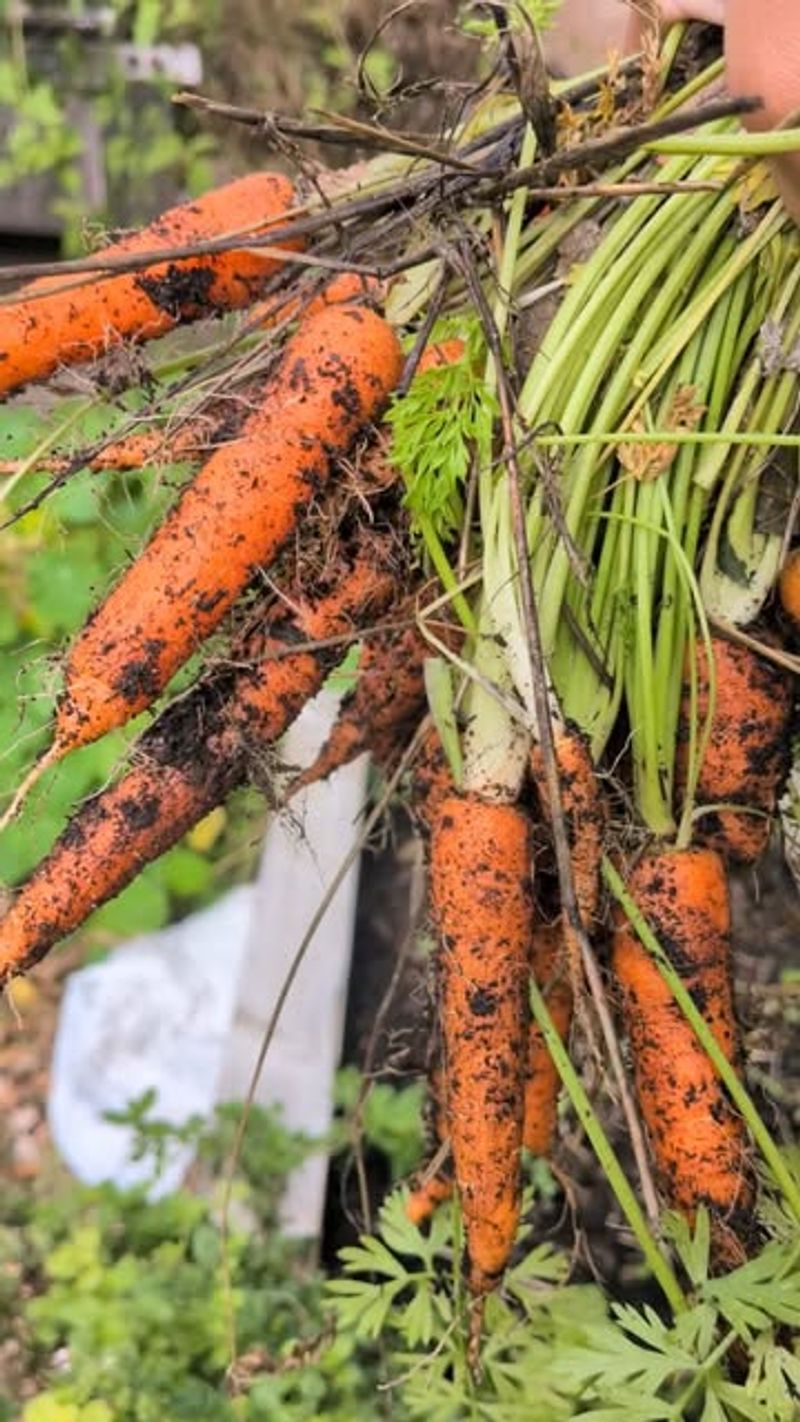
Carrots possess a remarkable ability to remain perfectly harvestable in cold soil, actually improving in flavor as temperatures drop throughout autumn and early winter.
Cold weather triggers carrots to concentrate their sugars, transforming potentially bland roots into sweet, crisp vegetables with exceptional taste.
Many experienced Colorado gardeners deliberately leave carrots in the ground through multiple frosts, harvesting them as needed rather than pulling everything at once.
Mulching becomes the secret weapon for extending carrot harvests well beyond what most people think possible.
A thick layer of straw, leaves, or other organic mulch insulates the soil, preventing it from freezing solid and allowing you to dig roots even when snow covers the garden.
Apply mulch about 6-8 inches deep once the ground begins cooling but before it freezes completely, creating an insulated zone that keeps soil workable.
The beauty of in-ground carrot storage lies in its simplicity and effectiveness compared to refrigeration or root cellaring.
Carrots stored in the garden maintain perfect moisture levels and crisp texture without any special equipment or temperature monitoring.
Just remember to mark your carrot rows clearly before snow arrives, and harvest what you need throughout winter whenever the weather permits digging.
Your Colorado Garden Changes Every Week. Your Plan Should Too.
Gardening in Colorado changes quickly throughout the season. Every Friday you’ll receive a simple weekly plan showing exactly what to plant, prune, fertilize, harvest, and protect so you never miss the right timing.
3. Parsnips
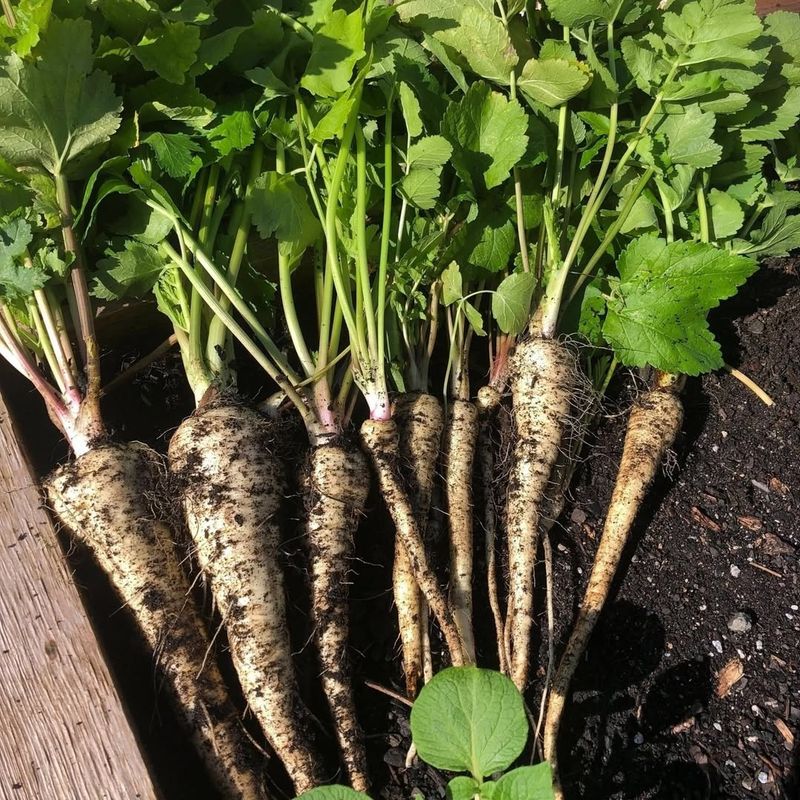
Parsnips represent the ultimate cold-weather champion among root vegetables, with exceptional tolerance that actually requires frost exposure to develop their characteristic sweet, nutty flavor.
Before frost, parsnips can taste somewhat bland or even slightly bitter, but cold temperatures work magic on their chemistry, converting starches into complex sugars that make them taste almost like sweet potatoes with earthy undertones.
This transformation makes parsnips one of the few vegetables that genuinely benefits from staying in frozen ground.
Overwinter harvesting of parsnips offers Colorado gardeners fresh vegetables during the depths of winter when little else remains available.
Parsnips can survive completely frozen in the soil, then thaw and remain perfectly edible when temperatures moderate slightly.
Many gardeners harvest parsnips throughout winter and even into early spring before new growth begins, enjoying months of fresh produce from a single planting.
Deep soil preparation proves essential for growing quality parsnips that can withstand Colorado’s freeze-thaw cycles.
Parsnips develop long taproots that need loose, rock-free soil to at least 12 inches deep, preferably deeper.
Work compost and organic matter thoroughly into the planting bed, breaking up any compacted layers that might cause roots to fork or become stunted in their development.
4. Spinach
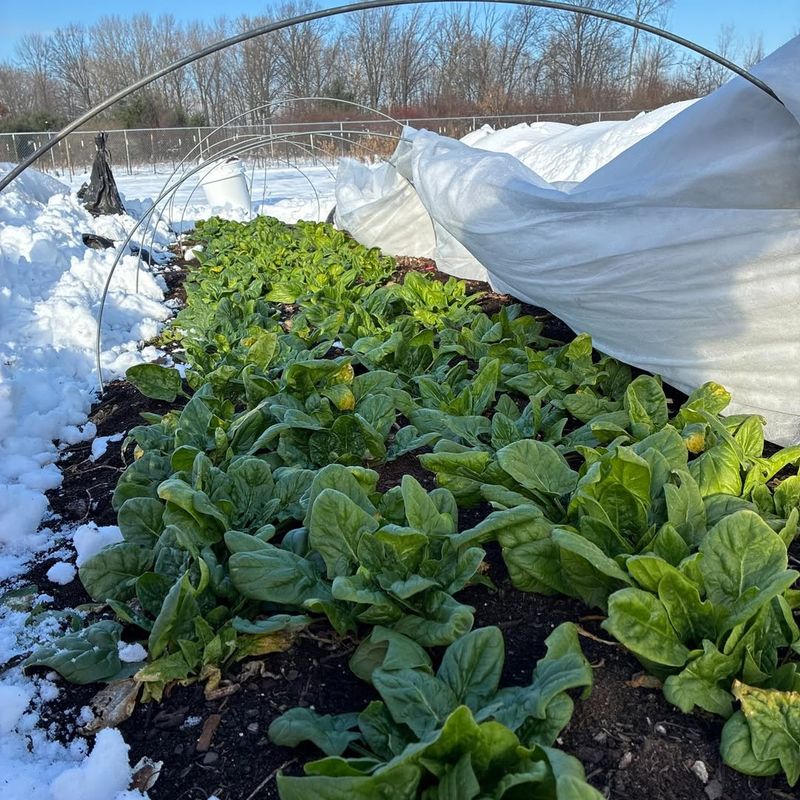
Spinach stands out as one of the most reliable cool-season performers, with an impressive ability to keep producing leaves even when temperatures hover near freezing.
Unlike heat-loving crops that shut down at the first sign of cold, spinach actually prefers cooler conditions and develops its best flavor when grown in fall temperatures.
Growth does slow considerably once hard frosts arrive, but plants continue photosynthesizing and producing harvestable leaves as long as they receive adequate sunlight.
Row covers make an enormous difference in extending spinach production through Colorado’s unpredictable fall weather.
A simple layer of floating row cover can add several degrees of protection, allowing plants to continue growing during cold snaps that would otherwise stunt their progress.
This protection proves especially valuable during those transitional weeks when temperatures swing wildly between day and night. Timing your fall spinach planting correctly ensures maximum productivity before winter truly sets in.
Colorado gardeners should aim to plant spinach in late summer, typically around mid-August to early September, giving plants enough time to establish strong root systems before cold weather arrives.
Varieties like Bloomsdale Long Standing and Space perform wonderfully in Colorado conditions, offering excellent cold tolerance and continuous leaf production throughout autumn.
5. Brussels Sprouts
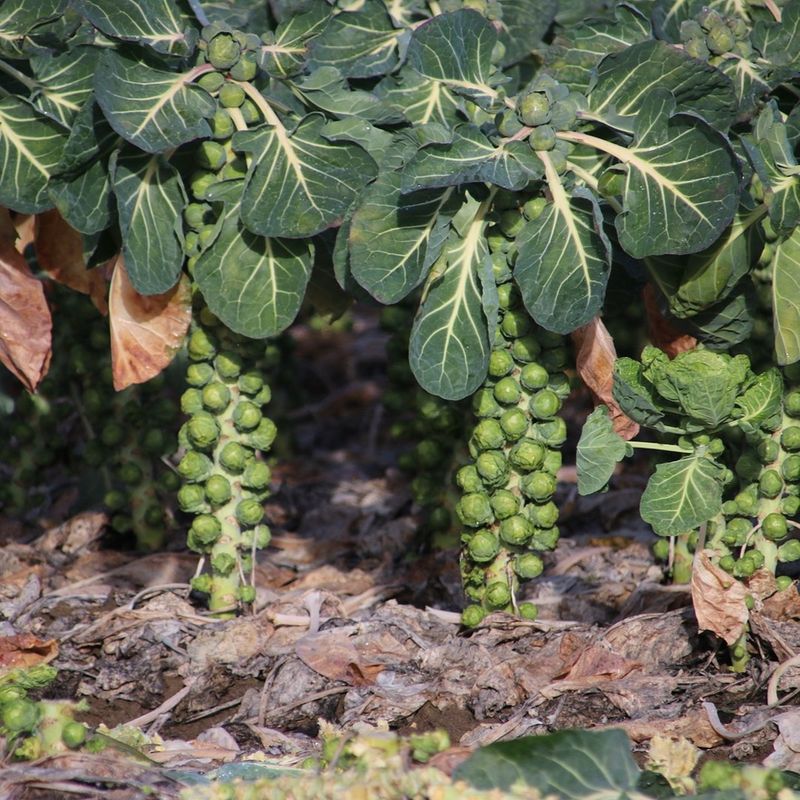
Brussels sprouts undergo a remarkable transformation once cool temperatures arrive, developing sweeter flavor and firmer texture that makes them vastly superior to sprouts grown in warm weather.
The bitter, cabbagey taste that many people associate with Brussels sprouts largely disappears after plants experience several good frosts, replaced by a mild, almost nutty sweetness that converts even skeptical eaters.
This temperature-dependent flavor improvement makes Brussels sprouts a true cold-weather delicacy worth waiting for.
Frost tolerance in Brussels sprouts extends surprisingly far into winter, with healthy plants continuing to produce harvestable sprouts even after temperatures drop into the low 20s Fahrenheit.
Sprouts themselves can handle even colder temperatures when still attached to the plant, protecting their tender leaves inside those compact little heads.
Harvest from the bottom of the stalk upward, twisting off individual sprouts as they reach golf-ball size, while leaving smaller upper sprouts to continue developing.
Colorado’s shorter growing season requires strategic timing to get Brussels sprouts mature enough for fall harvesting.
Start transplants indoors in late spring or early summer, then move them to the garden by mid-July at the latest, giving plants adequate time to develop tall stalks loaded with sprouts before hard freezes arrive in late autumn.
6. Leeks
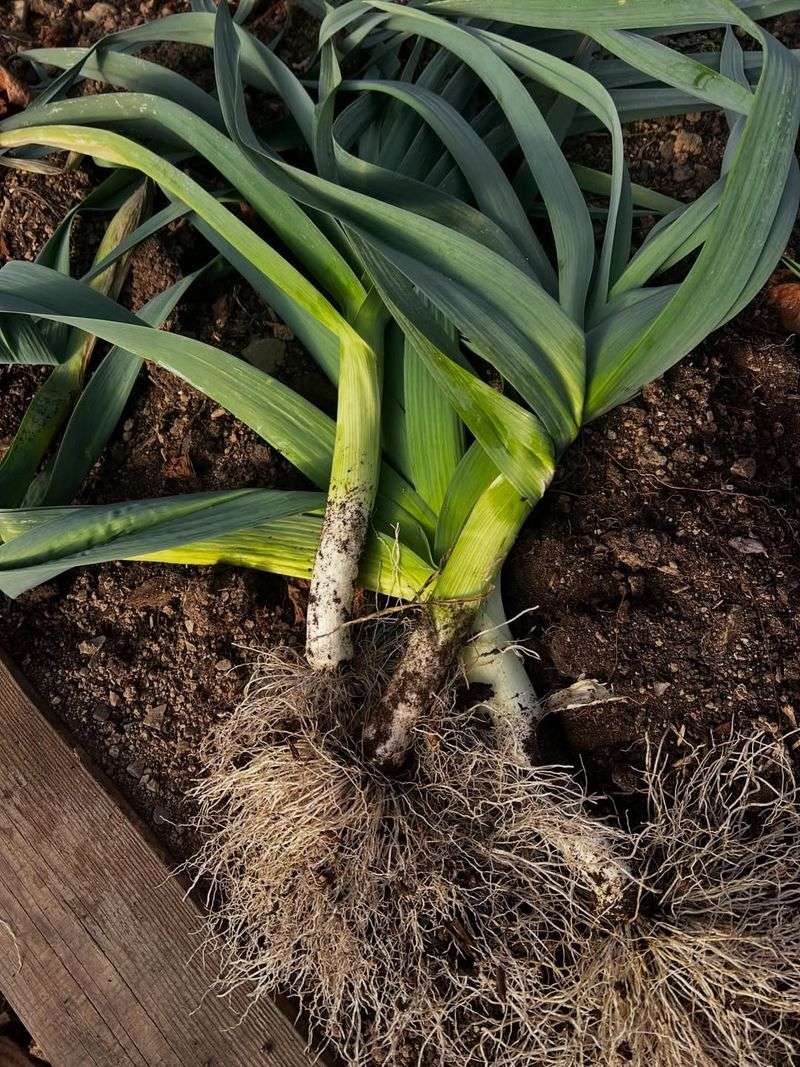
Leeks demonstrate impressive resilience when facing freezing temperatures, remaining completely usable in winter gardens long after most vegetables have succumbed to cold.
Their mild, onion-like flavor becomes even more delicate and sweet after frost exposure, making them prized ingredients for soups, stews, and braises throughout the colder months.
Unlike bulb onions that stop growing and cure for storage, leeks continue standing in the garden, ready for harvest whenever you need them.
Hilling soil around leek stems serves multiple purposes, both improving the edible portion and providing crucial cold protection.
As leeks grow, gradually mound soil up around the developing stems, blanching them white and tender while simultaneously insulating them against temperature extremes.
This hilling process should continue throughout the growing season, creating a protective barrier that helps leeks survive Colorado’s harshest winter conditions.
Cold-weather harvesting strategies for leeks differ from summer harvesting, requiring some adaptation to frozen soil conditions.
During extended cold spells, you might need to loosen frozen ground with a digging fork before pulling leeks, or mulch heavily around plants to keep soil workable.
Some Colorado gardeners harvest their entire leek crop before the ground freezes completely solid, storing cleaned leeks in a cool location, though in-ground storage often works beautifully with adequate mulch protection.
7. Swiss Chard
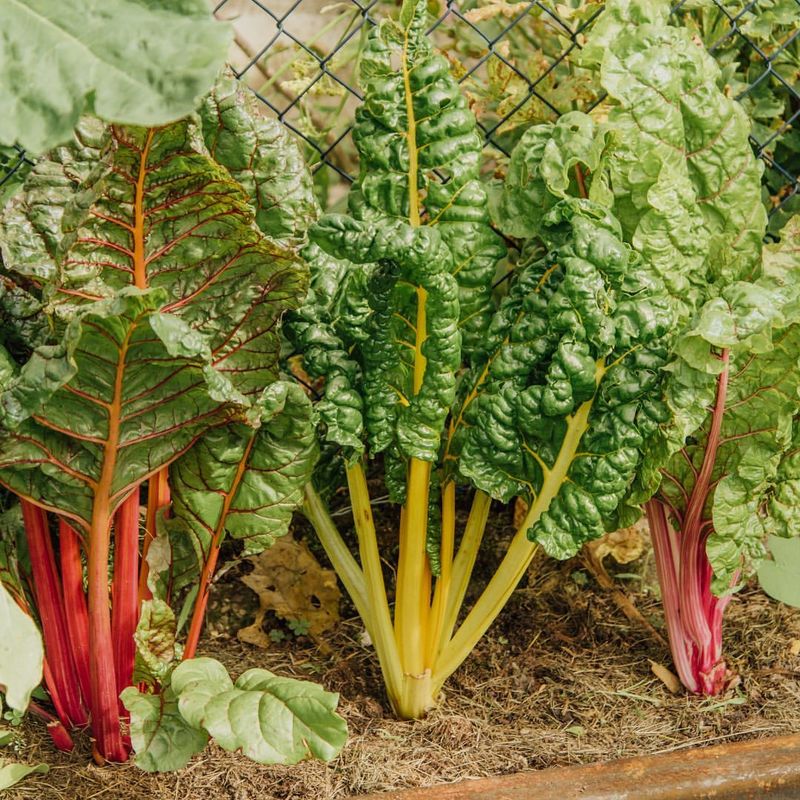
Swiss chard brings vibrant color and reliable production to fall gardens, tolerating light frosts with ease and bouncing back impressively during those warm autumn days that often follow cold nights.
The stunning stems in rainbow colors—red, yellow, orange, pink, and white, look especially beautiful against frost-touched gardens, providing both culinary value and ornamental appeal.
Chard leaves and stems remain tender and flavorful after light freezes, though they do soften somewhat compared to summer growth. Leaf harvesting techniques significantly impact how well Swiss chard continues producing through cold weather.
Cut outer leaves at the base, leaving the central growing point intact so new leaves can continue emerging from the center of the plant.
This method allows a single chard plant to provide harvests for months, with new growth appearing whenever temperatures moderate enough for active photosynthesis to occur.
Protection methods for colder nights extend chard production considerably beyond what unprotected plants can manage.
Row covers, cold frames, or even temporary blankets thrown over plants during hard freeze warnings can prevent damage to tender leaves and growing points.
Swiss chard typically handles temperatures down to the mid-20s Fahrenheit without protection, but with simple covers, it can survive even colder conditions and rebound quickly when weather improves.
8. Turnips
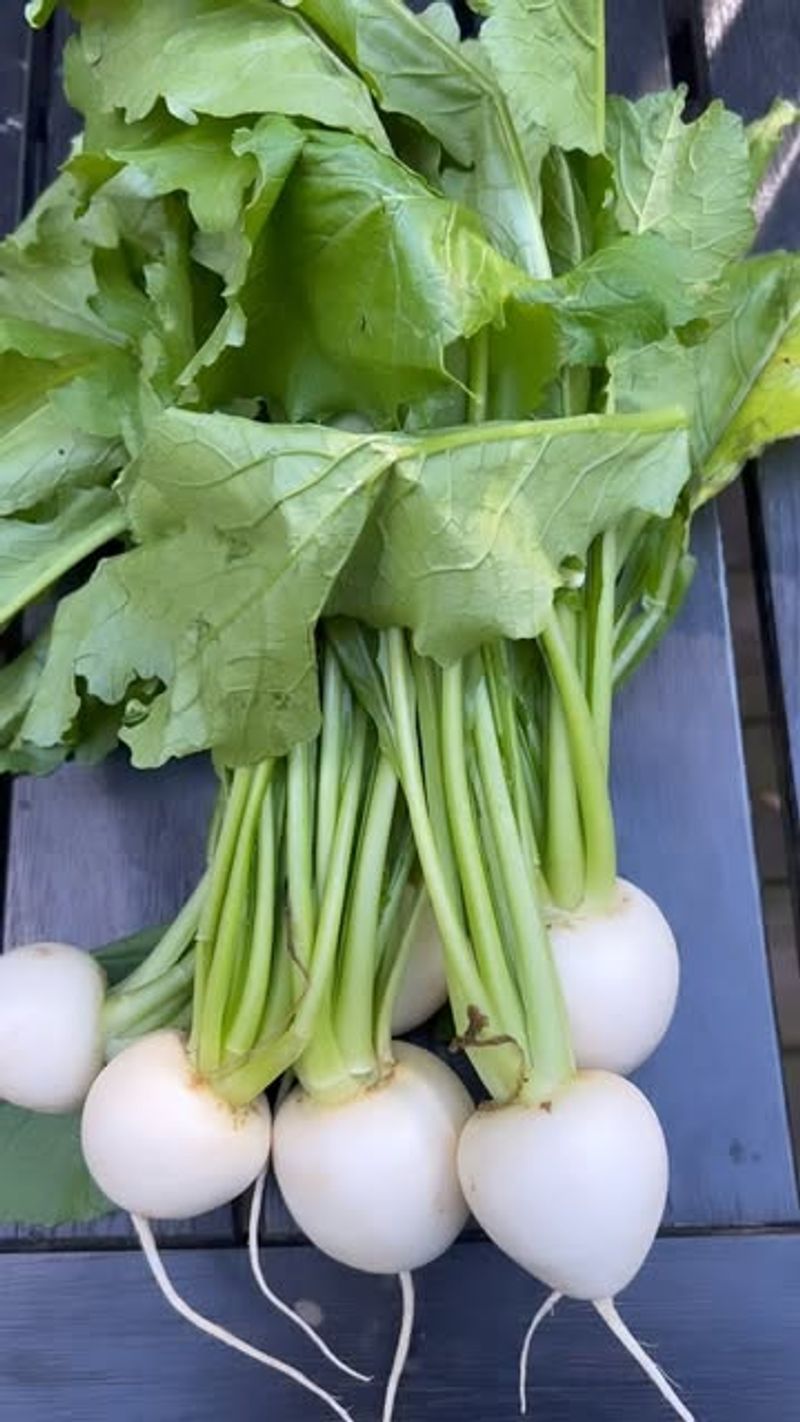
Turnips offer Colorado gardeners a wonderful two-for-one deal, providing both delicious roots and nutritious greens that handle frost conditions beautifully.
The greens actually taste better after experiencing light frost, losing any bitter edge and developing a mild, pleasant flavor perfect for salads or cooking.
Meanwhile, the roots sweeten considerably in cold soil, transforming from somewhat sharp and peppery to mellow and subtly sweet with a satisfying crunch.
Planting timing for fall turnip harvests requires counting backward from your expected first frost date, which varies across Colorado’s diverse climate zones.
Generally, sow turnip seeds about 6-8 weeks before your anticipated first frost, giving plants adequate time to develop good-sized roots before cold weather truly sets in.
Turnips grow relatively quickly compared to many vegetables, making them excellent candidates for succession planting throughout late summer.
Mulching tips for extended turnip productivity mirror those used for carrots, though turnips generally prefer slightly less mulch depth since their roots sit closer to the soil surface.
Apply 3-4 inches of straw or shredded leaves around plants once cold weather arrives, insulating the soil enough to prevent hard freezing while still allowing easy harvesting.
This simple protection lets you leave turnips in the garden, harvesting roots and greens as needed throughout autumn and early winter.
9. Collard Greens
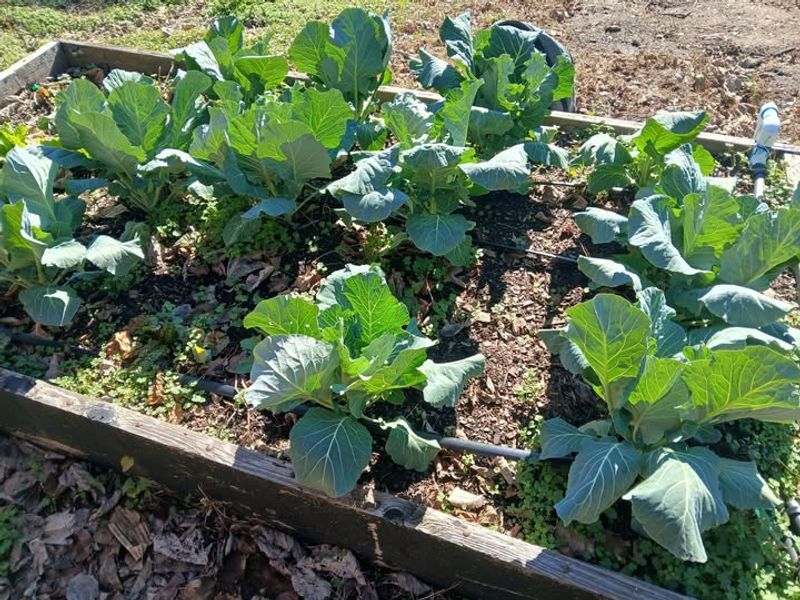
Collard greens outperform most leafy vegetables when temperatures drop, handling cold significantly better than their cabbage-family cousins like regular cabbage or cauliflower.
Their thick, substantial leaves withstand frost damage that would devastate more delicate greens, and the plants continue producing new leaves from their central growing points throughout the fall season.
Collards grown in cool weather develop a tender texture and mild flavor that completely differs from the tough, strong-tasting leaves produced during summer heat.
Temperature tolerance ranges for collards extend impressively low, with healthy plants surviving temperatures down to the low 20s or even upper teens Fahrenheit without significant damage.
Brief dips below these temperatures might brown leaf edges slightly, but the plants typically recover and continue growing once conditions moderate.
This exceptional hardiness makes collards one of the most reliable cold-season greens for Colorado’s unpredictable climate.
Leaf harvesting methods and flavor improvement work hand-in-hand with collards, as frost exposure genuinely enhances their taste.
Pick lower leaves first, working your way up the plant as new leaves develop at the top, and try to harvest after plants have experienced at least two or three good frosts for optimal sweetness.
Many Colorado gardeners consider collards inedible before frost but absolutely delicious afterward.
10. Tatsoi (Asian Greens)
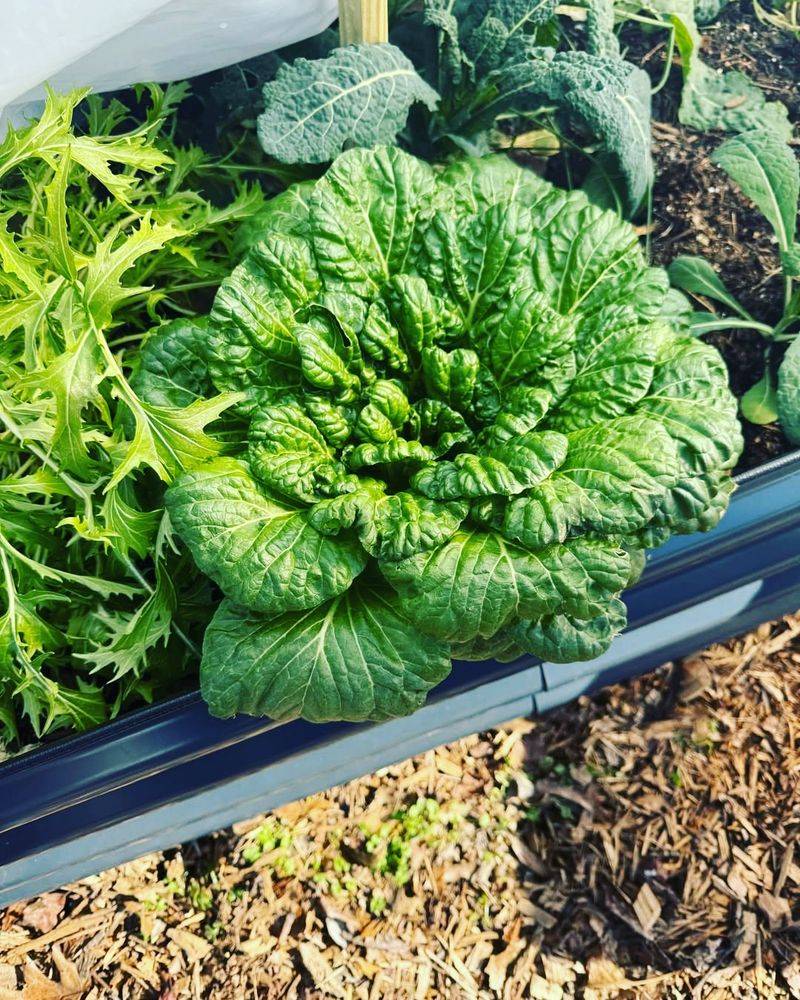
Tatsoi brings an exotic touch to cold-weather Colorado gardens while demonstrating remarkable tolerance to near-freezing conditions that would stop most Asian greens in their tracks.
This beautiful plant forms compact rosettes of dark green, spoon-shaped leaves that hug the ground, creating its own microclimate that provides some natural protection against frost.
The mild, mustard-like flavor with subtle sweetness makes tatsoi incredibly versatile, working beautifully in salads, stir-fries, soups, or simply sautéed with garlic.
Strong cold tolerance allows tatsoi to keep growing actively even when nighttime temperatures regularly dip below freezing, with plants continuing to produce tender new leaves from their centers.
Tatsoi typically handles temperatures down to about 15°F, especially when provided with row cover protection during the coldest nights.
This hardiness surpasses many other Asian greens, making tatsoi an excellent choice for gardeners wanting to explore beyond traditional cold-weather vegetables.
The compact growth habit and fast regrowth potential make tatsoi particularly valuable in intensive fall gardens where space comes at a premium.
Plants mature quickly, often ready for first harvest just 30-45 days after planting, and continue producing new leaves when you harvest outer leaves regularly.
Row covers boost production significantly, creating a protected environment where tatsoi thrives even during Colorado’s most challenging weather.