When To Repot Tomato Seedlings In Pennsylvania For Stronger Growth
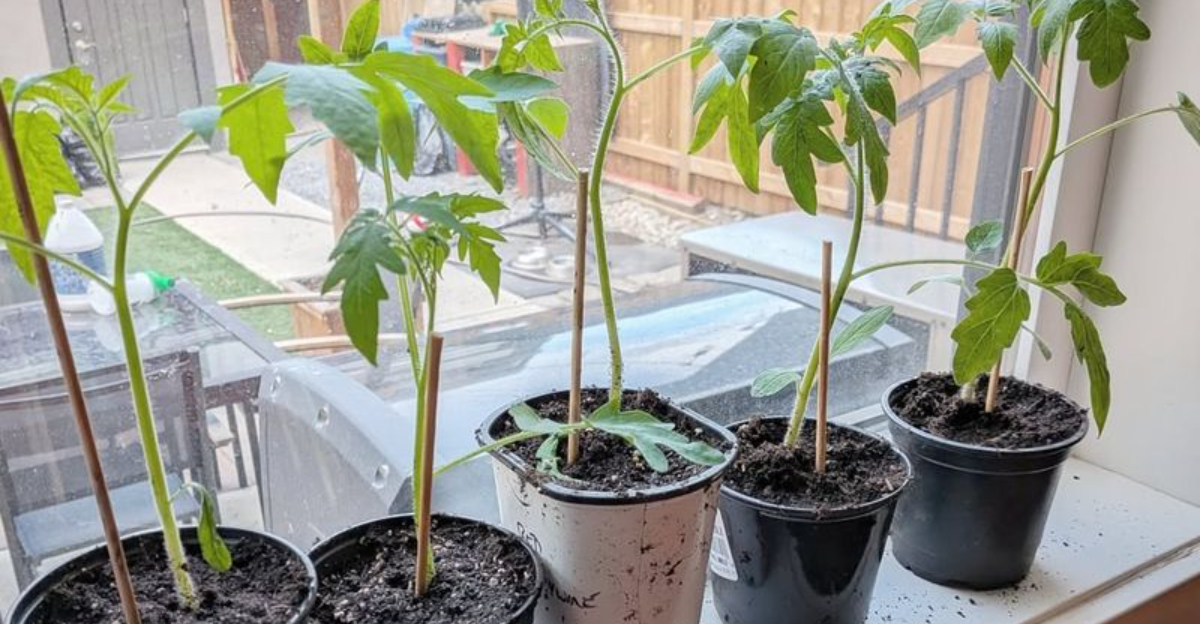
Repotting tomato seedlings at the right time is key for Pennsylvania gardeners who want healthy, vigorous plants and bountiful harvests. Seedlings that stay too long in small containers can become root-bound, stunted, or weak.
Give your tomatoes the space they need to grow strong and productive. The ideal time to repot is when seedlings have developed a few sets of true leaves and their roots begin filling the starting container.
Using larger pots with fresh, nutrient-rich soil allows roots to expand, supports taller stems, and encourages robust growth.
Proper watering and light after repotting help reduce stress and promote healthy development. Timely repotting ensures stronger plants and bigger, better fruit later in the season.
Pennsylvania gardeners who follow these guidelines set their tomato seedlings up for success, producing healthier plants and more abundant harvests. Repot at the right time and watch your tomatoes thrive.
Repot When Seedlings Have 2-3 Sets Of True Leaves
Watching your tomato seedlings emerge from the soil brings excitement to any Pennsylvania gardener starting the spring season indoors.
Those first rounded leaves that pop up are called cotyledons or seed leaves, which contain stored energy from the seed itself.
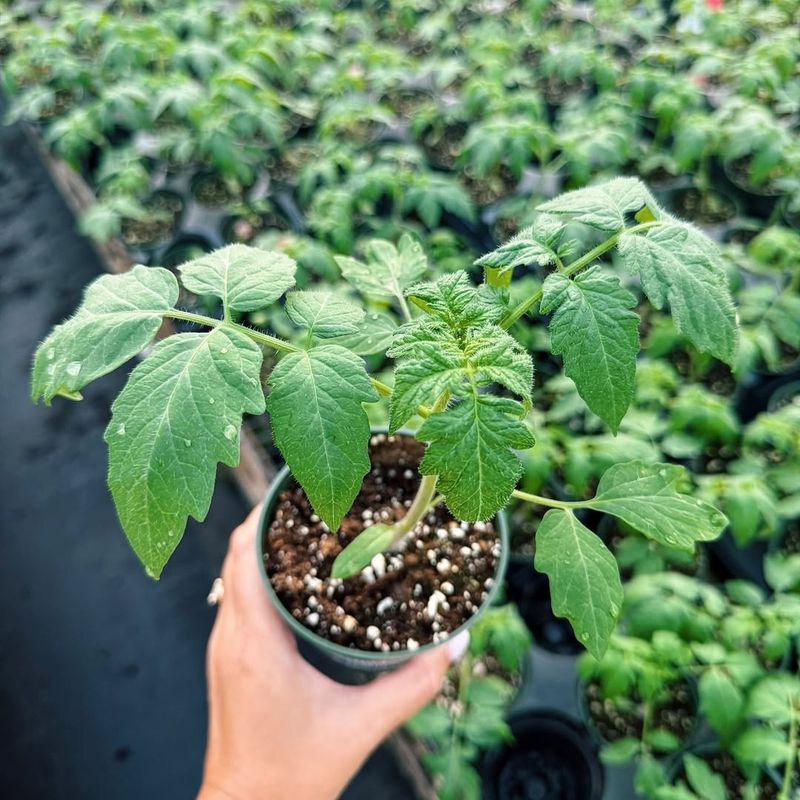
True leaves appear afterward and look distinctly different, featuring the characteristic serrated, compound shape that mature tomato plants display throughout their lifecycle.
Once your seedlings develop two to three sets of these true leaves, they’ve reached an important milestone signaling robust root development underneath the soil surface.
The root system at this stage has grown extensive enough to benefit from additional space and fresh nutrients. Continuing to grow in the original small seed-starting cell can limit further expansion and slow overall plant development considerably.
Repotting at this precise growth stage gives your tomatoes room to stretch their roots into fresh potting mix loaded with nutrients.
This timing ensures the plants won’t experience transplant shock while they’re too delicate, yet won’t suffer from being root-bound in cramped quarters.
Pennsylvania gardeners who repot at this stage typically see faster growth rates, thicker stems, and healthier foliage color in the weeks leading up to outdoor transplanting season.
Pennsylvania Gardeners Usually Repot 3-4 Weeks After Germination
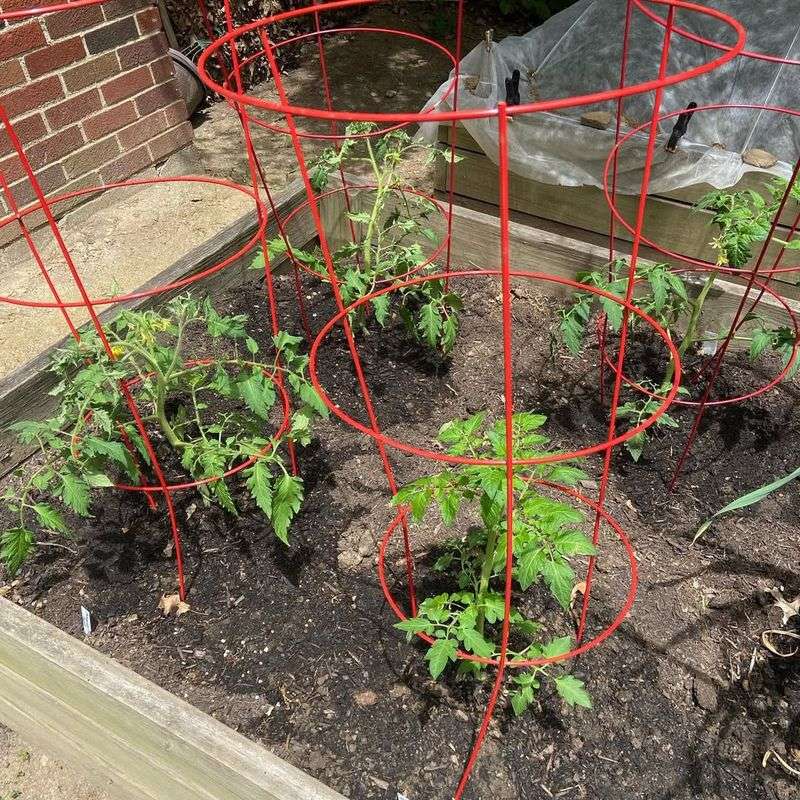
Most Pennsylvania gardeners start their tomato seeds indoors somewhere between late February and mid-March, depending on their specific growing zone and last frost date predictions.
Seeds typically germinate within five to ten days when kept in warm conditions around seventy to seventy-five degrees Fahrenheit.
From that germination point, counting forward three to four weeks usually brings you right to the ideal repotting window. Indoor temperature conditions play a significant role in how quickly seedlings develop during Pennsylvania’s late winter and early spring months.
Homes that maintain consistent warmth and provide adequate artificial lighting see faster seedling growth compared to cooler spaces with limited light exposure.
Supplemental grow lights positioned close to seedlings help maintain compact, sturdy growth rather than tall, weak stems reaching desperately for insufficient natural sunlight.
Early spring conditions in Pennsylvania mean shorter days and often cloudy weather, which can slow seedling development if you’re relying solely on windowsill light.
Your Pennsylvania Garden Changes Every Week. Your Plan Should Too.
Gardening in Pennsylvania changes quickly throughout the season. Every Friday you’ll receive a simple weekly plan showing exactly what to plant, prune, fertilize, harvest, and protect so you never miss the right timing.
Gardeners using heat mats and quality grow lights often find their seedlings ready for repotting closer to the three-week mark, while those with less ideal conditions might wait the full four weeks or slightly longer before seeing adequate true leaf development for safe container upgrades.
Roots Showing At Drainage Holes Signal Container Crowding
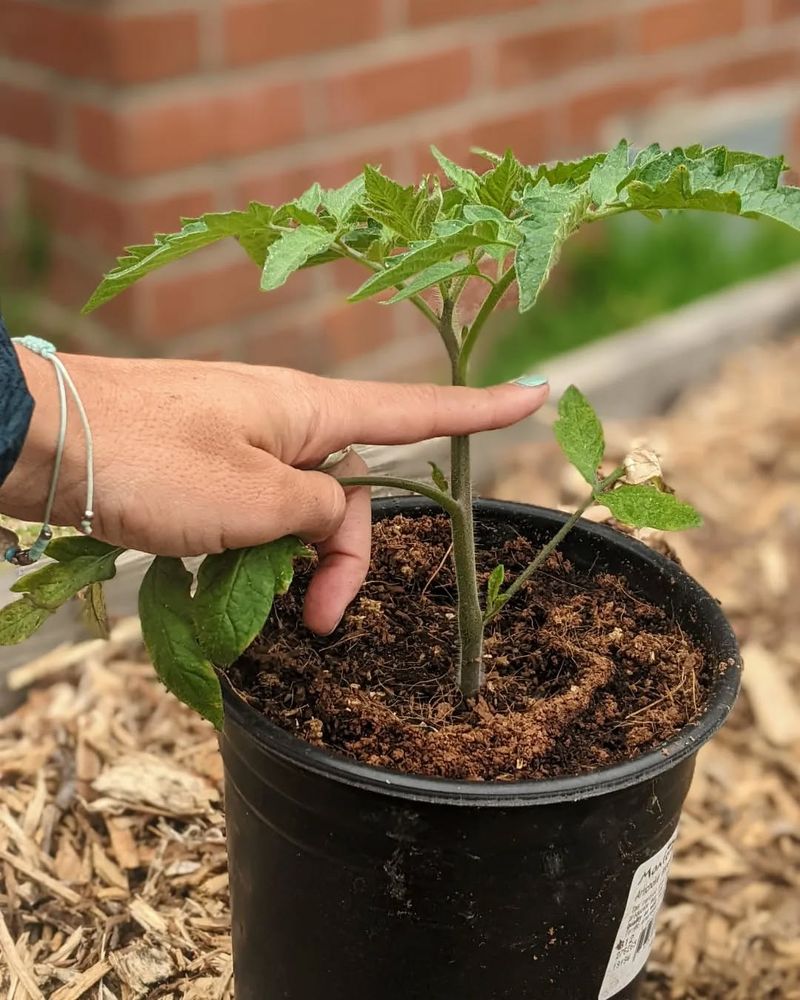
Checking the bottom of your seed-starting containers regularly provides valuable clues about what’s happening beneath the soil surface where you can’t see.
White or light-colored roots poking through drainage holes indicate your tomato seedlings have explored every available inch of their current home.
This visible root emergence means the plants are actively searching for more space and resources to support continued growth.
When roots become crowded in small containers, they begin competing with themselves for limited water, oxygen, and nutrients within the confined soil volume.
This competition can slow growth considerably and may cause lower leaves to yellow as the plant struggles to support its foliage with inadequate root capacity.
Container-bound seedlings also dry out much faster, requiring more frequent watering that can become inconvenient and stressful for both gardener and plant.
Addressing root crowding promptly by repotting into larger containers gives those eager roots fresh territory to explore and colonize.
The expanded soil volume provides renewed access to nutrients and better moisture retention, which translates directly into healthier, more vigorous top growth.
Pennsylvania gardeners who monitor drainage holes and repot at the first sign of emerging roots typically enjoy stronger seedlings that transition more successfully to outdoor garden beds when warmer weather finally arrives.
Repot Before Stems Become Thin Or Stretched
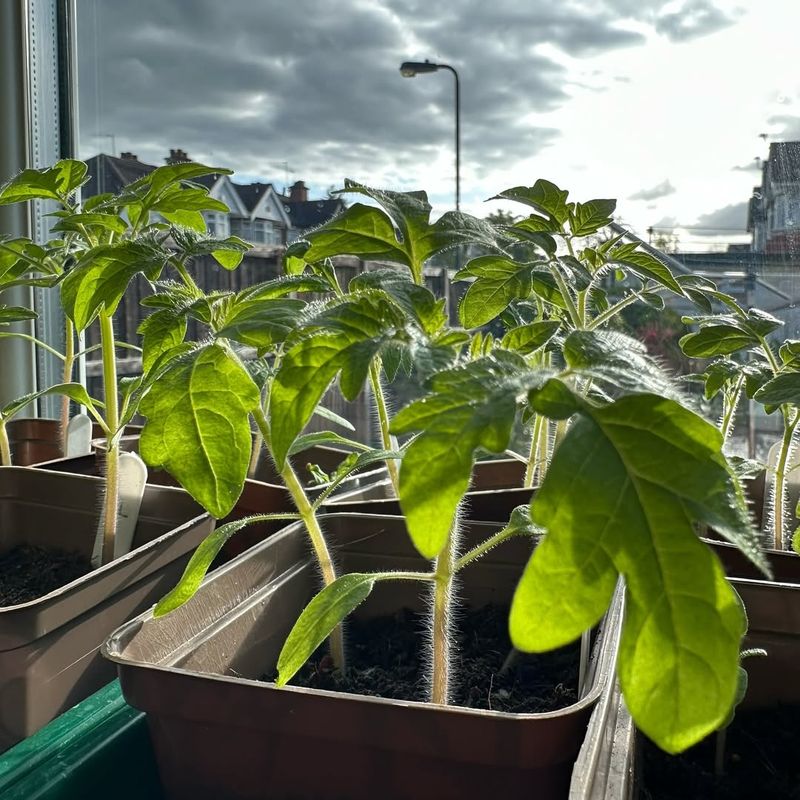
Leggy seedlings with long, thin stems represent one of the most common challenges indoor gardeners face during Pennsylvania’s darker winter and early spring months.
Insufficient light causes seedlings to stretch upward rapidly as they attempt to reach better illumination, resulting in weak stems that struggle to support themselves.
Limited soil volume compounds this problem because restricted roots can’t provide adequate structural support or nutrient delivery to the elongating stems above.
Recognizing early signs of stretching allows you to take corrective action before the problem becomes severe and difficult to remedy.
Seedlings beginning to lean, show pale green color, or develop noticeably long spaces between leaf sets need immediate attention.
Repotting these seedlings into larger containers with fresh nutrient-rich soil addresses part of the issue, while adjusting light placement closer to the plants tackles the illumination problem simultaneously.
Combining repotting with improved lighting conditions gives stretched seedlings a chance to redirect their energy into thicker stem development and bushier foliage growth.
Burying a portion of the elongated stem during repotting helps as well, which we’ll explore further in another section.
Pennsylvania gardeners who catch stretching early and respond with both container upgrades and better light positioning typically salvage their seedlings successfully and still achieve strong transplants ready for outdoor garden life.
Bury Stems Slightly Deeper During Repotting
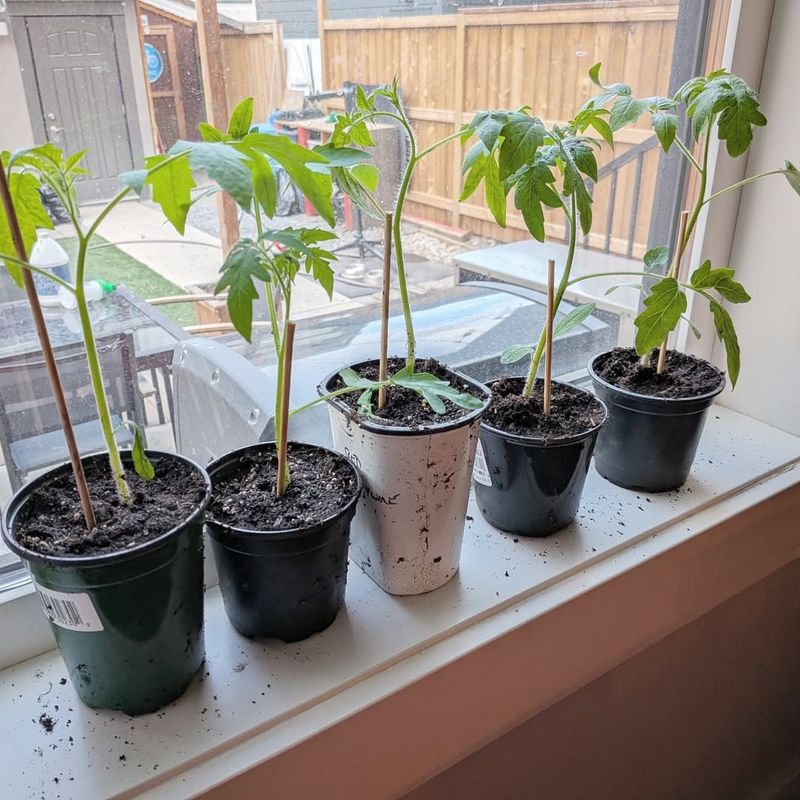
Tomatoes possess a remarkable ability that sets them apart from many other garden vegetables and makes them particularly forgiving during the repotting process.
Those tiny hairs covering tomato stems aren’t just decorative—they’re actually adventitious root primordia waiting for the right conditions to transform into fully functional roots.
When you bury a portion of the stem below the soil line during repotting, these stem hairs develop into an extensive secondary root system within days.
This unique characteristic allows Pennsylvania gardeners to correct leggy growth by burying up to two-thirds of an elongated stem when moving seedlings to larger containers.
The buried portion quickly generates additional roots that significantly enhance the plant’s ability to absorb water and nutrients from the surrounding soil.
A more extensive root system also provides better physical stability, which becomes especially important when plants eventually face Pennsylvania’s sometimes unpredictable spring and summer weather conditions outdoors.
Burying stems deeper during repotting creates stockier, more resilient plants with lower centers of gravity and superior nutrient uptake capacity.
This technique works beautifully whether you’re correcting stretched seedlings or simply want to maximize root development in perfectly healthy plants.
Gardeners throughout Pennsylvania have used this method for generations, and it remains one of the most effective strategies for producing transplants that establish quickly and produce abundantly throughout the growing season.
Use Larger Containers With Proper Drainage
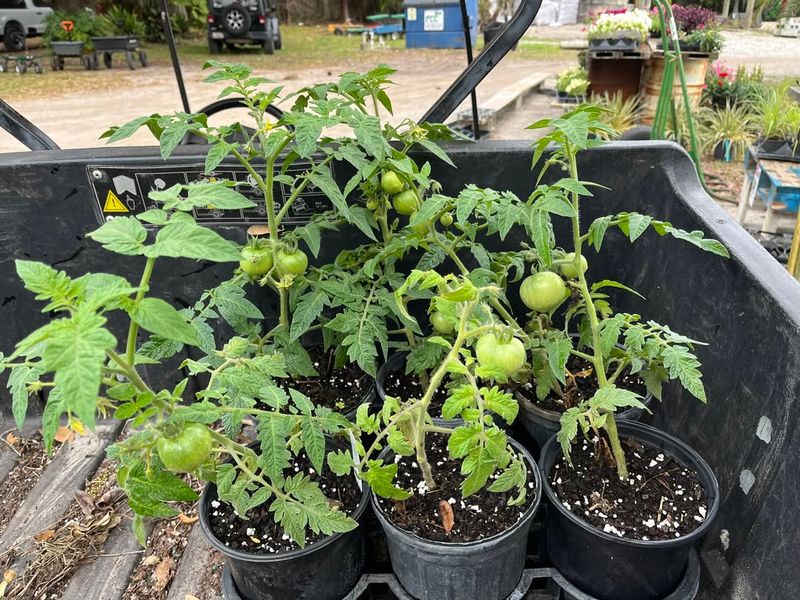
Selecting appropriate containers for your second-stage tomato seedlings makes a substantial difference in how well they develop before outdoor transplanting time arrives.
Three to four-inch pots provide ideal volume for seedlings that started in smaller cells, offering enough space for several weeks of continued indoor growth without becoming unmanageably large.
Some Pennsylvania gardeners prefer square containers because they fit together efficiently on windowsills or under grow light setups, maximizing space usage in often-crowded indoor growing areas.
Drainage capability ranks just as important as container size when choosing pots for repotting your tomato seedlings.
Multiple drainage holes in the bottom of each container prevent water from pooling around roots, which can lead to oxygen deprivation and encourage problematic fungal issues.
Cool indoor temperatures during Pennsylvania’s late winter and early spring mean soil dries more slowly than during warmer months, making proper drainage absolutely essential for maintaining healthy root environments.
Quality potting mix designed specifically for seed starting or container growing works best in these larger pots, providing good drainage while retaining appropriate moisture levels.
Avoid using garden soil or heavy potting mixes that compact easily and drain poorly in container environments.
Pennsylvania gardeners who invest in proper containers with adequate drainage and quality growing medium typically enjoy healthier seedlings that transition smoothly to outdoor gardens when weather conditions finally become suitable for transplanting.
Perform Repotting During Warm Daytime Hours
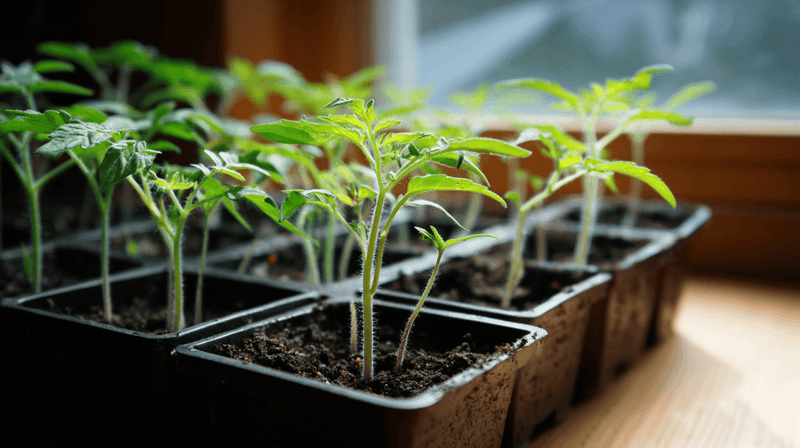
Timing your repotting activities to coincide with the warmest part of the day might seem like a minor detail, but it genuinely affects how well your tomato seedlings handle the transition to their new containers.
Mid-day warmth, typically between ten in the morning and two in the afternoon, creates optimal conditions for seedlings to recover from any root disturbance experienced during the repotting process.
Warmer air and soil temperatures encourage faster root growth and help plants resume normal metabolic activities more quickly after being moved.
Pennsylvania homes during late winter and early spring often experience temperature fluctuations throughout the day, with cooler mornings and evenings bookending warmer afternoon periods.
Repotting during these warmer windows means seedlings spend their first critical hours in new containers under favorable temperature conditions.
This timing consideration becomes particularly important if you’re growing near windows or in spaces without consistent heating, where temperature swings can be more pronounced.
Cool temperatures slow all plant processes, including root regeneration and establishment in fresh potting mix.
Seedlings repotted during warmer hours begin sending out new root growth into surrounding soil more rapidly, establishing themselves firmly before evening temperatures drop.
Pennsylvania gardeners who pay attention to this timing detail often notice their repotted seedlings show less transplant stress and resume vigorous growth more quickly than those moved during cooler morning or evening hours.
Light Watering After Repotting Supports Root Adjustment
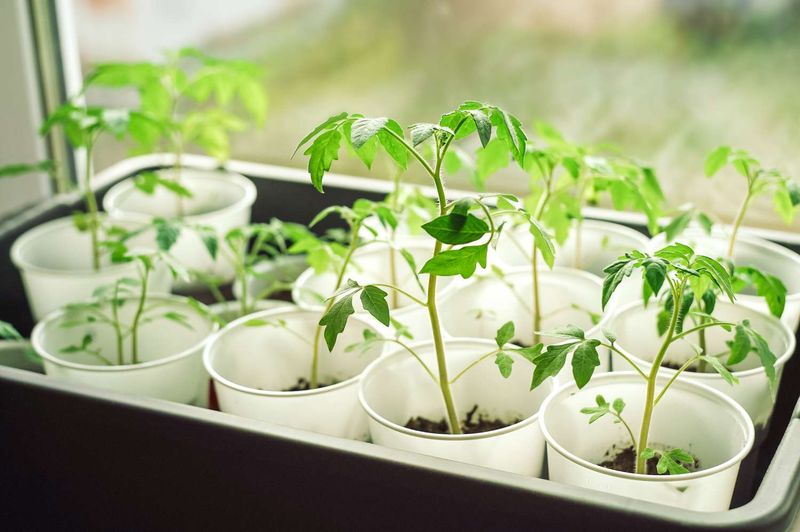
Proper watering technique immediately following repotting helps your tomato seedlings settle into their new containers and begin establishing roots in the fresh potting mix.
Light watering serves multiple purposes: it eliminates air pockets around roots, ensures good contact between root surfaces and surrounding soil particles, and provides moisture for the plant to draw upon during its adjustment period.
However, the key word here is light – you want moist soil, not saturated, waterlogged conditions.
Overwatering newly repotted seedlings ranks among the most common mistakes gardeners make, often with good intentions of helping their plants recover from transplant stress.
Soggy soil lacks adequate oxygen spaces between particles, which roots need just as much as they need water.
Pennsylvania’s cool indoor spring temperatures mean excess water evaporates slowly, creating conditions where roots sit in overly wet soil for extended periods.
This environment can encourage root problems and fungal issues that severely set back seedling development.
The ideal approach involves watering gently until you see moisture just beginning to appear at drainage holes, then stopping.
This amount settles the soil around roots without creating waterlogged conditions.
Allow the soil surface to dry slightly between subsequent waterings, checking moisture levels by touching the soil rather than following a rigid schedule.
Pennsylvania gardeners who master this balanced watering approach after repotting typically see their seedlings resume growth quickly without experiencing stress-related setbacks.
Allow A Short Adjustment Period Before Outdoor Hardening
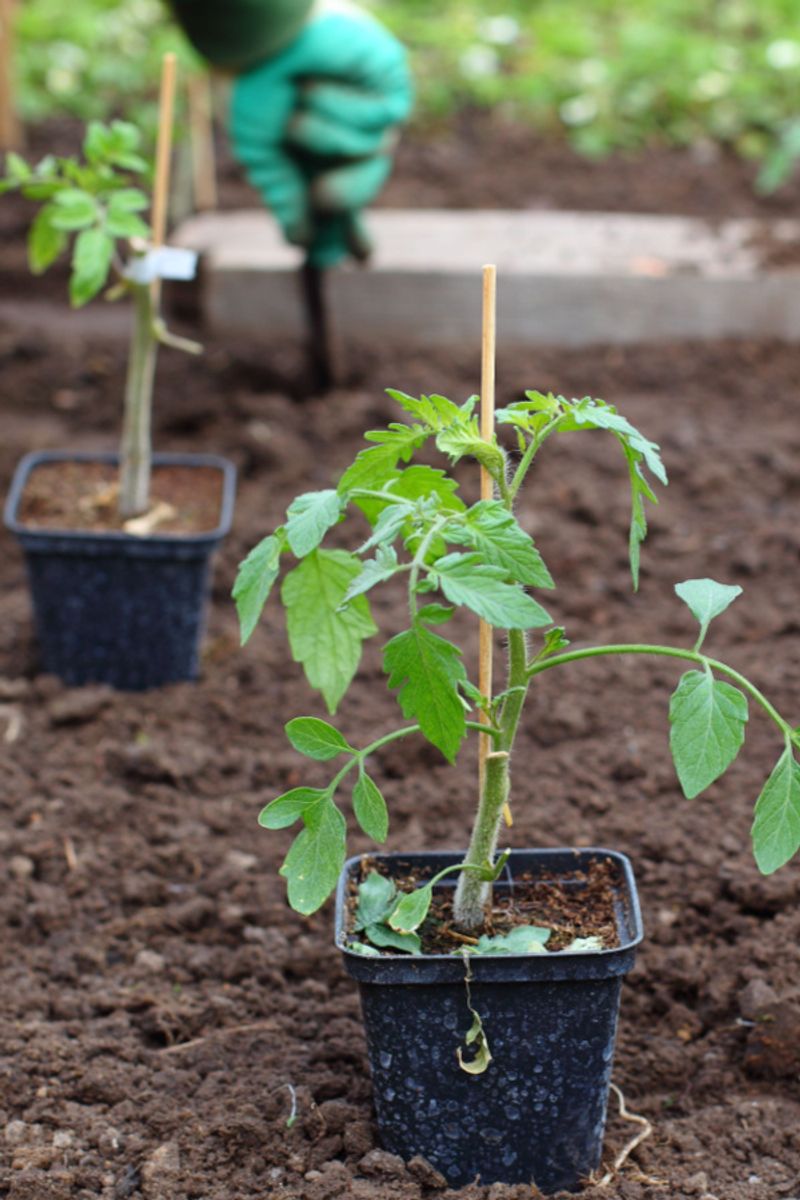
Freshly repotted tomato seedlings benefit tremendously from several days of uninterrupted indoor recovery time before you begin introducing them to outdoor conditions.
Repotting, despite your best careful techniques, still represents a stressful event for plants as they adjust to new containers, fresh soil, and slightly disturbed root systems.
Giving seedlings three to five days to settle in and begin establishing roots in their new containers prepares them to handle the additional stress of outdoor exposure much more successfully.
Pennsylvania’s hardening-off process typically begins about one to two weeks before your area’s average last frost date, which varies across the state from mid-April in southeastern regions to mid-May in northern and higher-elevation areas.
Starting this gradual outdoor exposure process with seedlings that have already recovered from repotting stress ensures they’re in peak condition to handle temperature fluctuations, wind, and direct sunlight.
Plants dealing with multiple stressors simultaneously often struggle more than those facing challenges one at a time.
Monitoring your repotted seedlings during this recovery period helps you determine when they’re ready for hardening-off to begin.
New growth, good color, and perky foliage indicate successful establishment in their new containers.
Pennsylvania gardeners who respect this adjustment period and wait for clear signs of recovery before starting outdoor exposure routines typically enjoy smoother hardening-off experiences and stronger transplants that establish quickly once moved to garden beds permanently.