These 7 Fir Trees Thrive In Montana Home Landscapes
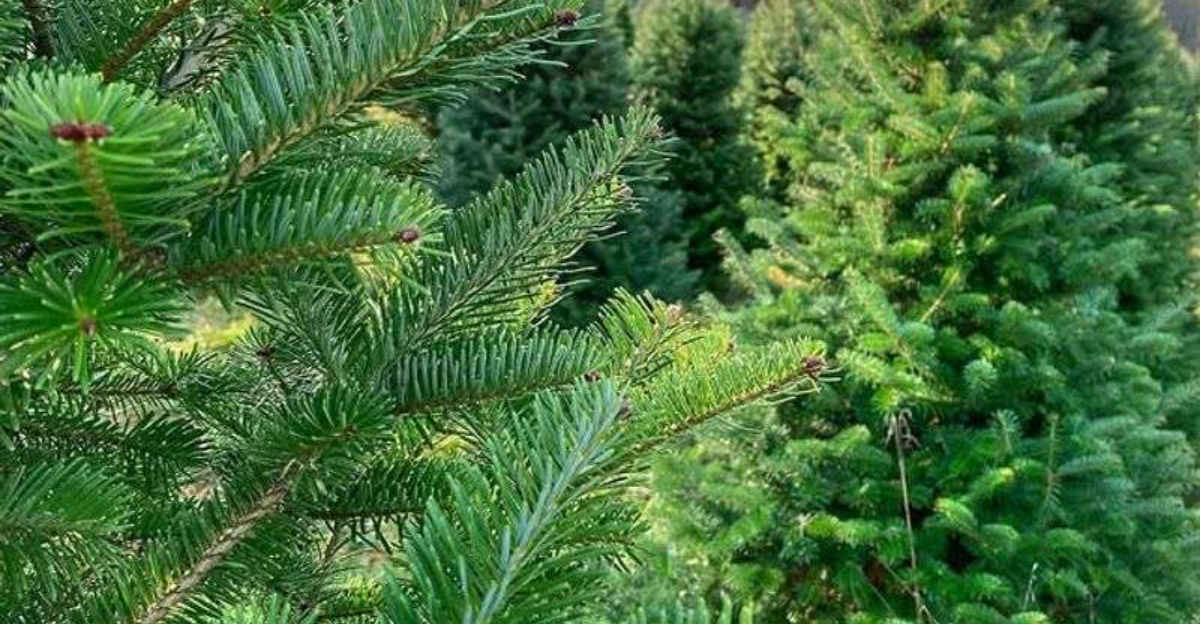
Fir trees are a popular choice for Montana homeowners looking to add beauty, structure, and year-round greenery to their landscapes.
Hardy, resilient, and visually striking, the right fir can enhance yards while withstanding Montana’s cold winters and variable conditions. Choose the right fir tree and create a landscape that thrives in any season.
These fir species are well-suited to Montana climates, offering evergreen foliage, strong growth habits, and minimal maintenance once established.
Whether planted as specimens, windbreaks, or privacy screens, they provide texture, color, and a natural backdrop to your home. Proper placement, soil preparation, and watering help each tree flourish.
Montana gardeners can enjoy lush, long-lasting landscapes with the right choices. Homeowners who plant these firs can create beautiful, resilient outdoor spaces that endure harsh winters while enhancing property value and curb appeal.
Add hardy fir trees to your yard and enjoy year-round beauty.
1. Subalpine Fir (Abies Lasiocarpa)
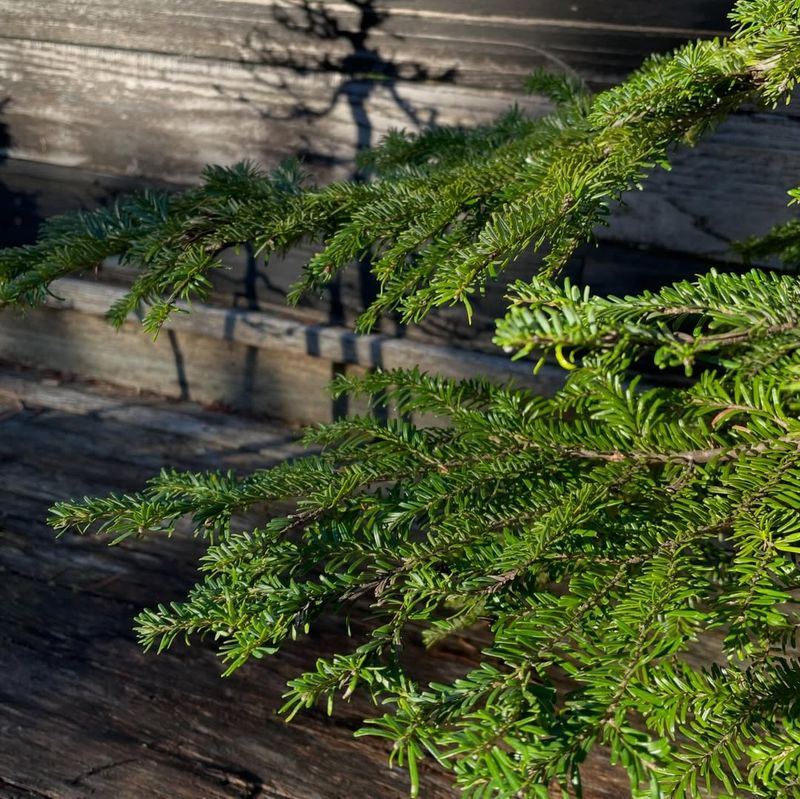
Native to Montana’s mountain slopes, subalpine fir naturally grows at elevations where winter snows pile high and temperatures plummet well below zero.
This remarkable adaptation makes it one of the most cold-hardy evergreens available for residential landscapes near foothills. Its narrow, spire-like growth habit allows heavy snow to slide off branches without causing breakage, a crucial feature for Montana winters.
Mature specimens typically reach 40 to 60 feet tall with a spread of only 15 to 20 feet, making them ideal for properties with limited space. The tree’s slender profile works beautifully as a vertical accent near home entrances or along property lines.
Foliage ranges from blue-green to silvery, creating a striking contrast against darker evergreens or deciduous trees.
Plant subalpine fir in locations that mimic its natural mountain habitat, well-drained soil with some protection from intense afternoon sun during summer months.
While it tolerates exposed sites better than many ornamentals, young trees benefit from windbreaks during establishment. Once rooted, this Montana native requires minimal care and provides decades of reliable beauty.
Its ability to handle cold, snow load, and elevation changes makes it a top choice for authentic mountain-style landscaping throughout the state.
2. Balsam Fir (Abies Balsamea)
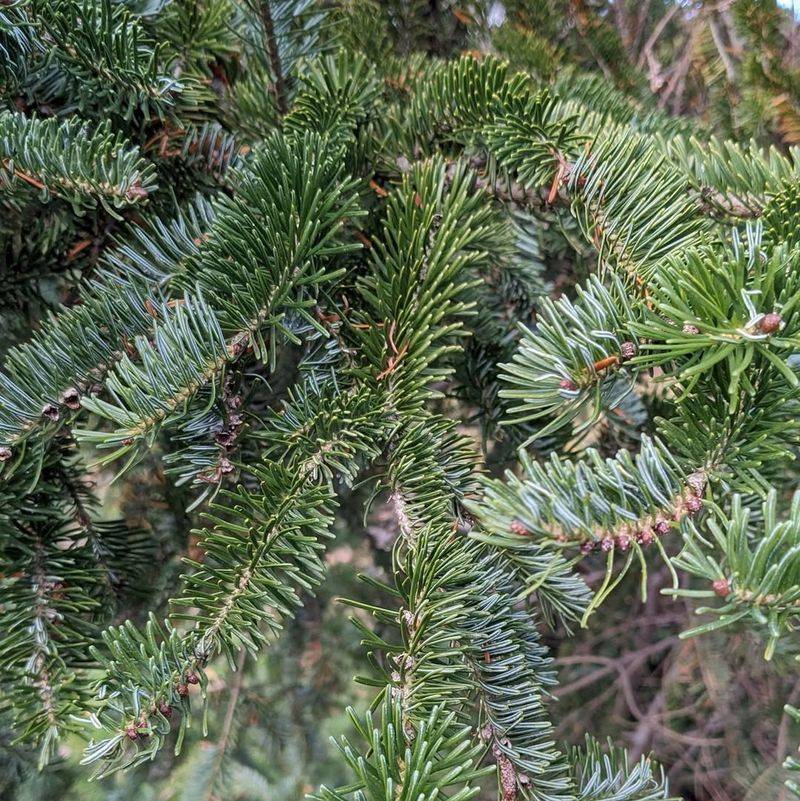
Known for its intensely fragrant needles that release a fresh, woodsy aroma when brushed, balsam fir brings sensory delight to northern Montana properties and higher elevation sites.
This species evolved in cold northern forests, giving it exceptional winter hardiness that allows it to flourish where temperatures regularly dip to 40 degrees below zero.
Homeowners in places like Kalispell, Whitefish, and higher mountain valleys find this tree particularly reliable.
Balsam fir develops a compact, symmetrical growth form with dense branching from ground to tip, creating a full, lush appearance year-round.
Mature trees typically reach 45 to 75 feet in height, though landscape specimens often stay smaller with occasional pruning. The dark green needles have silvery undersides, creating subtle color variation when breezes flip the foliage.
For best results, plant balsam fir in locations with moist, well-drained soil enriched with organic matter. It appreciates consistent moisture but won’t tolerate standing water around its roots.
Afternoon shade during hot summer months helps prevent needle scorch, especially for younger trees.
The tree’s natural resistance to pests and diseases, combined with its cold tolerance and aromatic qualities, makes it a favorite for residential landscapes seeking low-maintenance evergreen beauty with that classic forest fragrance.
3. White Fir (Abies Concolor)
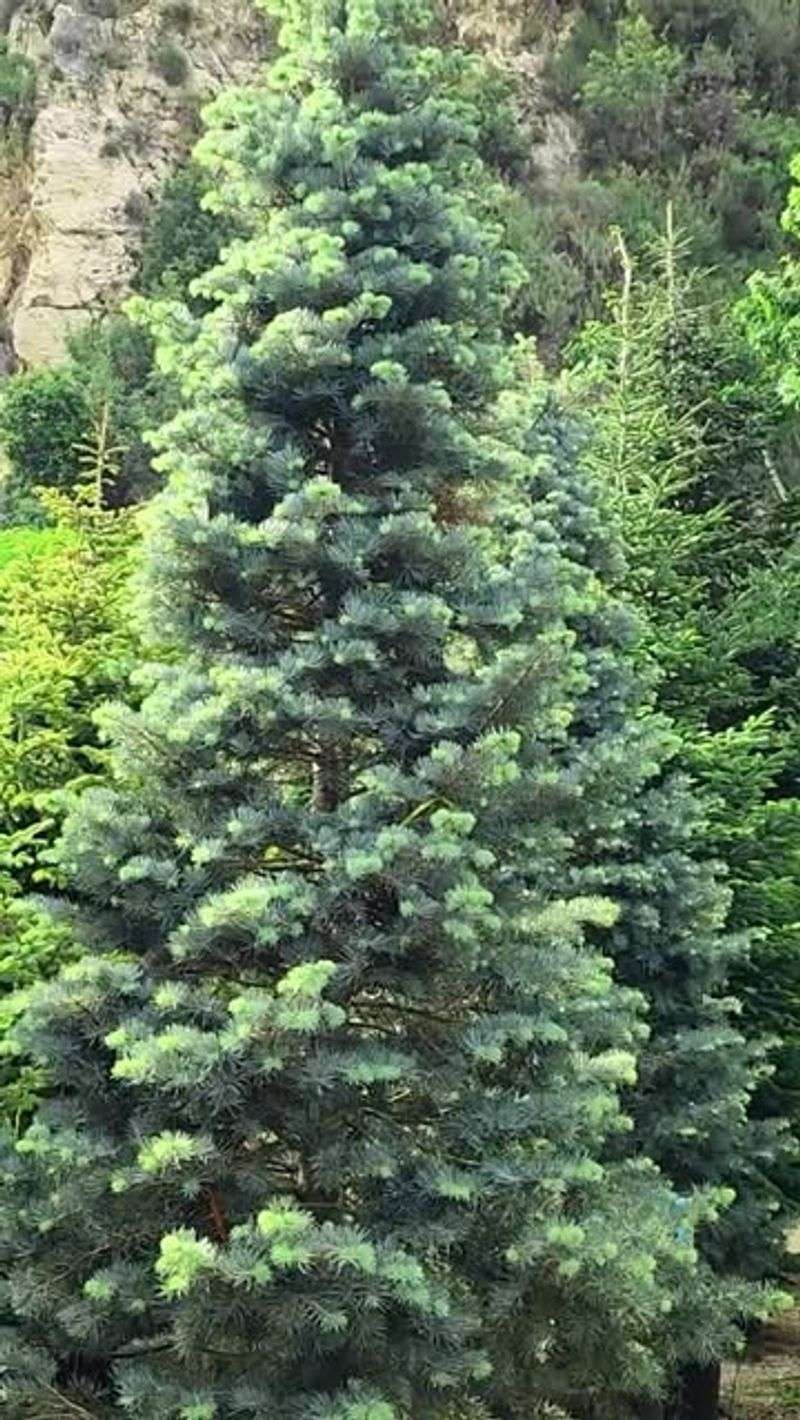
With its soft, blue-green needles and remarkable adaptability, white fir has become a landscape favorite in Montana’s lower elevation communities and urban areas.
Unlike many fir species that demand constant moisture, white fir develops drought tolerance once its root system establishes, typically after two to three growing seasons.
This resilience makes it particularly valuable for yards in Billings, Great Falls, and other cities where summer irrigation may be limited.
The tree’s elegant foliage features needles that curve gracefully upward from the branches, creating a softer texture than most evergreens.
Mature white firs reach 50 to 80 feet tall with a 25 to 35-foot spread, though urban specimens often stay smaller. Their silvery-blue color provides stunning contrast against red brick homes or darker siding materials.
White fir tolerates a wide range of soil types, from clay to sandy loam, as long as drainage remains adequate. It performs well in full sun and handles urban pollution better than many conifers, making it suitable for streetside plantings or front yards near roads.
Young trees benefit from regular watering during establishment, but mature specimens require minimal supplemental irrigation except during extreme drought.
For Montana homeowners seeking an attractive, low-maintenance evergreen that adapts to various conditions, white fir delivers reliable performance and year-round beauty.
4. Douglas Fir (Pseudotsuga Menziesii, Not A True Fir But Commonly Planted)
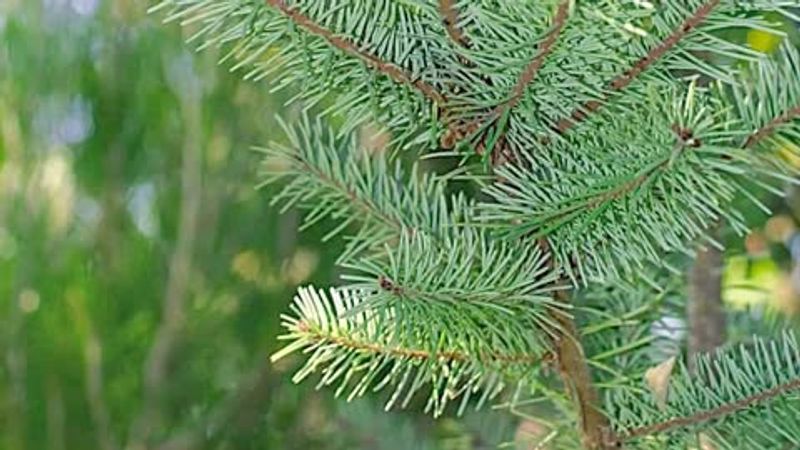
Although botanists classify Douglas fir as a separate genus rather than a true fir, Montana homeowners have embraced this magnificent evergreen for generations.
Its exceptional wind resistance and rapid growth rate make it a practical choice for shelterbelts, privacy screens, and large yards needing quick establishment.
Young Douglas firs can add 12 to 24 inches of height per year under favorable conditions, outpacing most true firs significantly.
The tree’s distinctive cones feature three-pointed bracts that stick out between the scales, creating a unique appearance that helps with identification.
Mature specimens can reach 80 to 100 feet tall in landscape settings, with a pyramidal form that broadens slightly with age. The soft, flexible needles range from dark green to blue-green and emit a pleasant citrus-like fragrance when crushed.
Douglas fir demonstrates remarkable cold hardiness throughout Montana, tolerating temperatures well below zero without damage. It thrives in full sun and adapts to various soil types, though it prefers slightly acidic conditions.
The tree’s strong branch structure resists breakage during heavy snow or wind events, a crucial advantage in Montana’s variable weather.
For properties with space to accommodate its size, Douglas fir provides fast-growing privacy, windbreak protection, and classic evergreen beauty that improves property value and ecological diversity.
5. Fraser Fir (Abies Fraseri)
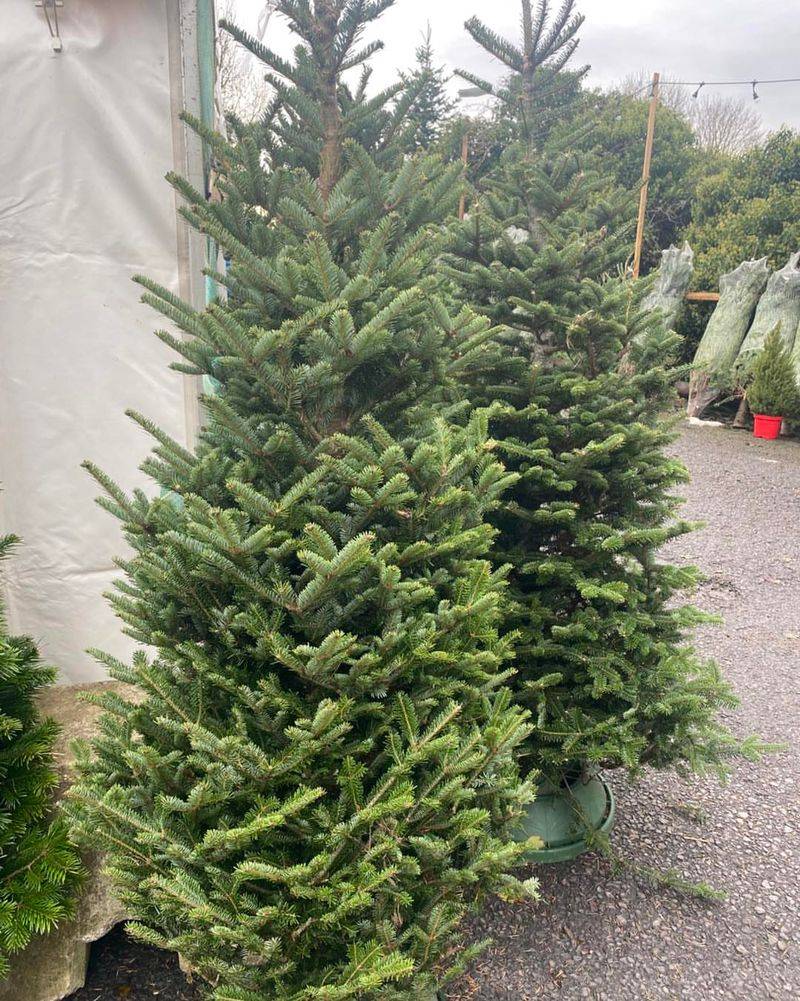
Originally from the Appalachian Mountains, Fraser fir has found a welcoming home in Montana landscapes where homeowners appreciate its dense branching structure and compact growth habit.
This species naturally develops extremely tight branch spacing, creating a full, lush appearance from top to bottom without gaps or thin spots.
The tree’s dark green needles with silvery undersides catch sunlight beautifully, adding visual depth to the landscape.
Fraser fir typically reaches 30 to 50 feet at maturity, making it more manageable for residential properties than some larger fir species. Its slower growth rate means less frequent pruning and easier size management over time.
The tree maintains a neat, symmetrical pyramid shape with minimal intervention, offering classic evergreen elegance with low maintenance requirements.
For best performance in Montana, plant Fraser fir in protected locations with good air circulation to prevent fungal issues during humid periods.
The tree tolerates cold temperatures exceptionally well but appreciates shelter from harsh winter winds, especially during its first few years.
Sites with morning sun and afternoon shade work particularly well, preventing needle scorch while providing adequate light for healthy growth.
Its ornamental value extends beyond the growing season, Fraser fir’s strong branch structure holds snow beautifully, creating picture-perfect winter scenes.
For residential sites seeking a refined, manageable evergreen with excellent cold tolerance, Fraser fir delivers outstanding results.
6. Canaan Fir (Abies Balsamea Var. Phanerolepis)
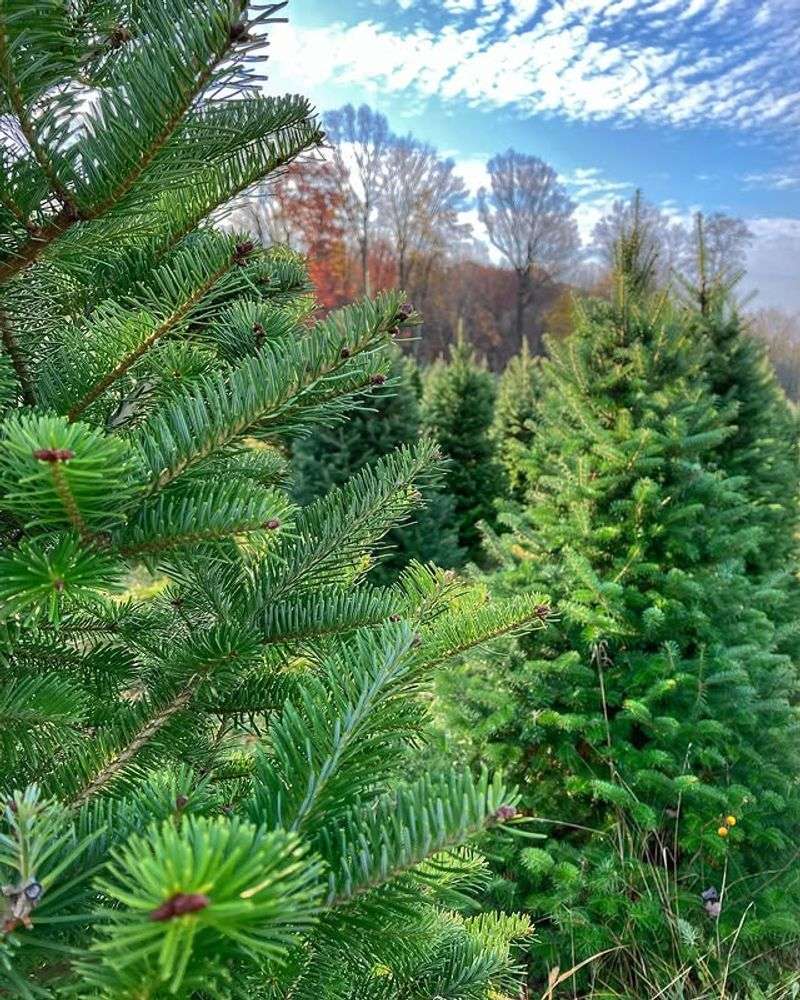
As a variety of balsam fir, Canaan fir brings improved heat tolerance while retaining the cold hardiness Montana landscapes demand.
This adaptation makes it particularly valuable for transitional climate zones where summer temperatures occasionally spike higher than typical mountain conditions.
Homeowners in valleys and mid-elevation communities find this tree bridges the gap between mountain-adapted species and those requiring milder conditions.
Canaan fir develops a pleasingly symmetrical growth habit with strong branch angles that resist snow damage. Mature trees reach 40 to 55 feet tall with a spread of 20 to 25 feet, fitting comfortably in medium to large residential yards.
The dark green needles have a soft texture and release a pleasant fragrance similar to balsam fir, adding sensory appeal to the landscape.
Unlike some fir species that struggle during hot, dry periods, Canaan fir demonstrates moderate drought tolerance once established, though it performs best with consistent moisture.
Plant it in well-drained soil with organic matter worked in to support healthy root development. The tree adapts to full sun or partial shade, offering flexibility in placement throughout your property.
Its improved heat tolerance doesn’t compromise winter hardiness—Canaan fir handles Montana’s coldest temperatures without damage.
For landscapes experiencing variable weather patterns and occasional summer heat, this adaptable fir provides reliable evergreen beauty with greater climate flexibility than many traditional mountain species.
7. Noble Fir (Abies Procera)
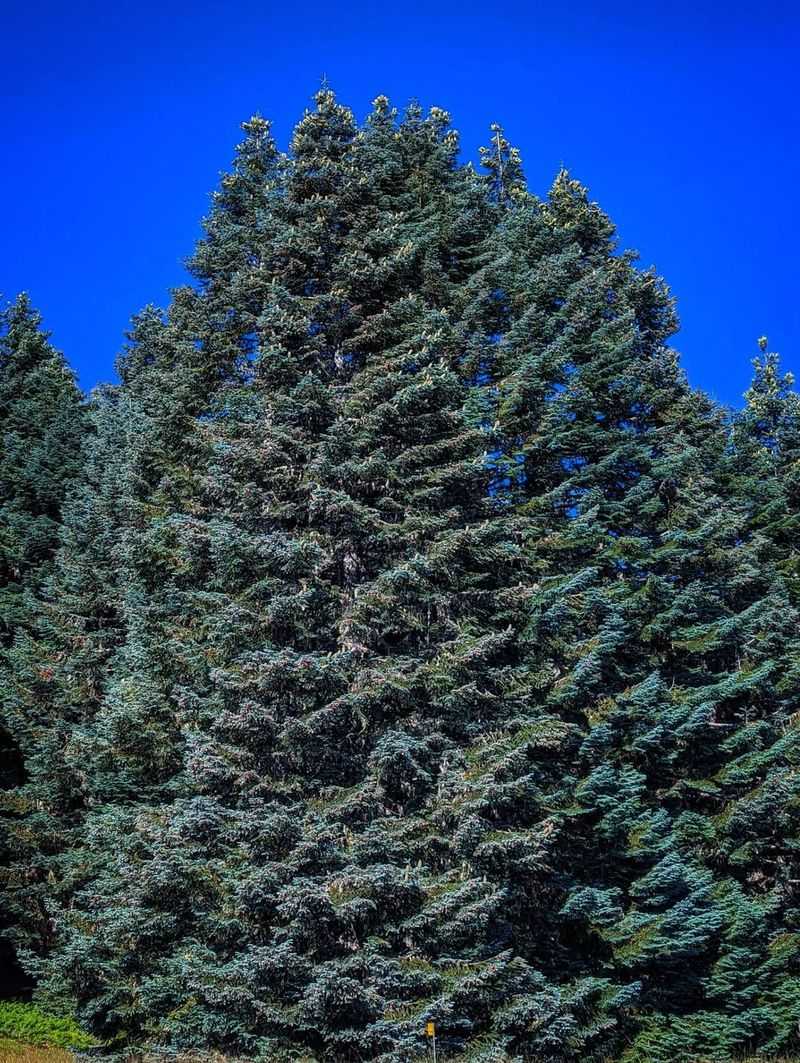
With its striking blue-green foliage and exceptionally strong branch structure, noble fir brings architectural beauty to western Montana landscapes.
This Pacific Northwest native adapts well to Montana’s western valleys, where precipitation patterns and climate conditions more closely resemble its ancestral range.
The tree’s stiff, upward-curving branches create a distinctive appearance that sets it apart from other fir species in the landscape.
Noble fir can reach impressive heights of 70 to 90 feet at maturity, though landscape specimens often stay smaller with proper site selection and occasional pruning.
The thick, rigid branches support heavy snow loads without bending or breaking, making this tree remarkably resilient during Montana’s harsh winters.
Its blue-gray needles provide unique color that complements both traditional and contemporary home styles. For optimal growth, plant noble fir in well-drained soil where water doesn’t pool after rain or snowmelt.
The tree prefers full sun but tolerates light afternoon shade, particularly during establishment. While it needs regular moisture during its first few years, mature noble firs develop moderate drought tolerance.
Western Montana communities like Missoula, Hamilton, and surrounding areas provide ideal conditions for this species.
Beyond its immediate visual appeal, noble fir offers long-term landscape value, maintaining its attractive form and color for decades with minimal care, making it a worthwhile investment for homeowners seeking distinctive evergreen presence.