7 Louisiana Plants To Prune In January And 3 You Should Leave Alone
January is an ideal time for Louisiana gardeners to prune certain plants, encouraging healthy growth and abundant blooms in spring.
Knowing which plants benefit from winter pruning, and which should be left alone, ensures your garden thrives without damaging buds or reducing flowers. Prune smart now and enjoy stronger, more vibrant plants later.
These plants respond well to winter pruning, including shrubs and perennials that benefit from shaping and removing old or crowded branches.
At the same time, some species should be left untouched until later to avoid harming emerging buds or blooms. Proper pruning techniques promote airflow, sunlight penetration, and overall plant health.
Timing and technique make all the difference for beautiful gardens. Louisiana gardeners who follow these guidelines can maintain healthy, attractive landscapes and enjoy abundant flowers throughout the season.
Prune the right plants now and let your garden flourish in spring.
1. Roses (Hybrid Tea, Floribunda, Knock Out Types)
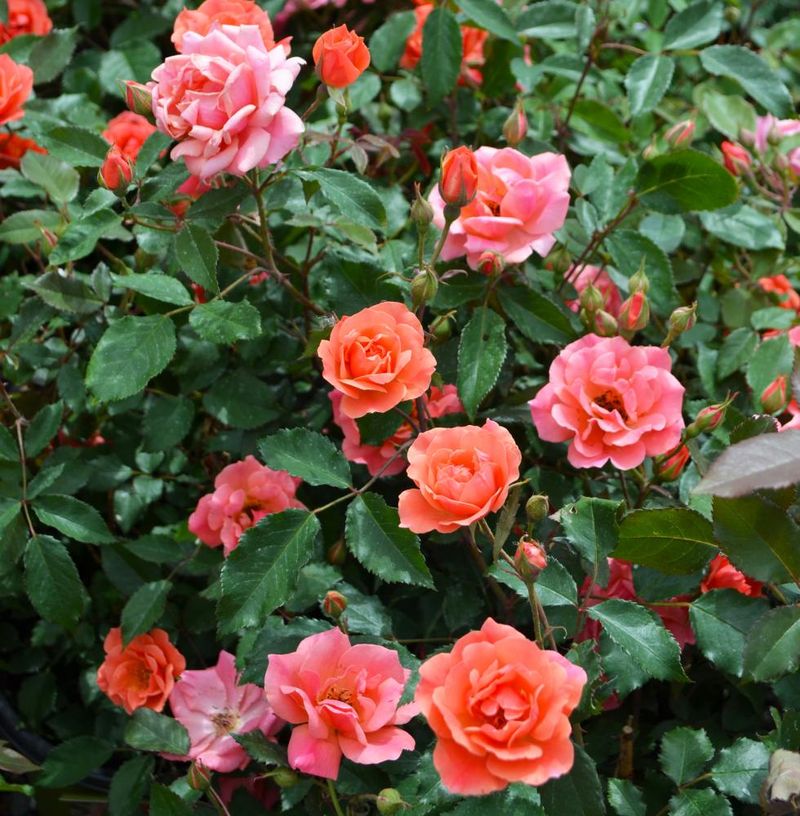
January offers Louisiana gardeners the perfect window to shape their rose bushes while the plants enjoy their winter rest.
Dormancy means the plant’s energy isn’t focused on producing leaves or flowers, so pruning now causes minimal stress and prepares roses for explosive spring growth.
Louisiana’s mild winters and extended growing season make this timing especially beneficial, allowing plants to recover quickly when temperatures warm.
Start by reducing the overall height of your rose bushes to about 18 to 24 inches, which encourages strong new canes to emerge from the base. Remove any weak, spindly, or damaged canes that won’t contribute to a healthy plant structure.
Pay special attention to canes that cross or rub against each other, as these create wounds that invite pests and disease. Improving airflow through the center of the plant is crucial in Louisiana’s humid climate where fungal problems thrive.
Open up the interior by removing inward-growing branches and creating a vase-like shape that allows sunlight and air to reach all parts of the plant. Clean, angled cuts made just above outward-facing buds will direct new growth away from the center.
This dormant-season pruning sets the foundation for vigorous spring blooms and healthier plants throughout the year.
Your roses will reward your January efforts with stronger stems, larger flowers, and better resistance to common Louisiana garden challenges.
2. Muscadine Grapevines (Vitis rotundifolia)
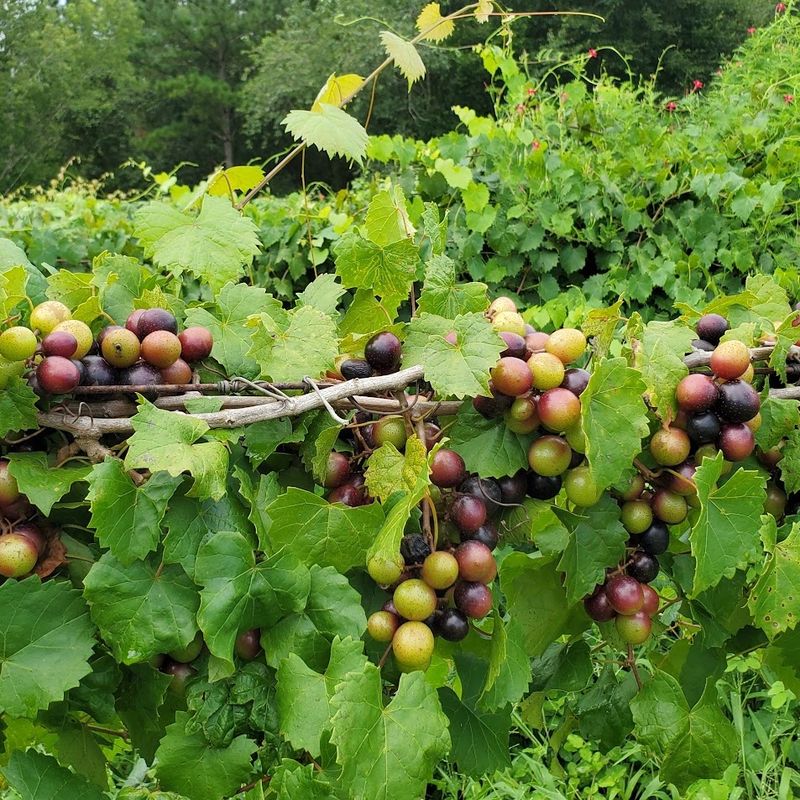
Muscadine grapevines thrive throughout Louisiana, producing sweet, thick-skinned grapes that are perfect for fresh eating, jelly-making, and wine production.
January pruning while vines are dormant is essential for maintaining productive plants that deliver generous harvests year after year.
Without proper pruning, muscadines become tangled masses of unproductive wood that yield fewer and smaller fruits. Focus your efforts on thinning out excess canes to allow sunlight to reach the fruiting spurs where grapes will develop.
Muscadines produce fruit on current-season growth that emerges from one-year-old wood, so your goal is to maintain a balance of productive spurs while removing older, exhausted canes.
Select the healthiest spurs spaced about six to eight inches apart along your main cordons or arms. Remove weak, tangled, or overly vigorous shoots that crowd the canopy and compete for resources.
Your Louisiana Garden Changes Every Week. Your Plan Should Too.
Gardening in Louisiana changes quickly throughout the season. Every Friday you’ll receive a simple weekly plan showing exactly what to plant, prune, fertilize, harvest, and protect so you never miss the right timing.
Proper structure control means maintaining a framework that’s easy to manage and harvest, whether you’re growing on an arbor, fence, or trellis system. Don’t be afraid to cut aggressively, as muscadines are vigorous growers that respond well to heavy pruning.
This winter maintenance dramatically improves fruit production by directing the plant’s energy into fewer, more productive growing points.
Well-pruned muscadine vines produce larger grape clusters with better sugar development and are easier to protect from birds and other wildlife when harvest time arrives.
3. Fig Trees (Ficus carica)
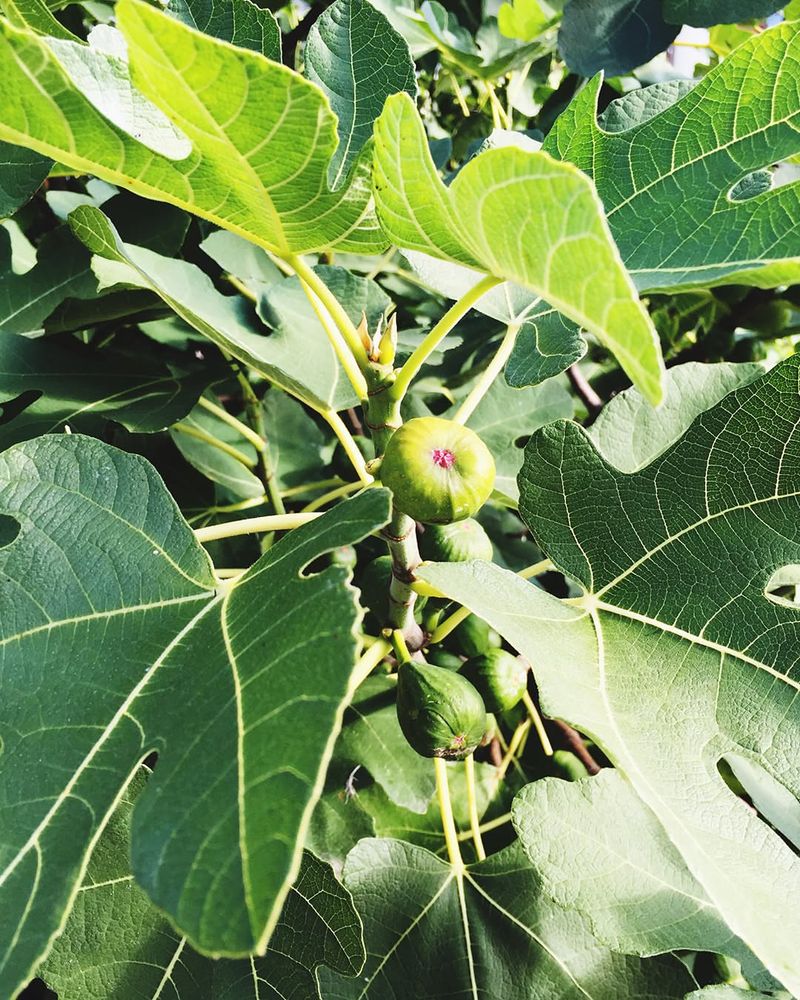
Fig trees have become beloved fixtures in Louisiana gardens, producing sweet fruits that ripen during our long, warm summers.
January presents an ideal moment to address structural issues and clean up damage from occasional winter cold snaps without compromising the tree’s natural beauty.
Light, strategic pruning now helps maintain manageable size while promoting better air circulation through the canopy. Begin by removing any branches that show frost damage, which appears as darkened, shriveled wood that won’t recover come spring.
Look for crowded interior branches that block sunlight from reaching the center of the tree, as figs produce best when light penetrates throughout the canopy.
Thinning these congested areas improves fruit quality and reduces humidity-related problems that plague Louisiana gardens. Shape your fig tree by selecting a few strong main branches that form an open, spreading structure.
Remove suckers that emerge from the base of the tree, as these drain energy from fruit production and create unnecessary clutter. Be cautious not to over-prune, as figs produce fruit on both old and new wood depending on the variety.
Maintaining good airflow is particularly important in our humid climate where fungal issues can quickly take hold. A well-pruned fig tree dries faster after rain and dew, reducing the likelihood of rust and other common diseases.
Your January pruning efforts will result in a healthier, more productive tree that’s easier to harvest and maintain throughout the growing season.
4. Crape Myrtle (Lagerstroemia indica)
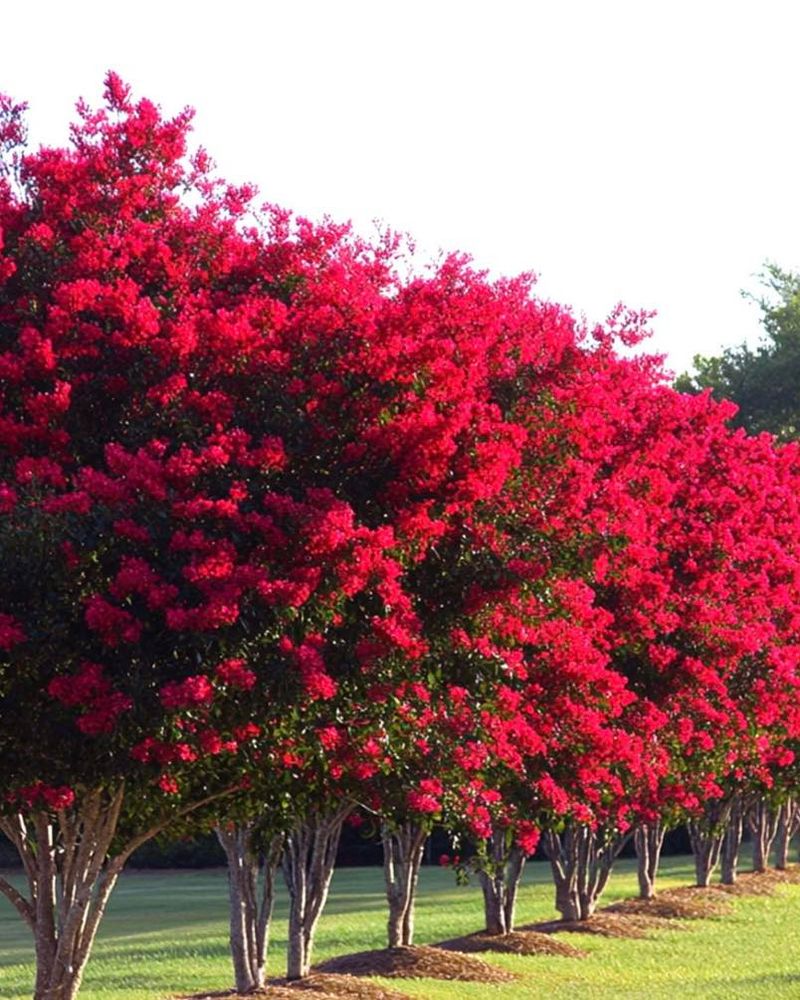
Crape myrtles stand as icons of Southern landscapes, their spectacular summer blooms painting Louisiana neighborhoods in shades of pink, purple, red, and white.
Unfortunately, these beautiful trees often suffer from excessive pruning practices that ruin their natural form and create weak, knobby growth.
January offers the right timing for thoughtful pruning that enhances rather than destroys the tree’s elegant branching structure.
Resist the urge to top your crape myrtles by cutting all branches back to uniform stubs, a practice unfortunately nicknamed “crape murder” by horticulturists.
Instead, focus on selective thinning that removes crossing branches and opens the interior canopy to light and air. Remove any branches that rub against each other or grow toward the center of the tree, as these create wounds and congestion.
Thin out small, twiggy growth from the interior while preserving the main scaffold branches that give your tree its distinctive character.
Light pruning maintains the graceful, multi-trunked form that makes crape myrtles so attractive even in winter when their smooth, exfoliating bark becomes a focal point.
Remove any suckers growing from the base and prune out spent seed heads if desired for a tidier appearance. Proper pruning actually improves flowering by directing energy into fewer, stronger bloom clusters rather than numerous weak shoots.
Your crape myrtle will reward gentle January shaping with magnificent summer flowers and maintain the sculptural beauty that makes these trees treasured landscape specimens throughout Louisiana.
5. Deciduous Fruit Trees (Peach, Apple, Pear)
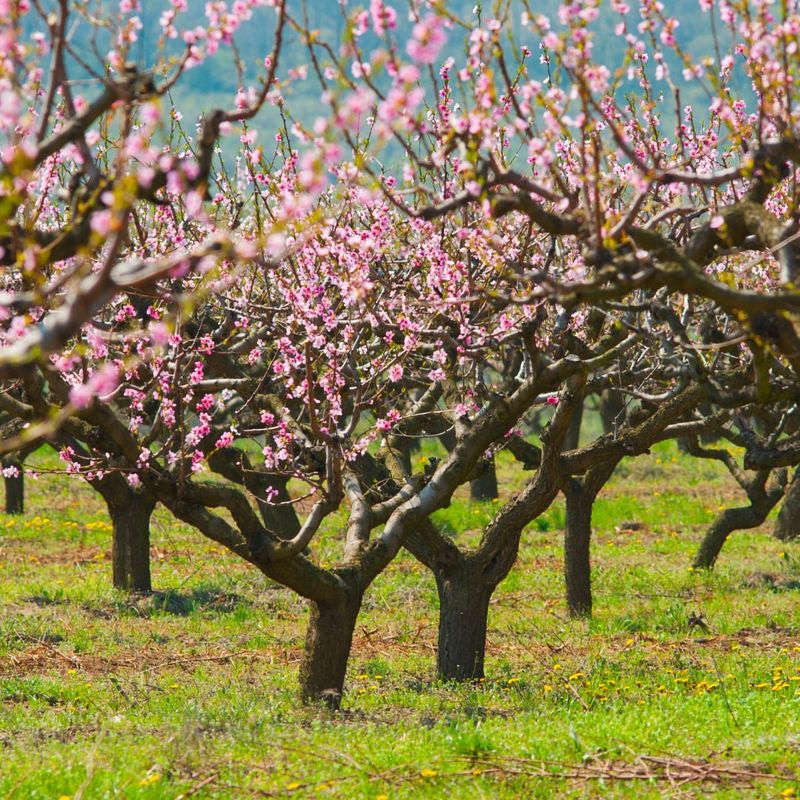
Deciduous fruit trees like peaches, apples, and pears benefit tremendously from dormant-season pruning that shapes their structure and maximizes fruit production.
January in Louisiana provides the perfect opportunity to work on these trees before sap begins flowing and buds start swelling with the approach of early spring. Pruning now minimizes stress and allows trees to heal quickly when active growth resumes.
Young trees require training to establish strong scaffold branches that will support years of heavy fruit loads.
Select three to five well-spaced branches that emerge from the trunk at wide angles, creating an open center or modified central leader form depending on the species.
Remove competing branches and any growth that creates narrow crotch angles prone to splitting under weight.
Mature trees need annual maintenance that removes water sprouts, those vigorous vertical shoots that drain energy without producing fruit.
Thin out crowded branches to improve sunlight penetration throughout the canopy, as fruits develop better color and sweetness when exposed to adequate light. Cut away any branches showing disease or damage from previous seasons.
Louisiana’s early warm-up means you should complete fruit tree pruning by late January to avoid working too close to bud break. Well-pruned trees produce larger, higher-quality fruits and are easier to spray, thin, and harvest.
Your winter efforts establish the framework for productive trees that deliver bountiful harvests for years to come.
6. Panicle And Smooth Hydrangeas (Hydrangea paniculata, Hydrangea arborescens)
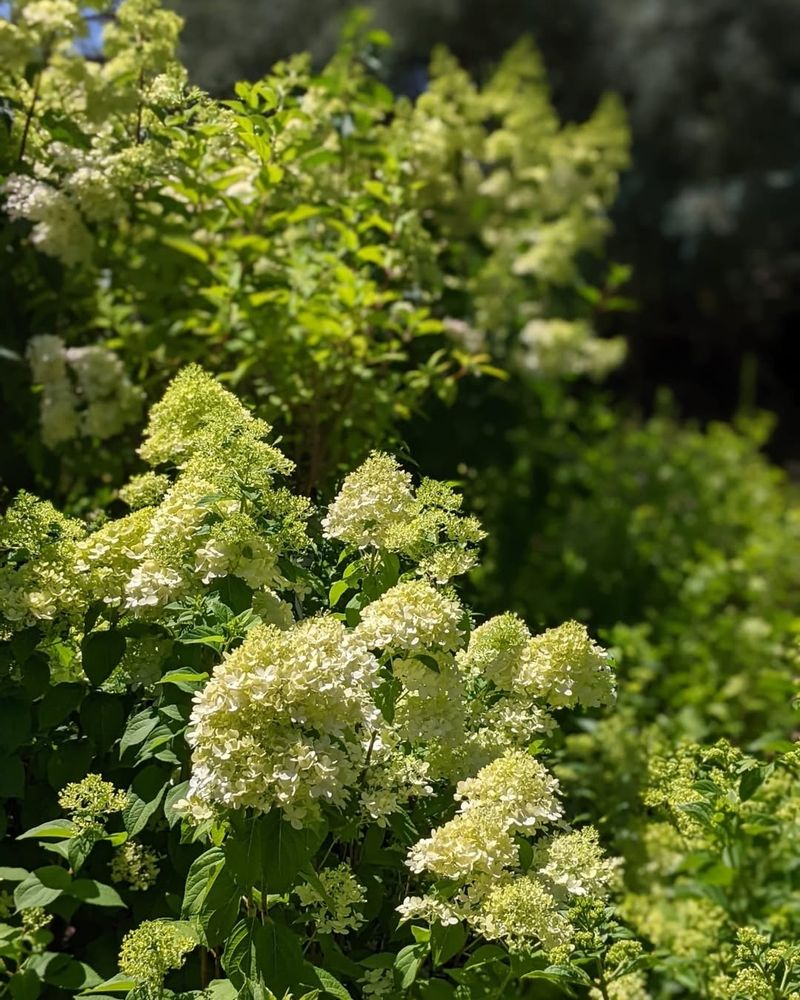
Not all hydrangeas appreciate winter pruning, but panicle and smooth hydrangeas are wonderful exceptions that bloom on new wood produced during the current growing season.
January pruning of these specific types won’t sacrifice flowers because blooms form on fresh growth that emerges after pruning.
Understanding which hydrangea you have makes all the difference between enjoying abundant flowers or wondering why your shrub refuses to bloom.
Panicle hydrangeas like ‘Limelight’ and ‘Vanilla Strawberry’ can be cut back by one-third to one-half their height in January, which encourages stronger stems that better support the large flower clusters.
Smooth hydrangeas such as ‘Annabelle’ can be pruned even more aggressively, sometimes cut nearly to the ground, and will still produce full-sized blooms on new growth.
This rejuvenation prevents the floppy, weak stems that plague unpruned plants. Remove any damaged or crossing branches while shaping the overall plant to your desired size.
January’s cooler temperatures mean you can prune confidently without worrying about triggering premature new growth that might be damaged by late winter cold snaps.
Focus on creating a balanced framework that will support the heavy flower heads these hydrangeas produce. Proper winter pruning results in sturdier plants with larger, more impressive blooms that don’t flop over after summer rains.
Your hydrangeas will maintain a compact, manageable size while delivering the spectacular flower show that makes these shrubs so popular in Louisiana landscapes.
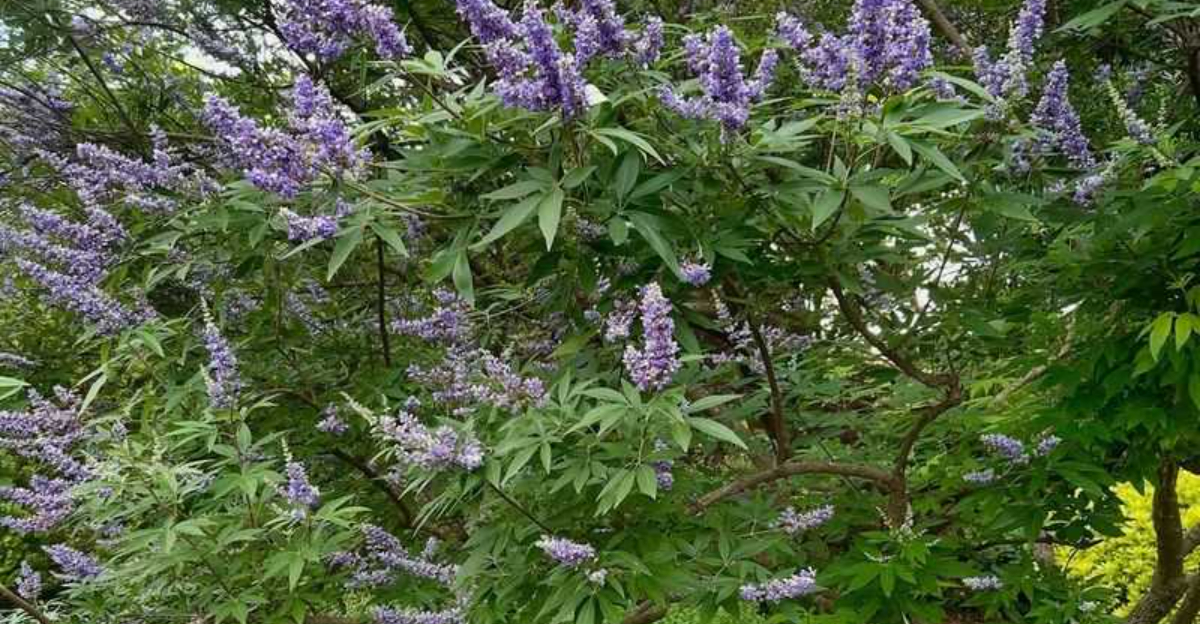
7. Vitex (Chaste Tree – Vitex agnus-castus)
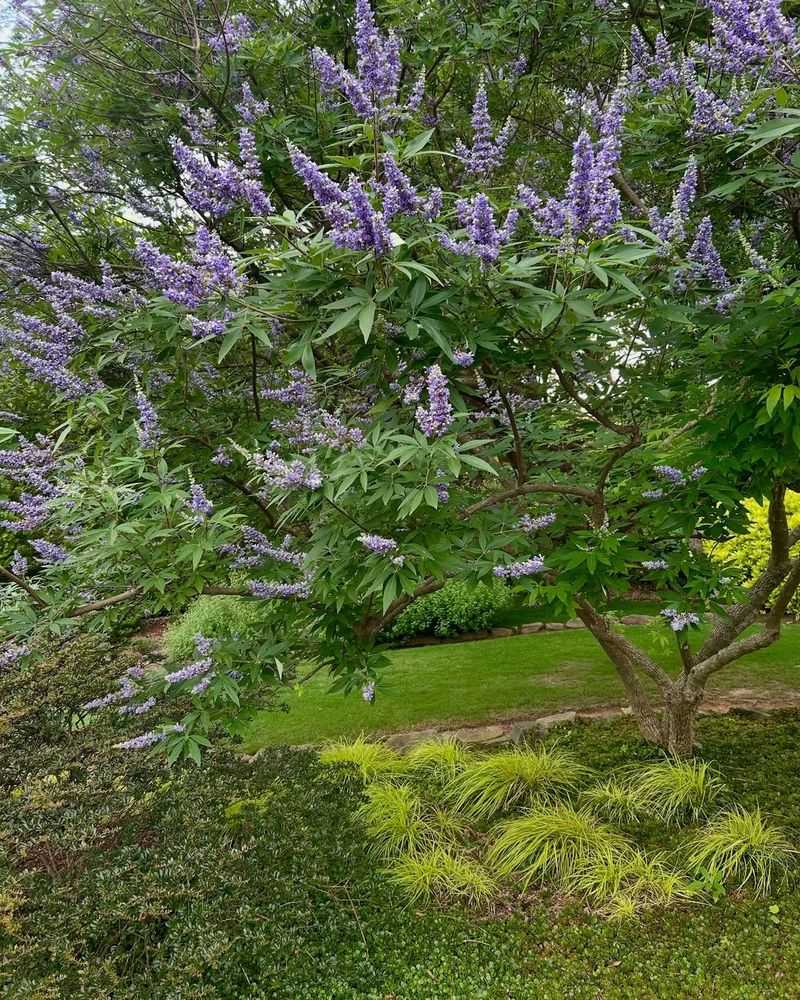
Vitex brings stunning spikes of lavender-blue flowers to Louisiana gardens during the heat of summer when many other plants struggle to bloom.
This tough, adaptable shrub can quickly grow into a large, somewhat unruly plant if left unpruned, but responds beautifully to winter shaping that controls size while promoting even more impressive flowering.
January pruning takes advantage of dormancy to restructure plants without sacrificing the summer show. Vitex blooms on new wood, meaning flowers form on the current season’s growth rather than on branches produced the previous year.
This growth habit makes winter pruning not just safe but actually beneficial for flower production. Cut back the previous year’s growth by one-half to two-thirds, which may seem drastic but encourages vigorous new shoots that produce the best flower spikes.
Shape your vitex by removing crossing or crowded branches and maintaining either a single-trunk tree form or a multi-stemmed shrub depending on your preference.
Vitex naturally wants to sucker and spread, so remove unwanted shoots from the base to maintain your chosen form. Don’t worry about cutting too much, as vitex is incredibly forgiving and bounces back quickly when warm weather arrives.
Proper winter pruning keeps vitex at a manageable size for smaller gardens while maximizing the production of those gorgeous flower spikes that attract butterflies and hummingbirds.
Your January efforts result in a tidier, more floriferous plant that delivers months of color during Louisiana’s challenging summer heat.
8. Azaleas
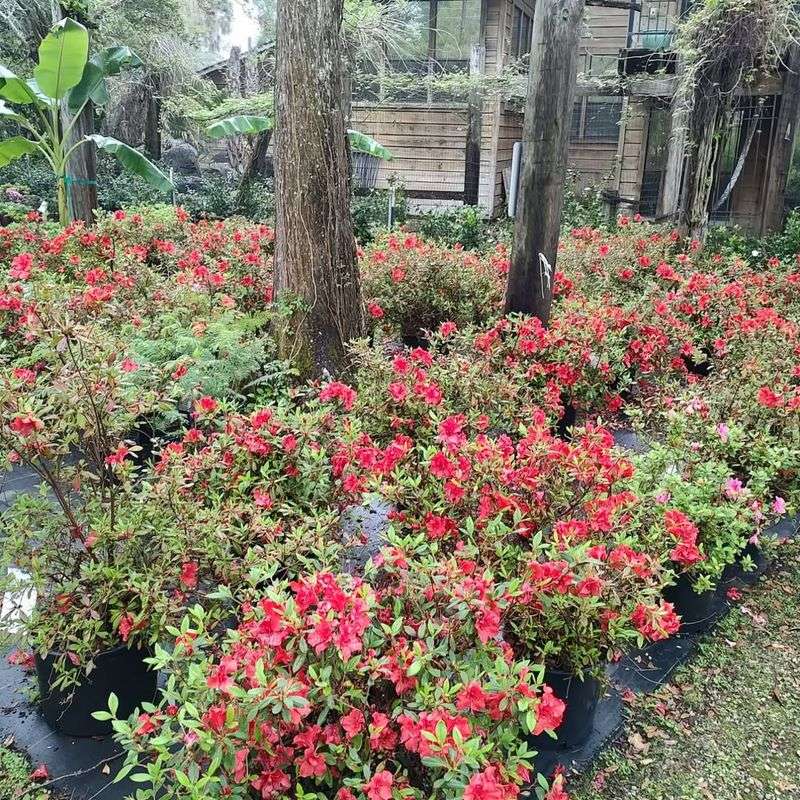
Azaleas reign as Louisiana’s spring royalty, transforming landscapes into breathtaking displays of pink, purple, white, and red from February through April depending on variety.
These beloved shrubs require a hands-off approach during January because they set their flower buds during the previous fall, and those precious buds are already formed and waiting to open when warm weather arrives.
Pruning now means cutting away the spring show you’ve been anticipating all winter. Understanding azalea bloom timing is crucial for proper maintenance.
After flowers fade in spring, new growth emerges and the plant focuses energy on establishing branches and foliage throughout summer.
By late summer and fall, flower buds form at the tips of these branches, entering dormancy through winter until triggered to open by warming temperatures and lengthening days.
January pruning removes these dormant flower buds along with the branches, leaving you with a tidy but bloomless shrub come spring.
The disappointment of missing azalea season because of untimely pruning is a common mistake that gardeners make only once before learning this important lesson.
Patience now rewards you with the spectacular floral display that makes azaleas such treasured landscape plants. Wait until immediately after flowering ends to shape or resize your azaleas.
This timing allows you to enjoy the blooms while giving plants the entire growing season to produce new branches and set buds for the following year.
Your restraint in January ensures the colorful spring show that Louisiana gardens are famous for continues uninterrupted.
9. Camellias
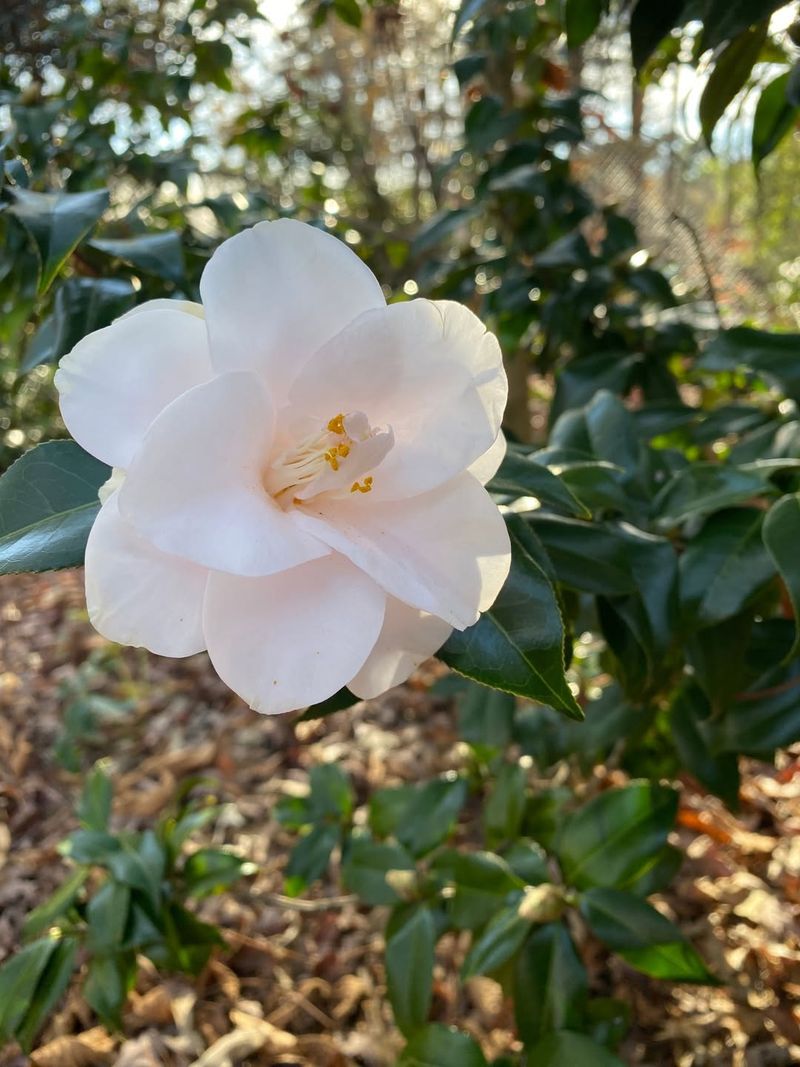
Camellias provide spectacular winter and early spring color in Louisiana gardens, their elegant blooms appearing when most other plants remain dormant.
These Southern classics develop flower buds months before they actually open, with many varieties blooming from November through March depending on type.
January often finds camellias in peak flower or approaching their bloom period, making this absolutely the wrong time to reach for pruning shears. Camellia buds form during summer and gradually swell through fall, preparing to open during their designated bloom window.
Sasanqua camellias typically flower from fall into early winter, while japonica varieties bloom from mid-winter through spring.
Pruning during January removes both open flowers and the swollen buds waiting to unfold, sacrificing months of anticipated beauty for the sake of tidiness. The timing of camellia pruning directly impacts the following season’s bloom display.
Cutting branches now not only ruins the current show but also removes wood that would produce next year’s flowers. Camellias bloom on mature wood, so maintaining established branches is essential for consistent flowering year after year.
Wait until flowers fade completely before addressing any pruning needs. The ideal window opens right after blooming ends, giving plants the entire growing season to produce new branches that will mature and set buds for the next winter’s display.
Your patience preserves the glossy evergreen foliage adorned with those gorgeous blooms that make camellias such prized specimens in Louisiana landscapes.
10. Gardenias
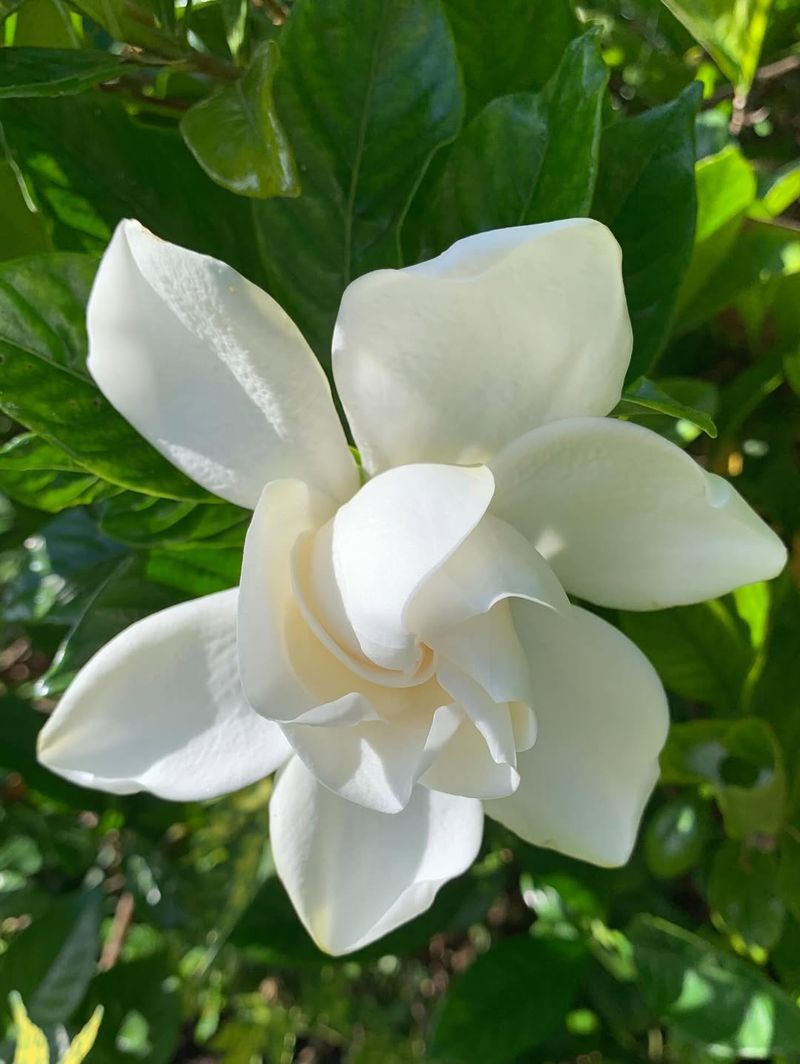
Gardenias captivate Louisiana gardeners with their intoxicating fragrance and creamy white blooms that appear from late spring through summer.
These temperamental beauties require specific care to perform well, and understanding their flower bud development is critical for maintaining the bloom production that makes growing gardenias worthwhile despite their sometimes finicky nature.
January pruning interferes with the bloom cycle and exposes plants to potential cold damage. Flower buds on gardenias begin forming during late summer and fall, developing slowly through winter in preparation for their main flush of bloom in May and June.
These buds are sensitive to cold temperatures and can be damaged by Louisiana’s occasional winter freezes. Pruning in January removes developing buds and stimulates new growth that’s vulnerable to late-season cold snaps that can occur through February.
Gardenias bloom primarily on old wood, meaning flowers form on branches produced during previous growing seasons.
Cutting back plants during winter removes this mature wood along with the flower buds it carries, resulting in sparse or absent blooms when you’re expecting that incredible fragrance to fill your garden.
The disappointment of a bloomless gardenia season is particularly frustrating given the care these plants demand. Wait until after the main bloom period ends in early summer to address any shaping or size reduction needs.
Post-bloom pruning allows you to enjoy the flowers while giving plants adequate time to produce new growth that will mature and set buds for the following season.
Your winter restraint ensures gardenias deliver the fragrant blooms that make these challenging plants worth the effort.