The Best Time To Prune Roses In Oregon (For Bigger, Better Blooms)
Roses are one of the most rewarding plants to grow, but getting big, beautiful blooms takes a little timing and care.
In Oregon, our mild winters and rainy springs mean the right moment to prune can make a huge difference in how healthy and vibrant your roses look throughout the season.
Pruning isn’t just about keeping roses tidy, it encourages stronger stems, more flowers, and better airflow, which helps prevent disease. You don’t need to be an expert or spend hours in the garden to see results.
Even a few simple steps at the right time can transform a scraggly bush into a showstopper.
Whether you have a single rosebush or a full row of them, understanding the local climate and growth patterns is key.
Timing your cuts, knowing which branches to trim, and giving your plants some basic care afterward will help your roses thrive and produce blooms that are bigger, brighter, and more fragrant.
Let’s take a closer look at the best time to prune roses in Oregon and some practical tips to make sure your garden looks its absolute best all season long. With the right approach, your roses can become the highlight of your yard.
1. Why Late Winter Is Prime Pruning Season In Oregon
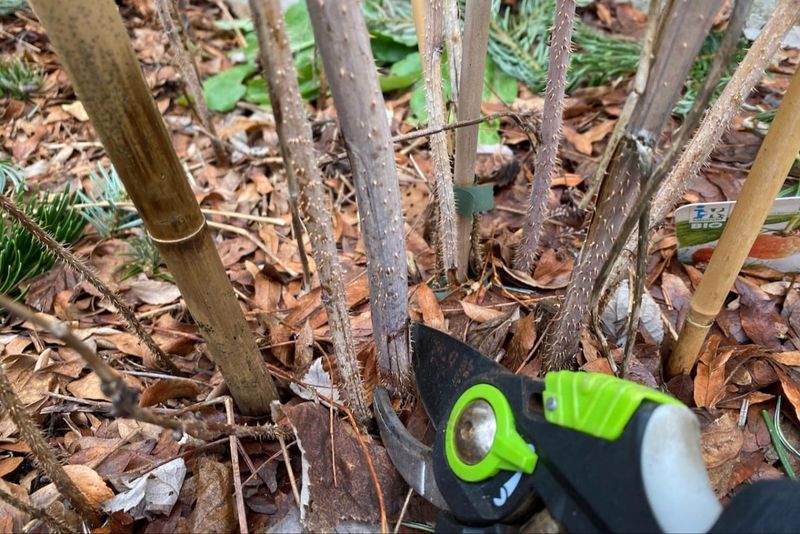
Late winter in Oregon is when your roses are still asleep, but spring is just around the corner.
Pruning during this dormant window, usually mid-February through early March, gives your plants time to heal before they wake up and start pushing out new growth.
You avoid the risk of frost damage on fresh cuts, and you also prevent the plant from wasting energy on branches you’re about to remove anyway.
Oregon’s mild winters mean roses don’t always go fully dormant like they do in colder states. But late winter is still the safest bet because the worst of the cold has passed and the chance of a hard freeze is low.
This timing also helps you see the plant’s structure clearly since most leaves have dropped, making it easier to spot dead or crossing branches.
Pruning too early in winter can expose tender new growth to unexpected cold snaps. Waiting until late winter protects your roses while giving them a head start on vigorous spring growth.
The result is stronger canes, more blooms, and healthier plants that can handle Oregon’s sometimes unpredictable spring weather.
When you prune at the right time, you’re setting your roses up to channel all their energy into producing big, beautiful flowers instead of recovering from poorly timed cuts.
2. How To Tell When Roses Are Ready To Be Pruned
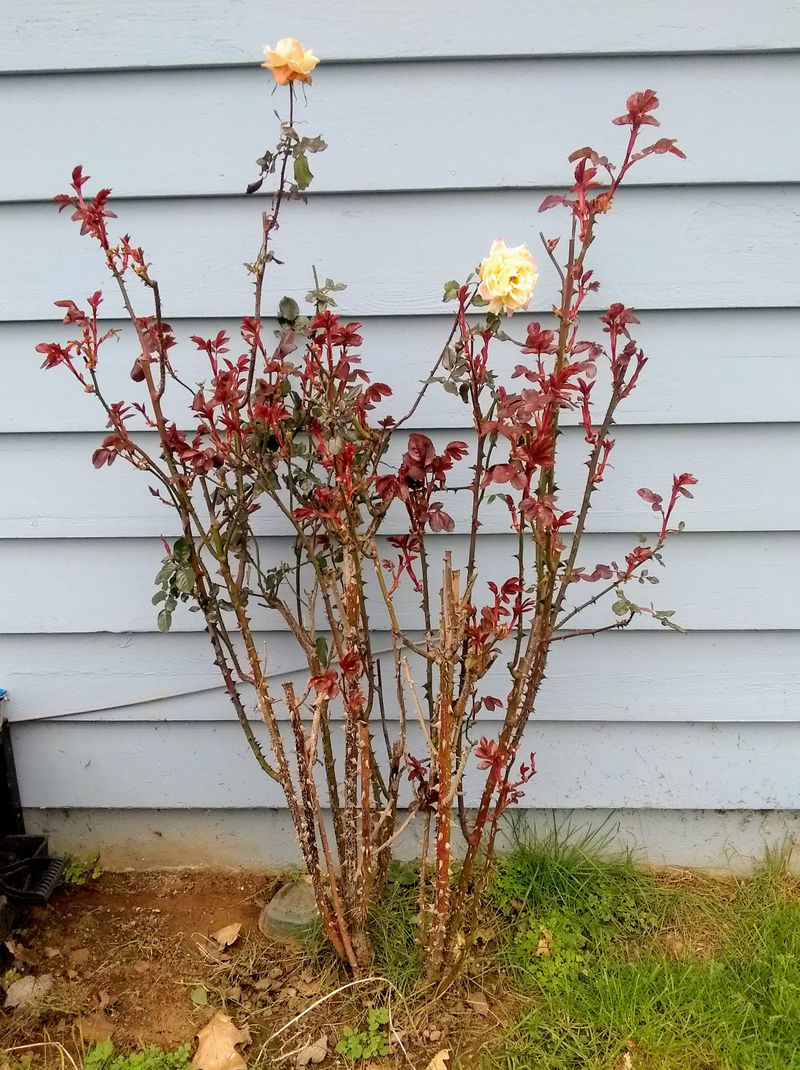
Knowing when your roses are ready to prune is easier than you think. Look for the first signs of spring activity, tiny red or green leaf buds swelling along the canes.
These buds, called bud break, tell you the plant is waking up and it’s time to get your pruners out. In Oregon, this usually happens in late February or early March, but it can vary depending on where you live in the state.
Your Oregon Garden Changes Every Week. Your Plan Should Too.
Gardening in Oregon changes quickly throughout the season. Every Friday you’ll receive a simple weekly plan showing exactly what to plant, prune, fertilize, harvest, and protect so you never miss the right timing.
Coastal gardeners might see bud break earlier than those in the Willamette Valley or eastern Oregon. Pay attention to your specific microclimate and watch your plants, not just the calendar.
If you prune too early, before any bud activity, you risk exposing cuts to lingering cold. If you wait too long, the plant has already invested energy into growth you’re about to cut off.
Another good indicator is the blooming of forsythia, which often coincides with ideal rose pruning time in many regions.
Once you see those bright yellow forsythia blooms popping up around your neighborhood, it’s a great reminder to check your roses for swelling buds.
Trust your eyes and your roses, they’ll tell you when they’re ready. This simple observation habit leads to healthier plants and more spectacular blooms all season long.
3. The Difference Between Spring And Fall Pruning
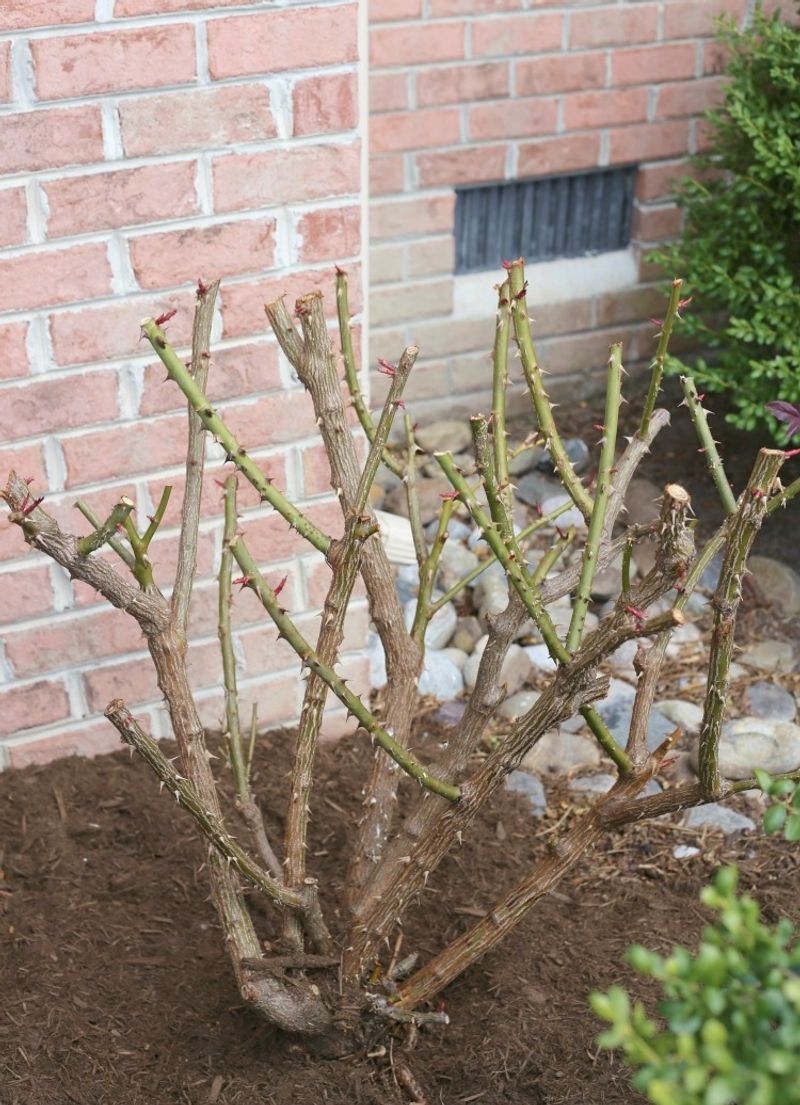
Spring pruning is your main event, the big annual haircut that shapes your roses and encourages vigorous new growth. This is when you remove dead wood, open up the center for airflow, and cut back canes to encourage strong blooms.
In Oregon, spring pruning happens in late winter or very early spring, right as plants start to wake up.
Fall pruning, on the other hand, is much lighter and mostly about tidying up. You might deadhead spent blooms, remove any obviously diseased or damaged canes, and do a little shaping to keep plants from getting too leggy before winter.
But you don’t want to do heavy cutting in fall because it can stimulate new growth that won’t have time to harden off before cold weather arrives.
Oregon’s relatively mild fall and winter can tempt gardeners to prune more than they should in autumn. Resist that urge.
Save the serious cutting for late winter when the plant is ready to put all its energy into spring growth and blooms.
Understanding this difference helps you avoid common mistakes that weaken plants or reduce flower production. Spring is for shaping and rejuvenating, while fall is for gentle cleanup and maintenance, nothing more.
4. Weather Mistakes That Ruin Bloom Potential
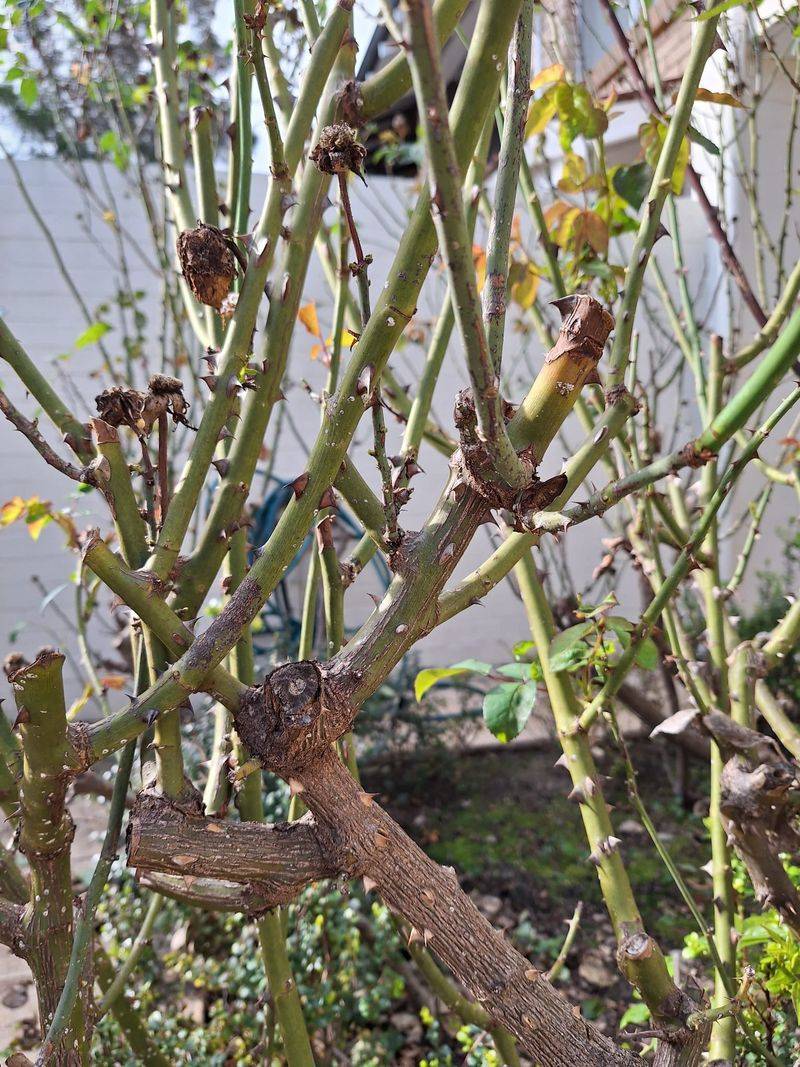
Pruning on the wrong day can undo all your hard work, especially in Oregon where weather can be unpredictable. One of the biggest mistakes is pruning right before a hard freeze.
Fresh cuts are vulnerable, and a sudden cold snap can damage or kill the canes you just carefully trimmed. Always check the forecast before you start cutting.
Another common mistake is pruning during wet, rainy weather. Oregon gardeners know rain well, but wet conditions increase the risk of spreading fungal diseases like black spot and powdery mildew from plant to plant on your pruners.
Wait for a dry day, or at least a break in the rain, to do your pruning. Clean, dry cuts heal faster and healthier.
Pruning too early in the season, when winter isn’t quite over, can also backfire. You might get a warm spell in January that tempts you to start early, but a February freeze can damage the new growth your plant pushes out after pruning.
Patience pays off, wait until late winter when the risk of hard frost has mostly passed.
By timing your pruning around Oregon’s weather patterns, you protect your roses and give them the best chance to produce healthy, abundant blooms all season long.
5. How Hard You Should Cut Back Roses
How much you cut depends on the type of rose you’re growing and what kind of blooms you want. Hybrid teas and floribundas benefit from harder pruning, cutting canes back to about 12 to 18 inches from the ground.
This encourages fewer but larger, showier blooms on strong new growth. It might feel scary to cut back so much, but these roses respond beautifully to aggressive pruning.
Shrub roses and old garden roses need lighter pruning. Remove dead or damaged wood, thin out crowded canes, and shape the plant, but don’t cut them back as hard.
These roses bloom on older wood, so heavy pruning can reduce flower production. A gentler touch keeps them healthy and blooming abundantly.
Climbing roses are different too. Prune them lightly in late winter, removing only dead or weak growth.
Save the heavier shaping for right after their main bloom period in summer. This preserves the canes that will produce next year’s flowers.
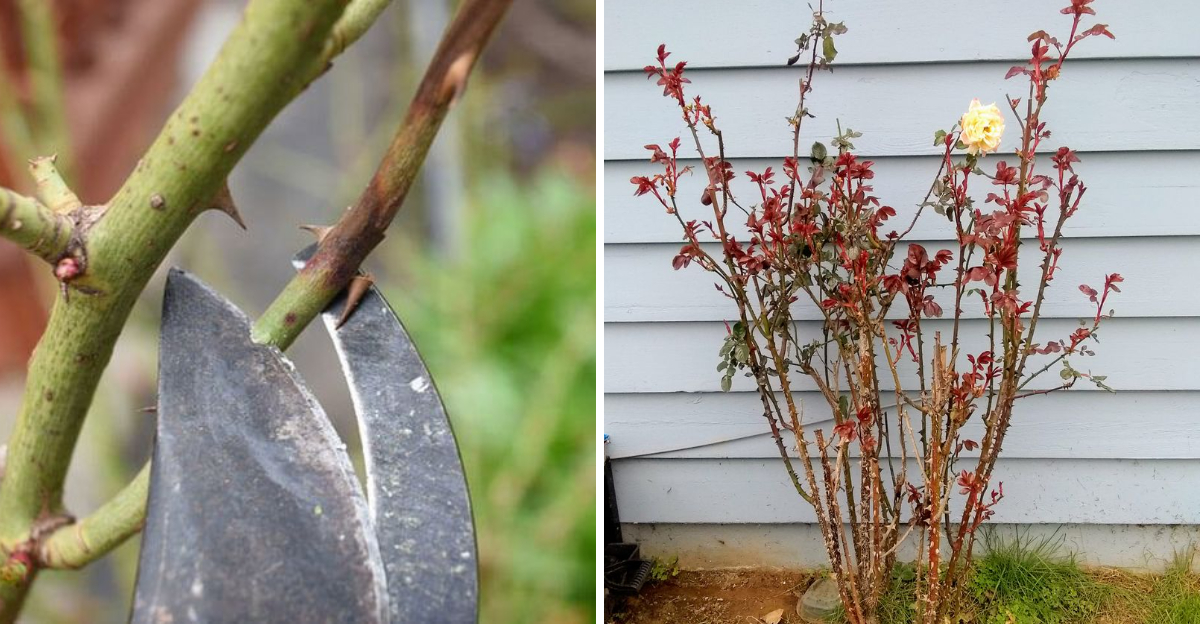
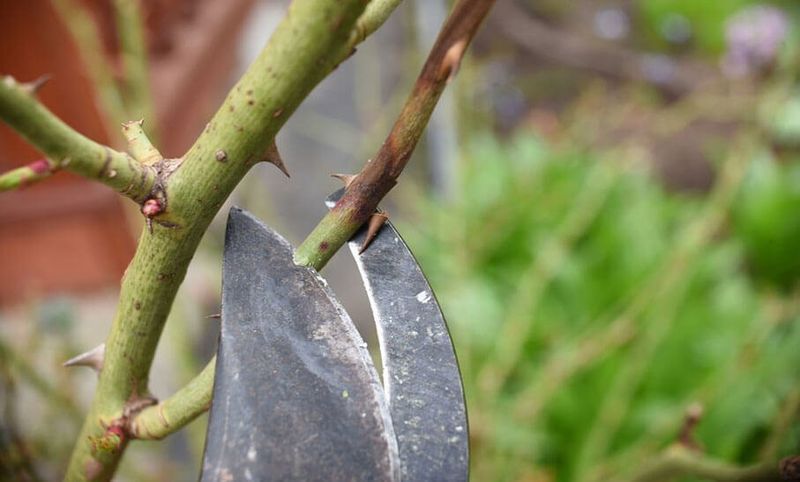
No matter what type you’re growing, always cut just above an outward-facing bud at a 45-degree angle. This directs new growth outward, opens up the center of the plant, and promotes better airflow and bigger blooms.
6. Tools That Make Cleaner, Healthier Cuts
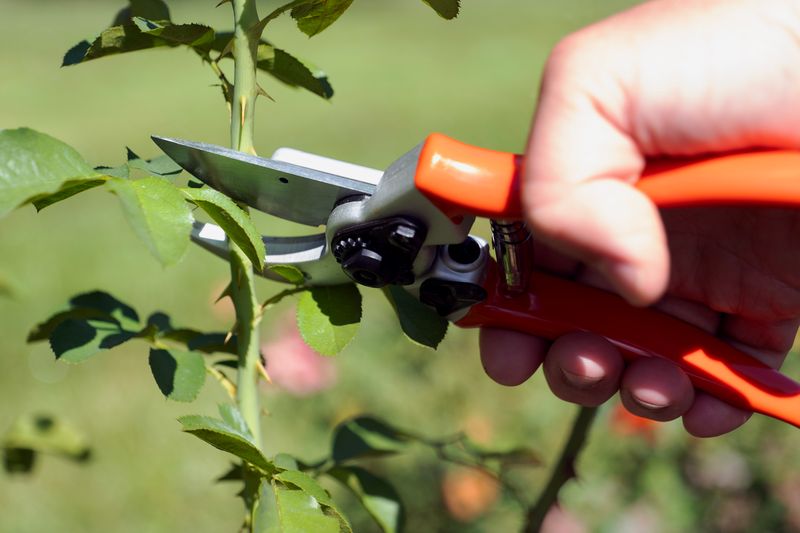
Sharp, clean tools are non-negotiable when it comes to pruning roses. Dull blades crush and tear canes instead of making clean cuts, which slows healing and invites disease.
Invest in a good pair of bypass pruners, they cut like scissors and make smooth, precise cuts that heal quickly. Avoid anvil-style pruners, which can crush stems.
For thicker canes, you’ll need loppers with long handles for extra leverage. A small pruning saw is also handy for removing old, woody canes that are too thick for pruners or loppers.
Keep all your tools sharp and clean. Wipe the blades with rubbing alcohol or a diluted bleach solution between plants to prevent spreading diseases.
Wearing thick gardening gloves is a must, rose thorns are no joke. Look for gloves that go up past your wrists to protect your forearms.
Some gardeners also like using a kneeling pad or garden stool to make the job more comfortable, especially if you have a lot of roses to prune.
Good tools make the job faster, easier, and safer for both you and your plants. Clean cuts heal faster, reduce disease risk, and help your roses bounce back stronger with more blooms.
7. What To Do After Pruning To Boost Blooms

Pruning is just the beginning, what you do afterward is just as important for getting bigger, better blooms. Start by cleaning up all the cuttings and debris around your roses.
Old leaves and pruned canes can harbor diseases and pests, so rake them up and throw them away or compost them in a hot compost pile that kills pathogens.
Next, apply a fresh layer of mulch around the base of each plant. Two to three inches of organic mulch like compost or shredded bark helps retain moisture, suppress weeds, and keep roots cool as the weather warms up.
Just keep the mulch a few inches away from the canes to prevent rot.
Fertilizing after pruning gives your roses the nutrients they need to support vigorous new growth and abundant blooms. Use a balanced rose fertilizer or compost, and follow the package directions.
In Oregon, early spring feeding right after pruning sets plants up for a strong growing season.
Finally, water deeply if the weather is dry. Even in Oregon’s typically wet spring, a good soaking after pruning helps roots recover and supports healthy new growth.
With these simple follow-up steps, your roses will reward you with the biggest, most beautiful blooms you’ve ever seen.