Grow These 13 Edible Flowers In Your Oregon Garden
Edible flowers are a fun way to brighten up your garden and your plate at the same time. In Oregon, our climate is perfect for a wide variety of blooms that are not only beautiful but also safe and tasty to eat.
From salads to desserts, these flowers can add color, flavor, and a little surprise to your meals.
You don’t need a huge garden or special skills to get started. Even a small sunny patch or a few containers can produce plenty of blooms to enjoy.
Some flowers are easy to grow, forgiving of our variable weather, and reward you with long-lasting color throughout the season.
Mixing shapes, colors, and flavors can make your garden a visual treat while giving you a playful ingredient for the kitchen. Whether you’re adding nasturtiums to a salad, sprinkling pansies on cupcakes, or steeping violets in tea, the possibilities are endless.
Let’s explore edible flowers that thrive in Oregon gardens and are simple to grow.
Make sure to only eat flowers that are positively identified, grown without pesticides, and harvested from clean areas. Never eat flowers from nurseries unless labeled edible, and avoid roadside or chemically treated plants.
With a little care and the right choices, you can create a garden that looks stunning, smells amazing, and even tastes delicious.
1. Calendula (Pot Marigold)
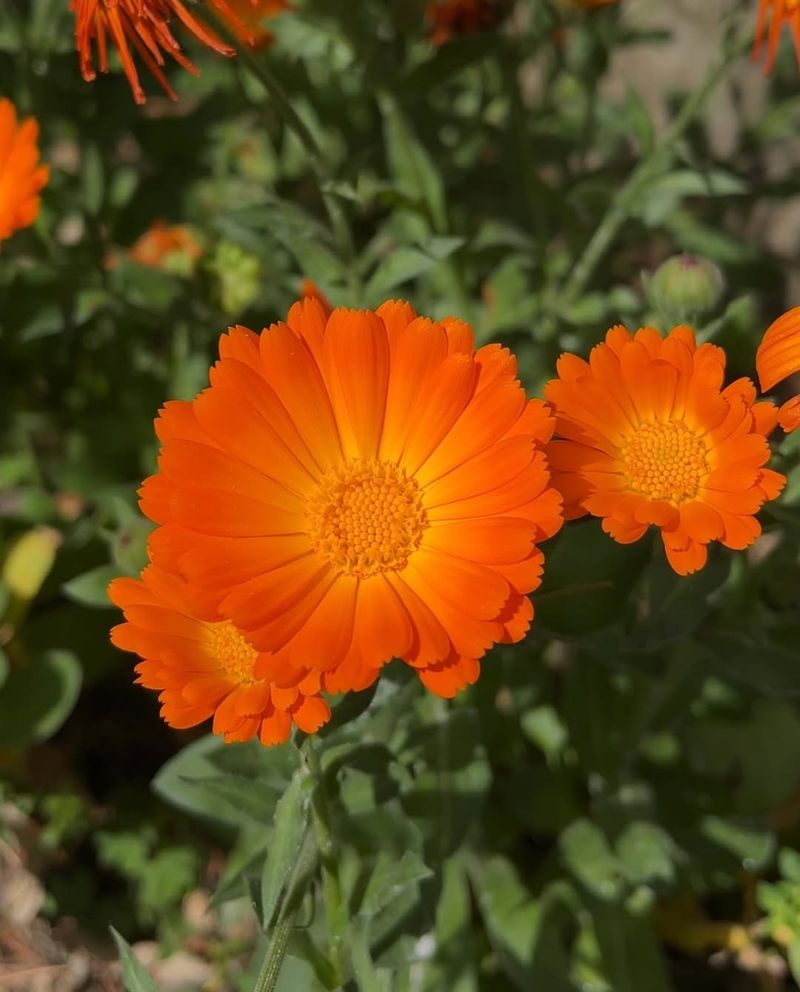
Bright orange and yellow calendula blooms light up Oregon gardens from spring through fall. They handle our cool mornings and gentle rain beautifully, making them one of the easiest edible flowers you can grow.
You can direct seed them in March or April, and they’ll keep blooming until frost if you deadhead regularly.
The petals have a slightly peppery, tangy flavor that works well in salads, soups, and rice dishes. Some people call calendula “poor man’s saffron” because the petals add a golden hue to food.
Just pull the petals off the flower head and sprinkle them fresh or dried over your dish.
Calendula thrives in full sun but tolerates part shade, which is handy in Oregon’s varied microclimates. It’s also a fantastic companion plant for tomatoes and lettuce, helping to repel aphids and attract beneficial insects.
The flowers self-seed readily, so you may find volunteers popping up year after year.
Always grow calendula organically if you plan to eat it. Avoid using pesticides or chemical fertilizers.
Rinse the petals gently before adding them to your cooking, and only eat the petals, not the green base or stems.
2. Nasturtium
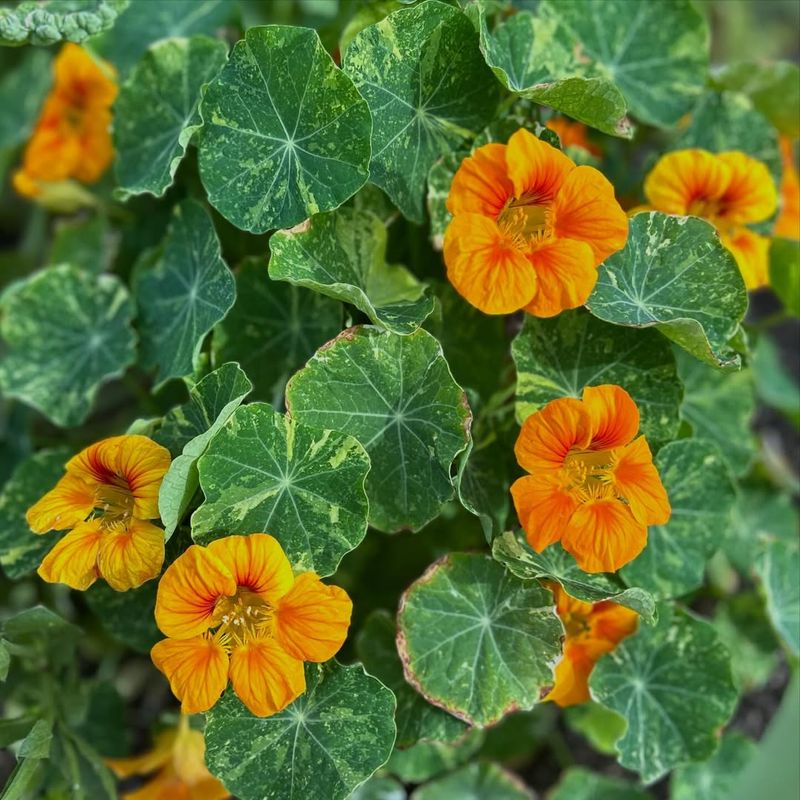
Nasturtiums are one of those flowers that make you feel like a gardening genius. They grow fast, bloom nonstop, and taste amazing.
Both the flowers and leaves have a peppery kick similar to arugula, making them a favorite for gardeners who love bold flavors.
In Oregon, you can plant nasturtiums after the last frost, usually in late April or early May. They prefer cooler weather and can struggle in hot, dry summers, but our mild climate suits them perfectly.
They grow well in containers, hanging baskets, or as a sprawling ground cover in vegetable beds.
Your Oregon Garden Changes Every Week. Your Plan Should Too.
Gardening in Oregon changes quickly throughout the season. Every Friday you’ll receive a simple weekly plan showing exactly what to plant, prune, fertilize, harvest, and protect so you never miss the right timing.
The round, lily-pad-like leaves and trumpet-shaped flowers come in shades of red, orange, yellow, and cream. They’re beautiful trailing over the edges of raised beds or weaving between squash and cucumber plants.
Nasturtiums also act as a trap crop for aphids, drawing pests away from your vegetables.
You can eat the entire flower, the leaves, and even the unripe seed pods, which taste like capers when pickled. Toss whole blossoms into salads, stuff them with herbed cream cheese, or use them as a garnish.
Just make sure you grow them without chemicals and rinse them well before eating.
3. Borage
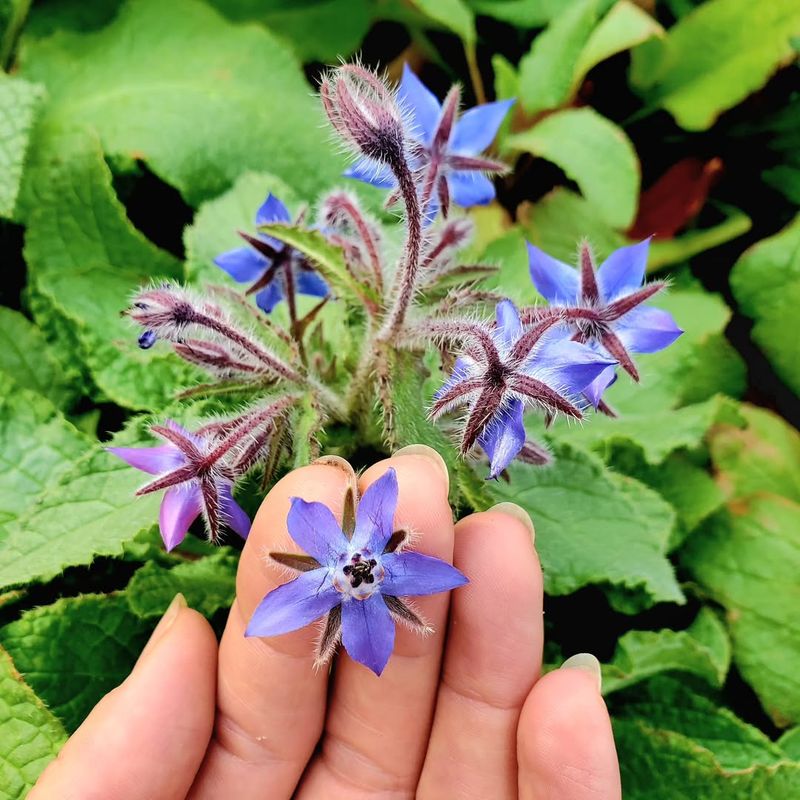
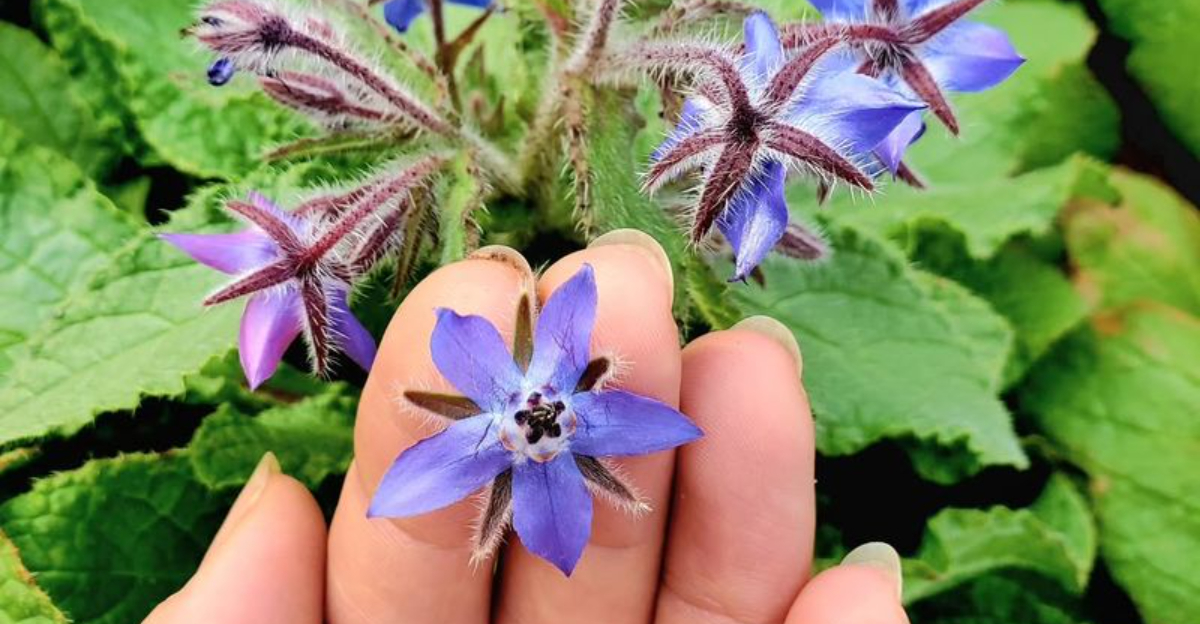
Borage is a showstopper in any Oregon garden. Its star-shaped blue flowers dangle from fuzzy stems and taste like fresh cucumber.
Bees absolutely adore borage, so planting it near your vegetable garden will boost pollination for tomatoes, squash, and beans.
This annual herb grows quickly from seed and thrives in Oregon’s cool spring weather. You can start it indoors in March or direct sow in April.
Borage doesn’t transplant well because of its deep taproot, so it’s best to plant seeds where you want them to grow.
The flowers are the edible part, though the young leaves can be used sparingly in salads. The petals have a mild, refreshing flavor that’s perfect for freezing into ice cubes, floating in lemonade, or decorating cakes.
The hairy leaves and stems are not as pleasant to eat, so stick with the blooms.
Borage self-seeds enthusiastically, so expect it to return year after year once established. It grows tall, sometimes reaching three feet, so give it space in the back of your flower bed or near your compost pile.
Always grow it organically and rinse the flowers before using them in food or drinks.
4. Chives (Flowers)
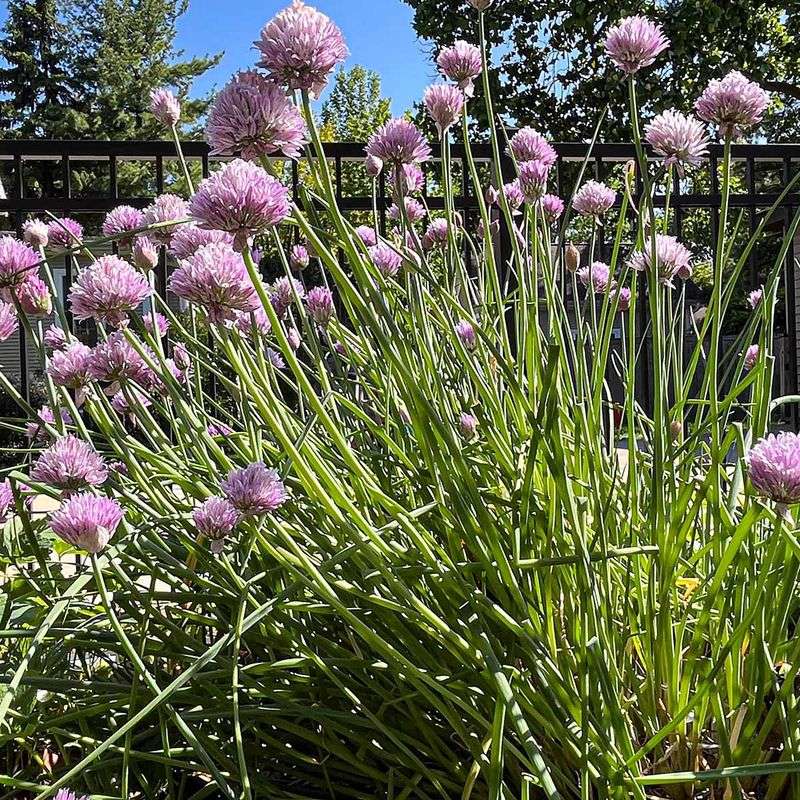
If you already grow chives for their grassy leaves, you’re missing out if you’re not eating the flowers too. Those purple pom-pom blooms that appear in late spring taste like mild onion with a hint of sweetness.
They’re gorgeous and delicious, and they grow like crazy in Oregon gardens.
Chives are perennials, so once you plant them, they’ll come back every year. They thrive in full sun to part shade and tolerate our wet winters without any fuss.
You can grow them in the ground, in containers, or tucked into herb spirals and pollinator beds.
The flowers are made up of tiny individual florets that you can pull apart and sprinkle over baked potatoes, scrambled eggs, salads, or soups. They add a pop of color and a gentle onion flavor without overpowering other ingredients.
You can also use whole flower heads as a garnish on cheese platters or dips.
Harvesting the flowers won’t hurt the plant. In fact, cutting them back encourages more leaf growth.
Let a few flower heads go to seed if you want chives to spread, or deadhead them to keep the plant tidy. Always grow chives organically and rinse the blooms before eating them.
5. Lavender
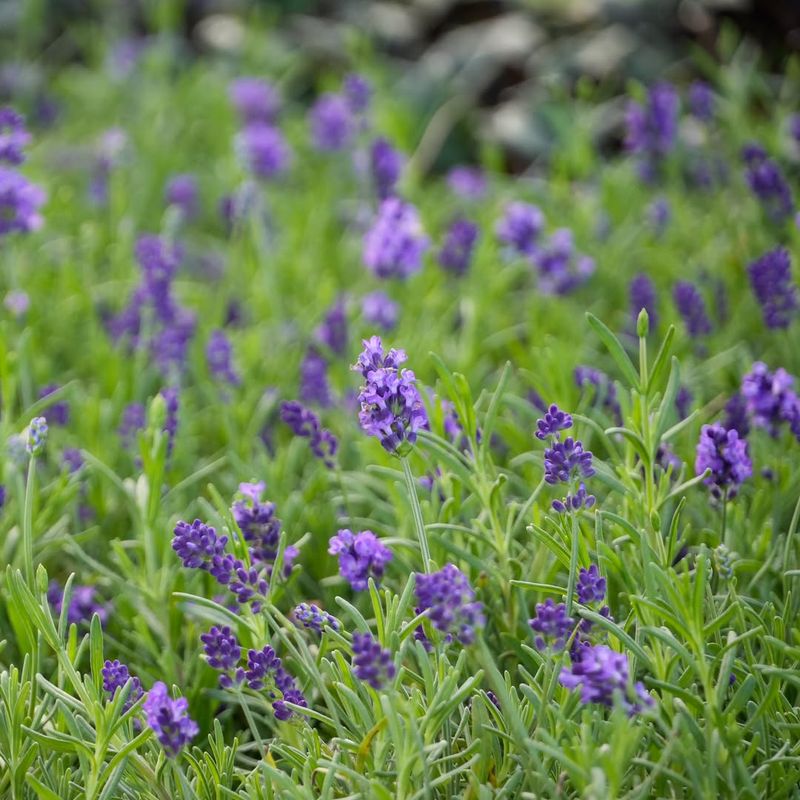
While it’s famous for sachets and soaps, the flowers are also edible and add a floral, slightly sweet flavor to baked goods, teas, and savory dishes. A little goes a long way, so use it sparingly.
English lavender varieties like ‘Munstead’ and ‘Hidcote’ grow best in Oregon, especially in well-drained soil and full sun. Lavender doesn’t like wet feet, so avoid heavy clay or waterlogged areas.
It thrives in raised beds, rock gardens, and along sunny borders where it can dry out between rains.
The flowers bloom in early summer and attract bees, butterflies, and hummingbirds. You can harvest the flower buds just before they open for the strongest flavor.
Use them fresh or dried in shortbread cookies, lemonade, honey, or herb blends. Only the flowers are edible, not the stems or leaves.
Lavender is a perennial that gets more beautiful each year as it matures into a woody shrub. Prune it lightly after blooming to keep it compact and healthy.
Always grow lavender organically if you plan to eat it, and rinse the flowers gently before adding them to recipes.
6. Pansies
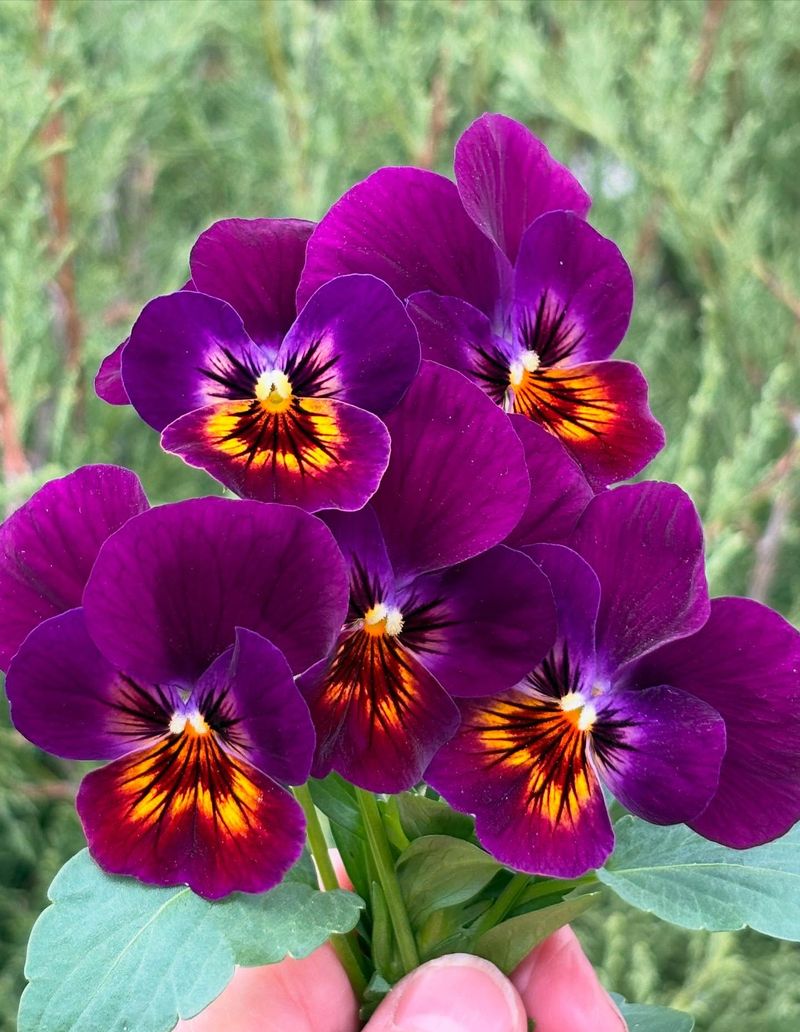
Pansies are one of the most cheerful edible flowers you can grow in Oregon. Their bright faces come in every color imaginable, from deep purple to sunny yellow, and they taste mildly sweet with a hint of wintergreen.
Kids especially love eating these flowers because they’re fun and colorful.
Oregon’s cool springs and falls are perfect for pansies. Plant them in March for spring blooms or in September for fall and winter color.
They can handle light frosts and even a bit of snow, making them one of the few edible flowers that thrive in our cooler months.
You can eat the entire pansy flower, and they’re beautiful as cake decorations, salad toppers, or frozen into ice cubes for fancy drinks. The flavor is subtle, so they won’t overpower your food.
Just remove the green stem and rinse the petals before using them.
Pansies grow well in containers, window boxes, and garden beds. They prefer part sun to full sun and need regular watering to keep blooming.
Deadhead spent flowers to encourage more blooms. Always choose organically grown pansies if you plan to eat them, and avoid flowers from garden centers that may have been treated with pesticides.
7. Violas
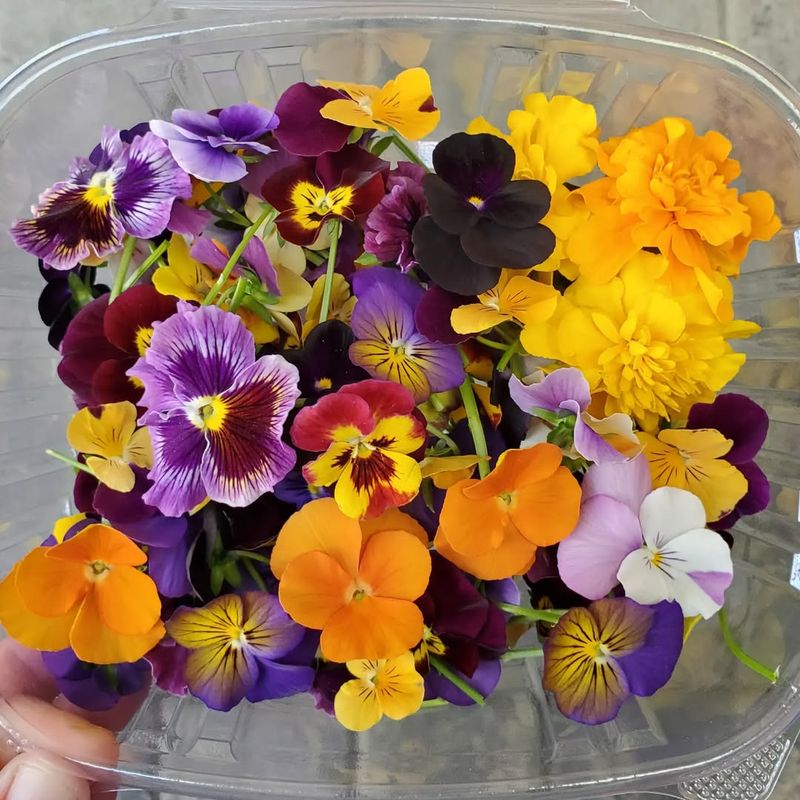
They are like the smaller, sweeter cousins of pansies. Violas have delicate flowers in shades of purple, blue, yellow, and white, and they taste mildly sweet and grassy.
They’re perfect for adding a touch of elegance to desserts, salads, and drinks.
These hardy little flowers thrive in Oregon’s cool, damp climate. You can plant them in early spring or late summer, and they’ll bloom through fall and even into winter in milder areas.
Violas are more cold-tolerant than pansies, making them a great choice for year-round edible gardens.
The entire flower is edible, and they’re often used to decorate cakes, cupcakes, and pastries. You can also scatter them over salads, float them in soups, or press them into butter or cream cheese.
The flavor is subtle, so they’re more about visual appeal than bold taste.
Violas self-seed readily, so once you plant them, you’ll likely have volunteers popping up in unexpected places. They grow well in containers, borders, and tucked between vegetables.
They prefer part sun and consistent moisture. Always grow violas organically and rinse the flowers before eating them.
8. Bee Balm (Monarda)
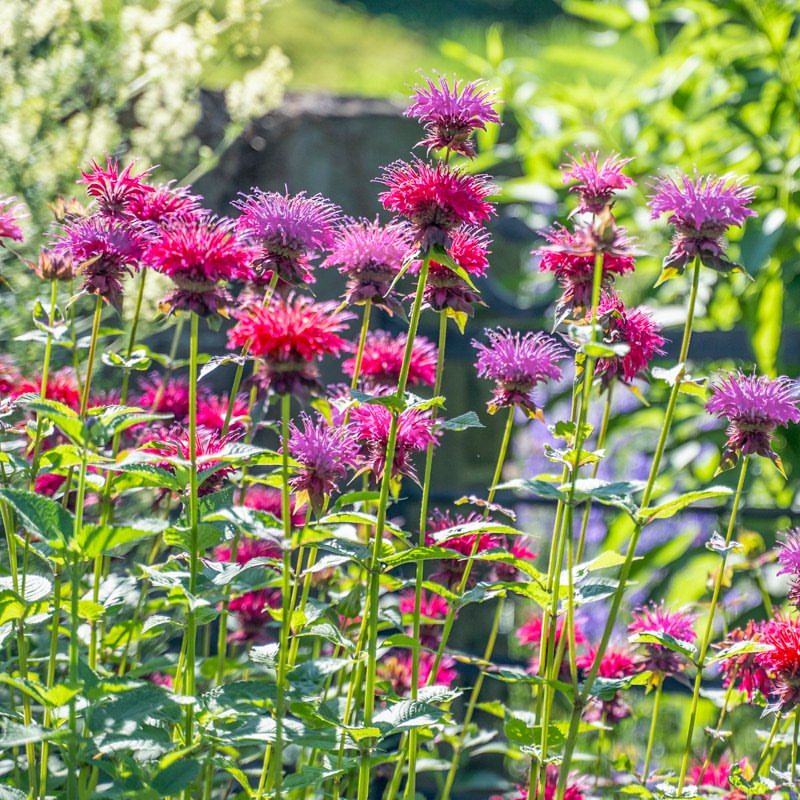
Bee balm is a pollinator magnet with shaggy, colorful blooms that taste like a mix of mint and oregano. The flowers come in shades of red, pink, purple, and white, and they’re a favorite of bees, butterflies, and hummingbirds.
If you want a lively, buzzing garden, bee balm is a must-have.
This perennial thrives in Oregon’s climate, especially in areas with consistent moisture. Plant it in full sun to part shade, and it will spread over time to form a cheerful clump.
Bee balm can handle our wet winters and mild summers without much fuss.
Both the flowers and leaves are edible. The blooms have a stronger flavor than the leaves and work well in teas, salads, and as garnishes.
You can also use the petals to infuse vinegar or make herb butter. The flavor is bold, so use it thoughtfully.
Bee balm can be prone to powdery mildew in humid conditions, so give it good air circulation and avoid overhead watering. Divide clumps every few years to keep them healthy and vigorous.
Always grow bee balm organically if you plan to eat it, and rinse the flowers before adding them to food or drinks.
9. Anise Hyssop
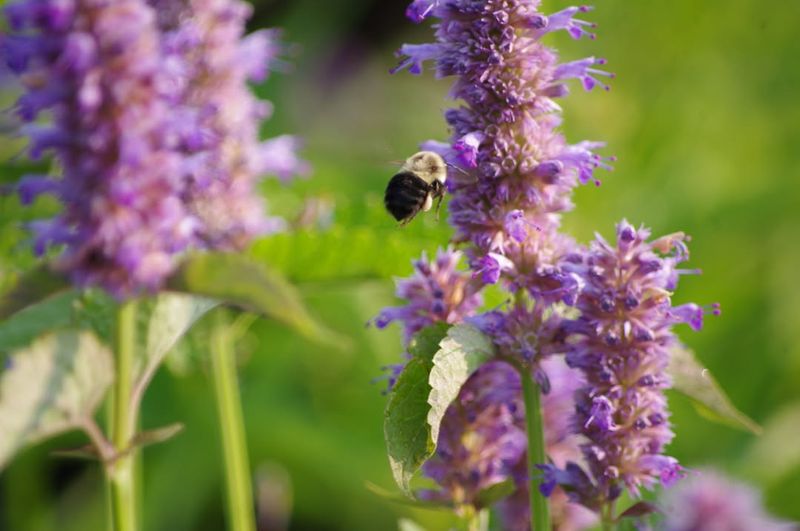
Spikes of purple flowers that taste and smell like licorice! It’s a pollinator powerhouse, attracting bees and butterflies throughout the summer and fall.
The flowers and leaves are both edible, making it a versatile addition to Oregon gardens.
This plant thrives in full sun and well-drained soil, making it a good choice for drier spots in your garden. It’s drought-tolerant once established, which is helpful during Oregon’s occasional dry spells.
You can start it from seed in spring or buy transplants from local nurseries.
The flowers have a sweet, anise-like flavor that works beautifully in teas, cookies, and fruit salads. You can also use the blooms to flavor honey or syrup.
The leaves are edible too and can be used fresh or dried in herbal blends.
Anise hyssop grows tall, sometimes reaching four feet, so plant it toward the back of your flower bed or in a pollinator border. It self-seeds generously, so you’ll likely have plenty of volunteers each year.
Deadhead spent flowers if you want to prevent spreading. Always grow it organically and rinse the flowers and leaves before using them in food.
10. Roses (Petals Only)
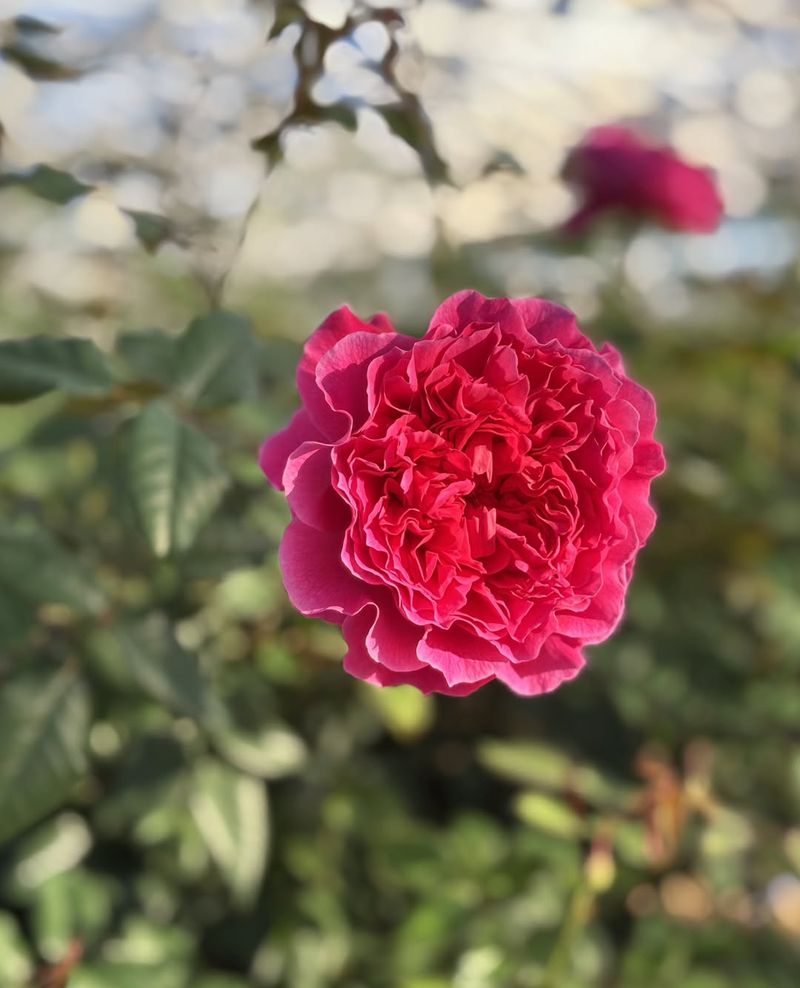
The petals are edible and taste floral, slightly sweet, and fragrant. Darker roses tend to have a stronger flavor, while lighter-colored petals are more delicate.
You can use rose petals in syrups, jellies, teas, and desserts for a romantic, old-fashioned touch.
Oregon’s cool, damp climate is great for growing roses, especially disease-resistant varieties like rugosa roses and old garden roses. These types are hardier and less fussy than hybrid teas, making them easier for beginner gardeners.
Plant them in full sun with good air circulation to prevent fungal issues.
Only the petals are edible, not the leaves, stems, or hips (though rose hips are edible separately and packed with vitamin C). Remove the bitter white base of each petal before using them in recipes.
Rinse the petals thoroughly to remove any dirt or insects.
Roses bloom from late spring through fall in Oregon, giving you plenty of harvests. You can dry the petals for later use or use them fresh.
Always grow roses organically if you plan to eat them, and never use flowers from florists or garden centers, as they may have been treated with chemicals not safe for consumption.
11. Squash Blossoms
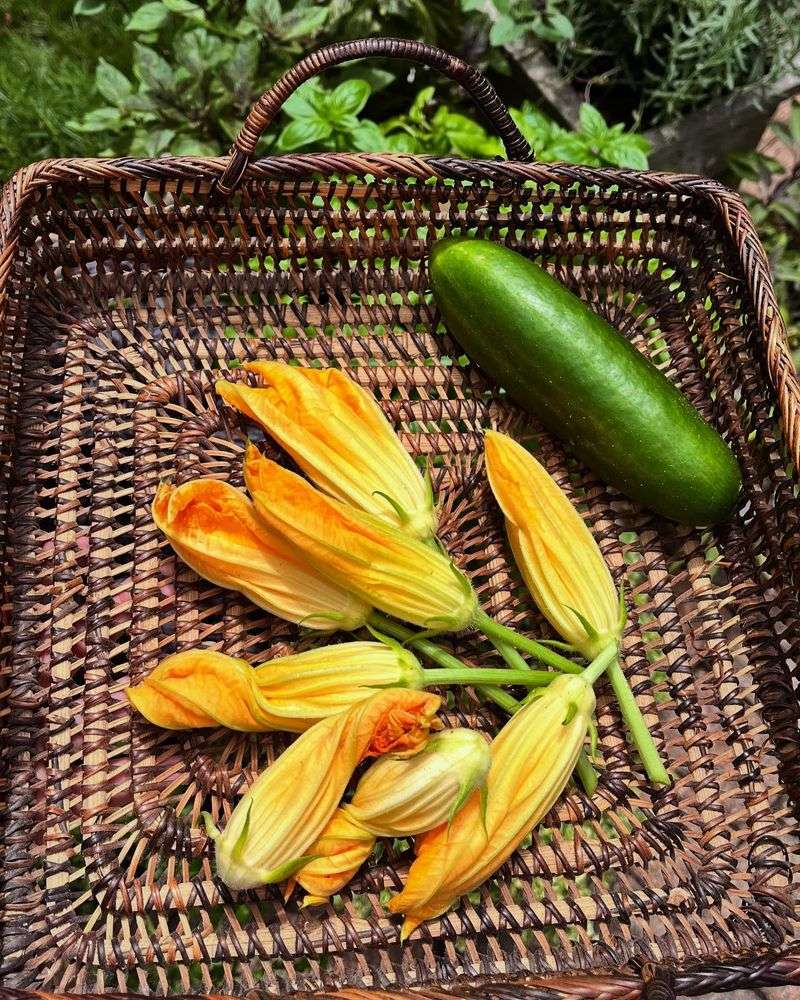
These large, golden-orange flowers taste mild and slightly sweet, with a delicate squash flavor. They’re incredibly popular in Italian and Mexican cooking, where they’re stuffed, fried, or added to quesadillas and pasta.
In Oregon, squash plants thrive in full sun and rich, well-drained soil. Plant seeds or transplants in late May or early June, after the soil has warmed up.
Zucchini, pumpkins, and winter squash all produce edible blossoms, so you have plenty of options to choose from.
Harvest male flowers, which grow on long, thin stems, rather than female flowers, which have a tiny squash forming at the base. This way, you’ll still get plenty of squash to harvest later.
Pick the flowers in the morning when they’re fully open and fresh.
You can stuff squash blossoms with ricotta and herbs, dip them in batter and fry them, or chop them into omelets and soups. The entire flower is edible, though you may want to remove the stamens inside.
Rinse the blossoms gently and use them the same day for the best flavor and texture. Always grow squash organically if you plan to eat the flowers.
12. Dandelion
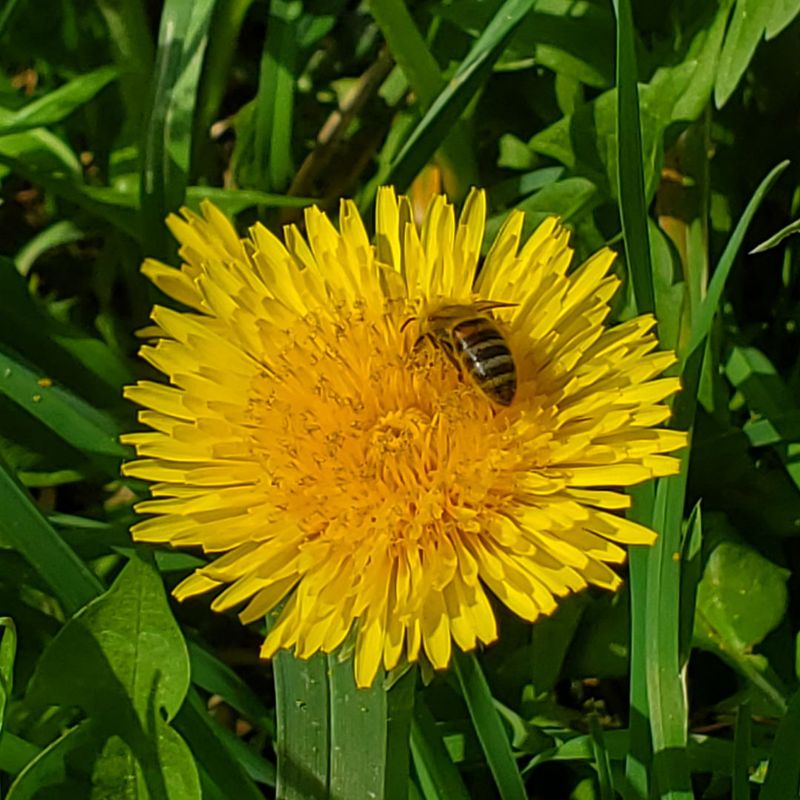
Most people see dandelions as weeds, but they’re actually one of the most nutritious and versatile edible flowers you can grow. The bright yellow blooms taste mildly sweet and honey-like, while the leaves are bitter and packed with vitamins.
Dandelions thrive in Oregon without any help from you, making them the ultimate low-maintenance edible flower.
You can harvest dandelion flowers from your lawn or garden, but only if you’re certain the area hasn’t been treated with herbicides or pesticides. The flowers are best picked when fully open on a sunny morning.
You can use them to make dandelion wine, jelly, or fritters.
The entire plant is edible. The young leaves make a great addition to salads, the roots can be roasted as a coffee substitute, and the flowers add color and sweetness to dishes.
Remove the green base of the flower before eating, as it can be bitter.
Dandelions bloom from early spring through fall in Oregon, giving you multiple harvests. They self-seed readily, so you’ll never run out.
If you want to keep them contained, deadhead the flowers before they turn into fluffy seed heads. Always harvest from areas you know are chemical-free and rinse the flowers well before using them.
13. Red Clover
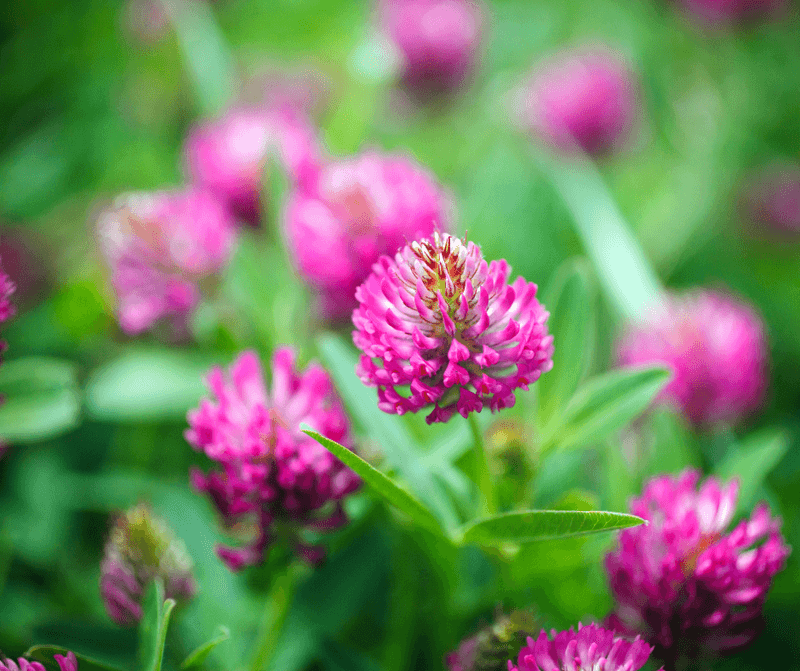
Red clover is a common sight in Oregon fields and gardens, and its sweet, honey-like flowers are completely edible. The blooms taste mild and slightly floral, making them perfect for teas, salads, and garnishes.
Red clover is also a fantastic cover crop that fixes nitrogen in the soil, improving fertility for your vegetable garden.
You can plant red clover in early spring or fall. It grows well in full sun to part shade and tolerates our wet winters and cool summers.
It’s often used in pasture mixes, but it works beautifully in home gardens too, especially in areas where you want to improve the soil.
The flower heads are made up of tiny individual florets that you can pull apart and sprinkle over food. They’re commonly dried for herbal teas, which have a sweet, soothing flavor.
Fresh flowers can also be added to salads or used as a garnish.
Red clover attracts bees and other pollinators, making it a valuable addition to any edible garden. It self-seeds readily, so it will return year after year once established.
Only harvest red clover from areas you know are pesticide-free, and rinse the flowers thoroughly before using them in food or drinks.