The 9 Best Plants For Oregon’s Wet Yards
Oregon’s lush, rainy climate is great for gardens, but sometimes that extra moisture can make parts of your yard feel more like a pond than a garden bed. Wet spots can be tricky, but they don’t have to go to waste.
With the right plants, soggy areas can become vibrant, thriving parts of your landscape.
There are plenty of flowers, shrubs, and grasses that actually love wet soil. Choosing plants that naturally handle moisture not only saves you from frustration but also creates a garden that looks healthy and full all season long.
You can mix textures, colors, and heights to turn soggy corners into eye-catching features.
Even if you’ve struggled with standing water in your yard, the right plants are surprisingly easy to grow and maintain. Some bloom beautifully, others provide year-round greenery, and many attract pollinators or wildlife.
Let’s explore some of the best plants for Oregon’s wet yards and show you how to make the most of those tricky spots.
With the right choices, even the soggiest parts of your garden can become some of the most interesting and lively areas of your landscape.
1. Red Twig Dogwood
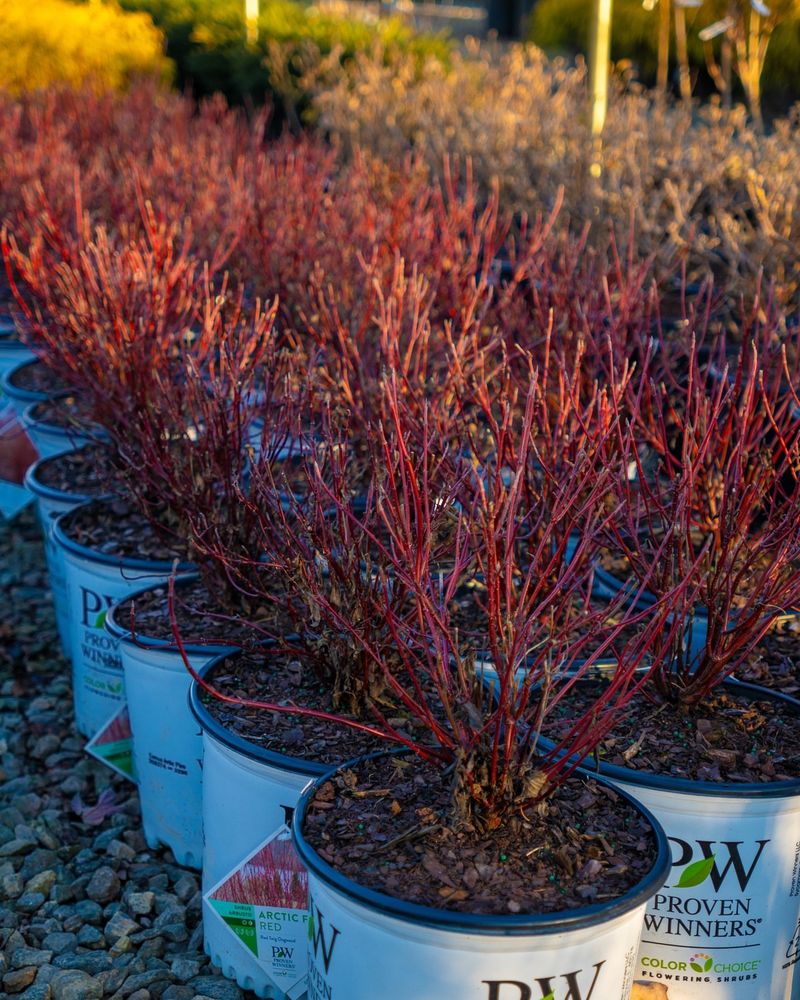
You know that low corner of your yard where water sits for days after every storm? That’s exactly where this shrub performs its best work.
Red Twig Dogwood brings year-round interest to spots most plants would refuse to tolerate, and it does so without any fuss or special treatment.
What makes this plant a wet-yard champion is its naturally fibrous root system that actually loves moisture. While other shrubs would rot in standing water, this one sends out vigorous roots that stabilize soggy soil and soak up excess moisture like a sponge.
You’ll see bright red or yellow stems depending on the variety, and they’re especially stunning against winter’s gray skies.
Plant it along drainage swales, near downspouts, or in rain gardens where runoff collects. It grows fast, fills in nicely, and requires almost no maintenance beyond an occasional pruning to keep those colorful stems fresh.
The shrub reaches about six to nine feet tall and wide, so give it some room to spread.
Red Twig Dogwood also attracts birds with its white berries in late summer, adding wildlife value to your wet yard.
It’s native to the Pacific Northwest, so it’s perfectly adapted to our climate and won’t become invasive or require extra watering once established.
2. Pacific Ninebark
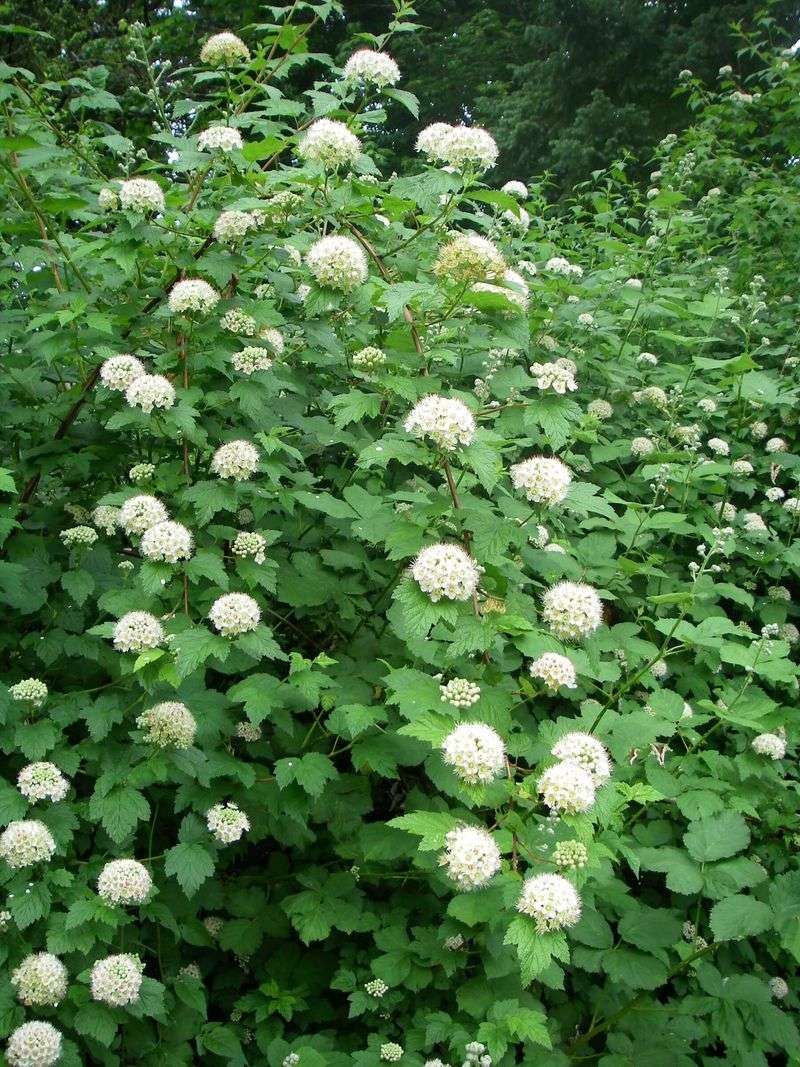
Ever notice how some areas near your driveway or along the fence line stay damp no matter the season? Pacific Ninebark handles those conditions beautifully while adding texture and color that changes throughout the year.
This native shrub has become a favorite among Oregon landscapers who need something tough, attractive, and completely unbothered by wet feet.
Its secret lies in its adaptability. Pacific Ninebark tolerates everything from seasonal flooding to summer drought once it’s established, making it perfect for our unpredictable weather patterns.
Your Oregon Garden Changes Every Week. Your Plan Should Too.
Gardening in Oregon changes quickly throughout the season. Every Friday you’ll receive a simple weekly plan showing exactly what to plant, prune, fertilize, harvest, and protect so you never miss the right timing.
The shrub produces clusters of white or pink flowers in spring, followed by interesting seed heads that add winter structure. Its peeling bark gives it a rustic, layered look that works well in natural or informal landscapes.
Place it in low spots, along property edges, or as a backdrop for smaller perennials in rain gardens. It grows four to ten feet tall depending on the variety, and you can prune it to keep it compact or let it sprawl naturally.
Maintenance is minimal, just remove any dead wood in early spring.
Pacific Ninebark also supports local pollinators and birds, making your wet yard a habitat hub. It’s a workhorse plant that looks good doing its job, and it won’t complain about Oregon’s long, wet winters.
3. Slough Sedge (Carex obnupta)
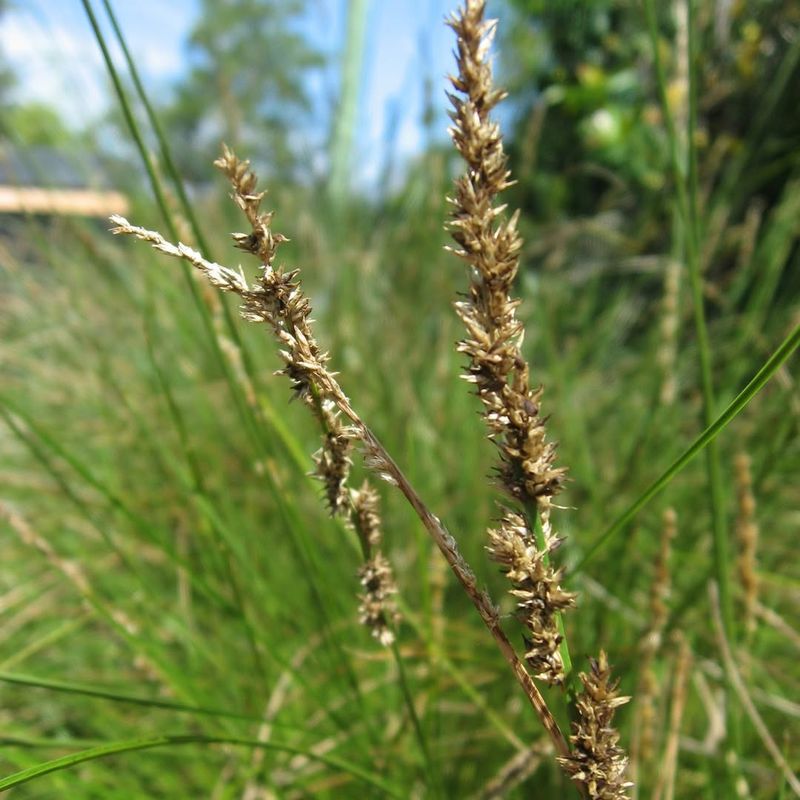
Walk through any wet meadow or forest edge in Oregon and you’ll see this grass-like plant thriving where the ground stays damp year-round. Slough Sedge is one of those unsung heroes that handles the toughest wet-yard challenges while looking graceful and natural.
It’s perfect for homeowners who want a low-maintenance ground cover that actually improves soil health.
This native sedge has deep, spreading roots that stabilize wet soil and prevent erosion, making it ideal for slopes, ditches, and areas where water flows during heavy rains. It forms dense clumps of bright green, arching foliage that stays attractive through most of the year.
Unlike lawn grass, it doesn’t need mowing, fertilizing, or constant attention, it just grows steadily and fills in problem areas.
Plant it along stream banks, in rain gardens, or anywhere water tends to pool. It tolerates full sun to partial shade and reaches about two to three feet tall.
You can plant it in masses for a meadow effect or use it as a textural accent among other moisture-loving plants.
Slough Sedge also provides habitat for beneficial insects and amphibians, turning your wet yard into a mini ecosystem. It’s one of the best choices for homeowners who want a practical, beautiful solution that works with Oregon’s natural landscape rather than against it.
4. Douglas Spirea
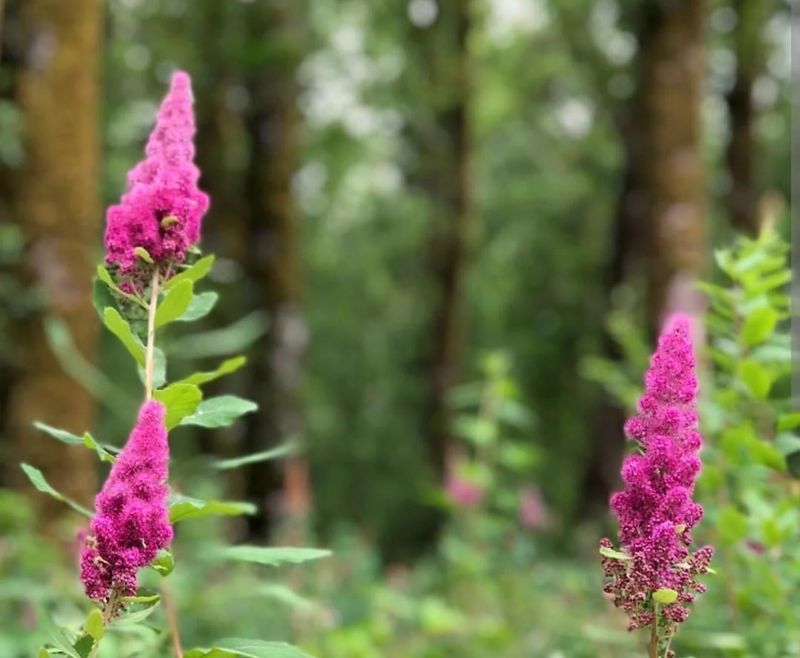
If you’ve been searching for a flowering shrub that won’t sulk in wet soil, Douglas Spirea delivers exactly what Oregon yards need. This native shrub brings clouds of pink blooms to soggy areas in early summer, transforming problem spots into garden highlights.
It’s especially popular with homeowners who want color without the headache of finicky plants that demand perfect drainage.
Douglas Spirea thrives in wet conditions because it naturally grows along stream banks and moist forest edges throughout the Pacific Northwest. Its root system is adapted to fluctuating water levels, so it handles both winter flooding and drier summer months with ease.
The shrub produces clusters of rose-pink flowers that attract butterflies and bees, adding movement and life to your yard.
Plant it in low-lying areas, along property edges, or as part of a mixed rain garden. It grows three to six feet tall and spreads slowly, so it won’t take over but will fill in nicely over time.
Prune it lightly after flowering to maintain shape, but it’s forgiving if you skip a year.
Douglas Spirea also has attractive foliage that turns bronze in fall, giving you multiple seasons of interest. It’s a reliable, beautiful choice for wet yards that need more than just functional plants—it proves that soggy soil can still support stunning gardens.
5. Western Sword Fern
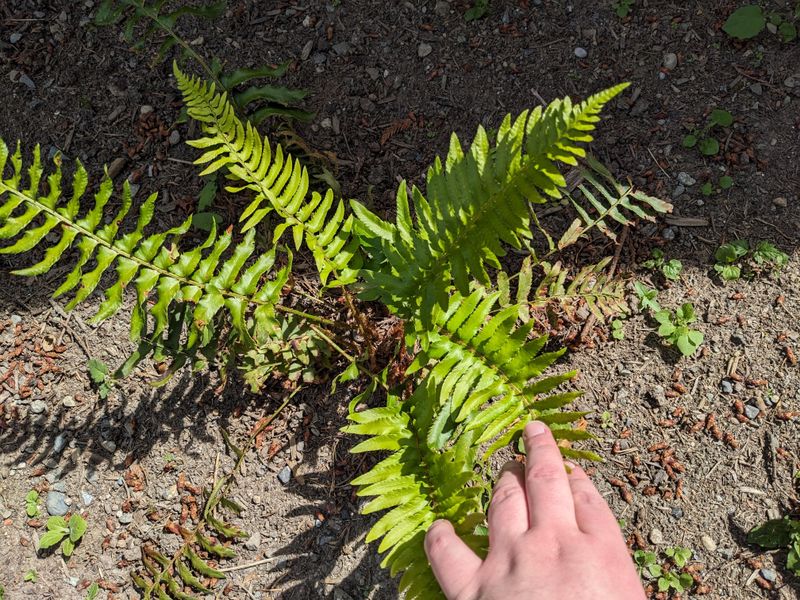
Shady wet spots are some of the toughest areas to plant, but Western Sword Fern makes them look effortless. This iconic Pacific Northwest native thrives in the exact conditions that kill most other plants, deep shade, heavy clay, and constant moisture.
If you’ve got a dim, soggy corner under trees or along the north side of your house, this fern will make it look intentional and lush.
Western Sword Fern has tough, leathery fronds that stay green year-round, giving your yard structure even in the middle of winter. Its root system is incredibly efficient at absorbing moisture, and it actually prefers soil that stays damp rather than drying out.
Once established, it requires almost no care, no watering, no fertilizing, no pruning unless you want to tidy up old fronds in spring.
Plant it under Douglas firs, along shaded pathways, or in rain gardens that don’t get much sun. It grows two to four feet tall and spreads slowly into elegant clumps.
You can pair it with other shade-loving natives like Slough Sedge or Snowberry for a layered, natural look.
Western Sword Fern also improves soil quality over time as old fronds decompose, adding organic matter to heavy clay. It’s a true set-it-and-forget-it plant that makes wet, shady areas look like they belong in a botanical garden rather than a problem zone.
6. Snowberry
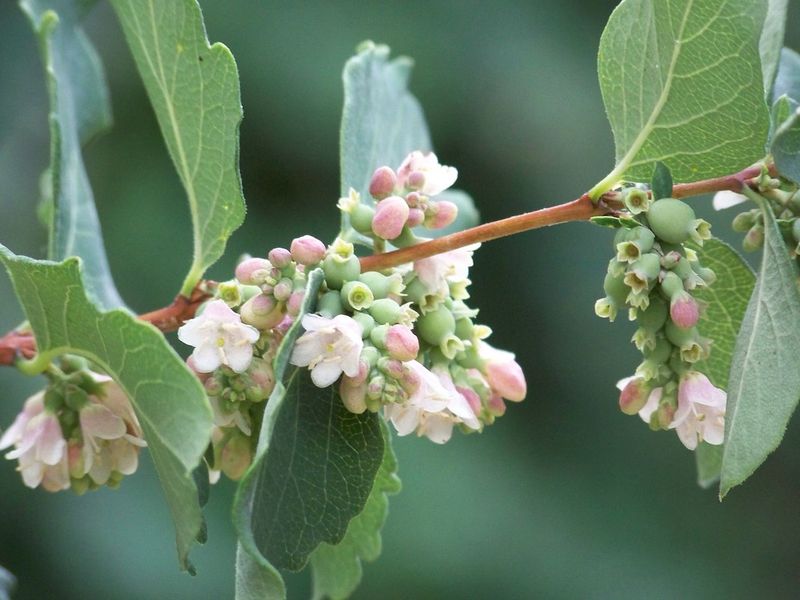
There’s something charming about a plant that produces bright white berries just as everything else is winding down for the year.
Snowberry is one of those understated natives that handles wet soil with ease while offering unexpected beauty in fall and winter.
It’s perfect for homeowners who want a shrub that works hard but doesn’t demand attention or constant upkeep.
This shrub’s real strength is its adaptability. Snowberry grows naturally in wet meadows, forest edges, and along streams throughout Oregon, so it’s completely comfortable in poorly draining soil.
It spreads slowly through underground runners, forming loose colonies that fill in wet areas without becoming aggressive.
The small pink flowers in summer are followed by clusters of white berries that persist into winter, providing food for birds and visual interest when your yard needs it most.
Plant Snowberry in rain gardens, along fences, or in naturalized areas where you want a soft, informal look. It grows three to six feet tall and tolerates both sun and shade, making it versatile for different yard conditions.
Maintenance is minimal, just remove any dead stems in early spring if needed.
Snowberry also plays well with other natives like Red Twig Dogwood and Pacific Ninebark, creating layered plantings that look intentional and cohesive. It’s a quiet performer that makes wet yards feel more like woodland gardens than drainage problems.
7. Camas Lily (Camassia quamash)
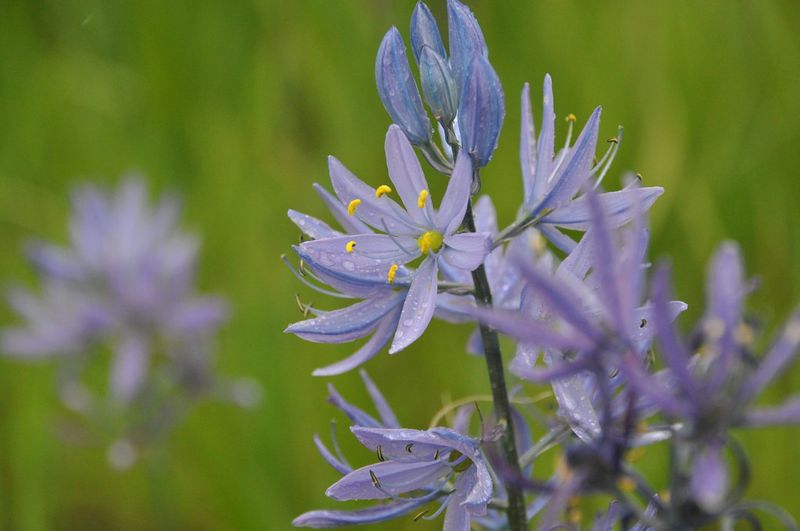
Picture a wet meadow in late spring covered in spikes of blue-purple flowers, and you’re imagining Camas Lily at its best.
This native bulb is a stunning addition to any Oregon wet yard, especially if you want something that blooms beautifully before going dormant and getting out of the way.
It’s ideal for homeowners who want seasonal color without year-round maintenance or watering.
Camas Lily evolved to handle our wet winters and dry summers perfectly. The bulbs sit dormant through the hot months, then send up lush foliage and tall flower spikes in spring when the soil is still moist.
The flowers are a rich blue or purple that’s hard to find in other wet-tolerant plants, and they look incredible planted in drifts or masses.
Pollinators love them, and they naturalize over time, spreading slowly to fill in more space.
Plant Camas bulbs in fall in rain gardens, low meadows, or along pond edges. They prefer full sun to partial shade and grow one to two feet tall when blooming.
After flowering, the foliage dies back, so plant them among grasses or other perennials that will fill in the space during summer.
Camas Lily also has deep cultural significance to indigenous peoples of the Pacific Northwest, adding historical and ecological value to your landscape. It’s a beautiful, low-maintenance choice that brings a touch of wild meadow magic to wet yards.
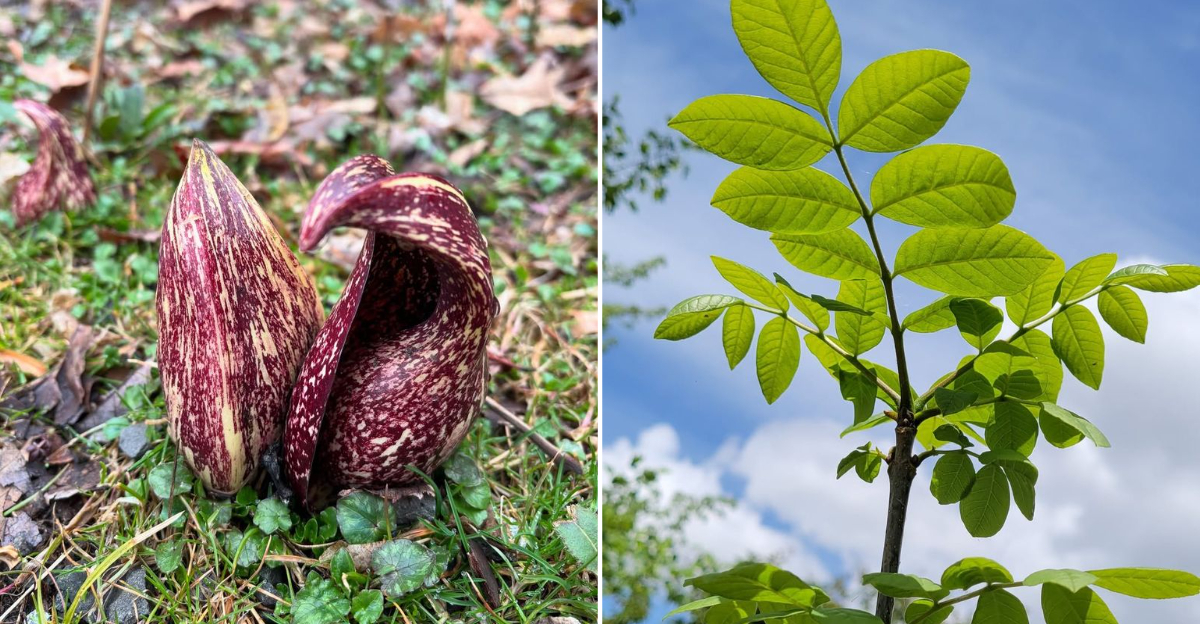
8. Skunk Cabbage
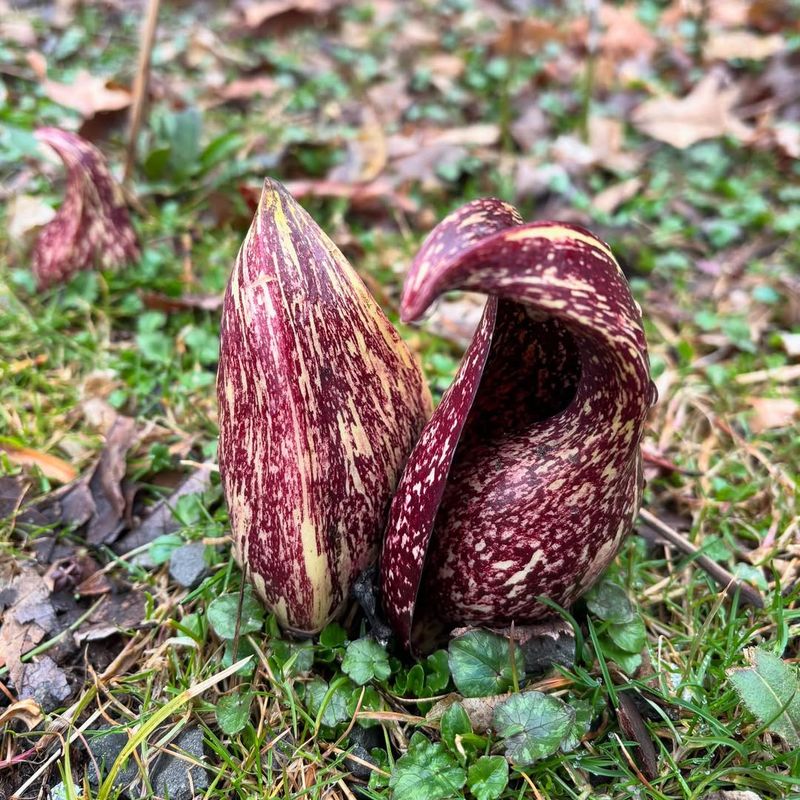
If you’ve got a truly swampy spot, like a low area that stays wet even in summer—Skunk Cabbage is your plant.
Yes, the name isn’t glamorous, but this native perennial is a bold, architectural showstopper that thrives in conditions most plants wouldn’t survive.
It’s perfect for homeowners who want to embrace the wettest parts of their yard rather than fight them.
Skunk Cabbage is one of the first plants to emerge in late winter, often pushing through snow with its bright yellow spathes. Those unusual flowers are followed by massive, tropical-looking leaves that can reach two feet across.
The plant thrives in standing water, boggy soil, and deep shade, making it ideal for the absolute wettest corners of your property. Its roots help stabilize soil and filter runoff, improving water quality naturally.
Plant it along stream banks, in low swales, or near ponds where other plants fail. It grows two to three feet tall and spreads slowly over time.
The common name comes from a faint odor the flowers emit to attract pollinators, but it’s barely noticeable unless you’re up close. The dramatic foliage more than makes up for any quirks.
Skunk Cabbage also supports native wildlife, including salamanders and insects that depend on wetland habitats. It’s a statement plant that turns the wettest, most challenging spots into bold garden features that look intentional and wild in the best way.
9. Oregon Ash
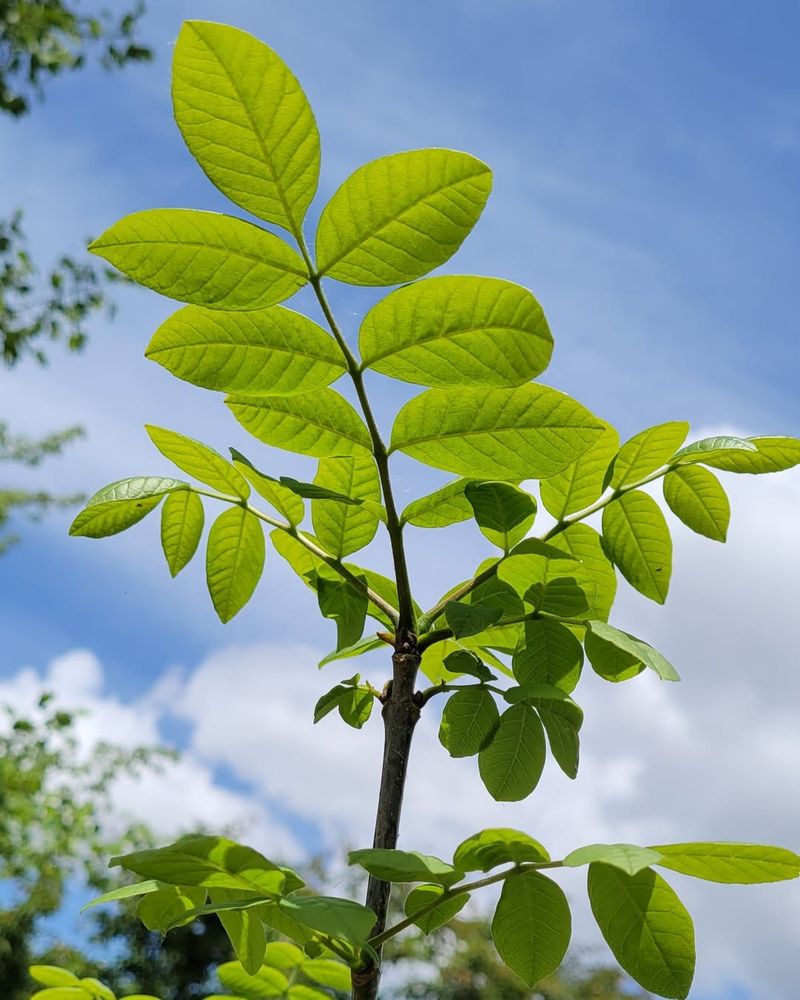
When you need a tree that can handle wet soil without rotting or toppling, Oregon Ash is one of the few native options that truly delivers.
This deciduous tree naturally grows in floodplains, wetlands, and along rivers throughout the Willamette Valley, so it’s perfectly adapted to yards with poor drainage or seasonal flooding.
It’s a great choice for homeowners who want shade and structure in wet areas without planting something that will struggle or require constant attention.
Oregon Ash has a deep, flexible root system that tolerates both waterlogged soil in winter and drier conditions in summer. The tree grows quickly, reaching forty to eighty feet tall depending on conditions, and provides excellent shade for wet lawn areas or rain gardens.
Its compound leaves turn yellow in fall, adding seasonal color before dropping and enriching the soil below.
Plant it in low spots, along property edges, or near seasonal streams where you need a larger plant to anchor the landscape. Give it plenty of space, this is a full-sized tree that needs room to grow.
Maintenance is minimal, though you may want to prune lower branches as it matures to improve clearance and shape.
Oregon Ash also supports a wide range of wildlife, from nesting birds to beneficial insects. It’s a long-term investment that turns wet, unusable areas into shaded, functional spaces that feel like mature, established landscapes.